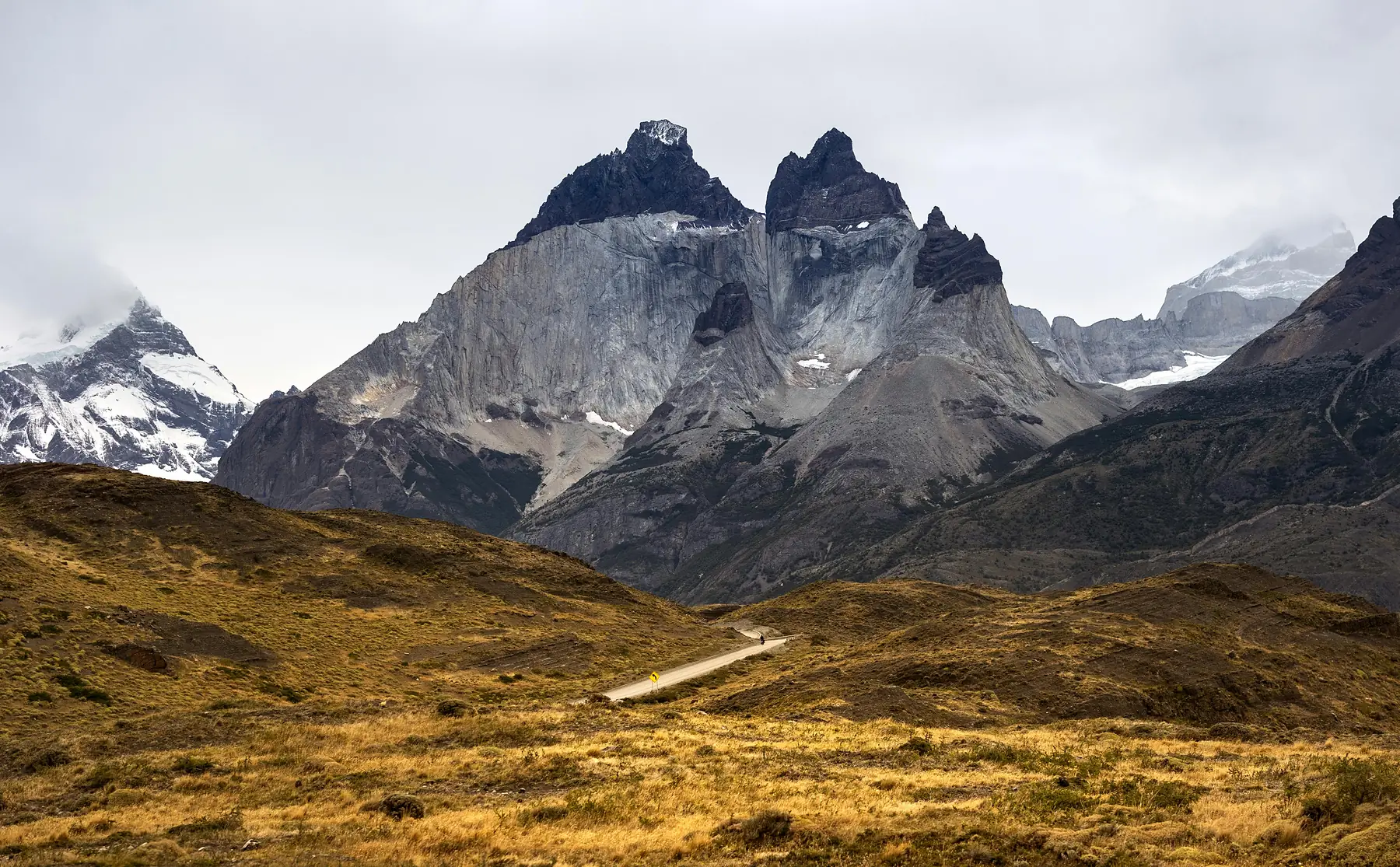
Patagonian landscape
About Us

The Experts in
Patagonia Travel

An independent travel resource dedicated to providing the most accurate, firsthand data for researching and planning trips to the southern tip of the Andes.

Our Mission

Why We Created Patagonia Scout

We built Patagonia Scout because we were frustrated by the fragmented and outdated information available to travelers. Planning a trip to this region often requires navigating multiple platforms for bus schedules, park permits, and refugio bookings, many of which undergo significant structural changes annually.

We believe that a landscape this magnificent deserves a resource that is equally high in quality. Our goal is to maintain the world's most comprehensive, accurate, and visually stunning resource for Patagonia — a living map committed to the 2026/27 season and beyond, ensuring that every page reflects the current reality of travel in Chile and Argentina.
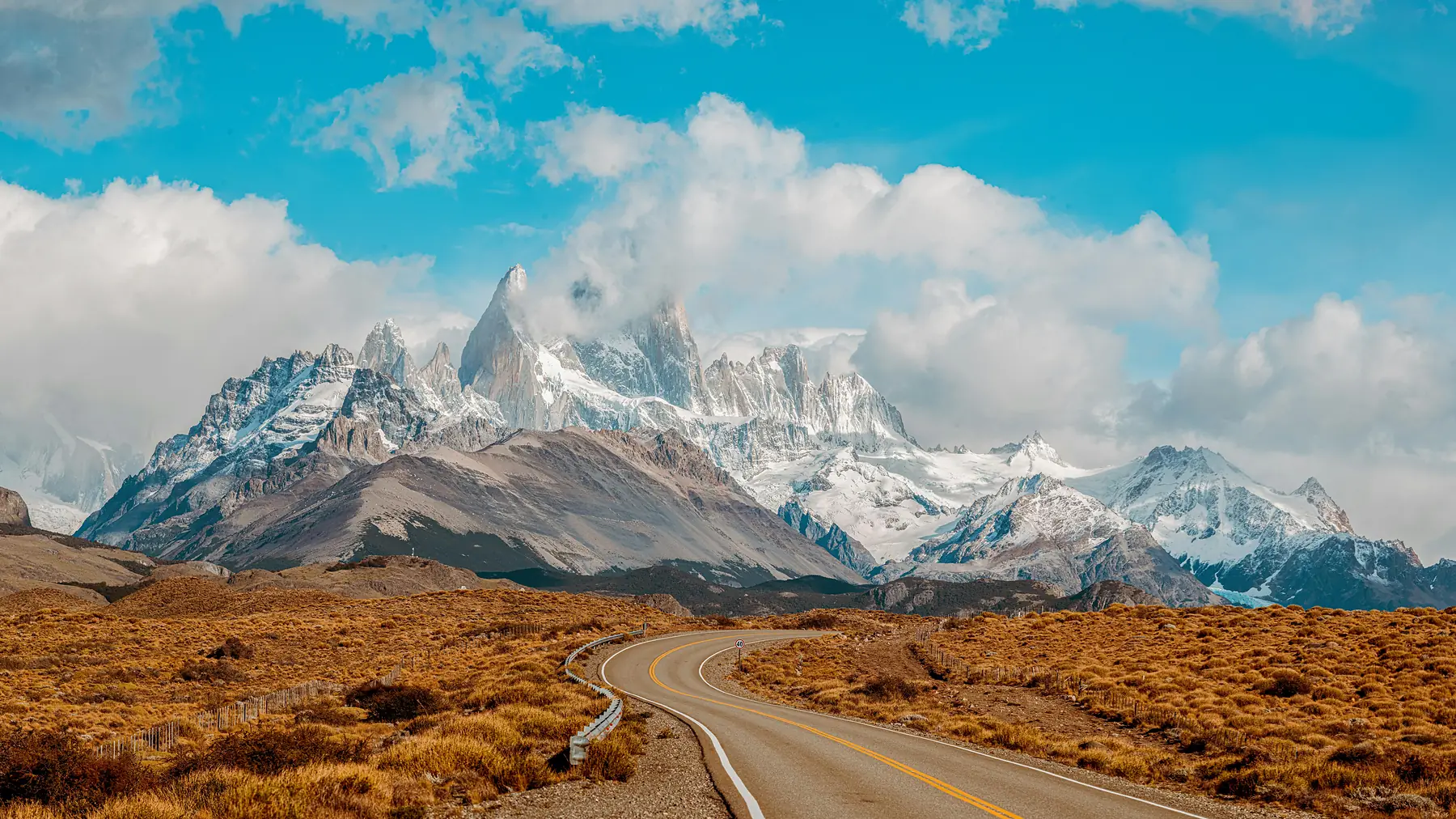
Torres del Paine granite towers at sunrise
10+ Years in the Field
270+ Pages of Data
5 Regions Covered
2026/27 Season Verified
Cuernos del Paine across Lake Pehoé
The Team

The Experts Behind the Maps

Patagonia Scout is written and edited by Rory Murphy. Rory has first-hand experience of the challenge of researching and planning trips to Patagonia. He wants to help people navigate the process and ensure anyone can visit one of the most beautiful places on earth, with confidence.

The content you read here is produced by recognized Patagonia experts who have spent a combined decade exploring the trails and towns of the far south. Our lead strategists and writers aren't just researchers — they are hikers who have completed the W Trek and the O Circuit multiple times, navigated the complex border crossings of Tierra del Fuego, and spent months living in the hubs of El Chaltén and Puerto Natales.

Our team includes specialized contributors with expertise in Andean high-altitude trekking, local logistics, and wildlife photography. Every guide is authored by individuals with deep field experience in the Magallanes and Aysén regions. We know which side of the bus has the best views of Lago Nordenskjöld and which gear shops in El Calafate actually rent reliable 4-season tents — because we've been there to check.

Firsthand Promise

Our Firsthand Experience in the Field

We do not write about destinations, treks, or hotels unless a member of our team has personally visited them. Our coverage spans the entire length of the region, from the northern fjords of Aysén to the southernmost trails of the Dientes de Navarino.

We have navigated the challenges that trip-planners fear: the high-demand booking windows on the PasesParques platform, the 80 km/h+ winds on the John Gardner Pass, and the technicalities of the PDI tourist cards at remote border stations.

Our Field Experience

  • Regions Covered Torres del Paine, Los Glaciares, Tierra del Fuego, Aysén & the Lakes District
  • Trekking Expertise Full O Circuit, W Trek, Huemul Circuit & the Dientes de Navarino
  • Logistics Navigated International border crossings, PasesParques & Vertice/Las Torres bookings, regional ferries
  • Seasonality Experience across peak summer, shoulder months & winter expeditions
Editorial Standards

Why Trust Patagonia Scout?

Trust is earned through accuracy and transparency. Every page on this site follows a "No-Fluff" policy: we prioritize practical, actionable data over generic travel inspiration.

Fact-Checked Data

Every factual claim — prices, schedules, and park policies — is reviewed by a dedicated fact-checker and verified with official sources.

Season Versioned

Our data is versioned by season. Look for the "Verified for 2026/27" badge to ensure you're seeing the most current information.

Editorially Independent

Our loyalty is to the reader. If a refugio is overpriced or a tour operator unreliable, we say so plainly.

Our Commitment

Beyond the Screen

Our relationship with Patagonia goes beyond providing travel data. We are committed to the preservation of the landscapes we cover and the well-being of the communities that host us. We actively promote the "Leave No Trace" philosophy across all our hiking guides and encourage travelers to respect the fragile ecosystems of the Andes.

We also believe in the importance of supporting local economies. From recommending family-run hospedajes to highlighting local food and culture, we aim to ensure that tourism has a positive impact — directing travelers toward lesser-visited areas to help reduce the pressure of over-tourism on popular hotspots.

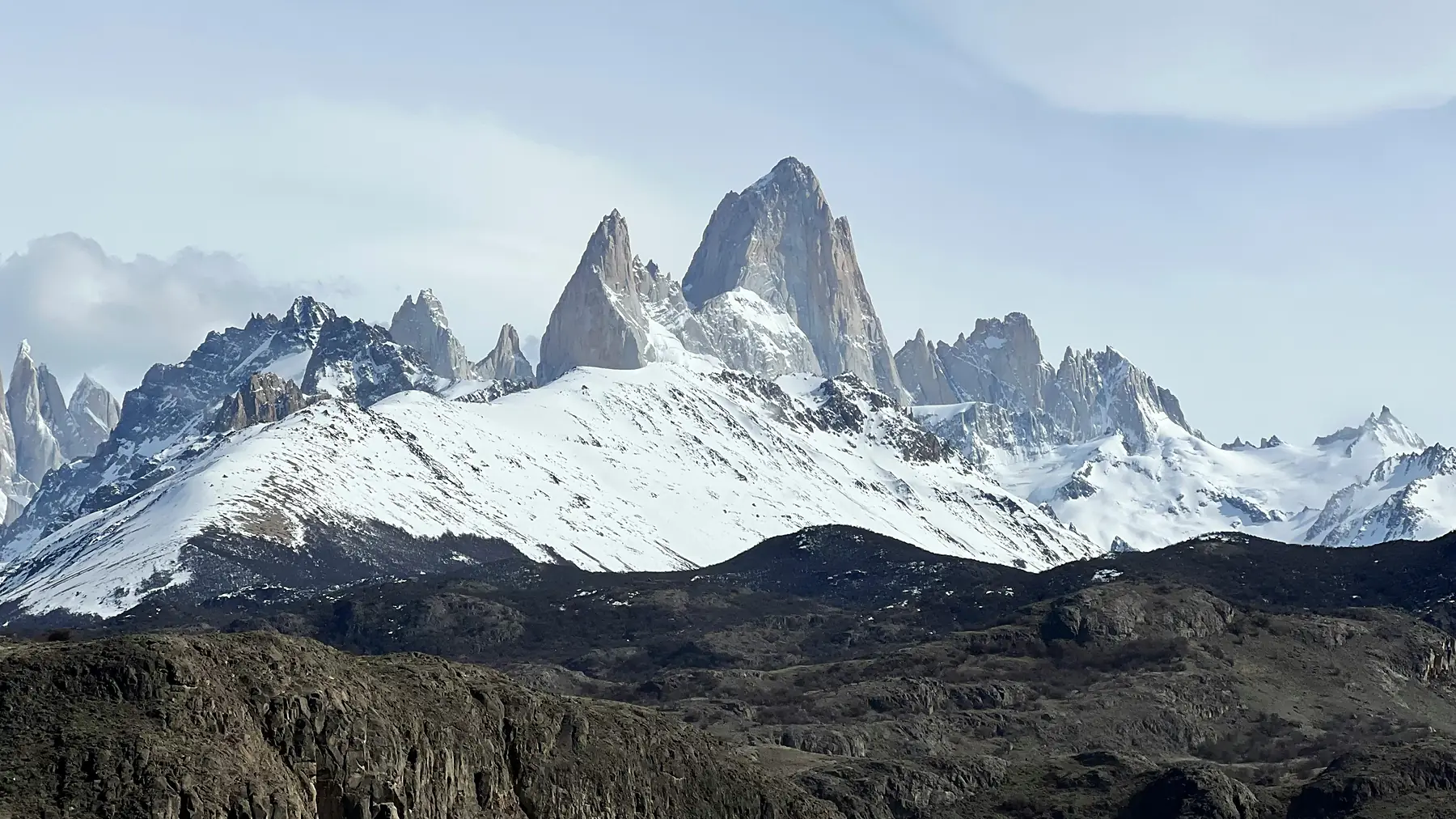
Patagonian landscape and trails

Frequently Asked Questions

Who are the Patagonia experts behind Patagonia Scout?

Patagonia Scout is run by a dedicated team of hikers, photographers, and logistics experts who have spent years exploring the trails and towns of Chilean and Argentine Patagonia.

Is the travel advice on Patagonia Scout based on firsthand experience?

Yes, every guide on Patagonia Scout is built on firsthand research, with our team regularly visiting Patagonia to verify trekking conditions, refugio prices, and local logistics.

How does Patagonia Scout ensure the accuracy of its Patagonia guides?

We employ a rigorous editorial and fact-checking process that includes verifying current PasesParques regulations, park entrance fees, and transport schedules for the 2026/27 season.

Does Patagonia Scout offer personalized Patagonia trip planning?

While we provide the world's most detailed free planning resource, Patagonia Scout currently focuses on self-service research through our 270+ comprehensive guides and itineraries.

Is Patagonia Scout an independent Patagonia travel blog?

Yes, Patagonia Scout is an independent resource; while we may earn commissions through affiliate links, our editorial integrity and recommendations remain focused on providing the best reader experience.

Why should I trust Patagonia Scout for my Torres del Paine trek planning?

Patagonia Scout provides deeper, more current data than generic booking sites, including specific campsite layouts, booking window alerts, and gear requirements specifically for the Patagonia climate.