Camping in El Calafate comes down to a practical choice. Stay in town for buses, supermarkets and glacier tours, or travel toward Lago Roca for a quieter natural setting. In both cases, bring equipment that can handle strong Patagonian wind.
For hotels, hostels and apartments, see our El Calafate accommodation overview.
TLDR: Choose a town campsite when you are traveling by bus, Lago Roca when you have suitable transport and want more scenery, or a glamping property when comfort matters more than price.
Campsite openings, facilities and prices can change between seasons. Confirm the current status directly before traveling, particularly for Lago Roca and any site outside town.
Best Campsites in El Calafate
Camping El Calafate
A town campsite is the practical choice when you need supermarkets, the bus terminal and tour pickup points close by. Confirm its current operating status and facilities before arrival.
Camping Lago Roca
Lago Roca trades town convenience for a quieter setting closer to hiking and the national park landscape. Bring supplies from El Calafate and verify the current access, campsite status and services.
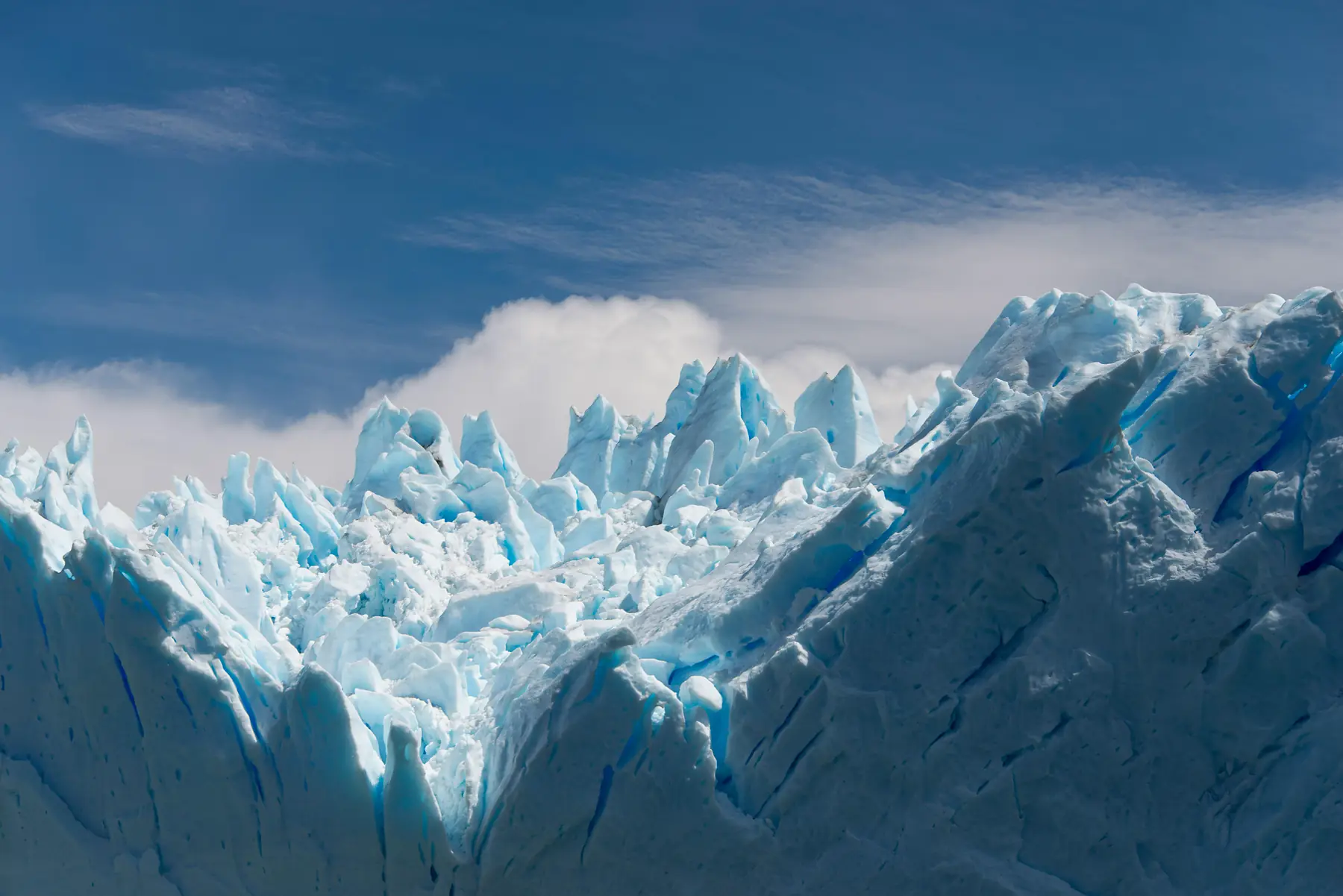
Pristine Camp El Calafate
Pristine Camp is the comfort-led alternative to a tent pitch, with dome accommodation and a packaged stay model. Check the current inclusions, transfer arrangements and minimum stay before booking.
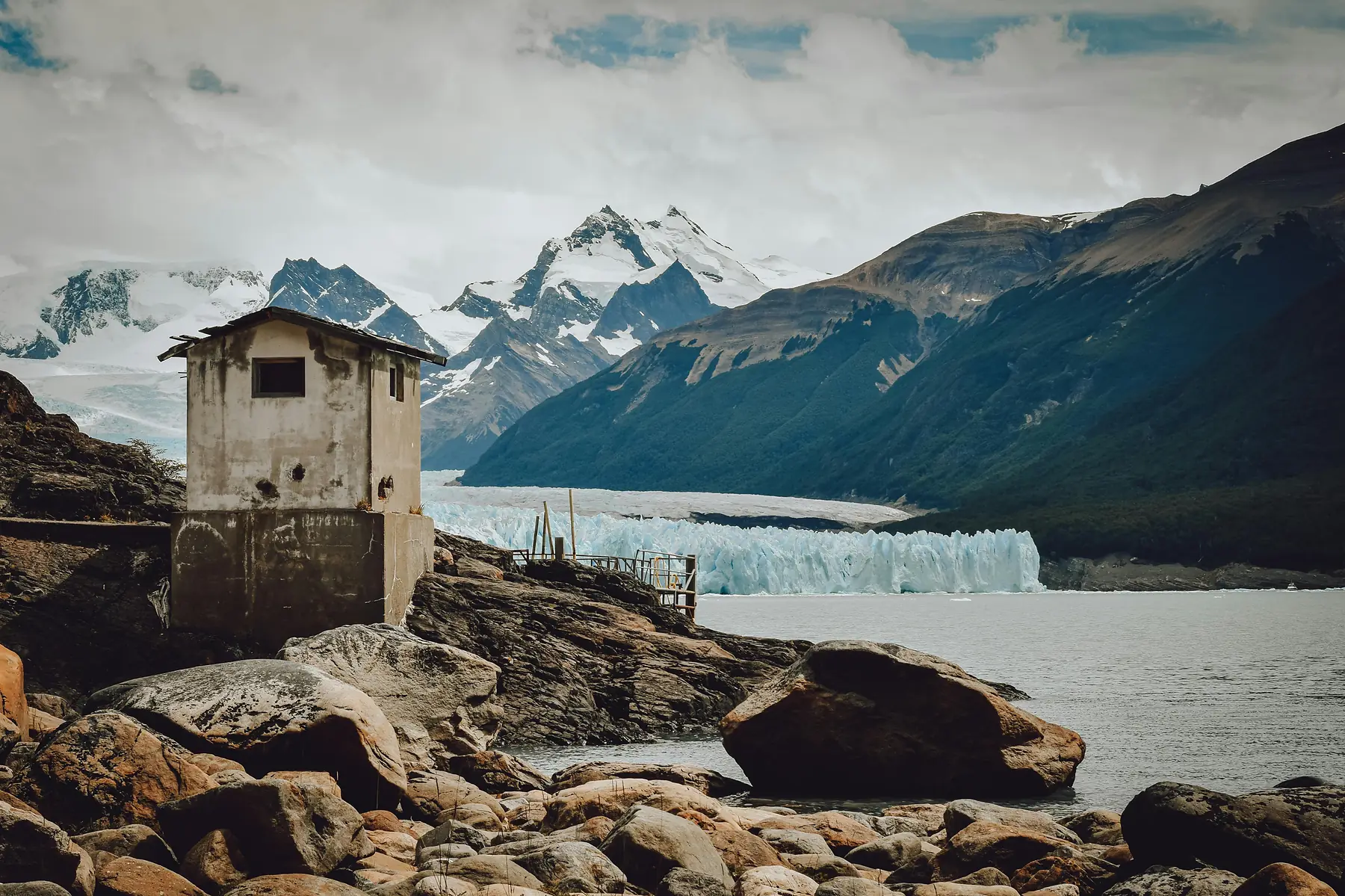
How the Main El Calafate Camping Options Compare
The best campsite for your trip depends entirely on whether you prioritize proximity to supermarkets and transport or a direct connection to the mountain landscape. For most backpackers arriving by bus, staying in town is the logical choice, while those with rental cars should head 50km south to the National Park.
To help you decide at a glance, here is how the top three options compare for the upcoming season.
- Best For: Backpackers and those without a car (Camping El Calafate)
- Best For: Nature lovers and hikers (Camping Lago Roca)
- Best For: Travelers seeking luxury in the wild (Pristine Camp)
- Price Range: Check the current rate directly (Camping El Calafate)
- Price Range: Check the current rate directly (Camping Lago Roca)
- Price Range: Request a current package quote (Pristine Camp)
- Wind Protection: Excellent - high walls and trees (Camping El Calafate)
- Wind Protection: Moderate - natural shrubs and some fences (Camping Lago Roca)
- Wind Protection: Full - solid dome structures (Pristine Camp)
- Connectivity: Confirm current facilities (Camping El Calafate)
- Connectivity: Plan to be offline (Camping Lago Roca)
- Connectivity: Confirm with the property (Pristine Camp)
Choose town for logistics, Lago Roca for scenery, or Pristine for a high-end experience.
If you find that the wind forecast looks too intimidating for a tent, you can find a list of alternative low-cost stays in our guide to El Calafate budget hotels.
Camping in El Calafate Town: Convenience & Logistics
Staying within the city limits is the most efficient choice for travelers using the El Calafate bus terminal as their primary hub. Town-based sites allow you to restock supplies at the “La Anónima” supermarket, which is the largest in the region and essential for those planning to cook their own meals to save money.
Camping El Calafate is the most central option. It is a municipal site located near the entrance to town, roughly a 15 to 20 minute walk from the main bus station. While it can feel crowded in January, it offers the best wind protection in the area thanks to tall poplars and man-made fences. The site features shared “quinchos” (enclosed cooking shelters), which are vital for preparing food when the wind makes using a camping stove outside impossible.
Camping AMSA is located slightly further from the center but offers a greener, more relaxed atmosphere. It is popular with overlanders and those who prefer a bit more space between tents. Both sites typically provide hot water for showers, though usually only during specific morning and evening windows. You can see the exact locations of these sites on our El Calafate map.
Camping Lago Roca: Staying in Los Glaciares National Park
For a true wilderness experience, Camping Lago Roca is the only established site within the southern sector of Los Glaciares National Park. Located 50km from the town center, it sits on the shores of the Rico Arm of Lago Argentino, offering a direct connection to the landscape that town sites cannot match.
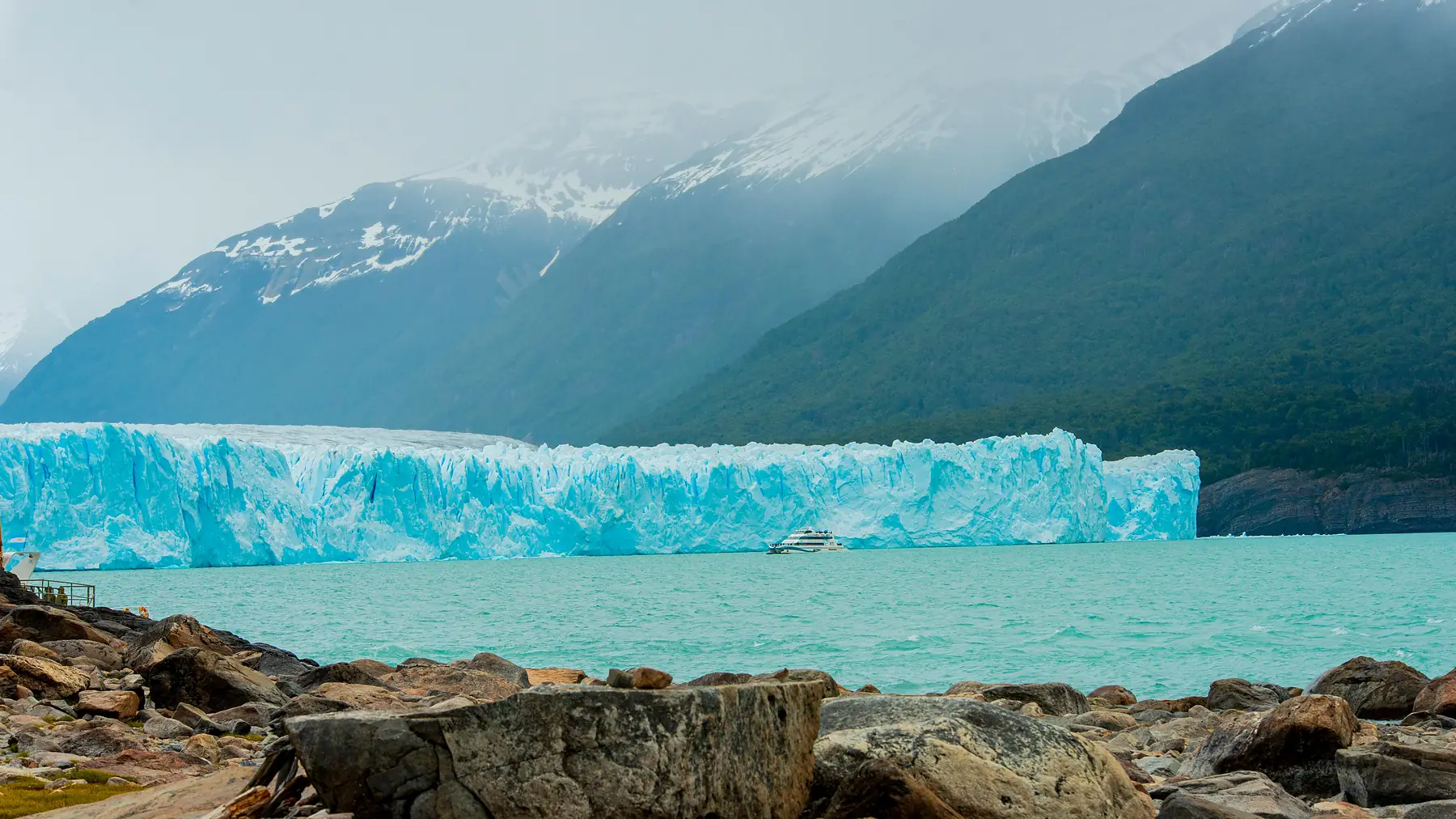
The primary reason to stay here is the immediate access to nature. It is the trailhead for the Cerro Cristal hike, a steep climb that rewards you with a panoramic view of the Perito Moreno Glacier from a distance. Staying here also puts you closer to the glacier itself, potentially saving you 45 minutes of driving time if you head to the boardwalks early in the morning.
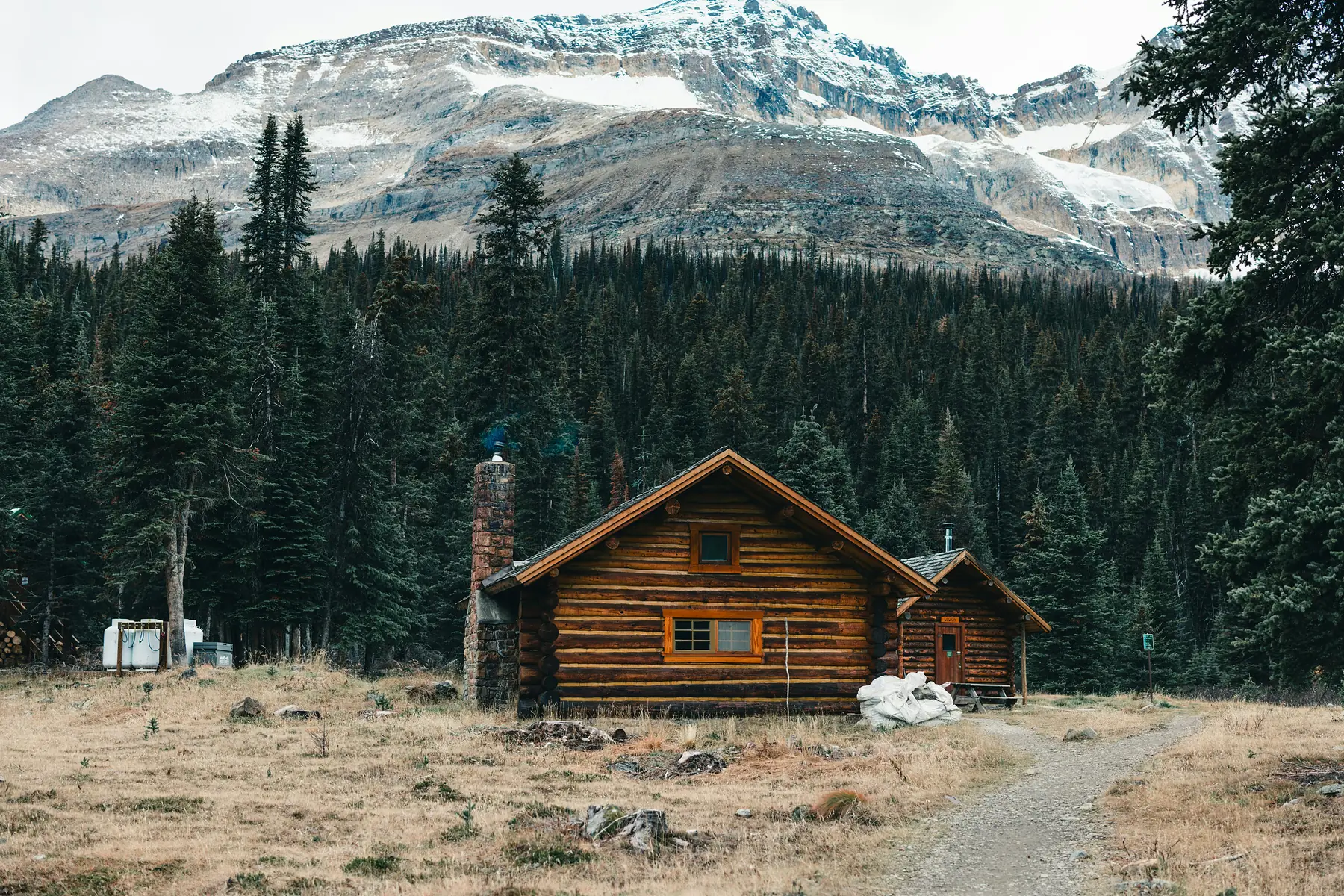
Facilities at Lago Roca are more rustic than in town. There is a small “proveeduría” (general store) and a restaurant, but the selection is limited and prices are higher than in town. You should buy all your main supplies at La Anónima before heading out. The site is divided into “organized” and “wild” zones; the organized area has better bathrooms and fire pits.
Public transport to the Lago Roca sector is limited and can be seasonal. Check the current options in our El Calafate transport guide before choosing it without a vehicle.
Luxury Glamping and Eco-Domes
If you want the immersion of camping without the hardship of pitching a tent in a gale, El Calafate has seen a rise in high-end glamping operations. These sites focus on providing a “private ranch” experience, often located on vast estancias that border the National Park.
Pristine Camp El Calafate is the standout in this category. Located on Estancia Dos Lagos, it features luxury domes with clear views of the glaciers and the Andes. This is a fully all-inclusive experience, meaning your stay typically includes gourmet meals, open bar, transfers from the airport or town, and private guided excursions that avoid the standard tourist crowds.
While these properties offer the aesthetic of camping, the service level is comparable to the region’s top hotels. If you are looking for this level of comfort but prefer a traditional building over a dome, you should browse our guide to El Calafate luxury hotels.
Free Camping in El Calafate: Rules and Reality
Use designated campsites and check the current national park and municipal rules before pitching a tent or sleeping in a vehicle. Never camp near the Perito Moreno boardwalks or in unsigned areas.
Campervan parking rules are distinct from campsite rules and can change. Use an authorized overnight site, follow local signs and never assume that daytime parking permits sleeping or setting out camping equipment.
The Patagonian steppe is a fragile ecosystem. If you are overlanding, you must follow “Leave No Trace” principles strictly. Human waste and toilet paper take years to decompose in this dry, cold environment; always use the public facilities in town or the toilets at the National Park entrance. You can find more about local regulations on our El Calafate transport and arrival page.
Essential El Calafate Camping Tips
Successful camping in this part of Argentina requires an understanding of the local climate. Prepare for mild days, cold nights and sudden wind throughout the main travel season.
- The Wind Factor: Avoid a lightweight festival-style tent. Use a wind-stable model, practice the setup and bring suitable stakes and extra guy lines.
- Hard Ground: The soil in El Calafate is often compacted and rocky. Standard thin wire pegs will bend. Bring heavy-duty Y-stakes or be prepared to use large rocks (plentiful at Lago Roca) to anchor your tent.
- Seasonality: Many campsites operate seasonally. If you are traveling outside the main summer period, confirm opening dates and use our El Calafate weather guide to check likely overnight conditions.
- Booking: Contact the campsite ahead during the busiest summer weeks and whenever a specific facility or late arrival is important.
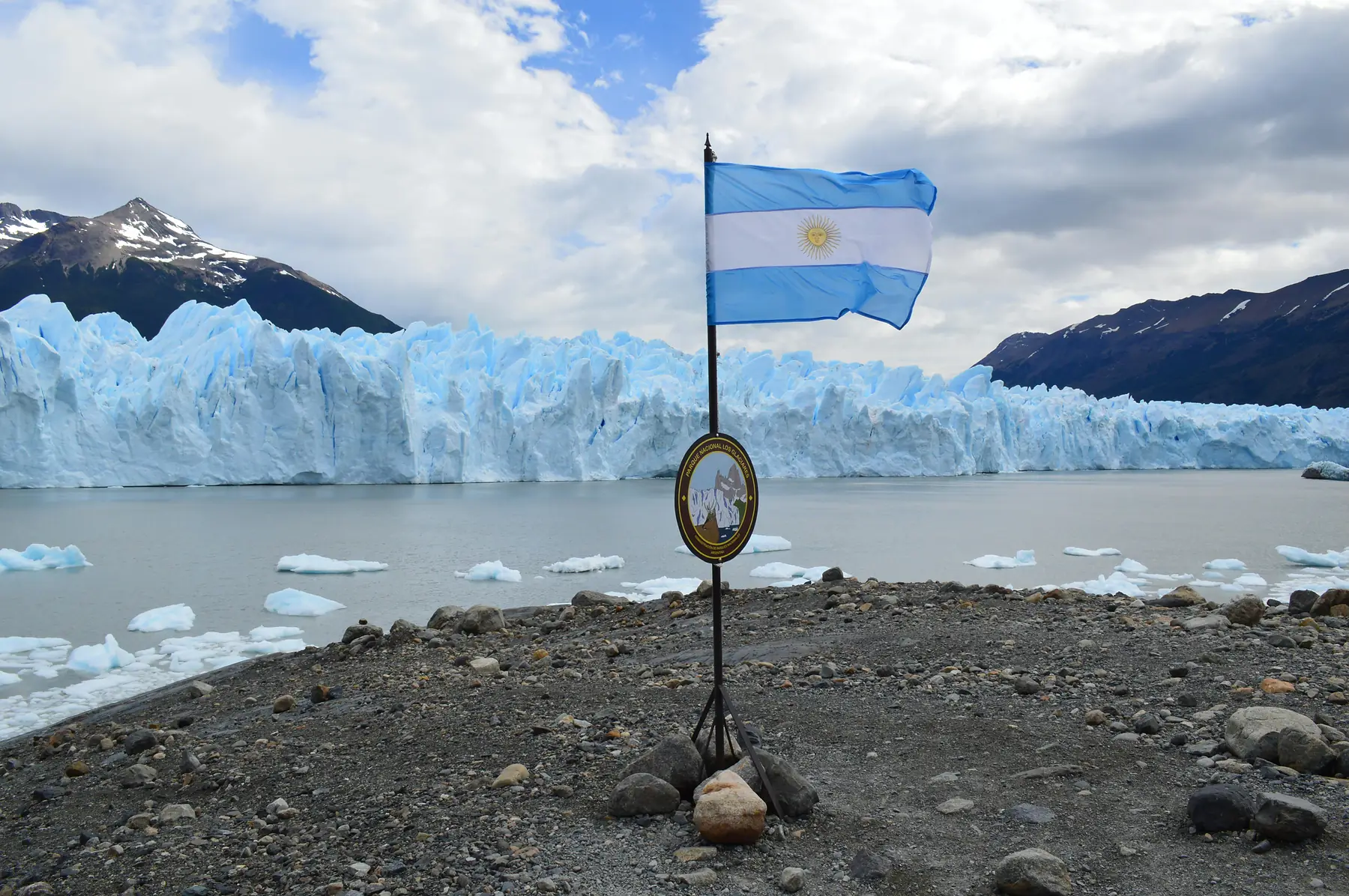
El Calafate vs. El Chaltén: How Camping Compares
Many travelers visit both El Calafate and El Chaltén, but the camping experience in each is fundamentally different. El Calafate is a “basecamp” destination where you stay in organized, paid sites and take transport to see the sights. El Chaltén is a trekking destination where you can access free, backcountry campsites inside the mountains.
In El Calafate, you are paying for facilities such as hot showers, WiFi, and wind protection. In El Chaltén, the best camping is free but offers zero facilities, including showers, quinchos, and power. If you are on a strict budget, El Chaltén is easier on the wallet, but El Calafate provides the necessary infrastructure to visit the Perito Moreno Glacier comfortably.
Cost-wise, expect El Calafate to be more expensive. Because the sites are privately or municipally managed rather than part of a free backcountry system, you are paying for the convenience of being near a major tourist hub.
How to Choose Your El Calafate Campsite
To make your final decision, look at your transport and your itinerary for the glacier.
- If you do not have a car: Stay at Camping El Calafate in town. You will be close to the buses that take you to the glacier and the supermarkets you need for supplies.
- If you have a rental car and want scenery: Go to Camping Lago Roca. The 50km drive is easy, and waking up next to the lake is a far superior experience to waking up in a town lot.
- If you are on a honeymoon or special trip: Book a dome at Pristine Camp. It provides the “Patagonia dream” aesthetic with none of the logistical stress.
If you decide that a tent isn’t the right choice for this leg of your journey, you can find a full list of alternative lodging on our El Calafate accommodation hub.
Frequently Asked Questions
Is wild camping allowed in El Calafate? Use designated campsites and follow the latest municipal and national park rules. Do not assume an unsigned roadside or park location permits overnight camping.
Do I need to book campsites in El Calafate in advance? Booking ahead is sensible during the busiest summer weeks and essential if you need a late check-in, vehicle space or a particular facility.
Can I rent camping gear in El Calafate? Yes, several shops in downtown El Calafate rent 4-season tents, sleeping bags, and stoves, making it easy to camp even if you didn’t fly in with equipment.
Is there WiFi at campsites in El Calafate? Some town sites may provide basic connectivity, but facilities vary. Plan to be offline outside town and confirm WiFi directly if it is important.
Are El Calafate campsites open in winter? Many campsites are seasonal or provide reduced services in winter. Confirm opening dates directly before traveling outside the main summer season.
How much does it cost to camp in El Calafate? Rates vary by season, facilities, vehicle use and whether pricing is per person or per pitch. Request the current total directly before arrival.