Choosing between Bariloche and El Calafate depends on whether you prefer lush lake-filled landscapes with independent hiking or dramatic, wind-swept glaciers and frontier vibes. If you want a vibrant town with diverse dining and accessible forests, choose Bariloche; if you are visiting Patagonia specifically to see the world’s most famous ice fields, El Calafate is your essential stop.
Both destinations serve as the primary pillars for choosing between Argentina’s key regions, but they offer fundamentally different experiences. Bariloche is the “Switzerland of the Andes,” characterized by its alpine architecture and deep blue lakes. El Calafate is the gateway to the Southern Patagonian Ice Field, where the arid steppe meets the jagged edges of the glaciers.
The Quick Comparison: Bariloche vs El Calafate at a Glance
For those planning a trip in 2026 or 2027, the choice often comes down to the style of adventure you want. Bariloche offers a more “complete” vacation with a city feel, while El Calafate is a focused destination built around one of the world’s great natural wonders.
- Landscape: Deep lakes, temperate rainforests, and granite spires vs. Arid steppe, turquoise glacial lakes, and massive ice fields.
- Primary Activity: Independent hiking, road-tripping, and chocolate tasting vs. Guided glacier trekking and boat navigation.
- Vibe: Bustling Alpine city with a vibrant social scene vs. Remote frontier hub focused entirely on tourism.
- Best For: Families, foodies, and multi-day trekkers vs. Bucket-list travelers and those heading to El Chaltén.
Choose Bariloche for variety and independent exploration; choose El Calafate for bucket-list glacial spectacles.
Choose Bariloche if you want the flexibility to rent a car, explore diverse trails at your own pace, and enjoy a sophisticated food and beer scene. Choose El Calafate if you have limited time and want the high-impact experience of walking on or sailing beside a three-story wall of blue ice.
The Vibe Check: Alpine Charm vs. Glacial Frontier
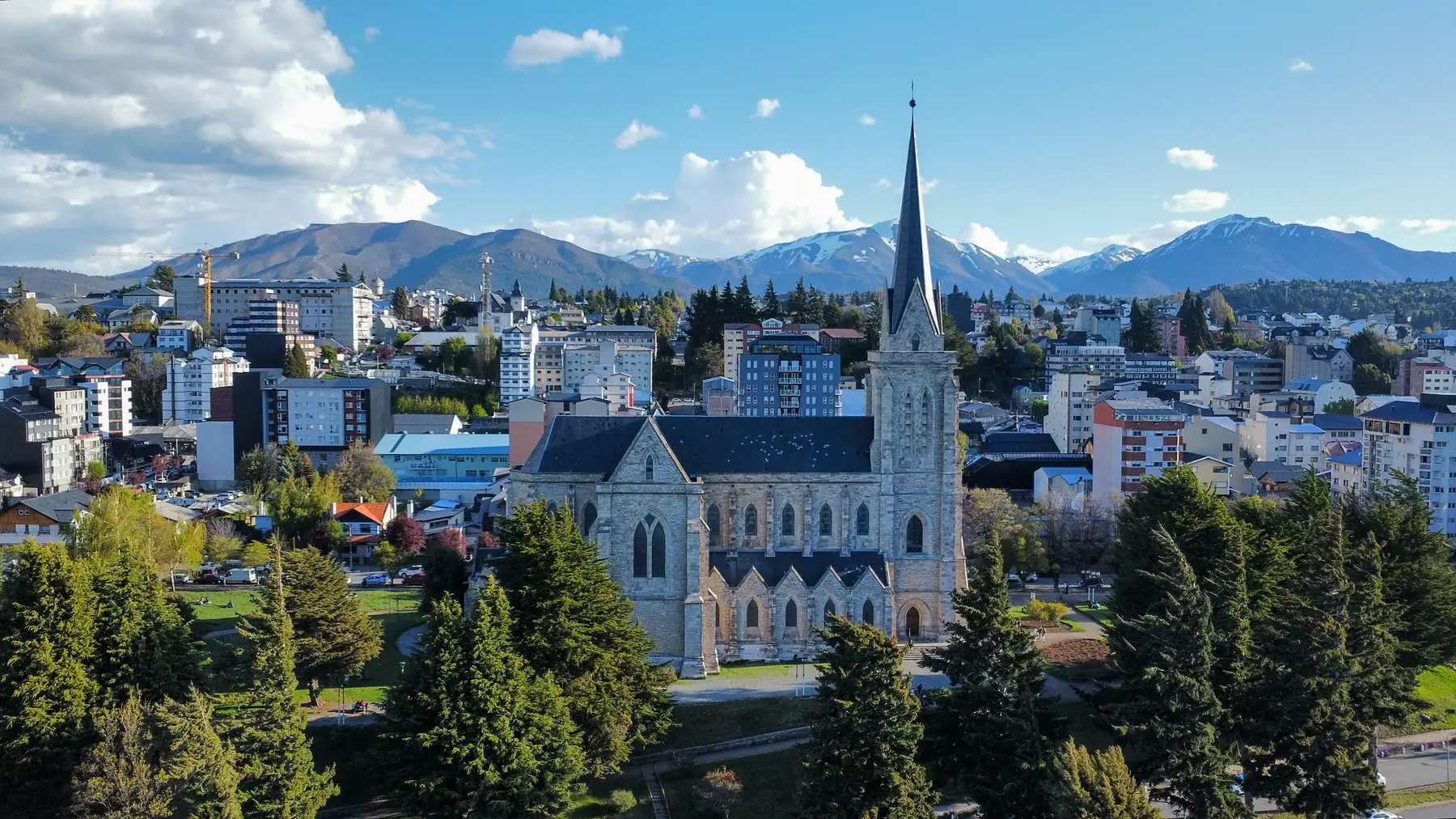
Bariloche feels like an established mountain city. The architecture in the Centro Cívico uses heavy stone and wood, reflecting its European influence. It is a place where you can spend the morning on a rugged peak and the afternoon in a high-end craft brewery or a boutique chocolate shop. The surrounding Bariloche Destination Guide highlights a region that is green, lush, and relatively sheltered from the most extreme Patagonian winds.
In contrast, El Calafate is a purpose-built tourist hub that feels like it was dropped into the middle of the desert. The town is smaller, more walkable, and far more isolated. Here, the wind is a constant companion, and the scenery is dominated by the vast, golden Patagonian steppe. While the El Calafate Destination Guide reveals a town with excellent services, the atmosphere is decidedly more “frontier” than Bariloche. You are here for the ice, and everything in town reminds you of that.
Top Experiences: What You Can Actually Do
The activities in Bariloche are centered on the lakes. The Circuito Chico is the classic introduction, a 27km loop that you can drive, cycle, or take a bus to see the most iconic viewpoints. For those who enjoy the freedom of the road, the Route of the Seven Lakes offers a world-class drive through pristine national parks. Bariloche is also the chocolate capital of Argentina: the main street, Mitre, is lined with shops where the scent of cocoa is almost permanent.
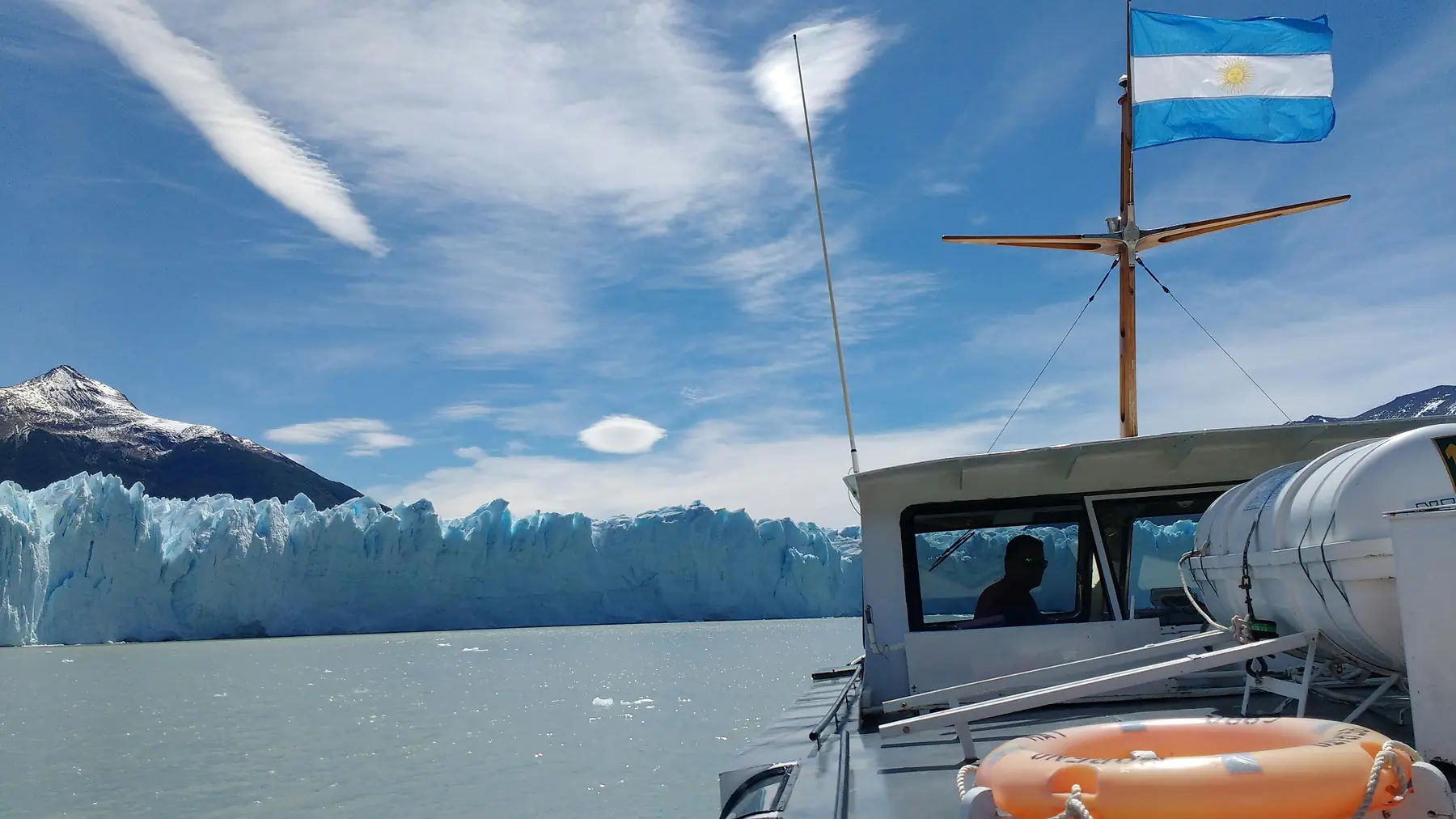
El Calafate’s itinerary is dominated by the Perito Moreno Glacier. Unlike many glaciers that require a long trek to see, Perito Moreno is accessible via an extensive network of steel walkways that allow you to get remarkably close to the ice. Beyond the walkways, the top experiences involve boat tours to the more remote Upsala and Spegazzini glaciers or taking part in “Minitrekking” where you strap on crampons and walk directly on the ice.
If you visit Perito Moreno, stay until the late afternoon. The crowds from the tour buses usually begin to thin out by 15:30, leaving the walkways quiet just as the afternoon sun begins to warm the ice, increasing the frequency of spectacular “calving” events where huge chunks of ice crash into the water.
Hiking and Outdoors: Which is Better for Trekkers?
Bariloche is arguably the best hub in Argentina for independent hikers. The city is home to Bariloche’s extensive mountain hut system, known as “refugios.” These mountain lodges allow you to hike for days through the backcountry without carrying a tent or stove. Trails like the one to Refugio Frey are world-famous for their granite spires and alpine lagoons. The hiking here is mostly through forests and over rocky ridges, with well-marked trails that don’t always require a guide.
El Calafate is different. While there are a few short walks near the town (like the Laguna Nimez bird sanctuary), it is not a primary hiking destination in itself. Most of the “hiking” here is actually guided glacier trekking. However, El Calafate serves as the mandatory base for the superior trails in nearby El Chaltén. Most serious trekkers spend only a day or two in Calafate for the glaciers before taking a three-hour bus north to Chaltén, the undisputed trekking capital of the country.
Do not plan to hike independently in El Calafate expecting mountain trails. If your goal is to hike every day, you must either base yourself in Bariloche or plan for the additional travel time to reach El Chaltén from Calafate.
Food, Drink, and Nightlife
Bariloche is a culinary heavyweight. It is recognized as the craft beer capital and gourmet lake-side dining hub of the region. You will find dozens of microbreweries, many with spectacular views of Lake Nahuel Huapi. The local cuisine focuses on “cocina regional,” featuring smoked trout, wild boar, and venison. The nightlife is also the most active in Patagonia, with bars and some clubs staying open well into the early morning hours.
El Calafate offers a more focused culinary experience. The star of the show here is Cordero al Asador (Patagonian Lamb), slow-roasted over an open fire. You will see these lambs splayed on crosses in restaurant windows all along the main street. You should also try anything flavored with the Calafate berry: legend says that anyone who eats the berry is destined to return to Patagonia. The nightlife is significantly quieter here, consisting mostly of cozy wine bars and a few pubs that cater to travelers sharing stories after a day on the ice.
Seasonality: When to Visit Bariloche vs El Calafate
The calendar year changes these towns completely. In winter (July to September), Bariloche transforms into Argentina’s premier ski destination. Cerro Catedral is a massive resort that draws skiers from across the globe. During this time, El Calafate is very quiet. While the glacier remains open, many boat tours and excursions are limited, and the wind can make the already cold temperatures feel much more biting.
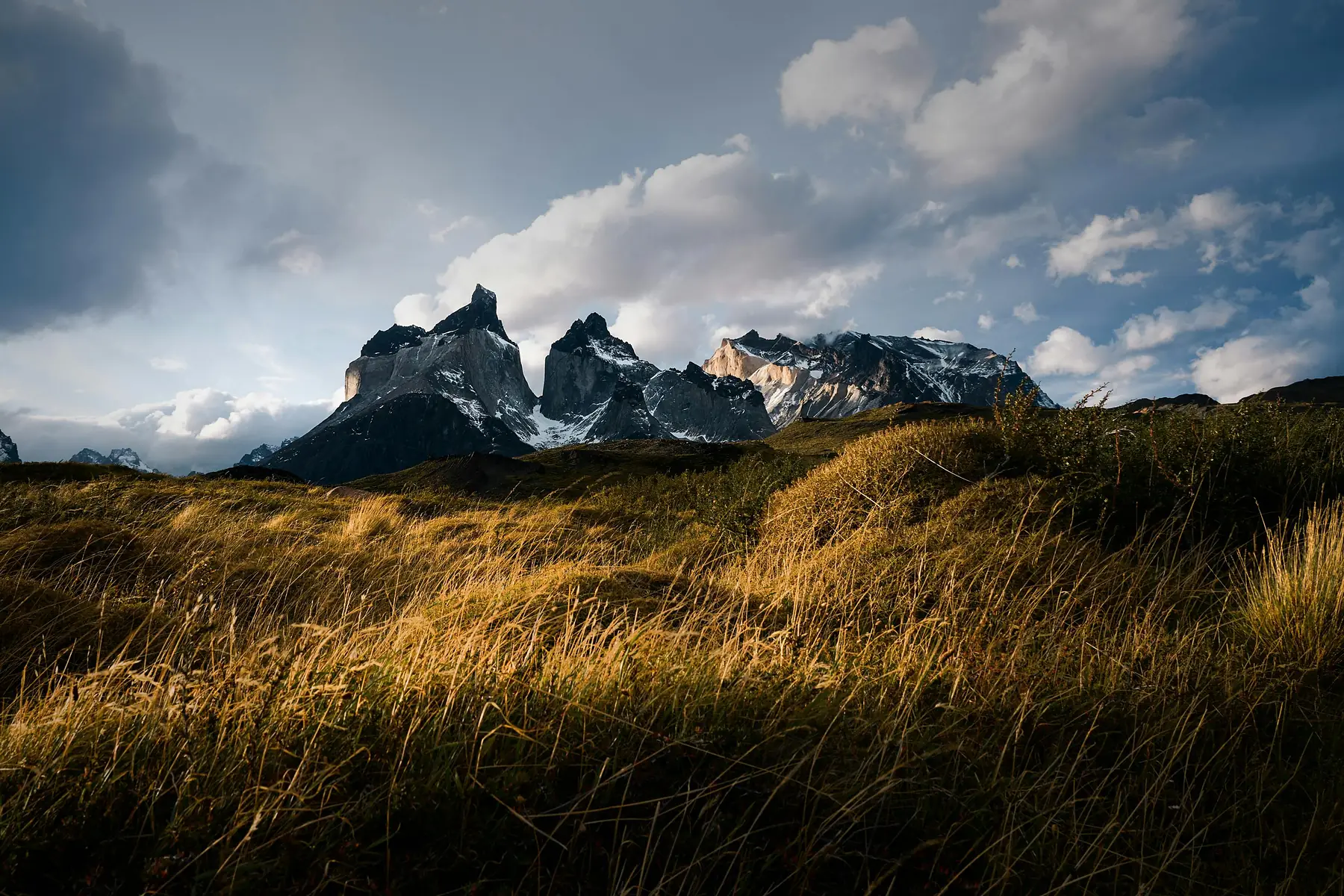
During the summer (December to February), both towns are in their peak season. This is the best time for hiking in Bariloche and for glacier trekking in Calafate. However, be prepared for the “Patagonian Wind” in the south: El Calafate can experience sustained gusts that make outdoor activities challenging. For the best balance of weather and crowds, consider the shoulder seasons. You can check the month-by-month weather patterns in the Lake District to see how autumn brings spectacular red and gold foliage to Bariloche’s forests.
Logistics and Costs: Budgeting for Your Choice
Getting to both hubs is straightforward, with multiple flights from Buenos Aires to Bariloche and El Calafate daily. In terms of budget, Bariloche is generally more flexible. Because it is a larger city, there is a wider range of hostels, apartments, and grocery stores, making it easier for budget travelers to manage costs. Many of the best activities, like hiking or driving the Circuito Chico, can be done independently for the cost of a bus ticket or a car rental.
El Calafate is typically more expensive. Its remote location means that food and fuel prices are often 20-30% higher than in the north. Additionally, the “must-do” activities like the Big Ice trek or the glacier boat navigations are high-ticket items that can cost between $250 and $500 USD per person as of the 2024/25 season. You are paying for specialized equipment and professional guides, which is a fixed cost that is hard to avoid if you want to see the best of the region.
If you are visiting both, book your flights well in advance. Direct flights between Bariloche (BRC) and El Calafate (FTE) are operated primarily by Aerolíneas Argentinas. These flights are seasonal, typically running daily during the peak months (October to March) and less frequently or with connections during the winter.
Can I Do Both?
If you have at least 10 to 12 days, you do not necessarily have to choose. It is common to combine these two regions into a single itinerary. The most efficient way to do this is to fly into one and out of the other, with a connecting flight in between.
If you are wondering how to get from one to the other, there are direct flights during the peak season that take about 1 hour and 45 minutes. Driving is possible via the famous Ruta 40, but it is a massive undertaking involving over 20 hours of driving across often unpaved and extremely remote sections of the desert. For most travelers, the flight is the only practical option.
The Verdict: Which One Suits You?
The final decision usually comes down to your travel style and what you want to see when you close your eyes and think of “Patagonia.”
- The Family Traveler: Bariloche is the winner. The variety of activities, shorter travel distances, and kid-friendly chocolate shops make it much easier for families to navigate.
- The Solo Adventurer: The El Calafate and El Chaltén combo is hard to beat. The social atmosphere in the southern trekking hubs is perfect for meeting other hikers.
- The Food & Wine Lover: Bariloche is the clear choice. The sophisticated dining scene and craft beer culture far outweigh the more limited options in the south.
- The Bucket-Lister: El Calafate is mandatory. There is nothing else on earth quite like the Perito Moreno Glacier, and if you only visit Patagonia once, this is the sight you cannot miss.
Related Guides
To Go Deeper
FAQ
Is Bariloche or El Calafate more expensive to visit? El Calafate is generally 30-50% more expensive for the average tourist. As of the 2026/27 season, expect daily budgets (including tours) to range from $80-$130 USD in Bariloche, compared to $150-$250 USD in El Calafate due to the high cost of glacier excursions.
Can I see glaciers in Bariloche? While Bariloche has the hanging glacier on Cerro Tronador (Ventisquero Negro), it does not compare to the massive, accessible ice walls of Perito Moreno found in El Calafate.
Is there better skiing in Bariloche or El Calafate? Bariloche is the premier ski destination in Argentina, home to Cerro Catedral, while El Calafate has no significant ski infrastructure.
How many days do I need for Bariloche vs El Calafate? You should plan for at least 4-5 days in Bariloche to explore the lakes and mountains, whereas 2-3 days is usually sufficient to see the highlights of El Calafate (unless you are adding El Chaltén).
Is the hiking better in Bariloche or El Calafate? Bariloche offers better hiking directly from the city, including an extensive mountain hut system, while El Calafate serves primarily as a base for the superior trails in nearby El Chaltén.
Which town is better for a winter trip, Bariloche or El Calafate? Bariloche is significantly better in winter (July-August) due to its world-class ski resorts and cozy alpine atmosphere, while many tours in El Calafate may be limited by weather.