
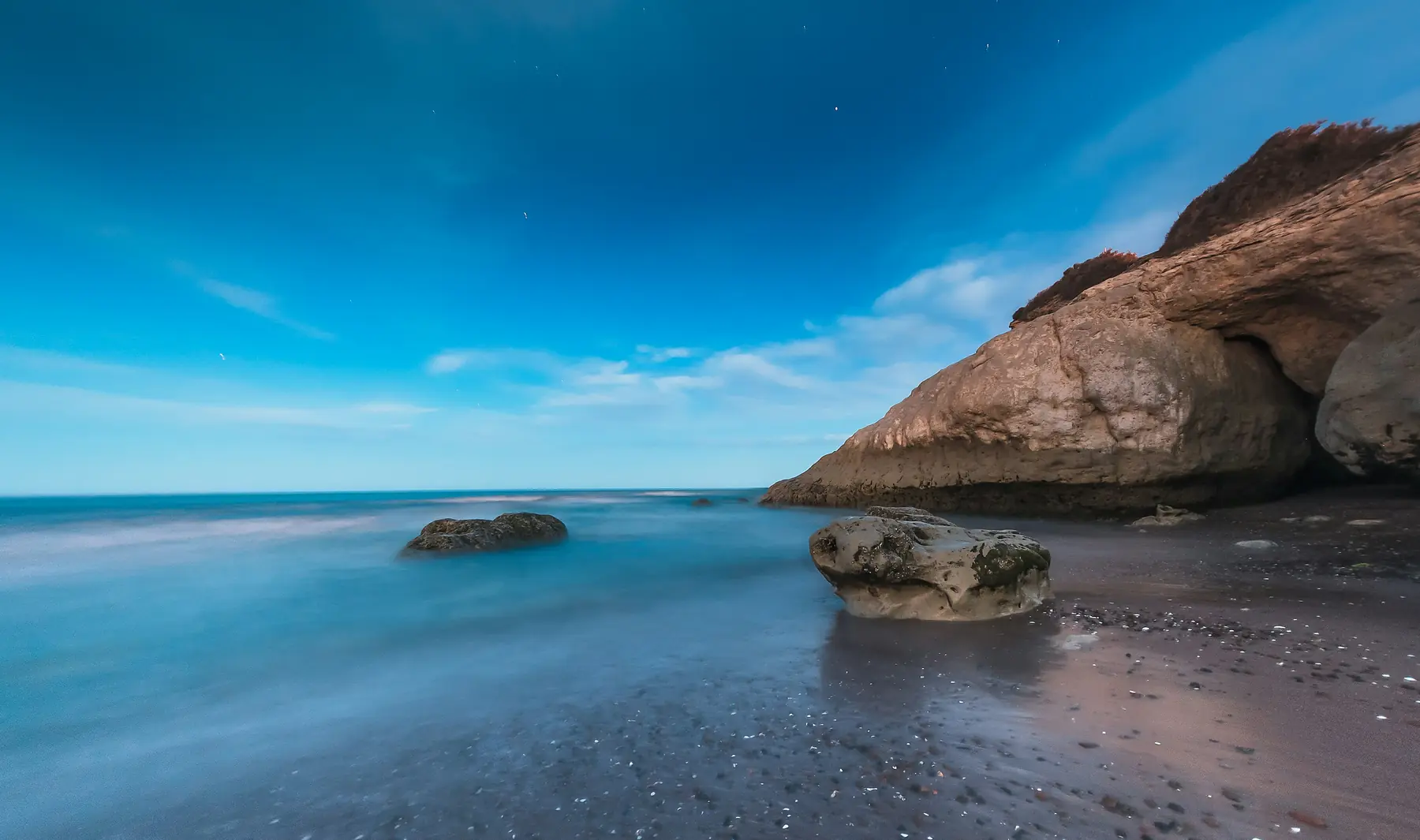
Puerto Madryn has a semi-arid desert climate, characterized by dry air, consistent wind, and very low rainfall year-round. Unlike the rainy fjords of Southern Chile or the glaciated peaks of the Andes, this coastal region of northern Patagonia stays sunny for most of the year, making it a reliable destination for wildlife viewing.
As the primary gateway to Península Valdés, the city’s weather dictates everything from when the Southern Right Whales arrive to whether the boat tours can safely leave the pier. Understanding the interplay between the dry Patagonian wind and the seasonal temperatures is the first step in planning a successful trip to the Chubut coast.
Puerto Madryn Climate: A Patagonian Desert by the Sea
The climate in Puerto Madryn is defined by its position in the “rain shadow” of the Andes Mountains. Moisture-heavy clouds traveling from the Pacific Ocean lose their rain over the mountains to the west, leaving the eastern steppe and the Atlantic coast exceptionally dry.
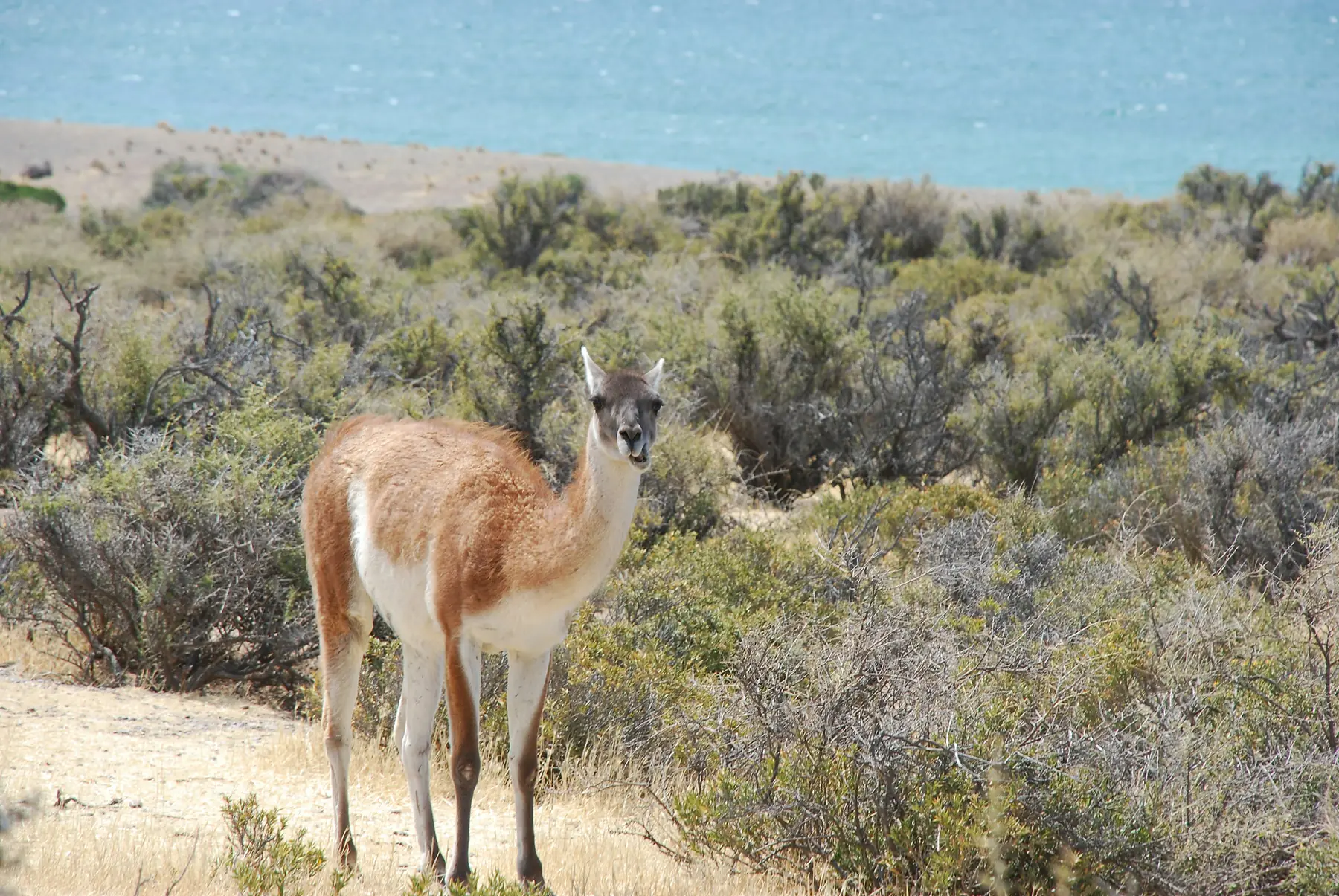
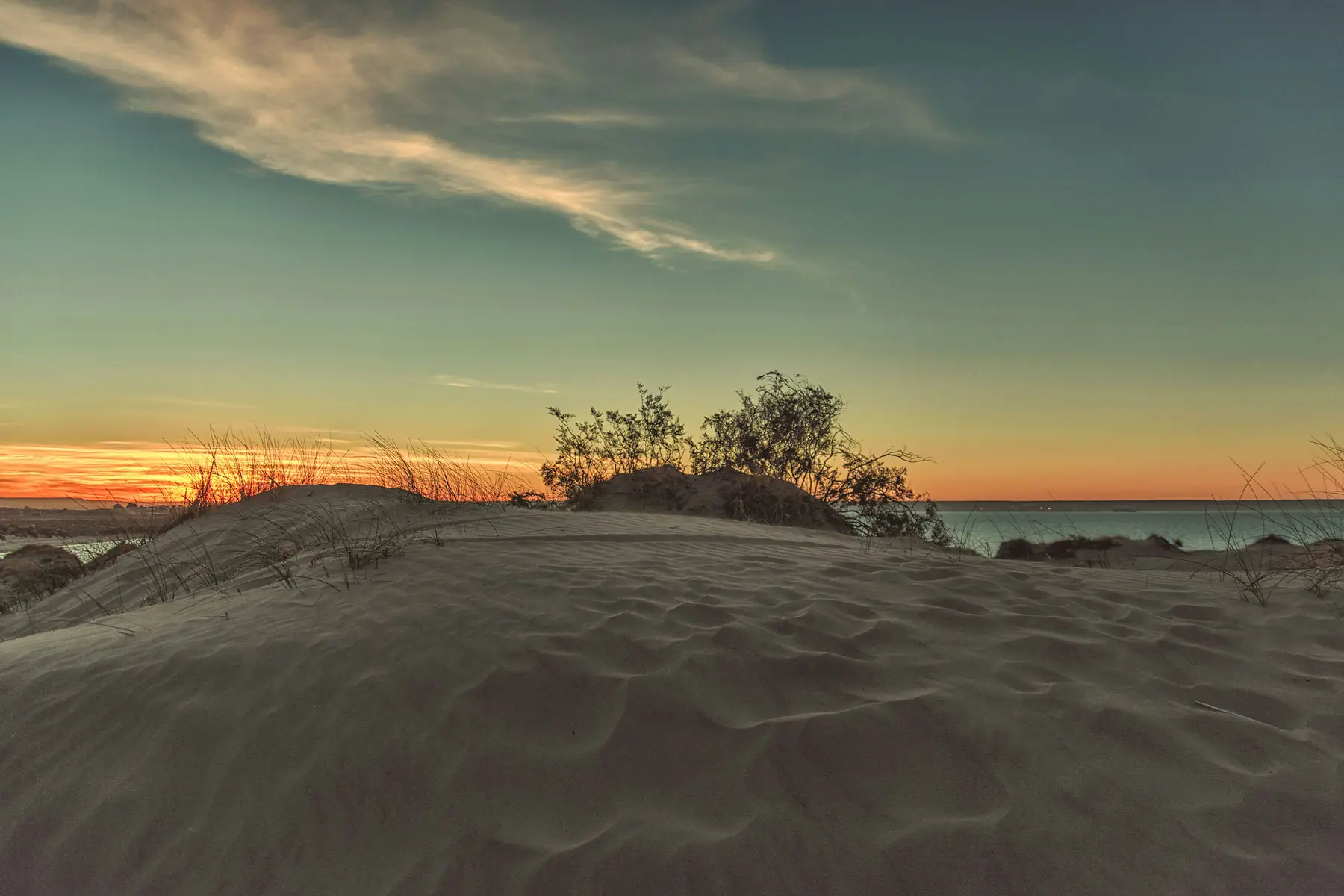
This geography creates a landscape of low shrubs, hardy succulents, and dusty plateaus. Visitors should expect a significant temperature range between day and night, a hallmark of desert environments. Even on a warm summer afternoon, the temperature can drop quickly once the sun sets over the Golfo Nuevo.
The humidity levels here are low, often dropping between 40% and 50% during the dry afternoon hours, though the daily average typically sits closer to 60%. While this makes the summer heat feel less oppressive, it also means that the wind can strip moisture from your skin and eyes rapidly. Staying hydrated is a practical necessity, even if you are not engaged in strenuous activity.
Puerto Madryn Weather by Month: A Detailed Reference
While the city is a year-round destination, the “best” time to visit depends entirely on which animals you want to see. The following table provides the historical averages for temperature and rainfall (as of the 2026/27 season), alongside the primary wildlife highlights for each window.
| Month | Avg High (°C/°F) | Avg Low (°C/°F) | Days of Rain | Wildlife Highlight |
|---|---|---|---|---|
| January | 29°C / 84°F | 14°C / 57°F | 2 | Penguins & Sea Lions |
| February | 28°C / 82°F | 13°C / 55°F | 2 | Penguins & Orcas |
| March | 25°C / 77°F | 11°C / 52°F | 3 | Orcas (intentional stranding) |
| April | 21°C / 70°F | 8°C / 46°F | 3 | Sea Lion pups |
| May | 17°C / 63°F | 5°C / 41°F | 4 | Elephant Seals |
| June | 13°C / 55°F | 3°C / 37°F | 4 | Southern Right Whales arrive |
| July | 13°C / 55°F | 2°C / 36°F | 4 | Peak Whale sightings |
| August | 15°C / 59°F | 3°C / 37°F | 3 | Whale mothers with calves |
| September | 18°C / 64°F | 5°C / 41°F | 3 | Penguins arrive / Peak Whales |
| October | 22°C / 72°F | 8°C / 46°F | 3 | Peak Wildlife (Whales & Penguins) |
| November | 25°C / 77°F | 10°C / 50°F | 2 | Orcas / Penguin nesting |
| December | 28°C / 82°F | 13°C / 55°F | 2 | Whales depart / Beach season |
If you are looking for a quick summary of the seasonal transitions, consider these three distinct phases:
Seasonal Weather Overview
- Peak Wildlife (Sept - Nov): Mild temperatures (18-22°C) but the highest wind speeds of the year.
- Summer Heat (Dec - Feb): Hot, dry days reaching 30°C. Best for beaches and snorkeling, but whales have mostly departed.
- Winter Whale Watch (June - Aug): Cold, crisp days with highs of 13°C. The calmest water for boat tours, but requires heavy layering.
The Wind Factor: Understanding the Patagonian Gusts
In Puerto Madryn, the wind is not just a weather condition: it is the primary factor that determines your daily itinerary. The prevailing winds come from the west, blowing across the dry steppe before hitting the Atlantic. These gusts can be sustained and powerful, often reaching speeds that affect travel logistics.
The most significant impact is on boat departures from Puerto Pirámides for whale watching. The Prefectura Naval (Coast Guard) monitors wind speeds and sea states constantly. If the wind exceeds safe limits: usually around 20-25 knots (approx. 37-46 km/h): they will close the port. This can happen even on a perfectly sunny day.
Always schedule your whale watching or snorkeling tours for the morning. Winds in Puerto Madryn typically pick up in the afternoon as the land heats up, making morning departures significantly more likely to proceed and offering a smoother ride.
Wind also plays a role at El Tehuelche Airport (PMY). Strong crosswinds can occasionally cause flight delays or diversions to the neighboring airport in Trelew. If your boat tour is canceled due to high winds, it is worth checking our guide to things to do in Puerto Madryn for land-based alternatives like the Ecocentro or the coastal walks toward Punta Cuevas, which are less affected by sea conditions.
Weather & Wildlife: Timing Your Visit
The relationship between the weather and the animals is what brings most travelers to this corner of Argentina. While the animals follow their biological clocks, the meteorological conditions determine how comfortably : or even if : you can see them.
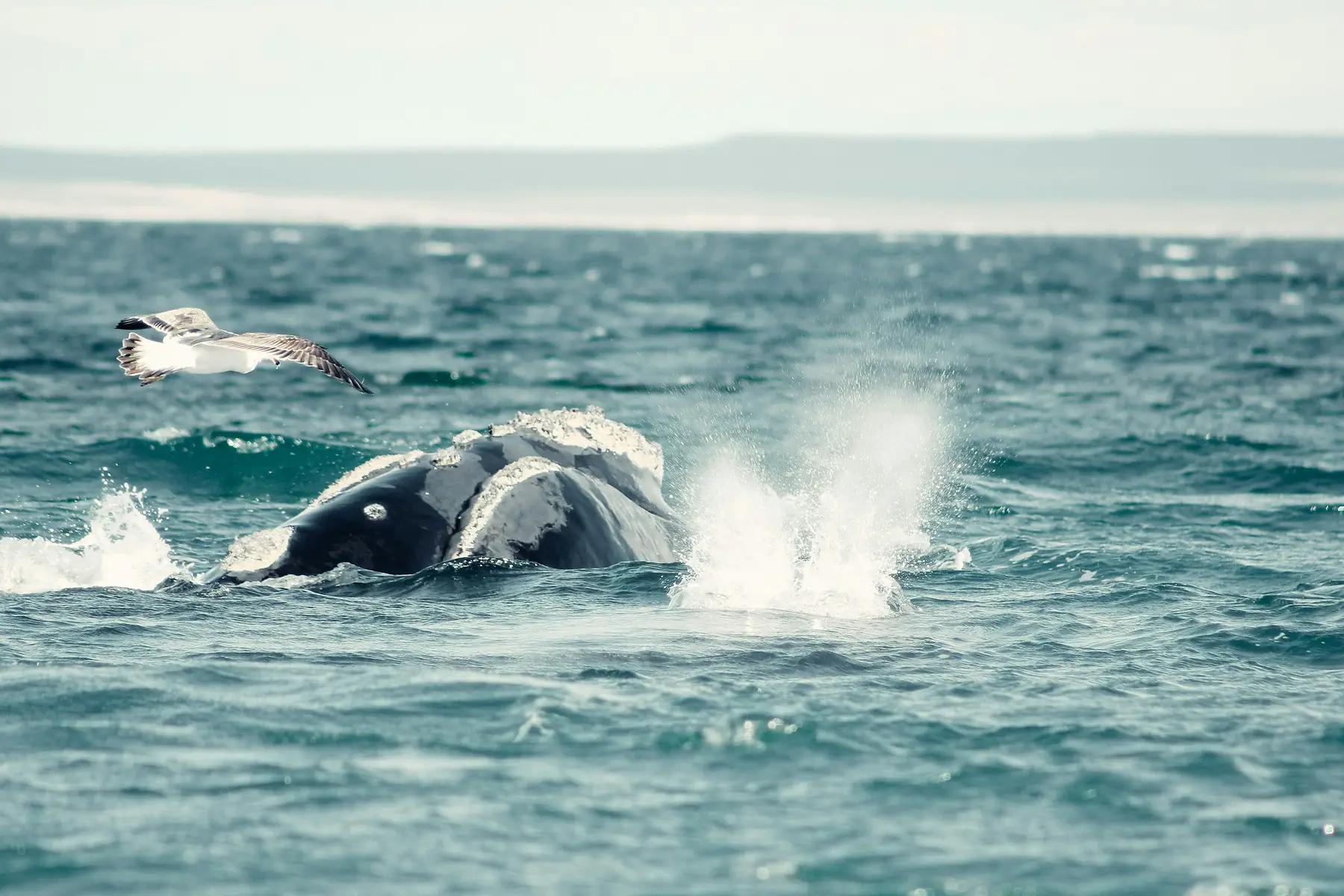
Southern Right Whales (June to December) The whales seek the sheltered, relatively warm waters of the Golfo Nuevo to mate and give birth. While winter (June to August) is cold, it often provides the calmest days for boat tours. If the wind is too high for boats, head to El Doradillo beach. The coastal shelf there is so deep that whales often swim within 20 meters of the shore, allowing for spectacular viewing that is completely “wind-proof.”
Magellanic Penguins (September to March) Penguins arrive in massive colonies at Punta Tombo and Península Valdés during the spring. In September and October, the wind is at its peak, so eye protection (sunglasses) is essential to block blowing dust. By January and February, the heat at the colonies can exceed 30°C. Because there is very little shade at the reserves, the heat can be more taxing for visitors than the cold of winter.
Orcas (October to November and March to April) Seeing Orcas perform “intentional stranding” to hunt sea lion pups requires a specific combination of high tide and calm seas. If the wind is blowing strongly from the east, it can create surf that makes it difficult for the Orcas to time their movements, often reducing the chance of a hunt.
If you are planning a trip specifically to see these animals, you may want to dive deeper into our dedicated guides:
What to Pack for Puerto Madryn’s Climate
Packing for Puerto Madryn requires a strategy that accounts for intense sun, dry wind, and cold water. Even in the summer, the “RealFeel” temperature can be significantly lower than the thermometer suggests due to the wind chill factor on the water.
The most important item in your bag is a high-quality windproof shell. This is more important than a heavy parka, as it allows you to layer underneath while blocking the primary source of cold. For those planning to get in the water, the sea temperatures range from approximately 10°C (50°F) in winter to 18°C (64°F) in summer (as of 2025 data).
The air in Puerto Madryn is exceptionally dry and the UV index is frequently high. The wind provides a cooling effect that masks the sun’s intensity, leading many travelers to suffer severe sunburns. Apply high-SPF sunscreen every two hours, even on overcast or windy days.
For footwear, opt for closed-toe shoes or light hiking boots. The terrain in the wildlife reserves is often gravel, sand, and loose dust. Sandals will quickly become uncomfortable as the dry Patagonian soil finds its way into every crevice. If you are heading out on a boat, even in November, bring a beanie and gloves: the temperature drops significantly once the boat is at speed.
Rain and Humidity: Why You Probably Won’t Get Wet
Rain is a rare event in Puerto Madryn, but when it does happen, it usually arrives in short, intense bursts rather than prolonged drizzles. Because the ground is so dry and compacted, it does not absorb water quickly, which can lead to localized runoff.
The primary concern for travelers during rain is not getting wet, but the impact on the roads. Many of the routes within Península Valdés and the road to the penguin colonies are “ripio” (gravel).
Rain and Road Closures
When it rains, the provincial authorities may temporarily close the gravel roads, including segments of Ruta 2, to prevent vehicles from getting stuck or damaging the road surface. If you see rain in the forecast, check with your hotel or the local tourism office before driving toward the reserves. You can find more details on navigation in our how to get there guide.
Because the humidity is so low, you will likely notice the effects on your body within 24 hours. Lip balm and skin moisturizer are not luxuries here; they are essentials. You will also find that you need to drink significantly more water than usual to combat the dehydrating effects of the dry air and constant breeze.
FAQ
What is the best month to visit Puerto Madryn for weather and whales? October is the ideal month, offering a balance of mild spring temperatures and peak Southern Right Whale activity, though you should prepare for Patagonian winds.
Does it snow in Puerto Madryn during the winter? Snow is extremely rare in Puerto Madryn due to its coastal location and arid climate, though winter nights (June-August) frequently drop toward freezing.
When is the rain season in Puerto Madryn? Puerto Madryn does not have a true rainy season; it remains dry year-round with only about 200mm of total annual precipitation.
How cold is the water in Puerto Madryn for snorkeling? The sea temperature in Puerto Madryn ranges from 10°C (50°F) in winter to 18°C (64°F) in summer, making a thick wetsuit necessary for swimming or snorkeling.
Is it always windy in Puerto Madryn? Wind is a constant feature of the Puerto Madryn climate, particularly in spring (September-November), but mornings are often calm enough for boat tours.
What is the warmest month in Puerto Madryn? January is the warmest month in Puerto Madryn, with average daily highs reaching 29°C (84°F) and plenty of sunshine for beach activities.