
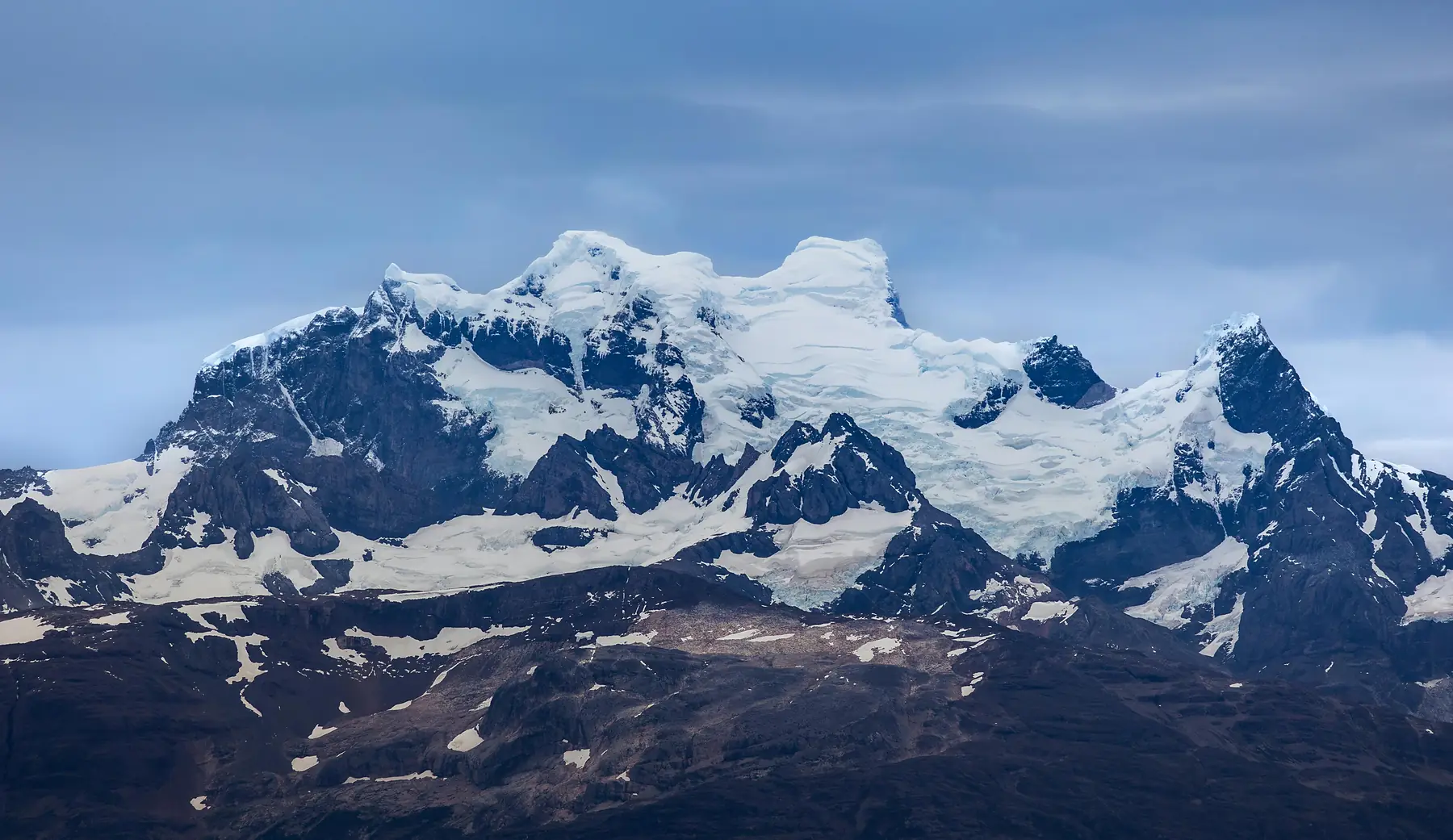
The best time to visit Torres del Paine is between December and February for the most stable weather and longest daylight hours, or mid-to-late April if your priority is witnessing the peak of Patagonia’s autumn foliage. While the summer months offer the best conditions for high-altitude trekking, they also bring the highest prices and the most significant crowds to the trails.
Choosing when to visit Torres del Paine is a trade-off between predictable weather and personal space. In the height of summer, you can expect nearly 16 hours of daylight to complete long treks, but you will share the most iconic viewpoints with hundreds of other travelers. Conversely, the shoulder seasons of October-November and March-April offer a more solitary experience and lower costs, provided you are prepared for more frequent rain and the region’s notorious wind.
Torres del Paine Seasonal Breakdown
- Peak Season: December to February (Warmest, windiest, most expensive)
- Shoulder Seasons: October to November; March to April (Best value, autumn colors)
- Off-Season: May to September (Many closures, cold, absolute solitude)
- Primary Factor: Wind speeds are highest in late spring and early summer (Nov-Jan)
- Booking Window: 6-9 months in advance for peak season Torres del Paine refugios
The Absolute Best Time to Visit Torres del Paine: A Quick Summary
For the majority of travelers, January is the overall best month to visit Torres del Paine because it offers the highest probability of clear skies and the warmest temperatures, which typically hover between 7°C (45°F) and 17°C (63°F). This is the window when all mountain passes, including the demanding John Gardner Pass on the O-Circuit, are reliably open and the Torres del Paine park shuttle services operate at full frequency, making logistics significantly easier for independent hikers.
If you are looking for the best value, aim for the “sweet spot” in late October or late March. During these weeks, accommodation prices in Torres del Paine often drop by 20% to 30% compared to January rates (as of the 2026/27 season), yet the weather remains functional for trekking. Photographers should specifically target the third week of April, when the deciduous beech forests (Lenga and Ñire) turn a deep, fiery red, creating a stark contrast against the granite peaks.
- Weather: Most stable vs. Cooling and calmer
- Crowds: Highest density vs. Moderate to low
- Daylight: 15+ hours vs. 11-13 hours
- Cost: Premium pricing vs. Standard/Shoulder rates
Summer is best for first-time trekkers needing stable conditions; Autumn is superior for photographers and crowd-avoiders.
For the 2026/27 season, the Torres del Paine trekking circuit is expected to fully open by October 1, 2026, with most high-elevation refugios operated by Vertice Patagonia and Las Torres Patagonia remaining operational until April 30, 2027. If you are planning a trip for early 2027, you should have your primary accommodation booked no later than August 2026 to ensure availability in the most popular sectors like Grey and Chileno.
Torres del Paine Weather by Month: What to Expect
Weather in Torres del Paine is governed by the “Roaring Forties,” the powerful westerly winds that circle the globe at this latitude. These winds pick up moisture over the Pacific and dump it as rain or snow when they hit the Andes, often creating microclimates where one valley is drenched while the next is bathed in sunlight.
September to November (Spring)
Spring is a season of transition and intensity. In September and October, you will see the landscape wake up as the calafate bushes begin to bloom and migratory birds return. However, November is historically one of the windiest months in Torres del Paine. You should expect sustained winds of 60-80 km/h on exposed ridges, with gusts occasionally exceeding 100 km/h, which can make carrying a heavy pack challenging. Rainfall is moderate, but the ground can be boggy as the last of the winter snow melts.
December to February (Summer)
This is the most popular window for a reason. Temperatures are at their highest, reaching up to 20°C (68°F) on rare, still days, though a daily average high of 15°C (59°F) is more realistic. This is also the period of maximum daylight, which provides a significant safety margin for hikers on the Torres del Paine trails. While the wind remains a factor, the storms tend to pass more quickly than they do in the spring.
March to May (Autumn)
By mid-March, the summer crowds begin to thin, and the wind speeds start to drop. April is arguably the most beautiful month in Torres del Paine, as the air becomes crisp and the foliage changes color. While day temperatures drop to between 3°C and 11°C (37°F–52°F), the lack of wind often makes it feel warmer than a blustery November day. By May, many services begin to close, and snow starts to return to the higher passes.
June to August (Winter)
Winter in Torres del Paine is for the experienced and the self-sufficient. Daylight is scarce, with the sun rising around 09:00 and setting by 17:00. Most hotels and restaurants in the area close, and many trails require a mandatory guide for safety between May and September. However, the reward is a landscape transformed by snow and a level of silence that is impossible to find during the rest of the year.
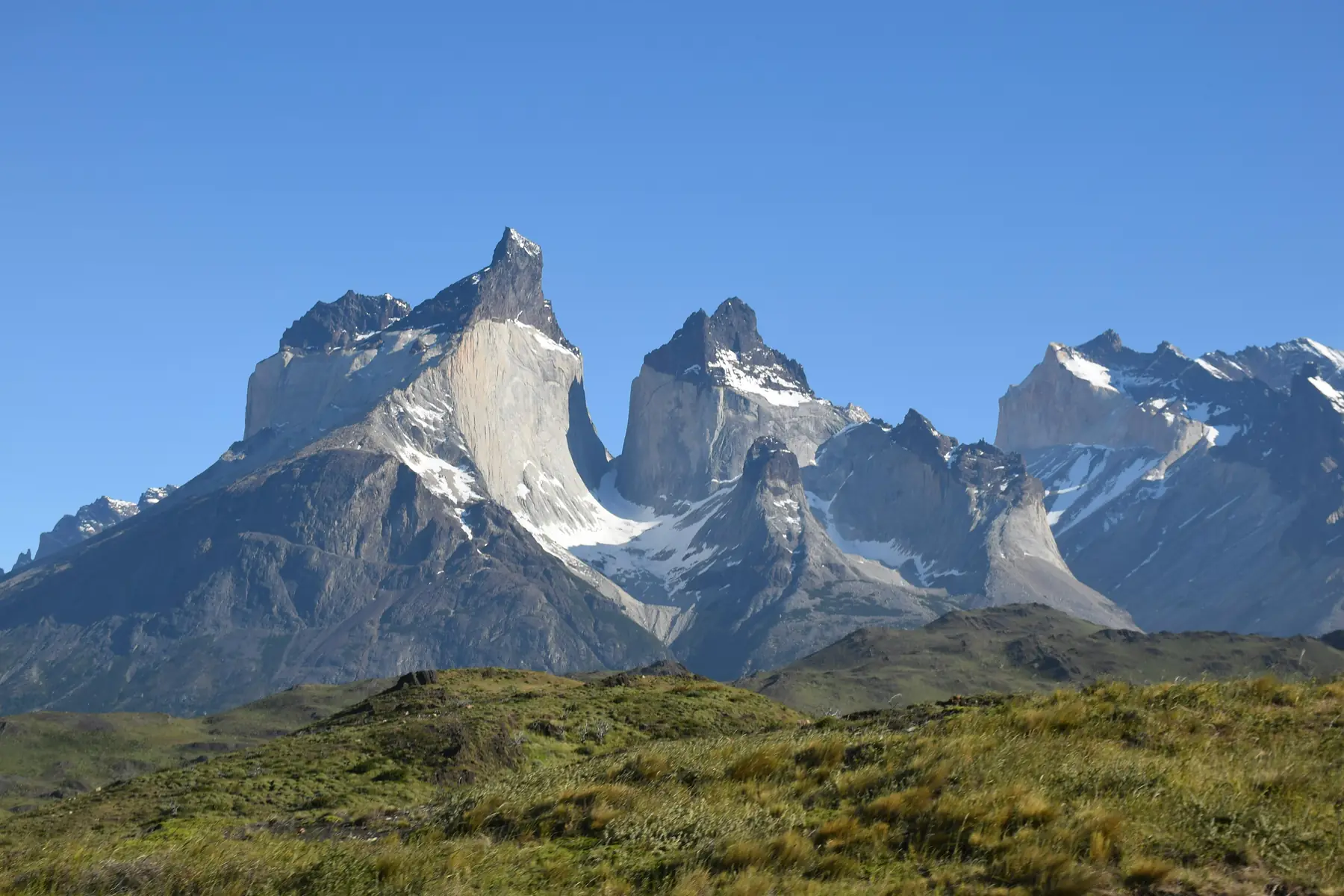
Daylight Hours: The Most Overlooked Planning Factor
Many travelers focus so heavily on temperature that they overlook the extreme variance in daylight, which is the single most important factor for hiking safety in Torres del Paine. At this latitude (51°S), the difference between summer and winter is eight hours of usable light.
In December, the sun rises around 05:30 and doesn’t set until approximately 22:00. This 16-hour window means you can take your time on long day hikes, such as the 22km trek to the Base de las Torres or the main glacier viewpoints, without the pressure of finishing in the dark. It also allows for “golden hour” photography sessions that last well into the evening.
Conversely, by June 21, the winter solstice, you only have about 8 hours of daylight, with sunrise at 08:58 and sunset at 16:58. This significantly limits the distance you can safely cover. If you are visiting in the late season (April or May), you must carry a reliable headlamp and be prepared for the temperature to plummet the moment the sun drops behind the peaks. To help visualize how these daylight hours align with the geography of the trails, you can consult our Patagonia map.
Understanding the Patagonia Seasons in Torres del Paine
The operational season in Torres del Paine is shorter than many realize. While the park itself is open year-round, the infrastructure that supports most travelers (shuttles, catamarans, and staffed mountain huts) operates on a strict seasonal calendar.
The high season runs from December 1 to February 28. During this time, you can expect every service to be at full capacity. This is the only time of year when you are guaranteed that all internal transport links, including the specialized Torres del Paine park buses (Buses María José or similar) and the Pudeto catamaran, are running at maximum daily frequency. However, this convenience comes with a “peak season surcharge” at many local lodges, where rates can be 25% higher than in October or April.
The shoulder seasons (October-November and March-April) are the preferred choice for those who value the “feel” of the wilderness over the convenience of a set schedule. In late October, the gateway town of Puerto Natales starts to buzz with the energy of a new season, but the trails are still relatively quiet. By late March, the energy shifts to a more relaxed, reflective pace as the seasonal workers prepare for the winter break.
If you are visiting in the shoulder season, always check the ferry and shuttle schedules 24 hours in advance. Operators often reduce frequency or cancel services entirely if bookings are low or weather is marginal, unlike the high season where they generally run regardless of demand.
Best Time for Specific Activities in Torres del Paine
Your “best time” depends entirely on what you want to do once you arrive. A hiker’s ideal window is rarely the same as a wildlife photographer’s.
Hiking and Trekking
The best window for trekking is mid-December through March. Before December, high passes like the John Gardner Pass may still be blocked by heavy snow, requiring technical gear or detours. After March, the shortening days and dropping temperatures make multi-day camping trips significantly more demanding. For those staying in lodges and doing day hikes, April is a fantastic alternative.
Wildlife Watching
If your goal is to spot the elusive puma, the best time is during the shoulder seasons (April-May or September-October). During these quieter months, pumas are more likely to venture near the main trails due to decreased human traffic. For birdlife, spring (October-November) is the peak for nesting activity, while guanacos typically give birth to their young (chulengos) between November and January.
Landscape Photography
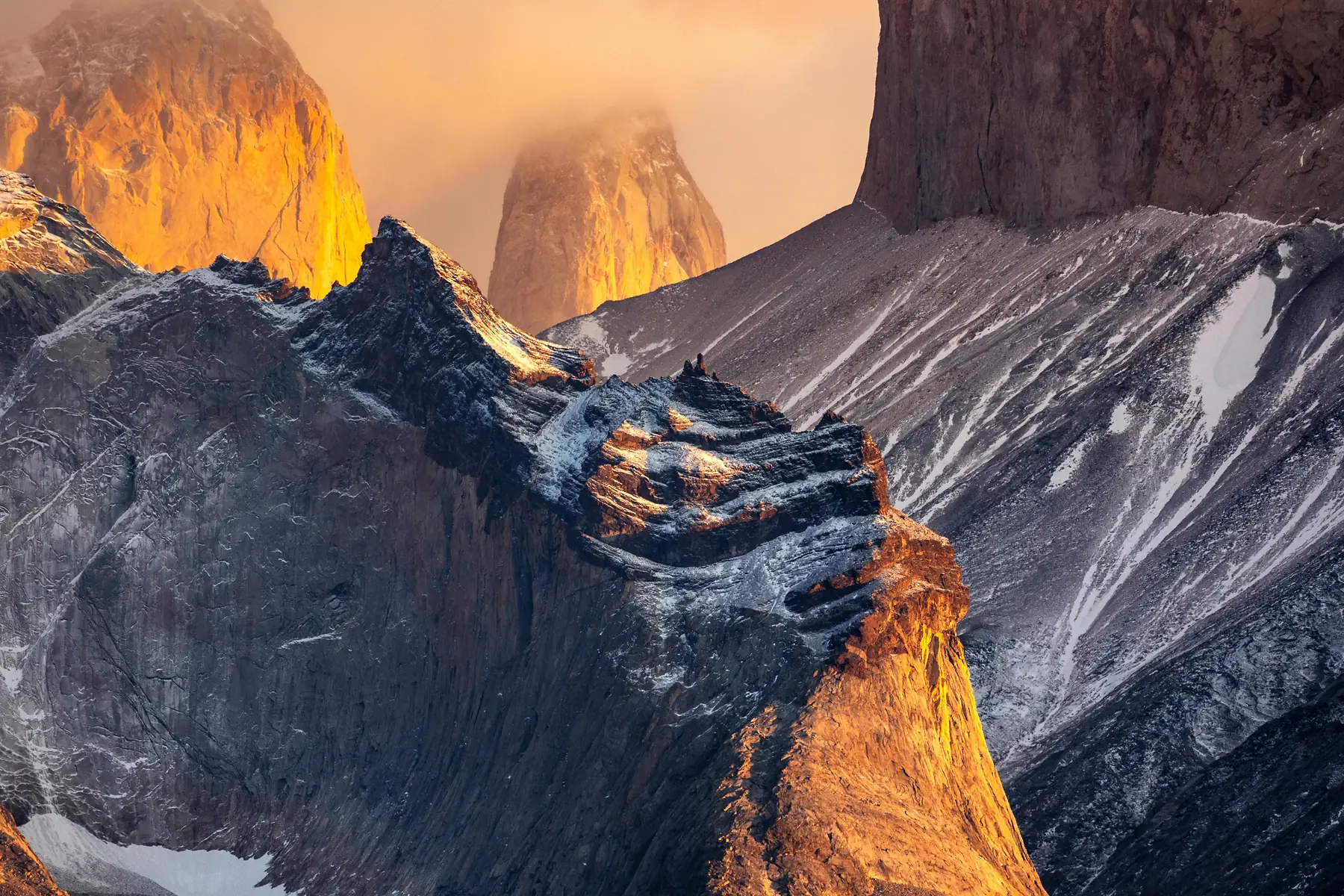
For photography, the “Golden Hour” in mid-summer is exceptionally long, but the light can be harsh during the day. Autumn (April) provides the best color palette and more atmospheric, low-angled light. Additionally, the calmer winds in autumn make it easier to capture the famous “mirror reflections” in the park’s glacial lakes like Nordenskjöld and Pehoé.
Regardless of the month, never underestimate the wind. Even in the “calm” autumn months, sudden gusts can exceed 50 km/h. Always secure your gear and never leave a tent fly unpegged, even for a moment.
Logistics & Availability: When to Book Your 2026/27 Trip
For the 2026/27 season, the competition for beds in Torres del Paine will be intense. The most popular “Money” accommodations, including the well-located refugios (like Refugio Grey and Refugio Los Cuernos) and luxury eco-lodges, often sell out their January dates within weeks of bookings opening.
Most major operators in Torres del Paine (Vertice and Las Torres) open their booking platforms for the upcoming season in May or June. For the 2026/27 season, bookings are expected to open by June 2026. If you are aiming for a peak-season trip in January 2027, you should have your itinerary finalized and be ready to book by July 2026. Flights into the region (Puerto Natales or Punta Arenas) from Santiago generally follow a different pattern, with the best prices appearing 3-4 months before departure.
To understand the specific steps for securing these beds, see our guide on how to book refugios.
Related resources for your trip
The following guides will help you navigate the logistics of your chosen season:
FAQ
- QUESTION: What is the best month to visit Torres del Paine to avoid crowds?
- ANSWER: The best months to avoid crowds in Torres del Paine while still enjoying decent weather are late October or early April. During these periods, the number of daily visitors is significantly lower than the January peak.
- QUESTION: Is Torres del Paine too windy for hiking in December?
- ANSWER: December is one of the windiest months in Torres del Paine, with gusts often exceeding 80km/h, so hikers should be prepared for challenging conditions. You will need high-quality windproof layers and a sturdy tent if you are camping.
- QUESTION: When do the hiking trails in Torres del Paine close for the winter?
- ANSWER: Most high-altitude trails in Torres del Paine begin to close or require a guide by May 1st, with full winter conditions setting in by June. Lower-elevation trails may remain accessible but often require crampons or a guide due to ice.
- QUESTION: Can I see fall colors in Torres del Paine during March?
- ANSWER: While colors begin to change in late March, the peak of the vibrant red foliage in Torres del Paine typically occurs in mid-to-late April. March visitors will see the start of the transition but miss the full intensity of the autumn display.
- QUESTION: Does it rain a lot in Torres del Paine during the summer?
- ANSWER: Summer in Torres del Paine is relatively dry compared to the winter, but Patagonia’s microclimates mean you should expect rain showers at any time. Always pack a reliable waterproof shell even if the morning starts with clear skies.
- QUESTION: Is it possible to visit Torres del Paine in July?
- ANSWER: Yes, you can visit Torres del Paine in July, but it is the height of winter, meaning very short days (8 hours), snow-covered trails, and limited services. You are required to hire a guide for most treks and stay in one of the few year-round hotels.