
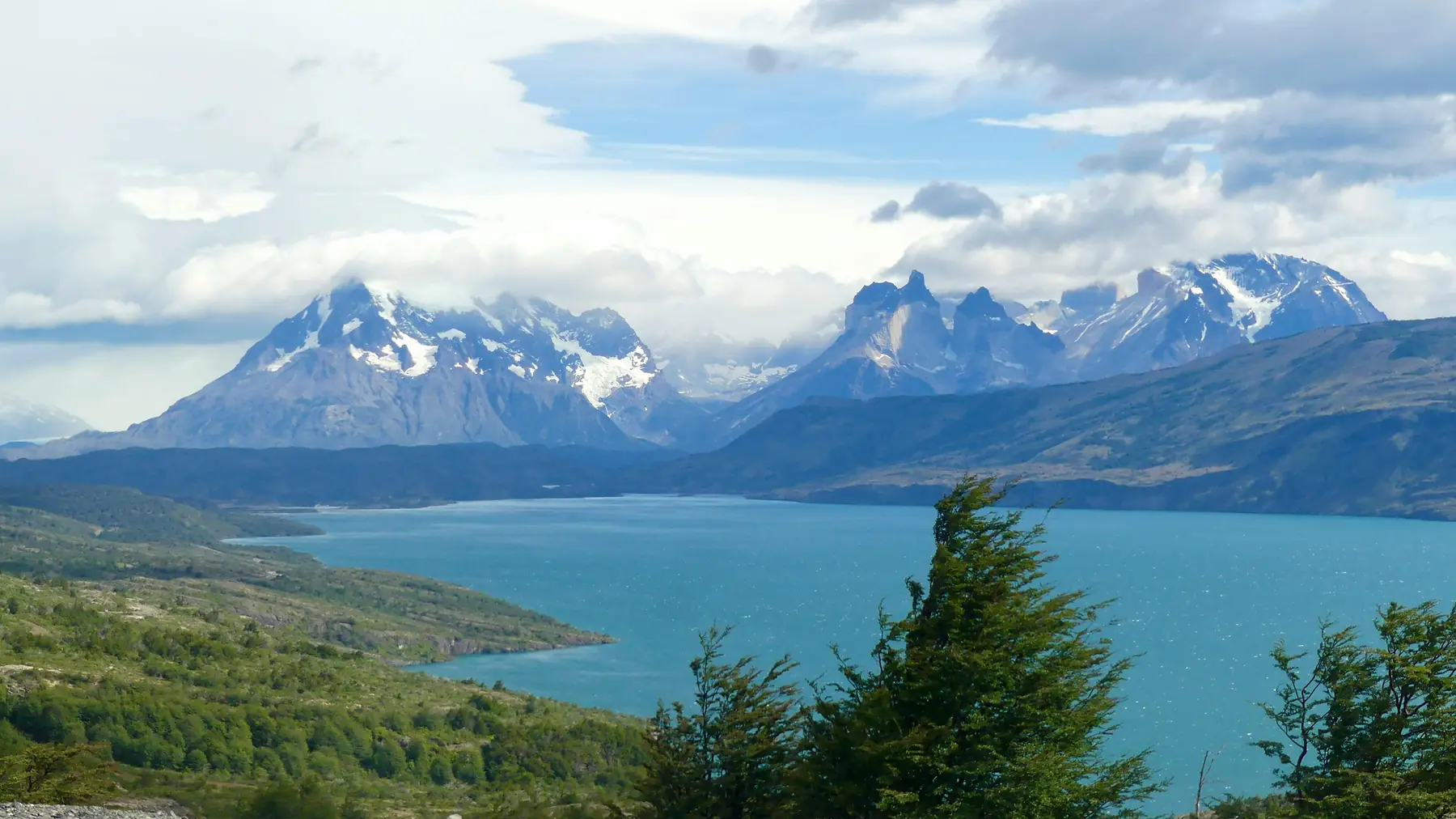
Patagonia Weather: Month-by-Month Climate Guide
Master Patagonia's unpredictable weather. Check detailed monthly climate patterns, temperature averages, rainfall records, and wind speeds.
Patagonia’s weather is the single variable that shapes every trip decision, characterized by extreme volatility where a single day can cycle through all four seasons. This climate is driven by the region’s position between the Southern Ice Fields and the Southern Ocean, creating a landscape where wind, sun, and snow often collide within hours.
Patagonia Climate at a Glance
- Peak Wind Season: November - January
- Warmest Months: December - February
- Coldest Month: July
- Maximum Daylight: ~17 hours (December)
- Primary Influence: The “Roaring Forties” westerly winds
- Atmospheric Note: High UV intensity due to ozone proximity
The Geography of Patagonia Climate
The primary cause of Patagonia’s weather volatility is the rain-shadow effect created by the Andes Mountains. As moisture-laden air travels east from the Pacific Ocean, it hits the massive granite wall of the Andes and is forced upward, cooling and releasing heavy precipitation on the Chilean side.
This geographical divide creates two distinct worlds. Western Patagonia (Chile) is a lush labyrinth of temperate rainforests and fjords, while Eastern Patagonia (Argentina) is a dry, high-altitude steppe. The Southern Ice Fields - the largest ice mass outside the polar regions - act as a massive heat sink, generating their own localized weather systems that can drop temperatures by 10 degrees Celsius in minutes.
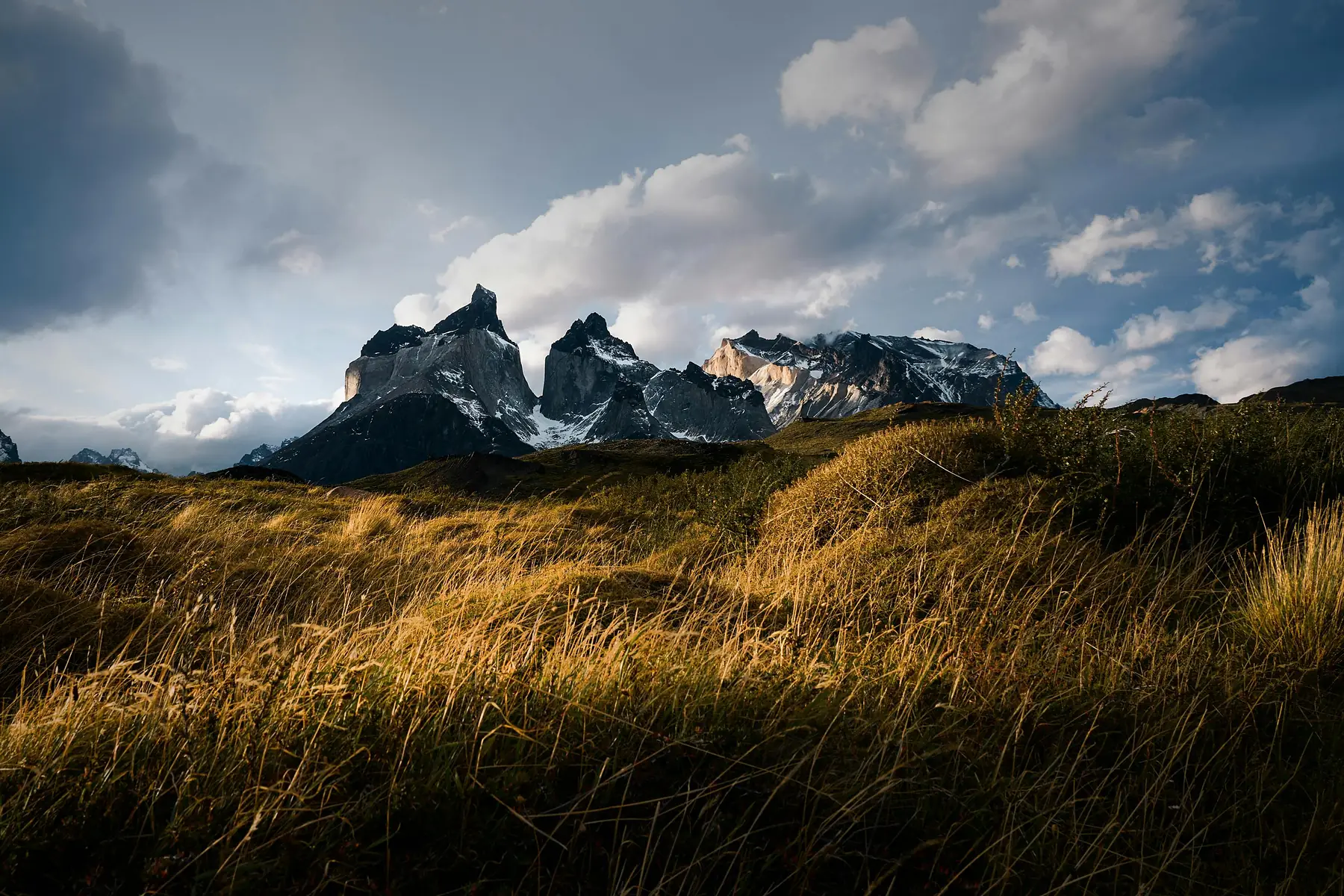
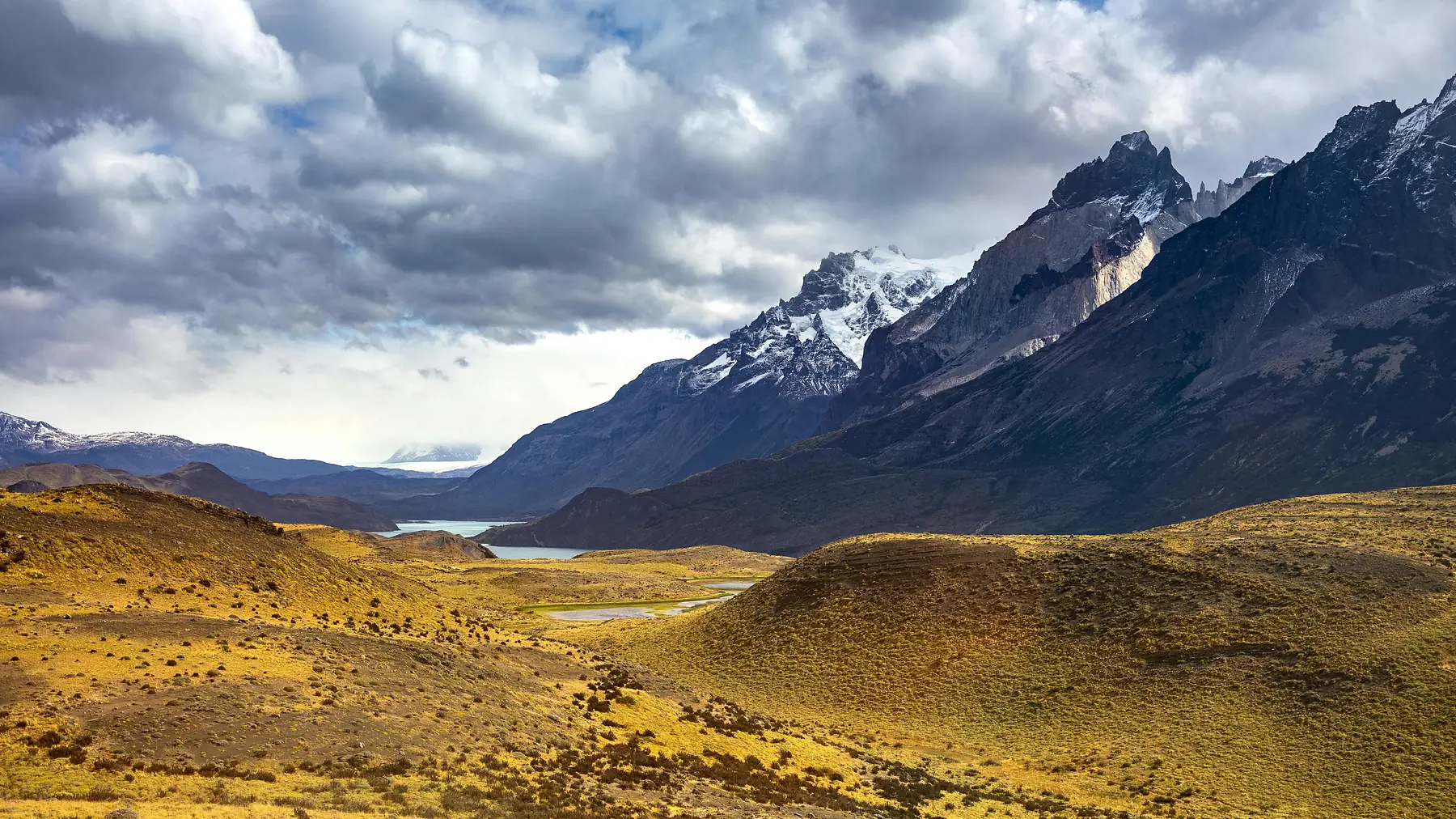
The region’s latitude also places it directly in the path of the “Roaring Forties” and “Furious Fifties.” Because there is very little landmass at these latitudes to break the wind, air currents gain immense speed across the Southern Ocean before slamming into the southern tip of South America. If you are planning to hike in Torres del Paine National Park, these geographical factors mean you must prepare for wind even on the clearest days.
Patagonia Weather Month-by-Month Breakdown
Planning a trip requires looking at the specific data for your intended window, as conditions shift significantly between the peak summer and the deep winter. The following data represents averages for the primary trekking hubs of Torres del Paine (Chile) and El Chaltén (Argentina).
| Month | Avg High (C/F) | Avg Low (C/F) | Rainfall (mm/in) | Daylight Hours |
|---|---|---|---|---|
| January | 18°C / 64°F | 7°C / 45°F | 40mm / 1.6” | 16.5 hours |
| February | 18°C / 64°F | 7°C / 45°F | 35mm / 1.4” | 15 hours |
| March | 15°C / 59°F | 5°C / 41°F | 60mm / 2.4” | 13 hours |
| April | 11°C / 52°F | 3°C / 37°F | 80mm / 3.1” | 11 hours |
| May | 7°C / 45°F | 1°C / 34°F | 70mm / 2.8” | 9 hours |
| June | 4°C / 39°F | -1°C / 30°F | 50mm / 2.0” | 8 hours |
| July | 4°C / 39°F | -2°C / 28°F | 45mm / 1.8” | 8.5 hours |
| August | 6°C / 43°F | -1°C / 30°F | 40mm / 1.6” | 10 hours |
| September | 10°C / 50°F | 1°C / 34°F | 35mm / 1.4” | 12 hours |
| October | 13°C / 55°F | 3°C / 37°F | 35mm / 1.4” | 14 hours |
| November | 15°C / 59°F | 5°C / 41°F | 35mm / 1.4” | 16 hours |
| December | 17°C / 63°F | 6°C / 43°F | 40mm / 1.6” | 17 hours |
For a detailed analysis of how this data translates into travel recommendations, including crowd levels and trail availability, visit our dedicated guide:
Understanding the Patagonia Wind Season
Wind is the most dominant and disruptive element of the Patagonian climate, with the “Windy Season” officially spanning from November through January. During these months, the pressure differential between the Pacific and Atlantic oceans is at its peak, funneling air through the mountain passes at high velocities.
On the trail, sustained winds of 40 - 60 km/h are common, but gusts frequently exceed 100 km/h (62 mph) and can reach up to 120 km/h during storms. This is strong enough to knock a fully laden trekker off balance or make walking against the wind physically exhausting.
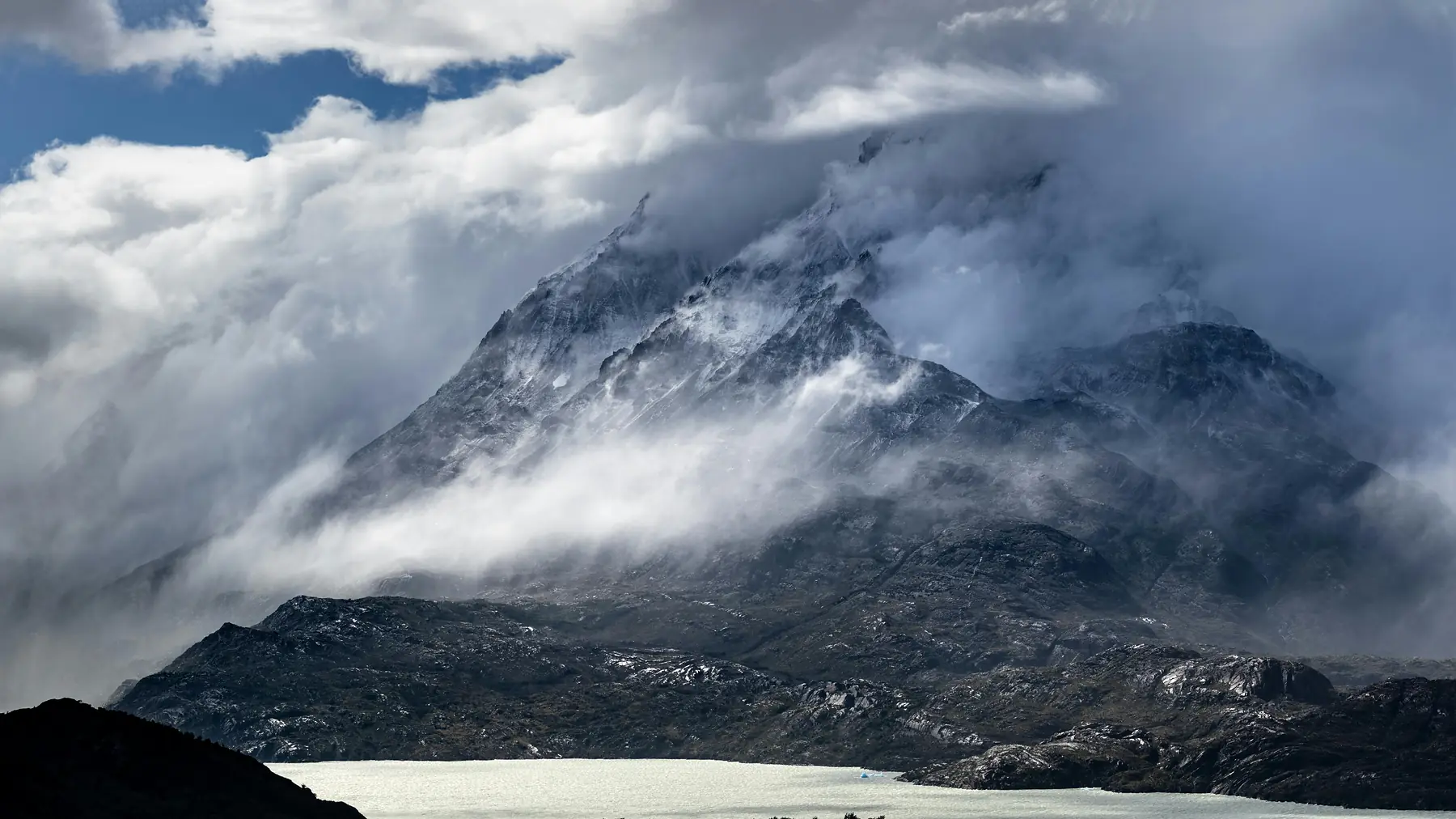
The wind also creates a significant windchill factor. A sunny day with an air temperature of 12°C (54°F) can feel like 2°C (36°F) once the wind starts gusting. When checking forecasts, always look at the “feels like” temperature rather than the ambient high.
Daylight Hours and Photography Light
Because Patagonia sits between 40 and 55 degrees south, it experiences dramatic seasonal shifts in daylight that dictate the rhythm of trekking and photography. During the summer solstice in late December, the sun rises around 5:30 AM and doesn’t set until after 10:10 PM.
This abundance of light is a massive safety advantage for hikers on the O-Trek or W-Trek, as it provides a huge margin for error if a day takes longer than expected. Conversely, by the winter solstice in June, daylight shrinks to roughly 8 hours and 45 minutes, with the sun struggling to clear the horizon until after 9:20 AM.
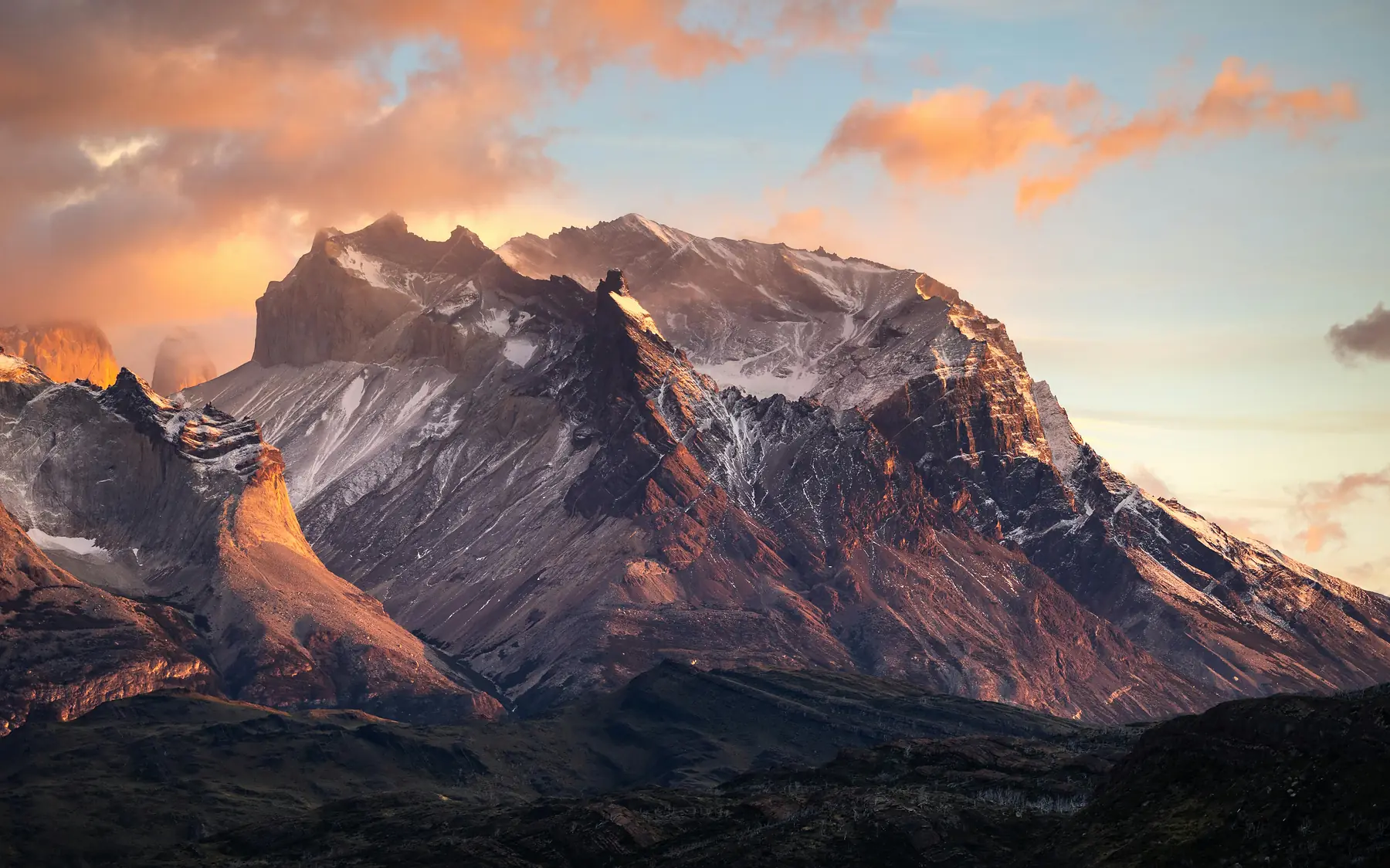
The low angle of the sun at these latitudes is a gift for photography. The “Golden Hour” - that period of soft, warm light just after sunrise or before sunset - lasts significantly longer in Patagonia than it does in more temperate or tropical zones. Even at midday in the shoulder seasons, the sun remains relatively low in the sky, casting long, dramatic shadows across the granite spires.
Regional Variations: North vs. South
Patagonia is not a monolith; the weather in the Northern Lake District is vastly different from the conditions in the Deep South. Northern Patagonia, including hubs like Bariloche and Puerto Varas, enjoys a more temperate, Mediterranean-influenced climate. Summers here are warmer and drier, while winters see significant rainfall that feeds the region’s temperate rainforests.
Southern Patagonia, encompassing Torres del Paine and El Chaltén, is far more extreme. The proximity to the Southern Ice Fields and the Southern Ocean means temperatures are lower year-round and the wind is significantly more persistent.
- Summer Temps: 20 - 25°C. (Northern Patagonia (Lake District))
- Summer Temps: 13 - 18°C. (Southern Patagonia (The Massifs))
- Wind Intensity: Moderate. (Northern Patagonia (Lake District))
- Wind Intensity: High/Extreme. (Southern Patagonia (The Massifs))
- Landscape: Volcanic peaks and deep forests. (Northern Patagonia (Lake District))
- Landscape: Granite spires and glaciers. (Southern Patagonia (The Massifs))
- Winter Access: High; ski season. (Northern Patagonia (Lake District))
- Winter Access: Low; many trails close. (Southern Patagonia (The Massifs))
Choose the North for milder summers and lush forests; choose the South for dramatic granite peaks and extreme, wind-driven weather.
The Ozone Hole and Sun Intensity
One of the most deceptive aspects of Patagonia’s weather is the intensity of the sun. Due to the region’s proximity to the Antarctic ozone hole, the atmosphere is thinner and provides less protection against ultraviolet (UV) radiation.
Even when the air feels chilly or the sky is overcast, UV levels can be dangerously high. It is common for travelers to suffer severe sunburns because the cool wind masks the sensation of the sun burning the skin.
The “ozone hole” effect is most pronounced in the spring and early summer (September - November). During this time, it is essential to have physical sun protection, such as a wide-brimmed hat and sunglasses with high-quality UV filters.
Preparing for “Four Seasons in One Day”
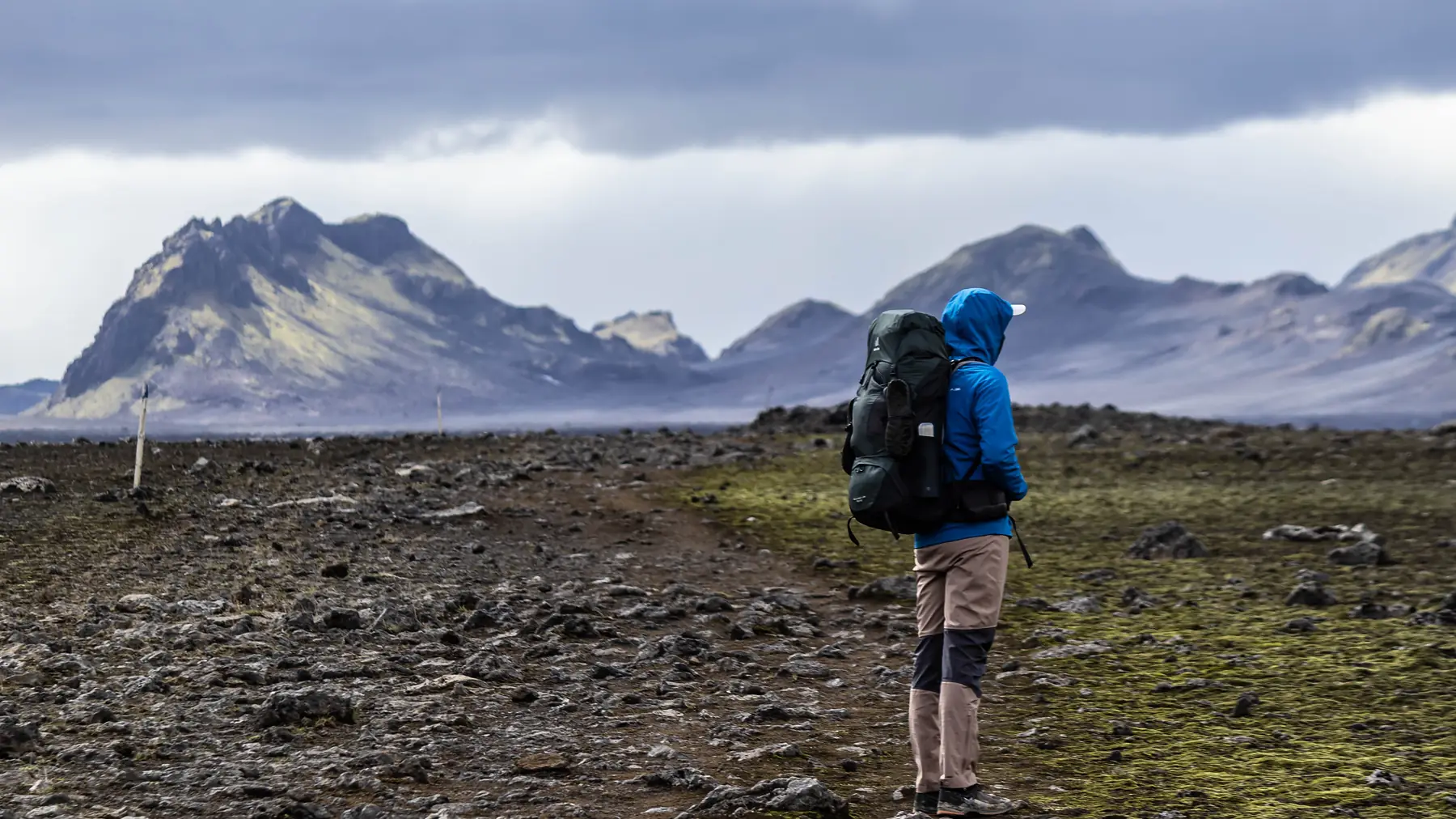
The key to handling Patagonia’s weather is not finding a “dry” window - it is building a clothing system that can adapt to rapid changes. Because the wind is the primary driver of discomfort, your strategy must prioritize wind protection over pure insulation.
A standard 10°C day in Patagonia can feel like a freezing 0°C if you are exposed to 80 km/h gusts. This windchill effect means that a “waterproof” jacket is only useful if it is also a total wind block. When the wind picks up, it forces cold air through the gaps in standard fleece or knitwear, stripping away your body heat.
Effective layering for this climate follows a three-part logic:
- Base Layer: Synthetic or merino wool to wick sweat away from your skin (damp skin leads to rapid cooling when you stop moving).
- Mid Layer: A down or synthetic “puffy” jacket to trap heat.
- Shell: A high-quality Gore-Tex or similar hardshell that is 100% windproof and waterproof.
QUESTION: What is the coldest month in Patagonia?
ANSWER: July is typically the coldest month in Patagonia, with average temperatures in southern hubs like Puerto Natales ranging from -2°C to 4°C (28°F to 39°F).
QUESTION: How windy does it get in Patagonia?
ANSWER: During the peak Patagonia wind season (November to January), gusts can frequently exceed 100 km/h (62 mph), and have been recorded as high as 120 km/h in exposed areas of Torres del Paine.
QUESTION: Does it snow in Patagonia during the summer?
ANSWER: Yes, snow can fall in Patagonia at any time of year, especially at higher elevations on the W Trek or near the Southern Ice Field, even during the peak summer months of December and January.
QUESTION: How many hours of daylight does Patagonia have in December?
ANSWER: In late December, Southern Patagonia (Torres del Paine) enjoys approximately 16.5 to 17 hours of daylight, with the sun rising around 5:30 AM and setting after 10:10 PM.
QUESTION: Is the sun stronger in Patagonia because of the ozone hole?
ANSWER: Yes, the ozone layer is thinner over Patagonia, particularly in spring (Sept-Nov), meaning UV radiation is significantly higher; travelers should wear high-SPF sunscreen even on cold or cloudy days.
QUESTION: What is the rainiest month in Patagonia?
ANSWER: In Torres del Paine and the surrounding massifs, March and April are historically the rainiest months, with average precipitation levels peaking around 80mm.