Bariloche is not automatically cheap, especially in January, February and ski season. But its best-value stays are genuinely varied. There are downtown hostels for walkers and solo travellers, lakeside hostels for a slower base, and traditional private hotels for couples or families who do not want a dorm.
Penthouse 1004 is the standout if you want views, Periko’s is the more relaxed social choice, and Hotel Tirol or Tres Reyes make the case for spending a little more on a private central room. For a quieter, lake-area hostel, look at Alaska Patagonia Hostel.
Our price bands use the typical high-season entry price, within the lowest normal private room or unit. Note that these are comparison bands, not live quotes, and that rates can change considerably by date and room type.
Best Budget Hostels in Bariloche
Hospedaje Penthouse 1004
A central high-rise hostel whose common areas and selected rooms have dramatic city-and-lake views. The best choice when the setting matters as much as saving money, without choosing a party hostel.
Periko's Youth Hostel
A long-running central hostel with kitchen, garden and social activities. It is a good middle ground for solo travellers who want company but also somewhere calm enough to rest.
HOPA-Home Patagonia Hostel
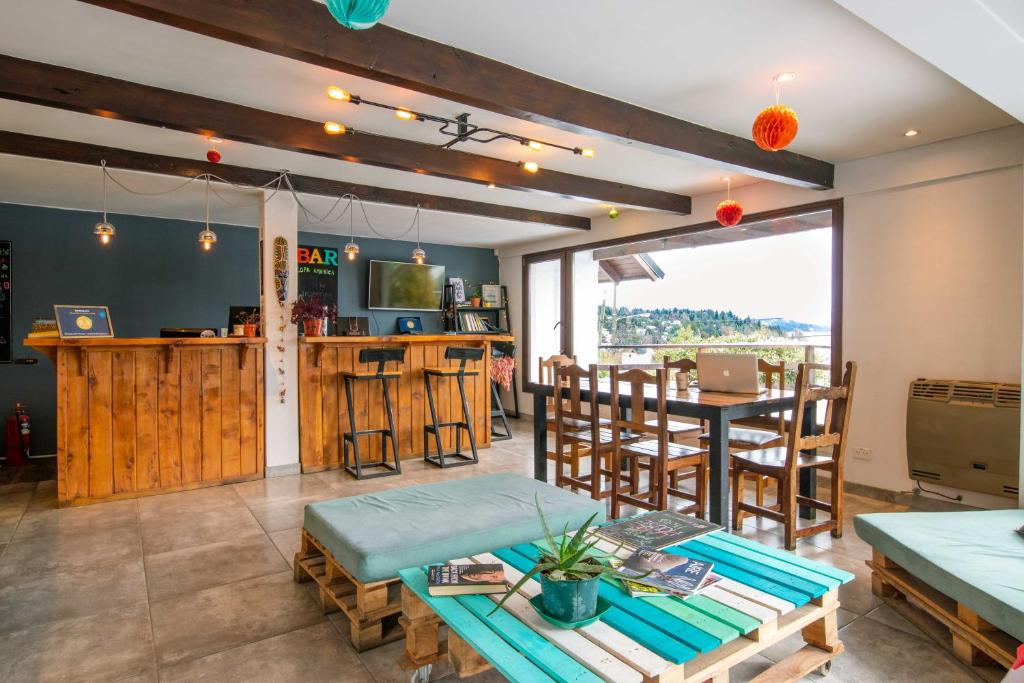
A sociable, backpacker-led hostel with shared spaces and a kitchen, offering dorms and private rooms. Choose it if interaction and day-trip logistics outweigh boutique polish.
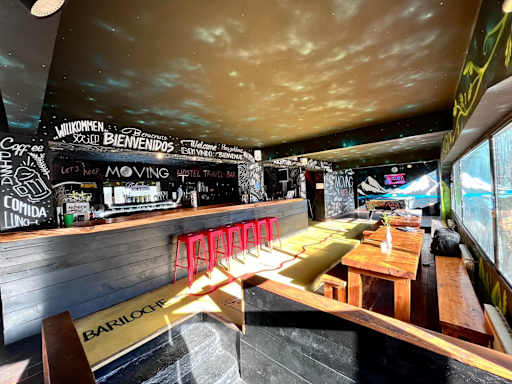
Moving Hostel Travel Bar
A compact central hostel for travellers who actively want a lively evening atmosphere. It is the right call for sociable groups and solo travellers, not for light sleepers seeking a quiet base.
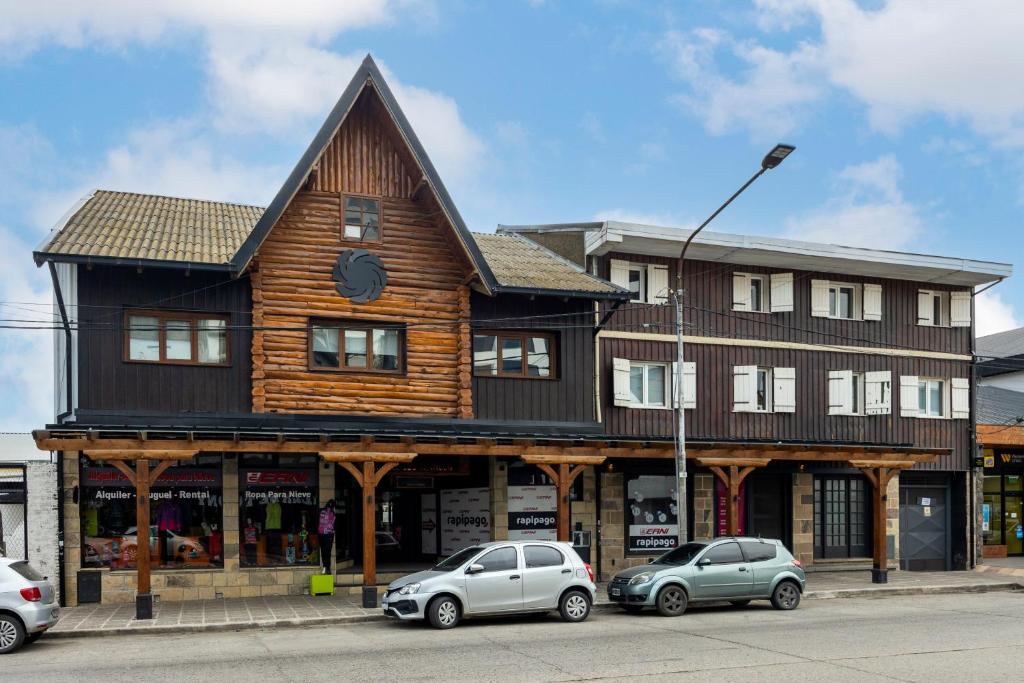
Los Troncos Boutique
A more polished hostel with private and shared rooms, a kitchen and social common areas. It is an easy upgrade from basic dorm accommodation without leaving the budget tier.
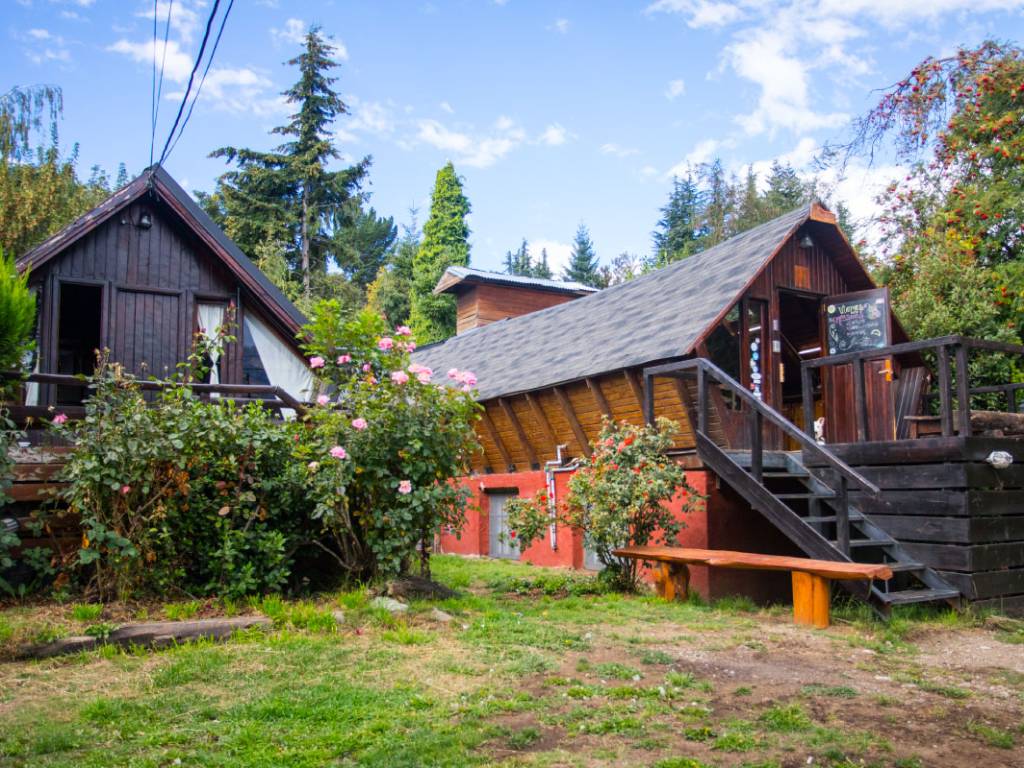
Alaska Patagonia Hostel
A small, outdoorsy hostel in the Playa Bonita corridor, with a communal kitchen and a quieter pace. It is better for lake-area calm than for being able to walk to the Civic Centre.
Bonita Lake House – Hostel & Bungalows
A flexible hostel-and-bungalow setup with dorms, private rooms and self-catering facilities. Its mixed accommodation makes it especially useful for groups with different budgets or privacy needs.
Best Cheap Private Rooms in Bariloche
Hotel Cottbus
A straightforward private-room hotel with breakfast, useful when you want to skip dorms without paying for a spa hotel. It is about location and value, not a design-led or resort experience.
Hotel Tirol
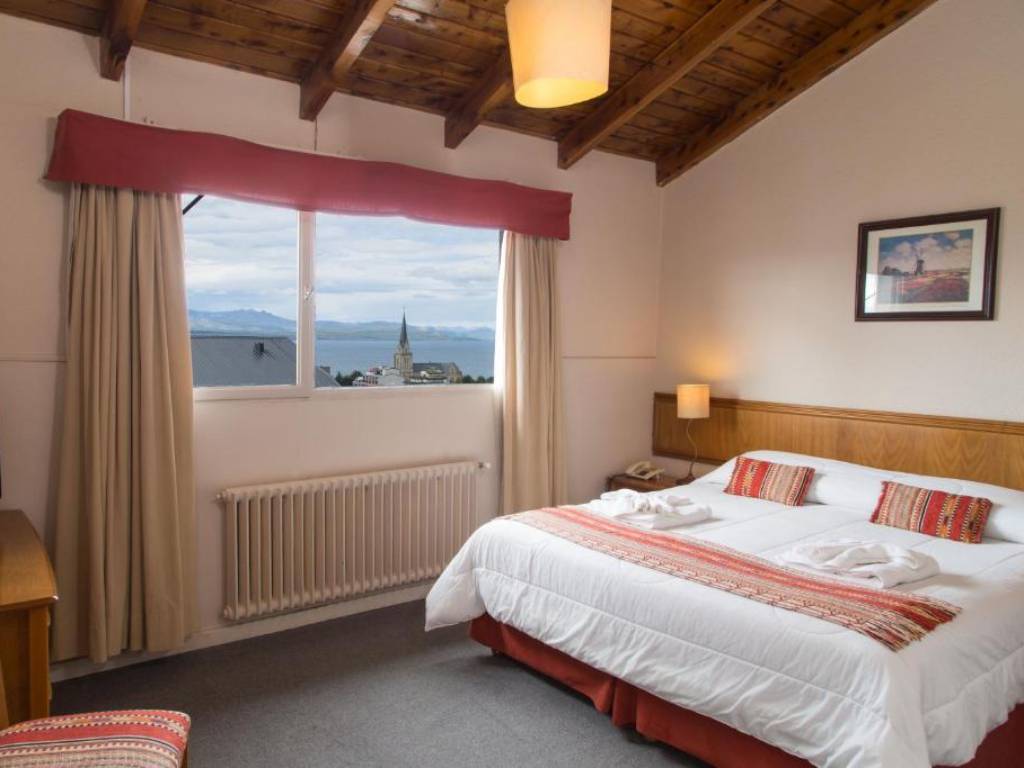
A traditional hotel near the Civic Centre that is a step up from hostel accommodation. Choose a specific lake-view room category if that is part of the reason you are booking.

Hotel Tres Reyes
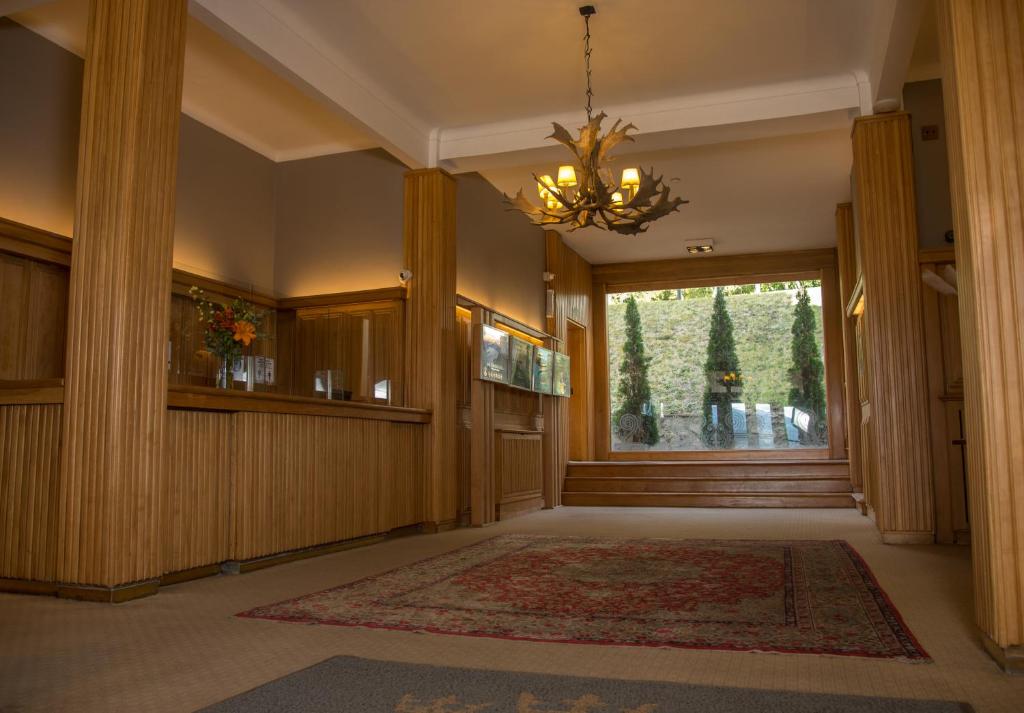
An established, central lakefront hotel with garden and bar spaces. It gives couples and families a more conventional hotel base, though views vary across the room inventory.
Booking a Budget Stay in Bariloche
For travellers without a car, Centro is the safest budget choice because it puts food, shops and bus connections within easy reach. The Bustillo and Playa Bonita corridor has more nature and lake atmosphere, but you will be relying on local buses or taxis. In both areas, a private hostel room can become poor value in peak weeks; compare it directly with the entry rate at Hotel Tirol or Tres Reyes before choosing.
Frequently Asked Questions
What is the cheapest area to stay in Bariloche? Centro generally gives the strongest value because there are more hostels and private-room hotels, plus you can walk to supermarkets, restaurants and transport.
Are private hostel rooms good value in Bariloche? They can be, particularly for couples, but prices rise sharply in busy weeks. Always compare a private hostel room with an entry room at Hotel Tirol, Tres Reyes or another budget hotel before booking.
Which Bariloche hostel is best for solo travellers? Periko’s is the calmer social option, HOPA-Home is geared towards meeting other backpackers, and Moving Hostel suits travellers specifically looking for a livelier bar-led stay.
Can I stay on Bustillo without a car on a budget? Yes, but factor local buses or taxis into both the cost and the time. A cheaper room further west is not always better value if you plan to return to town every evening.
Ad This page contains affiliate links. If you book through them, we may earn a commission at no extra cost to you.