Accommodation

Camping in Bariloche: 2026 Guide to Best Campsites

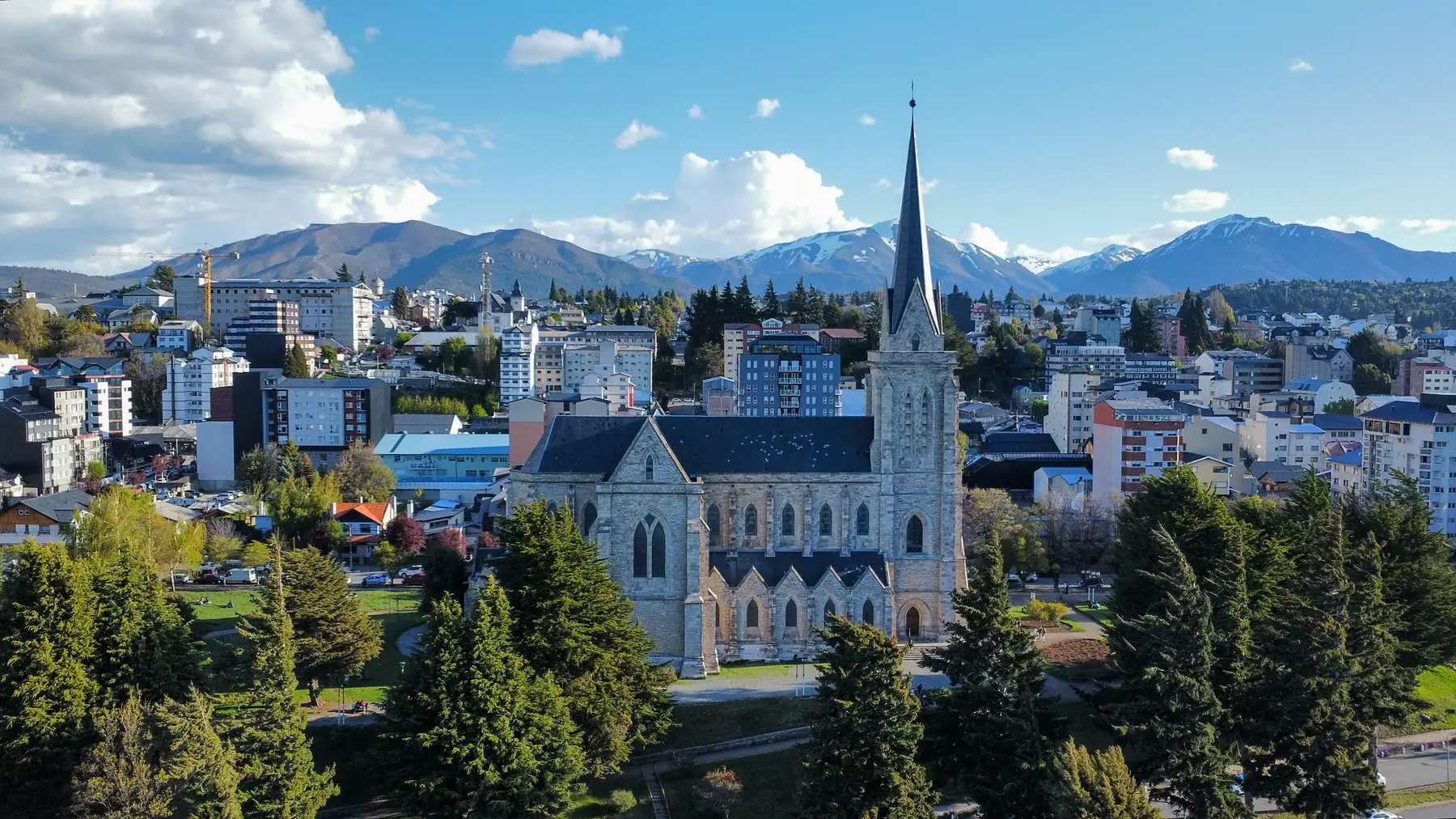
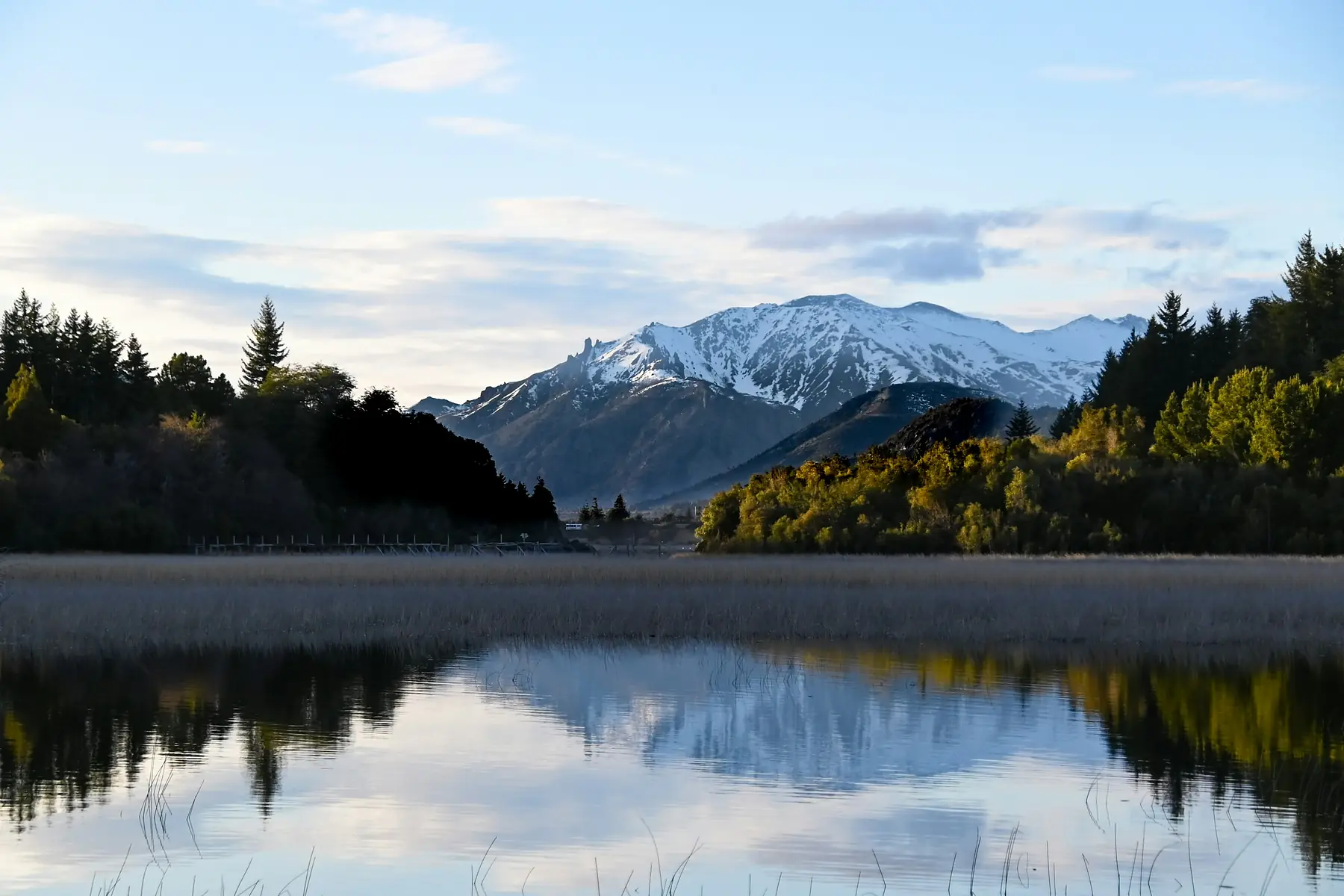
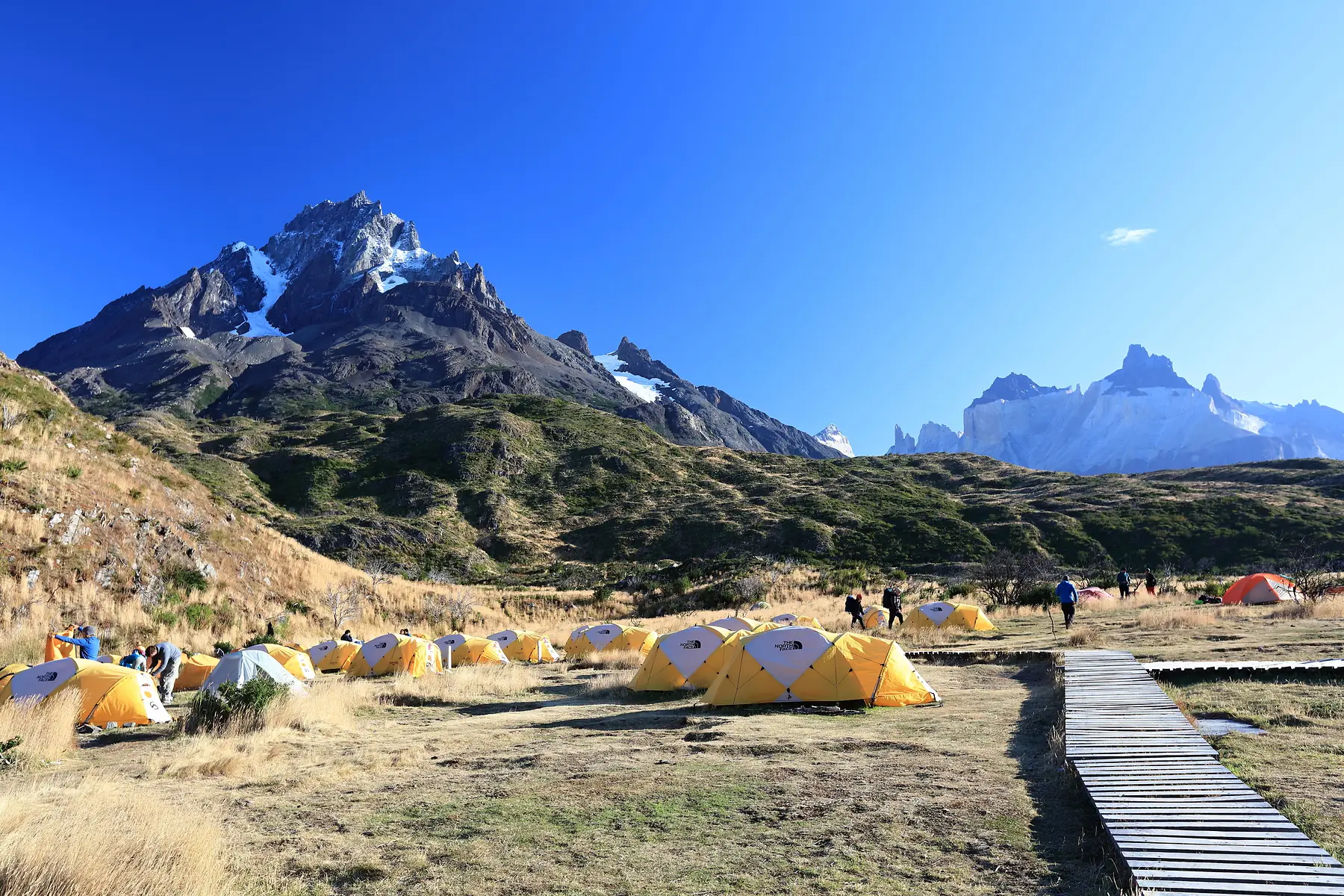
Alpine lakes and Andean peaks surrounding San Carlos de Bariloche

Camping in Bariloche: 2026 Guide to the Best Campsites

Camping in Bariloche is the most practical and immersive way to experience Argentina’s Lake District, whether you are pitching a tent on the sandy shores of Lake Nahuel Huapi or trekking to a high-altitude mountain site. For most travellers, the choice comes down to “Camping Organizado” for full amenities near town or “Camping Agreste” for a rugged, off-grid experience within the National Park boundaries.

As the gateway to Northern Patagonia, Bariloche serves as a hub for both family-friendly lakeside holidays and serious backcountry expeditions. This guide breaks down the 2026 regulations, the best-managed sites, and the essential logistics for tent campers and van-lifers alike.

Before you choose a location, it is helpful to understand the infrastructure available in the region. The following summary provides an at-a-glance look at what camping in Bariloche entails for the upcoming season.

Bariloche Camping at a Glance

  • Season: Late November to late March (Peak: January and February)
  • Primary Hubs: Lake Gutiérrez, Lake Mascardi, and Circuito Chico
  • Permits: Mandatory “Registro de Trekking” for all backcountry sites
  • Pricing: $15 to $35 USD per person for organized sites (as of 2026/27 season)
  • Facilities: Range from full WiFi and hot showers to basic pit toilets
  • Fire Policy: Strictly prohibited except in designated fire pits at authorized sites

Understanding Camping Types in Bariloche

Camping in the region is categorized by the level of service provided, a distinction strictly maintained by the Nahuel Huapi National Park (APN) authorities. Understanding these terms is essential for booking the right spot and packing the correct gear.

Camping Organizado refers to full-service, privately managed sites. These are typically located near the city center or along the main lakeside roads. You can expect 24-hour hot water, electricity at each pitch, WiFi zones, and often an on-site “proveeduría” (small grocery store). These sites are the best choice for families or those arriving in motorhomes.

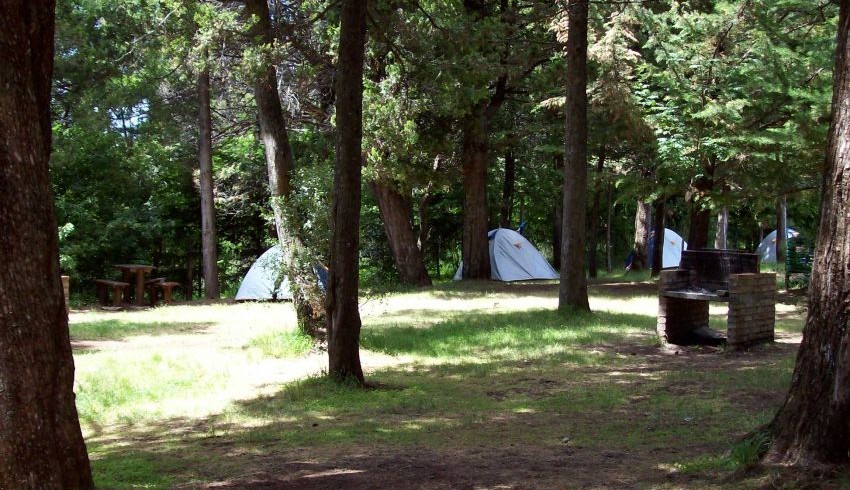
Camping Agreste offers a middle ground. These sites are usually located deeper within the Nahuel Huapi National Park and provide basic services. You will generally find pit toilets and designated fire pits, but electricity and cell service are rare. These sites focus on preserving the natural environment while providing a legal place to stay.

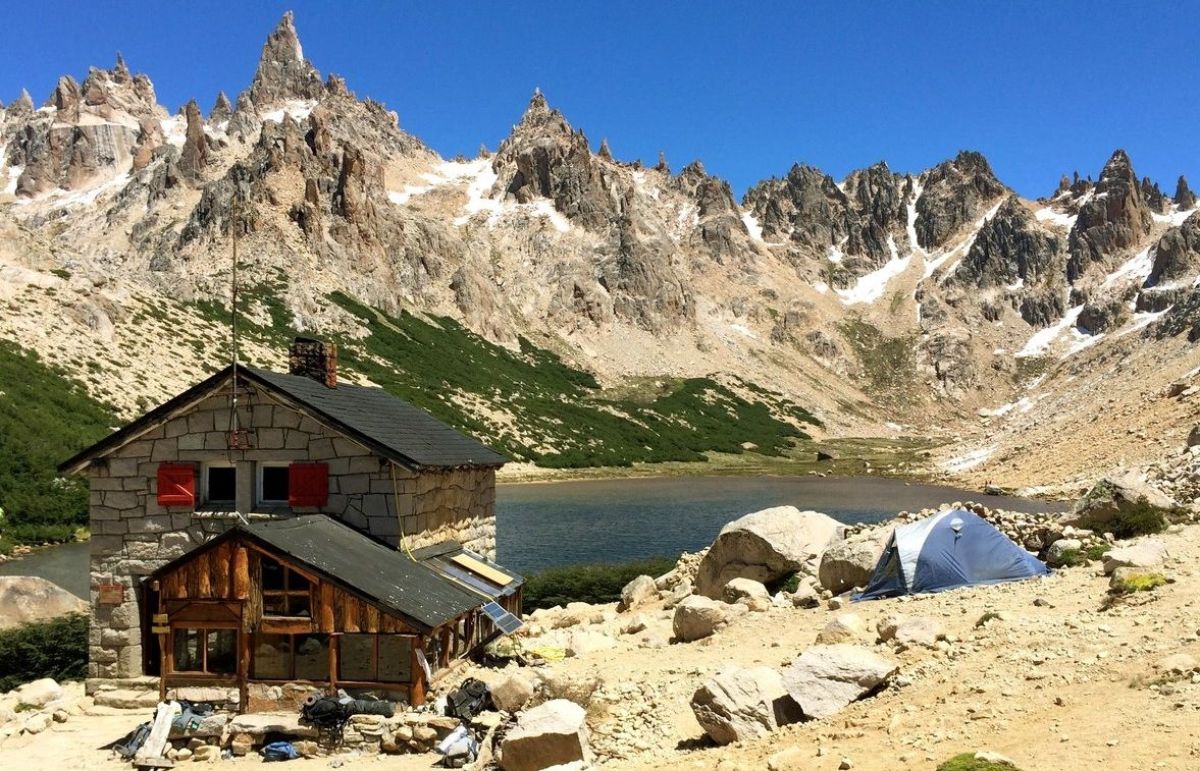
Refugio Camping is specific to the high-mountain huts. While the huts themselves offer dorm beds, most allow you to pitch a tent in the immediate vicinity. You remain responsible for your own gear and food. Note that while camping at some sites like Refugio Frey is currently free, a mandatory reservation is required. Other sites, such as Refugio Jakob, charge a “derecho de acampe” fee for the use of toilets and facilities.

Best Organized Campsites Near Bariloche (Lakeside)

Choosing the right base depends on your proximity to town and your preferred lake. The areas around Lake Gutiérrez and Lake Mascardi offer the most dramatic scenery, while the Circuito Chico area provides better access to Bariloche’s famous microbreweries and restaurants.

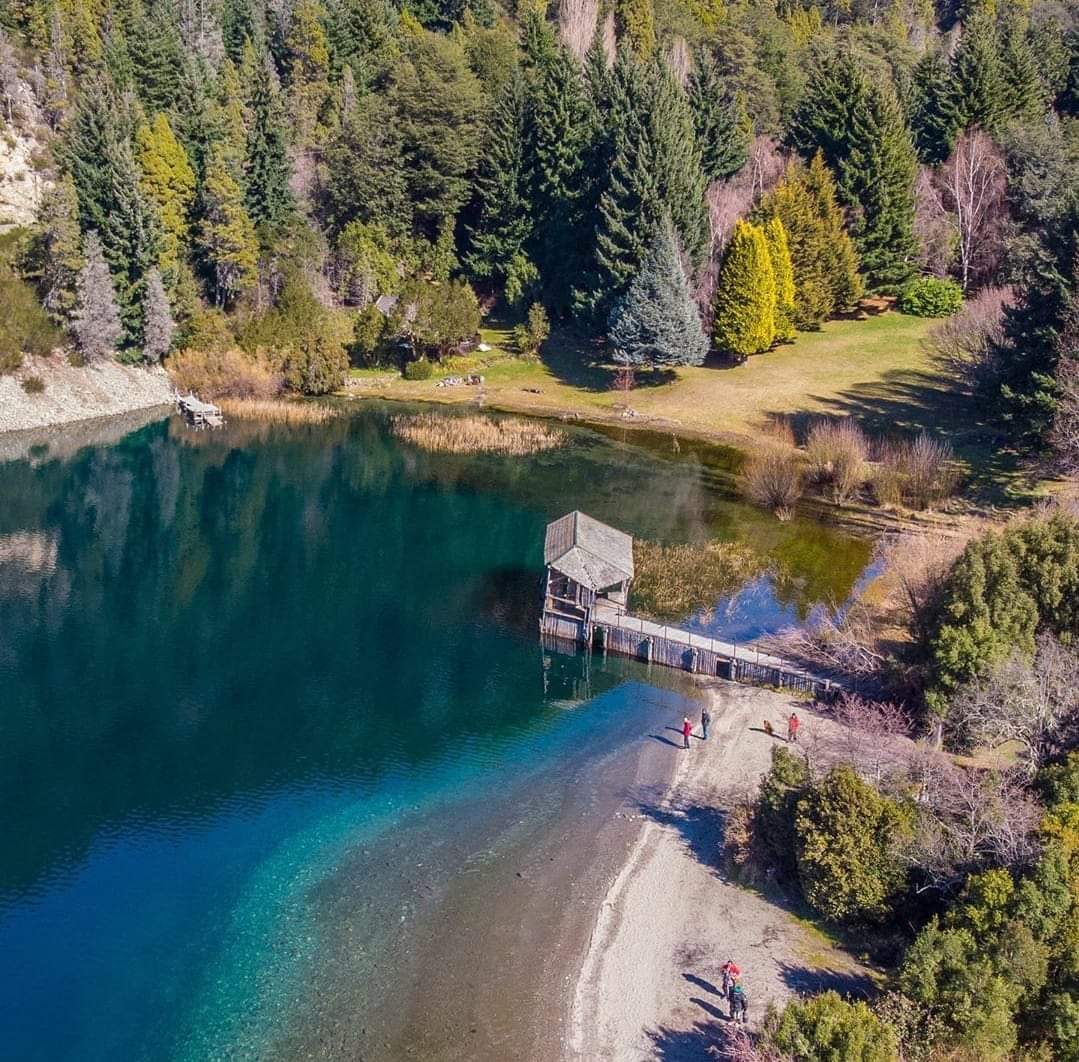
In the Lake Gutiérrez area, Camping Los Coihues is a standout for its family-friendly atmosphere and proximity to the trailhead for Refugio Frey. It is well-shaded and sits just a short walk from the lake shore. Further south, the Lake Mascardi area is home to Camping Relmu, which is managed by the local Mapuche community (Lof Wiritray). It offers a more tranquil, culturally significant experience with some of the best beach access in the region.

For those who want to stay closer to the action of the Circuito Chico, Camping Selva Negra is a long-standing favorite. It is located at Kilometer 2.9 of Av. Bustillo, making it one of the most accessible sites for those without their own transport.

To help you decide between the top-rated lakeside options for 2026, the comparison below highlights the differences in service and atmosphere.

Option A Camping Los Coihues (Gutiérrez)
Option B Camping Selva Negra (Bustillo)
Option C Camping Relmu (Mascardi)
  • Vibe: Family-centric and social / Quiet, wooded, and convenient / Remote, scenic, and rustic
  • Lake Access: 5-minute walk to Gutiérrez / No direct access (near Nahuel Huapi) / Direct beach front on Mascardi
  • Amenities: Hot showers, BBQ pits, WiFi / Full services, very clean, near bus / Basic showers, no electricity, Mapuche-run
  • 2026 Price Tier: Mid-range ($15–$25 USD) / Premium ($25–$35 USD) / Budget-friendly ($10–$15 USD)
Verdict

Choose Selva Negra for town access, Los Coihues for hiking proximity, or Relmu for total lakeside immersion.

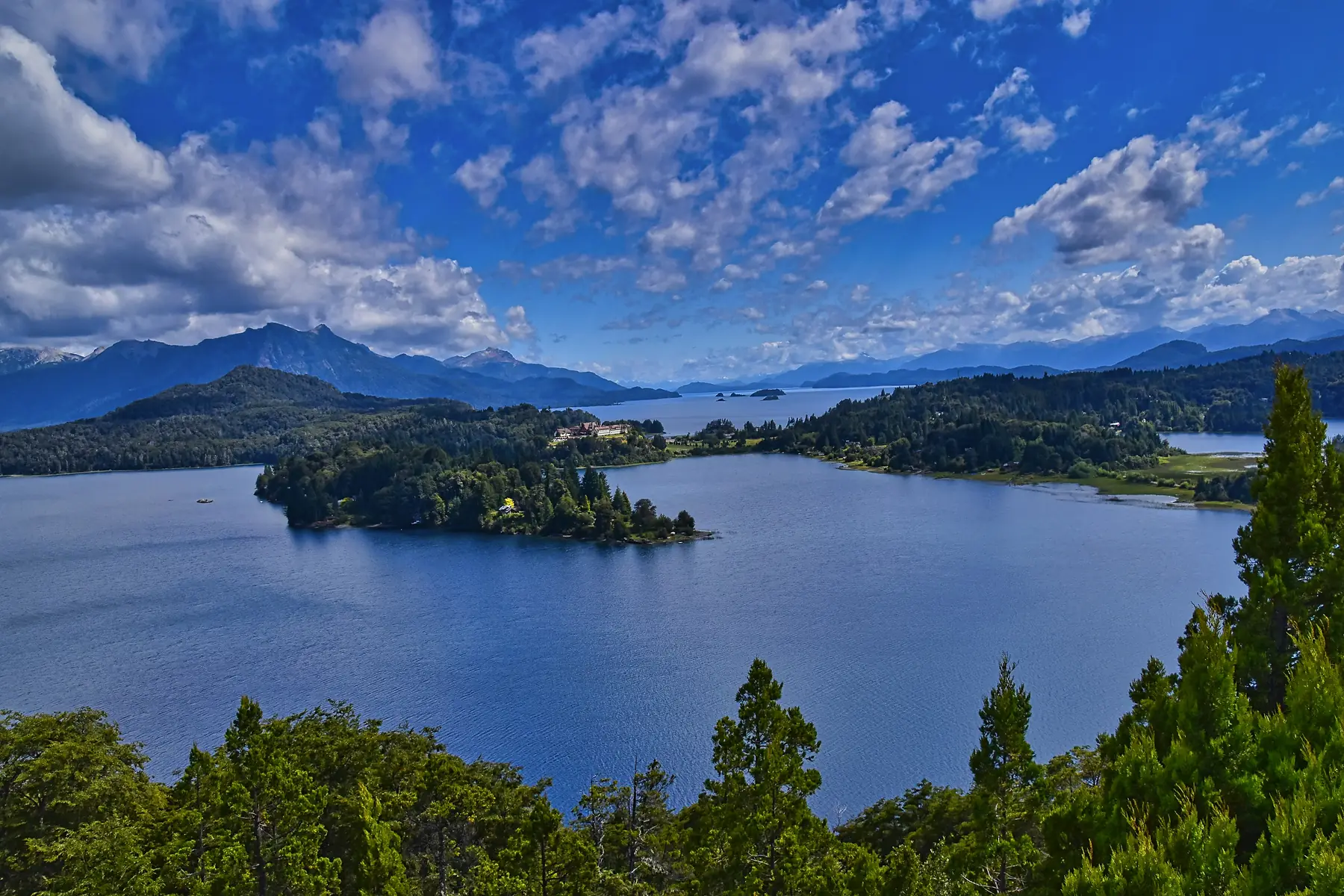
The alpine lakeshores of Nahuel Huapi near Bariloche.

Backcountry Camping and Refugios

For hikers heading into the mountains, camping is generally restricted to the designated areas surrounding the high-altitude huts. This system protects the fragile Andean-Patagonian forest and ensures that waste is managed in a central location.

When you camp at a site like Refugio Frey or Refugio Jakob, you are often required to register or pay a “derecho de acampe” (camping right). At Refugio Frey, camping is free but requires a reservation via the Club Andino Bariloche website due to high demand. At Refugio Jakob, expect to pay a fee (approx. $8–$10 USD) which covers the maintenance of the trails and the use of the refugio’s outdoor toilet facilities. It is important to note that the fee does not usually grant you access to the indoor kitchen or dining areas; those are reserved for guests staying in the dorms.

The experience at these sites is significantly more rugged than the lakeside options. You will be pitching your tent on rocky or sandy ground, often exposed to high winds. However, the reward is waking up at the foot of granite spires or alpine lagoons. For more information on the huts themselves, see our guide to Bariloche Refugios.

The Rules: Wild Camping and the “200 Rule”

Wild camping is strictly prohibited within the boundaries of Nahuel Huapi National Park. This is not a suggestion - park rangers actively patrol popular areas and issue heavy fines to those pitching tents in non-designated zones. The prohibition is primarily a response to the extreme fire risk and the need to protect water sources from contamination.

One of the most misunderstood regulations is the 200 Rule. In the very few remote areas of the backcountry where dispersed camping might be permitted (usually only for long-distance expeditions with specific permits), you must pitch your tent at least 200 meters away from any water source, such as a lake or stream, and 200 meters away from any established trail. For waste management, the “cathole” method requires being at least 60 meters (200 feet) from water and trails.

A critical requirement for any camping trip involving the backcountry is the Registro de Trekking. This is a free, mandatory online form provided by the National Park. You must list your intended route and camping locations no more than 48 hours before your departure.

Warning

Campfires are strictly forbidden in almost all areas of the National Park due to the high risk of forest fires. You must carry a portable camping stove (calentador) for all cooking. Lighting a fire outside of a clearly marked, designated fire pit at an organized campsite can result in immediate expulsion from the park and significant legal penalties.

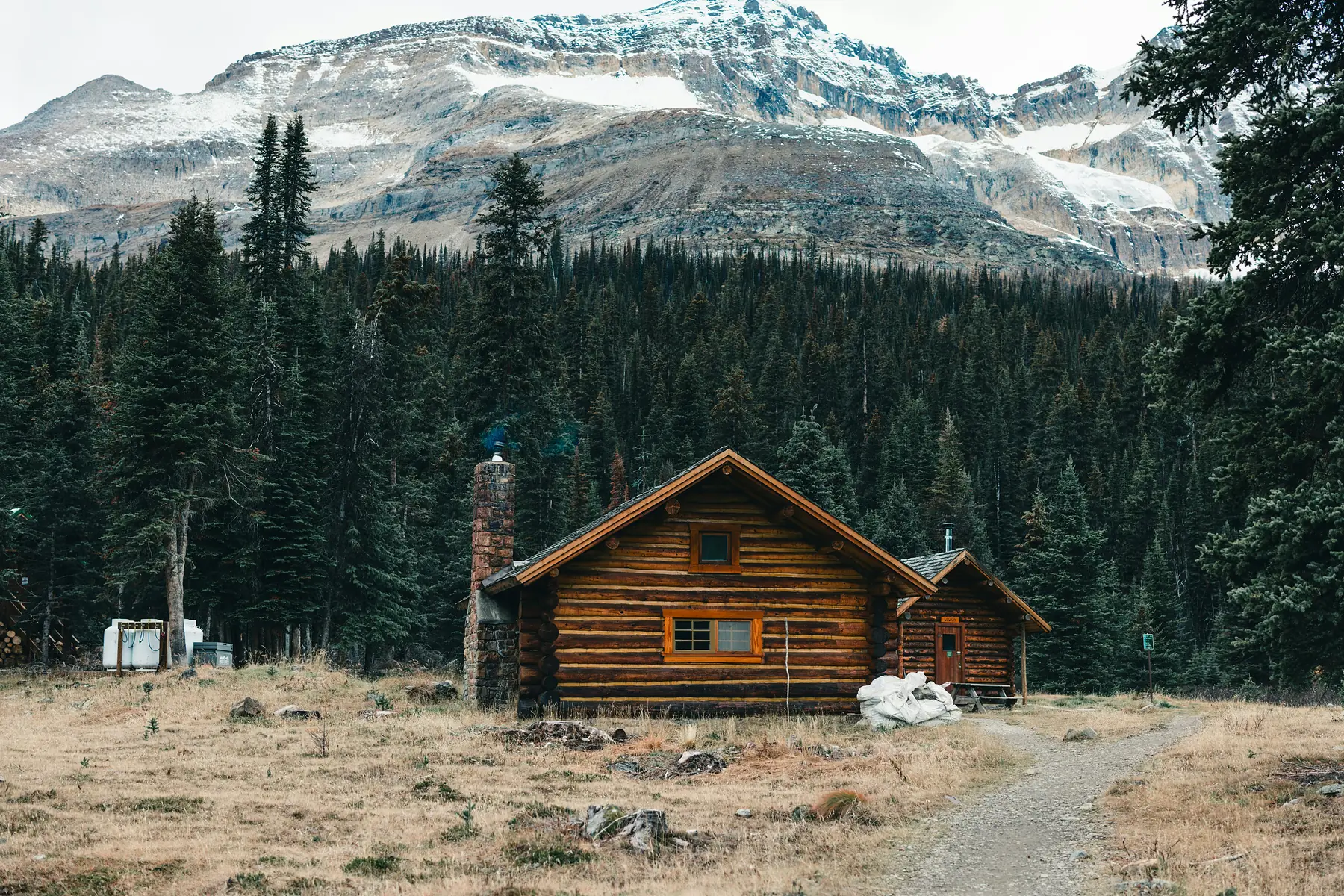
The cathedral-like peak of Cerro Catedral near Bariloche.

Bariloche for Campervans and Motorhomes

The “vanlife” movement has seen massive growth in Patagonia, and Bariloche has adapted with better infrastructure for motorhomes. While many travelers attempt to “stealth camp” in the city center, this is generally discouraged due to safety concerns and local ordinances. It is far better to use organized sites that offer specific hookups.

Camping Petunias and Camping Selva Negra are among the best-equipped for larger vehicles, offering 220V electricity connections and water refills. For wastewater disposal (aguas grises y negras), the city has a designated municipal lot on Avenida Esandi (Delegación El Cóndor) which provides dump station services for a fee. Some private sites, like Lago Azul at Km 3 of Av. Bustillo, also offer specialized motorhome parking and services.

If you are planning a longer journey through the region, you may want to consult our guide on planning a Patagonia road trip for logistics on fuel and border crossings.

Tip

The official municipal motorhome dump station is located at the Playón Municipal on Avenida Esandi. Always confirm current fees and access hours with the local tourist office or via apps like iOverlander, as regulations for urban overnight stays are strictly enforced.

Essential Camping Gear for Bariloche

The climate in Bariloche is defined by its variability. Even in the height of summer (January), nighttime temperatures in the mountains can drop to 0°C (32°F). A 3-season tent is the minimum requirement, and it must be high-quality enough to withstand the famous Patagonian winds.

When staking your tent, do not rely on standard pegs alone. In many Agreste sites, the ground is either very hard-packed or very sandy. Use heavy rocks to anchor your guy lines - a practice known locally as “pircar.” Additionally, ensure your sleeping bag is rated to at least 0°C or lower.

For cooking, most local shops like La Casa del Aventurero in downtown Bariloche stock the standard screw-on gas canisters (Doite or Coleman brands). Clip-on “Easy-Click” canisters (Campingaz) are much harder to find, so it is recommended to use a stove with a universal screw-on thread.

80 km/h Maximum Gusts Sustained winds at high-altitude campsites can easily reach these speeds, requiring 4-season stakes or rock anchors.
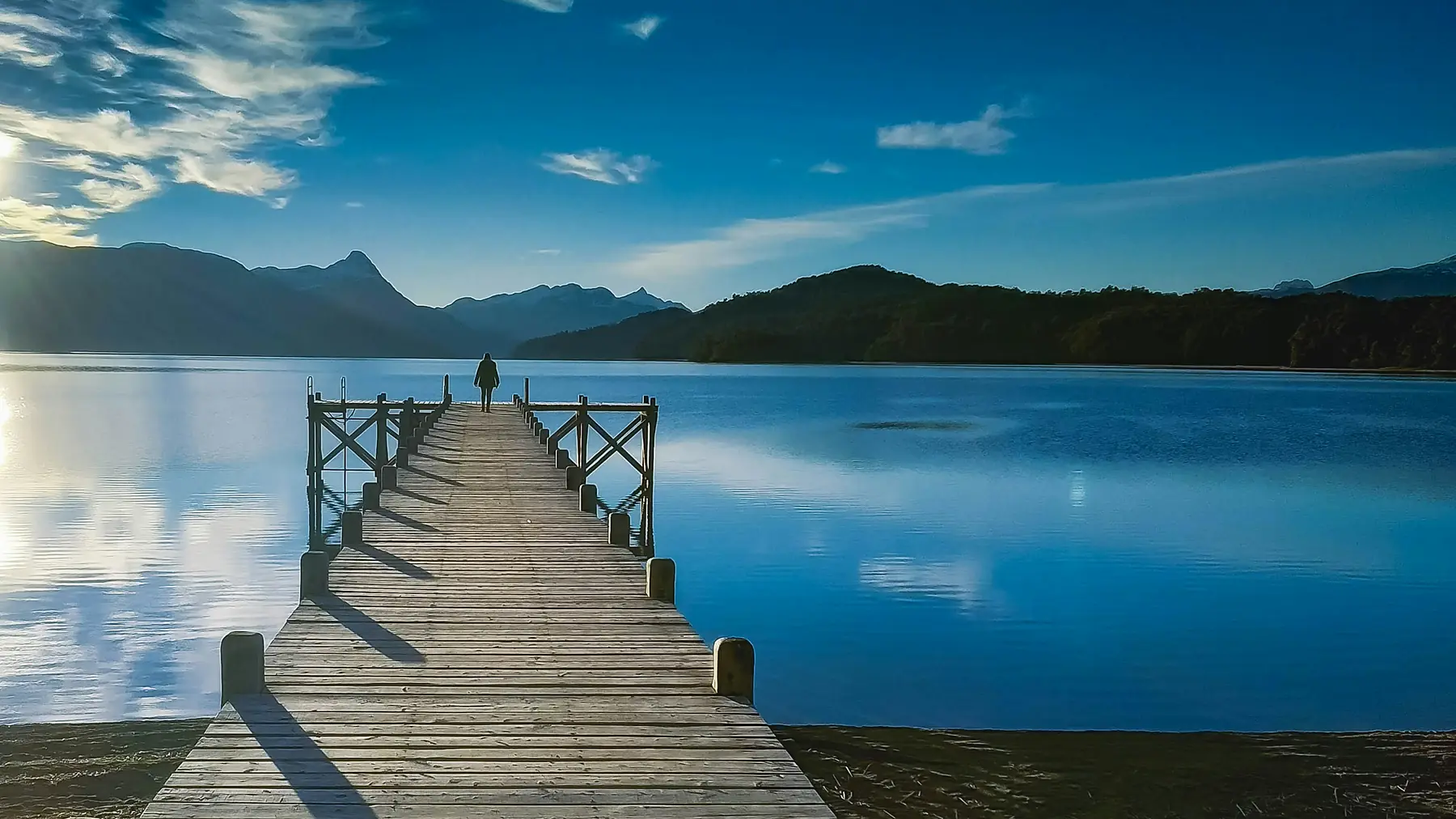
Snow-capped peaks rising above the Circuito Chico drive.

Costs, Booking, and Seasonality

Camping costs in Bariloche have seen significant fluctuations recently. For the 2026 season, expect to pay between $15 and $35 USD per person, per night at organized lakeside sites. Agreste sites are typically cheaper, ranging from $8 to $15 USD, while some remote backcountry spots remain free of charge, provided you have registered your trek and secured a reservation where required.

Booking is essential if you plan to visit in January or February, which is the peak holiday season for Argentines. Lakeside sites like Camping Los Coihues often fill up weeks in advance. For the rest of the year, from late November to December and throughout March, you can usually arrive without a reservation.

If you find that the weather is turning or the cost of premium camping is exceeding your budget, there are several indoor alternatives that offer better protection.

FAQ

Is wild camping legal in Bariloche? No, wild camping is strictly prohibited within Nahuel Huapi National Park. You must use designated organized, agreste, or refugio-adjacent campsites to avoid heavy fines and protect the environment.

What is the 200 rule for camping in Bariloche? The 200 rule requires campers in permitted backcountry areas to pitch their tents at least 200 meters away from any water sources or trails. For human waste, the requirement is at least 60 meters (200 feet).

Do I need to book campsites in Bariloche in advance for 2026? For popular lakeside campsites in January and February, booking at least 2-4 weeks in advance is highly recommended. Mountain sites like Refugio Frey also require advance online reservations for camping.

Can I light a campfire while camping in Bariloche? Campfires are strictly forbidden in most areas of the National Park. You should only use a portable camping stove for cooking and only light fires in clearly marked, designated fire pits at authorized organized sites.

Is the water safe to drink at Bariloche campsites? While mountain stream water is often clear, it is safest to treat all water using a filter or purification tablets due to the presence of livestock and high hiker traffic in the region.

To further plan your stay in the region, explore our related guides below.