
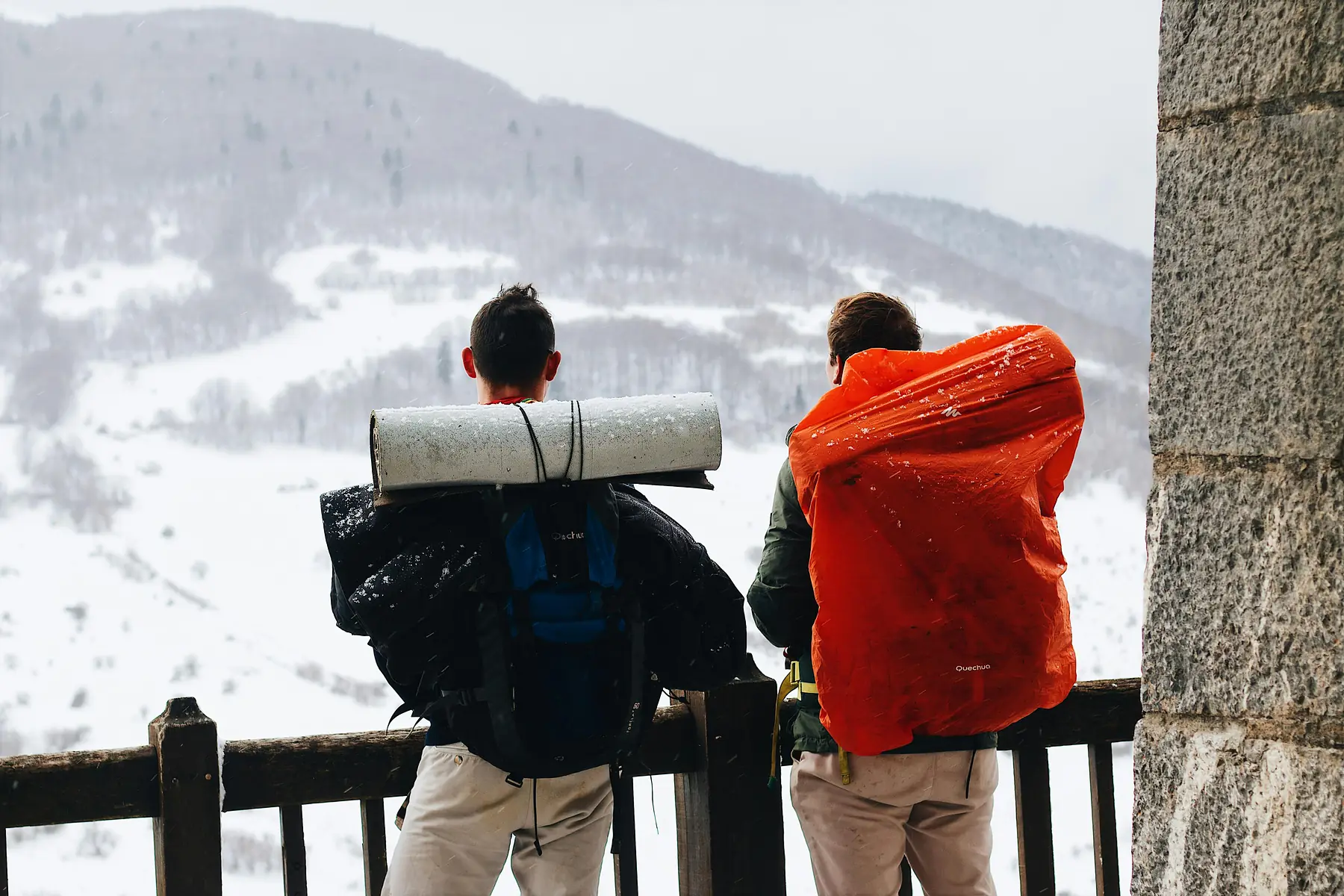
The O Circuit requires a significantly more robust gear setup than the W Trek, focusing on 8 to 9 days of total self-reliance, high-wind stability for the John Gardner Pass, and a sleep system rated for sub-zero temperatures. Because you are traversing the remote “back side” of the Paine Massif where resupply is limited and professional help is hours or days away, your equipment must be trail-tested and capable of handling sustained 80 km/h winds and gusts exceeding 100 km/h.
This list is updated for the 2026/27 season to reflect current park regulations, mandatory permit requirements, and the latest technical gear standards for Torres del Paine. While the W Trek can be completed with a lighter daypack and refugio stays, the O Circuit is a true wilderness expedition that demands respect for Patagonia’s volatile climate.
O Circuit Gear at a Glance
- Total Pack Weight: 13-16 kg (28-35 lbs) including food and water
- Tent Requirement: 3-season “true” technical tent or 4-season model
- Sleeping Bag Rating: -7°C (20°F) comfort rating or lower
- Backpack Capacity: 50L to 65L (depending on ultralight vs. standard gear)
- Cooking System: Mandatory for the northern section (Serón to Los Perros)
- Navigation: Offline digital maps plus mandatory paper backup
O Circuit vs. W Trek: Why Your Packing List Changes
The transition from the W Trek to the O Circuit is not just a matter of adding more days: it is a fundamental shift in the level of self-sufficiency required. On the W, many hikers rely on refugio meals and pre-pitched tents, but on the northern section of the O, you are the primary provider for your own safety and comfort.
The most significant change is the weight penalty. For the O Circuit, you must carry at least 8 days of food and fuel from the start, as there are no full-service grocery options between the Laguna Amarga entrance and the Grey ranger station. This extra weight changes your requirements for footwear support and backpack suspension. Furthermore, while the W Trek stays mostly in the valleys, the O Circuit crosses the John Gardner Pass, where you will face high-altitude wind and spindrift that can penetrate standard “town” rain jackets.
- Duration: 4-5 days vs. 8-9 days
- Food Load: 2-3 kg vs. 6-8 kg
- Sleep System: Optional (if using refugios) vs. Mandatory (technical camping gear)
- Exposure: Valley-bottom winds vs. High-altitude pass exposure
- Resupply: Daily at refugios vs. No resupply for the first 4-5 days
The O Circuit requires a 30-40% increase in pack weight and higher-spec technical clothing for the John Gardner Pass.
If you are still deciding between the two routes, understanding the gear investment required for the full loop is often the deciding factor. The O Circuit demands a more expensive, technical kit to ensure safety on the remote northern trails.
To compare the specific items needed for the shorter route, see our related guide below.
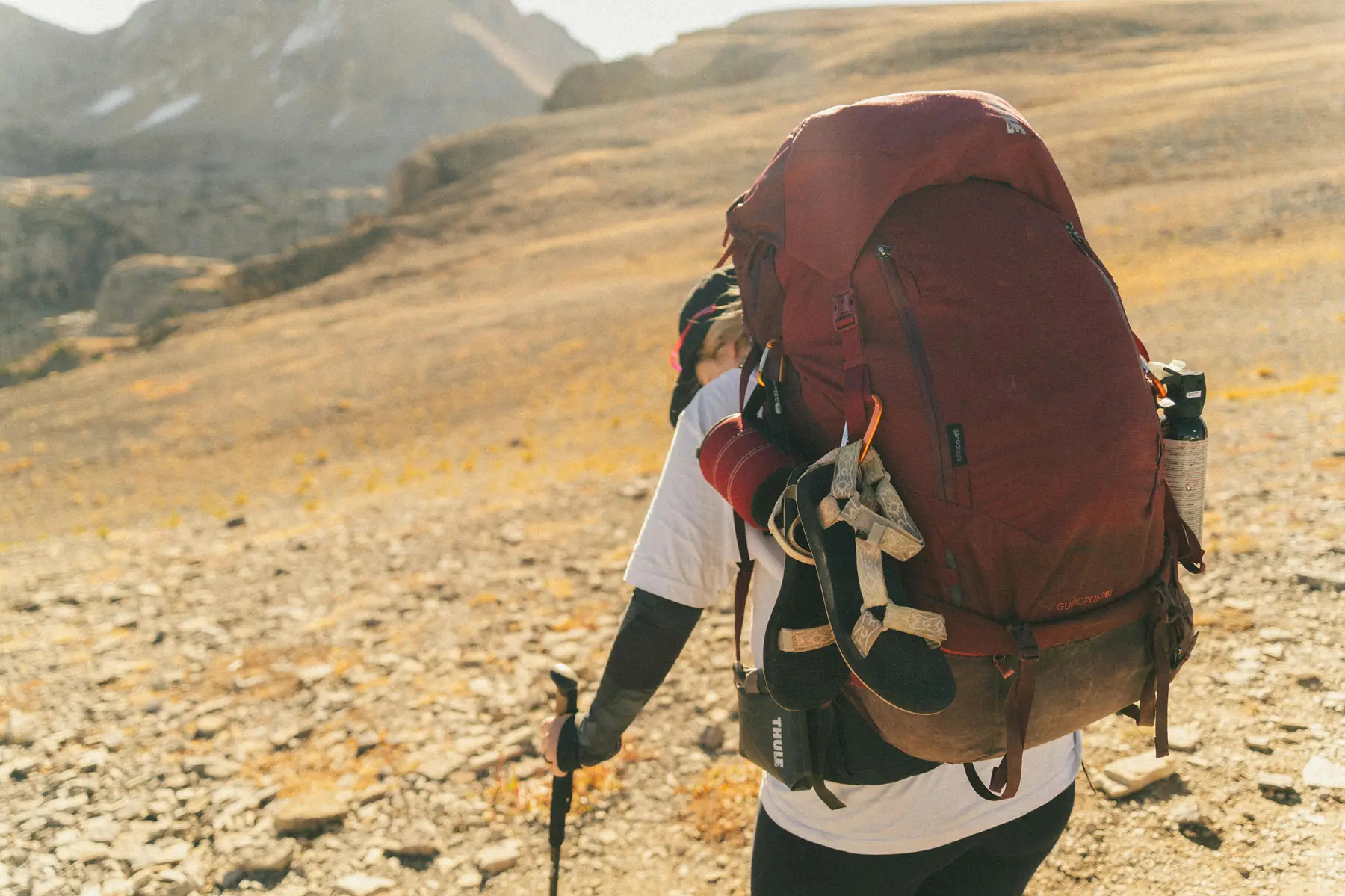
The “Big Three” for the O Circuit: Pack, Tent, and Sleep System
Your backpack, tent, and sleep system represent the bulk of your pack weight and your primary defense against the Patagonian elements. For the O Circuit, these items must be selected for their ability to withstand the “roaring forties” winds and the damp, cold ground of the northern campsites.
Backpack: 50L to 65L
For an 8-day trek, a 50L pack is the absolute minimum for ultralight hikers, while 60-65L is standard for most trekkers. The key is the suspension system. A pack that feels comfortable with 10 kg on a day hike may fail when loaded with 16 kg of food and gear. Look for a robust, padded hip belt and an internal frame that transfers weight directly to your pelvis. While there are no official weight limits imposed by park rangers, keeping your total load under 16 kg is strongly recommended for safely navigating the steep terrain of the Pass.
Tent: Patagonia-Proof
The campsites at Serón and Los Perros are notoriously windy. You need a tent with a low profile and a sturdy pole structure. Freestanding tents are generally preferred because the ground can be too rocky or too soft for perfect staking. If using a non-freestanding tent, you must be an expert at using “deadman” anchors (rocks or logs) to secure your guylines.
Replace your stock tent stakes with high-quality MSR Groundhogs or similar Y-stakes before you leave Puerto Natales. The standard “hook” stakes included with most tents will pull out of the Patagonian soil the moment the wind hits 50 km/h.
Sleep System: R-Value and Temperature
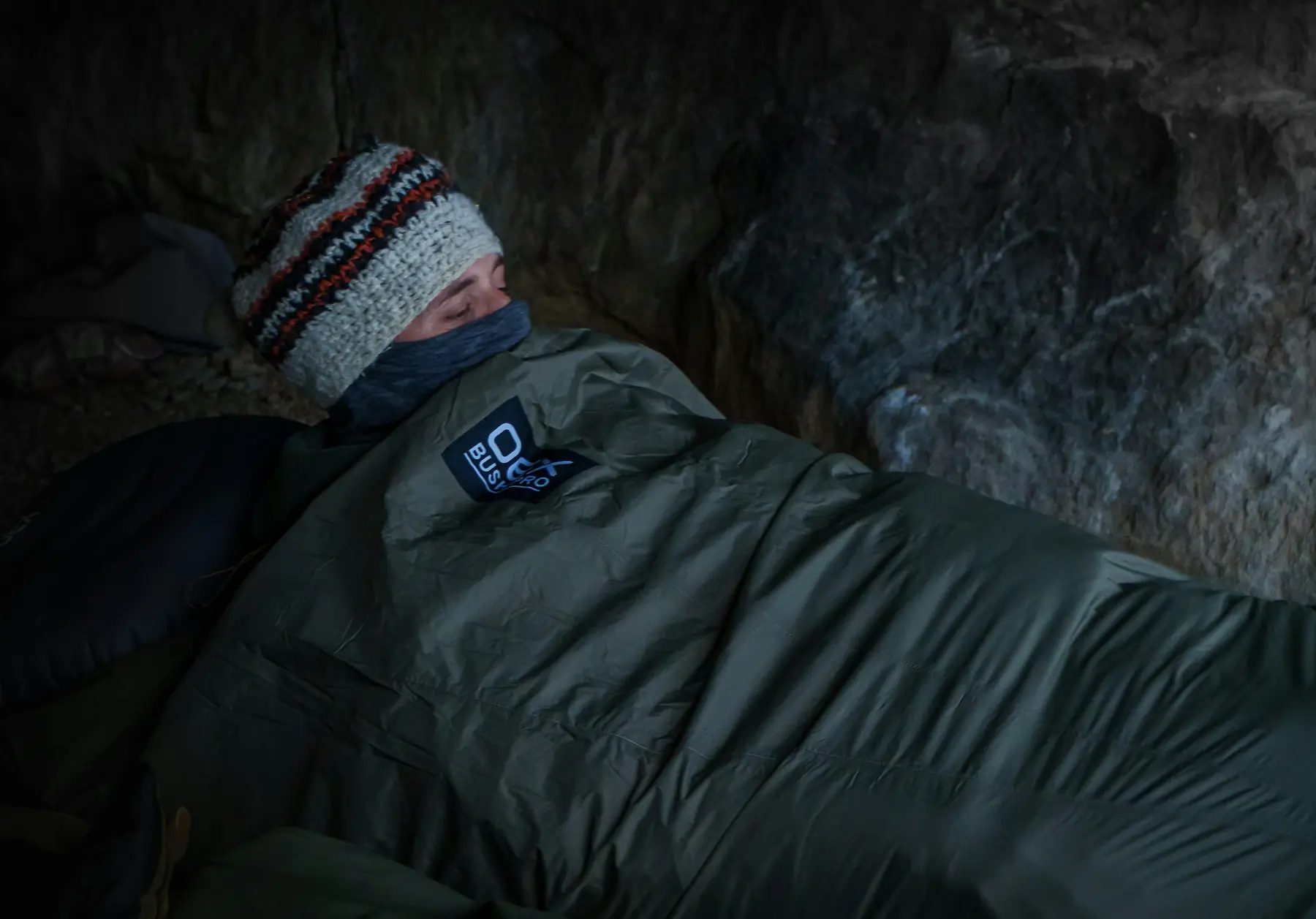
The ground at Los Perros remains cold even in January. Your sleeping pad needs an R-value of at least 3.0 to prevent the earth from siphoning your body heat. For the sleeping bag, do not trust “limit” ratings. You need a bag with a “comfort” rating of -7°C (20°F). Synthetic insulation is safer if you expect a lot of rain, but high-fill power down is the gold standard for saving weight and space in your pack.
If you are looking for specific model recommendations and a breakdown of the best technical specs for these items, explore our dedicated gear reviews.
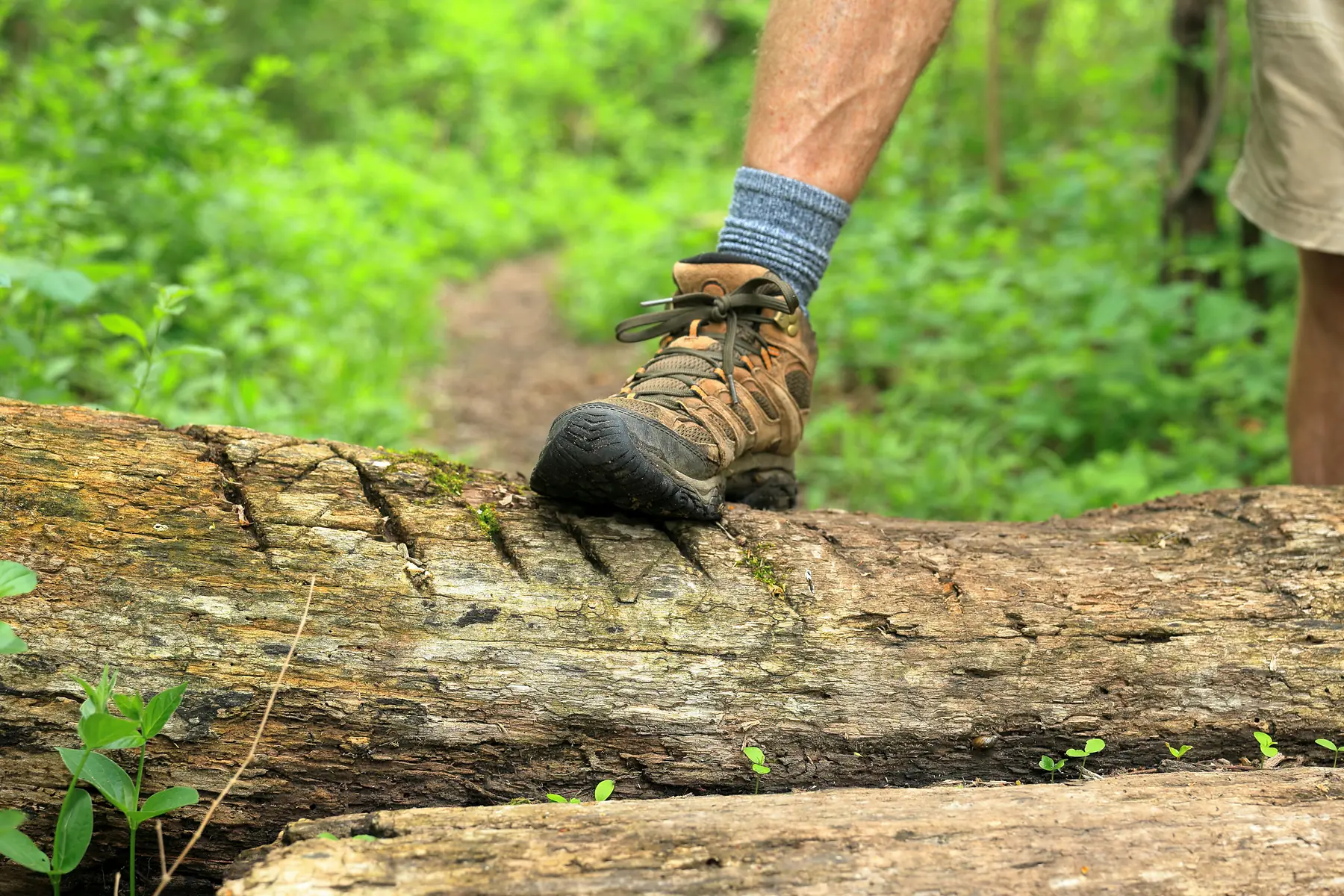
Layering for Four Seasons: Clothing Essentials
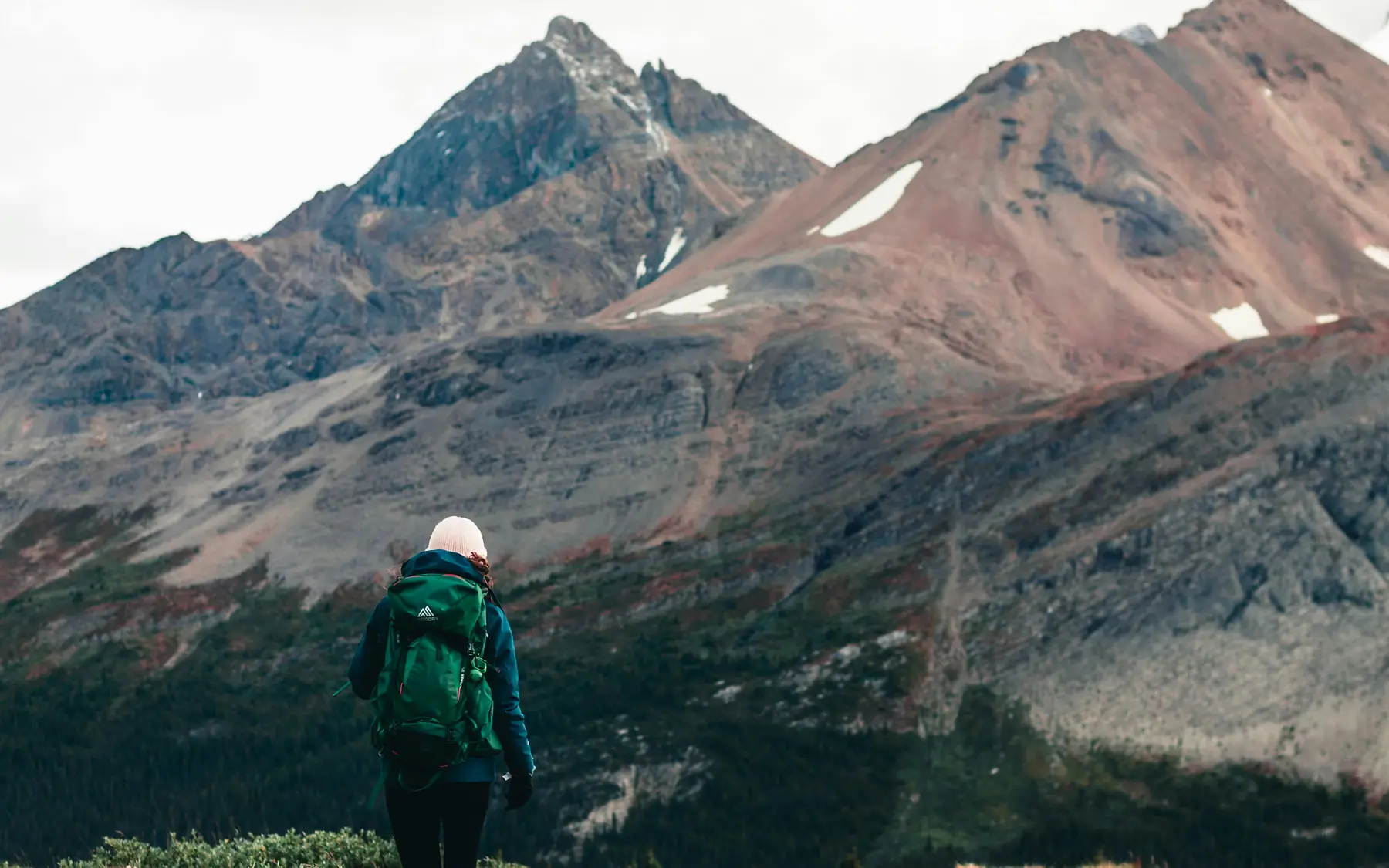
In Patagonia, clothing is not about fashion; it is a climate control system. You will likely experience rain, snow, and 20°C sunshine all within the same six-hour window. The O Circuit demands a strict layering strategy to manage sweat during steep climbs and retain heat during cold nights.
- Base Layers: Merino wool is the preferred choice for the O Circuit because it retains warmth when wet and resists odors for 8 days. Synthetic layers dry faster but will become significantly more unpleasant after 48 hours of trekking.
- Mid-Layers: An “active insulation” layer, such as a grid fleece, is essential. It breathes while you are hiking up the 800m of elevation gain to the Pass but provides enough warmth when you stop for a snack.
- The Puffy: A high-quality down or synthetic insulated jacket is your “safety” layer. It should stay in a dry bag at the bottom of your pack until you reach camp.
- The Shell: Your rain jacket must be a true 3-layer hard-shell. Lightweight “emergency” ponchos will be shredded by the wind in minutes.
For the O Circuit, you must also maintain a “Camp Suit” - a dedicated set of dry base layers and socks that never leave your dry bag until you are inside your tent. This is your insurance policy against hypothermia.
For a deeper look at the specific jackets that can handle the wind on the John Gardner Pass, see our waterproof gear guide.
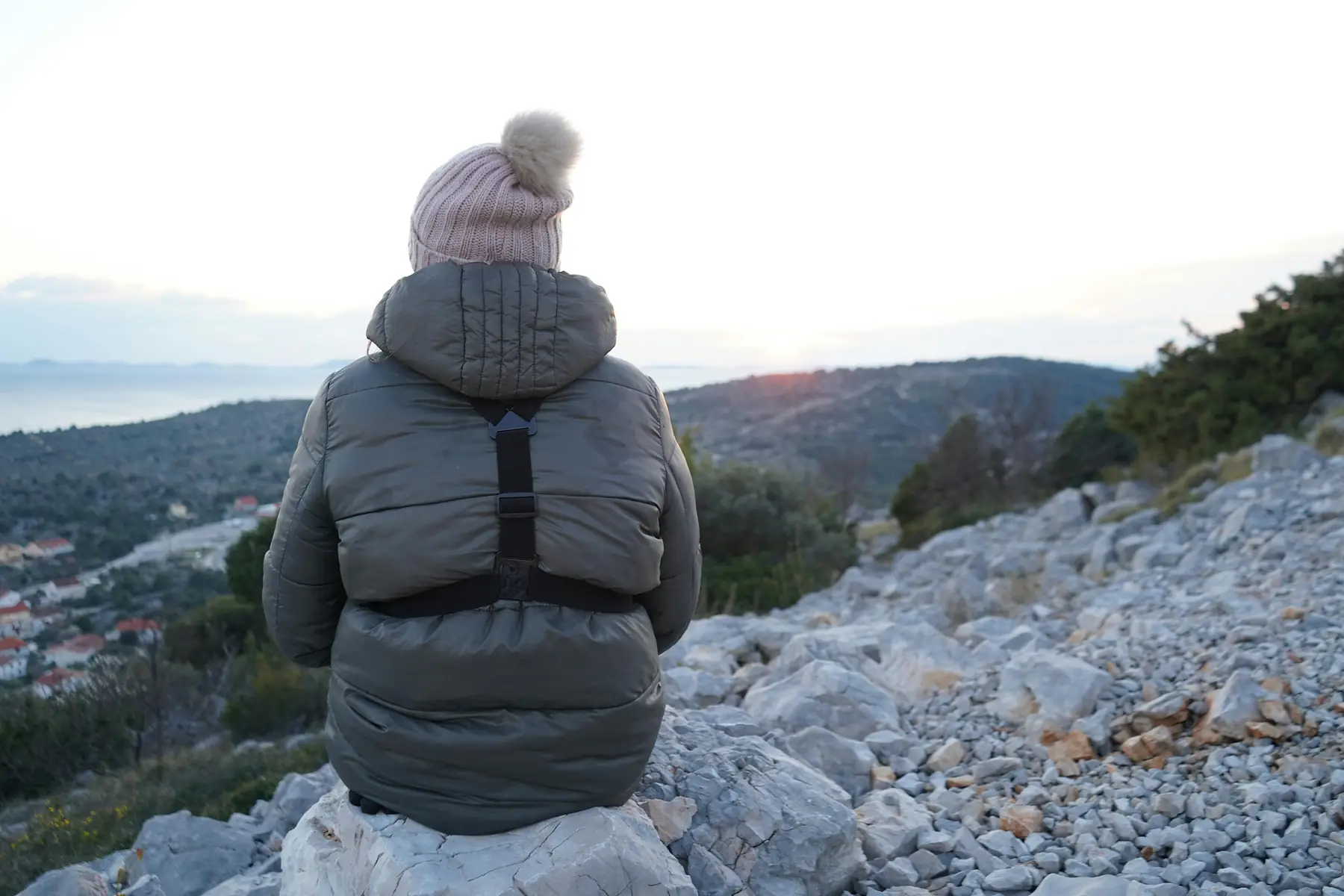
Footwear Strategy: 8 Days on the Trail
The terrain on the O Circuit is more varied and demanding than the W. You will face deep mud in the wetlands before Serón, loose scree on the descent from the Pass, and miles of rocky, root-choked paths along the lakeshores.
Most trekkers on the O Circuit prefer mid-cut waterproof boots. The extra ankle support is helpful when carrying a heavy 8-day pack, and the waterproof membrane is essential for the frequent boggy sections on the northern side. However, trail runners are becoming more popular among ultralight hikers because they dry faster after river crossings. The trade-off is that your feet will be wet for most of the trip, which can lead to maceration and blisters if you are not careful.
Regardless of your primary shoe, camp shoes are non-negotiable. A pair of ultralight sandals or Crocs allows your feet to breathe and dry out at the end of the day, which is critical for maintaining skin health over 120+ kilometers.
Choosing the right footwear is the most important comfort decision you will make. For a comparison of the best models for Patagonian terrain, visit our footwear guide.
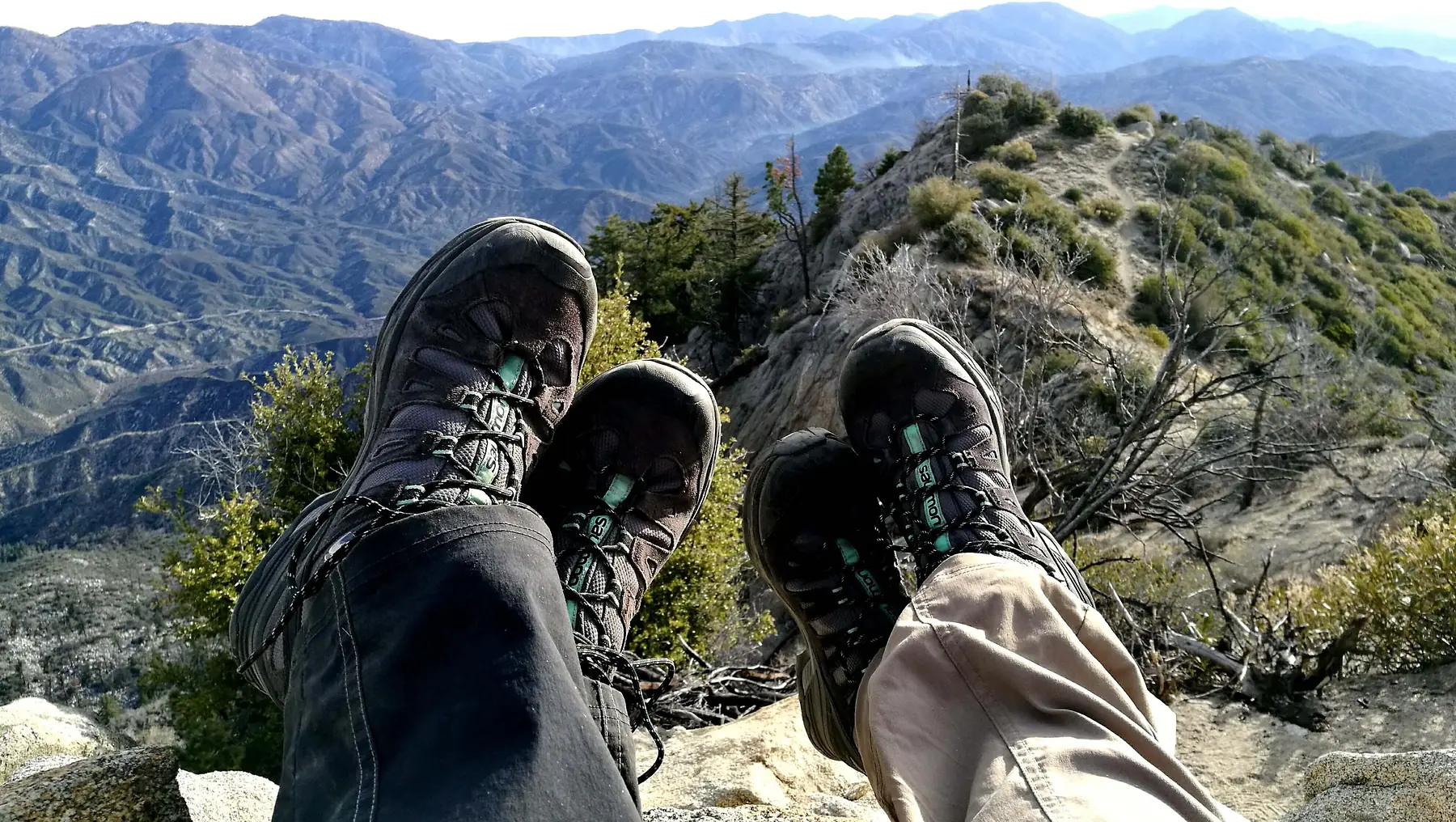
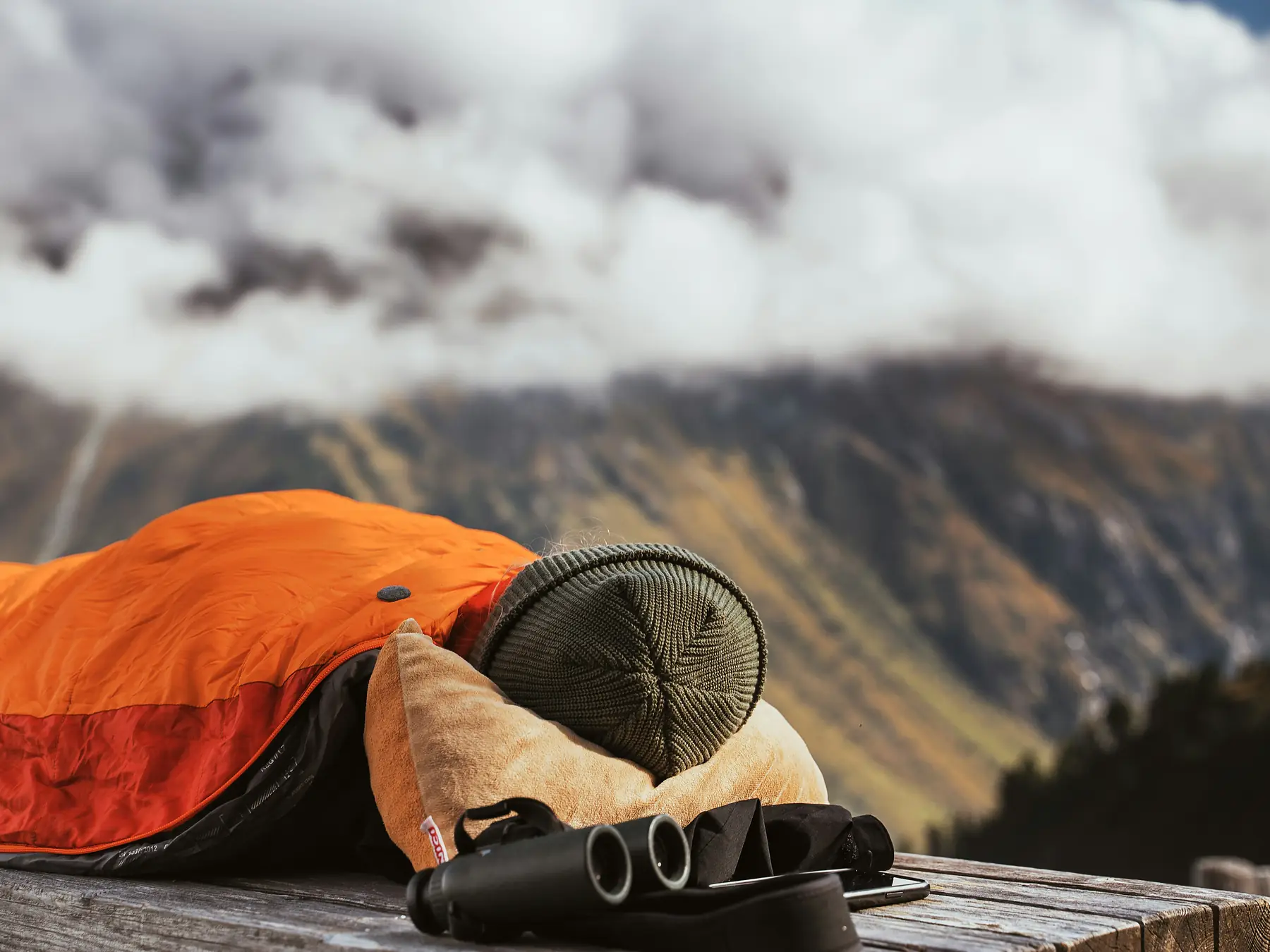
Specific Gear for the John Gardner Pass Crossing
The John Gardner Pass is the crux of the O Circuit. At 1,241 meters, it is the highest point of the trek and sits directly on the edge of the Southern Patagonia Ice Field. The gear you need for this day is more technical than what is required for the rest of the park.
- Eye Protection: The wind on the pass can be strong enough to pick up grit and ice crystals. Standard fashion sunglasses are insufficient; you need wraparound sports sunglasses or mountain glasses with side shields to prevent “wind blindness” and irritation.
- The Glove System: Do not bring just one pair of gloves. Use a thin liner glove for dexterity and a waterproof, windproof shell over the top. The wind on the summit is often cold enough to cause numbness in minutes.
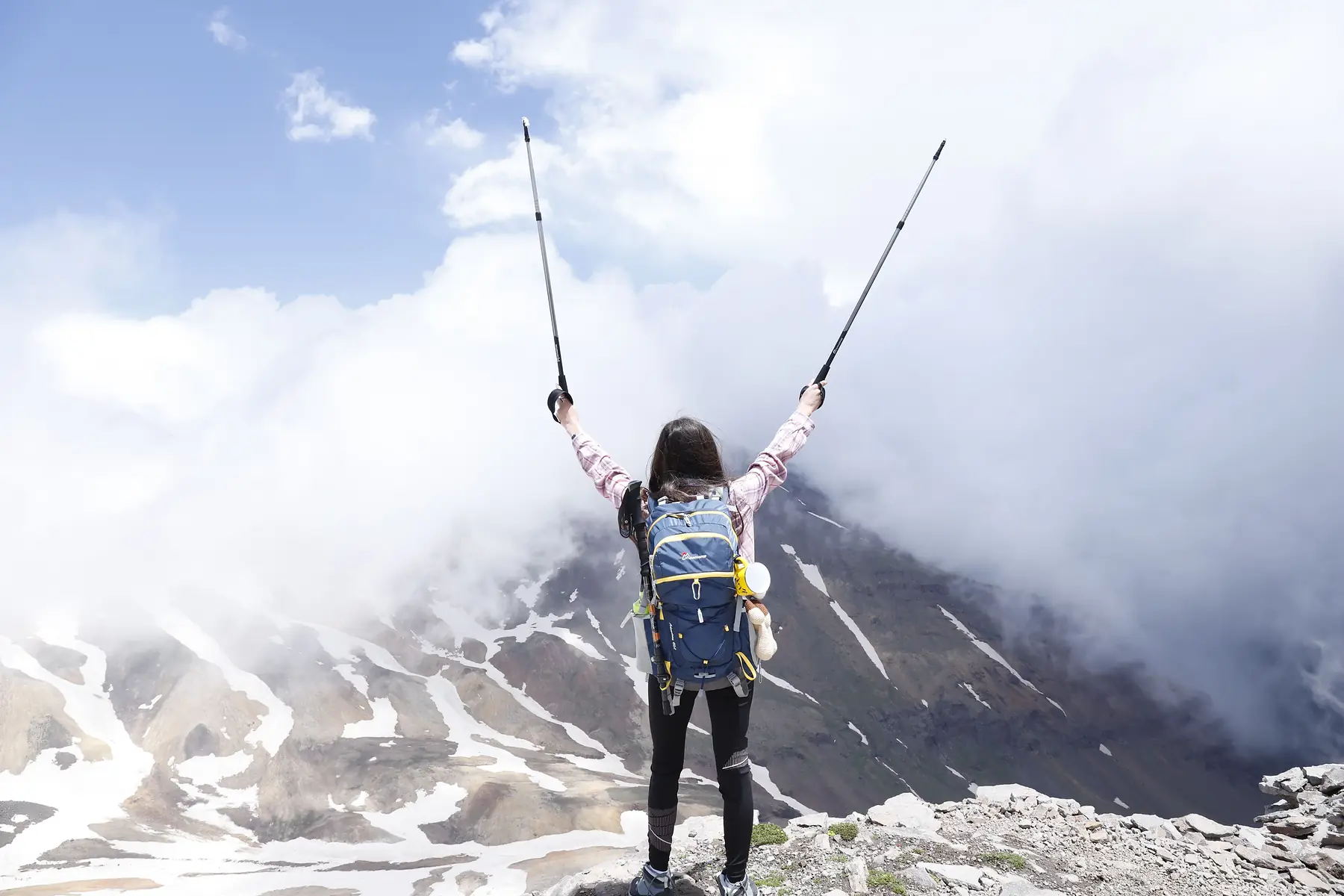
- Trekking Poles: These are mandatory for the O Circuit. The descent from the pass toward Refugio Grey is a 1,000m drop over steep, often muddy terrain. Without poles, the impact on your knees and the risk of a fall are significantly higher.
- Headlamp: Most hikers leave Los Perros at 4:00 or 5:00 AM to ensure they clear the pass before the afternoon winds peak. Ensure your headlamp has fresh batteries or a full charge.
Do not attempt the John Gardner Pass if winds exceed 70 km/h. Rangers at Los Perros often close the pass for safety; if you attempt it against their advice, you risk being turned back mid-climb or facing dangerous conditions on the exposed ridge.
If you are looking for poles that can withstand the lateral pressure of a Patagonian gust, check our recommendations.
The 8-Day Kitchen: Food, Fuel, and Water
Managing your kitchen on the O Circuit is a balancing act between caloric density and pack weight. You need approximately 3,000 to 4,000 calories per day to fuel the 15-22 km daily hikes.
Fuel and Stove
Canister stoves (like the MSR PocketRocket or Jetboil) are the standard. They are reliable and easy to use in the wind-sheltered cooking areas at the campsites. You can easily find the standard isobutane-propane canisters in Puerto Natales at shops like Base Camp, Itahue, or Rental Natales. These shops maintain consistent stock for the 2026/27 season.
For two people cooking two hot meals and one coffee per day, two 230g canisters are typically sufficient for the 8-day loop. If you plan on boiling water for every meal, bring a third for safety.
Water Management
The water in Torres del Paine is famously clean, but it is no longer guaranteed to be pristine near the high-traffic campsites. A lightweight filter like the Katadyn BeFree or a Sawyer Squeeze is the best way to stay hydrated without carrying the weight of multiple liters. You can fill up at almost any stream, but avoid water downstream from camps or where livestock (horses) are present.
Resupply Reality
You cannot “shop” for meals on the back side. Refugio Dickson and Los Perros usually have very limited snacks (Pringles, chocolate, beer) and perhaps some basic pasta, but prices are significantly higher than in town. Plan to carry every calorie you need for the first five days.
Safety, Tech, and Navigation on the Remote Loop
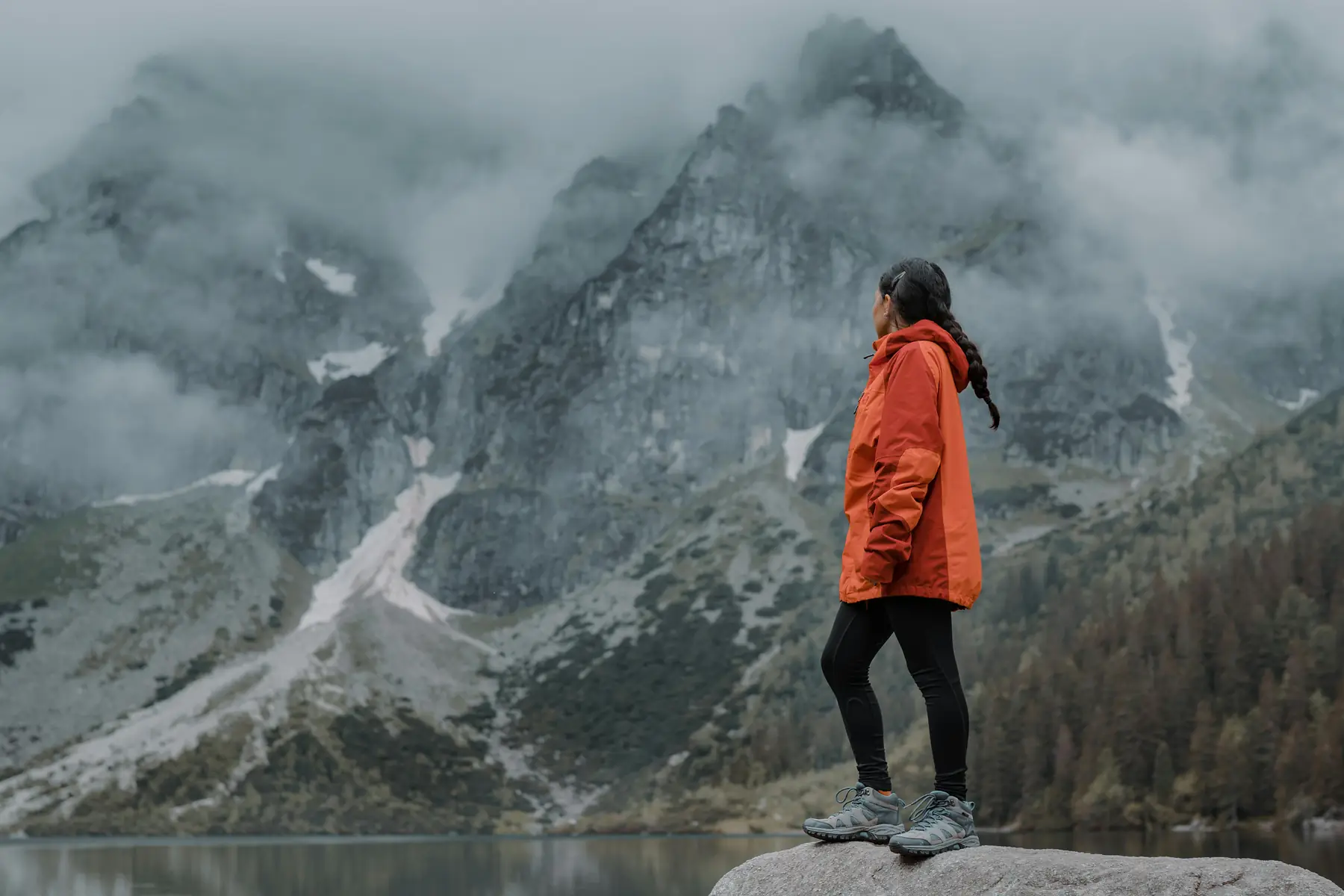
Once you pass the Serón campsite, cell service disappears entirely until you reach the W side near Refugio Grey. You must be prepared to handle navigation and emergencies independently.
- Satellite Communication: A Garmin InReach or similar device is the gold standard. It allows you to check weather forecasts (essential for the Pass) and contact emergency services if an injury occurs on the remote northern trail.
- Power Management: Do not rely on solar chargers. The frequent cloud cover and high winds make them inefficient and prone to blowing off your pack. A 20,000 mAh power bank is usually enough to keep a phone and GPS device charged for 8 days if kept in airplane mode.
- Navigation: Download offline maps on Gaia GPS or Caltopo. However, electronics can fail in the cold. Always carry the official Torres del Paine paper map provided at the park entrance.
Mandatory Vouchers and Permits
As of the 2026 season, park rangers at the Serón and Los Perros checkpoints are strictly enforcing the requirement for printed or clearly saved offline digital vouchers for every campsite on your route. You will not be allowed to proceed past Serón without proof of a confirmed booking for the entire loop. Keep these in a waterproof Ziploc bag in an easy-to-reach pocket.
For more details on the trail conditions you’ll be navigating, see our comprehensive route guide.
Toiletries and Hygiene: The Leave No Trace Edition
Hygiene on an 8-day trek is about preventing infection and blisters rather than staying “clean.” You must follow Leave No Trace (LNT) principles strictly to protect the park’s fragile ecosystem.
- The “Pee Rag”: For female hikers, a Kula Cloth or similar antimicrobial silver-infused cloth is a game-changer for reducing toilet paper waste and maintaining hygiene over 8 days.
- Soap and Greywater: Even biodegradable soap like Dr. Bronner’s must never be used directly in streams. It requires soil to break down. Wash at least 60 meters from any water source.
- Sun and Bug Protection: The “Patagonian Sun” is intense due to the thin ozone layer; bring SPF 50+. In January, you will also encounter “Tabanids” (large horseflies). They are attracted to dark colors (blue and black), so wearing light-colored clothing can help reduce their attention.
If you have your gear ready but haven’t secured your campsites yet, you should act immediately, as the O Circuit permits often sell out six months in advance.
O Circuit Packing FAQ
-
What is the ideal pack weight for the O Circuit? Ideally, your fully loaded pack (including food and water) should not exceed 30–35 lbs (13–16 kg) to safely navigate the steep ascent of the John Gardner Pass.
-
Do I need a 4-season tent for the O Circuit in Torres del Paine? While a high-quality 3-season tent is usually sufficient, it must be a “true” 3-season model capable of withstanding 60+ mph winds; cheap “festival” tents will fail on the O Circuit.
-
Is the water on the O Circuit safe to drink without a filter? Most streams on the O Circuit are glacier-fed and safe, but a lightweight filter like the Katadyn BeFree is recommended to protect against contamination near high-traffic campsites.
-
What are the essential differences between an O Circuit packing list and a W Trek list? The O Circuit list requires 3–4 extra days of food, a more robust sleep system for mandatory camping, and specific wind/cold protection for the high-altitude John Gardner Pass.
-
Can I rent all my O Circuit gear in Puerto Natales? Yes, Puerto Natales has several reputable gear shops where you can rent tents, -18°C sleeping bags, and stoves, though it is best to bring your own broken-in hiking boots.
-
Should I bring a solar charger for the O Circuit? A high-capacity power bank (10,000–20,000 mAh) is generally more reliable than a solar charger due to Patagonia’s frequent cloud cover and high winds that can blow panels off your pack.