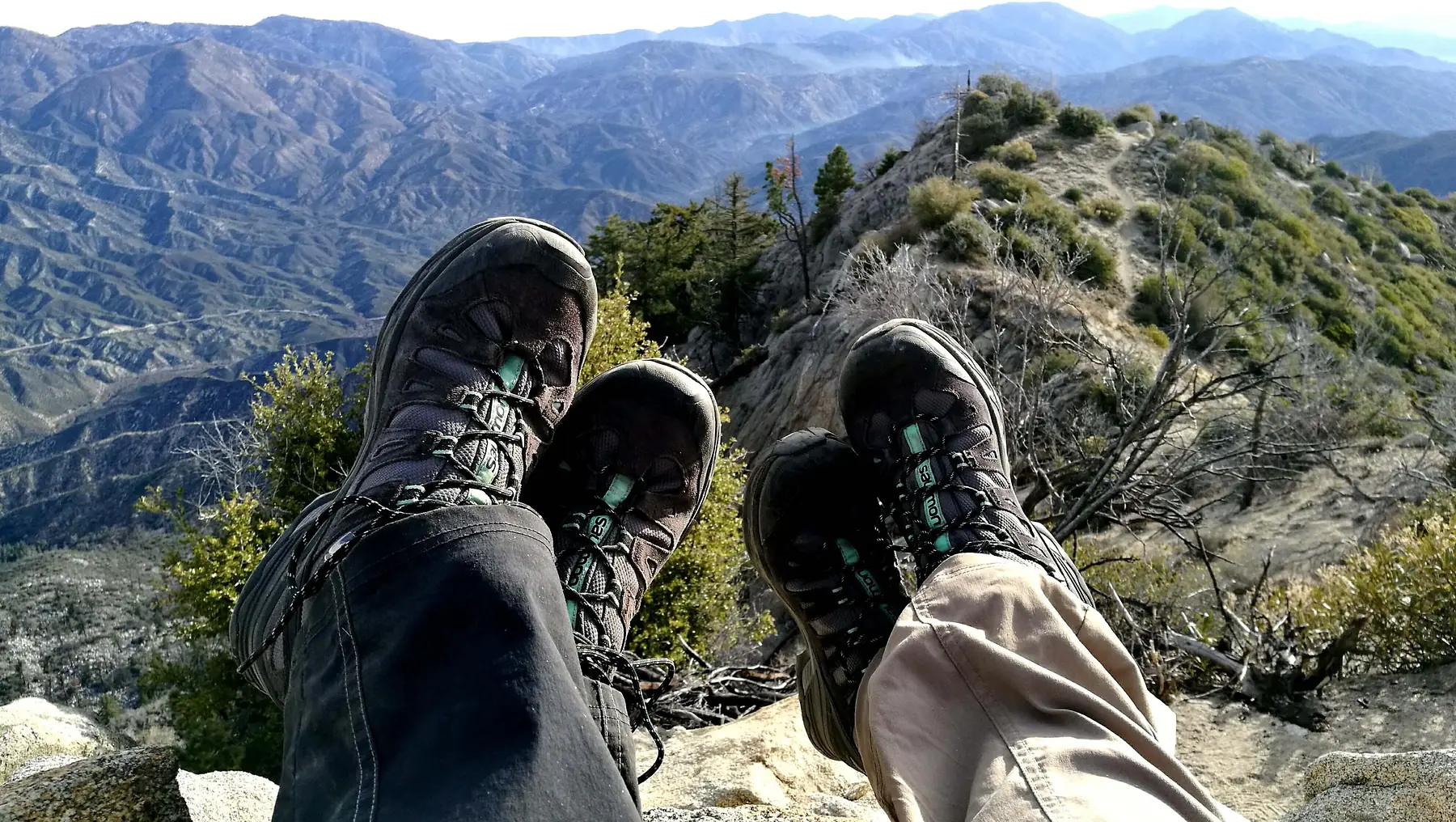
The best hiking boots for Patagonia in 2026 are those that prioritize aggressive traction and reliable waterproofing, such as the LOWA Renegade EVO GTX Mid for rugged multi-day circuits or the Salomon X Ultra 5 Mid GORE-TEX for the W Trek. Because the region is a literal proving ground where vertical scree, deep mud, and 100 km/h winds can destroy standard footwear in a single week, your choice of boots is the most important gear decision you will make.
Whether you are navigating the granite moraine of the Fitz Roy trek or the swampy fjords of the Chilean coast, your footwear must function as a technical tool. This guide breaks down the top-performing 2026 models tested against the specific environmental challenges of the Southern Andes to help you choose the right pair for your journey.
Patagonia Footwear at a Glance
- Top Overall Pick: LOWA Renegade EVO GTX Mid
- Top Budget Pick: Quechua MH100 Waterproof Mid Hiking Boots
- Top W Trek Pick: Salomon X Ultra 5 Mid GORE-TEX
- Top Heavy-Pack Pick: LOWA Renegade EVO GTX Mid (Supportive/Stable)
- Recommended Features: Vibram Megagrip or equivalent high-friction rubber, plus GORE-TEX or another waterproof membrane
Recommended Hiking Boots for Patagonia
These are the current boots we would shortlist for Patagonia’s wet, rocky trails. We have separated men’s and women’s versions because boot fit, sizing and product links are specific to each. The price markers compare each boot with the rest of this category: $ budget, $$ mid-range and $$$ premium.
Men’s Hiking Boots
Quechua MH100 Waterproof Mid Hiking Boots
A simple waterproof mid boot at the lowest defensible price in this shortlist. Its grippy 5 mm lugs and basic ankle coverage suit maintained trails without adding premium complexity. It is a pragmatic choice for fair-weather W Trek itineraries when the fit is secure and the wearer has already broken it in, although it feels heavier and less refined underfoot than the specialist options.

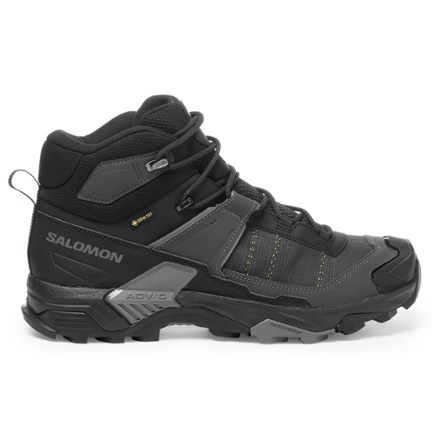
Salomon X Ultra 5 Mid GORE-TEX
An agile waterproof boot that balances support, grip and relatively low weight. The chassis and Contagrip platform stabilize descents without making the boot feel overly rigid. It is especially useful for moving quickly over the W Trek or carrying a moderate load on the O Trek, though its close performance fit can feel narrow on broad feet.
Merrell Moab 3 Mid Waterproof
A comfort-first waterproof boot with a widely available fit and proven trail platform. Its cushioned construction and Vibram outsole suit hikers who dislike stiff traditional boots. It works well for moderate-paced day hikes and refugio-based routes where pack weight stays controlled, but it is bulkier and less precise on technical ground than the Salomon or Scarpa choices.
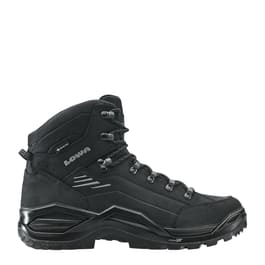
LOWA Renegade EVO GTX Mid
A supportive leather hiking boot for trekkers who value stability over minimal weight. Its structured chassis and grippy Vibram outsole provide a planted feel under a fuller multi-day pack. It is most compelling for the O Trek or rougher side trips where durable support matters more than speed; the trade-offs are its price, weight and greater break-in needs.
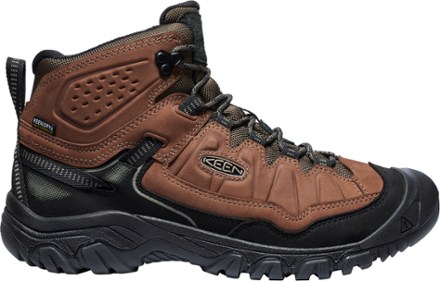
KEEN Targhee IV Mid Waterproof
A roomy waterproof boot built around comfort and a broad toe box. Its direct-attach construction and substantial KEEN.RUGGED outsole target durability while preserving KEEN's accommodating forefoot. It suits walkers who have struggled with narrow European lasts, although the generous shape and substantial build feel less nimble on precise rocky traverses.
Scarpa Rush 2 Pro Mid GTX
A precise fast-hiking boot with more protection than a trail shoe. Its stabilising frame, protective upper and Presa outsole make it the technical choice in this group. It fits confident hikers tackling rocky approaches and exposed, changeable-weather days with a moderate pack, but the close fit and premium price make careful try-on essential.

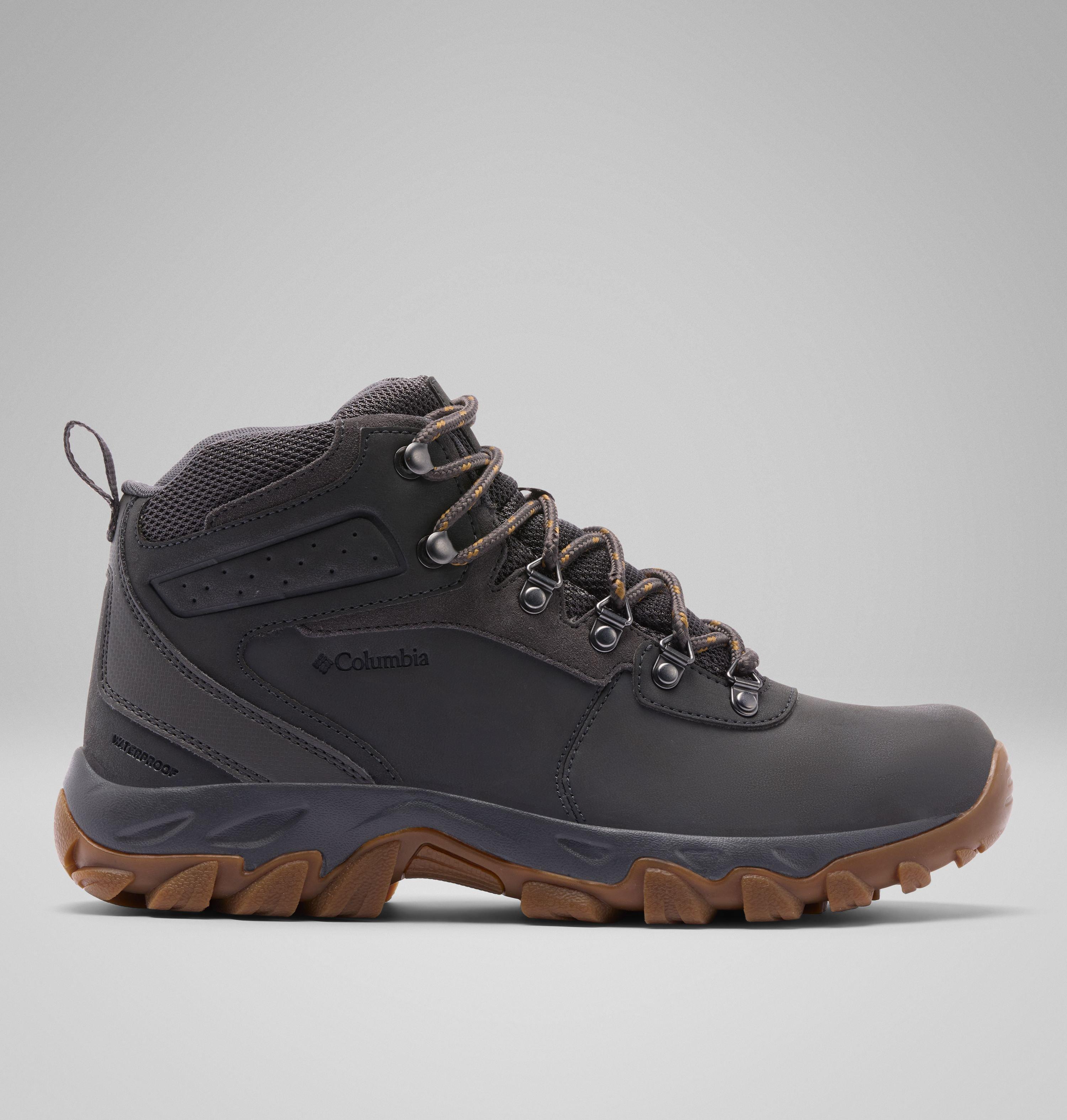
Columbia Newton Ridge Plus II Waterproof Hiking Boot
The budget leather boot for occasional hikers, combining seam-sealed Omni-Tech construction with a cushioned Techlite midsole and 5 mm Omni-Grip lugs. Standard and wide options improve its fit reach. It is comparatively heavy and lacks the refined chassis support of specialist trekking boots.
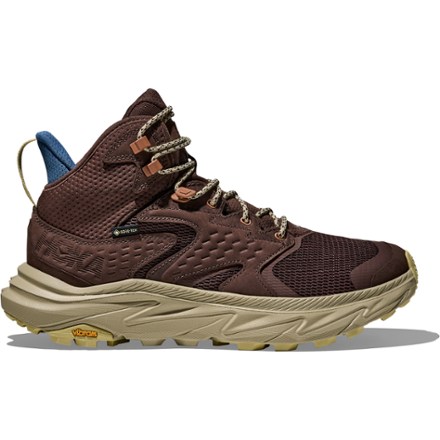
HOKA Anacapa 2 Mid GTX
A mid-range comfort choice with a soft underfoot feel. Its sugarcane EVA midsole and Vibram Megagrip outsole provide cushioning and trail traction without a traditional stiff-boot ride, while the waterproof nubuck upper and broad platform suit long walking days. The extended heel can feel awkward on descents, and some current retailer reviews report hardware durability issues.
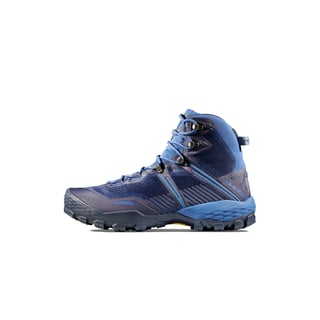
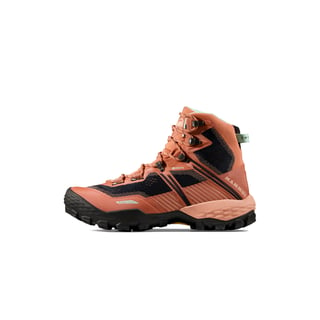
Mammut Ducan II High GTX
A premium lightweight-support option. Its Flextron spring-steel element adds torsional support while the double-layer mesh upper keeps it more flexible than a traditional leather boot. GORE-TEX and a Vibram outsole make it credible for wet, rough Patagonia trails, but its athletic fit and flexible feel will not suit hikers who want a rigid backpacking boot.
Women’s Hiking Boots
Quechua NH100 Waterproof Mid Hiking Boots
A simple waterproof mid boot at the lowest defensible price in this shortlist. Its grippy 5 mm lugs and basic ankle coverage suit maintained trails without adding premium complexity. It is a pragmatic choice for fair-weather W Trek itineraries when the fit is secure and the wearer has already broken it in, although it feels heavier and less refined underfoot than the specialist options.

Salomon X Ultra 5 Mid GORE-TEX
An agile waterproof boot that balances support, grip and relatively low weight. The chassis and Contagrip platform stabilize descents without making the boot feel overly rigid. It is especially useful for moving quickly over the W Trek or carrying a moderate load on the O Trek, though its close performance fit can feel narrow on broad feet.

Merrell Moab 3 Mid Waterproof
A comfort-first waterproof boot with a widely available fit and proven trail platform. Its cushioned construction and Vibram outsole suit hikers who dislike stiff traditional boots. It works well for moderate-paced day hikes and refugio-based routes where pack weight stays controlled, but it is bulkier and less precise on technical ground than the Salomon or Scarpa choices.
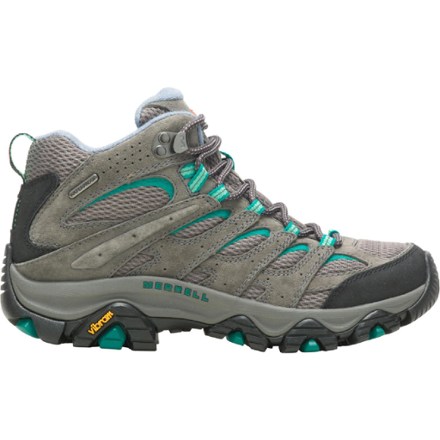
LOWA Renegade EVO GTX Mid
A supportive leather hiking boot for trekkers who value stability over minimal weight. Its structured chassis and grippy Vibram outsole provide a planted feel under a fuller multi-day pack. It is most compelling for the O Trek or rougher side trips where durable support matters more than speed; the trade-offs are its price, weight and greater break-in needs.
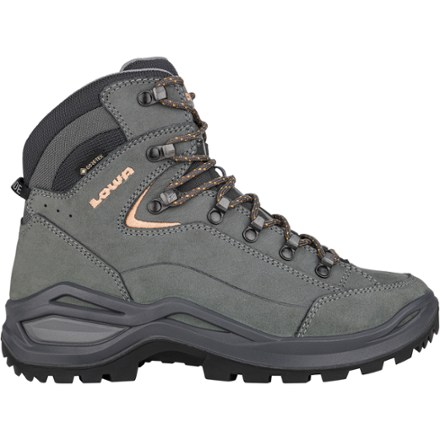
KEEN Targhee IV Mid Waterproof
A roomy waterproof boot built around comfort and a broad toe box. Its direct-attach construction and substantial KEEN.RUGGED outsole target durability while preserving KEEN's accommodating forefoot. It suits walkers who have struggled with narrow European lasts, although the generous shape and substantial build feel less nimble on precise rocky traverses.

Scarpa Rush 2 Pro Mid GTX
A precise fast-hiking boot with more protection than a trail shoe. Its stabilising frame, protective upper and Presa outsole make it the technical choice in this group. It fits confident hikers tackling rocky approaches and exposed, changeable-weather days with a moderate pack, but the close fit and premium price make careful try-on essential.

Columbia Newton Ridge Plus Waterproof Amped Hiking Boot
A budget leather boot for occasional hikers, combining seam-sealed Omni-Tech protection with a cushioned Techlite midsole and 5 mm Omni-Grip lugs. Standard and wide options improve its fit reach. It is less precise and supportive than boots designed for sustained technical trekking.
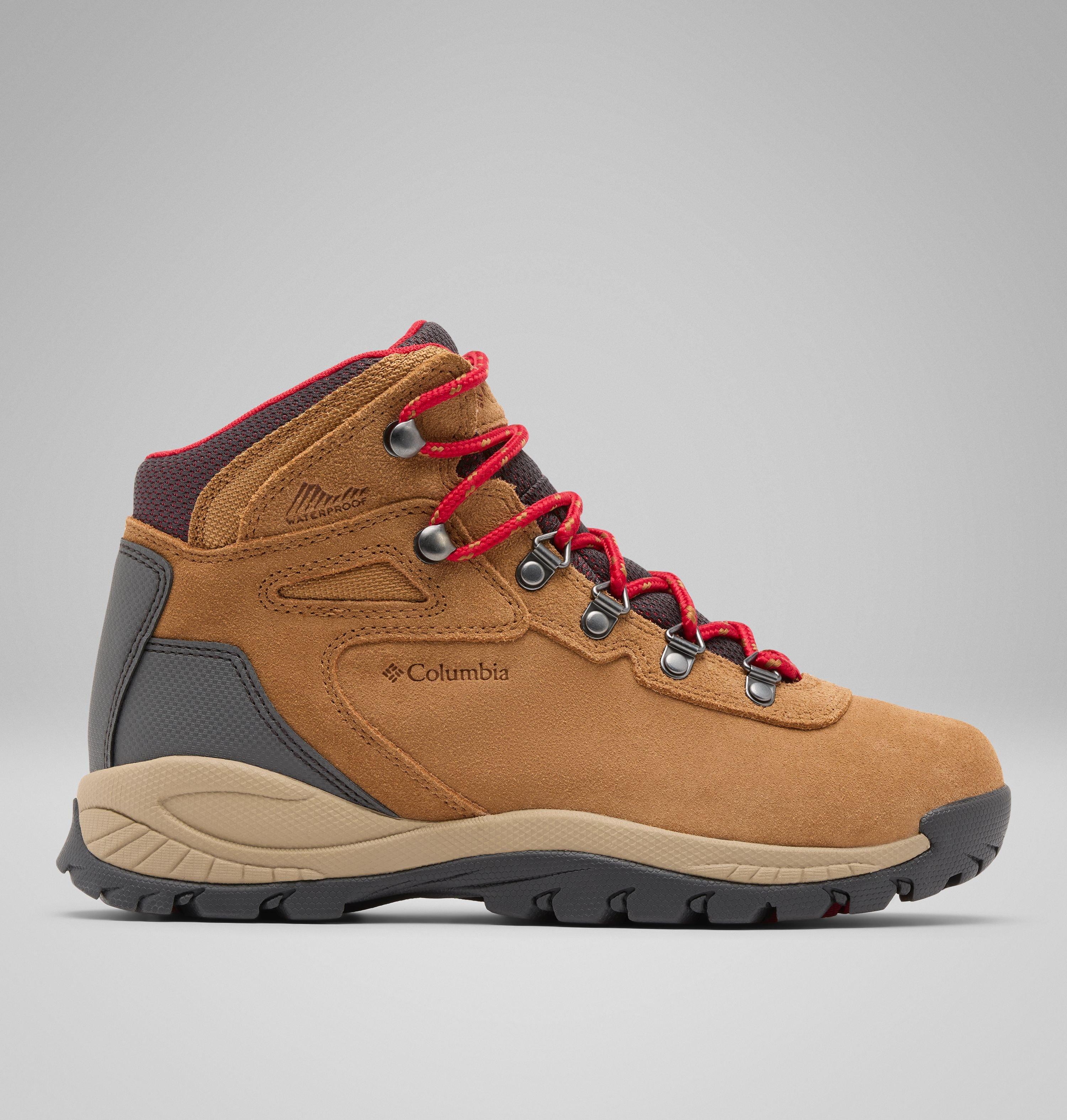
HOKA Anacapa 2 Mid GTX
A mid-range comfort choice with a soft underfoot feel. Its sugarcane EVA midsole and Vibram Megagrip outsole provide cushioning and trail traction without a traditional stiff-boot ride, while the waterproof nubuck upper and broad platform suit long walking days. The extended heel can feel awkward on descents and the ride is less precise than a firmer boot.
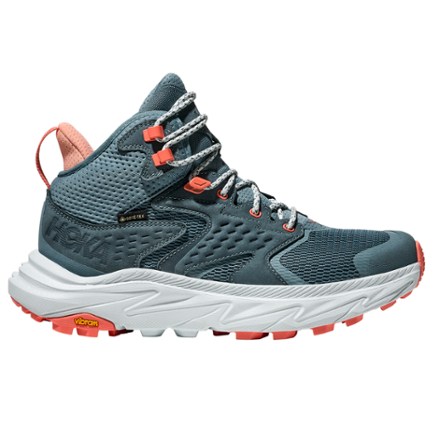
Mammut Ducan II High GTX
A premium lightweight-support option. Its Flextron spring-steel element adds torsional support while the double-layer mesh upper keeps it more flexible than a traditional leather boot. GORE-TEX and a Vibram outsole make it credible for wet, rough Patagonia trails, but its athletic fit and flexible feel will not suit hikers who want a rigid backpacking boot.
To see how these boots fit into your broader preparation, start with our comprehensive Patagonia gear guide:
Why Patagonia Terrain Demands Specific Footwear
Patagonia’s terrain is defined by its lack of compromise. Unlike well-groomed trails in the Swiss Alps or the American Sierras, the paths here are often raw, following the natural fall line of the mountains or cutting through ancient, saturated forests. If you are planning to hike the W Trek, you will face a mix of hard-packed dirt, loose river stones, and steep, shifting scree.
The “Four Seasons in One Day” factor is not a cliché; it is a mechanical stress test for your boots. A single morning can involve a dry, dusty ascent followed by a torrential downpour that turns the trail into a stream. Your footwear must be breathable enough to manage internal moisture during high-output climbs but sealed tightly enough to withstand sustained external saturation.
Verticality and scree are the primary boot-killers on the steep moraine of the Fitz Roy Trek. The final kilometer to Laguna de los Tres involves a relentless 400-meter gain over loose granite shards. On the descent, your boots must provide enough lateral stability to prevent ankle rolls and a secure lacing system to stop your toes from slamming into the front of the toe box.
Finally, do not underestimate the mud. In the Chilean fjords and on the back side of the O Circuit, the mud can be “sucking” in nature, requiring boots with deep, widely spaced lugs (at least 5mm) that shed debris rather than holding onto it. Without this self-cleaning traction, your boots effectively become slick-bottomed shoes on steep, wet slopes.
The Big Debate: Hiking Boots vs. Trail Runners in Patagonia
The most common question for 2026 travelers is whether they can swap traditional boots for lightweight trail runners. For most trekkers, the answer depends on the specific route and the weight of their pack. Trail runners have surged in popularity on the W Trek because the paths are relatively established and many hikers stay in refugios, carrying only light daypacks.
- Support: High ankle protection for heavy (15kg+) packs vs. Minimal support; relies on user’s ankle strength.
- Waterproofing: Superior “step-in” depth for puddles and mud vs. Fast-draining but immediate soak in rain.
- Durability: Built for 500-800 miles of rocky terrain vs. Often shows significant wear after 200 miles of granite scree.
- Weight: 1,100-1,400g per pair (heavier, more fatigue) vs. 600-800g per pair (faster, more efficient).
Both are equally valid for the W Trek — Goretex waterproofing is what matters most. Boots for the O Circuit and Huemul where trails are rougher.
The verdict for 2026 is clear. If you are tackling the Huemul Circuit or the O Circuit, where trails are wild and packs are heavy, the protection of a boot is non-negotiable. For the W Trek and day hikes around El Chaltén, Goretex trail runners or low hiking shoes are just as recommended as boots — it comes down to what the hiker is comfortable in. The key requirement is Goretex waterproofing: there are several stream crossings that can hit mid-shoe, plus boggy sections, especially in poor weather.
For many, the “Hybrid” compromise is the best path forward. Mid-height hikers like the Salomon X Ultra 5 Mid provide the agility of a trail runner with just enough ankle height to keep out debris and offer a bit of stability when the Patagonian winds threaten to knock you off balance.
Essential Features for Patagonian Trekking
When evaluating 2026 footwear, look past the marketing and focus on these four technical requirements.
Waterproofing: The Gore-Tex Standard
While many brands have in-house membranes (like Keen.Dry or Columbia’s OutDry), Gore-Tex remains the gold standard for Patagonia. Its ability to remain waterproof under the pressure of a flexed foot is superior. In a region where you may be walking through shallow streams or mud for hours, this reliability is worth the premium price.
Outsole Tech: Vibram Megagrip
Not all rubber is created equal. On the wet granite of the Southern Andes, you need a “sticky” compound. Vibram Megagrip is specifically engineered to maintain friction on wet, non-porous surfaces. If a boot uses a generic, hard rubber outsole, you will likely find yourself sliding on the river crossings and rocky descents common in Torres del Paine.
Toe Protection: The Rubber Rand
Patagonian trails are “toey.” You will inevitably kick rocks and roots. Look for boots with a substantial rubber toe cap (or a full rubber rand that circles the base of the boot). This protects the leather or synthetic upper from abrasion and, more importantly, protects your toes from bruising on steep descents.
Lacing Systems: Differential Tension
High-quality boots in 2026 feature “locking” lace hooks at the ankle. This allows for differential lacing: you can keep the lower half of the boot snug to prevent your foot from sliding forward, while keeping the upper half slightly looser for ankle mobility. This is a critical feature for preventing “toe bang” on the 800-meter descent from the Base of the Towers.
Breaking In Your Boots for the “End of the World”
A common mistake is buying high-end 2026 boots in Punta Arenas or Puerto Natales the day before starting a trek. This is a recipe for a trip-ending blister.
The Two-Week Rule: You must wear your boots for at least 20 to 30 miles of varied terrain before you arrive in Patagonia. This isn’t just about softening the materials; it’s about “heat mapping” your feet. If you feel a hot spot during a two-hour training walk, you can guarantee it will become a blister on a eight-hour trek in the mountains.
Sock Synergy: Your boots are only as good as the socks inside them. For Patagonia, merino wool is the only choice. It retains warmth even when wet and has natural anti-microbial properties for multi-day trips. However, the thickness of your sock will change the fit of your boot. Always do your final break-in walks wearing the exact socks you plan to use on the trail. For a full breakdown of the best technical layers, refer to our master Patagonia packing checklist.
Moisture Management: Blisters are caused by a combination of heat, friction, and moisture. If your feet are prone to sweating, consider using a thin liner sock under your merino wool layer to wick moisture away from the skin.
Maintenance: Caring for Gear in a Harsh Climate
The longevity of your 2026 boots depends on how you treat them after they get dirty.
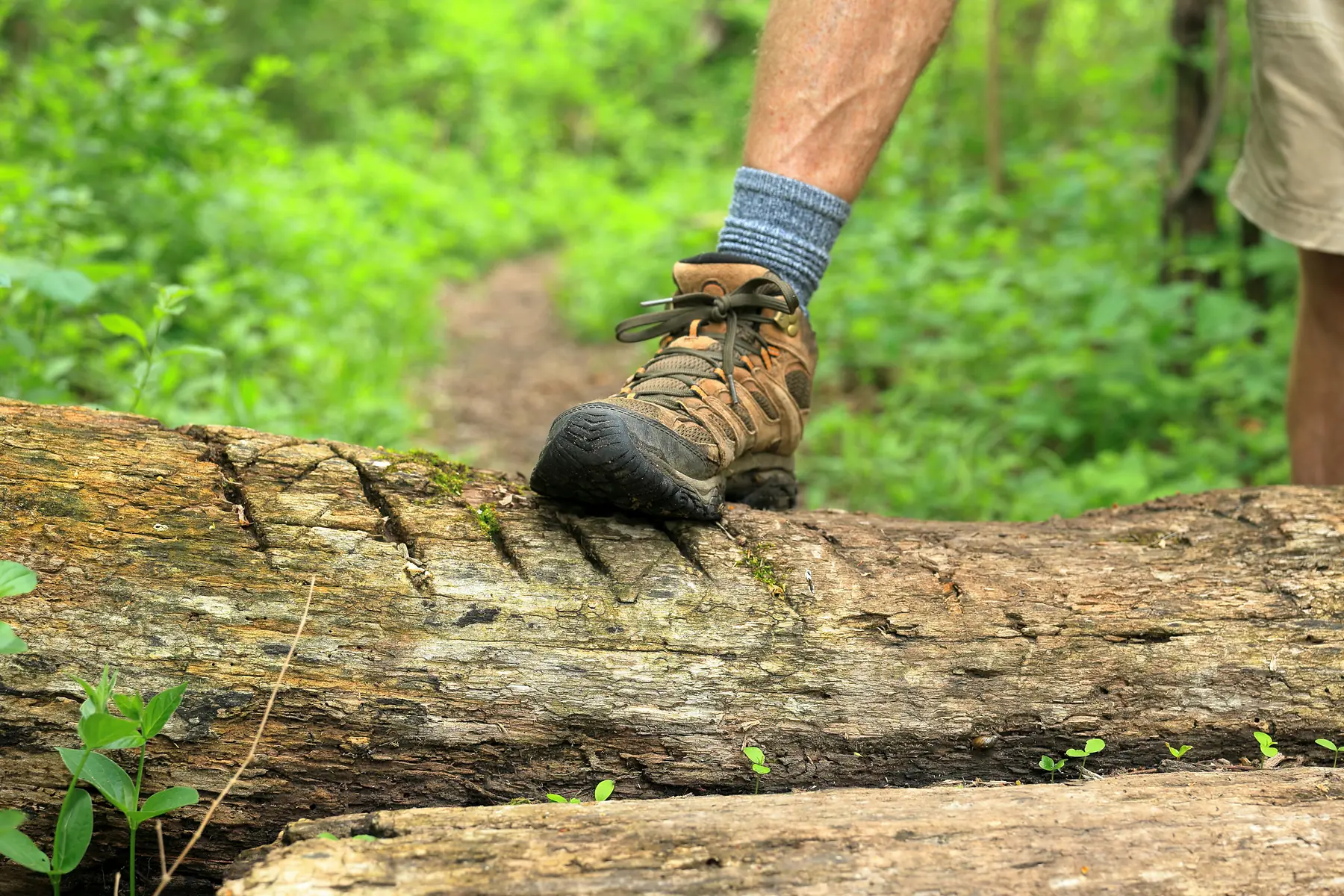
Dealing with Glacial Silt: The water in Patagonia is often filled with “glacial flour”—fine, abrasive rock particles. When this silt dries on your boots, it acts like sandpaper, grinding away at the waterproof membrane and the stitching. After every muddy hike, rinse your boots with fresh water. Use a soft brush to remove debris from the tongue and the folds of the leather.
Proper Drying: This is the most important rule of gear care in Patagonia. Never put your boots near a refugio wood stove. The intense, dry heat will cause leather to crack, synthetic materials to shrink, and the adhesives holding the sole to the upper to fail. To dry your boots, remove the insoles, loosen the laces, and stuff them with newspaper or dry paper towels. Let them dry naturally in a ventilated area.
Re-waterproofing: Even the best Gore-Tex boots will eventually lose their “DWR” (Durable Water Repellent) coating, causing the outer fabric to “wet out.” If you notice water is no longer beading on the surface of your boots, apply a spray-on treatment like Nikwax before your next trip.
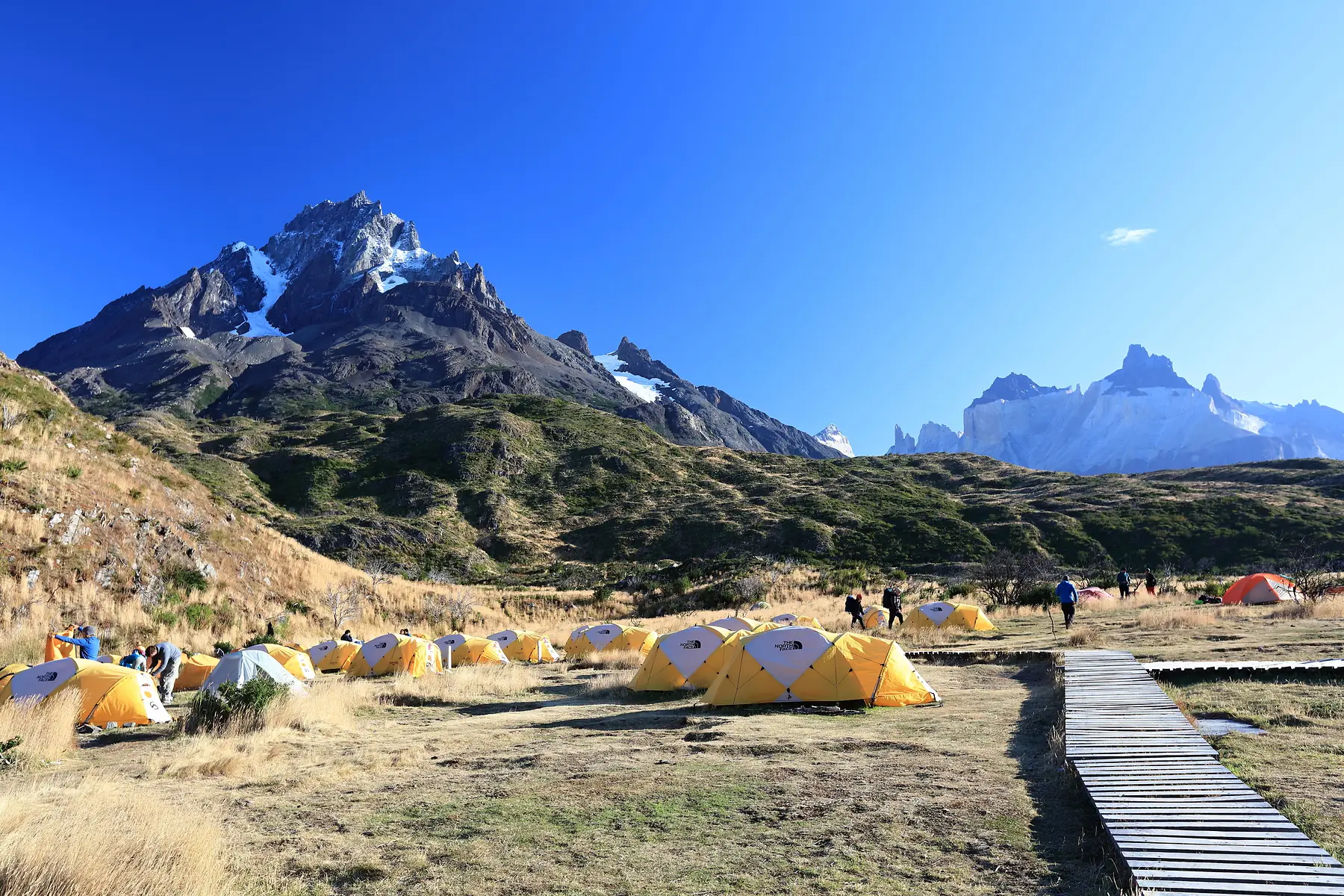
If you find that your own boots are not up to the task or you want to avoid the luggage weight, you can find high-quality technical footwear for hire in the main hub cities.
To help you decide between buying or hiring, see our guide to renting gear:
FAQ
QUESTION: What are the best hiking boots for Patagonia treks like the W Trek?
ANSWER: The Salomon X Ultra 5 Mid GORE-TEX and LOWA Renegade EVO GTX Mid are top choices for the W Trek, offering a balance of waterproofing, support for rocky descents, and comfort once properly broken in.
QUESTION: Do I need waterproof boots for Patagonia and Torres del Paine?
ANSWER: Yes, waterproof boots with a Gore-Tex membrane are highly recommended due to frequent rain, muddy trails, and shallow stream crossings found throughout Torres del Paine.
QUESTION: Can I wear trail runners for hiking in Patagonia?
ANSWER: Goretex trail runners are just as recommended as boots for the W Trek and Fitz Roy. The key requirement is Goretex waterproofing — there are stream crossings and boggy sections where it makes a real difference.
QUESTION: Are hiking boots necessary for the W Trek in Torres del Paine?
ANSWER: Boots are not required for the W Trek. Goretex trail runners or low hiking shoes are equally valid — the important thing is Goretex waterproofing for stream crossings and boggy sections. Choose whichever you are most comfortable hiking in.
QUESTION: How should I break in my hiking boots for a Patagonia trip?
ANSWER: You should wear your boots for at least 20-30 miles of varied terrain over two weeks before your Patagonia trip to allow the materials to mold to your feet and identify potential blister points.
QUESTION: Is Vibram Megagrip important for Patagonia hiking footwear?
ANSWER: Vibram Megagrip is the preferred outsole for Patagonia because it provides superior traction on the wet granite and slippery roots common in the Chilean and Argentine national parks.