
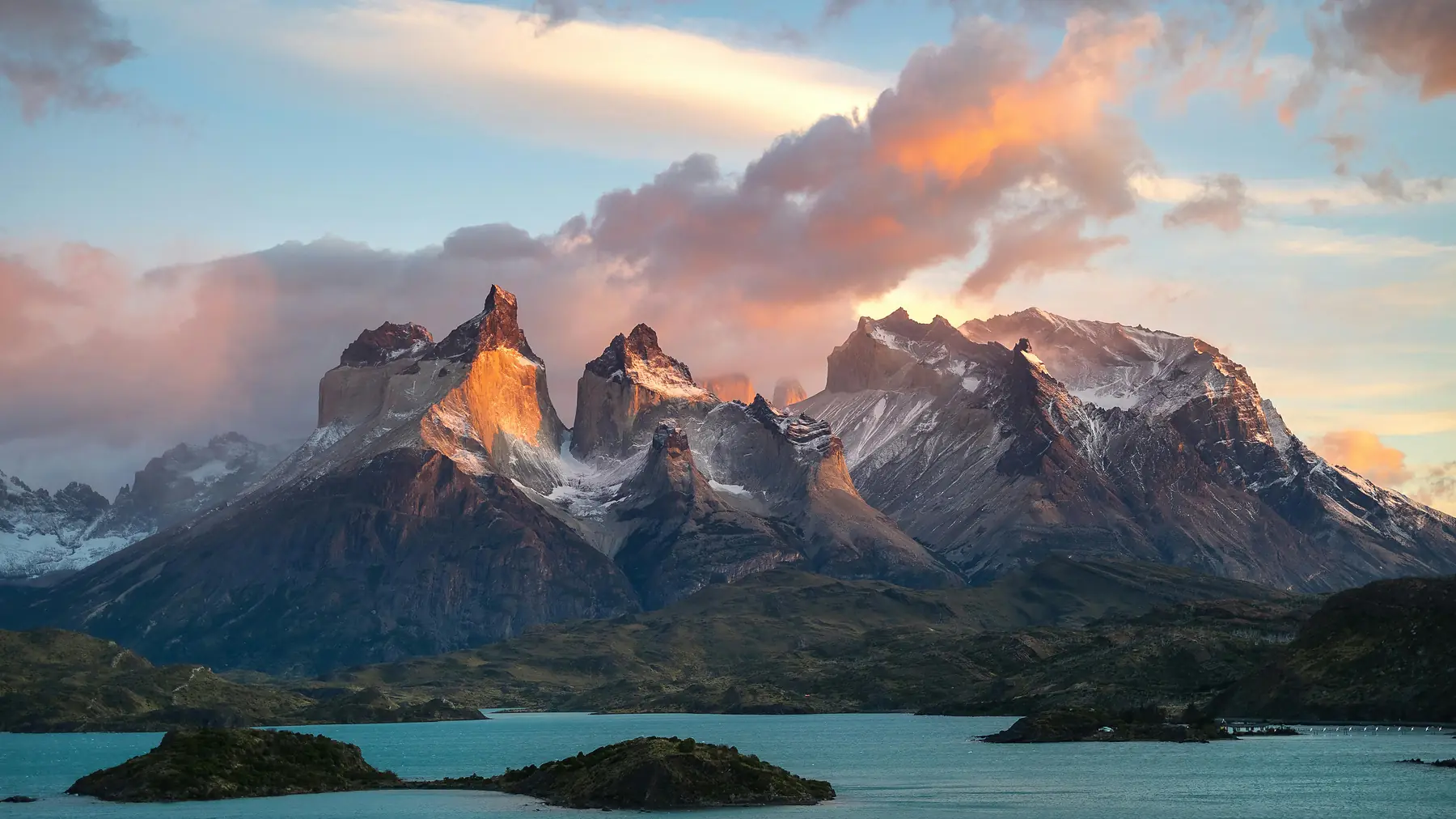
The W Trek
A practical guide to route choice, accommodation, booking, budget, and how to arrange Patagonia's classic trek.
Plan the W Trek
The W Trek links the Base of the Towers, French Valley, and Grey Glacier in Torres del Paine National Park. It is a rewarding first multi-day trek in Patagonia for fit walkers who are comfortable with several long days, changeable weather, and a little advance planning.
The route is well marked and has refugios and serviced campsites, so you can tailor the trip from a budget backpacking route to a fully arranged experience. The main constraint is accommodation: every night has to be reserved before you start.
W Trek At A Glance
- Distance About 80 km (50 miles)
- Reference itinerary 5 hiking days / 4 trail nights
- Shorter option 4 hiking days / 3 trail nights
- Direction West to east is our default
- Gateway town Puerto Natales, Chile
- Bookings Required for every trail night
W Trek Costs
Compare your own-gear, equipped-camping, and refugio budgets before you book.
See Cost Breakdown
W Trek Packages
Find guided and arranged self-guided options when you want the logistics handled.
Compare Packages
Booking Guide
Book the Las Torres and Vértice stays in the right order.
Read Guide Daily Itineraries
Detailed four-day and five-day route plans, with both directions.
Read Guide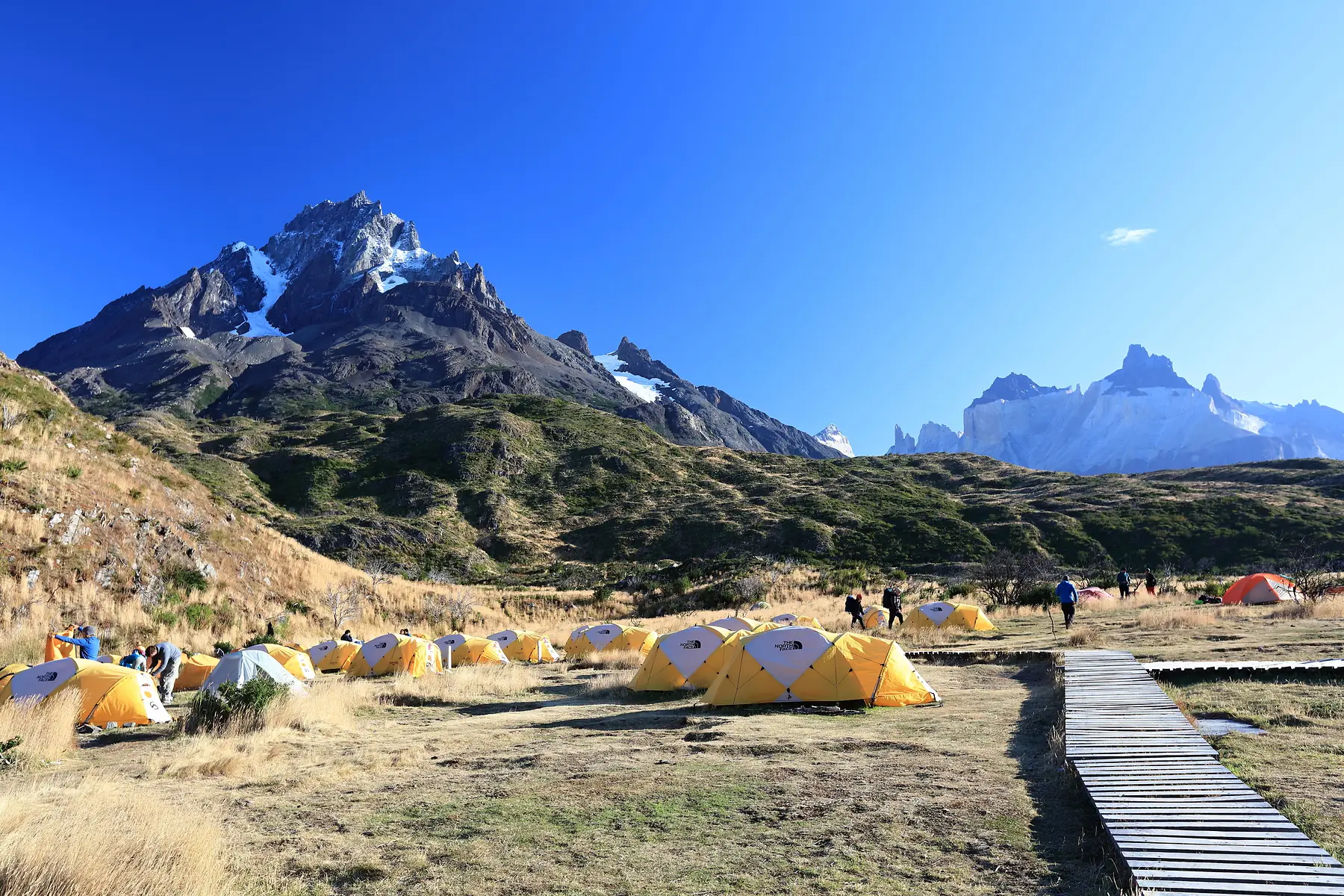
Refugios vs. Camping
Choose between dorm beds, equipped tents, and carrying your own kit.
Read Comparison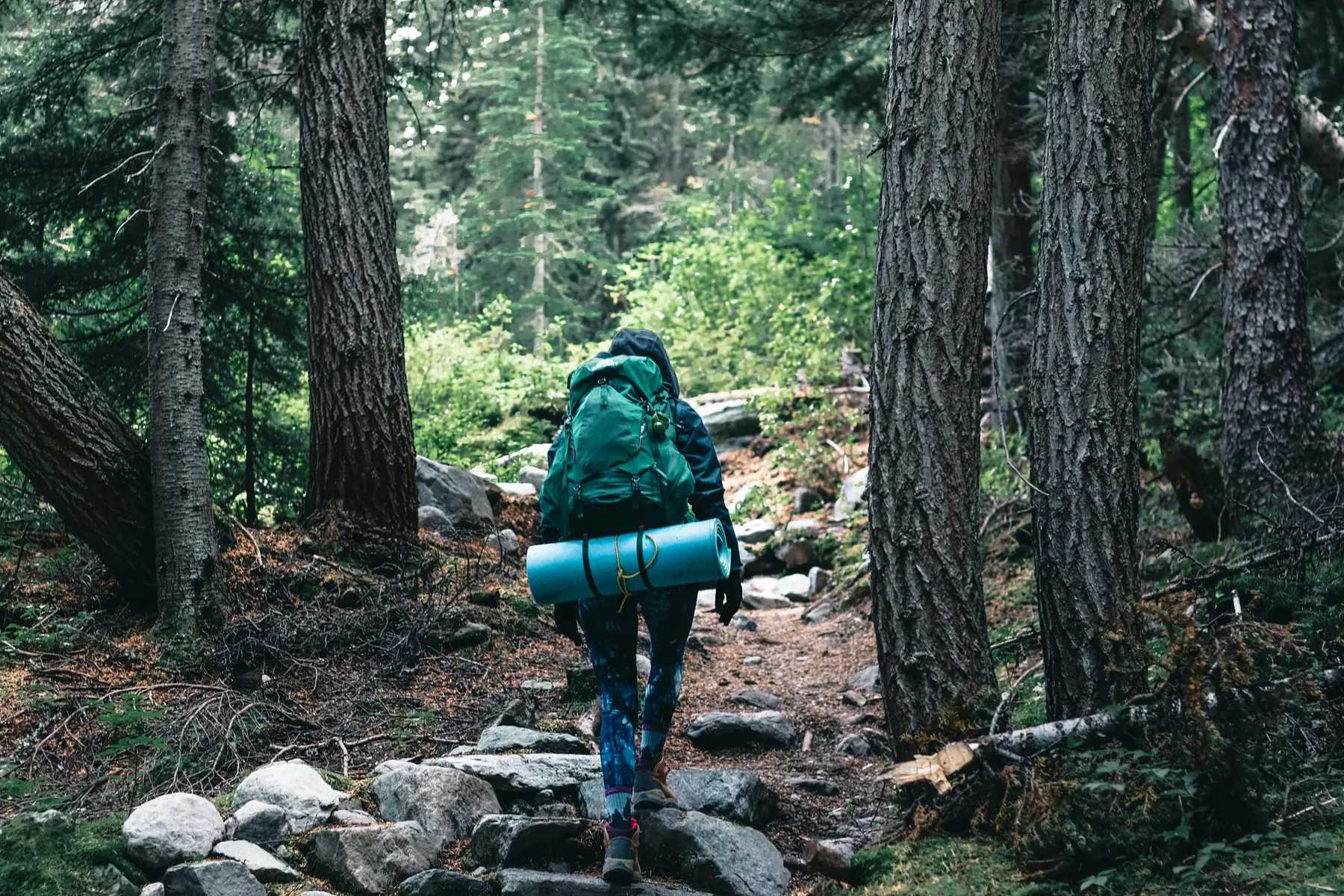
Packing List
What to carry for wind, rain, and four consecutive days on the trail.
Read Guide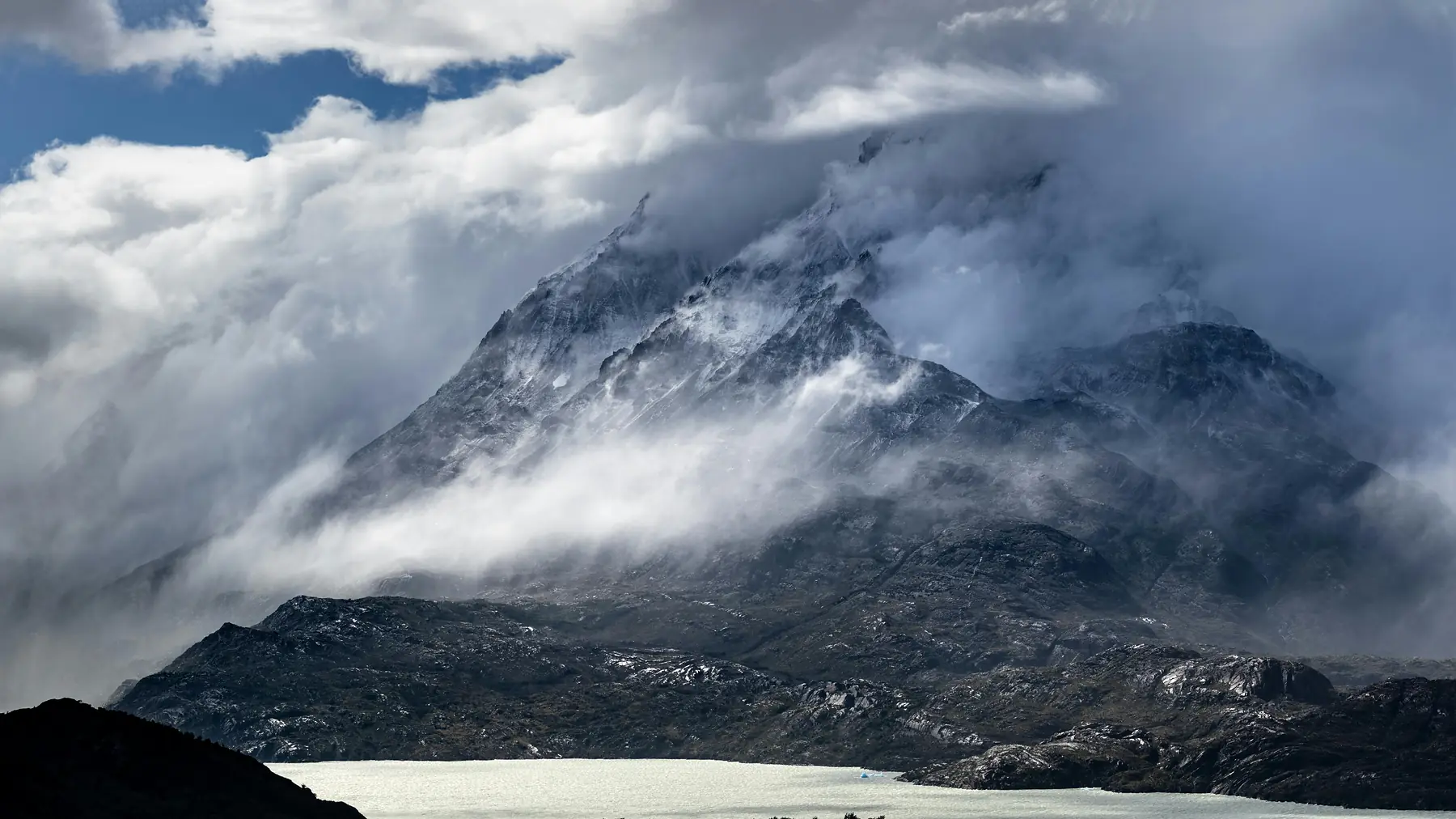
Best Time to Hike
Month-by-month conditions, crowds, and daylight.
Read Guide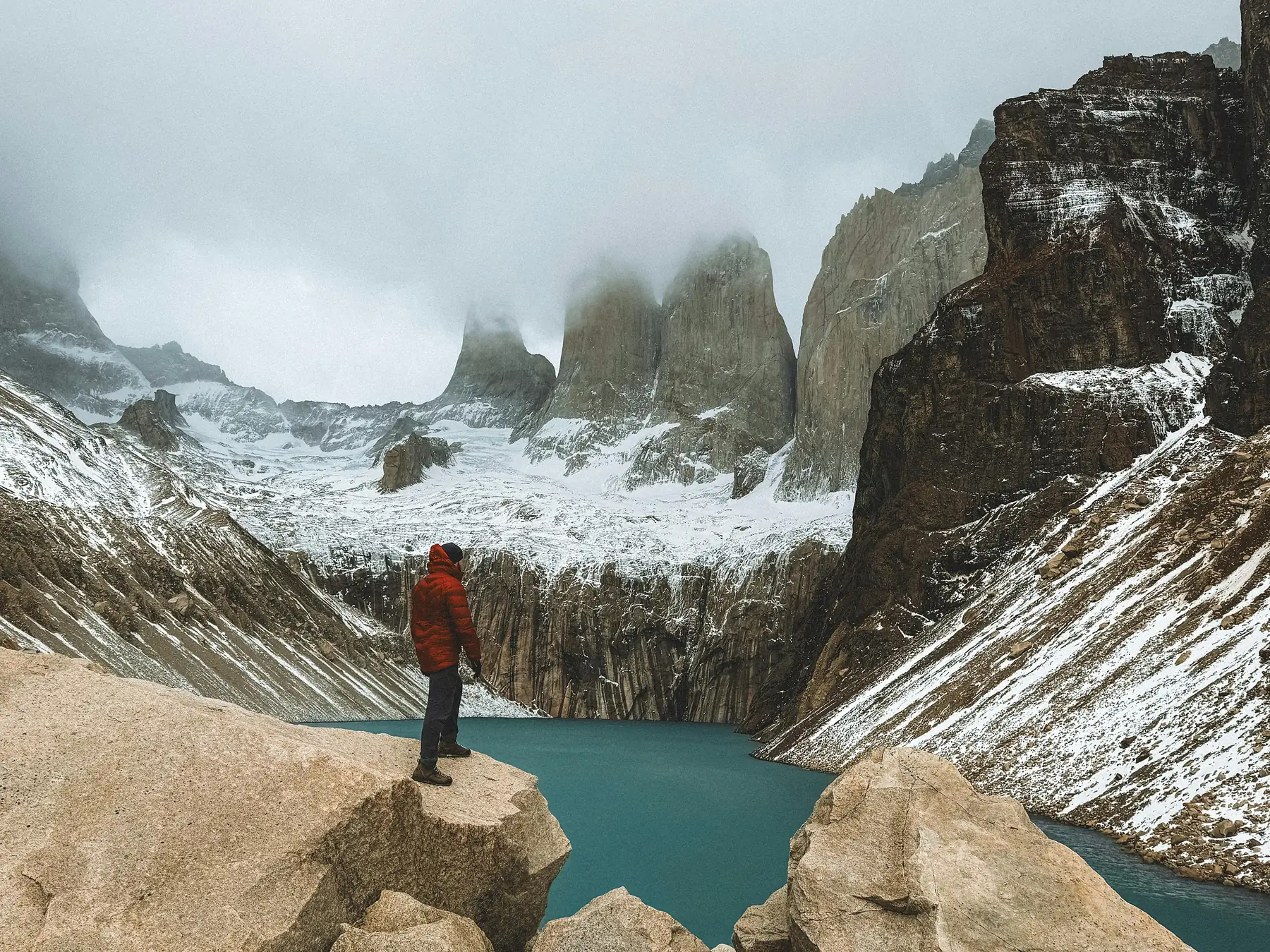
W vs. O Circuit
Decide whether the W is enough for this trip or the O is a better fit.
Read ComparisonWhat Is the W Trek, and Is It Right for You?
The route makes three out-and-back branches from the southern side of the Paine Massif: the Ascencio Valley to the Base of the Towers, the French Valley, and the trail toward Grey Glacier. It delivers the park's landmark views without the eight-to-ten-day commitment of the full O Circuit.
It suits hikers who can manage 15–22 km days with a pack and are happy sharing facilities. It is less suited to a very tight schedule, anyone expecting isolated trails in summer, or travelers who would rather base themselves in one hotel. If you would prefer the route and accommodation to be coordinated for you, compare guided and self-guided W Trek packages before committing to a DIY plan.
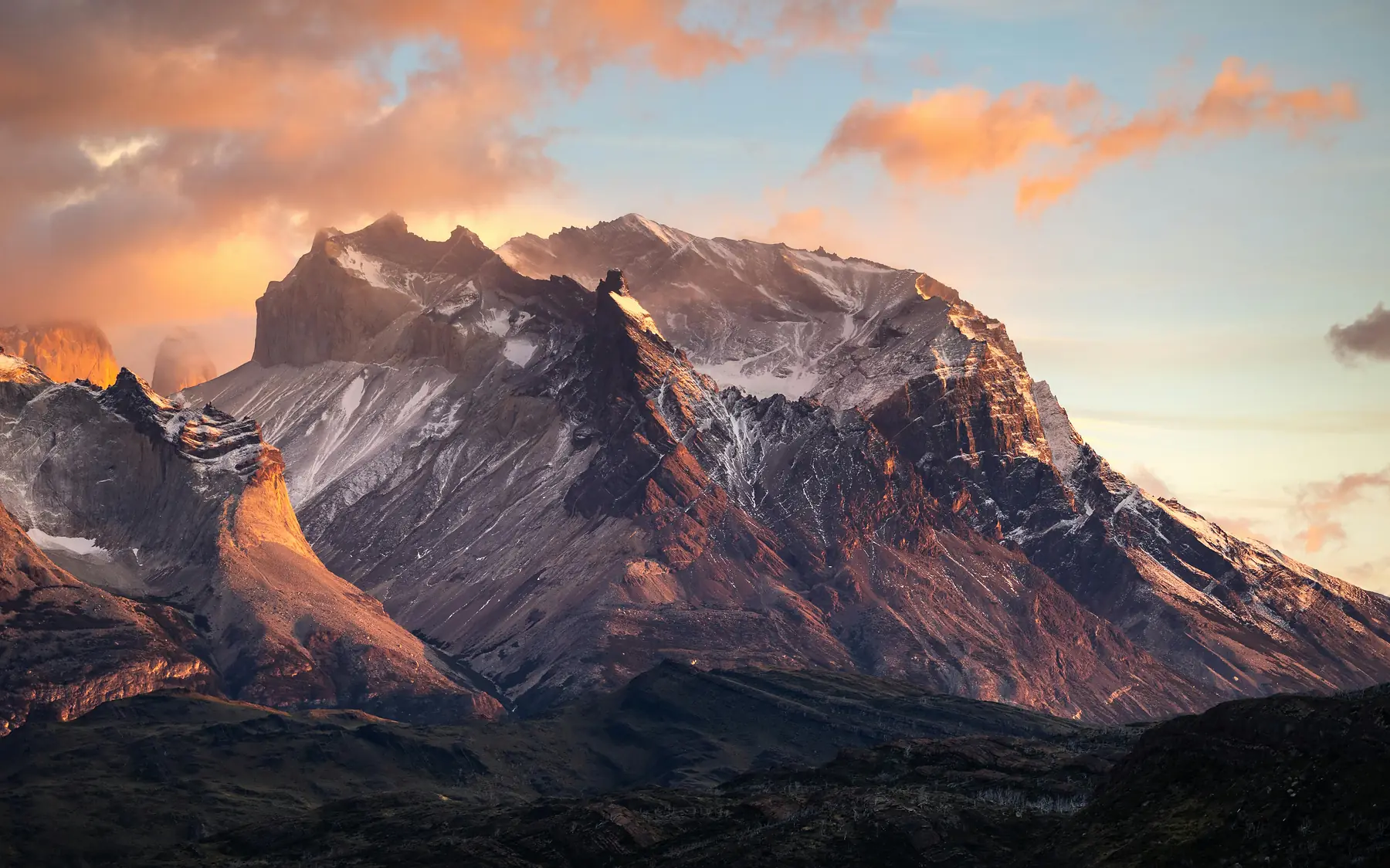
Our Recommended W Trek Duration and Direction
Use five hiking days and four trail nights, west to east as the reference itinerary when checking accommodation. It gives you a clear booking sequence and ends with the Base of the Towers. East to west is equally valid when it unlocks a better set of reservations or when you want to tackle the Towers first.
For a Patagonia trip of two weeks or less, we would often choose the four-hiking-day, three-night version. It is faster and cheaper, while still giving you a brilliant panoramic view of Grey Glacier. What you give up is the closer Grey Glacier views and the suspension bridges, not the French Valley. That is a preference rather than a rule; use five days if Grey is a priority or you want a more relaxed schedule.
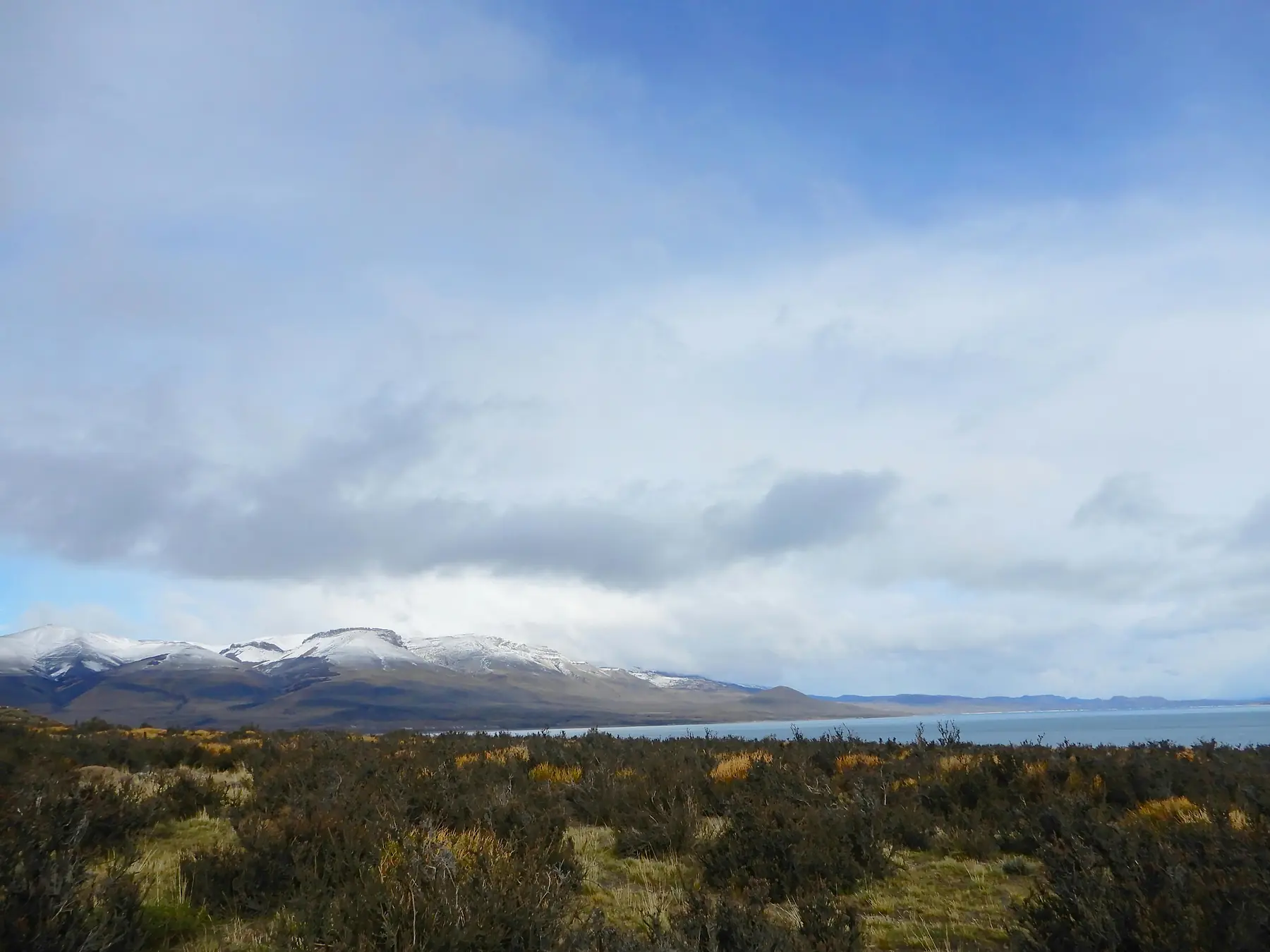
W Trek Map
The map shows the main accommodation sectors and branches of the route, from Grey Glacier in the west to the Base of the Towers in the east. Download an offline map in MAPS.ME or AllTrails before leaving Puerto Natales; mobile coverage inside the park is limited.
For route details and navigation planning, see the W Trek map and trail guide.
Five Hiking Days and Four Trail Nights: West to East
This is the booking reference for the classic west-to-east route. The overnight order is Grey, Paine Grande, Francés or Cuernos, then Chileno. Detailed distances, alternates, and east-to-west options are in the W Trek itinerary guide.
| Day | Plan | Trail night |
|---|---|---|
| 1 | Take the catamaran from Pudeto, hike from Paine Grande to Grey, and visit the first glacier viewpoints. | Grey |
| 2 | Visit the suspension bridges north of Grey, then walk back to Paine Grande. | Paine Grande |
| 3 | Leave your main pack at Italiano, hike into the French Valley, then continue to Francés or Cuernos. | Francés or Cuernos |
| 4 | Continue east and position yourself for an early Base of the Towers start. | Chileno |
| 5 | Hike to the Base of the Towers, then descend to the exit and return to Puerto Natales. | — |
When you book independently, check Chileno and Francés or Cuernos availability first, then find Grey and Paine Grande on the preceding dates. Confirm the complete sequence before paying either operator. Follow the step-by-step booking guide before you pay.
W Trek Budget: What to Expect
The difference between trip styles is mostly accommodation, food, and how much of the planning you pay someone else to do. These examples are per person for five hiking days and four trail nights. The equipped-camping total assumes two people sharing a tent; refugio prices are per bed. Puerto Natales hotel nights, flights, and optional activities are extra. Check the current operator prices before paying.
Own gear
$400–$550 USD
A lean self-organized trip with your own tent and sleeping kit.
Equipped camping
About $800 USD
$540 accommodation including pillows, plus about $150 food, $60 transport, and $50 for the park entry.
Refugios
$1,300–$1,600 USD
Dorm beds with full board, with the final cost depending on the selected sites and extras.
See the full W Trek cost breakdown for the assumptions behind these figures and a closer comparison of camping, refugios, and packages.
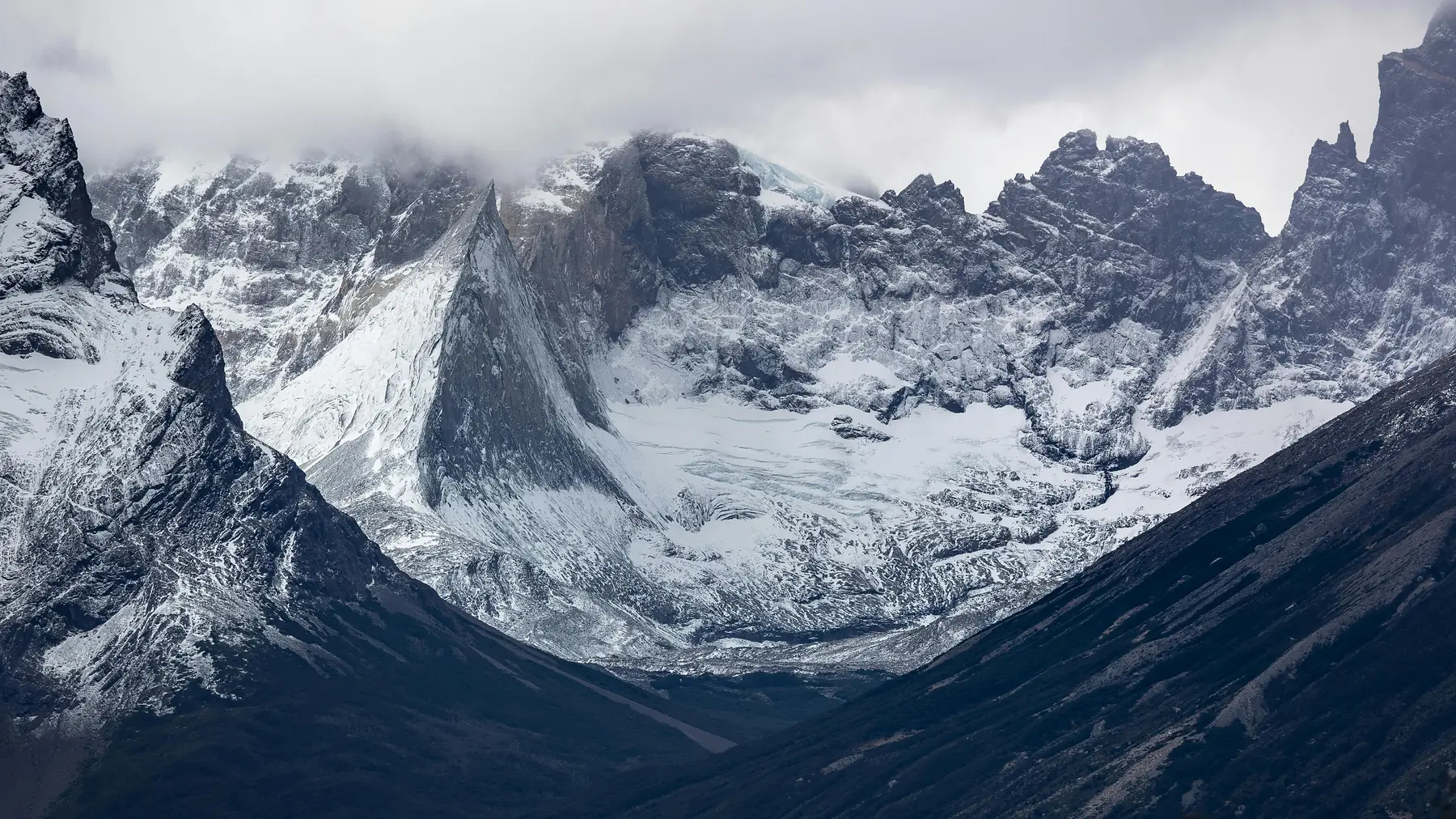
Refugios, Equipped Camping, or Your Own Tent
Refugios provide shared dorm beds and communal facilities. Equipped camping gives you a tent already set up, usually with a sleeping bag, mat, and pillow option. Bringing your own tent remains the cheapest route, but means carrying and setting up more gear every day.
Every overnight stop must be reserved. There are no free overnight campsites on the W Trek. You can still leave a larger pack at Italiano while walking into the French Valley, subject to current ranger directions.
Compare W Trek accommodation styles before choosing your booking category.
Food, Facilities, and Water
You can buy meal plans, carry your own food, or mix the two. Chileno has hot water for instant noodles and freeze-dried meals, but no official cooking facilities for using a stove. Wi-Fi is paid except for 30 minutes at your first Vértice stay; check the current terms when you arrive.
Use designated taps when staff confirm the water is potable. Otherwise treat it. The CDC's hiking and camping water guidance advises boiling uncertain water, or filtering it and then disinfecting it according to the product instructions.
When and How to Book
Reservations for the 2026/27 season are already available. Check the live calendars at Las Torres and Vértice as soon as your Patagonia dates are settled. Their release timing can differ, and availability changes quickly once the main trekking season approaches. Confirm every trail night before buying onward transport or treating the itinerary as fixed.
- Choose your dates, direction, sleeping style, and meal plan.
- Check both accommodation calendars together. Use the eastern nights to anchor your west-to-east route, then find the preceding western nights.
- Check names, dates, equipment, and the full overnight sequence before paying both operators in the same sitting.
- Once accommodation is confirmed, arrange park entry, buses, the shuttle, and the catamaran. Save every confirmation offline.
Our W Trek booking guide explains the current portals, reservation order, and what to do when a preferred night is unavailable.
Timing, Transport, Difficulty, and Gear
Best time and winter
The main trekking season runs roughly from October through April. Summer brings longer daylight and busier trails; November and March can suit travelers looking for a quieter trip, while early and late season require more flexibility for conditions. A guide is required from April 27 through August 30. Read the best time guide for conditions by month and check current park access before a shoulder-season hike.
Puerto Natales
Allow two preparation days before the trek if possible, especially when you need to buy food, rent equipment, and repack. One night can work if you arrive with a written food list and use your time deliberately. See our Puerto Natales guide for the practical base plan.
Getting to and from the trail
For west to east, take the bus from Puerto Natales to Pudeto and the catamaran to Paine Grande. Finish at the eastern Welcome Center, using the shuttle to Laguna Amarga for the bus back. East to west reverses these connections. Check the park transport guide and current operator timetables before choosing your start and finish times.
On the trail
Expect four or five demanding days of walking, often in wind and rain. Good waterproof layers, footwear, and a pack you have practiced with matter more than technical climbing skills. Start with the difficulty guide and packing list.
W Trek vs. O Circuit
Verdict
Choose the W for the park's landmark valleys in a compact trip. Choose the O when you have the time and want the John Gardner Pass and the quieter northern side.
Read the full W Trek versus O Circuit comparison before changing your route plan.
Frequently Asked Questions
How long does the W Trek take?
Use five hiking days and four trail nights as the booking reference. A four-day, three-night version is a good faster and cheaper option for many travelers, particularly on a Patagonia trip of two weeks or less.
Which direction should I hike the W Trek?
We prefer west to east when availability allows, finishing at the Base of the Towers. East to west is still a sensible choice if it gives you a workable reservation sequence or you want to tackle the Towers first.
Can I hike the W Trek without a guide?
Yes, during the main trekking season the route is commonly completed independently. A guide is required from April 27 through August 30; check the current park rules and operator access before making a winter plan.
How much does the W Trek cost?
A self-organized trek with your own gear can land around $400–$550 USD. Equipped camping is about $800 USD in the example on this page, while a refugio-based trip is commonly $1,300–$1,600 USD before optional extras.
Do I need to book every campsite on the W Trek?
Yes. You need confirmed accommodation for every trail night, whether you stay in a refugio, an equipped tent, or a campsite with your own tent. There are no free overnight campsites on the W Trek.
Is water on the W Trek safe to drink?
Use designated taps when staff confirm they are potable. Otherwise, treat water: clear mountain streams are not automatically safe. The CDC advises boiling uncertain water, or filtering and then disinfecting it according to the product instructions.
Ready to Arrange Your W Trek?
Book the route yourself with a clear overnight plan, or compare packages that coordinate the logistics for you.