Planning to hike the W Trek in the upcoming season, and decided a guided tour is for you?
Operators package the W in several different ways. Some guide every hiking day, some add hotel nights in Puerto Natales, and others arrange the reservations for an independent trek.
We’ve compared the best W Trek tours, from guided small-group trips to more ‘luxury’-focused hikes, to help you find the right experience for your budget and travel style.
Below, you’ll find our top recommendations, including what’s included, typical prices, and key differences between each tour.
TLDR: Choose Chile Nativo’s Classic W Trek for a locally operated guided trip with a small group; Swoop’s Classic W Trek for a sociable fixed departure; EcoCamp’s 7-Day W Trek for comfort and porter support; or Swoop’s Self-Guided W Trek when you can hike independently but want the bookings arranged.
Our tour price bands use the current regular or entry price per person, divided by the full calendar duration. They provide a broad comparison and are not live quotes.
- $: Under $150 per person per day
- $$: $150 to $299 per person per day
- $$$: $300 to $599 per person per day
- $$$$: $600 or more per person per day
Prices were checked on September 14, 2026. Rates can change by departure date, accommodation type and party size.
W Trek Tour Comparison
Use this comparison chart to quickly identify the tour that’s right for you. Alternatively, scroll through the options in more detail below.
Scroll across to compare every column.
| Tour | Operator | Type | Trail days / nights | Lodging | From | Best for |
|---|---|---|---|---|---|---|
| Chile Nativo Classic W | Chile Nativo | Guided | 5 / 4 | Refugio or camping | US$2,900 | Small groups; full route |
| Swoop Classic W | Swoop Patagonia | Guided group | 4 / 3 | 2 hotel; 3 trail nights | US$2,995 | Solo travelers; fixed group |
| Intrepid Classic W | Intrepid Travel | Guided group | 4 / 3 | 2 hotel; 3 trail nights | US$2,640 sale | International small groups |
| G Adventures W Trek | G Adventures | Guided group | 4 / 3 | 2 hotel; 3 camping nights | US$2,949 | Frequent departures |
| Swoop Original W | Swoop Patagonia | Guided | 4 / 4 | Refugio or camping | US$2,900 | Full W; eight-person cap |
| OneSeed Essential Patagonia | OneSeed Expeditions | Guided group | 7 / 6 | Hotel; camping or refugios | US$2,850 | Full-pack hikers |
| Fast Track W | Chile Nativo | Fixed-base | 3 / 0 | 2 Riverside Camp nights | US$1,750 | Three hard day hikes |
| EcoCamp 7-Day W | EcoCamp Patagonia | Hybrid | 5 / 2 | 4 EcoCamp; 2 trail nights | US$2,240 reseller | Comfort and porter support |
| W Trek Plus | Chile Nativo | Fixed-base | 5 / 0 | 4 Riverside Camp nights | US$2,800 | Fixed-base comfort |
| Swoop W Trek & Kayaking | Swoop Patagonia | Guided combo | 4 / 3 | 5 camping nights | US$3,740 pp | Trekking and kayaking |
| Swoop Self-Guided W | Swoop Patagonia | Self-guided | 5 / 4 | Refugio or camping | US$1,850 camping | Independent hikers |
| World Expeditions Self-Guided W | World Expeditions | Self-guided | 4 / 4 | Refugio or camping | US$2,590 | Full-pack hikers |
| GreatChile Classic W | GreatChile | Self-guided | 5 / 4 | Refugio or camping | US$1,708 camping | Lowest starting price |
Best Guided W Trek Tours
These tours follow the classic W with a guide and include the main park logistics. Compare the number of trail nights carefully. A six-day itinerary often includes a hotel night before and after the trek, while a five-day itinerary may spend every night inside the park.
Classic W Trek
Chile Nativo guides the full five-day route through Base Torres, Los Cuernos, French Valley and Grey Glacier from US$2,900 per person. The price includes four trail nights in refugios or campsites, specified meals, sleeping equipment, park entry and the main transfers and boat journey; four-day private porter service costs extra.
Swoop Classic W Trek
Swoop's six-day fixed departure has four hiking days, two Puerto Natales hotel nights and three nights in refugios or camps. The US$2,995 to US$3,195 price includes 5 breakfasts, 4 lunches, 5 dinners, bedding, airport and park transport, and park fees; porter support is not listed.
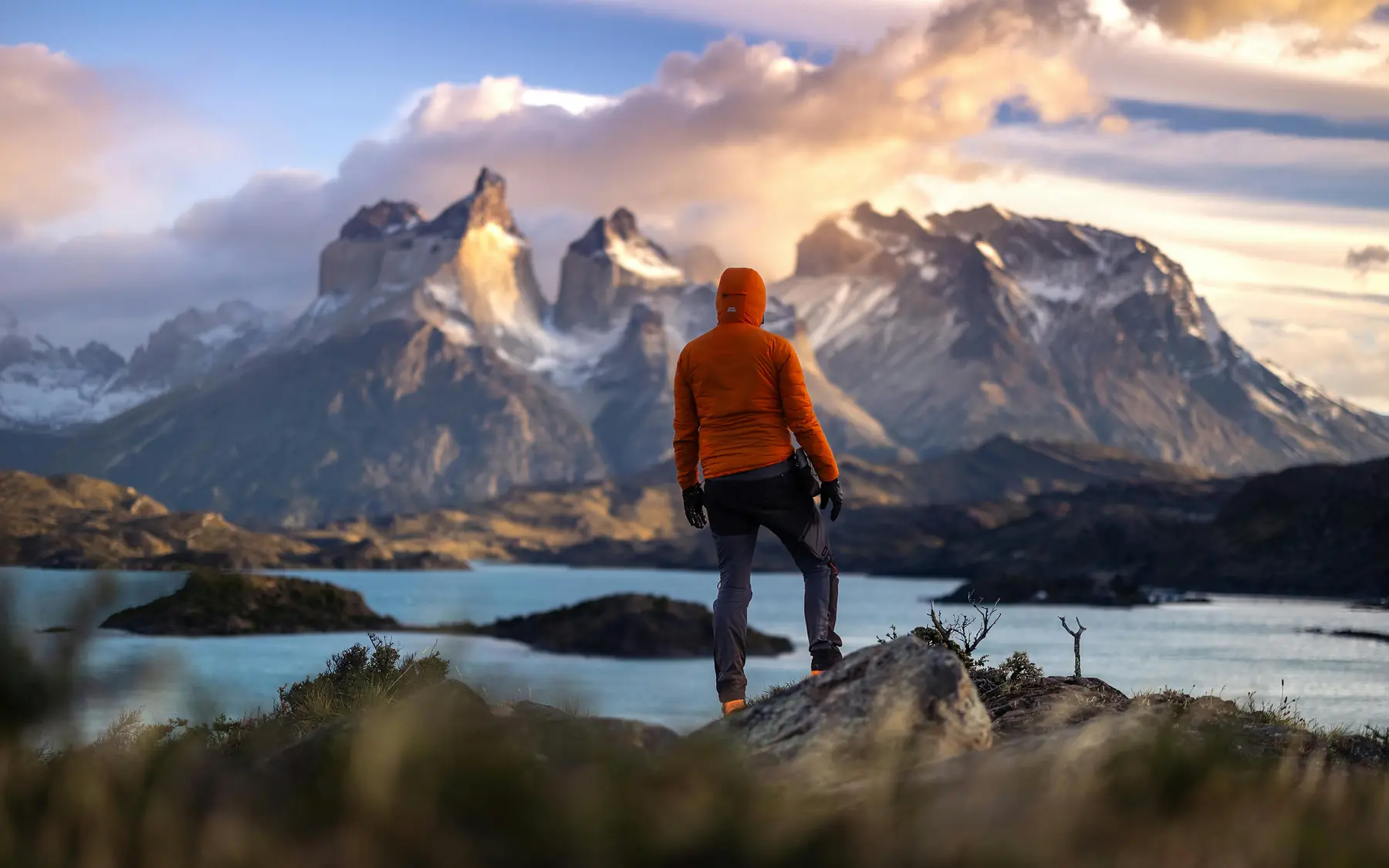
Patagonia: Torres del Paine Classic W Trek
Intrepid caps this six-day trip at 14 travelers and currently lists selected departures from US$2,640, against a regular US$3,520 price. That includes 2 hotel nights, 3 refugio or full-service camping nights, 5 breakfasts, 4 lunches, 3 dinners and camping equipment; hikers carry up to 10 kg because porters are not included, while excess luggage can stay at the Puerto Natales hotel.
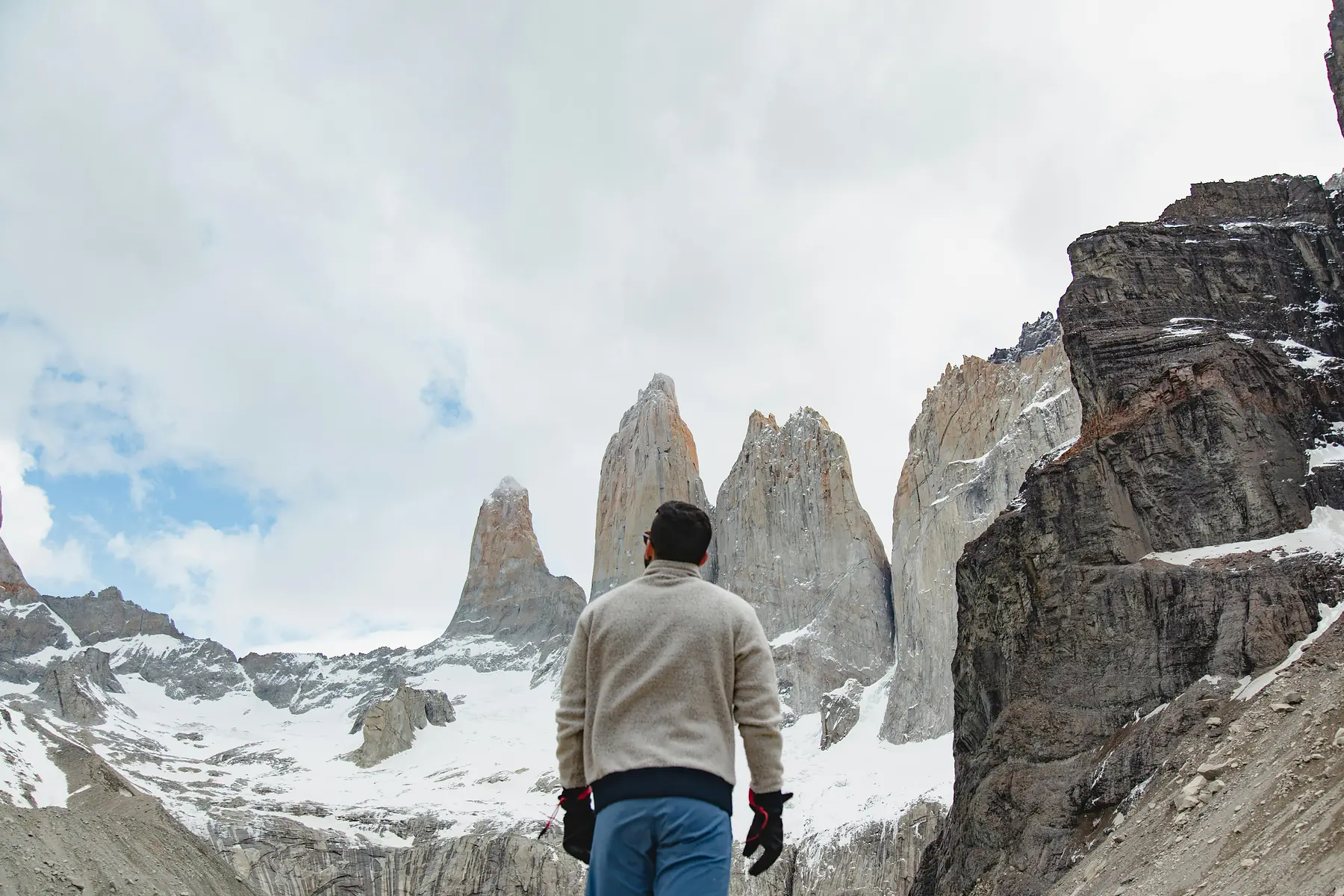
Torres del Paine: The W Trek
The regular price is US$2,949 for six days with 2 Puerto Natales hotel nights, 3 camping nights, 5 breakfasts, 4 lunches and 3 dinners. Tents and sleeping mats are included, but hikers bring or rent a sleeping bag; bulk luggage can stay in Puerto Natales and 5 kg or 10 kg porter assistance is a paid add-on.
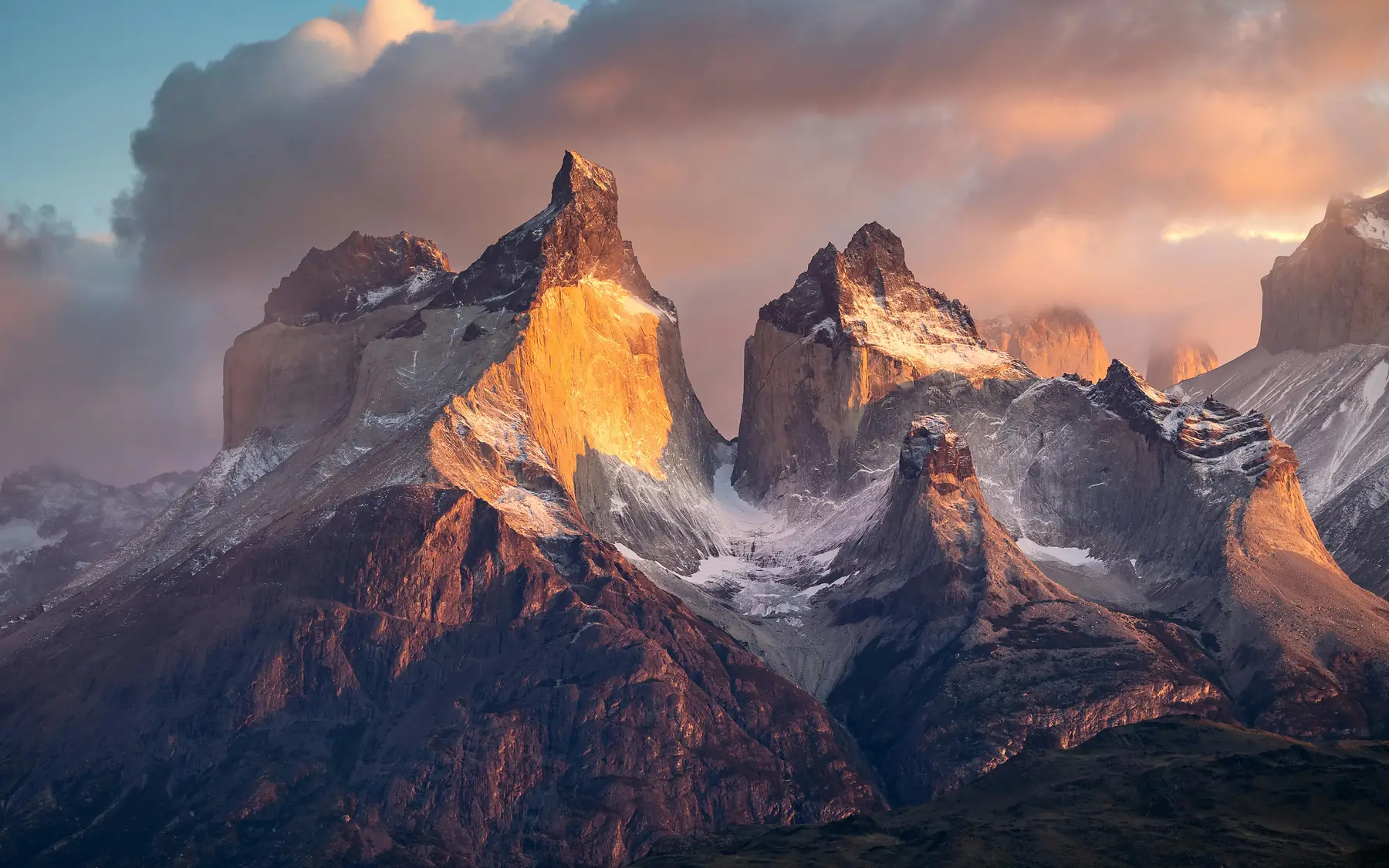
Original W Trek
Swoop's five-day guided W starts at US$2,900 and caps groups at eight. The price includes 4 refugio nights, 4 breakfasts, 5 box lunches, 4 dinners, bedding, park entry, guide, group transfers and a Grey or Pehoé boat; porters are excluded and Puerto Natales hotel nights are not part of the package.
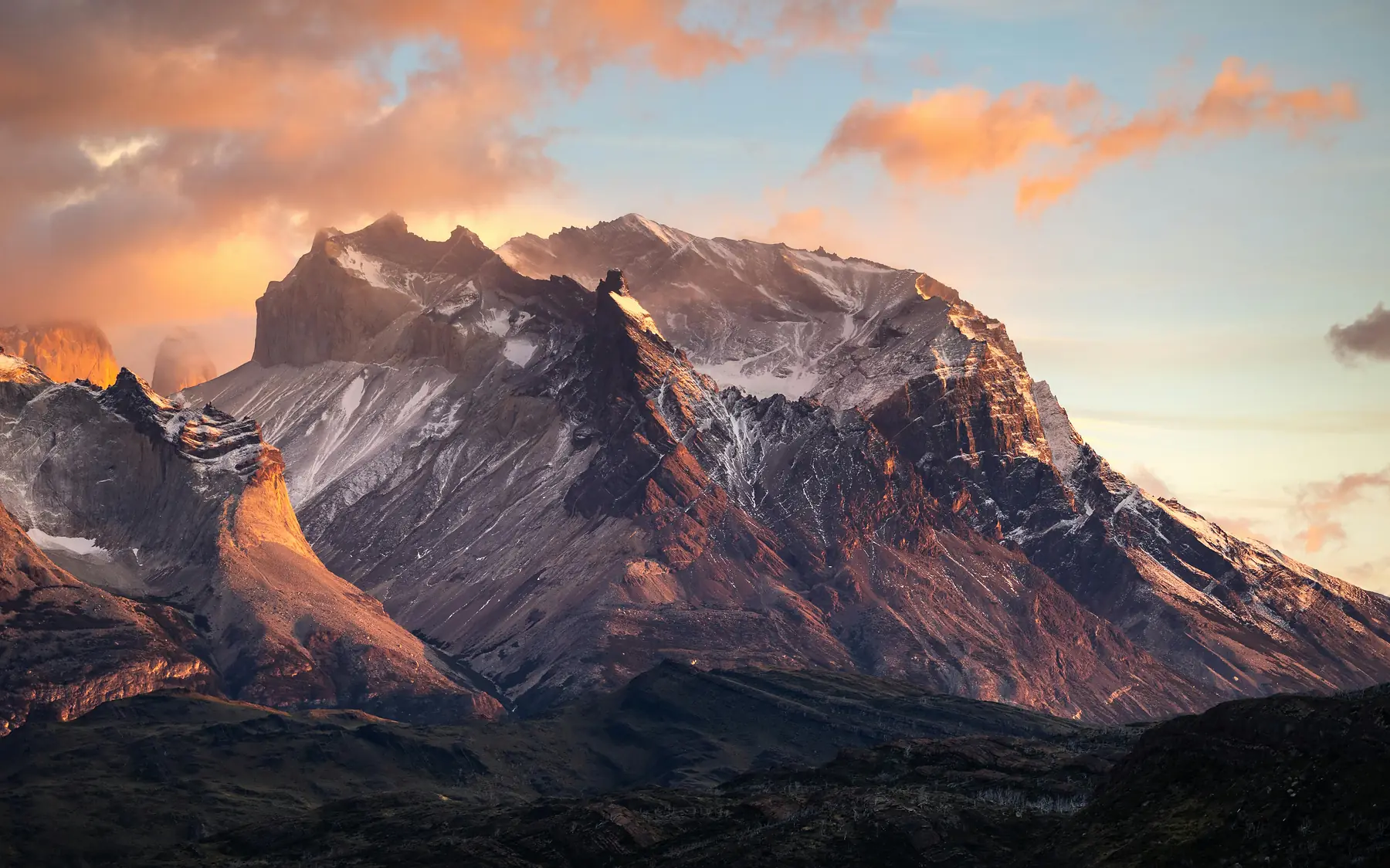
Essential Patagonia
OneSeed now lists this guided expedition as nine days from US$2,850, with a Puerto Natales hotel stay and six trail nights in camps or refugios. Trail meals, tents and sleeping pads are provided, but hikers bring a sleeping bag and carry their own 45 to 60 liter pack; unused luggage can stay at the hotel for free and no porters are included.
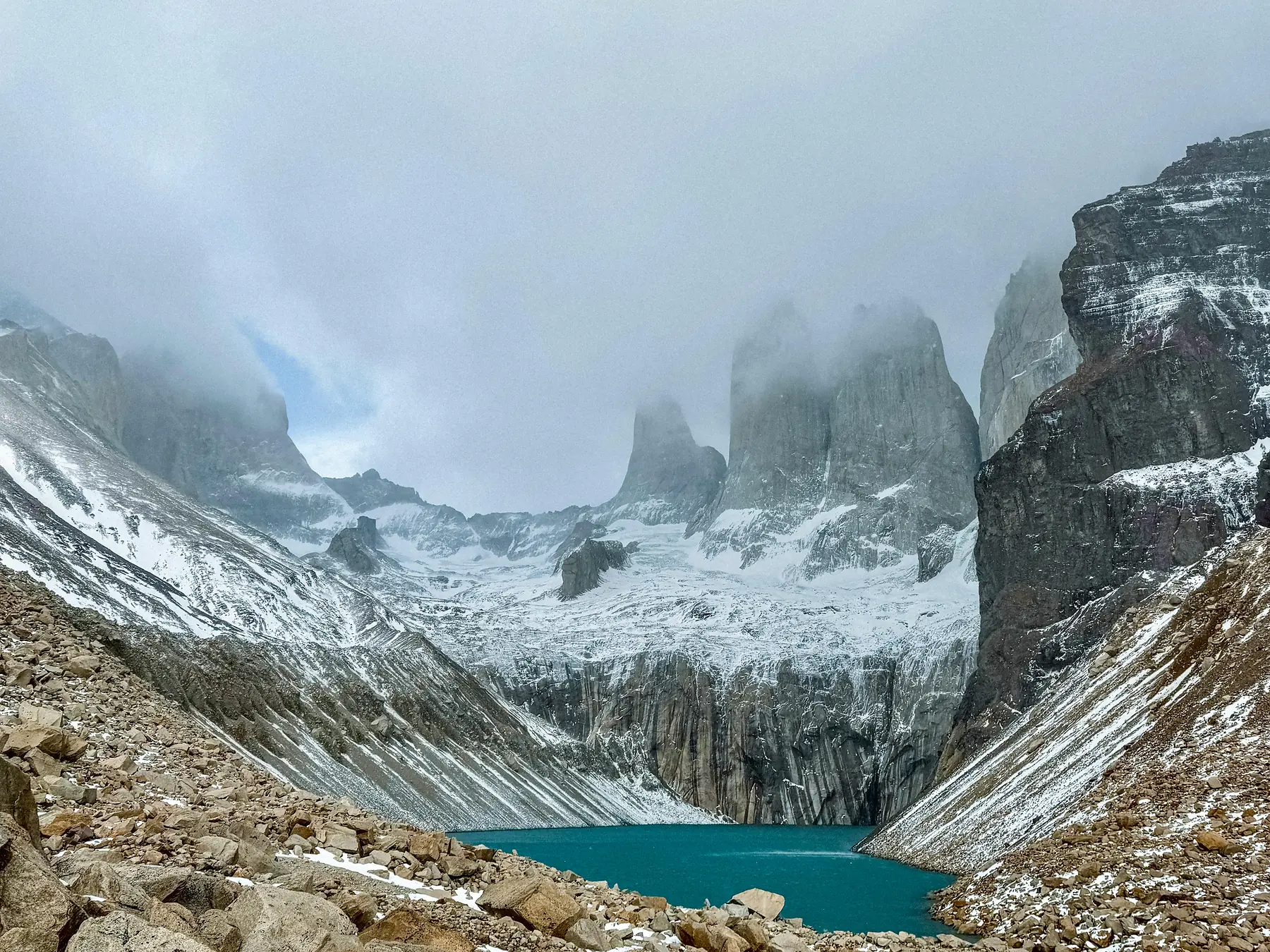
Best Shorter and Comfort-Focused W Trek Tours
These options adjust the classic format for travelers with less time or a more comfortable base. Fast Track W Trek and W Trek Plus are fixed-base trips that return to Riverside Camp each night. They visit the W’s signature viewpoints on separate day hikes rather than walking the full route. EcoCamp’s 7-Day W Trek is a hybrid with two nights on the trail and four at EcoCamp, so it also uses transfers to link sections of the W.
Fast Track W Trek
This is a fixed-base highlights trip, not a continuous W Trek: three demanding day hikes return to Riverside Camp for both nights. The US$1,750 price includes the heated private-bathroom glamping tent, specified meals, private transport, park entry, Grey navigation and the Pehoé catamaran, with no need to carry overnight gear between trail stops.
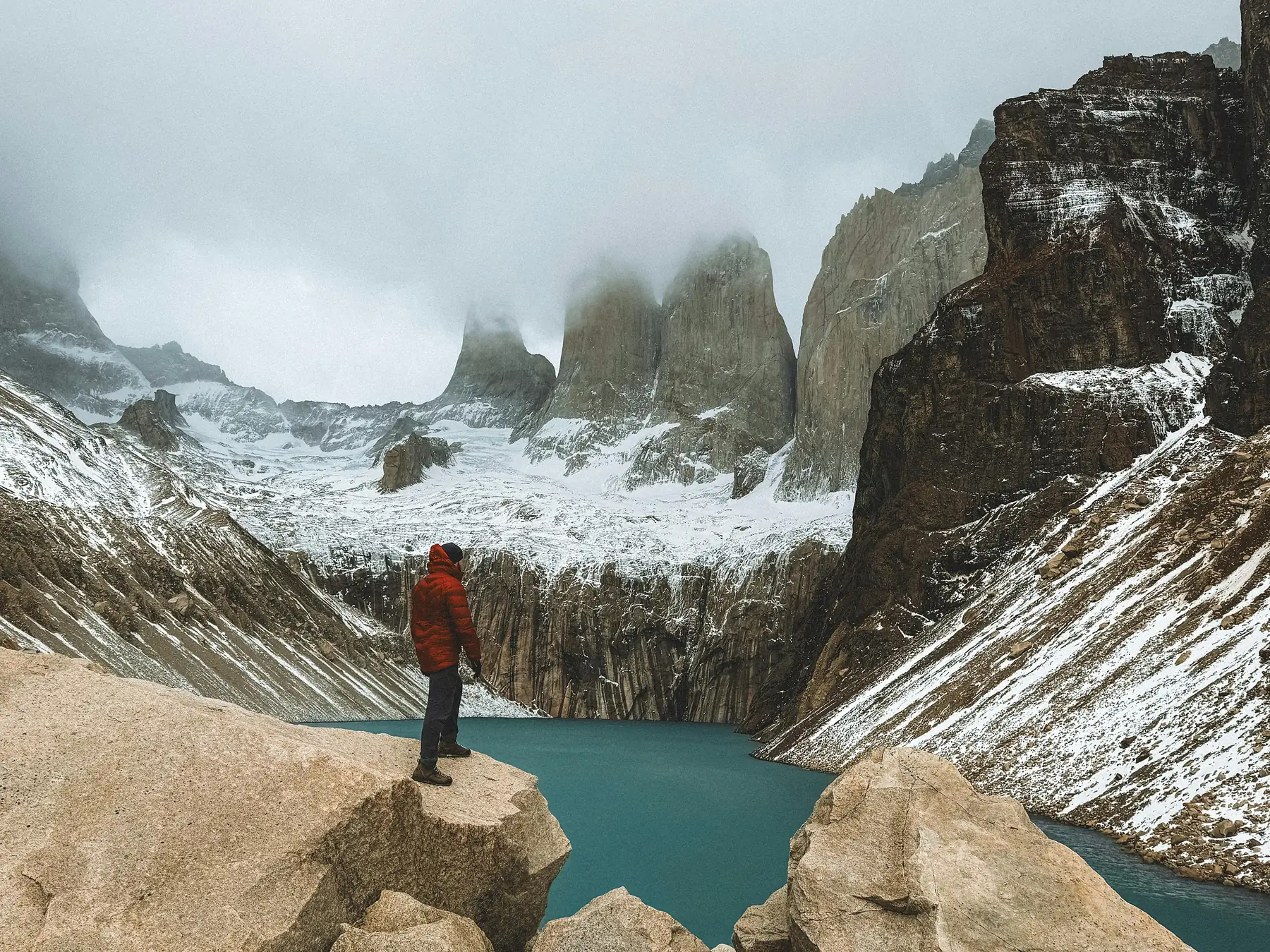
7-Day W Trek
This hybrid itinerary spends four nights at EcoCamp and two in trail camps, linking the continuous Cuernos-to-Grey section with separate Base Torres and lookout hikes. EcoCamp does not publish a direct price, while a current reseller lists rates from US$2,240; the operator includes specified meals, scheduled transfers, park entry, the Grey boat, complete trail camping gear and porter support.
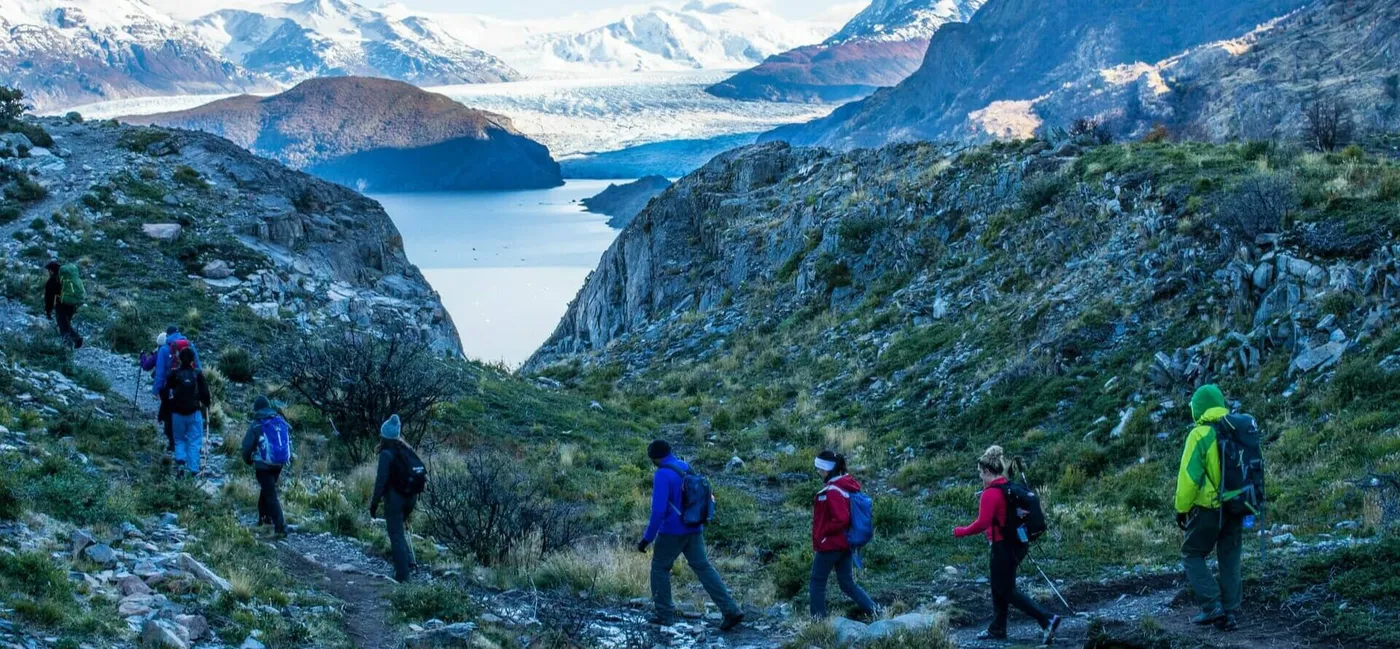
W Trek Plus
This is a fixed-base day-hiking trip, not a full through-hike: guests return to Riverside Camp for all four nights and use transfers to reach W highlights and quieter trails. The US$2,800 price includes the heated private-bathroom glamping tent, specified meals, private transport, park entry, Pehoé catamaran and Grey navigation, with no overnight pack carry between trail shelters.
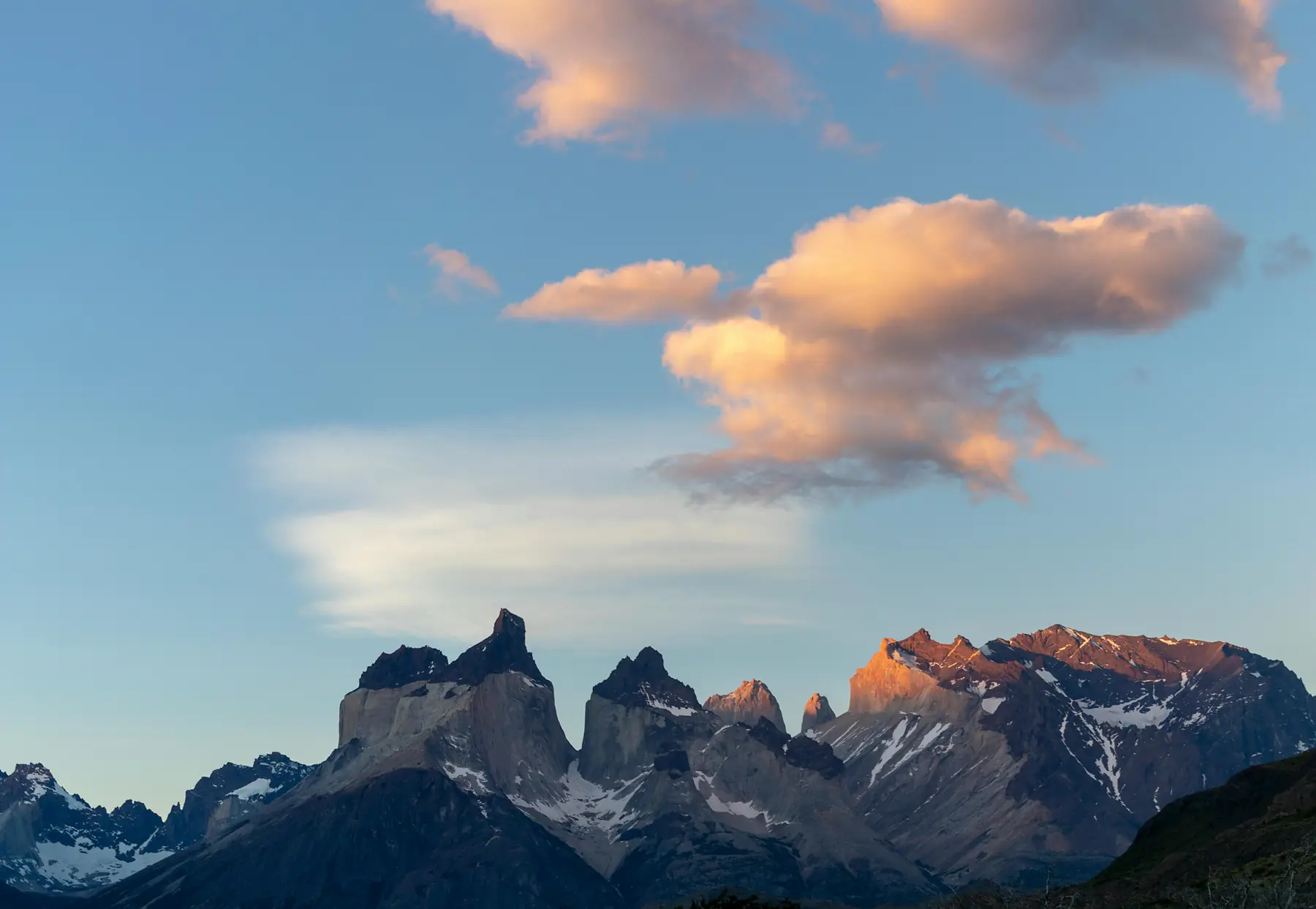
W Trek & Backcountry Kayaking
The current six-day combination pairs Swoop's guided, fully supported four-day W Trek Express with a guided three-day Grey and Serrano river kayak, overlapping on day four. Five nights start at US$3,740 per person based on two sharing and include the listed camping, meals, transfers and excursions; confirm the exact personal-luggage handoff between the trek and kayak sections.

Best Self-Guided W Trek Packages
A self-guided package works well for experienced hikers who can manage the trail and changing weather independently. The operator arranges accommodation and core transport, which removes the most time-consuming part of planning. Read the inclusion list carefully because luggage support, equipment and some meals may still cost extra.
Self-Guided W Trek
Current prices are US$1,850 per person with supported camping or US$1,950 with refugio accommodation. Both include 4 trail nights, 4 breakfasts, 5 box lunches, 4 dinners, park buses, the Laguna Amarga shuttle, park entry and Pehoé catamaran; camping also includes the tent, mat and sleeping bag, while Puerto Natales luggage storage is available but guides and porters are excluded.
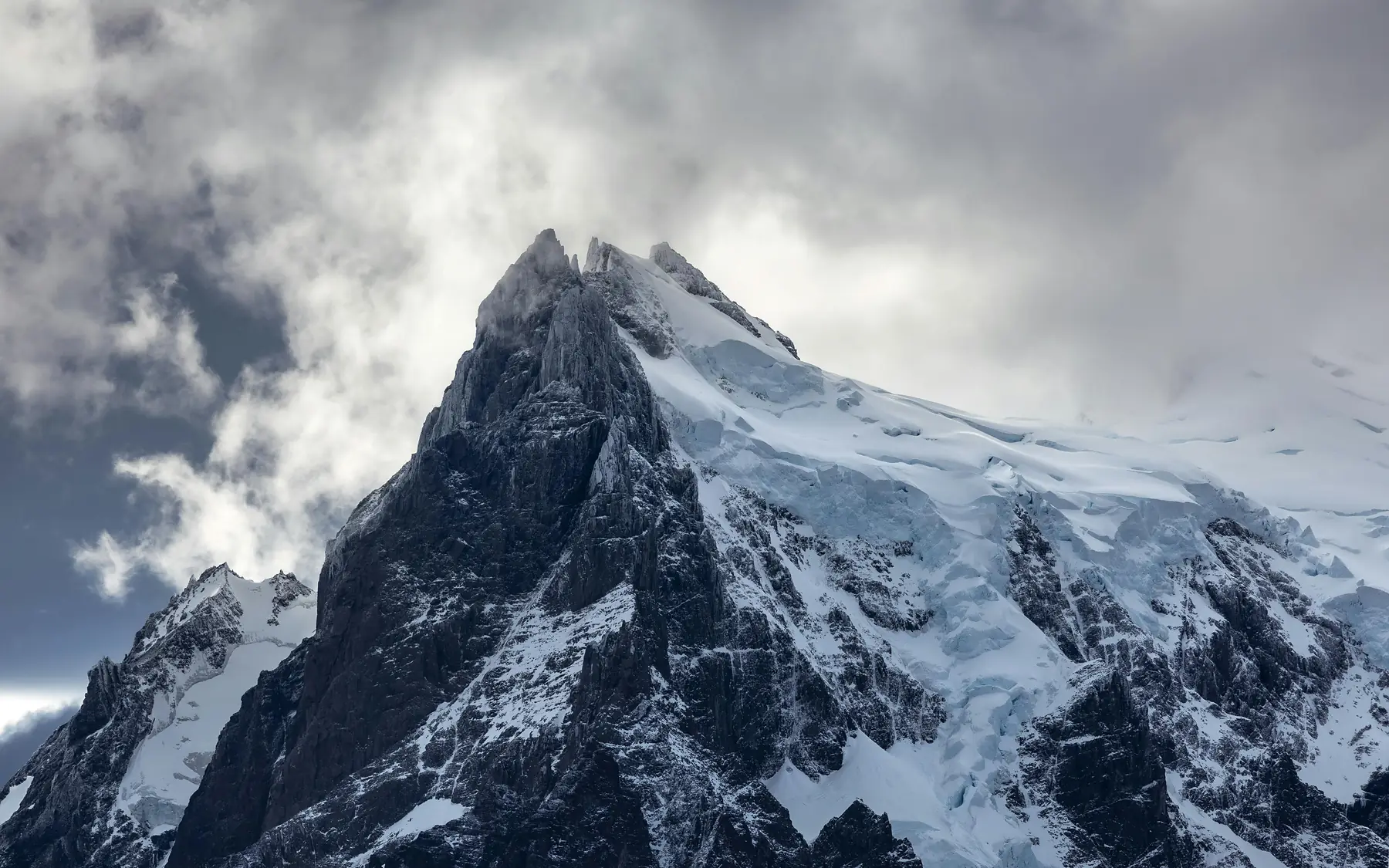
Torres del Paine W-Trek Self Guided
World Expeditions charges US$2,590 for a five-day independent trek with 4 nights in refugios or camps, 4 breakfasts, 5 lunches, 4 dinners, public bus transfers and a Grey Glacier boat trip. Hikers normally carry a full pack; camping gear is supplied when refugios are unavailable, and a private porter carrying up to 15 kg is a US$940 add-on.
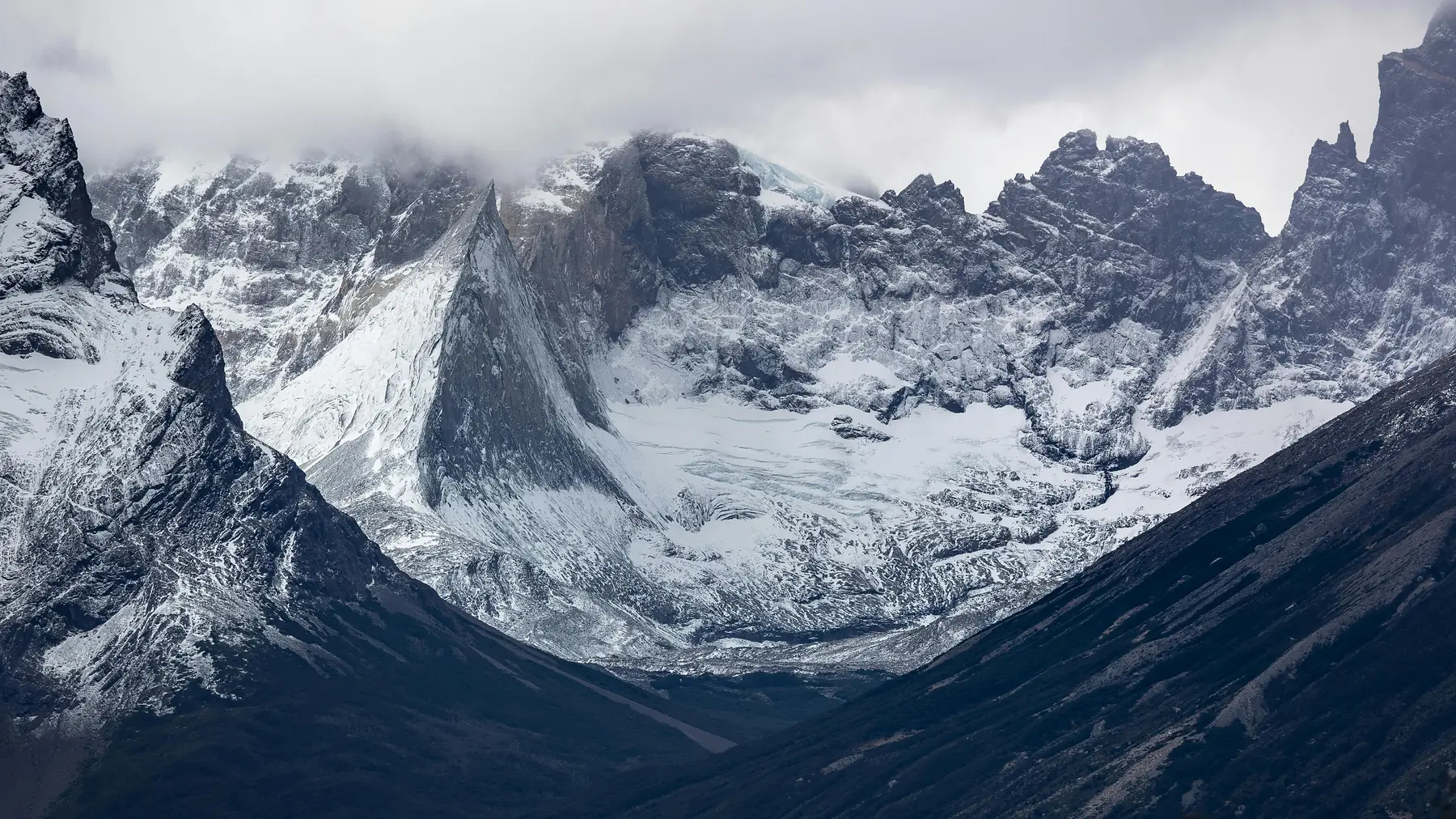
Classic W Circuit
GreatChile publishes this five-day package from US$1,708 with camping or US$2,070 with refugios. Both include 4 trail nights, full board, park entry, Puerto Natales buses, the Las Torres shuttle and Pehoé catamaran; camping includes a tent, sleeping bag and mat, while hikers carry their own belongings and can store other luggage in Puerto Natales.
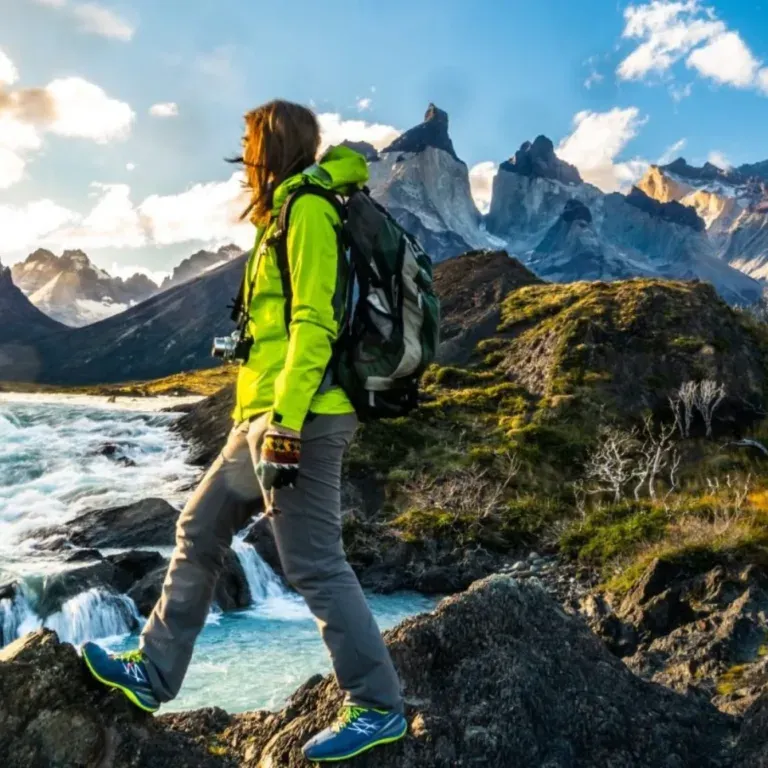
How We Chose These W Trek Tours
We reviewed current W Trek products from local specialists, international group operators and self-guided trip organizers. Each recommendation needed a live product page, a usable current price and enough published detail to compare the itinerary fairly.
Our assessment placed the greatest weight on the following points.
- Route coverage and total trail time
- Published group size or a clear independent format
- Accommodation style
- Included meals, park transport and boat crossings
- Activity level and pack-carrying expectations
- Direct access to a current booking page
We removed near-identical products when another tour gave readers a clearer point of difference. All factual comparisons were checked against operator or current seller pages on September 14, 2026.
Guided or Self-Guided W Trek
A guide is optional during the main trekking season, and the marked trail is manageable for experienced independent hikers. Guides provide the most value through pacing, safety decisions, interpretation and coordinated logistics. They can also help a mixed-ability group stay together across long hiking days.
A self-guided package gives you more control over your daily pace. You still need the fitness and judgment to respond to strong wind, rain and rapid changes in visibility. Read our full guided versus self-guided W Trek comparison if you are still deciding.
What to Compare Before Booking a W Trek Tour
Time on the trail
Two trips sold as six-day tours can provide different amounts of hiking. International operators often include hotel nights in Puerto Natales, while locally operated five-day tours may begin park travel on the first morning. Check where you sleep each night and when the first and final hikes take place.
Refugios, camping and fixed-base stays
Refugios provide a bunk in a shared dormitory and access to indoor communal areas. Full-service camping usually comes with a prepared tent, sleeping equipment and nearby bathrooms. Fixed-base trips such as W Trek Plus use Riverside Camp and travel to different trailheads each day.
Your preferred room type can change the price and availability. Review our W Trek refugio guide before choosing between a bunk and a tent.
Meals and transport
Most guided trips include meals during the trek, but hotel-night meals may be separate. Confirm park entry, the Pehoé catamaran, Grey-sector boat travel and transport from Puerto Natales. These items can create a meaningful difference between two similarly priced tours.
Group size
Published caps among the tours above range from eight to fourteen. Smaller groups usually allow more flexibility when hikers move at different speeds. A larger international departure can provide a livelier social experience and a broader choice of dates.
Pack weight and porter support
Ask exactly what you carry. Many guided hikers carry their clothes, water and personal items in a daypack, while staff move group equipment. Some expedition-style and self-guided trips expect a larger pack. Porter service appears in EcoCamp’s published inclusions, while several other operators sell it separately or omit it.
Do not assume that a higher price includes a private room, porter service or every park transfer. Ask the operator to confirm the accommodation category, required pack size, group cap and all exclusions in writing before paying a deposit.
When to Book a W Trek Tour
Refugio beds, full-service camps and fixed departures all have limited inventory. Book as soon as you know your dates if you plan to travel between December and February. October, November, March and April can provide more choice, but popular small-group departures may still fill well ahead.
Before paying, review the cancellation terms and confirm how the operator responds if weather affects a boat crossing or hiking day. Travel insurance should cover your planned trekking activity, trip interruption and the full prepaid value of the tour.
Frequently Asked Questions
How much does a W Trek tour cost?
Among the five- to seven-day products reviewed for this guide, current published prices start at US$1,708 for GreatChile’s self-guided camping package and reach US$3,740 for Swoop’s combined guided trek and kayaking trip. EcoCamp does not publish a direct rate, so its US$2,240 starting figure comes from a current reseller listing. Accommodation upgrades, private departures and porter services can increase the total.
Which guided W Trek tour is best for most hikers?
Chile Nativo’s Classic W Trek is our strongest overall recommendation. The operator covers the full classic route over five days, caps published departures at eight and offers refugio or camping accommodation.
Is a guide mandatory on the W Trek?
A guide is generally optional during the main trekking season. Rules and access conditions can change, especially during winter operations, so confirm current park requirements before travel.
What is the usual group size on a guided W Trek?
The tours with published limits in this guide cap groups between eight and fourteen. Several operators describe a small-group format without publishing a maximum, which is why their cards show “Not published.” Ask for the confirmed cap before booking.
Should I choose refugios or camping?
Choose refugios if a bunk and indoor communal space will help you recover after each hike. Full-service camping usually costs less and still provides prepared tents and nearby facilities. Sleep quality, availability and the exact equipment supplied vary by operator.
Where do most W Trek tours start?
Most packages begin and end in Puerto Natales. Some include a hotel night before or after the trail, while others collect guests early on day one and travel straight to Torres del Paine.
Do guided W Trek tours include meals and transfers?
Most include meals during the trek and the main park transport. Coverage for hotel-night meals, park entry, catamarans and optional activities varies. Check the written inclusions for the exact departure you plan to book.
How difficult is the W Trek with a guide?
Most operators rate the full W as challenging. A guide can support pacing and safety, but you still need to prepare for consecutive long days, uneven ground and rapidly changing weather. Use our W Trek training plan and W Trek packing list to prepare.