Patagonia’s best budget stays combine a manageable room rate with the facilities and location that keep the rest of the trip affordable. A central hostel with a kitchen can offer better value than a cheaper room that requires taxis or makes an early bus difficult.
We compare 16 recommended hostels, guesthouses, private rooms and apartments across the main travel hubs. For wider trip costs, see our complete guide to Patagonia on a budget.
TLDR. Choose Penthouse 1004 for Bariloche views, Folk Hostel for the El Calafate bus terminal, Patagonia Travellers’ Hostel for an all-round El Chaltén base, El Patagónico for Torres del Paine preparation, or Antarctica Hostel for a social stay near Ushuaia’s port.
Our price bands use the typical high-season entry price, within the lowest normal private room or unit. Note that these are comparison bands, not live quotes, and that rates can change considerably by date and room type. Dorm beds can cost substantially less than the private-room band shown.
Best Budget Accommodation in Bariloche
Hospedaje Penthouse 1004
A central high-rise hostel whose common areas and selected rooms have dramatic lake views. It combines a memorable setting with a walkable location without becoming a party hostel.
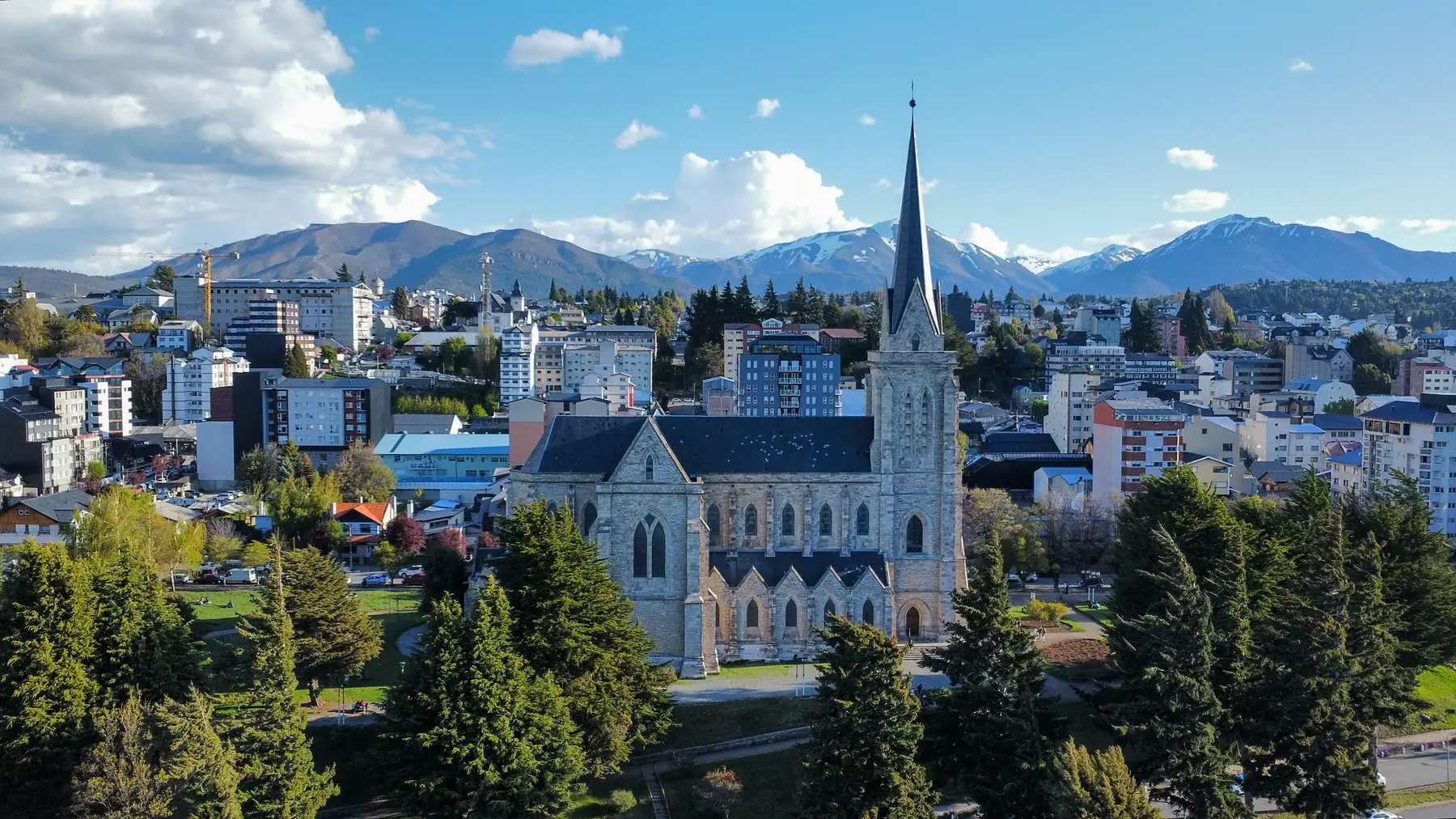
Periko's Youth Hostel
A long-running central hostel with a kitchen, garden and social activities. It is a good middle ground for solo travelers who want company and a calm place to rest.
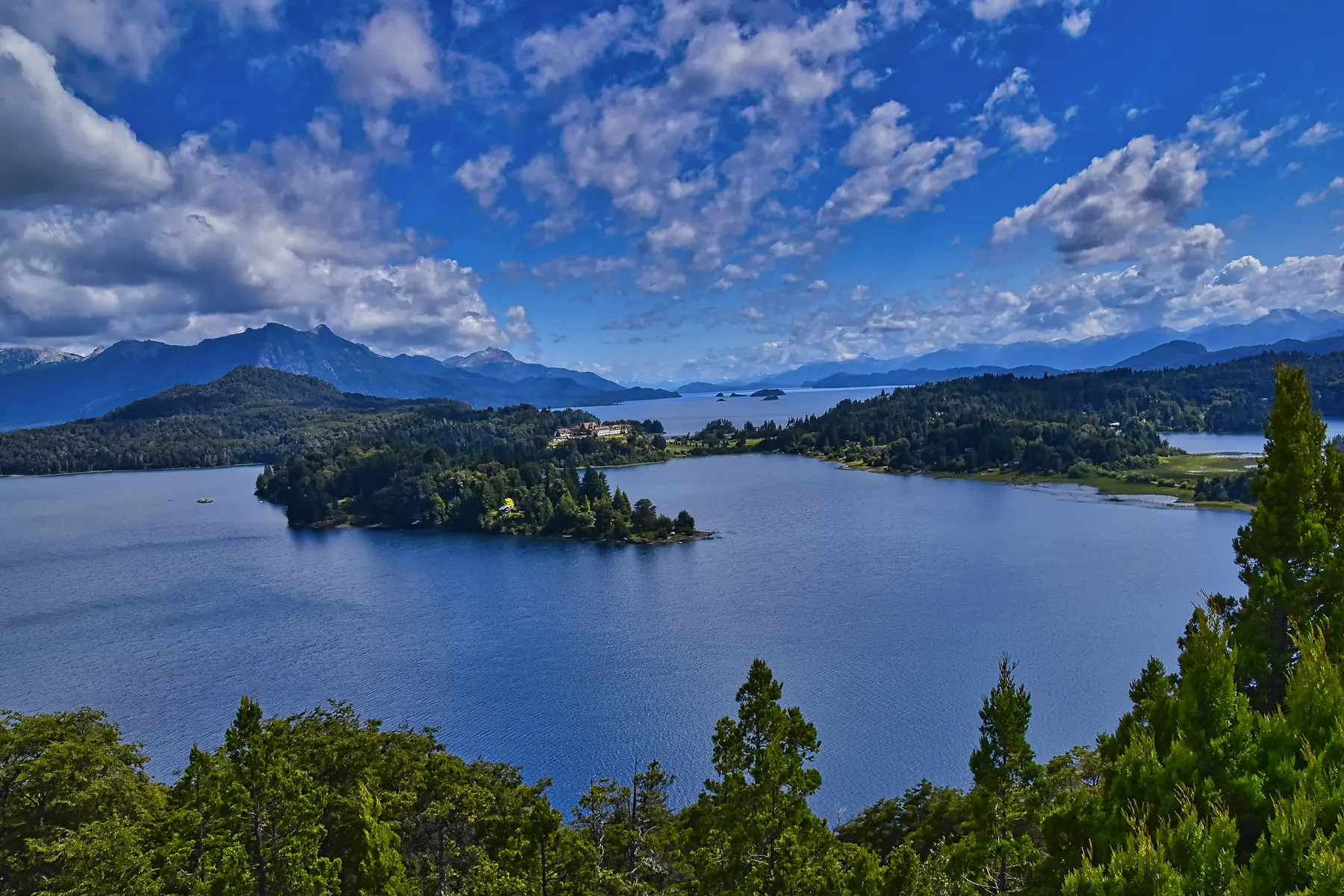
Hotel Cottbus
A straightforward private-room hotel with breakfast for travelers who want to avoid dorms. The value comes from its location and simplicity, not resort facilities or design.
Hotel Tirol
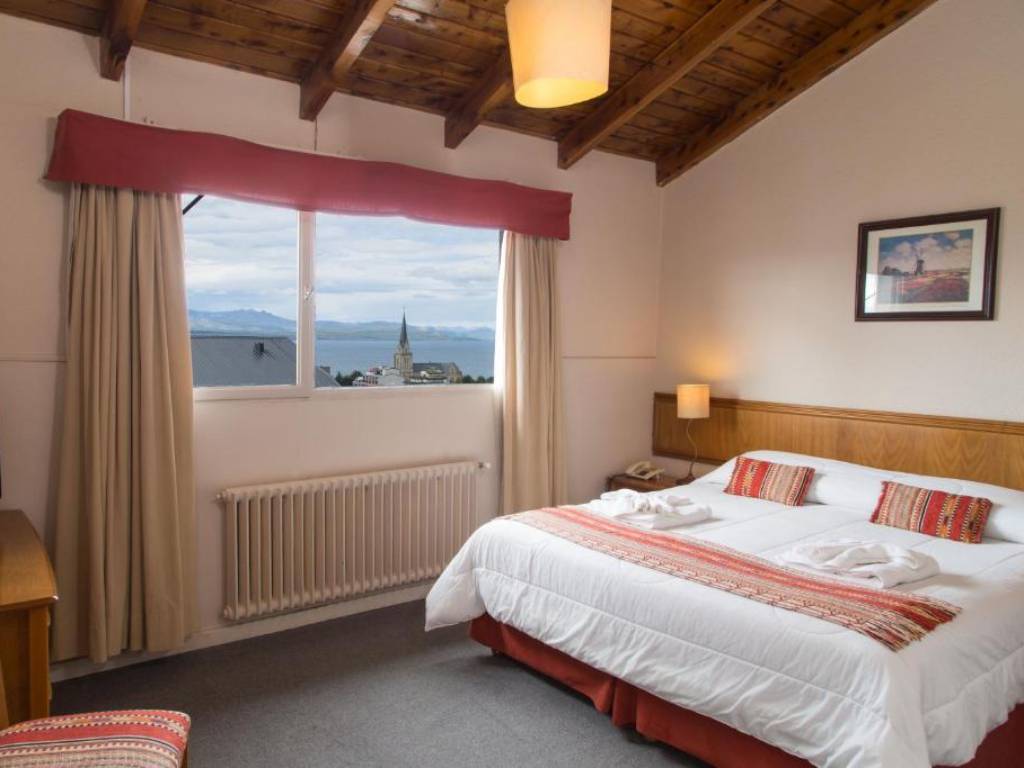
A traditional hotel near the Civic Centre that is a step up from hostel accommodation. Book a specific lake-view room if the outlook is part of the reason for staying.

Best Budget Accommodation in El Calafate and El Chaltén
America del Sur Calafate Hostel
A hilltop hostel with panoramic views, a communal kitchen and a sociable restaurant-bar. The uphill approach is the trade-off for the outlook and atmosphere.
Folk Hostel
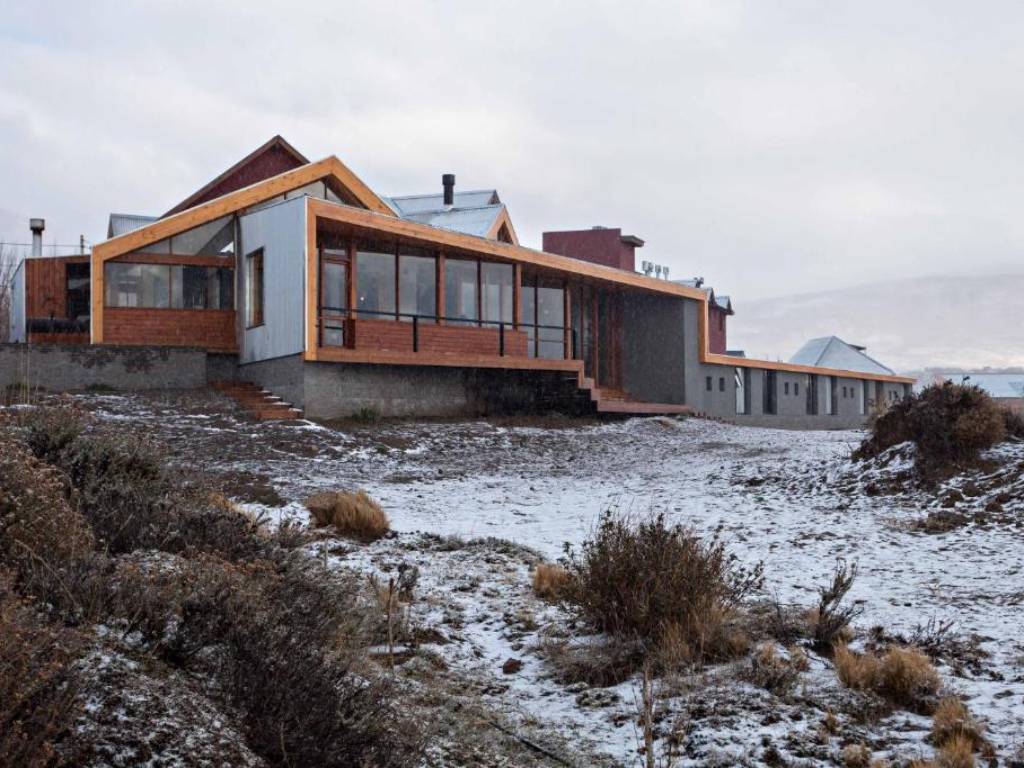
A bright modern hostel with a communal kitchen close to the bus terminal. It is the practical choice when an early bus or overland connection matters more than central nightlife.
Hostel House 64Bigüa
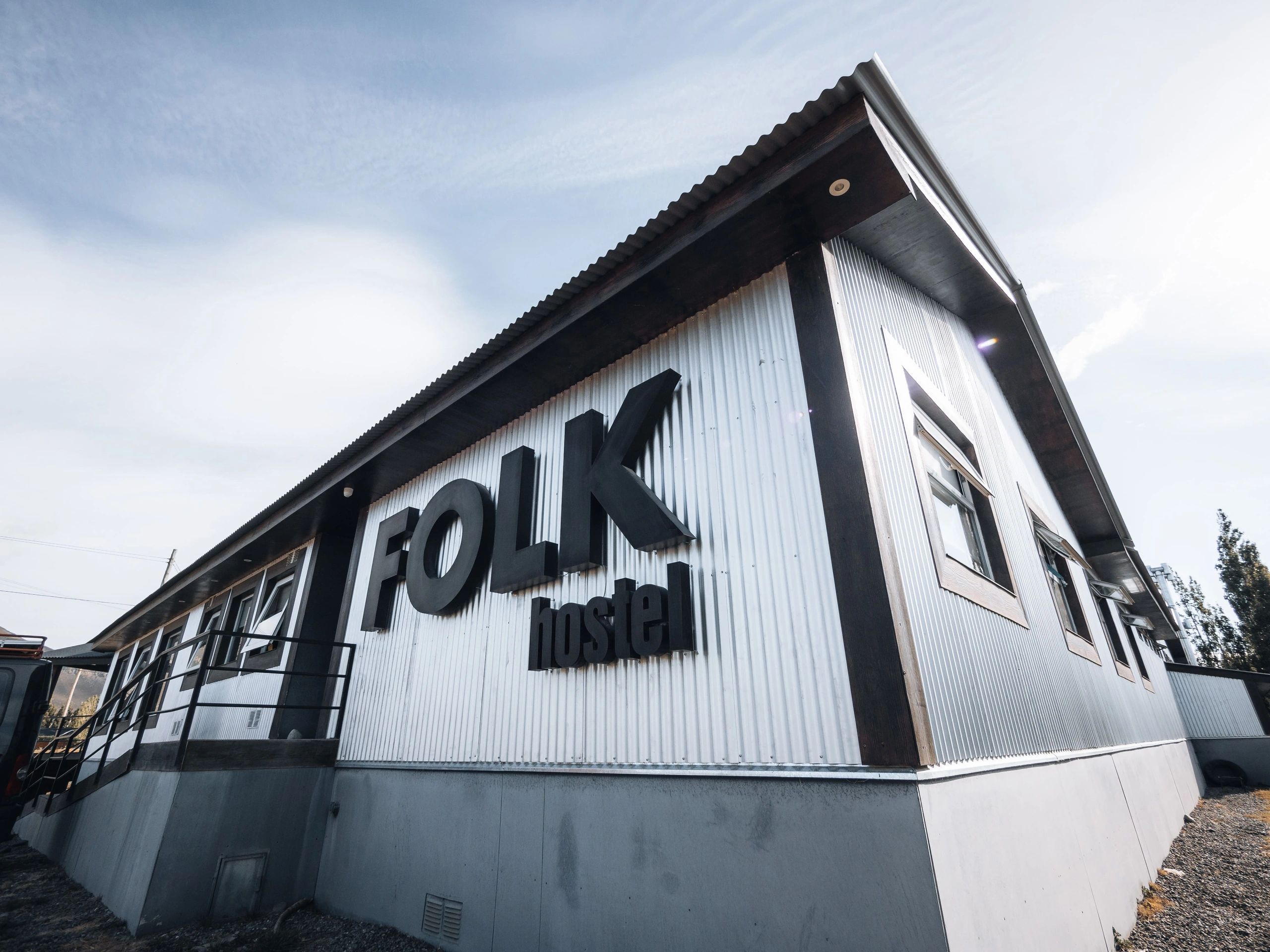
A compact adults-only hostel with privacy curtains and shared kitchens. It offers a calmer, more personal alternative to the large backpacker properties.
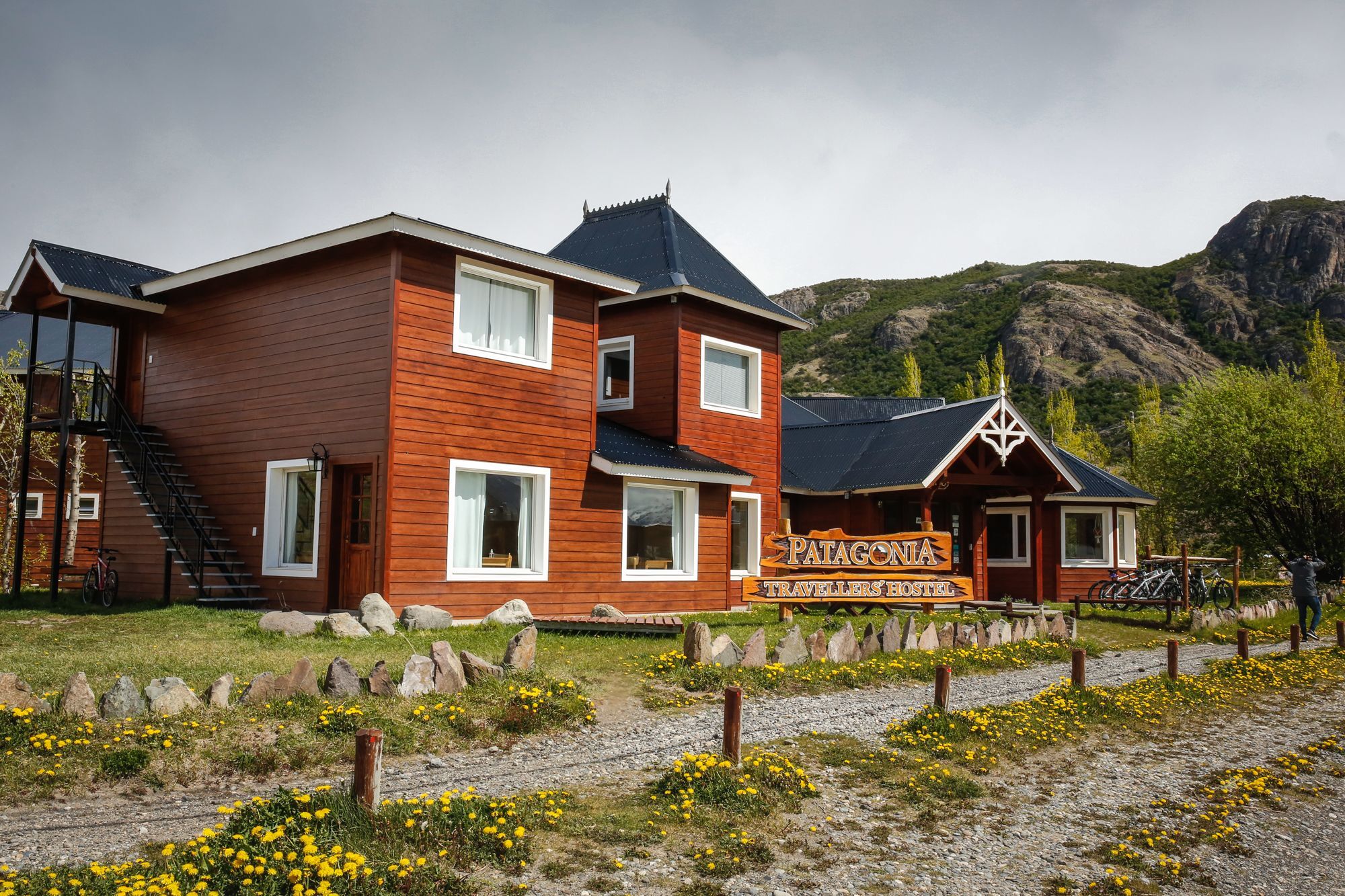
Patagonia Travellers' Hostel
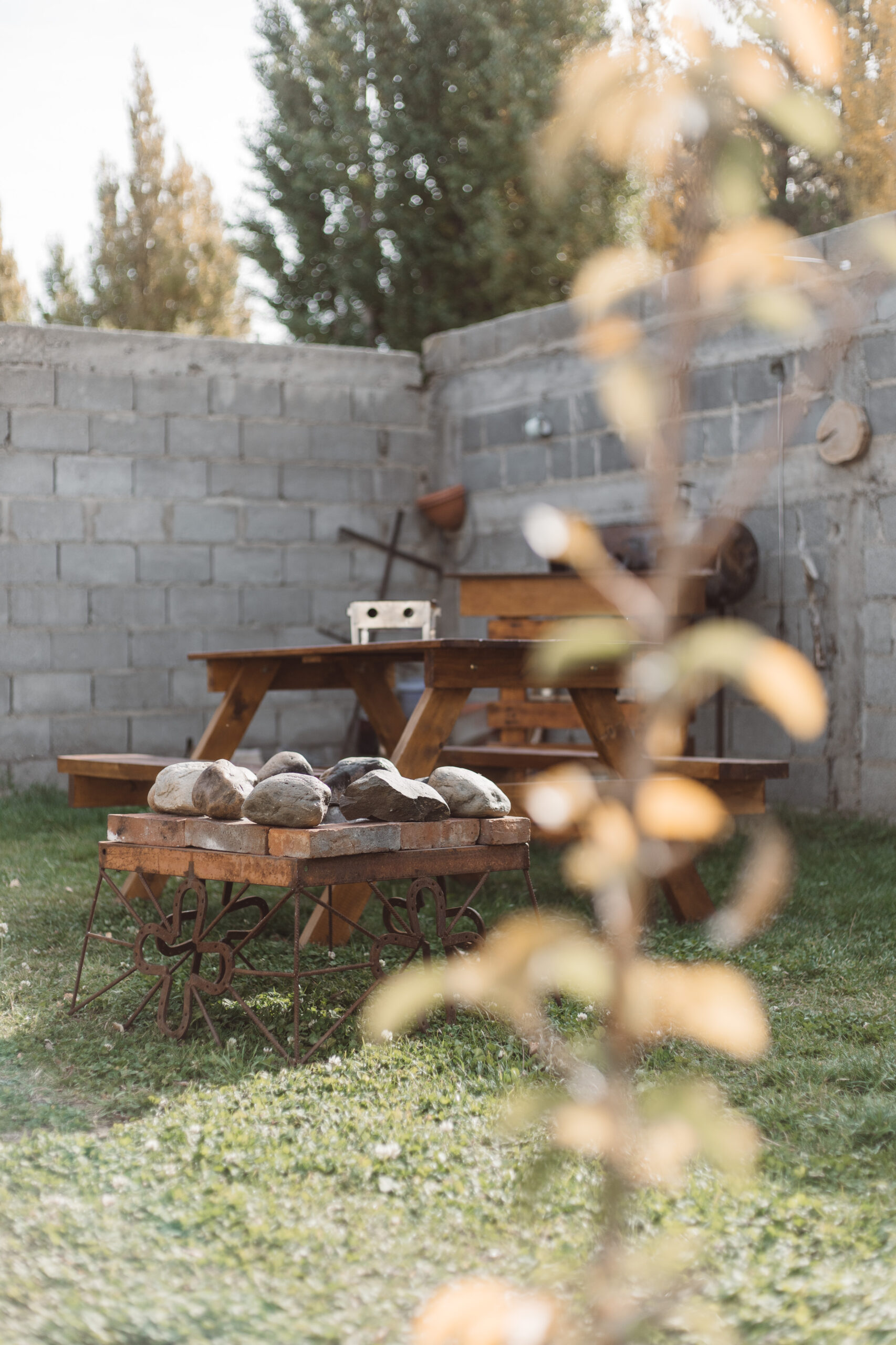
A long-running main-street hostel with dorms, private rooms, a shared kitchen, bar and restaurant. It is the easiest choice for sociability and everyday convenience.
Rancho Grande Hostel
A large trekker hostel close to the northern trail access, with a 24-hour restaurant, guest kitchens and luggage storage. It suits solo hikers and late arrivals who want a busy atmosphere.
Anita's House
Bright owner-run apartments with full kitchens, dining areas, garden space and flexible family layouts. Sharing one unit and cooking can make it better value than several private rooms.
Best Budget Accommodation in Puerto Natales and Ushuaia
El Patagónico Hostel
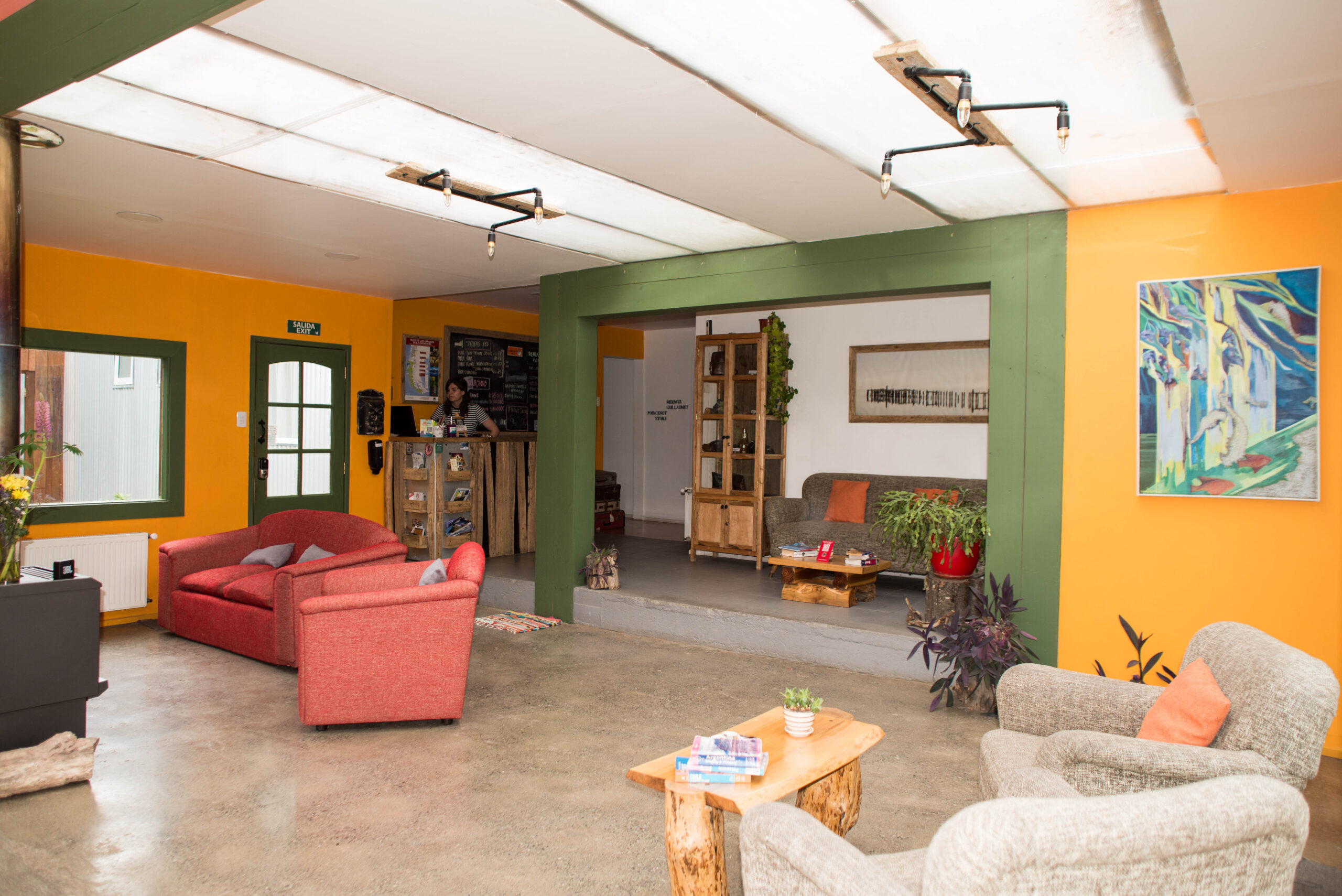
A family-run hostel with a kitchen, luggage storage, gear rental and practical trip help. Its early breakfast and bus-terminal-side position make it a strong pre-trek base.
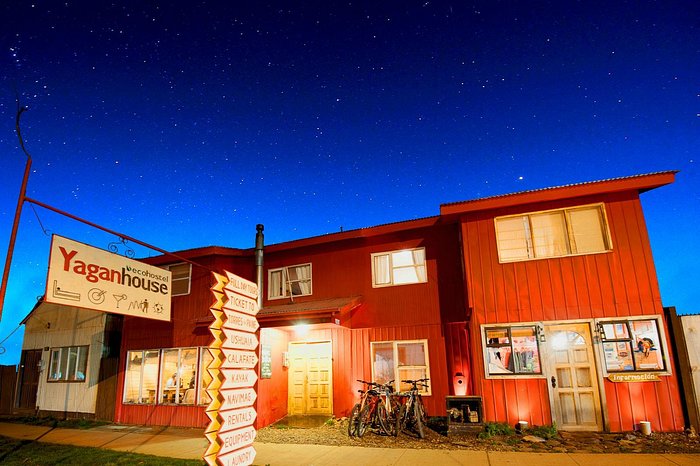
YaganHouse
A sustainability-focused hostel with a shared kitchen, lounge, garden and private-room options. The central setting helps with supermarket and gear-shop errands.
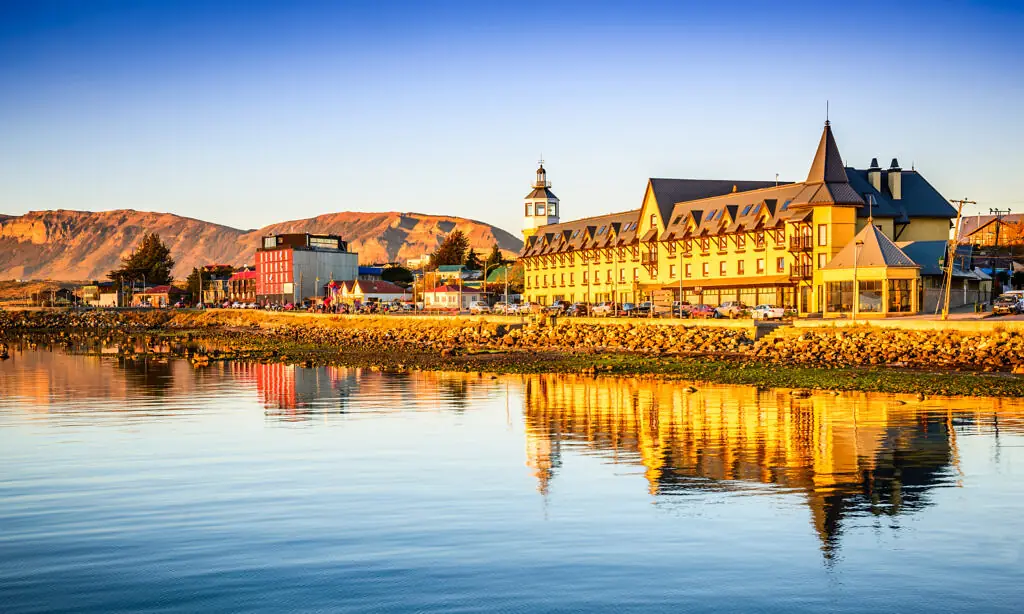
Puma House
A warm hostel with kitchen and lounge space plus private and shared rooms. It is calmer than the most social backpacker picks while remaining useful for the bus terminal.
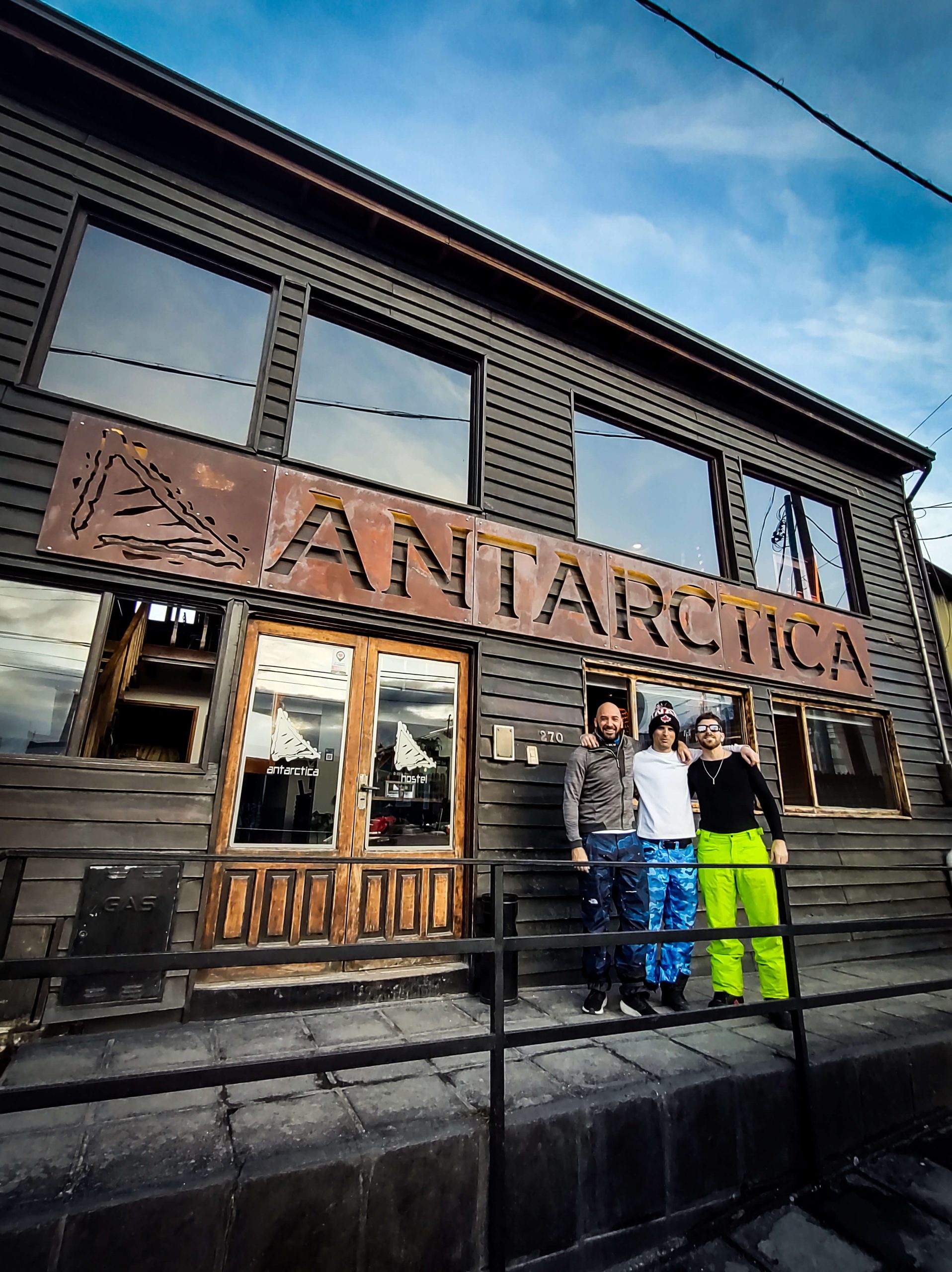
Antarctica Hostel
A polished sociable hostel near the waterfront and Maritime Museum, with a communal kitchen, barbecue area and lockers. It is an easy choice for solo travelers who want to meet people.
Oshovia Hostel
A modern adults-only hostel with privacy-curtain dorms, private rooms, a strong shared kitchen and comfortable common spaces. It offers a calmer alternative to the central backpacker hostels.

La Posta Apart
Fully equipped apartments with kitchens, living space, housekeeping and parking. They suit families and longer stays when space and calm matter more than central nightlife.

How to Find Good-value Accommodation in Patagonia
Patagonia Budget Accommodation at a Glance
- Lowest-cost social option: Dorm bed in a town hostel
- Best value for couples: Compare a private hostal room with two dorm beds
- Lowest-cost park option: Authorized camping, booked as part of a confirmed route
- Best Value Country: Argentina (for dining/activities); Chile (for hostel quality)
- Biggest Saving Hack: 19% IVA exemption in Chile
- Booking Priority: Book early for peak summer in El Chaltén, Puerto Natales and Torres del Paine
Understanding the Budget Landscape: Argentina vs. Chile
The cost of your stay depends heavily on the destination, season, cancellation terms and payment method. Argentine prices can change rapidly, while remote Chilean park accommodation often has a high fixed cost because of transport and supply logistics.
In Argentina, compare the property’s final card and cash totals rather than relying on an older exchange-rate rule. Ask for the currency, taxes, cancellation terms and payment deadline in writing.
In Chile, ask whether the quoted total includes IVA and whether any visitor treatment applies to your booking and payment method. Requirements can change, so confirm directly rather than assuming a discount.
- Primary Saving: Cash Discounts (10-15%) (Argentina Budget Stays)
- Primary Saving: 19% IVA Tax Exemption (Chile Budget Stays)
- Price behavior: Can change quickly with local conditions (Argentina Budget Stays)
- Price behavior: Often more stable but high in remote parks (Chile Budget Stays)
- Payment strategy: Confirm currency, tax and final total (Argentina Budget Stays)
- Payment strategy: Confirm IVA treatment and accepted methods (Chile Budget Stays)
- Booking Ease: Often requires WhatsApp (Argentina Budget Stays)
- Booking Ease: Standard on Booking.com (Chile Budget Stays)
Chile offers more consistent hostel infrastructure and easier tax savings, while Argentina can be cheaper for those using cash and visiting during the shoulder season.
Types of Budget Accommodation in Patagonia
Choosing the right property type is the difference between an “affordable” trip and a “cheap” one. In Patagonia, the terminology matters. A hostel is a social hub with dorms, but a hostal is often a quiet, family-run guesthouse that offers better value for couples.
Hostels (Dorms)
The social backpacker scene remains the backbone of budget travel. Dorms suit solo travelers, but couples should compare the total for two bunks with a private room in a residencial, hostal or apartment.
Hostales & Residenciales
These are the “budget secret” of the region. Usually operated out of a large family home, these guesthouses provide private rooms with either shared or private bathrooms. They are almost always cheaper than traditional hotels and offer a more authentic experience, often including a home-cooked breakfast of bread and regional jams.
Cabañas
If you are traveling in a group of three to five people, cabañas (cabins) are the most economical choice. These are self-catering units with kitchens, allowing you to save significantly on food costs. When split between four people, a comfortable cabin often costs less per person than a hostel dorm.
Torres del Paine refugios can be expensive once meals and bedding are included. Camping usually has the lowest entry price inside the park, although equipment rental and food can narrow the difference.
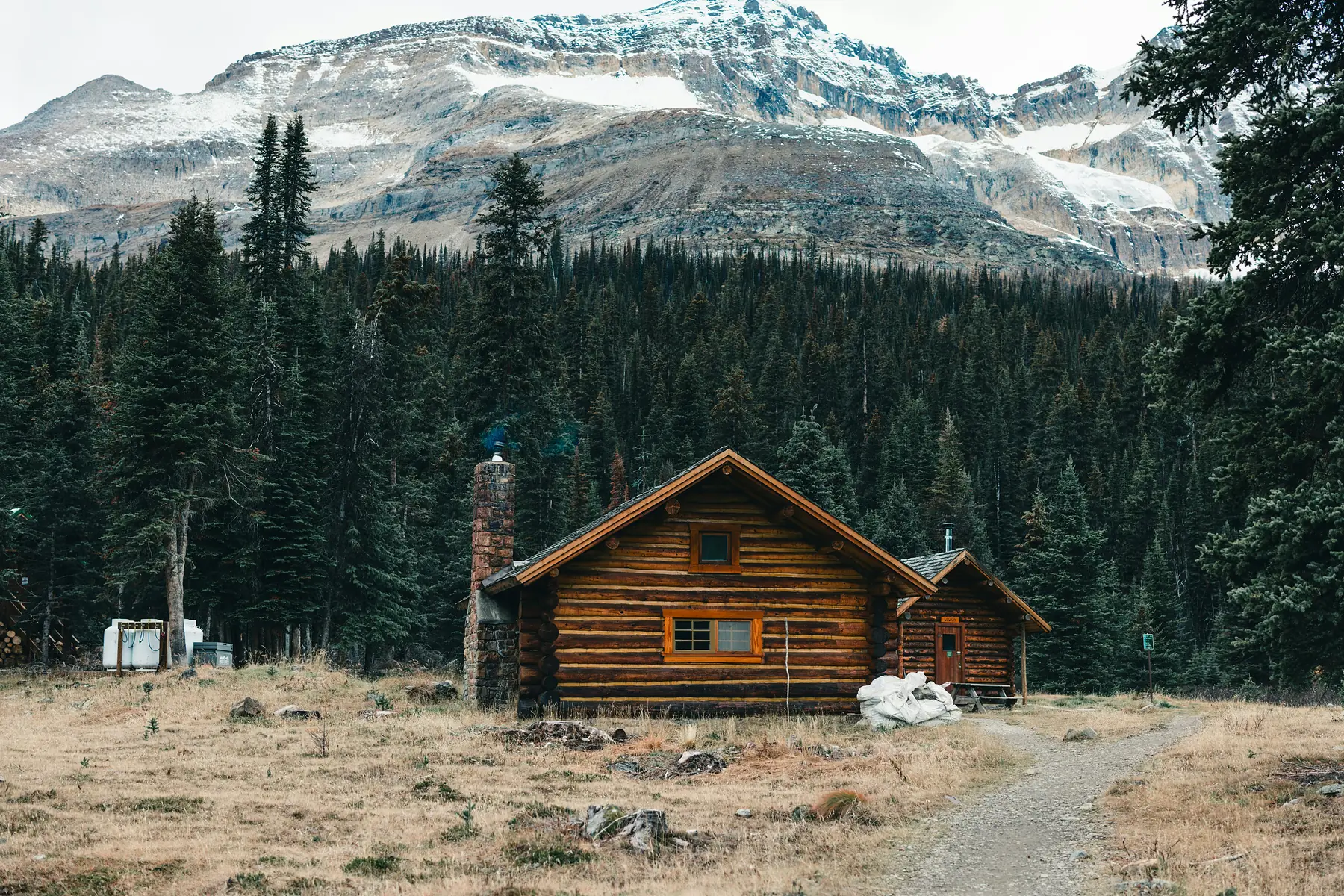
Top Budget-Friendly Destinations in Patagonia
Not all Patagonian towns are created equal when it comes to your wallet. Some hubs are naturally more affordable because of high competition or the availability of free activities that offset the cost of a bed.
To find the best deals in these specific hubs, you can explore our detailed guides for El Chaltén and Puerto Natales.
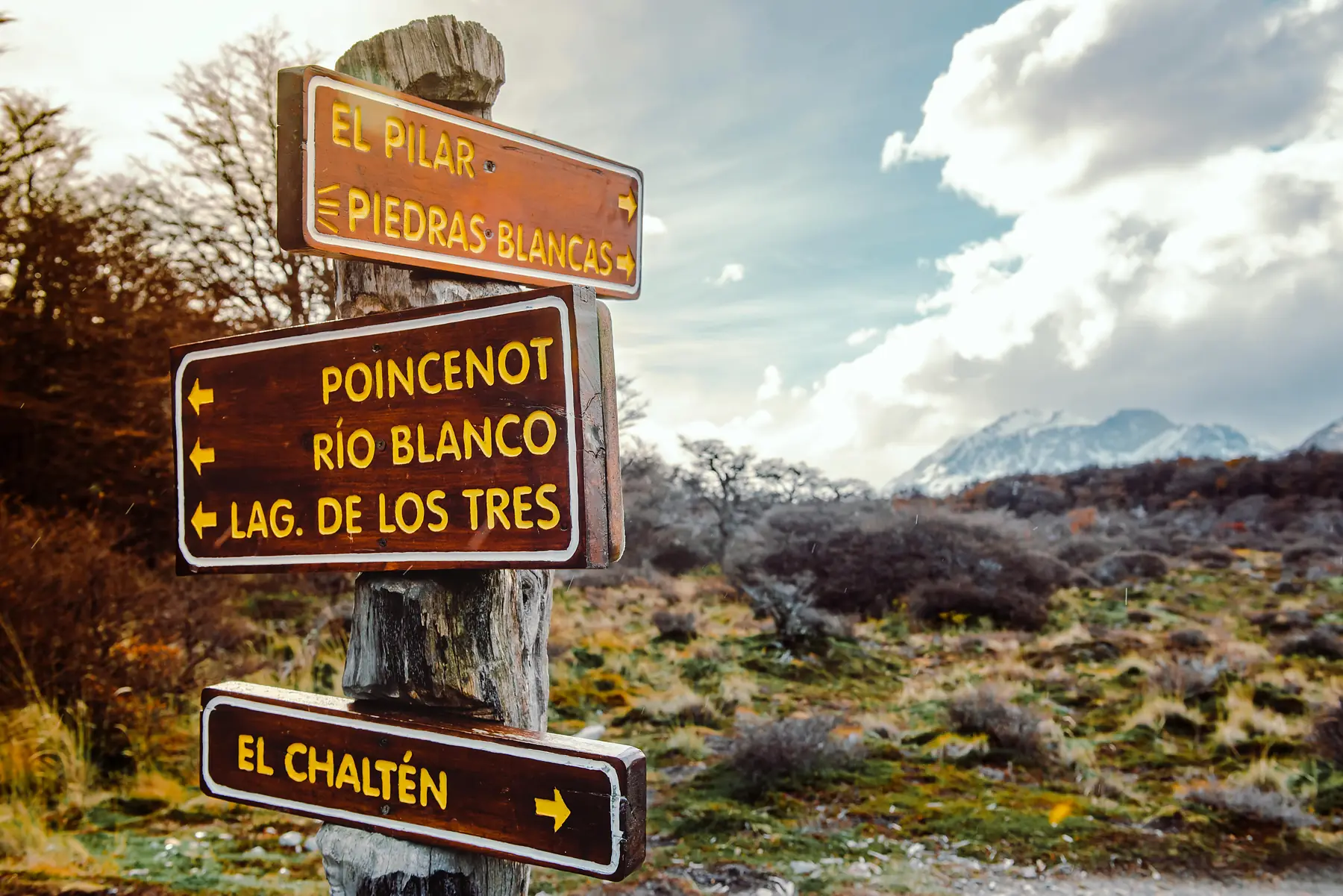
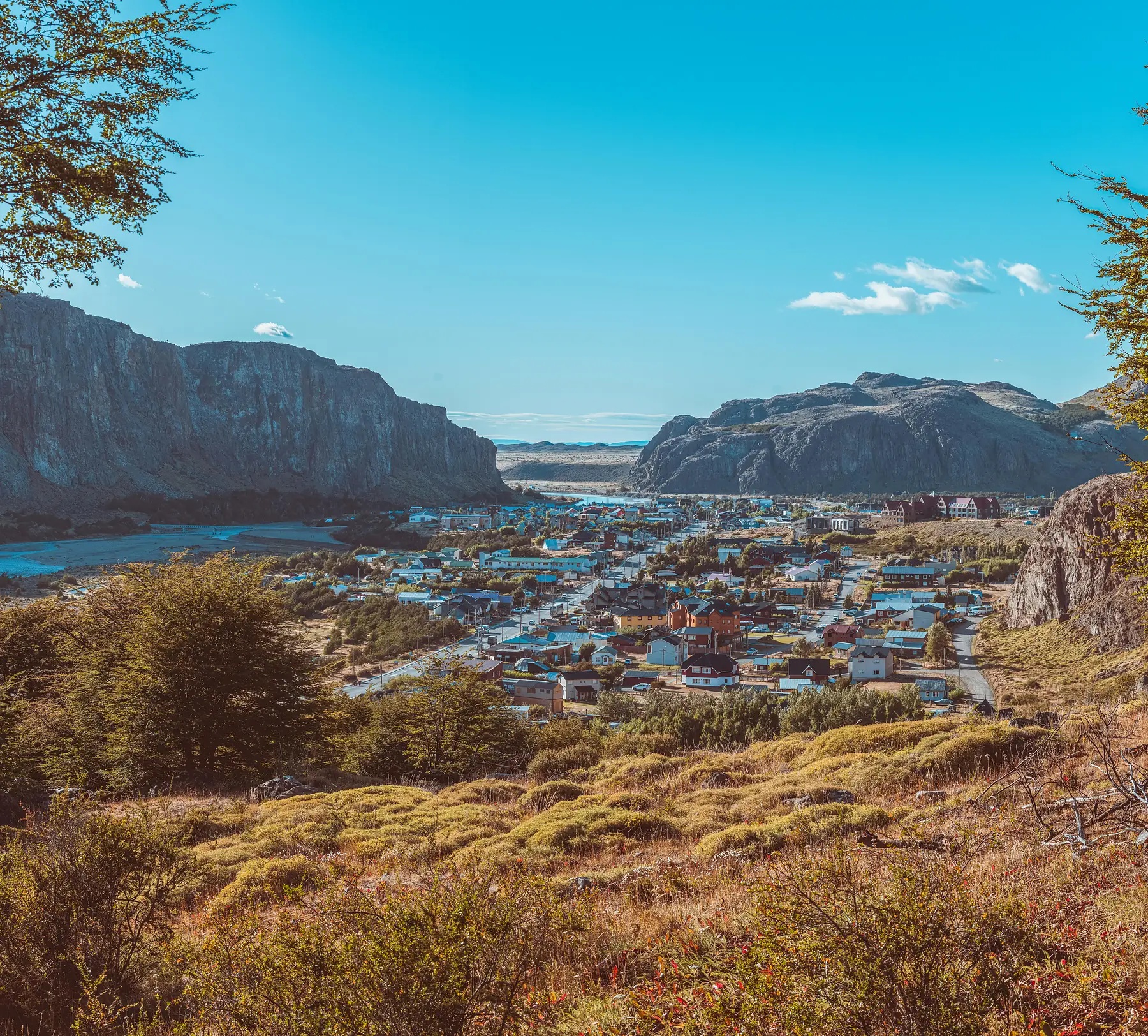
- El Chaltén (Argentina): Many major trailheads begin at the village edge, reducing daily transport costs. Check the current Los Glaciares entry rules separately.
- Bariloche (Argentina): Because this is a major year-round city, the sheer volume of hostels and guest houses creates high competition. You can often find some of the lowest dorm rates in the country here, especially if you stay slightly outside the city center.
- Puerto Natales (Chile): While the nearby national park is expensive, the town itself is filled with “residenciales” catering to hikers. It is significantly cheaper to base yourself here and take buses to the park than to stay at the park entrance.
- Puerto Varas (Chile): This is a more affordable alternative to the expensive lodges found deeper in the Lake District. It has a high concentration of well-maintained hostels and easy access to public local buses.
Check Chilean Accommodation Tax Before Paying
Tax treatment can depend on your visitor status, documentation, property type and payment method. Ask whether the displayed total includes IVA, what documentation the property requires and which currency will be charged. Make sure the written total matches the final payment.
Paying for Accommodation in Argentina
Exchange rates and card settlement rules change. Compare the amount that will actually be charged in the stated currency, and check your card issuer’s conversion before choosing between platform, card and direct payment.
If a property offers a direct-payment discount, request the total and cancellation terms in writing. Do not send an irreversible payment unless you have verified the property and booking details.
For a full breakdown of how to navigate these complex currency markets, read our guide on money and currency in Patagonia.
Camping in Patagonia: The Ultimate Budget Strategy
Camping usually offers the lowest accommodation price in wilderness areas, but the complete cost includes gear, food, transport and park reservations.
For those planning to spend significant time under canvas, we have compiled a list of essential camping gear specifically for the high winds of the region.
- Torres del Paine: Reserve every authorized site as part of a complete route and compare the two operators’ current products.
- Carretera Austral: Use established campsites or obtain explicit permission. Do not assume roadside land permits camping.
- Gear Rental: Reserve suitable equipment ahead in major trekking hubs and inspect it before leaving town.
Booking Tactics: When to Use Platforms vs. Direct Contact
The cheapest rooms in Patagonia often never make it onto Booking.com or Expedia. These “unlisted” gems are usually run by older locals who prefer direct communication.
The Google Maps + WhatsApp Method
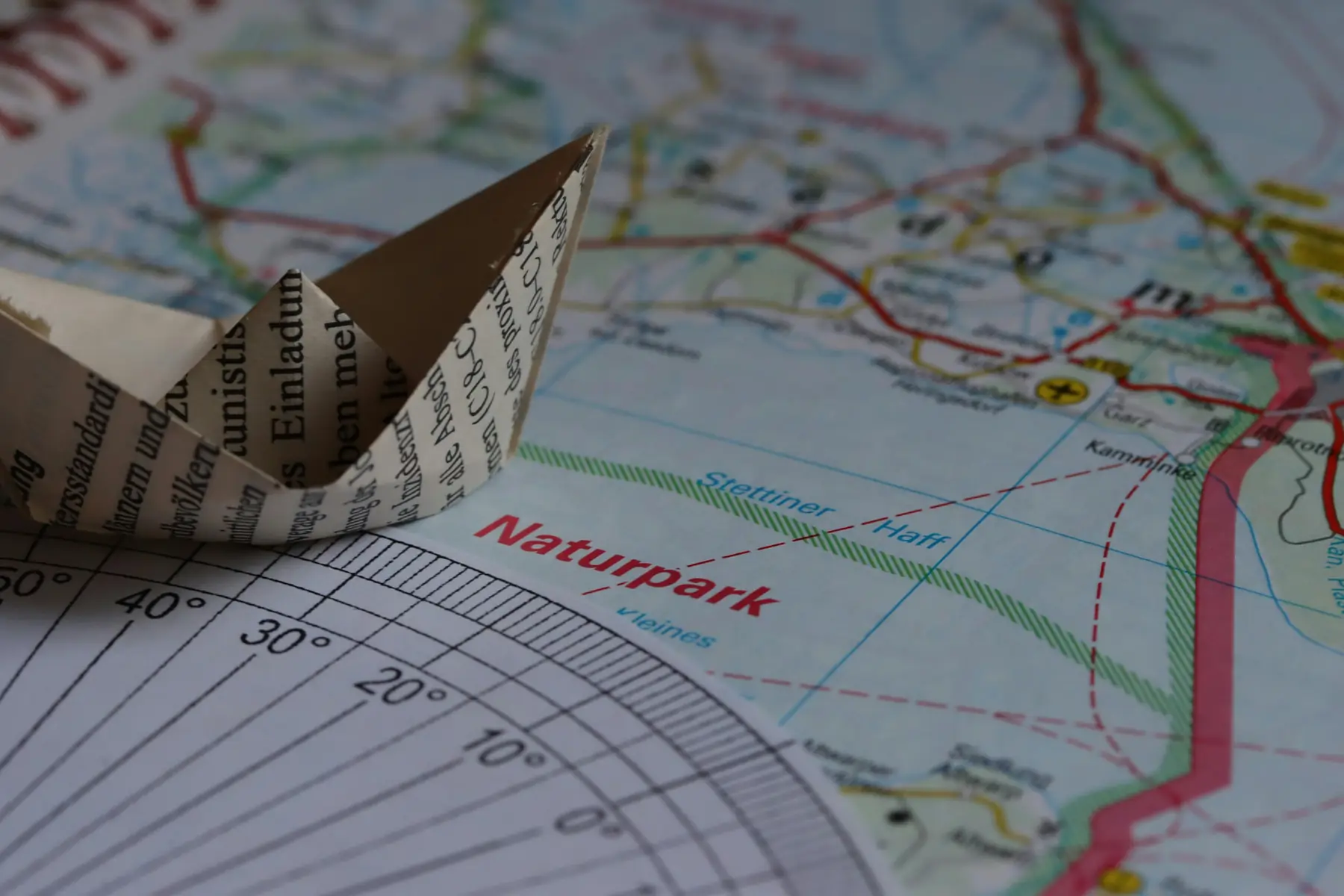
Open Google Maps in a town like El Calafate or Puerto Natales. Zoom in until you see small icons for “Residencial” or “Hospedaje.” Instead of clicking a booking link, look for a phone number. Message them on WhatsApp in basic Spanish asking for the “precio por noche.” You will often find rates 15 - 20% lower than what is advertised on major platforms.
Shoulder Season Savings
Shoulder-season dates can provide better value and more flexibility, but some seasonal properties and transport services may be closed. Confirm operations before relying on walk-in availability.
Frequently Asked Questions
QUESTION: Is it possible to find budget accommodation in Torres del Paine? ANSWER: Camping usually has the lowest entry price inside the park. Compare the current pitch, equipment and meal products, then reserve the complete route before buying transport.
QUESTION: Do hostels in Patagonia provide bed linens and towels? ANSWER: Most established hostels in Patagonia provide linens for dorm beds, but many budget residenciales and campsites require you to bring your own towel or sleeping bag. Always check the “amenities” list before arrival if you are not carrying your own gear.
QUESTION: Is it cheaper to stay on the Chilean or Argentine side of Patagonia? ANSWER: It varies by destination, date and exchange rate. Compare the final total for your exact itinerary rather than assuming one side of the border is always cheaper.
QUESTION: Do I need to book budget accommodation in Patagonia in advance? ANSWER: Book early for peak summer in El Chaltén and Puerto Natales, especially when you need a private room or specific location. Outside peak periods, confirm that seasonal properties are open.
QUESTION: Can I pay for budget hotels in Patagonia with a credit card? ANSWER: Most hostels and hotels in Patagonia accept credit cards, which is required to get the IVA tax exemption in Chile. In Argentina, cards are widely accepted and use the MEP rate, but cash is still king for securing the lowest possible “direct” rates.
QUESTION: Are there “free” places to stay in Patagonia? ANSWER: Some authorized campsites are free or inexpensive, but land access and park rules vary. Use designated sites or obtain explicit permission, and never assume that open land permits an overnight stay.
Related guides
Ad This page contains affiliate links. If you book through them, we may earn a commission at no extra cost to you.