Patagonia is the most expensive region in South America, with costs for a typical trip often mirroring those of Western Europe or the mountain towns of North America. This page answers the question with real numbers - what accommodation, food, transport, park entries, and treks actually cost in 2026. If you’re looking for the tactics to bring those numbers down, that’s a separate playbook - our Patagonia on a budget guide.
The “Patagonia sticker shock” is a real phenomenon for many travelers arriving from Buenos Aires or Santiago. Suddenly, the price of a craft beer, a hostel dorm bed, or a simple bus ticket doubles. This price hike is not a result of tourism greed alone; it is the economic reality of a vast, remote wilderness at the end of the inhabited world. For the 2025 - 2026 season, travelers must account for the fact that the gap between official and informal exchange rates in Argentina has narrowed significantly, while local inflation has made the country much more expensive in US Dollar terms than in previous years.
Patagonia Cost Reality at a Glance
- Economic Profile: High-cost region compared to South America; mid-range compared to the US or EU.
- Price Drivers: Extreme remoteness, short 5 to 7 month season, and complex logistics.
- Cheapest Hub: El Chaltén, Argentina (due to free hiking trails in the national park).
- Most Expensive Hub: Torres del Paine, Chile (due to high demand and limited lodging).
- Value Proposition: High safety standards, world-class trail maintenance, and unparalleled glacial access.
The Reality Check: Is Patagonia Expensive in 2026?
The short answer is yes, but the context matters. If you are comparing Patagonia to a backpacking trip through the Sacred Valley in Peru, your budget will feel stretched. If you are comparing it to a week of hiking in the Swiss Alps, a ski trip to Aspen, or an expedition cruise to Antarctica, Patagonia often represents excellent value for money.
In 2026, the region operates as “Two Patagonias.” The first is the luxury and all-inclusive experience, where travelers pay for seamless logistics, private guides, and high-end lodges. The second is the independent traveler experience, which relies on public buses, grocery store cooking, and camping. While the gap between these two has widened, the middle ground - mid-range hotels and moderate restaurant dining - remains accessible to those who plan ahead.
Infrastructure has improved significantly over the last decade. You are no longer paying high prices for “roughing it” in every instance. Modern bus fleets, reliable Wi-Fi in major hubs like El Calafate, and well-maintained trail networks mean that your dollars are increasingly going toward a smoother, safer experience.
Why is Patagonia So Expensive? (The Logistics of the End of the World)
The high costs of Patagonia are rooted in geography. Most of the region is thousands of miles from major manufacturing and agricultural centers.
Everything you consume - from the fuel in your tour van to the fresh eggs in your breakfast - must be trucked or shipped over vast distances. In many parts of Southern Chile, there are no roads connecting the region to the north, meaning goods must travel by sea or through Argentina. This “logistics tax” is baked into every price tag.
Seasonality is the second major driver. Most hotels, tour operators, and refugios operate on a strictly seasonal basis. They have a narrow five-month window to generate enough revenue to cover their year-round costs, including staff housing and maintenance in a harsh climate.
Furthermore, in flagship destinations like Torres del Paine, a small number of concessionaires hold monopolies on lodging and transport. With demand for the W Trek far outstripping the supply of beds, prices for refugio bunks and park transfers remain high. Finally, the cost of living for staff in remote towns is high, leading to higher labor costs that are eventually passed on to the traveler.
Patagonia vs. Europe and North America: A Cost Comparison
When travelers ask if Patagonia is expensive, they are usually trying to calibrate their expectations against familiar destinations.
If you spend a day in El Chaltén, your daily spend on a nice dinner and a comfortable hotel room will feel very similar to a day in the Italian Dolomites or the Canadian Rockies. The primary difference is the “entry fee” to the wilderness. In the United States, national park permits are often low-cost but difficult to secure via lottery. In Patagonia, specifically on the Chilean side, you pay a higher premium for the park entrance and the mandatory boat or bus transfers required to reach the trailheads.
- Hiking Fees: High entrance fees in Chile; mostly free in Argentina (except Perito Moreno). | Mostly free access; high costs for cable cars and lifts.
- Accommodation: A mix of high-end lodges and rugged campsites. | Extensive network of mountain huts (rifugios) with high standards.
- Dining: World-class steak and wine at lower prices than Europe. | High-quality local cuisine but expensive in mountain villages.
- Logistics: Requires long bus rides or internal flights. | Dense rail and road networks make travel faster and cheaper.
Patagonia offers a wilder, more remote feel for a similar daily cost, but Europe wins on transport accessibility.
Where Patagonia wins on value is in the “extra” experiences. A bottle of world-class Malbec or a high-quality grass-fed steak in an Argentine parrilla will cost significantly less than an equivalent meal in London, Paris, or New York.
The “Worth It” Factor: Price vs. Value
The cost of Patagonia is essentially a “wilderness tax.” You aren’t just paying for a bed or a meal; you are paying for access to some of the most dramatic and pristine landscapes on Earth.
Patagonia has well-established hiking infrastructure in its main parks, including marked trails and designated campsites. Budget for drinking-water treatment when hiking rather than relying on untreated streams.
Most travelers find that they regret the money they didn’t spend more than the money they did. Skipping a bucket-list excursion like ice trekking on the Perito Moreno Glacier or taking the boat across Lago Grey to save a few hundred dollars often leads to “traveler’s remorse” once you realize the sheer scale of what you missed.
Budget Archetypes: Can You Afford Patagonia?
Because “expensive” is subjective, it helps to identify which style of travel fits your financial reality.
- The “Dirtbag” Hiker: This traveler prioritizes the mountains over comfort. By carrying their own gear, wild camping where legal, and buying all their food at supermarkets in towns like Puerto Natales, they can keep costs low. Their biggest expenses will be park entrance fees and the occasional bus.
- The “Flashpacker”: This is the most common traveler. They stay in hostel dorms or budget hosterias, eat out at a restaurant every second night, and pick one or two “big” excursions (like a guided glacier trek) to splurge on.
- The “Comfort Seeker”: This traveler wants a private room with a hot shower at the end of every day. They rely on 3-star hotels, eat most meals in restaurants, and use internal flights to maximize their limited vacation time.
- The “Luxury Explorer”: This traveler stays in all-inclusive lodges where every detail - from airport transfers to gourmet packed lunches - is handled. They often use private guides to escape the crowds and value seamlessness above all else.
To see how these styles translate into actual daily numbers and total trip estimates, you can view our detailed breakdown.
To see the numbers for your travel style:
Hidden Costs That Catch Travelers Off Guard
Even the best-planned budgets can be derailed by the specific quirks of Patagonian travel. One of the most common surprises is the “Equipment Rental Tax.” If you arrive without a high-quality 4-season tent, a down sleeping bag, or trekking poles, renting these items daily in town can quickly add up to the price of buying them outright.
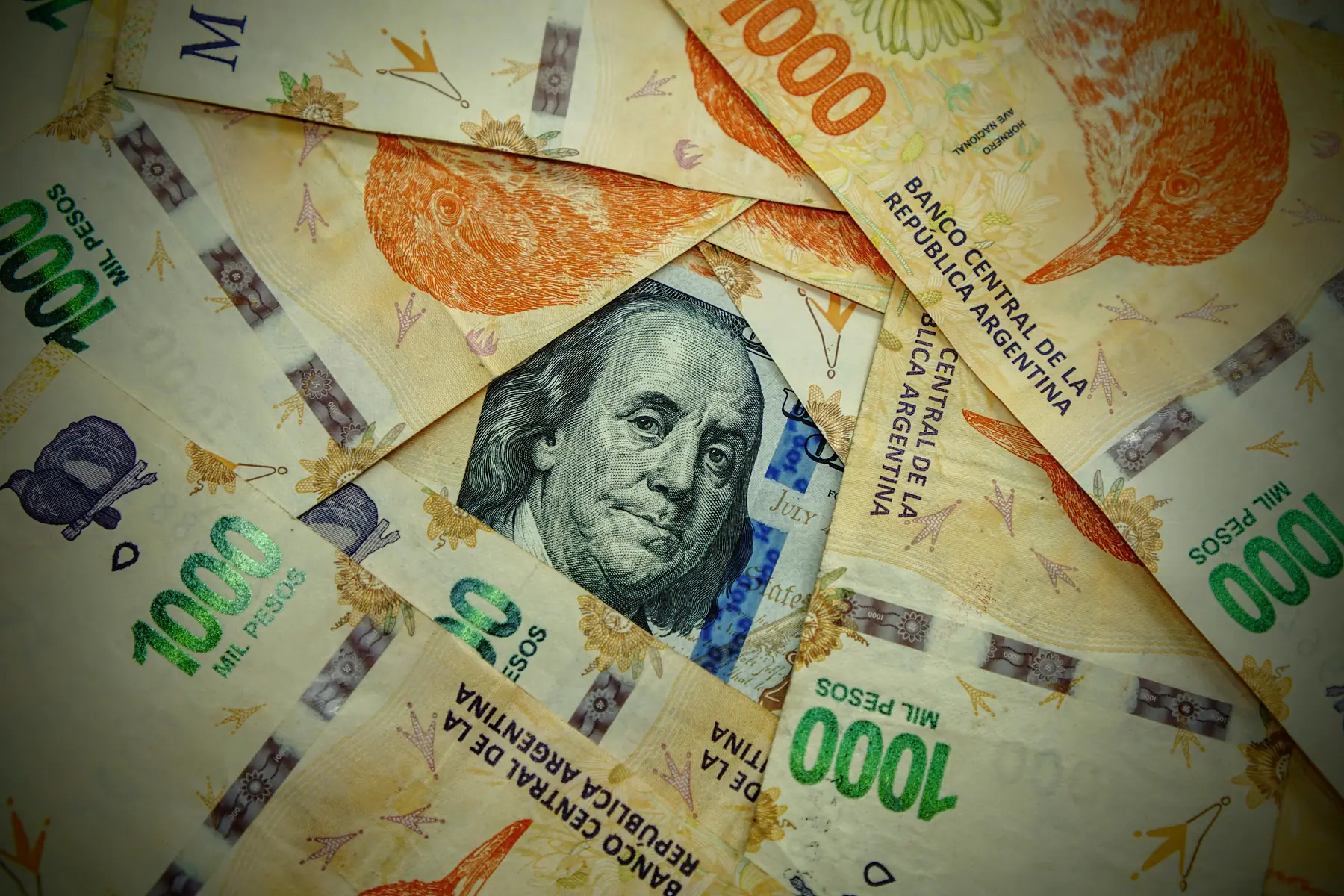
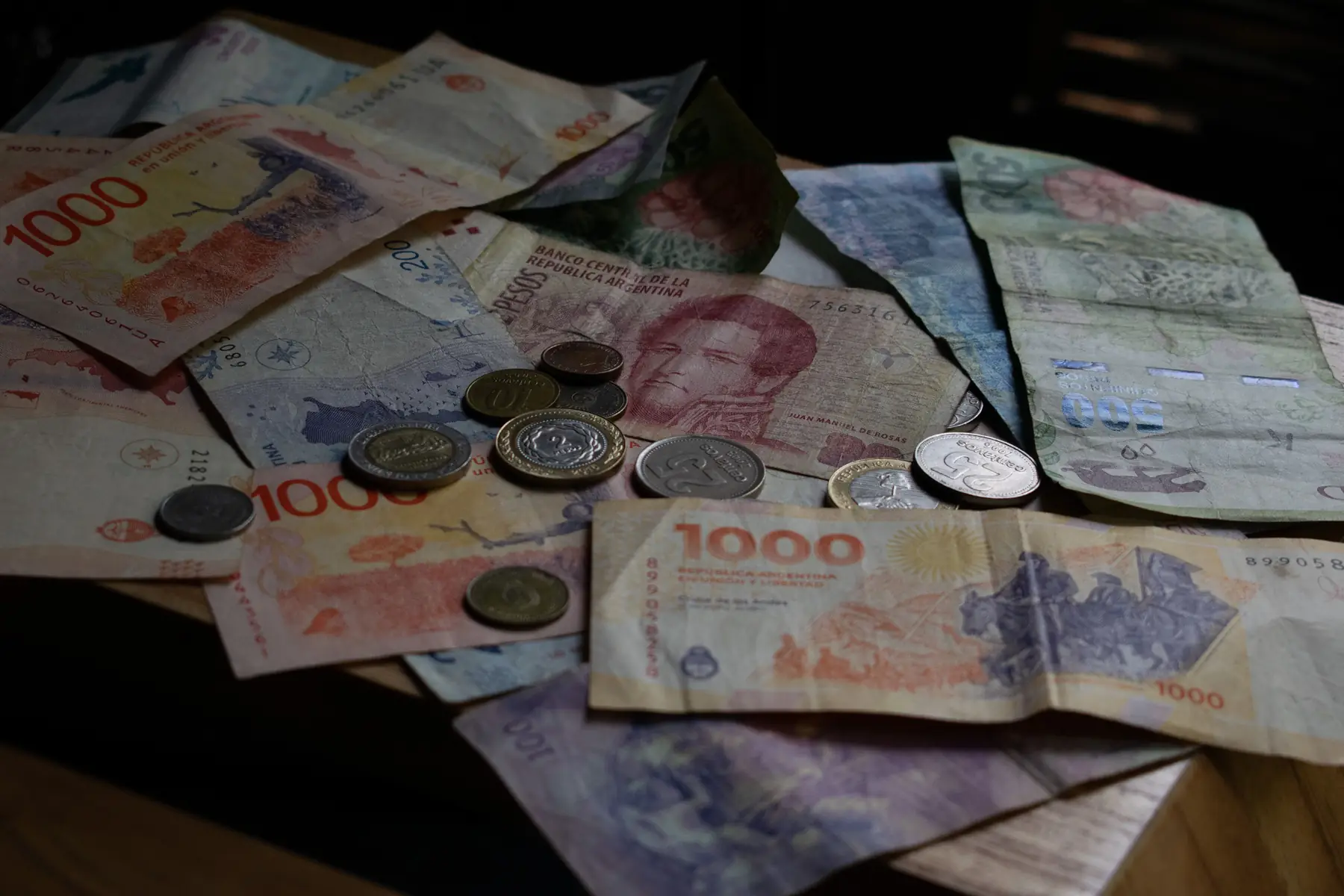
Currency and banking also present hurdles. In Argentina, the gap between the official exchange rate and the informal “Blue Dollar” has narrowed significantly as of 2025, meaning travelers no longer receive the massive discounts of previous years. Furthermore, ATM fees in remote towns are notoriously high, and machines frequently run out of cash during the peak January - February season.
Strategic Ways to Make Patagonia Affordable
You do not need to be wealthy to visit Patagonia, but you do need to be strategic. The single most effective way to lower your costs is to leverage the shoulder season. Traveling in October or April can see accommodation prices drop by 20 - 30% compared to the December peak.
Another powerful strategy is the “El Chaltén Pivot.” Because the trails in El Chaltén (Argentina) start right from the edge of town and have no entrance fees, you can hike for a week for the cost of your groceries and a hostel bed. In contrast, Torres del Paine (Chile) requires expensive permits, transport, and often high-priced campsite reservations.
Managing your food is the final lever. The price difference between a $30 restaurant dinner and a $6 supermarket pasta meal is significant over a two-week trip. Most hostels and even some refugios provide kitchen access, which is the primary tool for the budget-conscious traveler.
For more ways to save:
FAQ
Is the water in Patagonia safe to drink? Use designated drinking-water supplies confirmed potable by staff. In Torres del Paine and other national parks, clear glacial streams can still contain germs. Boil uncertain water or filter and then disinfect it according to the product instructions; our water-safety guidance explains the options.
Why is the W Trek in Torres del Paine so expensive? The W Trek is expensive due to limited competition among refugio owners and the extreme logistics required to maintain remote camps. For the 2026/27 season, operators continue to rely on expensive helicopter resupplies for remote mountain camps and pack horses for others, costs which are passed on to the traveler. Additionally, high demand for a short season allows for premium pricing.
Is it cheaper to visit Patagonia in Chile or Argentina? Historically, Argentina was significantly cheaper due to favorable informal exchange rates. However, as of the 2026/27 season, the exchange rates have stabilized and local prices in Argentina have risen, making the two countries largely comparable. Argentina still offers more free hiking in El Chaltén, while Chile offers a wider range of luxury infrastructure.
Is Patagonia more expensive than a trip to Europe? Patagonia is comparable in price to Western European countries like France or Austria, particularly regarding high-quality meals and mid-range accommodation. However, the cost of reaching Patagonia from the Northern Hemisphere often makes the total trip price higher than a European holiday.
Can I visit Torres del Paine on a budget? Yes, you can visit Torres del Paine affordably by bringing your own camping gear, booking campsites early, and using public buses rather than private transfers. Cooking your own meals instead of buying the refugio meal plans can save you over $60 USD per day.
Are national park fees in Patagonia expensive? National park fees for international visitors are relatively high. For the 2026/27 season, Torres del Paine park entry costs CLP 48,500 for a multi-day pass or CLP 32,400 for a day pass, purchased via pasesparques.cl. The Perito Moreno sector of Los Glaciares is approximately $45,000 ARS for international visitors.