Patagonia is one of the safest regions in the world for international travelers. Crime rates across southern Chile and Argentina are significantly lower than in their respective capital cities, and violent crime against tourists is almost non-existent in the region.
The primary risks you will face in Patagonia are not related to personal security, but rather to the environment - unpredictable weather, remote trails, and the logistical challenges of limited infrastructure. By exercising standard travel common sense in urban hubs and following established backcountry protocols in the national parks, you can explore this wilderness with a high degree of confidence and safety.
Patagonia Safety at a Glance
- Overall Risk: Very Low.
- Primary Concern: Environmental hazards (wind, cold, remote terrain).
- Petty Crime: Rare, but increasing in major transit hubs like Bariloche.
- Solo Travel: Highly safe and culturally supported.
- Wildlife: Pumas are the only large predator, but encounters are rare and manageable.
- Water: Tap water is safe in cities; glacial water is generally safe on trails.
To begin your journey with the right foundation, it is helpful to understand the broader context of planning a trip to Patagonia.
Safety in Patagonia: The 2026 Reality Check
Statistically, Patagonia remains a sanctuary of safety within Latin America. Both Chile and Argentina consistently rank as the safest countries on the continent, often appearing higher in global safety indexes than several European or North American nations. In the 2025 Global Peace Index, Argentina was ranked as the most peaceful country in South America, with Chile also maintaining a top-three regional position. In the southern regions, this sense of security is amplified by a low population density and an economy that is deeply invested in the well-being of its visitors.
The safety profile of Patagonia changes as you move from gateway cities into the wilderness. In towns like Puerto Natales or El Calafate, the “small-town feel” is genuine; locals often leave doors unlocked, and walking alone at night is standard practice. However, as 2026 approaches, the region has seen a slight uptick in opportunistic petty theft in high-traffic tourist areas. This is not a cause for alarm, but a reminder that the “Patagonian bubble” still requires basic vigilance.
Safety here is a shared responsibility between the traveler and the environment. While you are unlikely to be mugged, you are at risk of being caught in a storm without proper gear or getting lost on an unmarked trail. Understanding this shift from “social risk” to “environmental risk” is the key to a successful trip.
Crime and Personal Security in Gateway Cities
While violent crime is exceptionally rare, petty theft is the most common security issue for travelers. This is almost exclusively opportunistic, occurring in crowded bus stations, popular viewpoints, and busy restaurant districts. In cities like El Calafate and Puerto Natales, the risk is minimal, but specific hubs require more attention.
In Bariloche, a specific issue has emerged involving rental cars. Reports have increased regarding “inhibidores” (signal jammers) used to prevent remote car locks from engaging, allowing thieves to access vehicles parked at popular trailheads like Circuito Chico and near the Llao Llao Municipal Park.
Never leave passports, electronics, or expensive hiking gear in a parked rental car, even if it is hidden in the trunk. This is especially critical at trailheads near Bariloche and El Chaltén where cars are left unattended for several hours.
Hitchhiking, or “hacer dedo,” is a long-standing tradition in Patagonia, particularly along the Carretera Austral. It is generally considered safe and is a common way for locals and budget travelers to get around. However, the standard rules of safety apply - always trust your intuition, try to hitch in pairs, and ensure someone knows your intended route. For a full breakdown of the logistics, see our guide on hitchhiking in Patagonia.
If you are planning to drive yourself, being aware of these local nuances is essential. You can find more practical advice in our guide to car rentals in Patagonia.
Is Patagonia Safe for Solo Female Travellers?
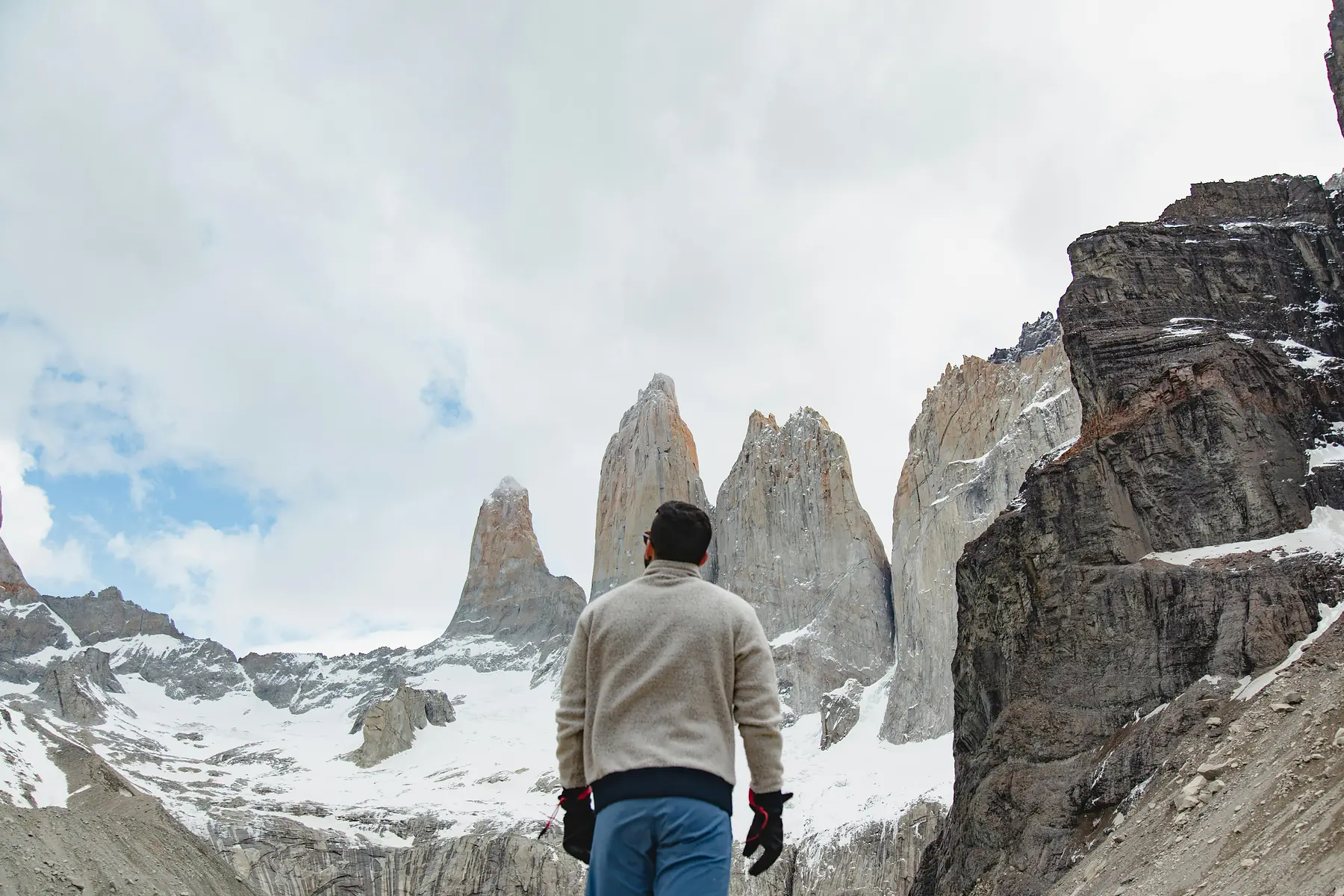
Patagonia is widely regarded as one of the most empowering and safe destinations for solo female travelers. The region lacks the “machismo” culture often associated with other parts of Latin America, and solo women are generally met with respect and helpfulness rather than unwanted attention.
The safety of solo travel here is bolstered by the nature of the tourism. Most visitors are there for trekking and nature, creating a community of like-minded travelers. On popular routes like the W Trek or the trails around Fitz Roy, you are never truly alone unless you choose to be. The infrastructure of “refugios” (mountain lodges) and hostels makes it easy to find a group to hike with if you prefer company for specific sections.
Elena M., Solo Trekker 2025I spent three weeks solo in Patagonia and never once felt my safety was compromised. The biggest challenge wasn’t the people - it was the wind on the trails. In the towns, I felt more comfortable walking alone at night than I do in London or New York.
While the environment is safe, navigating the logistics of solo travel requires its own set of skills. For a more detailed look at the social aspects and practicalities of going it alone, visit our detailed guide for solo travellers.
Wildlife Safety: Pumas, Predators, and Pests
One of the greatest safety “pros” of Patagonia is what it lacks - there are no venomous snakes, no scorpions, and no lethal spiders. Unlike the Australian outback or the Amazon rainforest, the Patagonian wilderness is remarkably benign at the ground level.
The only large predator in the region is the puma. While sightings have increased in Torres del Paine due to successful conservation efforts, they remain elusive. Pumas are generally terrified of humans and will go to great lengths to avoid you. In the last decade, there have been fewer than a handful of documented incidents involving humans in the park, most of which involved the animal being startled or protecting its young.
If you encounter a puma, do not run. Running triggers their predatory instinct to chase. Instead, stand your ground, make yourself look as large as possible by opening your jacket, and speak in a loud, firm voice. Back away slowly while maintaining eye contact.
The most significant wildlife “threat” is actually the Tabano, a large horsefly that appears for a few weeks in mid-summer (usually January). They do not carry diseases, but their bite is painful and they are persistent. Beyond the flies, you may encounter Guanacos (wild llamas) or livestock on the trails. These animals are not aggressive but can be unpredictable; maintain a distance of at least 25 meters to avoid being kicked or spat at.
Hiking and Trail Safety
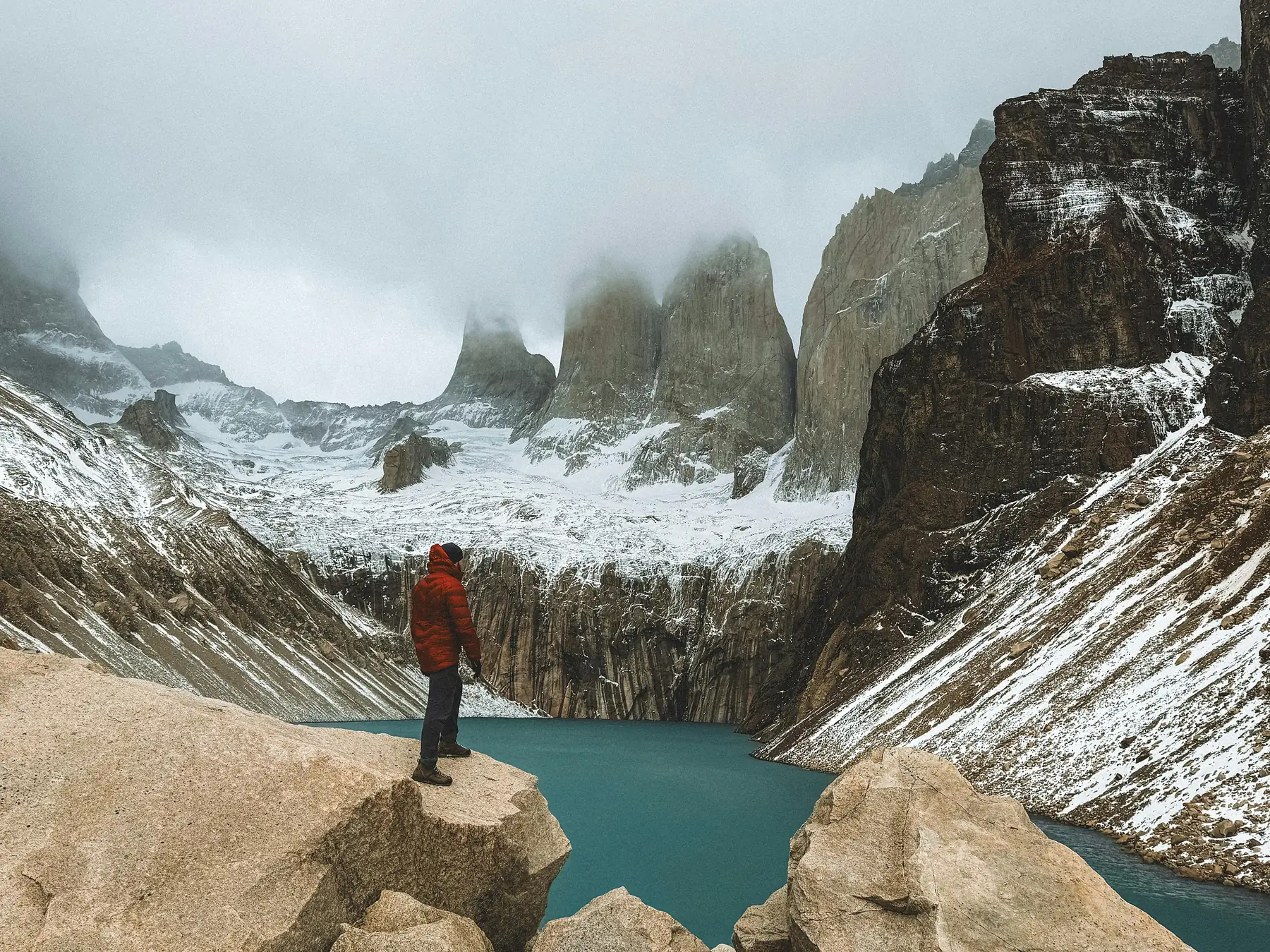
Backcountry safety is the most critical component of a Patagonian trip. The trails are often rugged, and the weather can change from sun to sleet in less than twenty minutes. Getting lost is a real possibility on less-frequented routes, but even on popular trails, a simple sprained ankle can become a serious situation due to the lack of cell service.
The reality of Patagonia is that once you leave the trailhead, you are likely out of range for standard mobile networks. This makes self-reliance and proper communication tools essential.
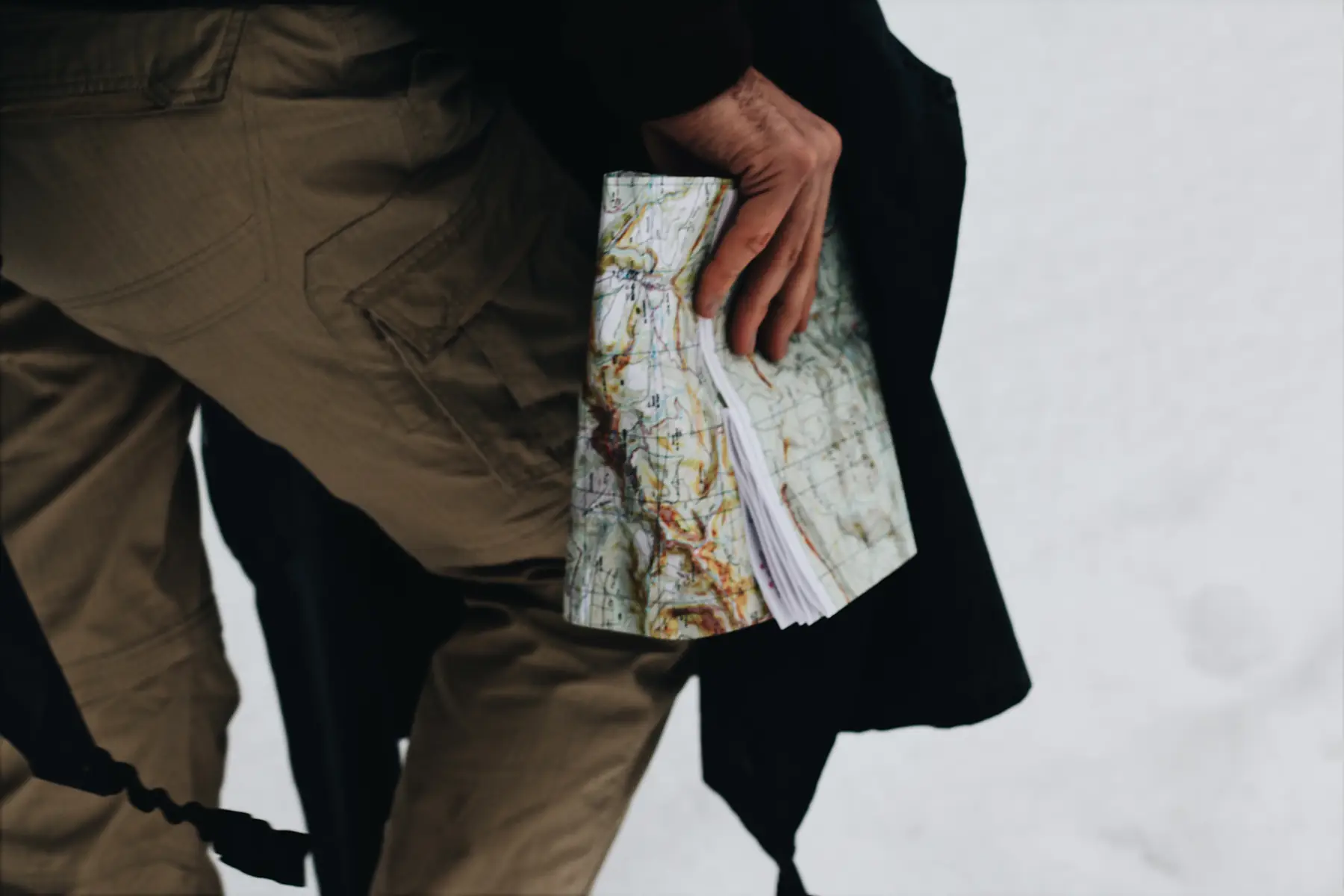
Do not rely on your phone’s GPS or Google Maps as your sole navigation tool. Battery life drops rapidly in cold temperatures, and many trails are not accurately mapped on standard apps. Use dedicated offline tools like AllTrails or Gaia GPS, and always carry a physical map.
For those heading into remote areas or hiking solo, a satellite messenger like a Garmin InReach is no longer a luxury - it is a standard piece of safety equipment. These devices allow you to send SOS signals and two-way messages via satellite, providing a lifeline when there is no cell signal for miles.
If you are new to trekking in this region, start with our comprehensive hiking directory to understand the difficulty levels and requirements of different routes.
Health, Water, and Medical Infrastructure
Staying healthy in Patagonia is largely a matter of hydration and hygiene. Unlike many other parts of South America, altitude sickness is rarely an issue here. Most of the famous treks, including the W Trek and the trails in El Chaltén, take place at relatively low elevations, with popular viewpoints like Laguna de los Tres sitting at approximately 1,170 meters.
Water safety is a common question. In cities, tap water is treated and safe to drink. On the trails, Patagonia offers some of the purest water on Earth.
- Safety: Safe and potable in all major hubs - no need for bottled water (City Tap Water)
- Safety: Generally safe if taken from fast-moving streams; avoid water near campsites or livestock (Trail Glacial Water)
- Risk Level: Extremely low (City Tap Water)
- Risk Level: Low with common sense; filter near high-traffic camps (Trail Glacial Water)
- Recommendation: Drink freely (City Tap Water)
- Recommendation: Use a lightweight filter if you have a sensitive stomach (Trail Glacial Water)
Both are safe, but trail water requires a quick 'common sense' check.
Medical infrastructure in Patagonia is tiered. In major cities like Santiago, Buenos Aires, or even Punta Arenas, the hospitals are world-class. However, in trekking hubs like El Chaltén or Puerto Natales, facilities are limited to small clinics equipped for stabilization rather than complex surgery.
For any serious injury in the backcountry, evacuation is the only option, and it is expensive. Most South American hospitals operate on a “cash upfront” or “credit card first” basis, even in emergencies.
To ensure you are protected against these costs, it is vital to have the right coverage. For more information, see our guide to recommended travel insurance for Patagonia. For a deeper dive into vaccinations and medical facilities, visit our health and vaccinations page.
Emergency Cheat Sheet: Chile vs. Argentina
If an emergency occurs, knowing who to call and having a few key phrases in Spanish can save critical time. Note that while many people in the tourism industry speak English, emergency operators may not.
Emergency Numbers
- Chile:
- 131: Ambulance (Ambulancia)
- 132: Fire (Bomberos)
- 133: Police (Carabineros)
- Argentina:
- 911: General Emergency (Universal number)
Key Phrases
- “Necesito una ambulancia” (I need an ambulance)
- “Me han robado” (I have been robbed)
- “Estoy perdido/a” (I am lost)
- “Hay un accidente” (There is an accident)
To ensure you have the right gear to stay safe in the first place, such as first aid kits and emergency blankets, check our Patagonia packing list.
FAQ
Is the tap water in Patagonia safe to drink? Yes, tap water in major Patagonian cities like Punta Arenas and Bariloche is safe; however, when hiking in remote areas, it is best to use a filter or verify with rangers before drinking from streams.
Are there dangerous animals in Torres del Paine? The only large predator in Torres del Paine is the puma, but they are elusive and rarely encounter humans; there are no venomous snakes or spiders in the park.
Is it safe to hike the W Trek alone? Yes, the W Trek is very safe for solo hikers because the trails are well-marked and heavily trafficked, making it easy to find help or companionship.
Do I need travel insurance for a Patagonia trip? Yes, comprehensive travel insurance is essential as many hospitals in Patagonia require upfront payment, and remote rescues often require expensive private evacuation. As of the 2025/2026 season, insurance is highly recommended for all travelers, though specific mandatory entry requirements for Argentina have fluctuated; check current migratory rules before departure.
Is petty crime common in Patagonia? Crime rates are very low compared to other parts of South America, though travelers should be cautious of petty theft in transport hubs and avoid leaving valuables in rental cars, particularly in Bariloche.
Is Patagonia safe for American tourists? Yes, Patagonia is very friendly toward Americans and international visitors, with a tourism-based economy that prioritizes traveler safety and support.