
Patagonia is a safe destination with no required vaccinations for entry, though its extreme remoteness makes environmental risks and logistical access to medical care the primary health considerations. While you won’t encounter tropical diseases, the distance from major hospitals means preparation is essential for a safe trip.
This guide breaks down the medical realities of traveling in the far south, from the necessary shots to the logistics of backcountry evacuation. Whether you are trekking the W Trek in Chile or exploring the glaciers of Argentina, understanding these health protocols is the first step in a successful comprehensive planning guide.
Recommended Vaccinations for Patagonia
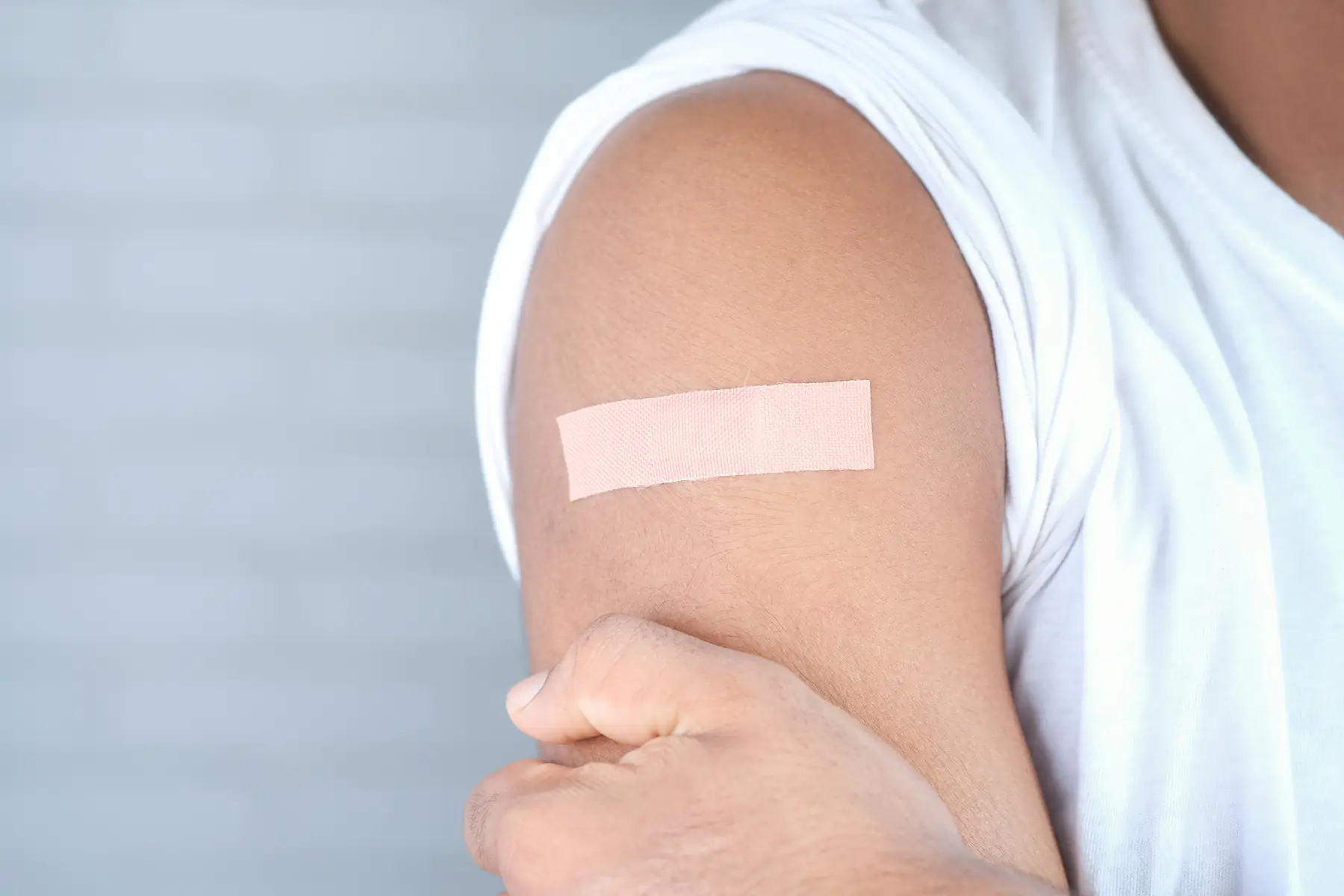
Most travelers to Patagonia only need to ensure their routine vaccinations are up to date, along with boosters for Hepatitis A and Tetanus. As of the 2026/27 and 2026/27 seasons, there are no mandatory vaccination certificates required for entry into Chile or Argentina for travelers arriving from North America, Europe, or Australia, but this can change based on regional health policies.
For specific paperwork, health forms, or current documentation required at the border, refer to our guide on official entry requirements.
- Routine Vaccinations: Ensure you are current on Measles-Mumps-Rubella (MMR), Diphtheria-Tetanus-Pertussis, Polio, and your yearly Flu shot.
- Recommended for all travelers: Hepatitis A and Tetanus. Tetanus is particularly important for hikers as minor cuts or scrapes from trekking poles, rocks, or old fences in rural areas are common.
- Selective Vaccinations: Typhoid is recommended if you are visiting smaller, rural villages or staying for more than four weeks. Hepatitis B is suggested for those who might receive medical treatment or perform volunteer work.
- Yellow Fever: This is not required for Patagonia. The Aedes aegypti mosquito does not live in the cold, windy climate of the south, and there is no risk of Yellow Fever, Malaria, or Zika in the region.
Regional Health Risks: The Environmental Reality
The most significant health threat in Patagonia is the environment itself, specifically the high UV radiation and the risk of hypothermia. Because of the thinning ozone layer in the far south, UV intensity is significantly higher than at similar latitudes in the northern hemisphere, making high-SPF (50+) sunscreen a medical necessity rather than a cosmetic choice.
Hypothermia is a concern even in summer. If you get wet from rain or perspiration and the wind picks up, your core temperature can drop rapidly. Early symptoms include shivering, loss of fine motor skills (like struggling with zippers), and mild confusion. If a group member stops shivering and becomes lethargic, it is a medical emergency. You must get them out of the wind, replace wet clothes with dry ones, and provide warm fluids immediately.
Clear, fast-flowing glacial water can still contain germs. Use designated drinking-water supplies that staff confirm are potable. For untreated streams or any supply of uncertain quality, the CDC recommends boiling, or filtering and then disinfecting the water.
For more on how these environmental factors shape your daily trek, see our breakdown of Patagonia weather patterns.
Altitude Sickness (Puna) in Patagonia
Altitude sickness is not a risk for hikers on the W Trek or O Circuit in Torres del Paine, nor for those trekking around El Chaltén. These popular routes stay mostly below 1,200 meters in elevation, which is well below the 2,500-meter threshold where “Puna” (altitude sickness) typically occurs.
While you may feel breathless on steep climbs like the ascent to the Base of the Towers, this is due to physical exertion rather than a lack of oxygen. If you are traveling through Northern Patagonia or crossing high-altitude Andean passes near the Lake District, you may encounter higher elevations. You can find more detail on those specific routes in our guide to altitude risks in Northern Patagonia.
Wildlife and Biological Hazards
Patagonia is one of the few wilderness areas on earth where you do not need to worry about venomous snakes or spiders. The primary biological risk is Hantavirus, a rare but serious respiratory disease carried by long-tailed pygmy rice rats (Oligoryzomys longicaudatus), primarily found in the rural forests of Northern Patagonia and the Andean foothills.
To minimize risk, avoid camping in areas with heavy undergrowth, keep your tent zipped at all times, and store all food in airtight containers. If you are staying in a remote mountain cabin that has been closed for a long time, air it out for at least 30 minutes and use a wet-mopping technique (rather than sweeping) to clear any potential airborne particles.
Another local “hazard” is the Tabano, a large, dark horsefly that emerges in late December and January. While they do not carry diseases, their bite is painful and their persistence can be psychologically draining for hikers. They are attracted to dark colors and movement, so wearing light-colored clothing (tan, light gray, or white) can help reduce the number of flies following you.

Medical Facilities: Where to Go in an Emergency
Professional medical care in Patagonia is concentrated in a few major urban hubs, with very limited facilities available once you enter the national parks. If you have an emergency in Torres del Paine or Los Glaciares, you are often several hours or even a full day away from a hospital capable of surgery or advanced diagnostics.
- Punta Arenas (Chile): The region’s most advanced medical facilities, including private clinics (like Clínica RedSalud Magallanes) and the large public Hospital Clínico de Magallanes.
- Puerto Natales (Chile): Home to the Hospital Dr. Augusto Essmann Burgos. This is a medium-complexity facility that can handle most emergencies but often stabilizes and transfers critical patients to Punta Arenas.
- El Calafate (Argentina): Features the Hospital SAMIC (Servicio de Atención Médica Integral de Comunidad), a modern, high-complexity facility that is well-equipped for most traveler needs.
- El Chaltén (Argentina): Only has a small medical post (Puesto Sanitario El Chaltén) for basic first aid and stabilization. Serious cases are transported approximately three hours by road to El Calafate.
Emergency Protocols and Evacuation
In the event of a serious injury in the backcountry, evacuation is a complex and expensive logistical operation. Because there are no roads in the heart of the trekking circuits, rescues often involve horses, boats, or private helicopters.
If an emergency occurs, your first point of contact should be the nearest park ranger station or refugio. Most refugios are equipped with VHF radios or satellite communication to contact the central park administration. In Chile, CONAF (Corporación Nacional Forestal) oversees rescues in national parks, while in Argentina, the Guardaparques (National Park Rangers) manage the response.
It is vital to understand that the “cost of rescue” is not always covered by the park authorities. Helicopter evacuations are private and extremely expensive, often requiring upfront payment or a guarantee of insurance.
To ensure you are covered for these specific scenarios, read our guide on the cost of emergency evacuation.
The Ultimate Patagonia First-Aid Kit
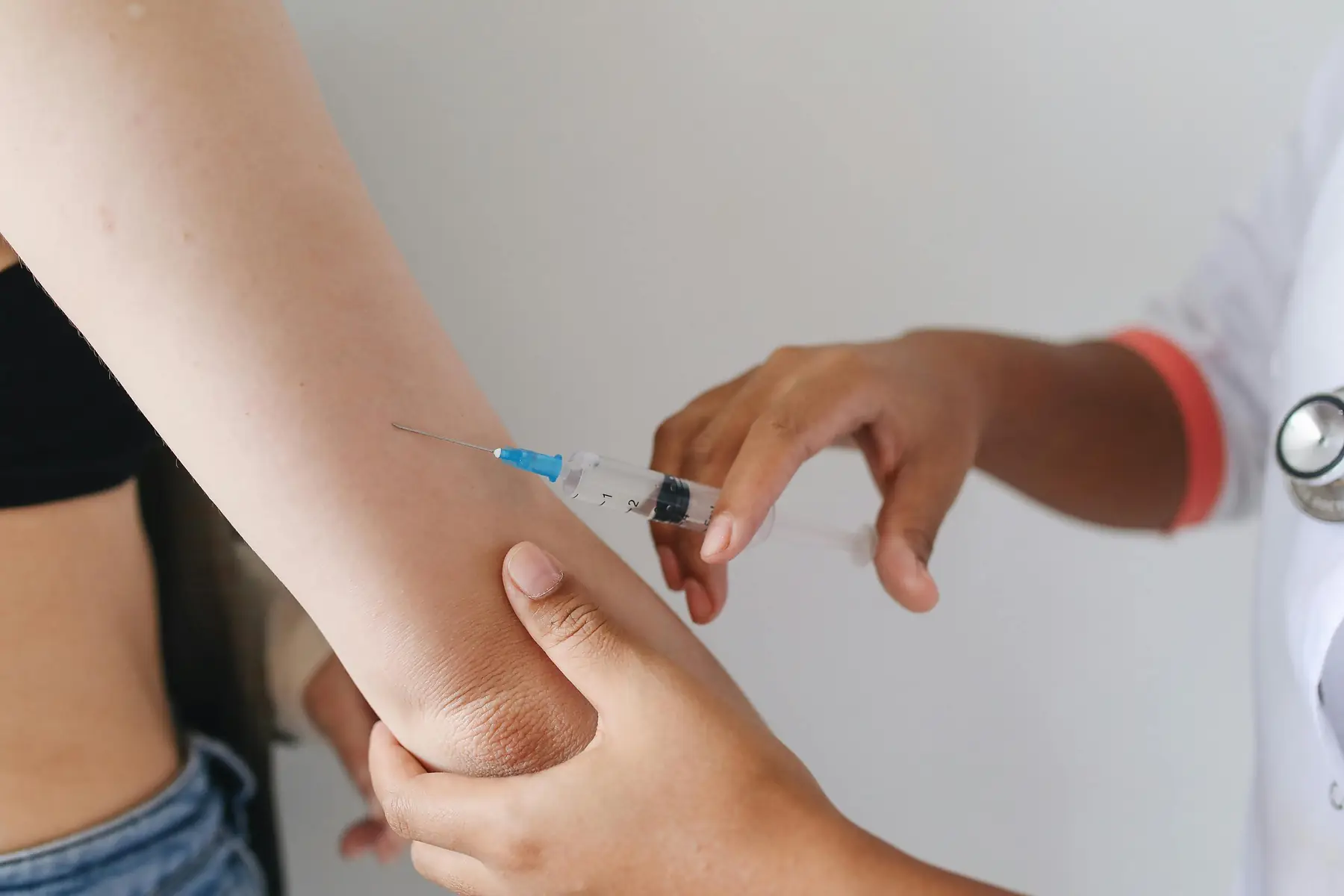
Your Patagonia first-aid kit should prioritize blister care, joint support, and basic gastrointestinal health. Since you will be carrying your gear over significant distances, focus on high-quality, multi-use items rather than a bulky, pre-packaged kit.
Prioritize Blister Care
Gastrointestinal Support
Anti-inflammatories
Always bring a two-week surplus of any personal prescription medications. Pharmacies in towns like Puerto Natales and El Calafate are well-stocked, but they may not carry your specific brand. Keep your prescriptions in their original packaging and carry a digital copy of the doctor’s note to avoid issues at border crossings.
For a full list of the gear you’ll need alongside your medical kit, view our full hiking gear list.
Related planning guides
To help you round out your preparation, explore these essential resources:

FAQ
QUESTION: What vaccinations are recommended for Patagonia travel? ANSWER: Most travelers need routine vaccines plus Hepatitis A and Tetanus; Yellow Fever is not required for Patagonia.
QUESTION: Is the water in Torres del Paine safe to drink? ANSWER: Refill at designated supplies that staff confirm are potable. Do not assume glacier-fed streams are safe: boil uncertain water or filter and then disinfect it, following the product instructions.
QUESTION: Is there a hospital in Torres del Paine National Park? ANSWER: No, there are no hospitals inside the park; the nearest medical facility is in Puerto Natales, which can be several hours away by road or boat.
QUESTION: Is altitude sickness a risk on the W Trek in Patagonia? ANSWER: No, the W Trek and O Circuit are at low elevations (mostly under 1,200m), so altitude sickness is not a concern for hikers.
QUESTION: Are there dangerous animals in Patagonia I should worry about? ANSWER: Patagonia has no venomous snakes; the primary biological concern is Hantavirus in rural forest areas, which is avoided by proper food storage and tent sealing.
QUESTION: Can I buy prescription medication in Patagonia towns? ANSWER: Pharmacies in towns like El Calafate and Puerto Natales are well-stocked, but you should bring a full supply of personal prescriptions as specific brands may not be available.