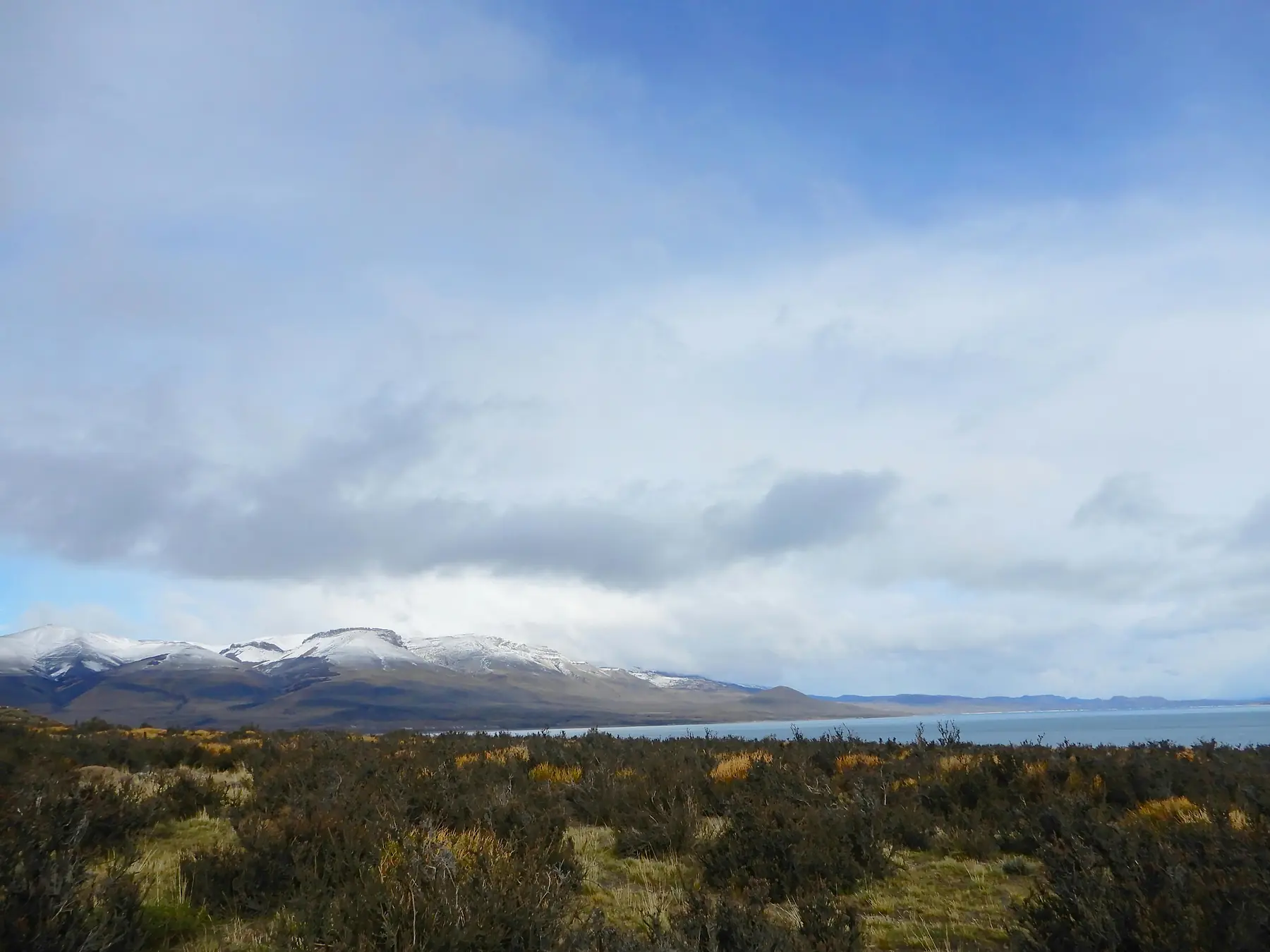
Entering Patagonia requires a valid passport with at least six months of remaining validity and a completed digital customs declaration for Chile. While most Western travelers do not need a pre-arranged visa for stays under 90 days, you must navigate two distinct sets of entry laws for Argentina and Chile, including specific mandates for health insurance and digital entry records.
Because Patagonia is split between two nations, your “entry” often happens multiple times if you are crossing between trekking hubs like El Chaltén and Torres del Paine. Success depends on keeping track of small pieces of paper and digital receipts that have significant financial and legal implications.
Patagonia Entry Checklist
- Passport: Minimum 6 months validity from date of entry
- Chile Entry: Digital SAG (Agricultural) form and PDI slip (digital or physical)
- Argentina Entry: Digital entry record (Comprobante de Ingreso) for VAT savings
- Insurance: Medical insurance covering COVID-19 and evacuation is mandatory for Argentina (as of 2026/27 season)
- Visas: Not required for US, UK, EU, or Canadian citizens for stays < 90 days
- Land Borders: PDI record (Chile) and notarized vehicle permits required
Before diving into the specific country requirements, ensure your physical documentation is in order. For a full breakdown of which nationalities require a visa before arrival, consult our Visa Requirements Guide.
Passport Validity and Blank Page Requirements
Your passport is your most critical asset in Patagonia, and the standards for its condition are higher than in many other regions. Both Argentina and Chile strictly enforce the six-month validity rule, meaning your passport must be valid for at least half a year beyond your planned date of departure from the region.
Argentina officially requires at least one completely blank page for entry, while Chile requires enough space for a small entry sticker or stamp. However, if you plan on crossing the border multiple times (a common route involves entering Chile, crossing to Argentina, and returning to Chile), you should ensure you have at least three to four blank pages to accommodate the various stamps you will collect at land border “pasos.”
Ensure your passport is free of “novelty” stamps from places like Machu Picchu, Antarctica, or Checkpoint Charlie. While these are popular souvenirs, border officials in both Chile and Argentina have been known to invalidate passports containing unofficial markings, potentially resulting in a denied entry.
The physical condition of your passport also matters. Officials in this region can be particularly pedantic about frayed edges, water damage, or loose pages. If your passport is nearing its expiration or shows significant wear, renew it before booking your flights.
The Argentina Digital Entry System and VAT Savings
Argentina has modernized its immigration process by moving away from physical passport stamps for most tourists. When you enter the country, whether by air in Buenos Aires or by bus at a land border, your entry is recorded digitally in the DNM (Dirección Nacional de Migraciones) system.
This digital shift is more than just a logistical change: it is a financial one. Foreign tourists are exempt from the 21% Value Added Tax (VAT) on accommodation when paying with a foreign credit card or wire transfer, but to claim this discount, hotels are legally required to see proof of your entry and your foreign residency. Since you no longer receive a physical stamp, you must be prepared to show your digital record.
To retrieve your digital entry record (Comprobante de Ingreso), you must visit the official Argentine Migration portal and enter your passport details. It is highly recommended to download a PDF of this record or take a high-resolution screenshot as soon as you enter the country.
If a hotel clerk insists on seeing a physical stamp to waive the 21% VAT, do not simply pay the tax. Show them your digital entry record on your phone. Most high-end hotels are familiar with the system, but smaller guesthouses in remote areas of Patagonia may still be catching up to the digital-only process.
In addition to the entry record, some nationalities may still be subject to a reciprocity fee. While these have been waived for US, Canadian, and Australian citizens in recent years, policies can shift. Check the current status of these fees on our Reciprocity Fee Guide.
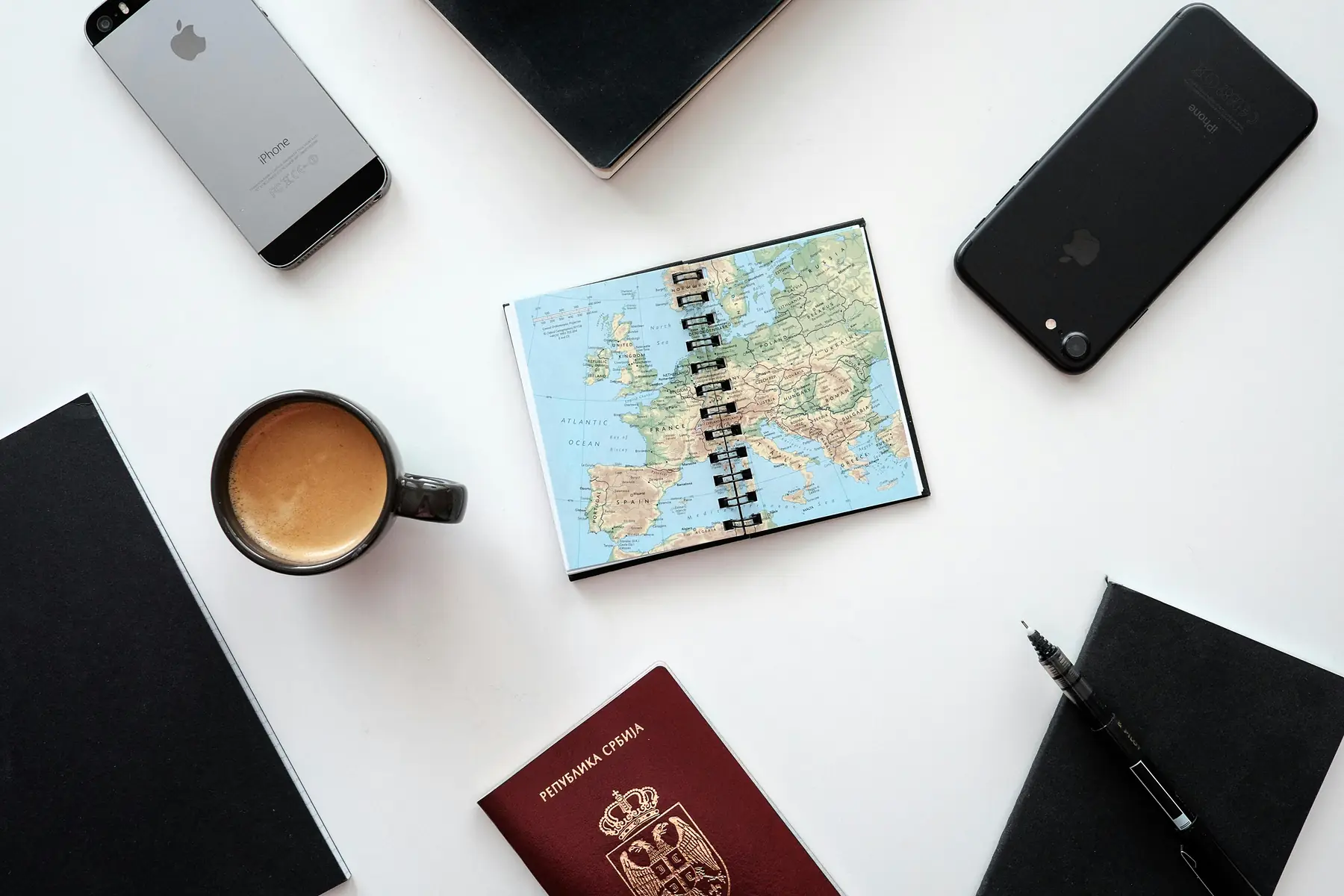
Chile’s SAG Declaration: The Hiker’s Guide to Food Restrictions
Chile’s Agricultural and Livestock Service (SAG) is one of the strictest in the world. Their mission is to keep Chile free of pests and diseases, and they treat the entry of organic goods with zero tolerance. For trekkers heading to Torres del Paine, this is often the most stressful part of the entry process.
Every traveler must complete a digital SAG declaration form before arrival. This must be done online at the official SAG portal within 48 hours of your crossing. The form asks if you are bringing any plant or animal products. The golden rule of Chilean customs is: “When in doubt, declare it.” If you declare an item and it is forbidden, the officer will simply take it away. If you do not declare it and they find it, you face immediate fines ranging from approximately $210 to over $2,100 USD (based on current UTM rates).
- Fruit & Veg: Fresh fruit and vegetables (Forbidden)
- Fruit & Veg: Freeze-dried meals, factory-sealed (Safe)
- Nuts: Raw nuts or seeds (Forbidden)
- Nuts: Roasted and salted nuts, sealed (Safe)
- Honey: Honey and bee products (Forbidden)
- Honey: Chocolate and candy (Safe)
- Meat: Unprocessed meat, jerky, or salami (Forbidden)
- Meat: Commercially sealed energy bars (Safe)
- Prepared Food: Home-dried meals or trail mix (Forbidden)
- Prepared Food: Powdered milk or coffee (Safe)
If you are carrying food for the W Trek, ensure every item is factory-sealed and clearly labeled. Never try to sneak in home-dried fruit or local honey.
When crossing land borders by bus, all luggage is typically removed and scanned or searched by dogs. If you have leftover fruit or a sandwich from your time in Argentina, dispose of it in the marked bins before you reach the customs desk. For a detailed list of what food you can safely pack for your trek, see our Patagonia Packing List.
Mandatory and Recommended Travel Insurance
The legal requirements for travel insurance in Patagonia have changed for the 2026/27 season. Under Decree 366/2025, Argentina has reinstated a requirement that all non-resident foreign visitors hold valid travel medical insurance. This policy must specifically cover COVID-19 expenses, hospitalization, and emergency medical evacuation.
Chile does not currently have a strict legal mandate for all tourists, but they strongly recommend health insurance for all visitors. Regardless of the legal requirement, Patagonia’s terrain is remote, and the cost of a private medical evacuation from a trail like the O Circuit can exceed $20,000 USD.
When selecting a policy, ensure it explicitly covers “mountain activities” or “trekking up to 5,000 meters.” Many standard travel insurance policies exclude the very activities that bring people to Patagonia. For a comparison of policies that handle the specific risks of the Southern Andes, visit our Patagonia Travel Insurance Guide.
Documentation for Crossing Land Borders (The “Paso”)
Moving between the Chilean and Argentine sides of Patagonia involves crossing through a “Paso” or mountain pass. This is not a single stop, but a two-step process - you must officially exit one country before you can enter the next. Often, the two border stations are separated by several kilometers of “no man’s land.”
The most critical document for this process is the PDI (Policía de Investigaciones) record, also known as the Tarjeta de Turismo. When you first enter Chile, you are given a small paper receipt or an email confirmation. You must keep this record safe for the duration of your stay. It is required to exit the country, and you will also need to present it at hotels to prove your tourist status for the 19% VAT exemption. If you lose it, you can request a duplicate through the PDI digital portal or visit a PDI office in a major town like Punta Arenas or Puerto Natales.
The Exit (Salida)
Stop at the border station of the country you are leaving. Present your passport and, if leaving Chile, your PDI record. They will stamp you out or record your exit digitally.
The Entry (Entrada)
Proceed to the next border station. Present your passport and your completed customs declaration (like the SAG form for Chile). You will receive your new entry record or stamp.
If you are driving, the documentation requirements increase significantly. You cannot simply take a rental car across the border without a “Permiso de Salida.” This notarized document must be arranged with your rental agency at least 10-14 days in advance and usually carries an additional fee. For more on the logistics of driving, see our guide to Renting a Car in Patagonia.
Traveling with Minors: The “Autorización de Viaje”
Argentina and Chile have some of the strictest laws in the world regarding the movement of minors across borders. If you are traveling with children, the documentation requirements are non-negotiable.
If a child is traveling with both parents, you should carry an original or a certified copy of the child’s birth certificate to prove the relationship. If the child is traveling with only one parent, the non-traveling parent must provide a notarized letter of consent (Autorización de Viaje).
For travel to Argentina, if the consent letter is prepared outside of Argentina (e.g., in the US, UK, or Canada), it must be “Apostilled” to be legally recognized by border officials. This process can take several weeks, so begin preparations at least two months before your trip.
These rules apply even if the parents are married. If one parent has sole legal custody, you must carry the original court order or a certified copy of the death certificate if the other parent is deceased. Failure to produce these documents at a land border will result in the minor being denied entry or exit.
Customs: Currency, Electronics, and Duty-Free Limits
When entering either country, you are required to declare any currency you are carrying that exceeds the equivalent of $10,000 USD. This includes cash, checks, or traveler’s checks. In Argentina, where carrying cash is common due to exchange rate dynamics, staying under this limit simplifies your entry significantly. For more on managing your funds, see our Currency and Money Guide.
For electronics, both countries allow you to bring in “personal effects” duty-free. This typically includes one laptop, one tablet, and two mobile phones per person. Professional photographers carrying multiple camera bodies and a large array of lenses may occasionally be questioned; it is helpful to have a list of your equipment with serial numbers to prove the gear is for personal use.
If you plan to fly a drone in Patagonia, be aware that customs is only your first hurdle. While you can bring a drone into the country, flying it in National Parks like Torres del Paine or Los Glaciares is strictly prohibited without a professional permit that is notoriously difficult to obtain.
Duty-free allowances for alcohol and tobacco are relatively standard. Chile allows up to 2.5 liters of alcoholic beverages and 400 cigarettes per person. Argentina allows 2 liters of alcohol and 400 cigarettes. Note that these limits apply to your total entry; if you buy wine in Mendoza and try to bring a case of 12 bottles across the land border into Chile, you will be required to pay duty on the excess or surrender the bottles.
FAQ Section
- QUESTION: What are the Patagonia entry requirements for US citizens?
- ANSWER: US citizens need a passport valid for six months, proof of onward travel, and a completed SAG declaration for Chile. No tourist visa is required for stays under 90 days in either country.
- QUESTION: Do I need travel insurance to enter Argentina in 2026?
- ANSWER: Yes. As of the 2026/27 season (Decree 366/2025), Argentina requires all foreign visitors to have medical insurance covering COVID-19, hospitalization, and emergency evacuation.
- QUESTION: Can I bring dried fruit and nuts into Chile?
- ANSWER: Only if they are commercially sealed, roasted, and declared on your SAG form. Raw, unsealed, or home-dried fruits and nuts are strictly forbidden and will result in fines.
- QUESTION: What documents do I need for Patagonia land border crossings?
- ANSWER: You need your passport, your PDI record (for Chile), and if driving, a notarized permit from your rental agency allowing the vehicle to cross into the neighboring country.
- QUESTION: How do I get an Argentina VAT refund if my passport wasn’t stamped?
- ANSWER: You must download your digital entry record (Comprobante de Ingreso) from the official DNM website and present it along with a copy of your foreign passport to the hotel at check-in.
- QUESTION: Are vaccinations required for Patagonia entry requirements?
- ANSWER: No specific vaccinations are mandatory for entry, but for a full list of recommended travel health precautions, see our Health & Vaccinations Guide.