Patagonia Border Crossings: Chile-Argentina Guide
Cross borders like a pro. Master the overland checkpoints between Puerto Natales, El Calafate, and El Chaltén, including customs procedures.
Crossing the border between Chile and Argentina in Patagonia is a straightforward but bureaucratic process that requires visiting four separate desks across two different buildings. While the 5,000km border creates a logistical hurdle, it is the essential bridge that connects the region’s most iconic landscapes, from the granite towers of Torres del Paine to the glaciers of El Calafate.
Patagonia is a single geographical wonder divided by an international line. To see the full scope of the Andes, the Southern Ice Field, and the vast pampas, you will almost certainly need to cross this border at least once. Whether you are driving a rental car, taking a long-distance bus, or trekking through the wilderness, understanding the “Four-Stop” logic and the strict agricultural rules is the difference between a two-hour delay and a seamless transition.
Border Crossing At-a-Glance
- Process: Exit Country A (Immigration & Customs) -> Transit -> Enter Country B (Immigration, Customs, & Agriculture).
- Average Time: 45 - 90 minutes (can exceed 3 hours in peak season).
- Operating Hours: Typically 8:00 AM to 8:00 PM; select crossings like Paso Dorotea are 24 hours in summer.
- Strictness: Extremely high for food and organic items entering Chile.
- Required Paperwork: Passport, PDI Entry Card (Digital or Paper), and vehicle permits (if driving).
The Mental Model: How a Patagonia Border Crossing Works
The most important thing to understand about a Patagonia border crossing is that it is not a single event, but a sequence. You must officially exit one country before you are allowed to enter the next. This means you will stop at a building in the country you are leaving, receive an exit stamp, and then travel through a “no man’s land” before arriving at the building of the country you are entering.
This “no man’s land” is rarely just a few meters. In many parts of Patagonia, the physical distance between the Chilean and Argentine border posts can be 10km to 20km. For those getting around Patagonia by bus or car, this is a five-minute drive. For cyclists and hikers, this transit zone represents a significant physical effort that must be planned for, as there are no services or water sources between the two checkpoints.
Exit Country A: Immigration (PDI/Migraciones)
Present your passport and your PDI entry slip (the small thermal paper receipt or digital PDF you received when entering). The official will stamp your passport and collect your slip or scan your digital record.
Exit Country A: Customs (Aduana)
If you are driving, you must present your vehicle permits to prove the car is legally leaving the country.
Enter Country B: Immigration
Present your passport. You will receive a new stamp and a new PDI entry slip (in Chile, this is often now sent as a digital “PDI E-receipt” to your email). Do not lose this record. It is required for your eventual exit and for waiving the 19% VAT at Chilean hotels.
Enter Country B: Customs & Agriculture (SAG)
All luggage and vehicles entering Chile are scanned or searched for forbidden organic items. Argentina also has customs checks, but Chile’s SAG (Agricultural and Livestock Service) is significantly more rigorous.
Required Documentation for Chile & Argentina
To avoid being turned back at a remote mountain pass, you must have your physical documents organized. Digital copies are helpful backups, but border officials in Patagonia require original, physical documents.
- Passport: Your passport must be valid for at least six months beyond your planned date of departure.
- PDI Tarjeta de Turismo: This is the small, white thermal paper receipt or digital record issued when you first enter Chile. You must treat this like your passport. If you lose it, you will likely be sent to the nearest regional capital (like Punta Arenas or Puerto Montt) to get a replacement before you are allowed to cross the border.
- Vehicle Registration (Padron): If driving a private vehicle, you must have the original title.
- International Insurance: You need a specific policy known as “Seguro Obligatorio de Responsabilidad Civil” (often called Mercosur Insurance) that covers third-party liability in both countries.
- Rental Car Permit: You cannot take a standard rental car across the border without a notarized “Autorizacion para Salir del Pais.” This must be arranged with your rental agency at least 3 - 7 days in advance.
If you are traveling on a visa that requires a reciprocity fee, you must pay this online and print the receipt before arriving at the border. There are no facilities to pay these fees at land crossings. For a full breakdown of who needs a visa, visit our visa requirements guide.
The SAG Factor: What You Can and Cannot Bring Into Chile
Chile is a “biological island,” protected by the Andes to the east, the Pacific to the west, and the Atacama Desert to the north. To protect its massive agricultural industry from pests and diseases, the SAG (Agricultural and Livestock Service) enforces some of the world’s strictest entry requirements.
When entering Chile from Argentina, every bag—including those in the hold of a bus—is scanned or manually inspected. The rule is simple: if it was once alive and hasn’t been heavily processed, it’s probably forbidden.
- Fresh produce: Fresh fruit and vegetables; apples, bananas, citrus, tomatoes, etc. Even a single orange can be confiscated. (Forbidden Items)
- Fresh produce: Processed snacks; crackers, chips, chocolate, cookies, and granola bars are generally fine. (Safe Items)
- Honey & coffee: Pure honey and bee products are strictly prohibited. (Forbidden Items)
- Honey & coffee: Roasted coffee; sealed bags of ground or whole-bean coffee are usually allowed. (Safe Items)
- Nuts & alcohol: Raw or unroasted nuts and seeds are not permitted; roasted and commercially packaged versions are usually okay. (Forbidden Items)
- Nuts & alcohol: Wine and spirits; permitted within personal duty-free limits. (Safe Items)
- Meat & spices: Raw meat or homemade meat products; including jerky or sandwiches containing ham or other fresh meat. (Forbidden Items)
- Meat & spices: Dried spices; commercially packaged and fully dried products are normally permitted. (Safe Items)
- Dairy & cooked food: Fresh cheese, unpasteurized milk, or homemade dairy items. (Forbidden Items)
- Dairy & cooked food: Commercially packaged cooked food; sometimes allowed if clearly processed and for personal consumption, though rules can vary. (Safe Items)
The Golden Rule: If you have any food at all, tick 'YES' on the declaration form. Declaring a safe item is a 30-second conversation; failing to declare a forbidden item is a $200+ USD fine.
Fines for failing to declare a piece of fruit or a jar of honey are non-negotiable and start at approximately 3 UTM (Unidad Tributaria Mensual), which is roughly $210 USD as of the 2026/27 season. For more on the official declaration process, see our guide to Chilean entry requirements.
Major Southern Crossings (Magallanes & Santa Cruz)
The southern tip of Patagonia is where most travelers cross the border, usually moving between the trekking hubs of Torres del Paine (Chile) and El Calafate (Argentina).
Paso Rio Don Guillermo: This is the most common crossing for tourists. It connects Cerro Castillo in Chile to the road toward El Calafate. It is a gravel road on the Chilean side but paved on the Argentine side. During the 2026/27 summer season, expect this border to be open from 8:00 AM to 10:00 PM, though it is wise to arrive before 8:00 PM as hours can be reduced without notice.
Paso Dorotea: Located just 20 minutes from Puerto Natales, this is the primary route for buses heading to Rio Gallegos or Rio Turbio. It is fully paved and often stays open 24 hours during the peak summer months (January and February).
Paso San Sebastian: This is the critical crossing for anyone driving to Ushuaia. Because Tierra del Fuego is an island split between two countries, you must cross the border to reach the Chilean ferry, then cross again to re-enter Argentina to reach Ushuaia.
Central & Northern Crossings (Aysen & Lake District)
As you move north into the Aysen region and the Lake District, the crossings become more scenic and, in some cases, more weather-dependent.
- Chile Chico / Los Antiguos: This crossing sits on the southern shore of Lago General Carrera (known as Lago Buenos Aires in Argentina). It is a popular route for those exploring the Carretera Austral who want to loop back into the Argentine pampas.
- Paso Futalefu: Located near the world-class rafting hub of Futalefu, this crossing is a mix of gravel and pavement. It is the main gateway for travelers moving between Esquel (Argentina) and the northern Carretera Austral.
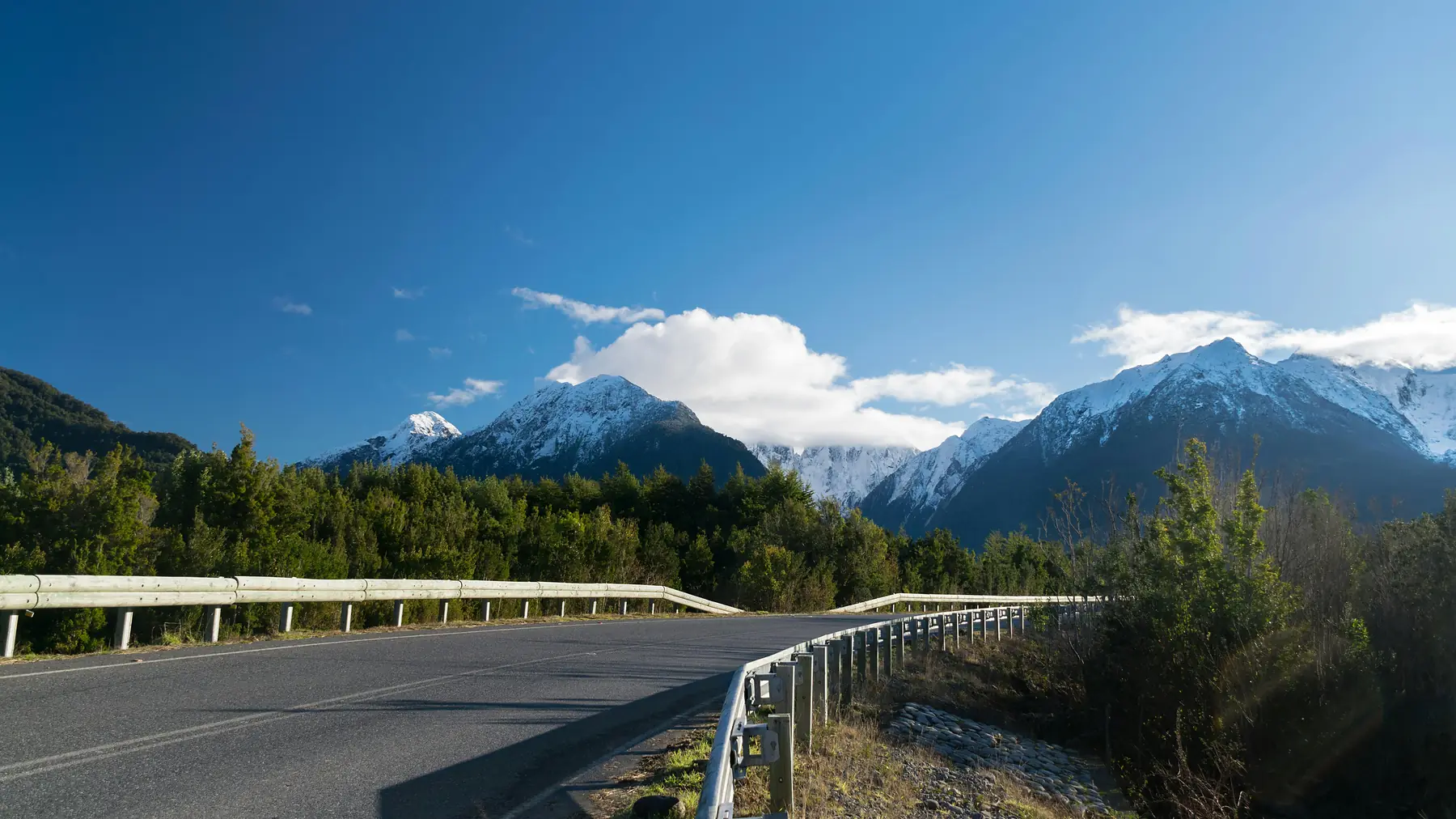
- Paso Cardenal Samore: This is one of the most reliable crossings in the Andes. It is fully paved and stays open year-round, connecting Villa La Angostura (near Bariloche) with Osorno and Puerto Montt. Because of its low elevation, it is rarely closed by snow.
The “Epic” Crossing: Villa O’Higgins to El Chalten
For hikers and cyclists, there is a legendary border crossing that involves no roads at all. The route between Villa O’Higgins (the end of the Carretera Austral) and El Chalten (the trekking capital of Argentina) is a multi-day journey involving two ferries and a 22km trek.
This crossing is strictly seasonal, operating only from November to April. The primary ferry operator on the Chilean side is Robinson Crusoe Deep Patagonia. It is a “no-vehicle” zone; you must carry your gear or push your bike through sections of single-track trail that can be muddy and steep.
Critical Logistics:
- The Exit Stamp: You cannot get your Chilean exit stamp at the trail. You must visit the Carabinero station in the town of Villa O’Higgins before you board the first ferry.
- The Transit: After the first ferry across Lago O’Higgins, you hike 22km to the Argentine post at Lago del Desierto.
- The Entry Stamp: You will receive your Argentine entry stamp at the northern end of Lago del Desierto before taking a second ferry or hiking the shoreline toward El Chalten.
To plan the rest of your journey after this crossing, see our guides to El Chalten and the Carretera Austral.
Crossing by Bus vs. Rental Car vs. Private Transfer
The mode of transport you choose significantly changes your border experience.
International Buses
When you take an international bus (e.g., from Puerto Natales to El Calafate), the driver handles the logistics. The bus will stop at the “Exit” building, everyone gets off to get their stamps, and then everyone re-boards for the drive to the “Entry” building.
- Pros: No paperwork stress; the driver knows the process.
- Cons: You are at the mercy of the slowest person on the bus. If one passenger has an undeclared apple, the entire bus waits while the fine is processed. For more details, see our guide to Patagonia bus travel.
Rental Cars
Driving yourself offers the most freedom but requires the most preparation. You must have your notarized permit and international insurance ready. At the border, you will need to enter the building to process your own passport, then go to the Aduana (Customs) window to process the car’s temporary export/import documents. For specific requirements, see our car rental guide.
Private Transfers
A private transfer is the fastest but most expensive option. Often, these involve a “vehicle swap” at the border. A Chilean driver takes you to the line, you walk through immigration with your luggage, and an Argentine driver meets you on the other side. This avoids the need for expensive international vehicle permits.
Pro-Tips for a Smooth 2026/27 Crossing
- The Half Tank Rule: Never approach a remote border with less than half a tank of fuel. Border posts are often hours away from the nearest town, and it is common for the first gas station on the other side to be out of fuel or closed.
- Offline Maps & Connectivity: Border zones are notorious dead zones for cell service. Download offline maps for the entire region and save digital copies of your booking confirmations to your device. For advice on staying connected, see our guide to internet and SIM cards.
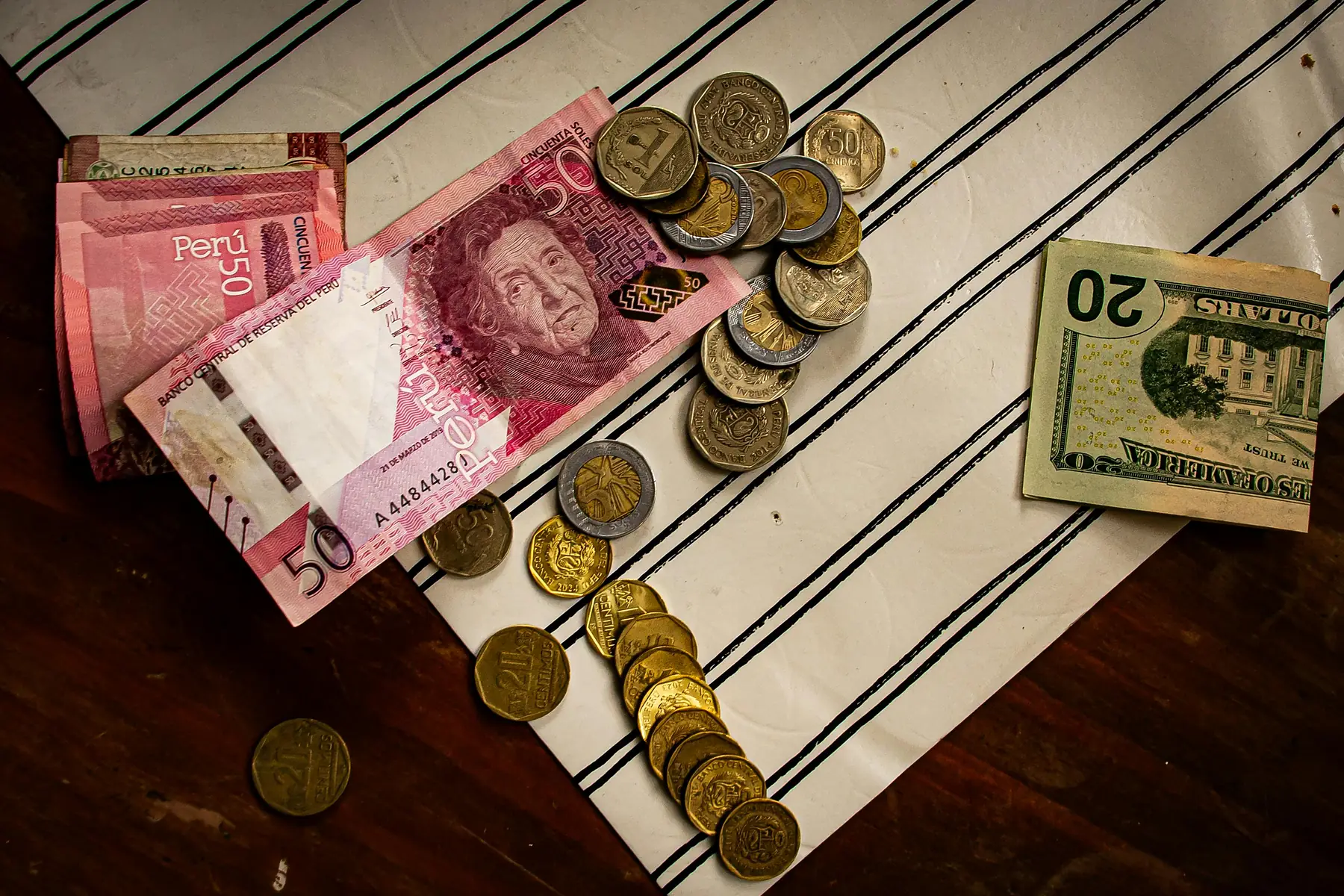
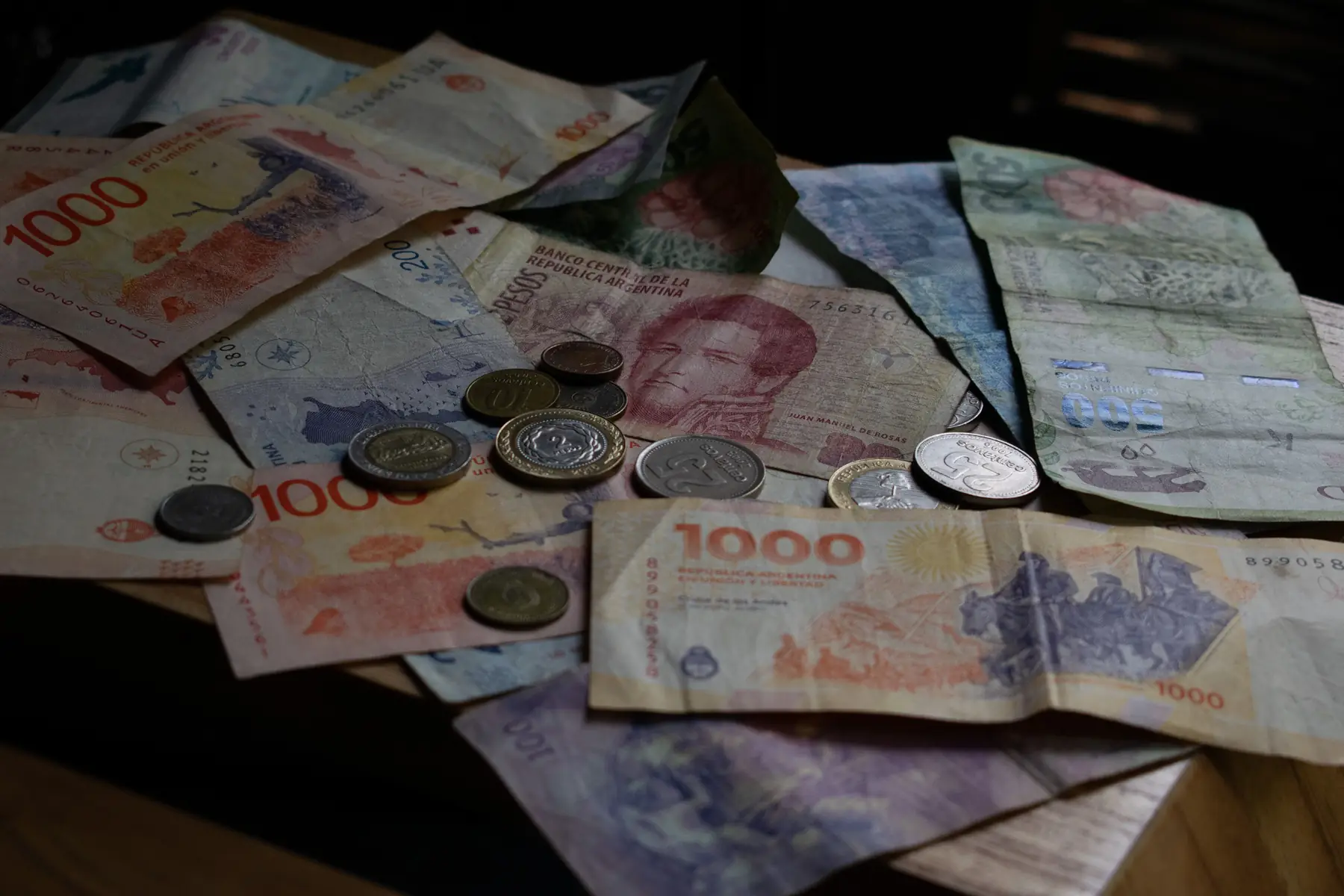
- Small Cash Reserves: While most major towns accept cards, remote border zones may have small tolls or fees that require physical cash. Keep a small amount of both Chilean Pesos (CLP) and Argentine Pesos (ARS) for emergencies. See our currency and money guide for more.
- Beat the Rush: Most tourist buses arrive at the borders between 10:00 AM and 2:00 PM. If you are driving, aim to be at the border when it opens (usually 8:00 AM) or after 5:00 PM to avoid the long queues.
QUESTION: Do I need a special permit to take a rental car across the Patagonia border?
ANSWER: Yes, you must obtain a notarized “Permiso de Salida” and specialized international insurance (Mercosur Insurance) from your rental agency at least 3-7 days before your crossing.
QUESTION: Can I bring fresh fruit across the border into Chilean Patagonia?
ANSWER: No, Chile has extremely strict agricultural laws (SAG) that prohibit bringing any fresh fruit, vegetables, or animal products into the country to protect its local ecosystem.
QUESTION: How long does it typically take to cross the border in Patagonia?
ANSWER: A standard crossing takes 45-90 minutes, but during the peak 2026/27 summer season, wait times at popular passes like Paso Rio Don Guillermo can exceed 3 hours.
QUESTION: Is the border between Chile and Argentina in Patagonia open 24 hours?
ANSWER: Most Patagonia borders have specific operating hours (typically 8:00 AM to 8:00 PM), though major crossings like Paso Dorotea often stay open 24 hours during the peak summer months.
QUESTION: Do I need to pay a fee to cross the Patagonia border by land?
ANSWER: There is generally no fee to physically cross the border, but you may need to pay reciprocity fees or visa costs online in advance depending on your nationality.
QUESTION: Are Patagonia border crossings paved or gravel?
ANSWER: Major crossings like Cardenal Samore are fully paved, but many remote southern passes involve long stretches of “ripio” (unpaved gravel) on both the Chilean and Argentine sides.