
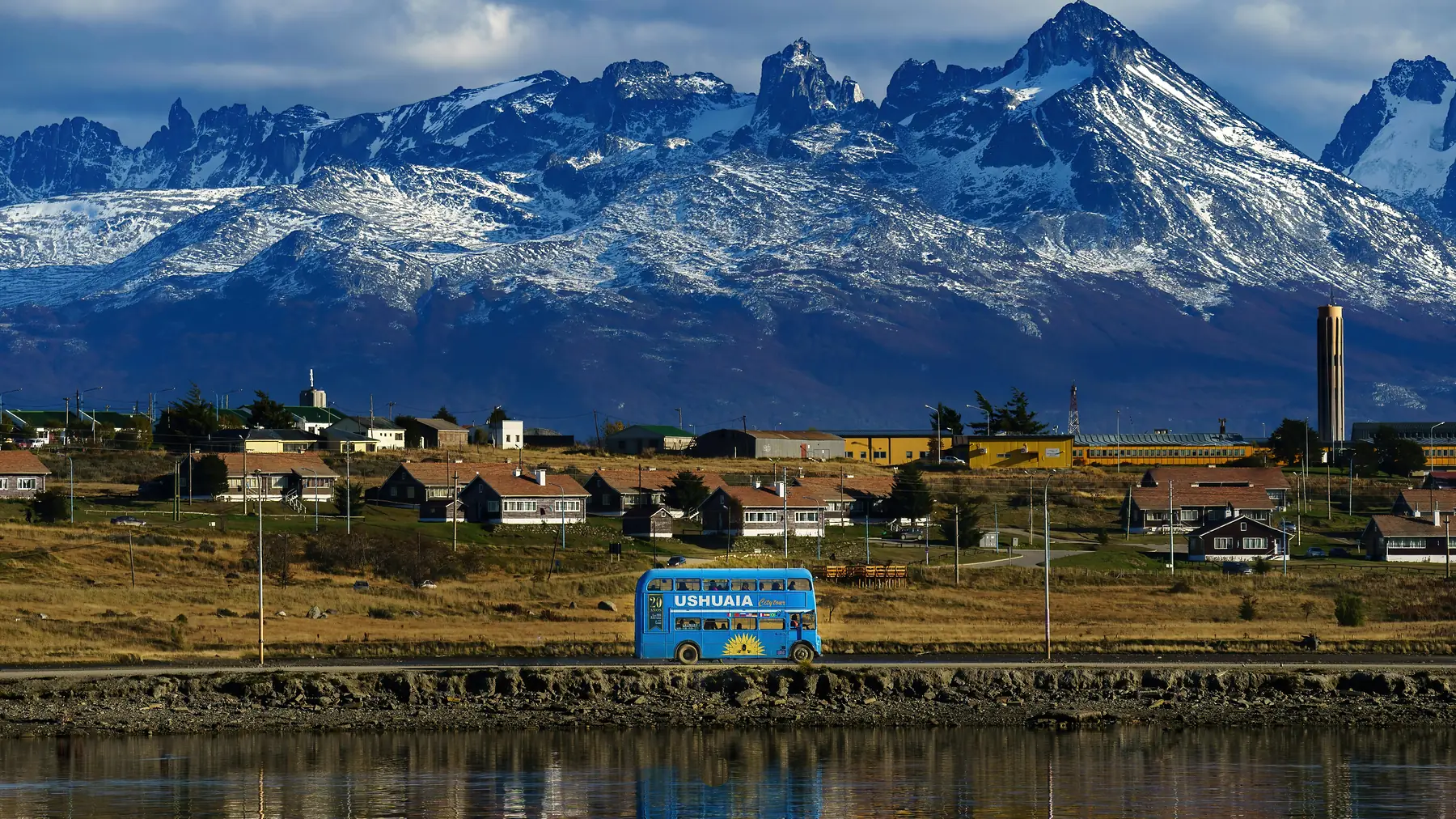
Buses are the most reliable and cost-effective way to navigate the vast distances of Patagonia, offering a network that connects major hiking hubs across both Chile and Argentina. For the 2026/27 season, these long-distance coaches remain the primary choice for travelers who want to avoid the high costs of one-way car rentals or the logistical hurdles of regional flights.
While the idea of South American bus travel sometimes evokes images of rugged, dusty journeys, the reality in Patagonia is quite different. The fleet consists mostly of modern, double-decker coaches designed for comfort on 12-hour stretches of the pampa. From the “trekker express” routes into Torres del Paine to the cross-border links between El Calafate and Puerto Natales, the bus system is a well-oiled machine that rewards those who understand its schedules and booking platforms.
Why Choose Bus Travel in Patagonia?
Buses serve as the logistical backbone of the region because they solve the two biggest headaches of Patagonian travel, extreme distance and high cost. While a one-way car rental between Chile and Argentina can incur “drop-off” fees exceeding $1,000 USD, a bus ticket for these major routes typically costs between $45 and $110 USD as of the 2026/27 season.
Beyond the savings, choosing the bus is the most sustainable way to move through these fragile ecosystems. By consolidating travelers onto high-occupancy vehicles, the carbon footprint of your journey is significantly lower than that of a private rental or a short-haul flight. It also allows you to focus on the scenery, such as the iconic views of the Southern Ice Field visible from the windows along Argentina’s Ruta 40, without the stress of navigating gravel roads or high-velocity winds.
For a complete breakdown of how buses stack up against other transport methods, including when a rental might actually be worth the splurge, see our comprehensive guide to getting around.

Buses are also a foundational strategy for anyone attempting to keep costs down in an otherwise expensive region. We have detailed more ways to stretch your budget in our dedicated planning resource.

What to Expect: Comfort, Safety, and Onboard Amenities
The standard of Patagonian buses is surprisingly high, with many companies offering a level of service that exceeds European or North American equivalents. Most long-distance routes utilize two-tier coaches with distinct seating classes.
You will generally choose between two seating tiers:
- Semi-Cama: The standard option. These seats are comfortable, with a significant recline (around 120–140 degrees) and footrests.
- Cama / Ejecutivo: The premium option, usually located on the lower deck. These seats are wider, often in a 2-1 configuration rather than 2-2, and recline approximately 160 degrees. For a fully flat 180-degree bed, look for “Cama Suite” or “Premium” services, though these are rarer on southern routes.
Safety is managed through a strict luggage stub system. When you check your large bags into the hold beneath the bus, the attendant will provide you with a numbered sticker or plastic tag. You must present this tag to reclaim your bag at your destination. This system is highly effective at preventing theft at intermediate stops.
Most buses feature onboard toilets (reserved for liquid waste) and heating systems that are notoriously powerful; it is often wise to dress in layers, as the interior can be quite warm even when it is snowing outside. Note that while some companies like Bus-Sur have upgraded to high-speed Wi-Fi on certain routes, the remote geography means connectivity remains intermittent once the bus leaves city limits.
Major Bus Routes in Southern Patagonia
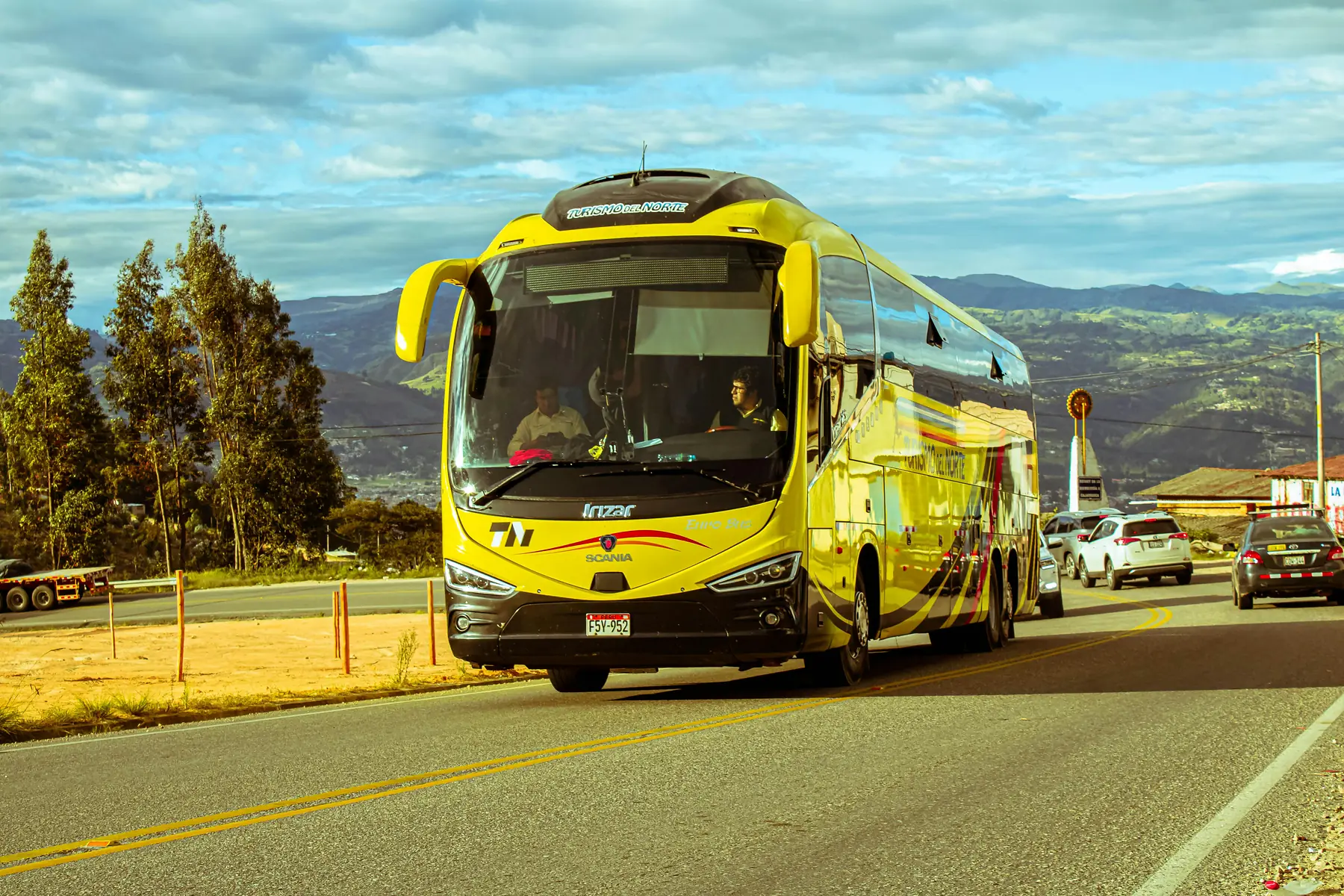
The “Southern Circuit” is the most popular corridor for travelers, connecting the granite peaks of Chile with the glaciers of Argentina. During the 2026/27 high season, these routes run with high frequency, often with multiple departures daily.
| Route | Approx. Duration | Key Highlights | Major Operators |
|---|---|---|---|
| Puerto Natales to Torres del Paine | 2 hours | Laguna Amarga & Pudeto stops | Bus-Sur, Buses Gómez, Maria José |
| El Calafate to Puerto Natales | 5–6 hours | International border crossing | Bus-Sur, Turismo Zaahj, Marga Taqsa |
| Punta Arenas to Puerto Natales | 3 hours | Direct airport pickups available | Buses Fernández, Bus-Sur |
| El Calafate to El Chaltén | 3 hours | Views of Mount Fitz Roy | Chaltén Travel, Marga Taqsa, Caltur |
| Punta Arenas to Ushuaia | 11–12 hours | Strait of Magellan ferry crossing | Bus-Sur |
The journey from Punta Arenas to Ushuaia is particularly notable as it involves a ferry crossing across the Strait of Magellan. The cost of this ferry is included in your bus ticket price. For the 2026/27 season, expect this journey to take a full day (11–12 hours) depending on border wait times and ferry synchronization.
If you are heading to the “End of the World,” you can find more details on what to do upon arrival in our Ushuaia destination guide.
Top Patagonia Bus Companies to Know
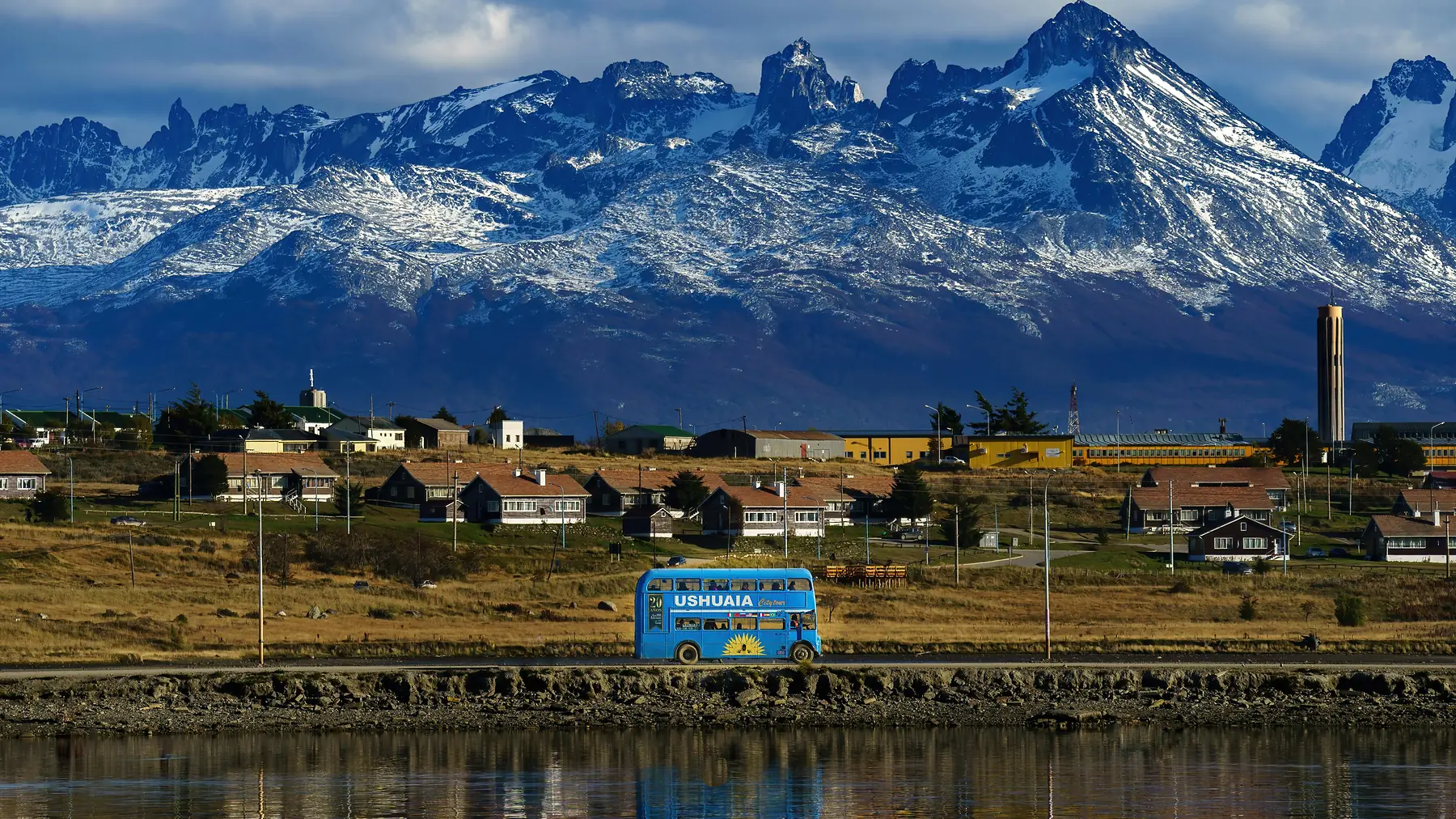
While dozens of smaller operators exist, a few major players dominate the 2026/27 landscape. These companies are generally the most reliable and offer the easiest digital booking experiences.
- Bus-Sur: The most prominent operator in Southern Chile. They run the critical links between Punta Arenas, Puerto Natales, and El Calafate, as well as the long-haul route to Ushuaia. Their fleet is modern, and their website is the most user-friendly in the region.
- Buses Fernández: The go-to choice for the 3-hour corridor between Punta Arenas and Puerto Natales. They offer frequent departures and have a dedicated terminal in central Punta Arenas.
- Turismo Zaahj: A reliable alternative for the cross-border route between Puerto Natales and El Calafate. They are often the first to open bookings for the upcoming season.
- Chaltén Travel: Specialized in the route between El Calafate and El Chaltén. They provide frequent service, including pickups from the El Calafate airport (FTE).
- Marga Taqsa: A massive Argentine operator that covers the long-haul stretches of Ruta 40, connecting El Calafate with northern destinations like Bariloche, and also services the Puerto Natales cross-border route.

How to Book Bus Tickets in Patagonia (2026/27)
Booking in advance is essential for the 2026/27 high season (December through February). Popular routes, particularly the cross-border crossing between El Calafate and Puerto Natales, can sell out two weeks in advance.
Online booking is now the standard. For travelers with international credit cards, third-party aggregators are often the most seamless option:
- Busbud: The best all-rounder for English-speaking travelers. It aggregates most major Patagonian companies and accepts international cards without the “DNI” (local ID) hurdles often found on local sites.
- Recorrido.cl: The gold standard for routes within Chile. It offers a clear view of seat maps and pricing tiers.
- Plataforma 10: The primary aggregator for Argentine routes.
For more tools to help you manage your logistics on the go, check out our curated list of travel apps.

Book Online
Download or Print
Check the Terminal
Crossing the Border: Chile and Argentina by Bus
Crossing the border between Chile and Argentina by bus is a highly structured process. The bus driver acts as your guide through this logistical dance, but you are responsible for your own paperwork.
When the bus reaches the border, it will stop at two separate buildings, the exit station for the country you are leaving and the entry station for the country you are joining. Every passenger must disembark at both stops. You will need to take all your carry-on luggage with you for scanning at the entry point. The large bags in the hold stay on the bus unless the customs officials specifically request a full search of the vehicle.
The driver will usually collect all passports or distribute customs forms before you arrive at the station to speed up the process. Expect the entire crossing to add 1–2 hours to your journey time, though this can stretch to 3 hours during the peak of the 2026/27 summer.
For a full breakdown of the digital forms and PDI requirements for the 2026/27 season, refer to our dedicated border crossing guide.

Bus Travel in Northern Patagonia & Carretera Austral
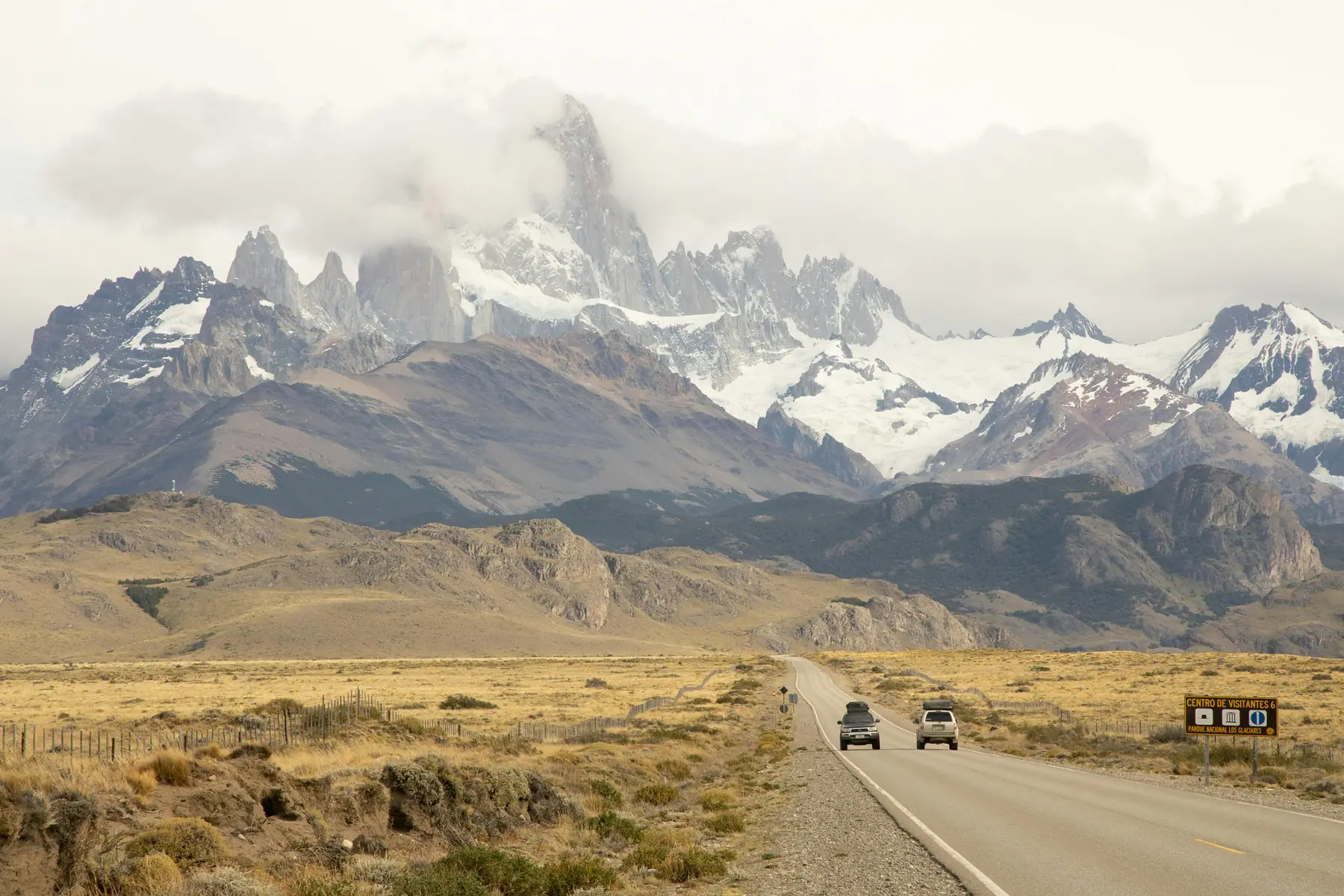
If you are traveling through the Aysén region or along the Carretera Austral, the bus system changes significantly. The massive double-decker coaches of the south are replaced by smaller “furgones” (minibuses) or 24-seater shuttles.
In this region, the system is less centralized. Many routes do not appear on major booking sites like Busbud. Instead, bookings are often made via WhatsApp or by visiting the local bus office in town a day before departure. Frequencies are also lower; even in the height of summer, a bus from Coyhaique to Chaitén (operated by companies like Buses Becker) typically runs only two to four times per week.
To navigate this more complex region, you’ll need town-by-town specifics on which shuttles are currently active.
FAQ
Is there Wi-Fi on Patagonia buses? While some modern fleets (like Bus-Sur) offer Wi-Fi, it is often unreliable in remote areas due to a lack of cellular towers; it is best to download your maps and entertainment before boarding.
Do Patagonia buses have toilets on board? Yes, almost all long-distance Patagonia buses include a maintained toilet, though it is usually reserved for liquid waste only.
Can I buy Patagonia bus tickets at the station on the day of travel? While you can buy tickets at the terminal, it is highly recommended to book 2026/27 high-season tickets at least a week in advance, as popular routes like El Calafate to Puerto Natales sell out quickly.
How much luggage can I take on a Patagonia bus? Most Patagonia bus companies allow one large suitcase (typically up to 23kg) in the hold and one small carry-on bag, with a secure tag system used for the under-bus storage.
Are buses in Patagonia safe for solo travelers? Patagonia buses are exceptionally safe and reliable for solo travelers, featuring assigned seating and a secure luggage check system that prevents theft during stops.
How long is the bus from Puerto Natales to Torres del Paine? The bus journey from Puerto Natales to the Torres del Paine park entrance (Laguna Amarga) takes approximately 2 hours, with additional stops at Pudeto and Administration.