

Citizens of the United States, Canada, or Australia do not need to pay a reciprocity fee to enter Argentina in 2026. The fee has been officially suspended for these nationalities for several years and remains at $0 for the current travel season.
While you may still find outdated travel blogs or forum posts mentioning a mandatory online payment, these requirements were abolished or suspended between 2016 and 2018. Today, travelers from these countries receive a standard 90-day tourist stamp upon entry at no cost, provided they meet basic visa requirements and passport validity standards.
What is the Argentina Reciprocity Fee?
The Argentina reciprocity fee was a mandatory entry tax charged to citizens of countries that required Argentine citizens to pay for a visa. It was not a visa in the legal sense, which grants permission to enter, but rather a retaliatory fee based on the principle of international reciprocity. If a country charged Argentines $160 for a tourist visa, Argentina charged that country’s citizens $160 to enter.
Historically, this fee was a significant logistical hurdle for Patagonia travelers. Unlike a standard visa that might be processed at a consulate, the reciprocity fee was paid via an online portal managed by the Provincia Pagos system. Travelers had to print a receipt and present it to immigration officials. For those crossing remote land borders between Chile and Argentina, forgetting this piece of paper often meant a long, frustrating journey back to the nearest town with an internet connection.
It is important to distinguish this fee from a tourist visa. Most Western travelers are “visa exempt,” meaning they do not need to apply for paperwork at a consulate before their trip. The reciprocity fee was simply an additional tax on that exemption. While the fee is currently suspended, the underlying visa-exempt status remains the standard for most visitors.
2026 Status: Do You Need to Pay the Fee?
For the 2026/27 Patagonia season, the reciprocity fee remains suspended for the three primary markets that were previously affected. This suspension applies regardless of whether you arrive by international flight into Buenos Aires or cross a land border in the deep south.
2026 Reciprocity Status at a Glance
- United States Citizens: Suspended (Since March 2016)
- Australian Citizens: Suspended (Since July 2017)
- Canadian Citizens: Suspended (Since January 2018)
- UK & EU Citizens: Never required to pay
- Fee Amount: $0 USD
- Entry Method: All air, land, and sea borders
While the fee is $0, you are still subject to standard immigration controls. Upon arrival, an immigration officer will scan your passport and typically grant a 90-day stay. It is worth noting that while the fee is “suspended” rather than “abolished” in some legal texts, there has been no movement from the Argentine government to reinstate these charges for the foreseeable future.
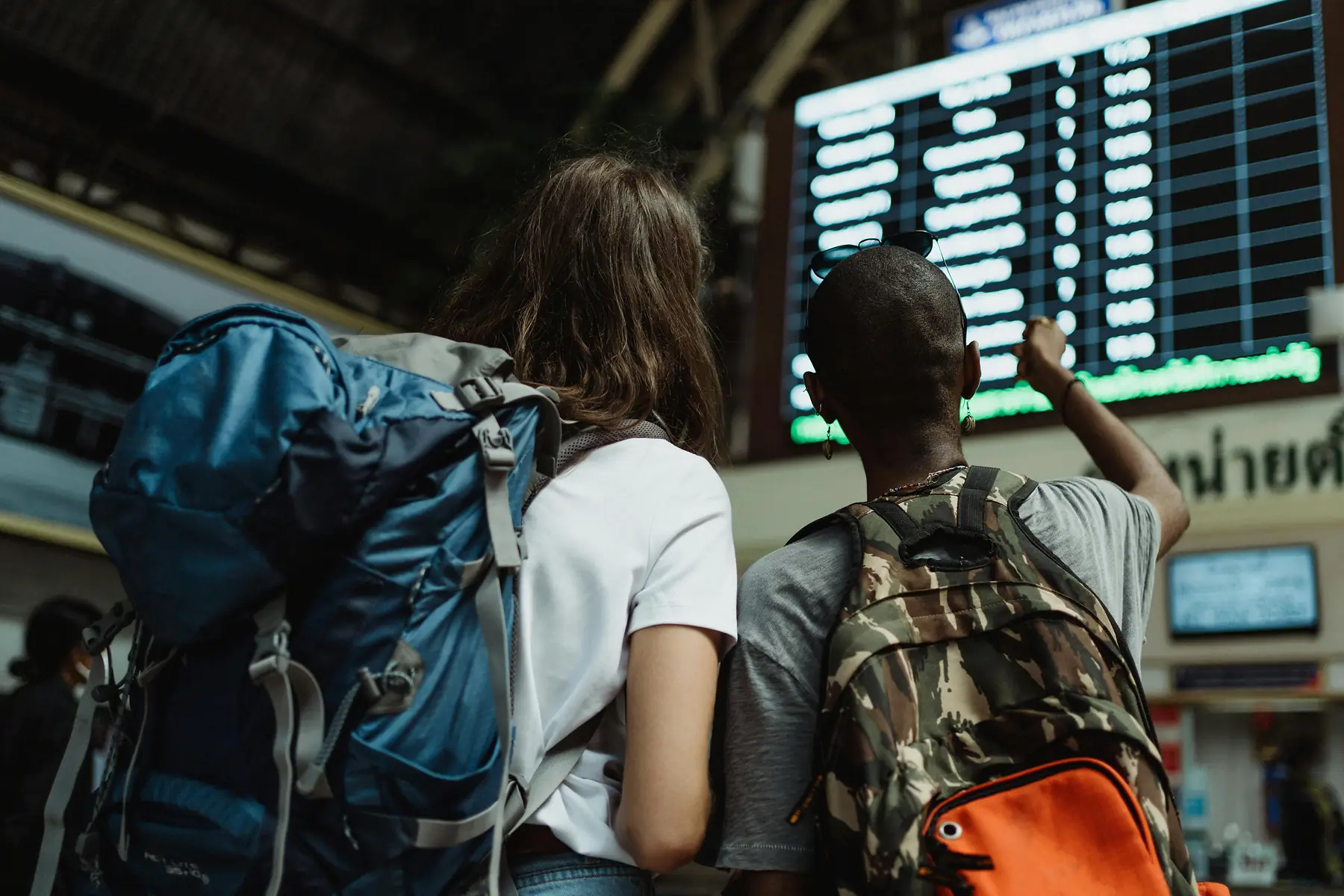
Crossing from Chile to Argentina: Patagonia Land Borders
For many travelers, the question of the reciprocity fee arises when planning a “Southern Loop” that connects Torres del Paine in Chile with El Calafate in Argentina. Because these land crossings are often remote, travelers worry about being turned away for lack of a fee receipt.
The suspension of the reciprocity fee is applied uniformly across all Argentine border posts. Whether you are entering via a major airport or a small mountain pass like Paso Río Don Guillermo (the primary crossing for those traveling between El Calafate and Torres del Paine), the rules are the same. You do not need to show proof of payment or pay any cash at the border station.
If you are crossing at a very remote border post, it is a smart “just in case” measure to have a digital copy or a screenshot of the official Argentine government announcement regarding the fee suspension. While border officials are well aware of the rules, having the documentation can resolve rare confusion in areas with limited connectivity.
It is also important to distinguish the Argentine entry process from the Chilean one. When you leave Chile, you will surrender your PDI (Policía de Investigaciones) digital entry receipt or physical slip. When you enter Argentina, you are entering a new jurisdiction with its own border crossing logistics. The absence of a reciprocity fee does not exempt you from customs inspections, where Argentine officials are particularly strict about prohibiting the entry of fresh fruits, honey, or meat products.
History of the Fee: Why Travelers are Still Confused
The reason “Argentina reciprocity fee” remains a high-volume search term is due to the “Reciprocity War” that took place between 2009 and 2018. During this period, the Argentine government was highly vocal about charging travelers from the US, Canada, and Australia. The fees were substantial - US citizens paid $160, while Canadians and Australians paid around $100 - $150 depending on the year.
Because these fees were in place for nearly a decade, they are mentioned in thousands of older guidebooks, archived travel forum threads, and veteran travelers’ blogs. You may even see old “Reciprocity Fee” stickers in the physical passports of people who visited Patagonia ten years ago. These stickers are now purely nostalgic and have no bearing on your 2026 entry requirements.
The fee was gradually phased out as a gesture to boost tourism and improve bilateral relations. The US fee was the first to go in 2016, followed by Australia in 2017, and Canada in 2018. Unless there is a significant shift in diplomatic policy, these fees are unlikely to return.

Other Entry Requirements to Watch in 2026
Now that you know the reciprocity fee is not a concern, you should focus on the paperwork that actually matters for a smooth entry. Argentina is generally welcoming to tourists, but they do enforce specific standards for passport validity and length of stay.
Before you head to the airport or the bus station, ensure your passport is valid for at least six months beyond your date of entry. While Argentine law technically requires validity only for the duration of your stay, the six-month rule is the standard enforced by most international airlines and is strongly recommended by foreign consulates to avoid boarding denials. You should also be prepared to show proof of onward travel, such as a bus ticket back to Chile or a flight out of Buenos Aires, if requested by an immigration official.
To complete your pre-trip checklist, explore our detailed guides on the remaining entry requirements and visa rules.

FAQ
QUESTION: Do US citizens have to pay a reciprocity fee for Argentina in 2026?
ANSWER: No, the Argentina reciprocity fee for US citizens was suspended in 2016 and remains at $0 for 2026 travelers.
QUESTION: Is there an Argentina entry fee for Canadians crossing from Chile?
ANSWER: No, the Argentina reciprocity fee for Canadian passport holders was suspended in 2018 and is not required at land or air borders.
QUESTION: How much is the Argentina reciprocity fee for Australians?
ANSWER: The Argentina reciprocity fee for Australian citizens is currently $0, as the requirement was suspended in July 2017.
QUESTION: Do I need to pay a fee at the Argentina border in Patagonia?
ANSWER: There is currently no reciprocity fee for US, UK, Canadian, or Australian tourists entering Argentina at any Patagonian land border.
QUESTION: Can I pay the Argentina reciprocity fee on arrival?
ANSWER: Because the Argentina reciprocity fee is currently suspended for major tourist markets, you do not need to pay anything on arrival in 2026.
QUESTION: Does the Argentina reciprocity fee still exist?
ANSWER: The Argentina reciprocity fee still exists in law but the collection of it has been suspended for citizens of the United States, Canada, and Australia since 2018.