
Patagonia is an exceptional destination for solo travel, offering a rare combination of profound wilderness and a highly developed social infrastructure that makes going alone both safe and straightforward. For most travelers, the region provides the perfect balance between the independence of a solo journey and the ease of a well-trodden trail where meeting like-minded hikers is almost inevitable.
Whether you are planning to trek the W Trek alone, navigate the Carretera Austral by bus, or find a social base in El Chaltén, the logistical hurdles of Patagonia are easily overcome with the right preparation. This guide breaks down the specific safety protocols, social hubs, and cost-saving strategies you need to plan a solo adventure through the southern tip of the Andes.
Solo Travel at a Glance
- Safety Rating: Very High. Patagonia has low violent crime rates and a respectful culture toward solo travelers.
- Social Density: High in hubs like El Chaltén and Puerto Natales; low in Northern Patagonia (Aysén).
- Primary Transport: Public bus networks are the most reliable and social way to move between hubs.
- Key Solo Gear: Satellite messenger (Garmin InReach), offline maps (Gaia or AllTrails), and a portable power bank.
- Language Barrier: Low in tourist centers; moderate in rural areas where basic Spanish is essential.
Is Patagonia Good for Solo Travelers?
Patagonia is uniquely suited for solo travel because it rewards the flexibility that traveling alone provides. While the region is synonymous with “remote wilderness,” the reality for most travelers is the “Gringo Trail” - a well-connected sequence of towns and parks where the infrastructure is designed specifically for hikers moving between major highlights.
The primary trade-off of going solo in Patagonia is the shift in responsibility. You are your own navigator, weather-watcher, and logistics manager. However, the reward is absolute freedom of movement. If a storm rolls into El Chaltén, you can decide to hunker down in a craft brewery for three days without needing to consult a partner. If you feel strong on the W Trek, you can push for an extra side-trip to the Británico Lookout without worrying about someone else’s pace.
Solo travelers in Patagonia generally fall into two categories. The Social Backpacker focuses on the major hubs of Southern Patagonia, staying in hostels and joining group day tours to glaciers. The Solo Wilderness Seeker heads for the more rugged Aysén region or the remote trails of Tierra del Fuego, where solitude is the goal rather than a byproduct. Both are well-supported, but they require different levels of self-reliance and technical preparation. For a broader look at how to structure your journey, see our Patagonia planning overview.
Safety for Solo Travelers in Patagonia
Safety is the most common concern for those heading to South America alone, but Patagonia exists in a different reality than the continent’s major metropolitan areas. Violent crime is rare, and the primary risks are environmental rather than social.
For solo female travelers, the culture in Patagonia is generally respectful. While “machismo” exists in Latin America, it rarely translates into harassment in the trekking hubs of the south. You may encounter “piropos” (catcalls) in larger gateway cities like Santiago or Punta Arenas, but in the mountains, the shared identity of “hiker” tends to supersede gender dynamics. Local residents are accustomed to seeing women traveling and hiking alone, and the community is protective of its reputation as a safe haven.
The real danger for any solo traveler is the environment. If you twist an ankle on a remote trail in the French Valley, you don’t have a partner to go for help. This makes communication technology the most important item in your pack.
The CONAF booking system and local trail registrations often require an emergency contact. Use a service like Garmin InReach or Zoleo to send a “starting hike” and “finished hike” message to a friend back home daily, as cell service is non-existent on most trails.
Cell service in the region is notoriously spotty. While El Chaltén has fiber-optic internet in town, 4G mobile reliability remains poor during peak hours due to network congestion. As of the 2026 season, 5G is not yet a standard reality in the village, and data speeds are often throttled when the town is at capacity. In Torres del Paine, do not expect any signal once you leave the Laguna Amarga entrance or the main hotel zones. Staying connected requires a mix of local SIMs and satellite tech. For a full breakdown of how to manage your tech, see our guide on internet and SIM cards in Patagonia.
Beyond communication, ensure your travel insurance specifically covers “trekking up to 3,000 meters” and “search and rescue.” Many standard policies exclude these, and a helicopter evacuation in Patagonia can cost upwards of $7,000 USD as of 2026/27. For more on general risks and health, consult our comprehensive safety and crime statistics.
Solo Trekking: Can You Hike Patagonia Alone?
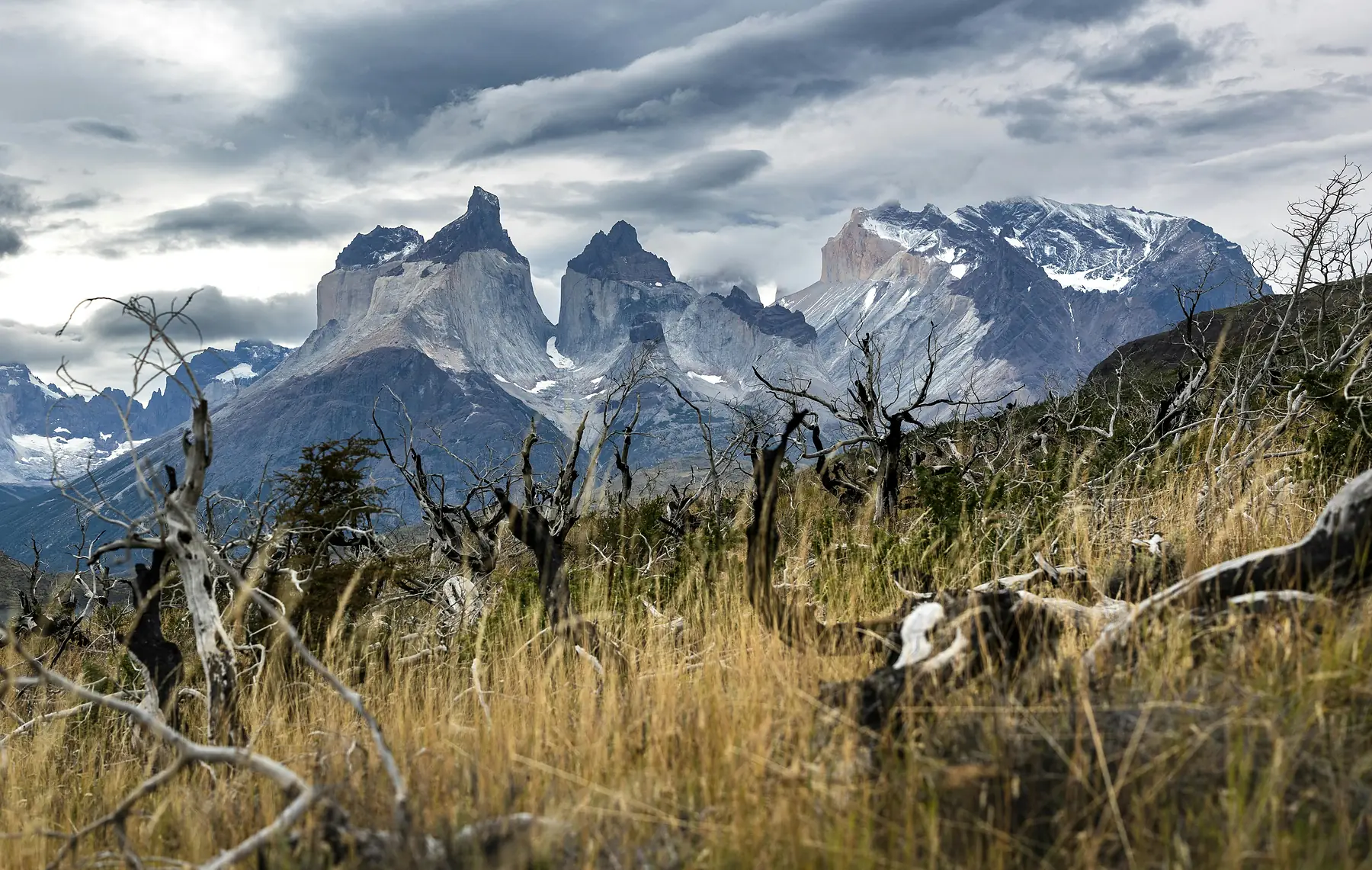
You can absolutely hike alone in Patagonia, provided you choose trails that match your experience level and the local regulations. The region’s most famous routes are designed for high-volume traffic, meaning you are rarely truly alone for more than an hour or two.
The W Trek in Torres del Paine is the gold standard for solo trekking. The trails are as well-marked as a suburban park, and the “refugio” culture means you can hike with a light pack, eat hot meals, and sleep in a bunk bed. It is virtually impossible to get lost on the W Trek, and the social atmosphere in the shared dorms makes it the easiest place to find a “hiking family” for a few days. You can find more about the social experience of the W Trek here.
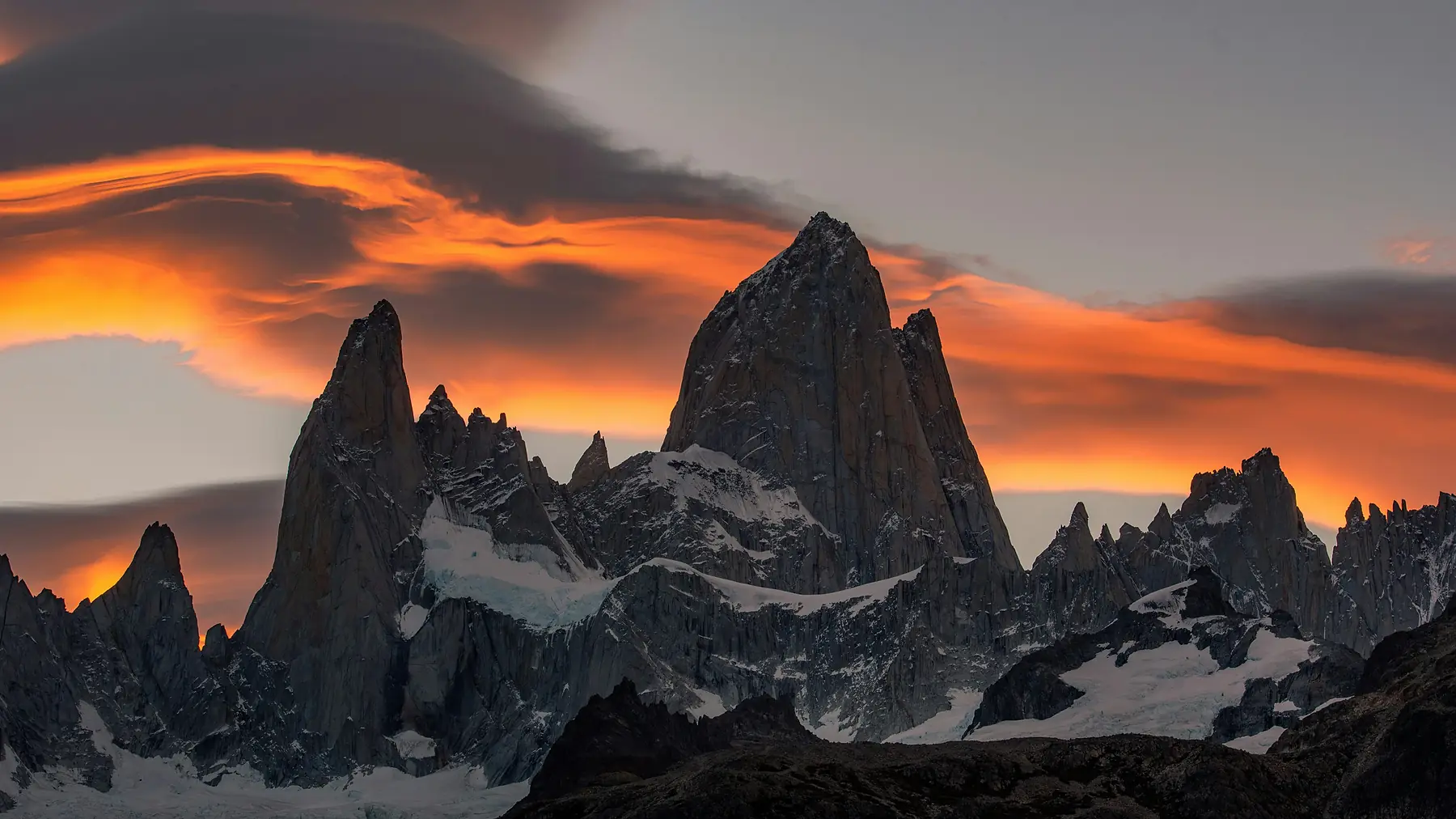
El Chaltén is the other premier solo destination. Because the best trails (Fitz Roy, Cerro Torre) start right from the edge of town, you can do world-class day hikes and return to a warm bed and a social bar every night. This eliminates the need for heavy camping gear and the risks associated with solo backcountry camping.
Do not attempt high-risk solo treks like the Huemul Circuit or the remote sections of the Greater Aysén region unless you are an expert navigator with a Personal Locator Beacon (PLB). These routes involve river crossings and technical passes where a solo fall can be fatal.
Regarding regulations, most trails in Chilean and Argentine national parks allow solo hikers. For the 2026 season, CONAF permits solo hikers on the O Circuit, including the Paso John Gardner, but has implemented stricter safety protocols. These include a mandatory registration at Guardería Coirón and a daily cap of 100 people on the circuit. Rangers may restrict passage over the pass during high winds or poor visibility. Even where it is legal, always register your solo itinerary with the park rangers (Guardaparques) at the trailhead.
If you are looking for the best social day-hiking hub, we recommend starting your research with our El Chaltén guide.
How to Meet People in Patagonia
One of the biggest myths of solo travel is that you will actually be alone. In Patagonia, the “Social Hub” towns act as natural funnels that bring travelers together. If you want to meet people, you simply need to position yourself in the right places.
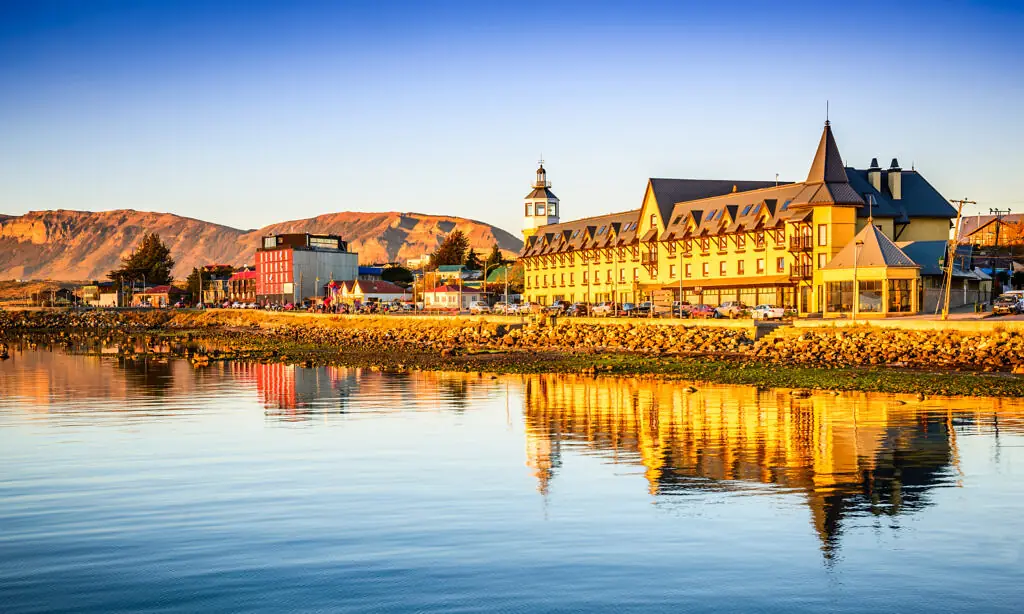
Puerto Natales and El Chaltén are the primary meeting grounds. In Puerto Natales, travelers congregate in the days before starting the W Trek, often attending “W Trek talks” at local hostels or gear shops. In El Chaltén, the craft breweries (cervecerías) like La Cervecería or Patagonia Rebelde are the town’s living rooms, where hikers swap trail conditions over pints of Calafate berry ale.
Accommodation choice is the biggest catalyst for social interaction. While hostels are the traditional choice, a new wave of “Social Hotels” offers a middle ground for solo travelers who want privacy without isolation.
Beyond accommodation, digital communities are highly active. The “Patagonia” and “Torres del Paine” subreddits and Facebook groups are excellent for finding partners to split a rental car or a private transfer. Additionally, joining a guided day tour - such as a trek on the Perito Moreno Glacier - is a low-pressure way to meet people you might want to hike with later in the week.
Solo Logistics: Transport and Food
Moving around Patagonia as a party of one is remarkably efficient thanks to the extensive bus network. For a solo traveler, the bus is significantly better than renting a car; it is cheaper, safer on the gravel roads (Ruta 40 can be treacherous), and provides a natural opportunity to meet other travelers.
The bus stations (Terminal de Omnibus) are the heart of solo logistics. In places like El Calafate or Puerto Natales, you’ll find hundreds of soloists navigating the same routes. It is far safer and more reliable than attempting to hitchhike, which has become increasingly difficult and less socially accepted in the busier parts of the region. For the mechanics of booking, see our guide to navigating the regional bus network.
- Cost: $35 - $50 per leg (as of 2026/27) vs. $100+ per day plus fuel.
- Social: High - meet people at stations and on board vs. Zero - isolated in the vehicle.
- Safety: Professional drivers on familiar roads vs. High stress on gravel and high winds.
- Flexibility: Fixed schedules vs. Total freedom to stop anywhere.
For most solo travelers, the bus is the clear winner for cost and social opportunities. Only rent a car if you are heading deep into the Carretera Austral where buses are infrequent.
Dining alone is also culturally easy. Patagonia has a strong “Comedor” and cafe culture where eating solo is perfectly normal. In the evenings, craft breweries are the best bet; they often have communal tables or bar seating where it’s easy to strike up a conversation.
Regarding language, you can get by with English in the main hubs, but having basic Spanish is a massive advantage for solo logistics. Being able to ask a bus driver about a delayed connection or negotiate a single room rate at a small “hospedaje” will significantly lower your stress levels. We’ve compiled the essential Spanish phrases for solo travelers here.
Managing the “Single Supplement” and Costs
Patagonia can be expensive, and solo travelers often face the “Single Supplement” - a surcharge for occupying a room designed for two. However, there are ways to minimize this “solo tax.”
In the trekking world, the supplement doesn’t exist. Refugios charge per bed in a shared dorm, meaning you pay exactly the same as everyone else. This makes multi-day trekking one of the most cost-effective ways to see the region solo. If you prefer hotels, look for “Single Occupancy” rates. Many boutique hotels in Patagonia offer these at 70-80% of the double room rate, rather than charging the full 100%.
When booking luxury experiences like Australis Cruises or EcoCamp, ask about “Single Share” programs. They may be able to pair you with another solo traveler of the same gender to avoid the 50-100% single supplement fee.
As of the 2026/27 season, the single supplement for Australis Cruises is 50% of the per-person rate (totaling 150% of the standard fare). EcoCamp supplements for Suite Domes vary by season but typically range from 75% to 100% for solo occupancy.
If you are on a tight budget, your best strategy is to spend your money on things that ensure your safety (like a good satellite messenger) and save money by using dorms and public buses. For more strategies on stretching your budget, see our guide to Patagonia on a budget.
Recommended Solo Itineraries
If this is your first solo trip to the region, we recommend sticking to the “Social Classic” route. It offers the best safety net and the highest density of other travelers.
The Social Classic (10-14 Days)
- El Calafate (2 Days): Visit Perito Moreno Glacier. Great for meeting people on day tours.
- El Chaltén (4-5 Days): World-class day hiking. The easiest place to be alone but never lonely.
- Puerto Natales (2 Days): Prep for your trek and attend local orientation talks.
- Torres del Paine (4-5 Days): Hike the W Trek, staying in refugios.
The Southern End (7 Days) Add Ushuaia to your circuit. The “End of the World” has a very high concentration of solo travelers looking to board Antarctic cruises or explore Tierra del Fuego. It is a compact, walkable city that feels very safe for solo exploration.
For those seeking more solitude, the Carretera Austral (Aysén) is the ultimate solo adventure, but it requires much more logistical legwork and a higher level of Spanish. You can find detailed day-by-day Patagonia routes here.
- Nudge: Not sure about going totally alone? Check out our guide to the best small group tours in Patagonia.
- Internal Link: Ready to book the W Trek? See our full Refugio guide here.
FAQ
-
QUESTION: Is solo travel in Patagonia safe for women?
-
ANSWER: Yes, Patagonia is widely considered one of the safest regions in South America for solo female travelers due to its low violent crime rate and a culture that is generally respectful toward tourists.
-
QUESTION: Can I hike the W Trek in Torres del Paine alone?
-
ANSWER: Yes, the W Trek is perfectly suited for solo hikers as the trails are well-marked, and the shared dorms in the refugios make it easy to meet other travelers.
-
QUESTION: Do I need to speak Spanish for solo travel in Patagonia?
-
ANSWER: While basic Spanish is helpful for navigating bus stations and local markets, you can easily get by with English in major hubs like El Chalten and Puerto Natales.
-
QUESTION: How do I meet other solo travelers in Patagonia?
-
ANSWER: Staying in hostels in El Chalten or Puerto Natales, joining guided day tours to glaciers, or hanging out at local craft breweries are the most effective ways to find trekking partners.
-
QUESTION: Is solo trekking in Patagonia dangerous?
-
ANSWER: Solo trekking is safe on popular, well-marked trails, but it becomes risky in remote areas due to unpredictable weather; always carry a satellite communication device if hiking alone.
-
QUESTION: What is the best month for solo travel in Patagonia?
-
ANSWER: The peak season months of December through February are best for solo travelers because the high volume of other tourists makes it much easier to meet people and find shared transport.