Destinations

Carretera Austral Restaurants: Where to Eat & Shop

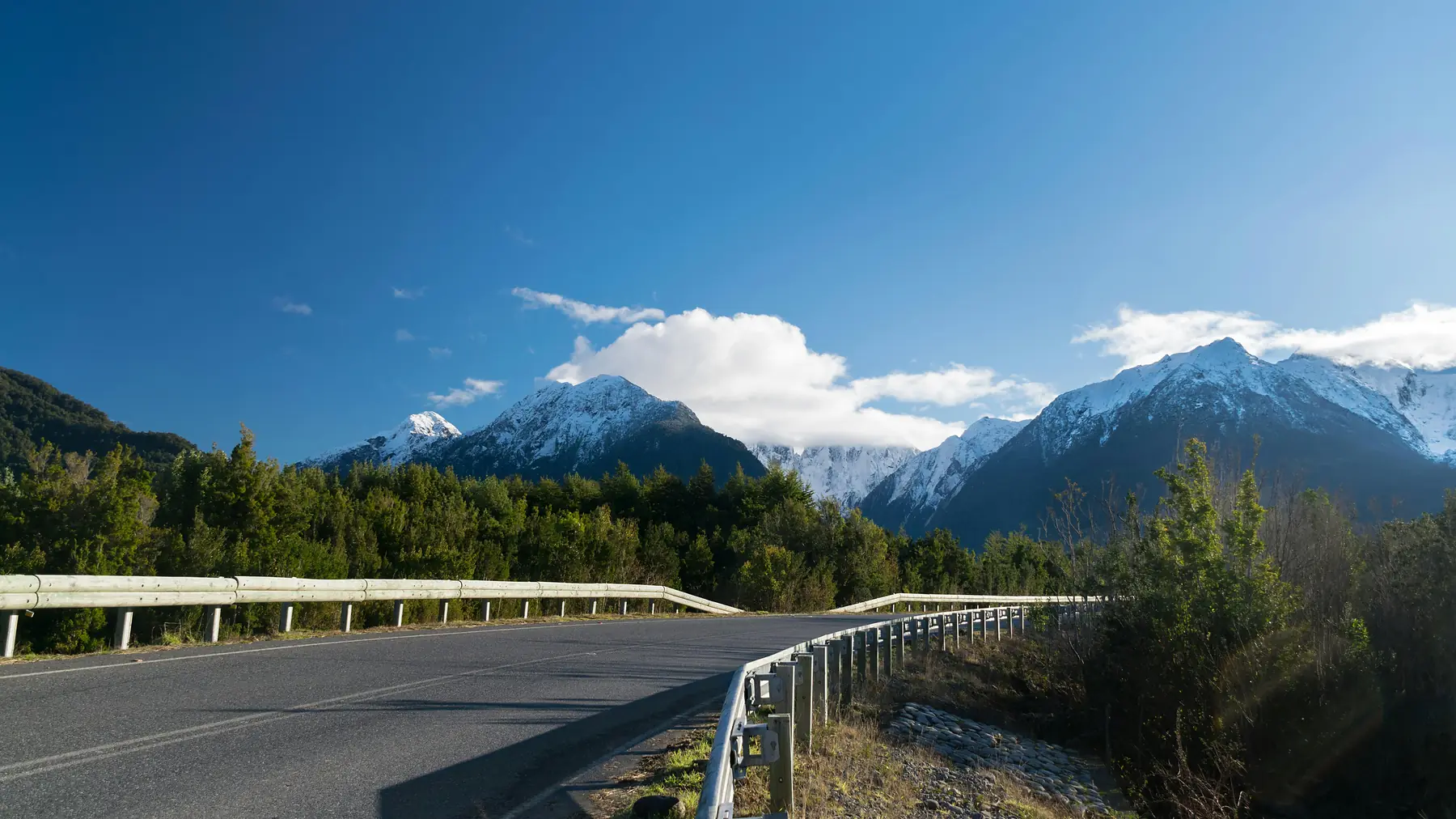
The remote Carretera Austral winding through Chilean Patagonia

Carretera Austral Restaurants: Where to Eat & Shop (2026)

Dining on the Carretera Austral is a combination of traditional Patagonian asados, world-class craft beer, and strategic self-catering from small-town mini-markets. To navigate the 1,240-kilometer route successfully, you must treat food as a logistical priority, stocking up in Coyhaique and booking restaurants in advance during the peak summer season from December to March.

While the northern and southern ends of the route offer limited, seasonal options, the central hub of Coyhaique provides a sophisticated culinary scene that rivals Santiago. Between these points, your experience will fluctuate between high-end lodge dining and camp-stove meals made from basic staples found in village “almacenes.” This guide breaks down exactly where to eat, what to order, and how to manage your supplies across the Aysén region.

Dining at a Glance

  • Primary Hub: Coyhaique (Full supermarkets and diverse dining)
  • Regional Staples: Cordero al palo (lamb), Merluza austral (hake), and Kuchen (cake)
  • Typical Meal Cost: $20,000 to $35,000 CLP for a standard restaurant dinner (as of 2026/27 season)
  • Self-Catering: Essential for 60% of the route; stock up in Coyhaique, Chaitén, or Cochrane
  • Water: Tap water is safe in major towns; use a filter for mountain streams

Regional Specialties: What to Eat on Ruta 7

Patagonian cuisine on the Carretera Austral is defined by the landscape: fire-roasted meats from the pampa and fresh seafood from the fjords. Understanding the local menu terminology is the first step to finding the best meals.

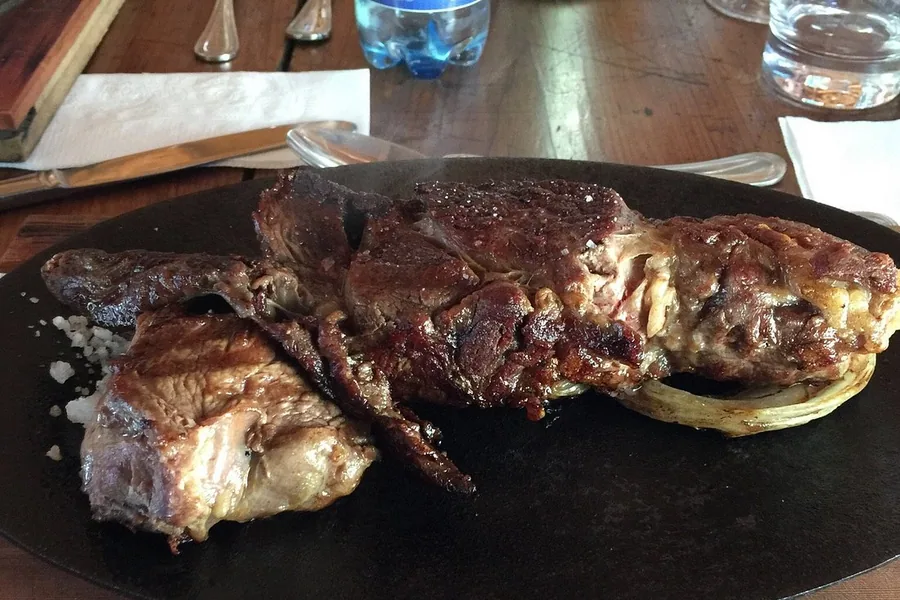
The undisputed king of the region is Cordero al palo (spit-roasted lamb). Unlike standard grilled lamb, this is a slow-cooked ritual where the animal is splayed on a wooden or metal cross and roasted over an open fire for several hours. The result is a smoky, crisp skin and incredibly tender meat. You will typically find this served at “Quinchos” (traditional BBQ houses) or during local festivals.

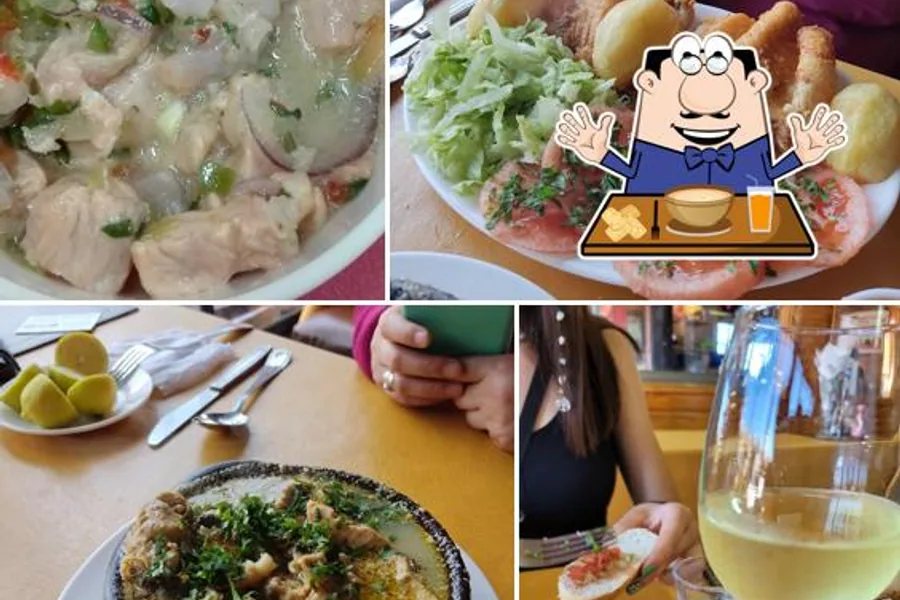
In the coastal sectors like Puyuhuapi and Caleta Tortel, look for Merluza austral (Southern hake) and Congrio (kingclip). Merluza austral is distinct from the common hake found further north; it is a cold-water fish with a firmer, flakier texture and a richer flavor profile. In the far south, particularly around the fjords, Centolla (King Crab) becomes the seasonal highlight, often served in “Chupe” (a rich, cheesy gratin).

Tip

When ordering Cordero al palo, ask for “costillar” if you prefer the fatty, flavorful ribs, or “pierna” if you want leaner meat. The best asados are usually ready by 1:30 PM for lunch; if you arrive at 3:00 PM, the meat may have dried out.

The northern half of the route, specifically from Chaitén to Puyuhuapi, carries a heavy German influence. This is most visible in the prevalence of Kuchen. These traditional cakes, often topped with local berries like Murtilla or Calafate, are a staple of the “Once” (afternoon tea) culture.

Vegetarians should be aware that outside of Coyhaique and Futaleufú, meat-free options are often limited to omelets, cheese empanadas, or basic pasta. In smaller villages, it is always wise to specify “sin carne” (without meat), as small amounts of ham or lard are often used for flavoring in “vegetarian” dishes.

Puerto Montt & Chaitén: The Northern Gateway

Most travelers begin their journey in Puerto Montt. Before boarding the ferry or starting the drive, visit the Angelmó Market. While touristy, the “cocinerías” (small kitchens) on the upper floor serve the freshest seafood in the region. Try the Paila Marina, a hearty seafood soup that serves as the perfect fuel for the long journey south.

Once you cross into Chaitén, the dining landscape becomes more functional. Chaitén serves as the primary gateway to Pumalín National Park, and your food decisions here should be based on provisioning.

  • Top Pick: Cocinería Altamar remains a local favorite for Curanto and fresh seafood; it is currently operational for the 2026 season.
  • Groceries: Chaitén has several “supermercados” that are actually large mini-markets. This is your last chance for a decent selection of fresh produce before heading into the remote sections of Pumalín and toward Puyuhuapi.
  • Pumalín Sur: If you are staying in the southern sector of Pumalín, the cafe at Caleta Gonzalo offers high-quality sandwiches and coffee, but expect “national park prices” due to the remote location.

To plan your time in this gateway town, see our detailed guide to the area.

Hanging glaciers visible from the Carretera Austral highway.

Futaleufú: Rafting Fuel & Riverside Dining

Futaleufú is a culinary outlier on the Carretera Austral. Because it attracts an international crowd of whitewater rafters and fly-fishers, the food quality here is significantly higher than in neighboring towns. You will find better espresso, artisanal sourdough, and more diverse dietary options here than anywhere else except Coyhaique.

Martin Pescador remains the gold standard for dining in “Futa,” offering elevated Patagonian dishes with a focus on local trout and lamb. For the 2026/27 season, they are typically open from November through April. The town also boasts several excellent bakeries and cafes that cater to the early-morning rafting departures. For groceries, Futaleufú has two mid-sized supermarkets on the main square that carry a surprising range of international goods, including imported cheeses and vegetarian staples.

Puyuhuapi: German Traditions & Fjord Flavors

Puyuhuapi is a misty, atmospheric village where the rainforest meets the fjord. The dining here reflects the town’s German founding, with several cafes along the waterfront specializing in Kuchen and artisanal bread.

For a high-end experience, the restaurant at Puyuhuapi Lodge & Spa is exceptional, focusing on “fjord-to-table” cuisine. Note that the lodge is located across the water and requires a boat transfer. For non-staying guests, the boat transfer fee is approximately $15,000 CLP per person (as of 2026), which should be coordinated in advance with your reservation.

In the village itself, dining is more modest. Local “picadas” (budget eateries) serve excellent fried hake and chips. Grocery options are very limited here; the small shops often run out of fresh bread and vegetables by mid-afternoon. If you are planning to cook while visiting the nearby Hanging Glacier, stock up in Chaitén.

To coordinate your meals with a visit to the region’s most famous glacier, check our Queulat guide.

Hanging glaciers visible from the Carretera Austral highway.

Coyhaique: The Culinary Capital of the Aysén Region

Coyhaique is the only true city on the route and serves as the logistical heart of any Carretera Austral trip. This is where you should do your “Big Stock Up” and enjoy the most diverse dining the region has to offer.

The Big Provisioning

There are two primary locations for major shopping: Unimarc and Hiper Patagonico. Unimarc is the most central, but it can be extremely crowded. Hiper Patagonico often has a better selection of specialized goods, including camping gas, imported foods, and a wider variety of fresh meats.

Warning

If you have specific dietary requirements (gluten-free, vegan, or specific international ingredients), Coyhaique is the only place on the entire 1,240km route where you are guaranteed to find them. Do not assume you will find soy milk or gluten-free pasta in Rio Tranquilo or Cochrane.

Best Restaurants

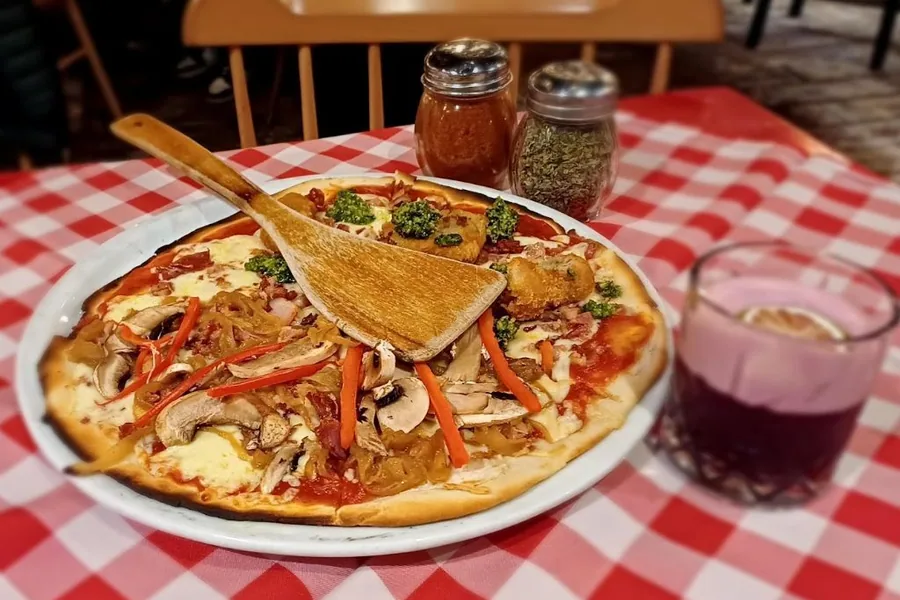
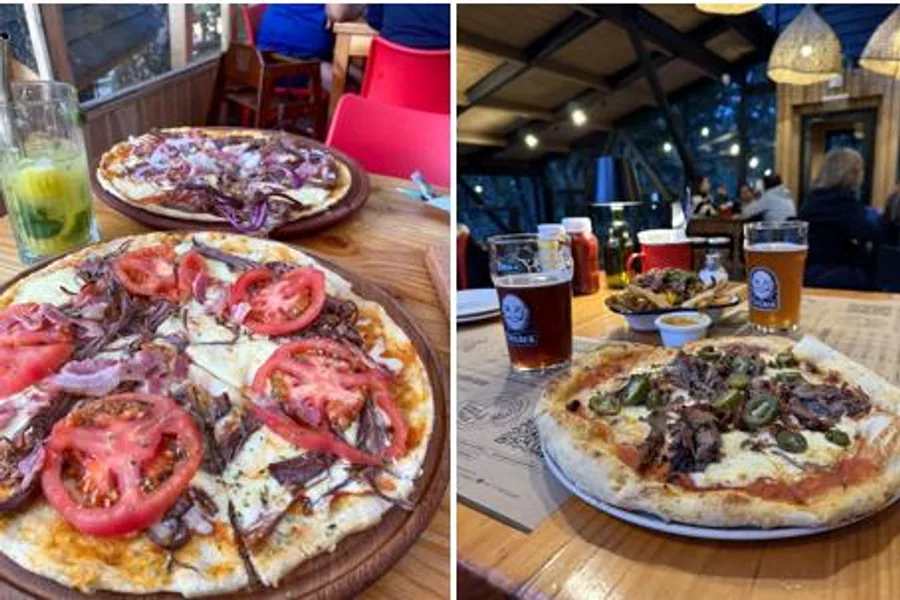
  • Mamma Gaucha: Famous for its wood-fired pizzas and lively atmosphere. It is the most popular spot in town for a reason.
  • Casa Tropera: A must-visit for burger lovers and craft beer enthusiasts. They brew their own beer and the views over the valley are spectacular.
  • Loberias del Sur: For a more formal experience, this restaurant offers high-end Patagonian fusion, specializing in local game and seafood.

Coyhaique is also the center of the regional craft beer scene. Look for D’olbek, a local brewery founded by a Belgian-descendant family, whose Maqui Berry ale is a unique regional specialty.

For a full breakdown of the city’s services, including laundry and gear shops, see our town guide.

Puerto Río Tranquilo: Marble Cave Dining

Puerto Río Tranquilo is the busiest tourist hub south of Coyhaique, serving as the base for Marble Cave tours. The dining scene here is highly seasonal; many places close entirely during the winter months from May to September.

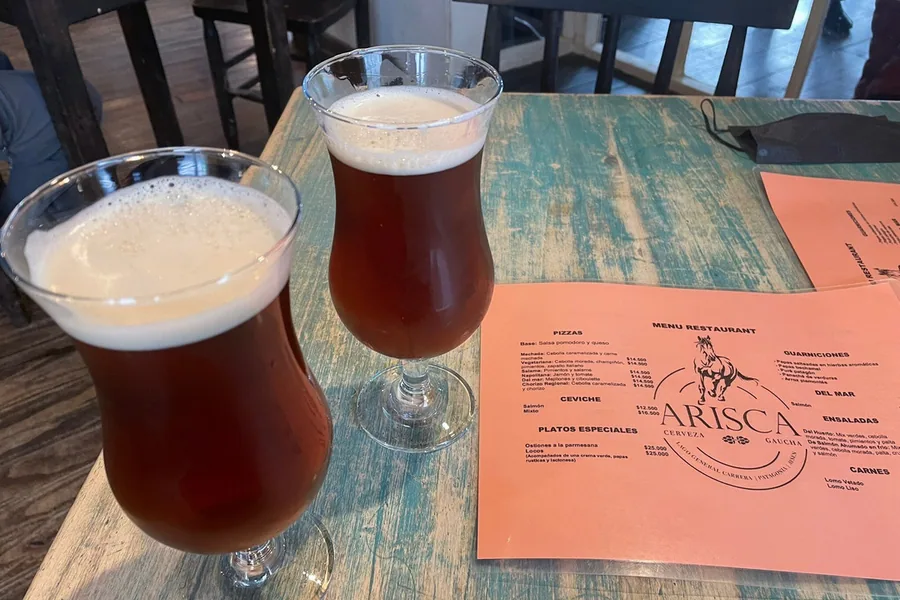
The vibe is casual and geared toward travelers. Cervecería Arisca is the local favorite, offering hearty pub food and locally brewed beer in a rustic, wood-heavy setting. Note that Arisca typically closes for the winter season between May and early October. Several small cafes along the main road serve “Completos” (Chilean hot dogs) and empanadas for a quick post-tour lunch.

Be prepared for the “remoteness tax” in the mini-markets here. Prices for basic staples like eggs, pasta, and fruit can be 30-50% higher than in Coyhaique due to the cost of transport.

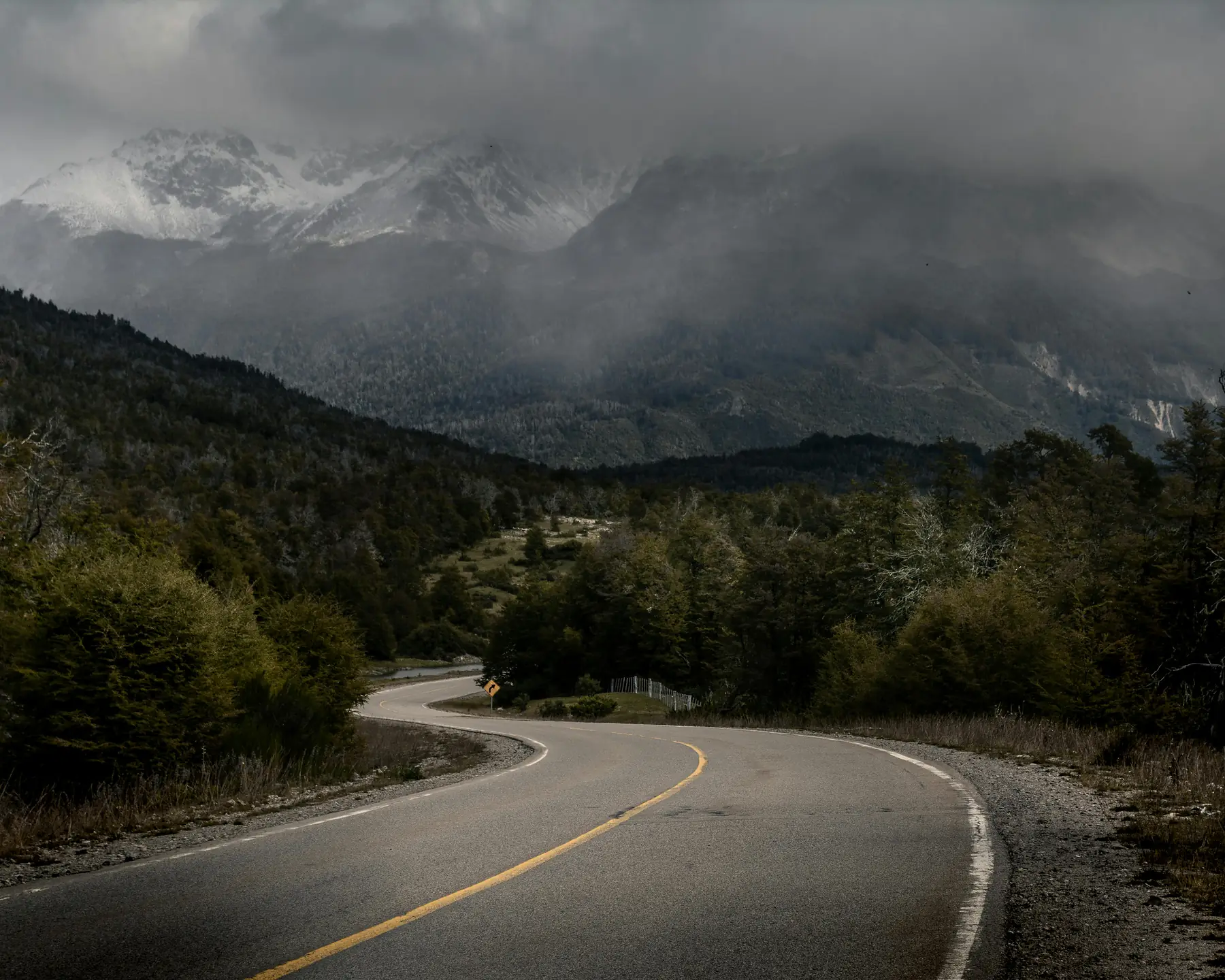
The winding Carretera Austral cutting through temperate rainforest.

Cochrane & Caleta Tortel: Deep South Dining

As you move into the southern sector, dining becomes simpler and more traditional. Cochrane is the last major town with reliable services before the road ends.

  • Cochrane: This is your final opportunity for “real” supermarkets. Stock up here if you are heading to Villa O’Higgins. For a meal, look for local spots serving Cordero Patagónico.
  • Caleta Tortel: This village is famous for its wooden boardwalks and lack of roads. Dining here is unique; most “restaurants” are actually the dining rooms of local guest houses (hospedajes). You often need to walk the boardwalks and look for “Comedor” signs. Fresh Centolla (King Crab) is often available here when the local fishermen have a successful haul.
235km The Supply Gap The distance between Cochrane and Villa O'Higgins has zero reliable grocery stores or restaurants.

The drive from Cochrane to Villa O’Higgins takes 6 to 8 hours including the ferry crossing. There are no shops between these two points. You must have enough food and water in your vehicle to last the entire day, as the ferry schedule can cause significant delays.

Villa O’Higgins: The End of the Road

Villa O’Higgins marks the terminus of the Carretera Austral. It is a quiet, frontier town where expectations for dining should be managed carefully. Most visitors are here to catch the ferry to Candelario Mancilla for the crossing into Argentina.

Rumbo Sur is the most established choice for a celebratory “end-of-the-road” meal, offering a cozy atmosphere and reliable regional dishes.

The Argentina Crossing Logistics

If you are doing the famous trek or boat crossing from Villa O’Higgins to El Chaltén, Argentina, be extremely careful with your supplies. Chilean and Argentine border officials (SAG and Senasa) are very strict.

  • Forbidden items: You cannot take fresh fruit, vegetables, honey, or unsealed meat across the border.
  • Allowed items: Factory-sealed dry goods (pasta, rice, crackers) are generally fine.
  • The Penalty: Fines are steep, and dogs are used at the border to sniff out forgotten apples or sandwiches in your backpack.

Self-Catering & Grocery Logistics on Ruta 7

For most travelers, self-catering is a necessity rather than a choice. Most hostels and campgrounds along the route feature a Quincho—a communal barbecue and kitchen area that serves as the social hub of the stay.

Option A Coyhaique Supermarkets
Option B Village Mini-Markets
  • Variety: High (International brands, GF/Vegan) vs. Low (Pasta, tuna, onions)
  • Freshness: Daily deliveries vs. Weekly deliveries (produce can be wilted)
  • Price: Standard Chilean prices vs. 30-50% remote markup
  • Reliability: Always open vs. May close for “siesta” (13:00-15:00)
Verdict

Use Coyhaique for your base layer of dry goods and specialty items; use mini-markets only for daily perishables like bread and eggs.

Pro Tips for Self-Catering:

  1. The Bread Culture: Every morning, local families bake Pan Amasado (heavy, lard-based bread). Look for handwritten signs saying “Hay Pan” in the windows of private houses. It is the cheapest and most delicious fuel for a day of driving.
  2. The “Basic Staples” List: You can find the following in almost every village almacén: pasta, tomato sauce, canned tuna, eggs, onions, potatoes, and instant coffee.
  3. Cooking Facilities: When booking accommodation, prioritize places with kitchen access. You can find our recommendations for the best kitchen-equipped cabins in our accommodation guide.

Drinking on the Carretera: Craft Beer & Spirits

The water on the Carretera Austral is some of the purest on Earth, which has led to a massive boom in local craft breweries. Almost every town now has a “Cervecería Artesanal.”

  • Beer: Patagonian water produces crisp, clean lagers and ales. Beyond the famous D’olbek in Coyhaique, look for small-batch brews in Futaleufú and Puerto Río Tranquilo.
  • Pisco Sours: While the Pisco Sour is Chile’s national drink, in the south, it is often made with Calafate or Murtilla berries. The “Calafate Sour” is deep purple, sweet-tart, and a regional must-try.
  • Water Safety: In established towns like Coyhaique, Chaitén, and Cochrane, tap water is treated and safe to drink. In smaller settlements, water often comes directly from mountain streams. While usually pristine, it is best to use a filter bottle like a Grayl if you are sensitive to changes in mineral content or if you are sourcing water from a stream while camping.

FAQ

Is it expensive to eat at Carretera Austral restaurants? Prices are higher than in Central Chile due to transport costs; expect to pay $20,000–$35,000 CLP for a standard restaurant meal (main dish, drink, and tip) and $9,000–$13,000 CLP for a menú del día (fixed-price lunch) as of the 2026/27 season.

Where are the best supermarkets on the Carretera Austral? Coyhaique is the only city with large, well-stocked supermarkets (Unimarc and Hiper Patagonico); you should do your primary provisioning here before heading into more remote areas.

Are there vegetarian restaurants on the Carretera Austral? Dedicated vegetarian restaurants are rare, but Coyhaique and Futaleufú offer the best options, including veggie pizzas, pastas, and international dishes. In small villages, expect to rely on self-catering.

Can I drink the tap water along the Carretera Austral? Yes, tap water is safe to drink in most towns along the Carretera Austral, though many travelers prefer using a filter bottle for water sourced from mountain streams or in very small settlements.

What time do restaurants open on the Carretera Austral? Lunch is typically served from 13:00 to 15:00, and dinner starts late, usually between 20:00 and 22:00, though some informal “picadas” may serve food throughout the afternoon.

Can I buy fresh seafood along the Carretera Austral? Fresh seafood like Southern Hake (Merluza Austral) and King Crab (Centolla) is widely available in coastal towns like Puerto Montt, Puyuhuapi, and Caleta Tortel, often sold directly by fishermen or in small local markets.