
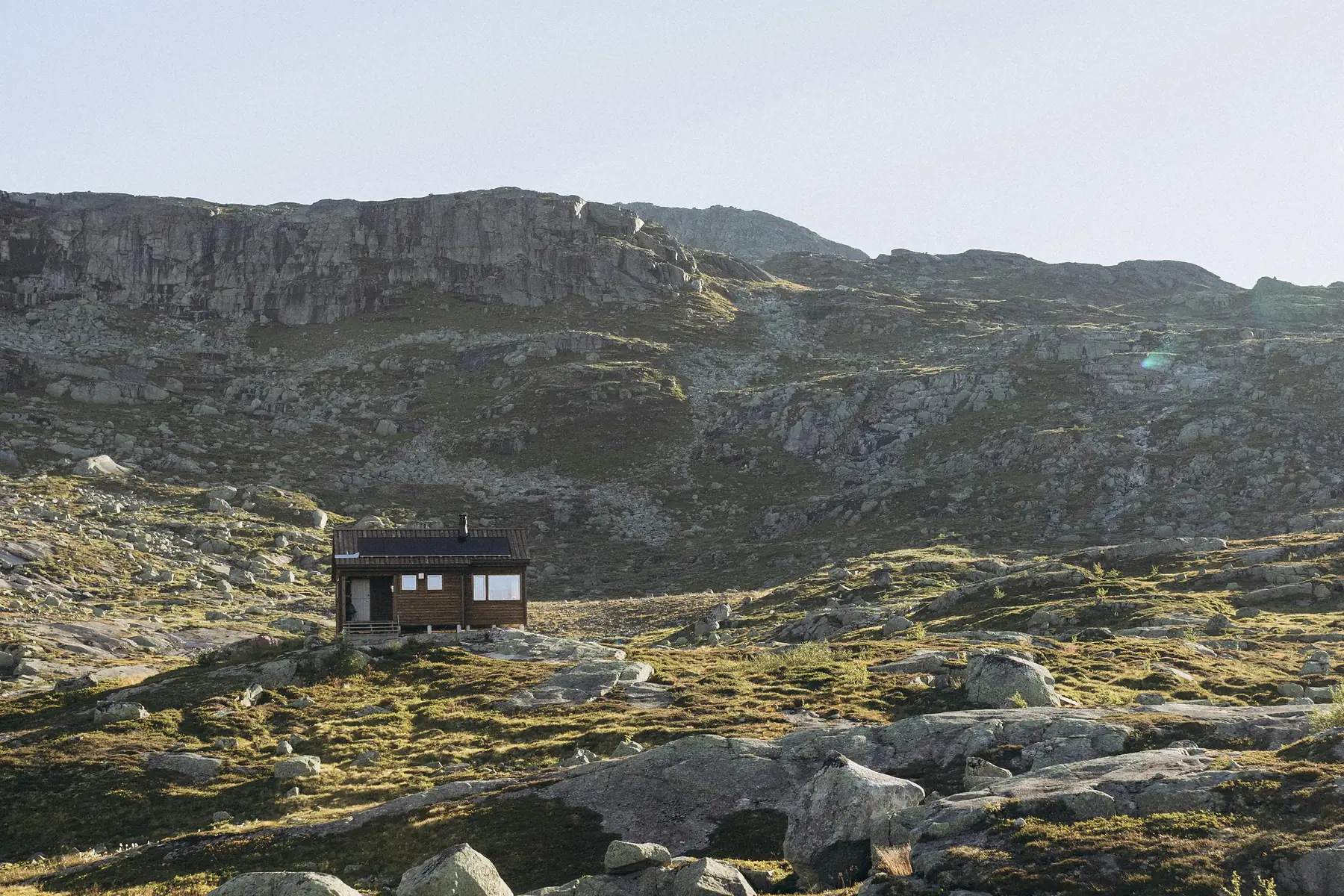
On the Carretera Austral, accommodation should fit the next driving stage as much as the hotel itself. A simple stop in Hornopirén can make a ferry connection easier; Puyuhuapi is the natural pause for Queulat; Coyhaique is the service hub; and the Lake General Carrera area rewards staying longer rather than merely passing through.
This guide goes straight to the most useful stays along the route: practical overnight bases, characterful guesthouses, good self-catering cabins and the few genuine destination lodges worth planning around. Some small operators rely on direct contact rather than a conventional booking engine, so a missing Booking.com link is intentional rather than a missing recommendation.
Our price bands use the typical high-season entry price, within the lowest normal private room or unit. Note that these are comparison bands, not live quotes, and that rates can change considerably by date and room type.
Best Stays in the Northern Fjords and Chaitén
Hostería Catalina
A welcoming wood-built hostería with private rooms and cabins, a fireplace lounge and an on-site restaurant in Hornopirén. It is a practical, comfortable first or final stop for travelers coordinating the ferry-linked northern section of the route.
Chucao Bosque y Cabañas
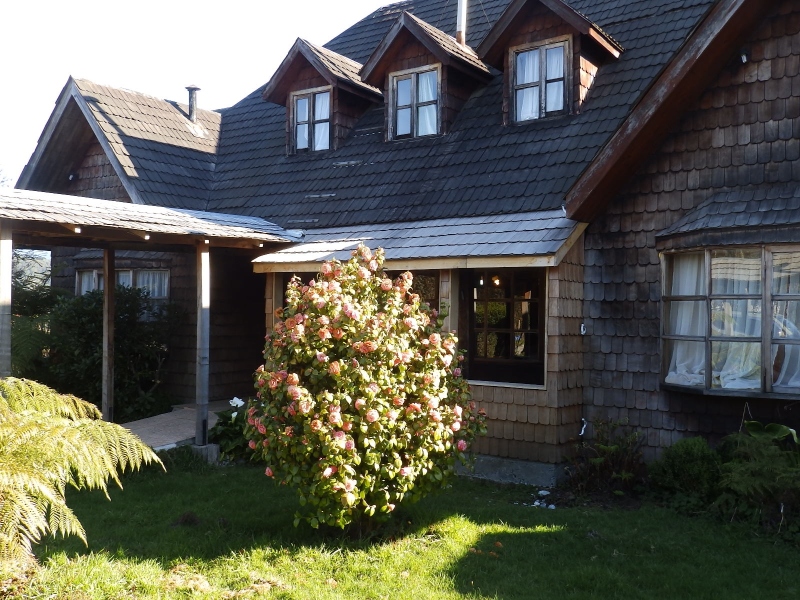
Simple cabins and rooms threaded through a leafy garden in Chaitén, offering a peaceful setting without giving up access to shops, restaurants and onward transport. Kitchen facilities in selected units make it particularly useful for self-driving couples and families.
Hostería Antupirén
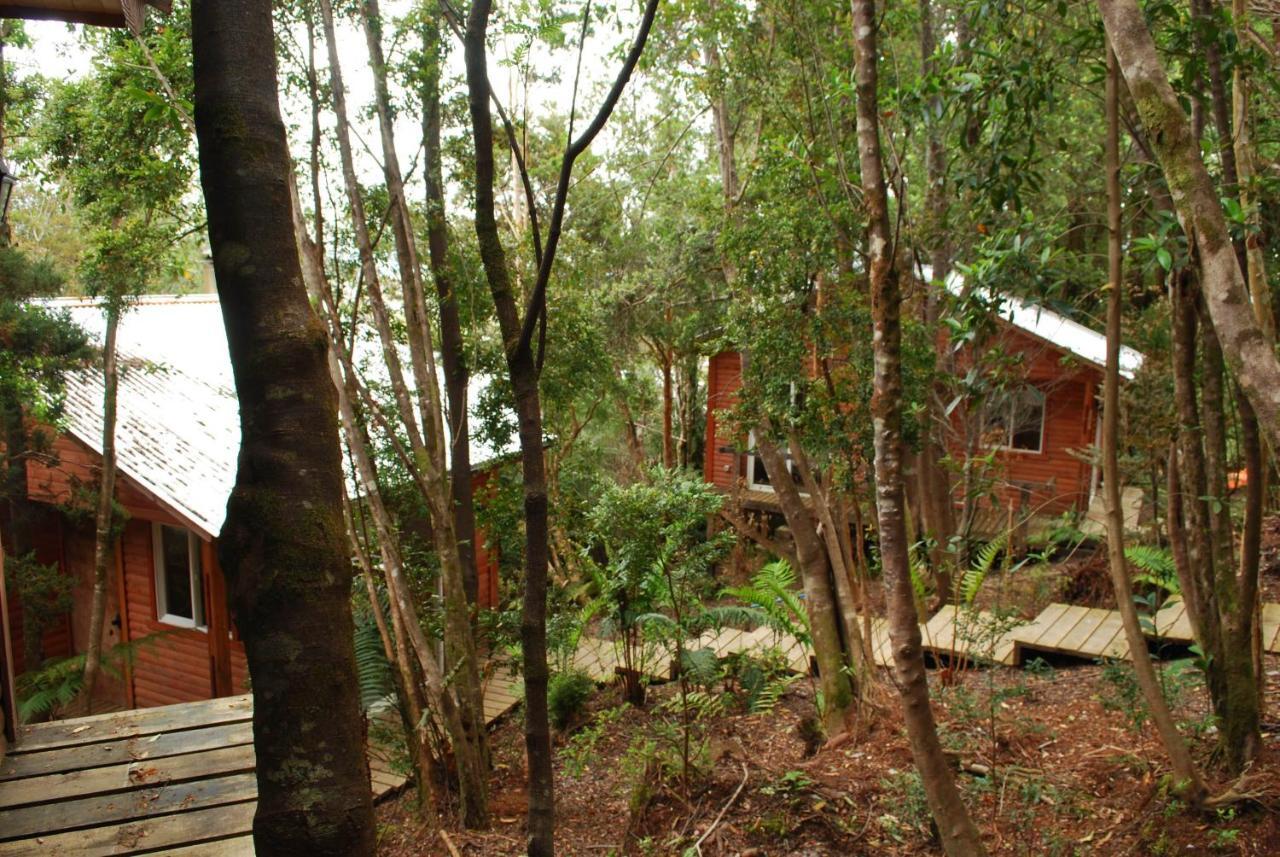
A traditional waterfront hostería with private rooms, breakfast and an on-site restaurant overlooking Hornopirén's fjord-and-volcano landscape. It is an appealing step up for travelers who want dinner available after a ferry or driving day.

Hotel Mi Casa
An established hotel in Chaitén with a restaurant, breakfast and wellness touches including a sauna or hot tub depending on the current offer. It suits travelers prioritizing a conventional staffed hotel over a cabin or guesthouse.
Yelcho en la Patagonia
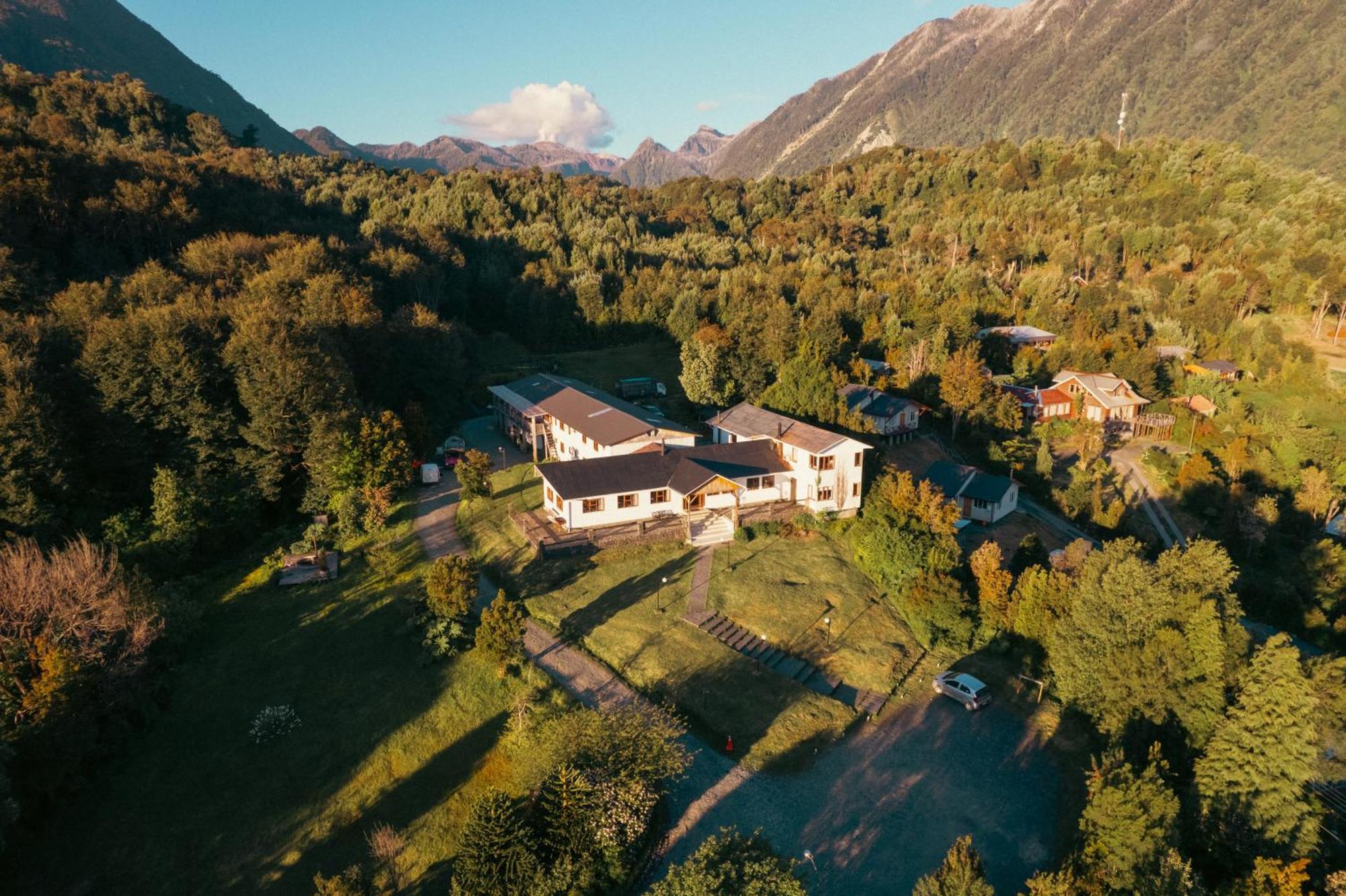
A substantial lakeside lodge and cabin complex between Chaitén and Futaleufú, set directly on Lago Yelcho with memorable mountain views and strong fishing credentials. It suits families and groups who want a scenic destination stay rather than a town stopover.

Best Stays in Puyuhuapi, Queulat and Futaleufú
Casa Ludwig
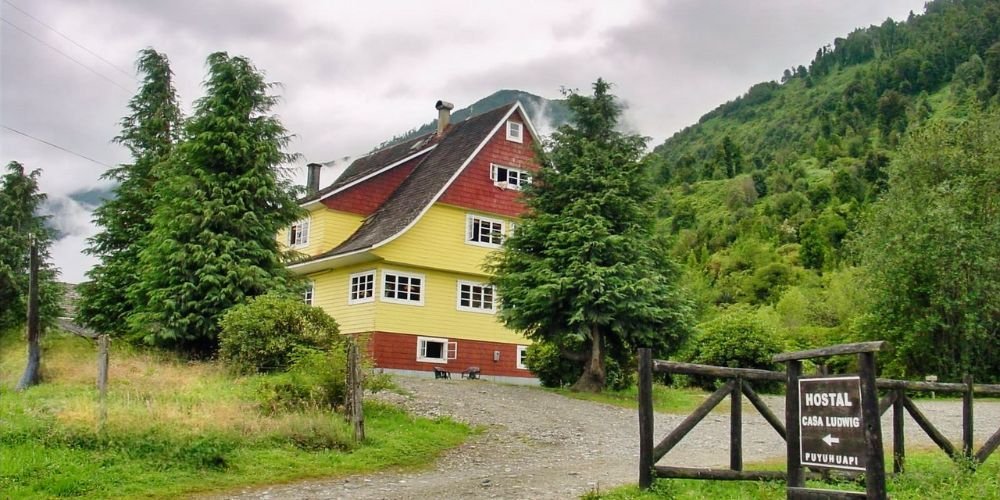
A modest guesthouse in one of Puyuhuapi's landmark early settler homes, offering heritage and a personal atmosphere rather than extensive hotel facilities. It is best for travelers who value local history, simplicity and an in-village location.
Cabañas Aitue
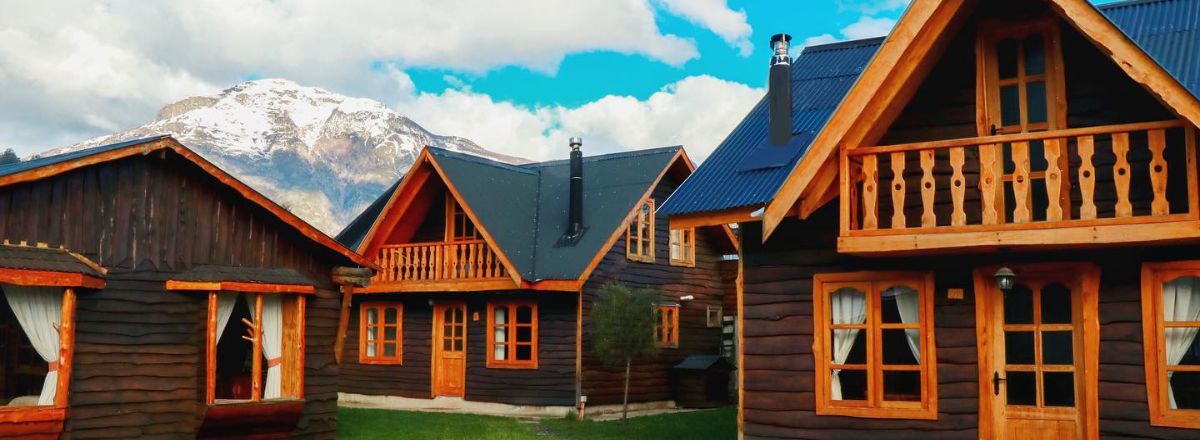
Central cabins and apartments close to Futaleufú's main square, with useful living space and kitchens in selected units. The location makes this a good-value independent base for travelers balancing rafting, hiking and time in town.
Hotel El Barranco
A comfortable lodge-style hotel in Futaleufú with landscaped grounds, wood-lined interiors, an outdoor pool and a restaurant or bar service. It offers more facilities than the town's simple cabins while retaining straightforward access to the center.

Peuma Lodge Patagonia
A secluded lodge in the forested El Azul valley, combining rooms and cabins with home-style dining, hot tubs or sauna facilities and easy access to outdoor activities. It is especially good for families and groups who want nature and hosting without a fully all-inclusive price.

El Pangue Lodge
A cabin-and-room lodge beside Lake Risopatrón, around 18 kilometres from Puyuhuapi, with striking water views and substantial wellness facilities. It is one of the route's best-value nature stays for travelers with a car who want space and an evening soak.
Posada Queulat
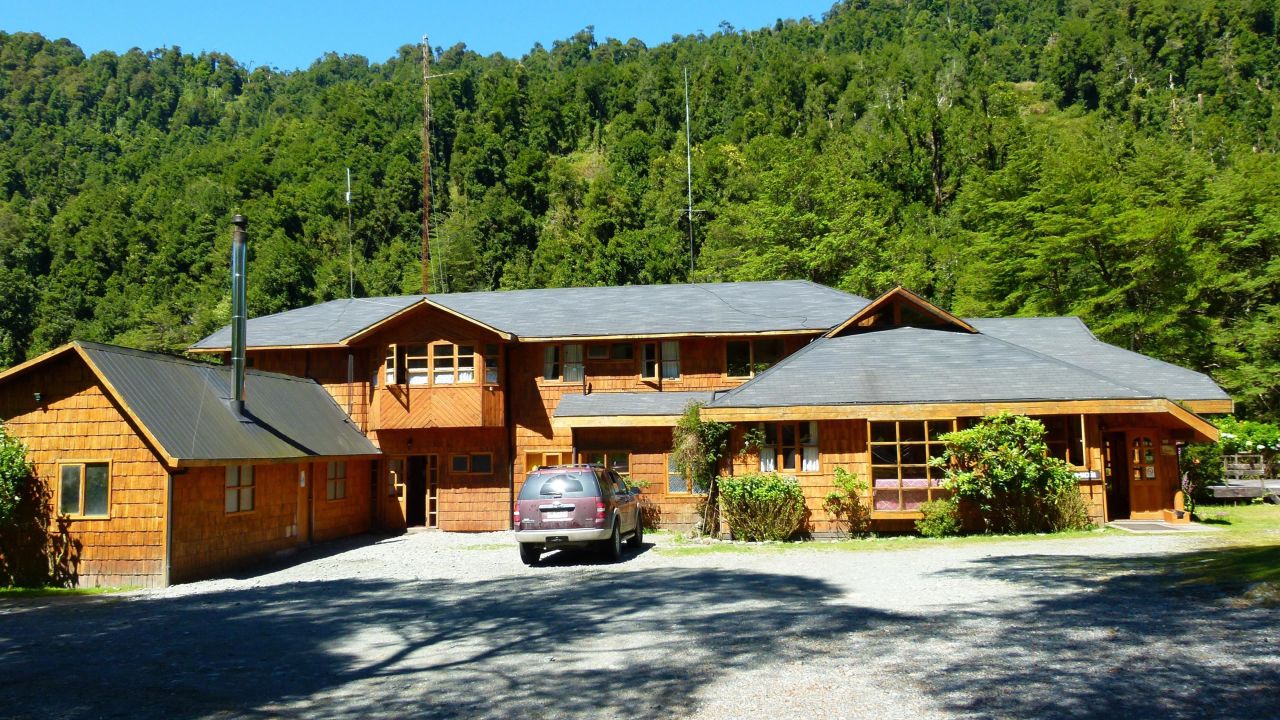
An intimate lodge surrounded by Queulat National Park roughly 30 kilometres south of Puyuhuapi, with cabins, communal meals and direct immersion in forest, river and mountain scenery. It is the clearest recommendation for travelers who want to stay in nature rather than commute from town.

Uman Lodge Patagonia
A high-end lodge overlooking the Futaleufú valley, combining dramatic architecture with indoor and outdoor pools, spa facilities, excellent dining and arranged adventure activities. It is the strongest luxury choice for travelers who want a resort experience anchored in the valley's scenery.

PATA Lodge
A small, conservation-led retreat on the Futaleufú River, designed around seclusion, local food and guided engagement with the surrounding landscape. It is best for travelers seeking a thoughtful nature stay with a lighter footprint and fewer resort trappings.
Puyuhuapi Lodge & Spa
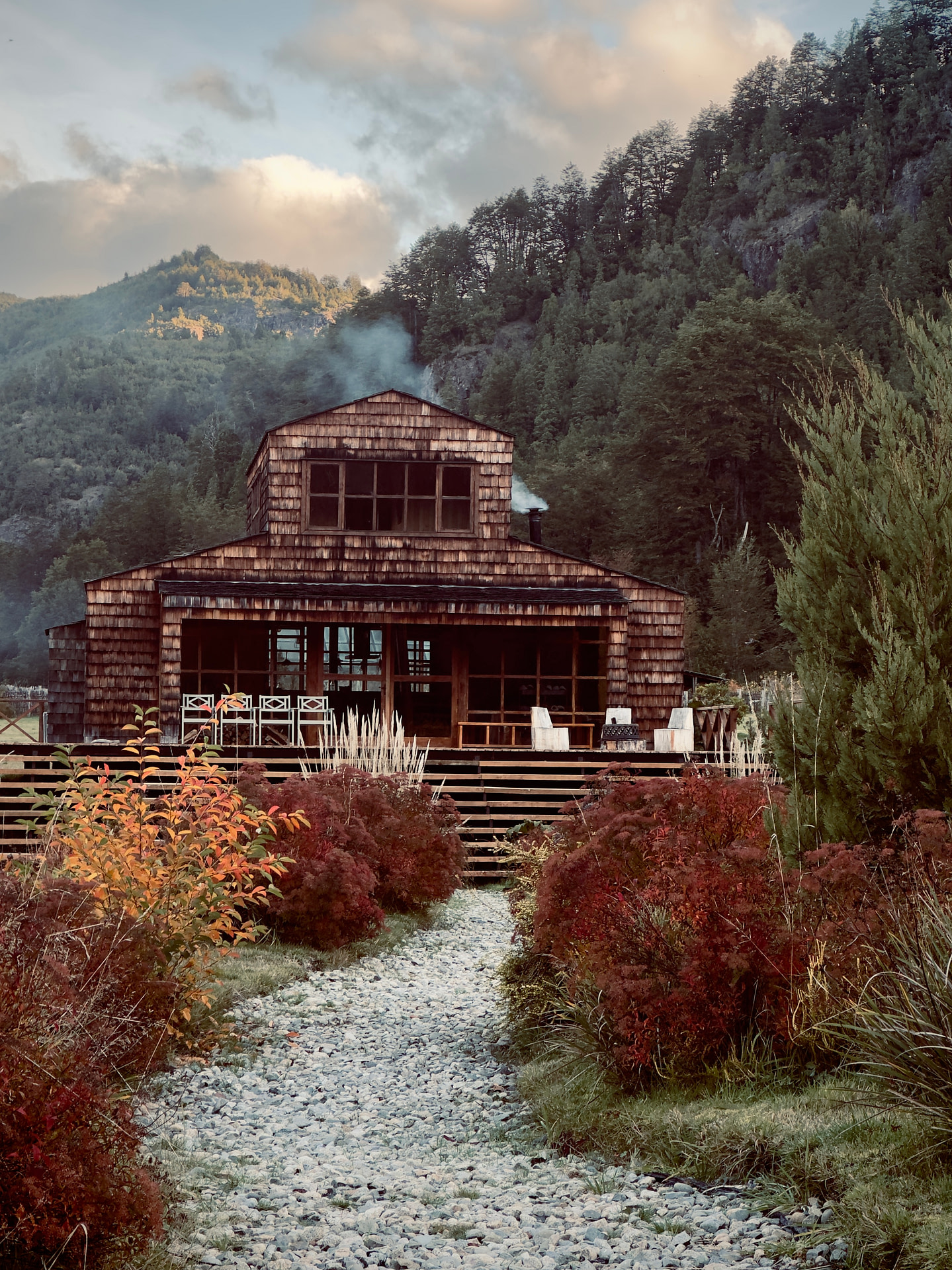
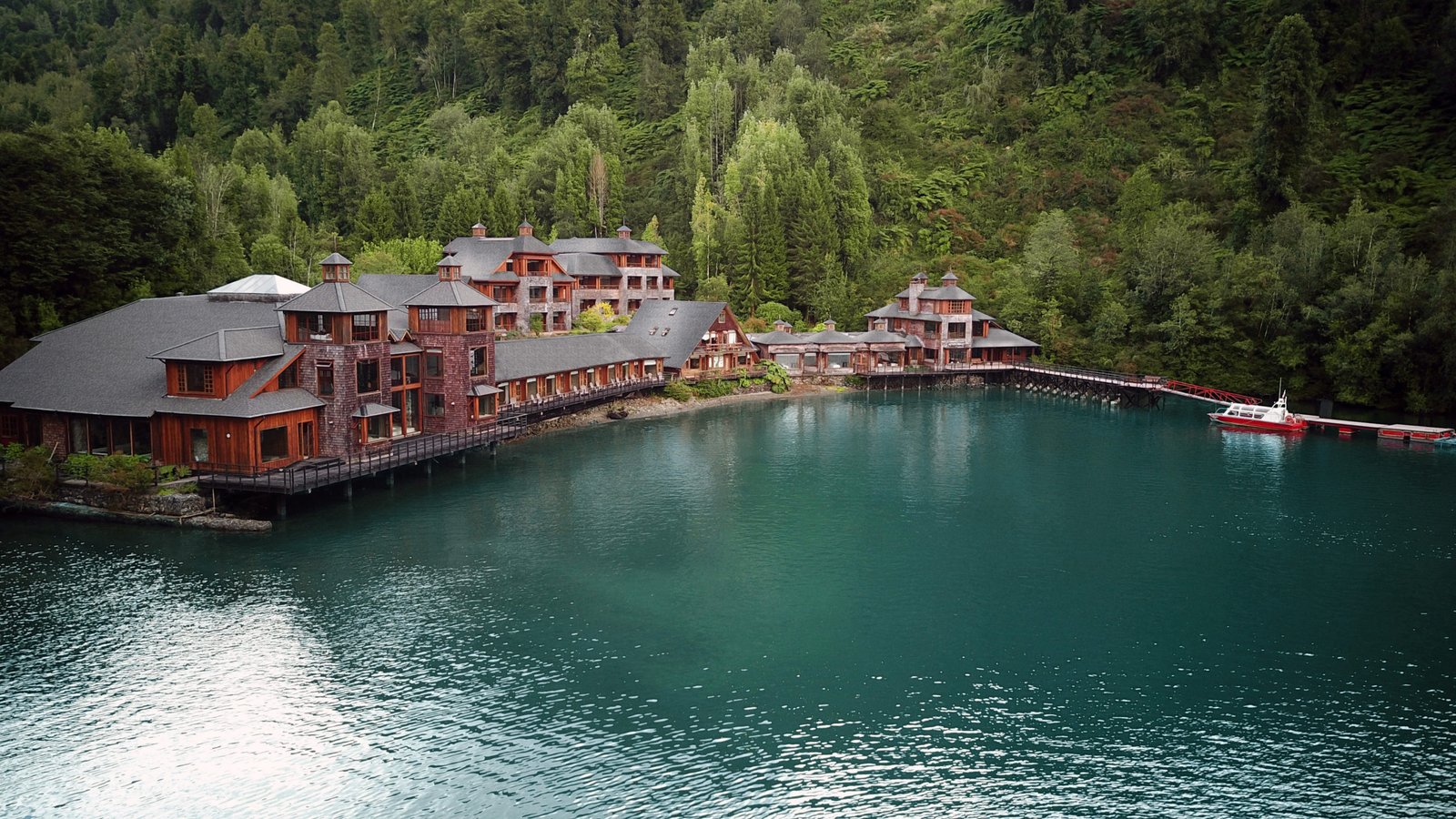
A remote fjord-side lodge reached by boat, built around thermal pools, spa treatments, nature excursions and full-service dining beside Queulat National Park. It is one of the Carretera Austral's genuine destination hotels and the clearest luxury wellness recommendation on the route.
Best Stays in Coyhaique and Cerro Castillo
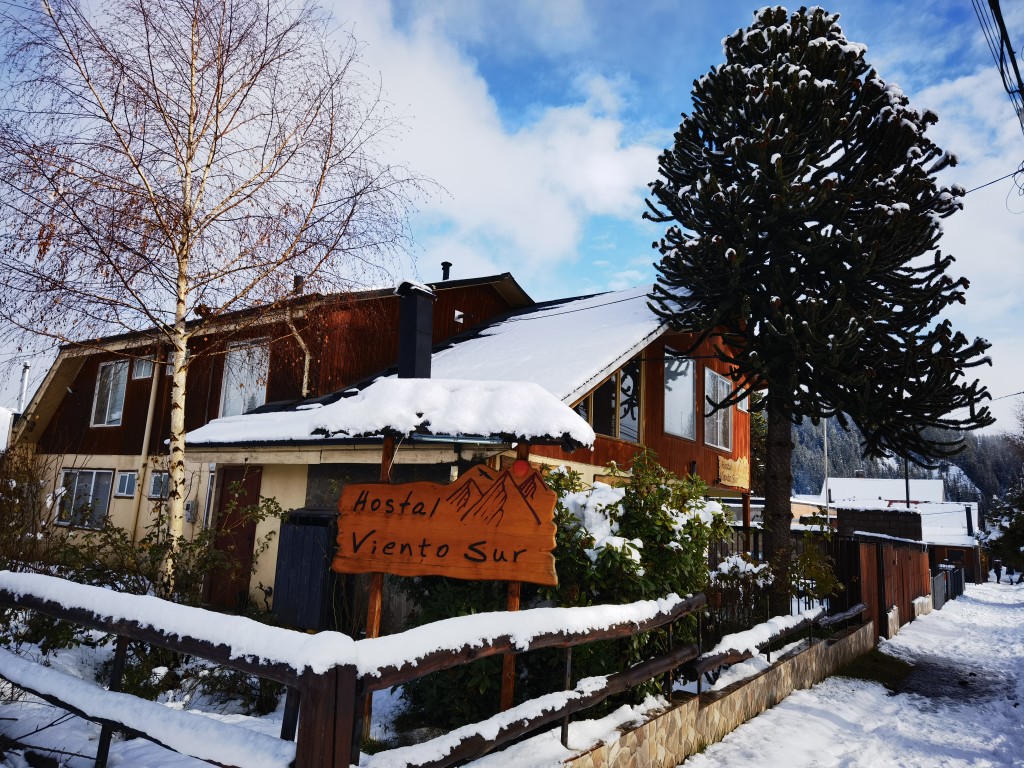
Hostal Viento Sur
A well-run small hostal within easy reach of central Coyhaique, with private rooms, breakfast and a warm, traditional atmosphere. It is a dependable value recommendation for travelers needing an uncomplicated town base between longer route stages.
Hospedaje La Casona
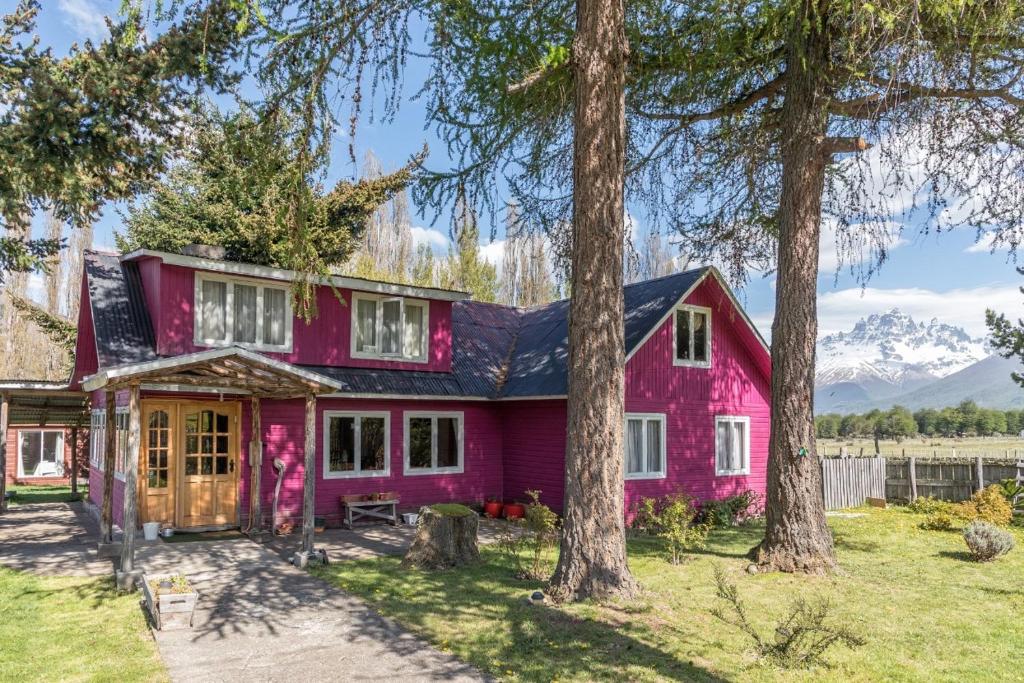
A friendly, unpretentious rural hospedaje in Villa Cerro Castillo, with mountain views and a more personal feel than a conventional hotel. It works well for walkers and road-trippers who want a simple local base near the national park's principal hiking access.
Huellas y Senderos Hotel
A smart small hotel in central Coyhaique, valued for modern rooms, a strong breakfast and easy access to restaurants and services. It is a particularly reliable choice for couples or solo travelers wanting polish without resort facilities.

El Reloj Hotel
A characterful boutique-style hotel close to Coyhaique's center, combining colorful interiors and thoughtful hospitality with an especially well-regarded breakfast. It suits travelers who want personality and walkability rather than a large conventional hotel.
Alto Castillo Lodge
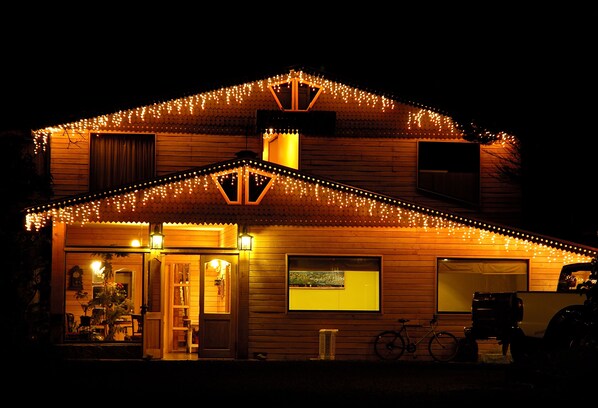
A contemporary lodge above Villa Cerro Castillo with dramatic mountain outlooks, spacious communal areas and a strong sense of seclusion. Its positioning makes it a memorable base for travelers centering their stay on the park's hiking and landscape.
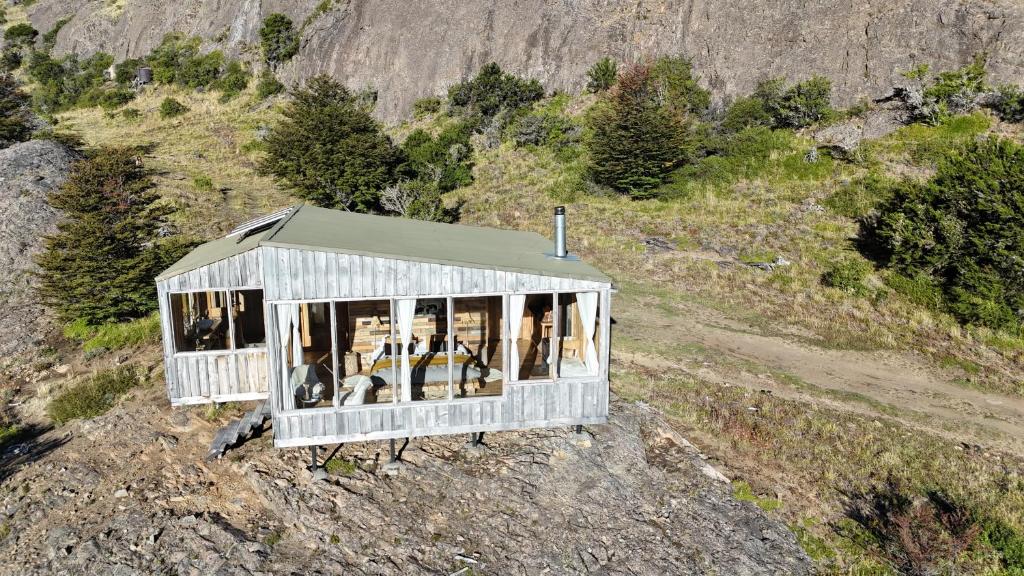
Hotel Patagonia House
A tiny upscale lodge on the outskirts of Coyhaique with only a handful of suites, broad valley views and personalized hosting. It offers a more intimate, landscape-focused alternative to staying in the city center while remaining useful for regional excursions.

Best Stays around Lago General Carrera
Chelenko Lodge
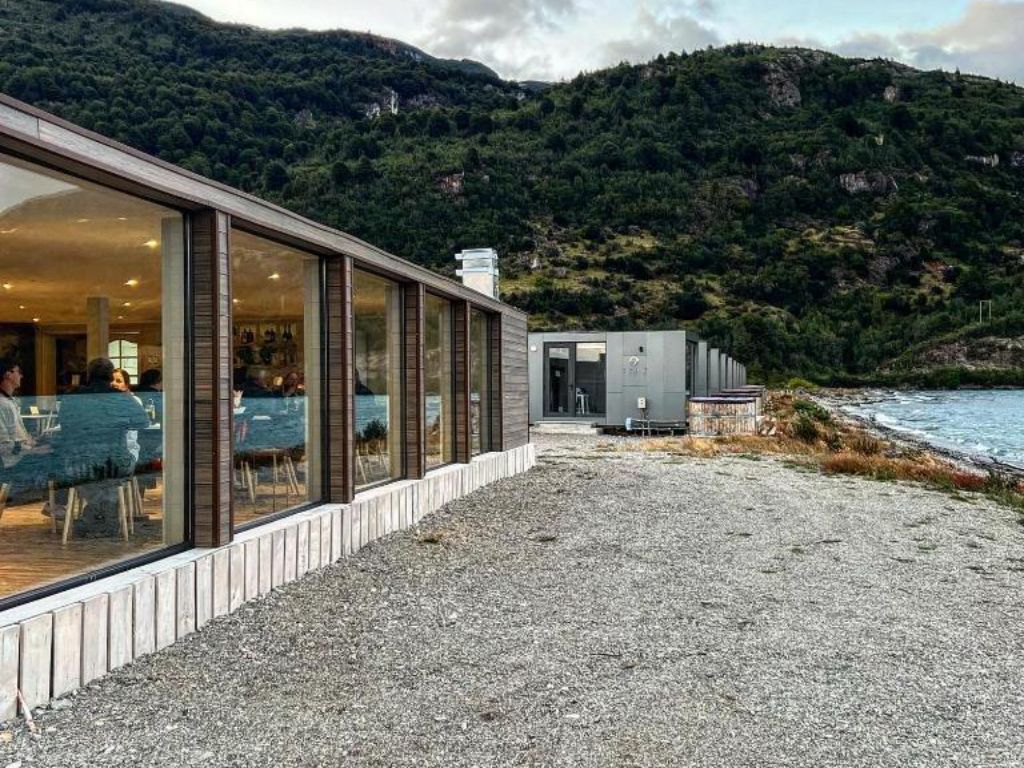
Modern cabins on the shore of Lago General Carrera near Puerto Río Tranquilo, pairing huge lake views with a beach setting and hot-tub-style wellness options. It is an attractive base for the Marble Caves when travelers prefer scenery and space to staying in town.
Hacienda Tres Lagos
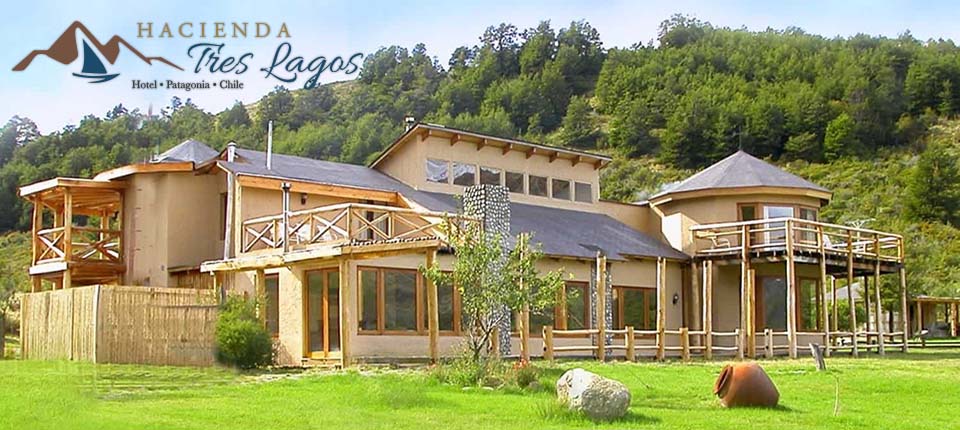
A large lodge complex near Puerto Guadal set among three lakes, with a restaurant, broad grounds and extensive water-and-mountain views. It is a convenient full-service choice for families and groups exploring the southern shore of Lago General Carrera.
Mallin Colorado Ecolodge
A family-run ecolodge on a private reserve above Lago General Carrera, with rooms and cabins, accomplished home cooking, its own trails and organized excursions. It balances scenery, warmth and activity better than almost any other stay on the lake's southern shore.

Terra Luna Lodge
A long-established adventure lodge at Puerto Guadal with rooms, cabins and camping-style options, a restaurant, pool or hot-tub facilities and an unusually broad excursion program. It is best for active groups who want choices and lake views in one base.

Best Stays in Cochrane, Tortel and Villa O’Higgins
La Otra Orilla Patagonia
A bright riverside hostel with dorms and private rooms, a guest kitchen, laundry facilities and generous communal spaces. Its relaxed atmosphere and river setting make it the strongest backpacker-style base for Cochrane and the southern part of Patagonia National Park.

Hostal El Mosco
A long-established traveler hub in Villa O'Higgins offering dorms, private rooms, cabins and camping around convivial shared spaces. A guest kitchen and sauna-style wellness facilities make it a fitting social finale to the Carretera Austral.

Hotel Último Paraíso
A polished, characterful small hotel in Cochrane with warm timber interiors, thoughtful service and a particularly strong breakfast. It is the best conventional boutique recommendation for travelers using town as a base for Patagonia National Park and the southern route.
Entre Hielos Lodge
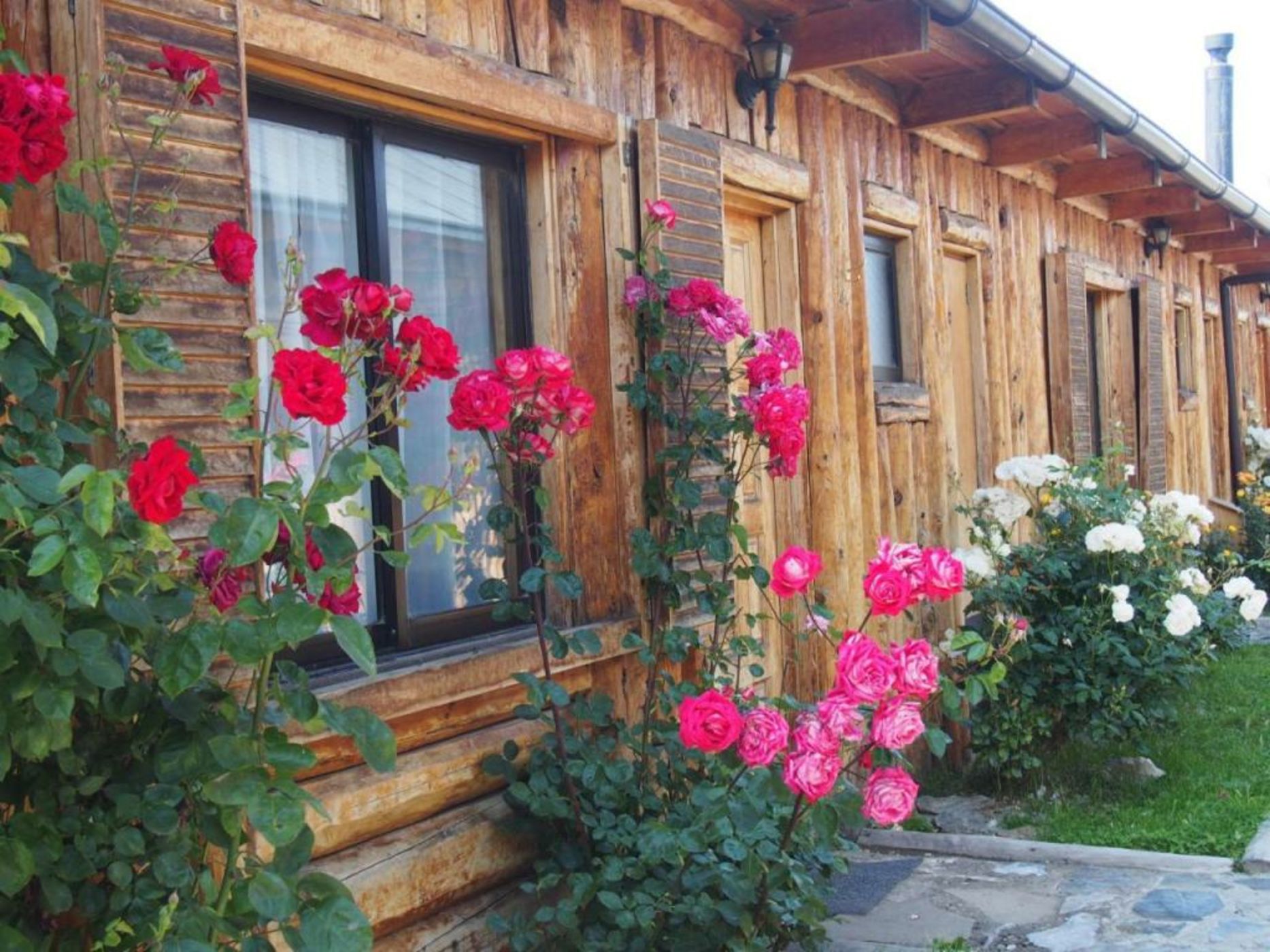
A small design-led lodge perched above Caleta Tortel's waterways, with sweeping fjord views and warm interiors reached along the village's famous wooden walkways. It is the most distinctive accommodation recommendation in Tortel for couples comfortable with the physical access.
Rumbo Sur Hotel
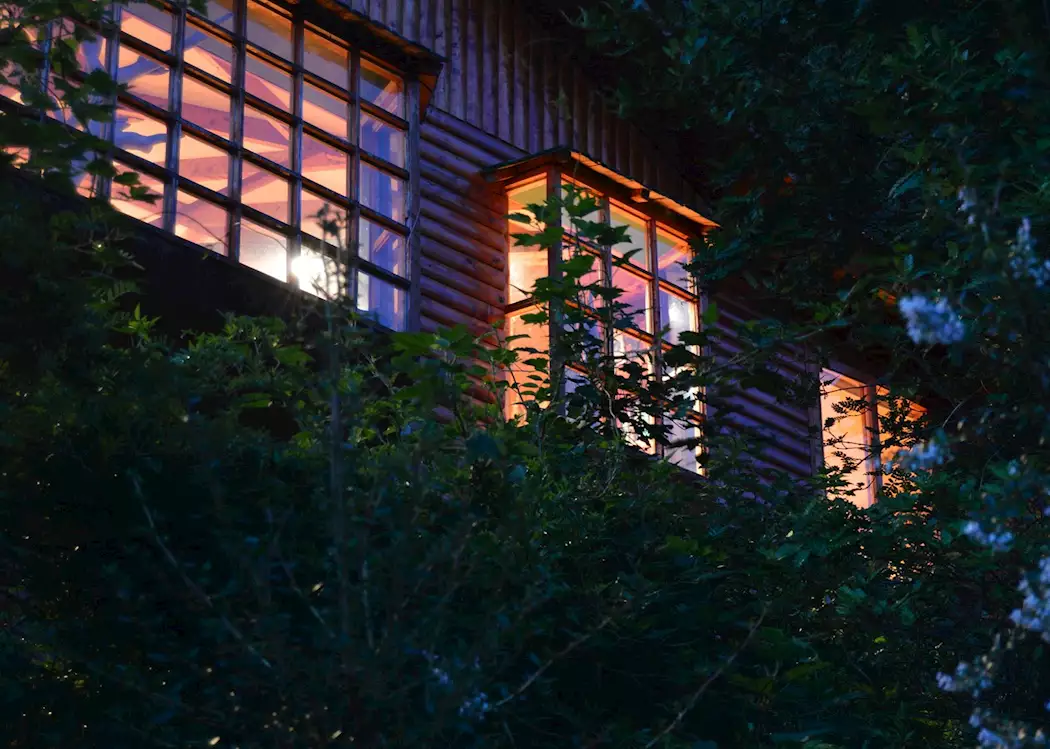
A small, comfortable hotel in Villa O'Higgins with private rooms, a calm atmosphere and optional hot-tub-style relaxation. It is the clearest step-up choice for travelers who want conventional hotel comfort after completing the Carretera Austral.
Explora en Parque Nacional Patagonia
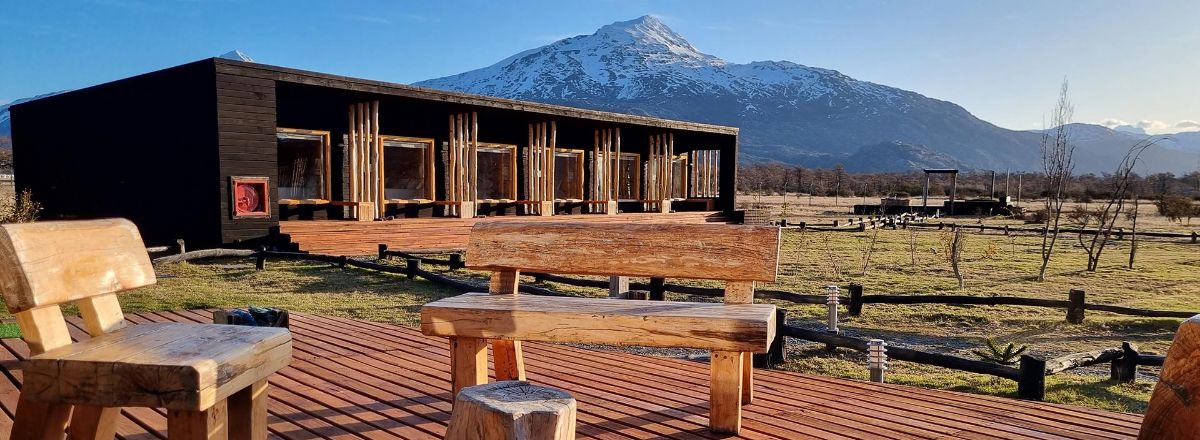
An intimate all-inclusive lodge in the Chacabuco Valley with 13 rooms, sophisticated food and a deep program of guided hikes, wildlife outings and exploration. It is the route's most complete luxury nature experience and the strongest splurge for Patagonia National Park.
How to Choose Your Stops on the Carretera Austral
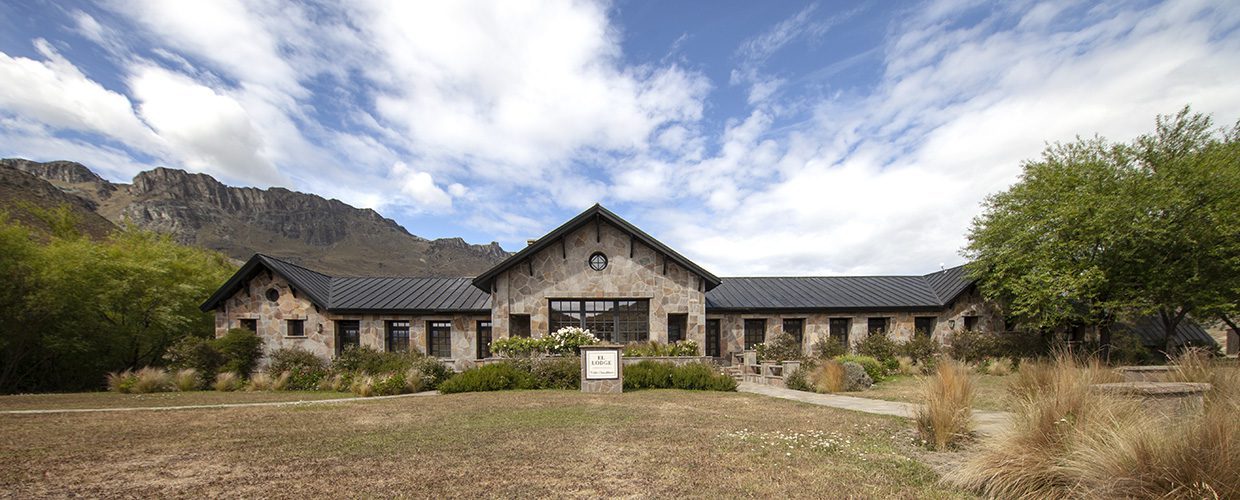
Hornopirén and Chaitén are functional northern stops shaped by ferry logistics and access to Pumalín. Puyuhuapi and Queulat suit travelers slowing down for fjords, forest and hot springs. Coyhaique is the most useful resupply and connectivity stop, while Cerro Castillo is the obvious hiking base. Around Lago General Carrera, choose Puerto Río Tranquilo for the Marble Caves or Puerto Guadal and the southern shore for a quieter multi-night lake stay. Cochrane, Tortel and Villa O’Higgins reward flexible plans - access, weather and limited capacity are part of the experience.
Book core summer dates early, but don’t mistake a property’s general location for an easy road day. Gravel conditions, ferries, weather and the time required for viewpoints or hikes regularly alter the realistic distance covered.
Frequently Asked Questions
Should I book every Carretera Austral hotel in advance?
Book key January and February nights in advance, especially ferry-linked Hornopirén, Puyuhuapi, Puerto Río Tranquilo, Caleta Tortel and Villa O’Higgins. Outside the busiest period, a flexible plan can work, but the strongest small stays still have limited rooms.
Where is the best place to stay for Queulat National Park?
Puyuhuapi is the best village base, while Posada Queulat is the stronger nature-first choice for travelers who want to stay close to the park environment rather than commute from town. Puyuhuapi Lodge & Spa is the splurge for hot springs and a full-service retreat.
Which Carretera Austral stop is best for the Marble Caves?
Puerto Río Tranquilo is the practical tour hub. Chelenko Lodge offers a more scenic cabin base nearby, while Puerto Guadal properties such as Mallin Colorado, Hacienda Tres Lagos and Terra Luna make more sense for a slower Lake General Carrera stay.
Where can I find the most reliable services and connectivity?
Coyhaique is the route’s main service hub, with more restaurants, supplies and conventional hotel choice than the smaller towns. Hostal Viento Sur is a dependable value base, while Huellas y Senderos and El Reloj are more polished central options.
What is the best Carretera Austral stay for a special occasion?
Puyuhuapi Lodge & Spa is the classic hot-springs splurge, Uman Lodge is the high-end Futaleufú choice, and Explora in Patagonia National Park is the premium all-inclusive experience. Each is a destination stay rather than a simple overnight stop.
Do I need a car for the recommended stays?
A car materially improves access to much of the route, especially lakeside, rural and park-adjacent stays. Town properties can be workable by bus, but road conditions and infrequent transport make self-driving or arranged transfers much more practical for a multi-stop itinerary.
Related Guides
Ad This page contains affiliate links. If you book through them, we may earn a commission at no extra cost to you.