
The best things to do in the Carretera Austral revolve around its raw, untouched wilderness, from navigating the turquoise swirls of the Marble Caves to witnessing the thunderous ice falls of the Queulat Hanging Glacier. As Chile’s premier adventure route, this 1,240km road offers a density of glaciers, temperate rainforests, and world-class rivers that are inaccessible anywhere else in Patagonia.
Planning a trip along Route 7 requires a shift in mindset. Unlike the well-trodden paths of Torres del Paine, the Carretera Austral is a journey of slow travel where activities are often dictated by the weather and the rugged geography of the Aysén region. Whether you are rafting the “Turquoise Inferno” of the Futaleufú River or soaking in natural thermal springs overlooking a fjord, the experiences here are defined by their isolation and scale.
Carretera Austral Activity Highlights
- Top Landmark: The Marble Caves (Capillas de Mármol)
- Best Adventure Sport: Whitewater rafting in Futaleufú
- Iconic Hike: Ventisquero Colgante (Hanging Glacier) in Queulat
- Wildlife: Huemul deer, condors, and dolphins in the fjords
- Best Time for Activities: November to March for optimal weather and access
The Marble Caves (Capillas de Mármol)
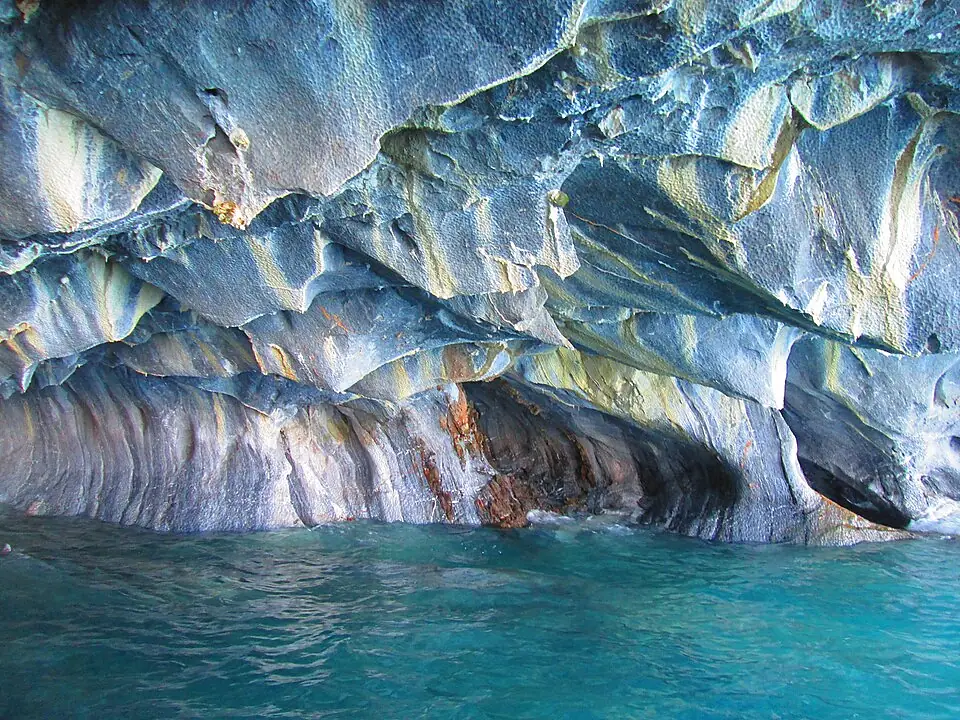
The Marble Caves are the most iconic visual landmark of the Carretera Austral, featuring intricate calcium carbonate formations sculpted by 6,000 years of wave action. Located on the shores of General Carrera Lake near the town of Puerto Río Tranquilo, these caves glow with shifting shades of cerulean and turquoise, reflecting the mineral-rich glacial water of the lake.
Most visitors access the caves via a 1.5-hour boat tour departing from the bay in Puerto Río Tranquilo. However, for a more intimate experience, taking a kayak tour allows you to paddle directly into the smaller chambers of the “Marble Cathedral” and “Marble Chapel,” where you can touch the smooth, cold stone and hear the resonant echo of the water. The best light for photography typically occurs in the early morning when the sun hits the cave walls at a lower angle.
Book your boat or kayak tour for the earliest possible slot (usually 8:00 or 9:00). The wind on General Carrera Lake often picks up significantly by midday, which can lead to tour cancellations or a much choppier, less comfortable ride.
To plan your visit to the caves and find the best local operators, see our guide to the main hub for this activity.
Queulat Hanging Glacier (Ventisquero Colgante)
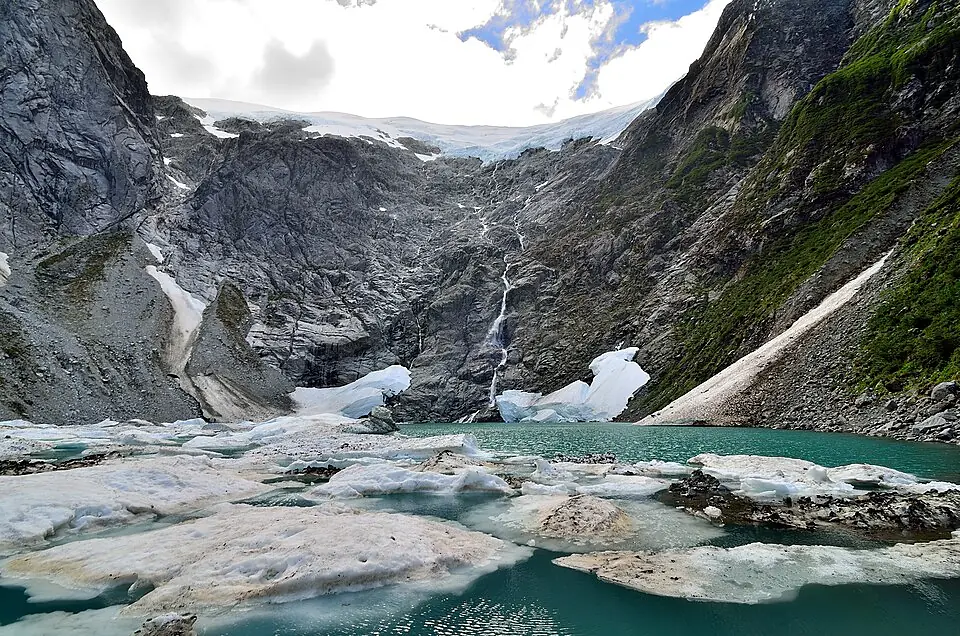
The Ventisquero Colgante is a massive glacier that hangs over a 200-metre cliff, sending twin waterfalls plunging into a milky-green lagoon below. Located within Queulat National Park, this is one of the few places on Earth where you can witness a glacier suspended above a lush, temperate rainforest. The sound of “ice thunder,” the roar of calving ice echoing through the valley, is a frequent highlight for those who wait at the viewpoints.
The primary way to see the glacier is via the Sendero Ventisquero Colgante (also known as Sendero La Morena), a 6.6km round-trip hike that climbs through the rainforest to a dedicated lookout point. The trail is often muddy due to the high rainfall in this region (averaging 4,000mm annually), so waterproof footwear is non-negotiable. For those with limited mobility, there is a shorter, flatter path (Sendero Laguna Témpanos) leading to the edge of the lagoon where the glacier is still visible, albeit from a greater distance.
For more details on trail conditions and park entry requirements, explore our dedicated park resource.
Whitewater Rafting in Futaleufú
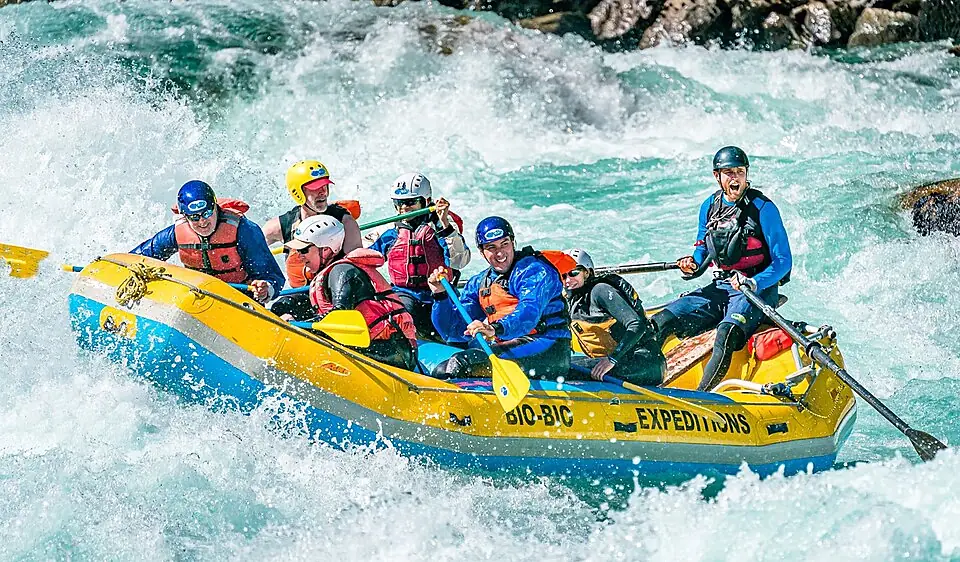
The Futaleufú River is widely considered one of the top three whitewater rafting destinations in the world. Known to enthusiasts as the “Turquoise Inferno,” the river is fed by glacial melt and flows through deep canyons with a volume and clarity that are rare for Class IV and V rapids. While the “Fu” has a reputation for extreme adventure, there are different sections of the river suited for everyone from nervous first-timers to professional paddlers.
The “Bridge to Bridge” section is the most popular run, offering high-volume Class IV rapids that provide a significant adrenaline rush without the technical danger of the more advanced “Terminator” or “Inferno” sections. Most rafting trips depart from the town of Futaleufú, which has evolved into a vibrant mountain hub filled with international guides and high-quality gear shops.
The rafting season in Futaleufú is strictly seasonal, with the official window running from October to April, though the high season for optimal water levels and weather is December through March.
If you are looking for an adrenaline-heavy detour from the main road, the “Fu” is an essential stop.
Thermal Springs of the Northern Route
The northern section of the Carretera Austral sits atop a volatile geological zone, resulting in a high concentration of natural hot springs. These “termas” offer a necessary reprieve for travelers who have spent days driving the gravel roads or hiking in the rain. The experiences range from rustic, rock-walled pools on the edge of the forest to high-end luxury spas overlooking the fjords.
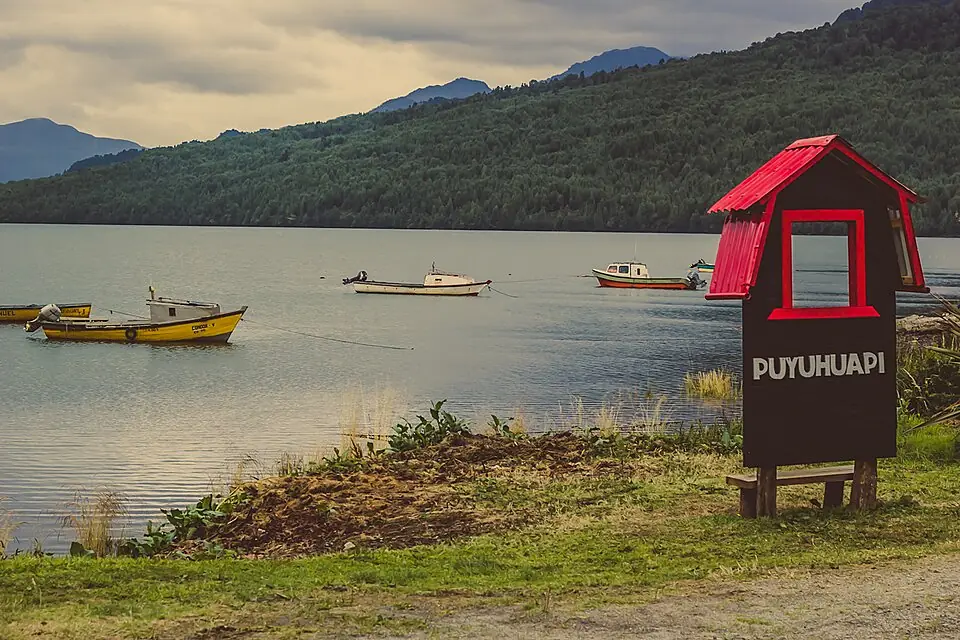
Termas de Puyuhuapi (Puyuhuapi Lodge & Spa) is the most famous, accessible only by a short boat ride across the Puyuhuapi Fjord. Here, you can soak in outdoor pools where the 40°C thermal water meets the cool air of the fjord. For a more accessible option, Termas del Ventisquero sits right on the shoreline of the Puyuhuapi Fjord and offers several pools of varying temperatures with direct views of the surrounding mountains.
- Access: Boat transfer required vs. Direct road access
- Vibe: Luxury spa and lodge vs. Casual day-use pools
- Price: High-end (Day passes approx. $60,000–$90,000 CLP as of 2026/27) vs. Mid-range (Entry approx. $38,000 CLP as of 2026/27)
- Facilities: Full spa, restaurant, and hotel vs. Changing rooms and small café
Choose Puyuhuapi for a secluded, high-end retreat; choose Ventisquero for an easy, accessible soak with equally stunning fjord views.
To find the best place to base yourself for a soak, check out our guide to the nearby village.
Patagonia National Park: The Rewilding Success
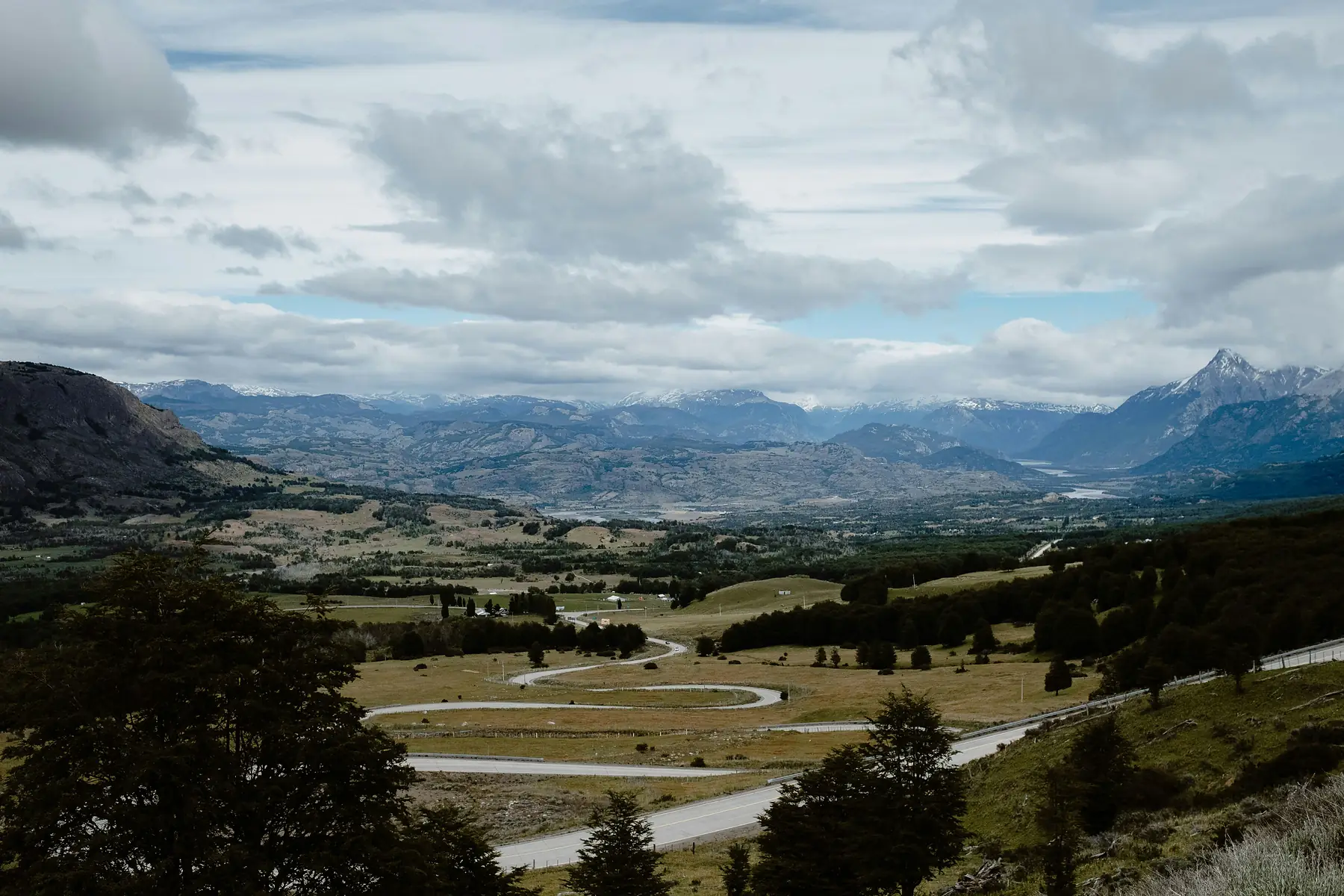
Located in the Chacabuco Valley, Patagonia National Park represents one of the most significant conservation projects in South America. Formerly a massive sheep ranch, the land was purchased by Tompkins Conservation and restored to its natural state. Today, it serves as a critical corridor for the endangered Huemul deer and offers a landscape that feels more like the vast grasslands of East Africa than the jagged peaks of the northern Carretera.
The park is a haven for wildlife photographers. It is almost guaranteed that you will see large herds of guanacos, and if you are patient, you may spot a puma or a Culpeo fox. The hiking here is world-class, with the Avilés Valley trail offering a dramatic suspension bridge and views of the transition from steppe to mountain. The park’s infrastructure, including its stone lodges and visitor center, is among the finest in Chile.
Kris Tompkins, Co-founder of Tompkins Conservation“We are working to create parks that are not just beautiful, but are functional ecosystems where the wild can truly return.”
Summary of Hiking Opportunities
While this page focuses on the broad variety of activities, hiking is the connective tissue of the Carretera Austral. Every national park along the route, from the coastal rainforests of Pumalín to the jagged granite of Cerro Castillo, offers trails that rival those of the more famous parks to the south.
The “Trekking Cerro Castillo” is often cited as the “new W Trek,” offering a multi-day circuit around a basalt cathedral of rock that remains far less crowded than Torres del Paine. For those who prefer day hikes, the trails around Villa O’Higgins at the very end of the road provide access to the Great Southern Icefield.
Essential Logistics for Activities
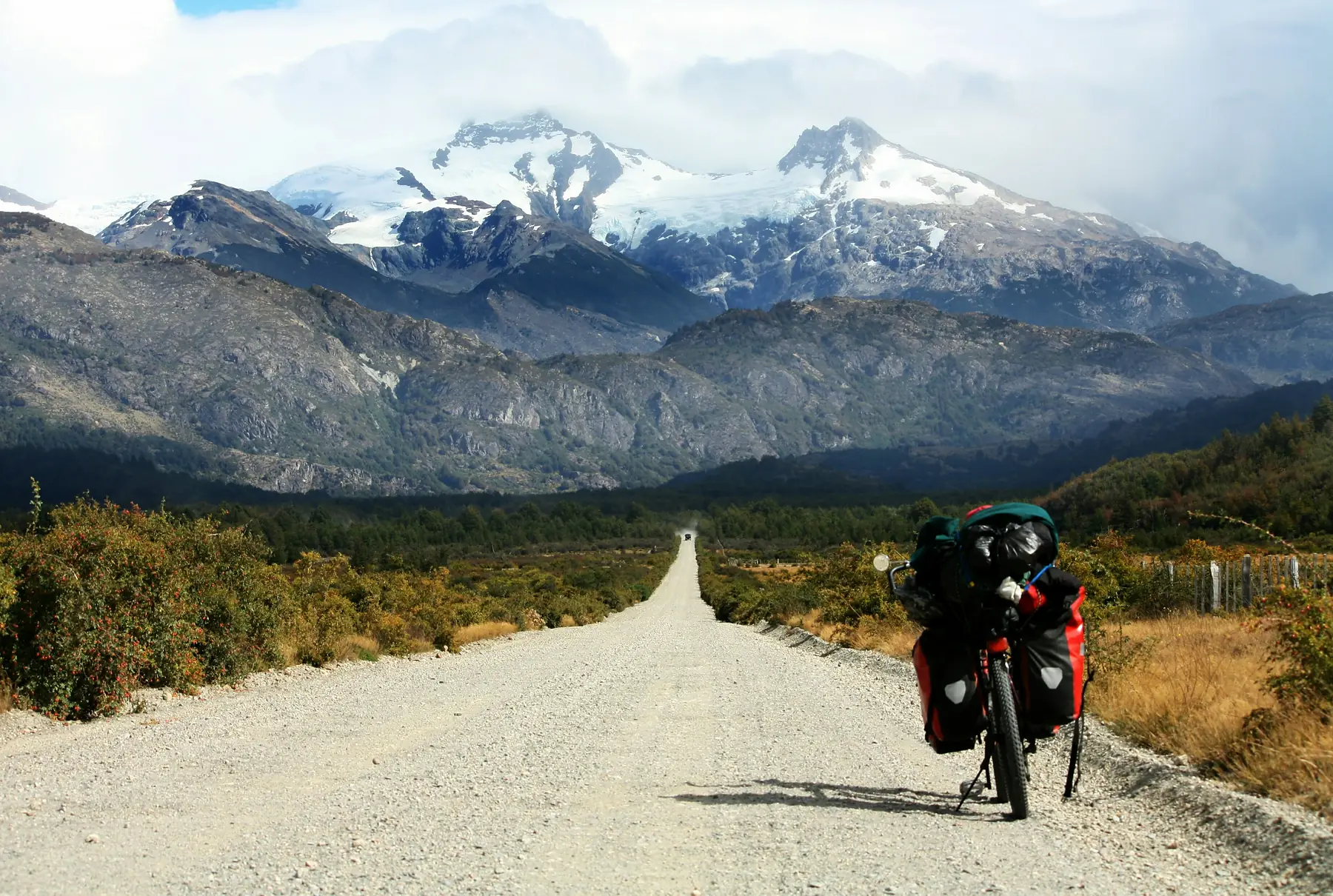
To make the most of these attractions, you must account for the region’s unique logistics. The Carretera Austral is not a place for a rigid schedule; ferries can be delayed by wind, and gravel sections (ripio) can double your expected driving time.
- Booking in Advance: While you can often find space on boat tours to the Marble Caves on the day of arrival, rafting in Futaleufú and stays at the Puyuhuapi Lodge should be booked at least 2-3 months in advance for the peak January and February season.
- Cash vs. Card: While connectivity is improving, many small operators in towns like Puyuhuapi or Villa Amengual still only accept Chilean Pesos (CLP). Always carry enough cash to cover a full tank of fuel and a day of activities.
- National Park Passes: Most parks along the route are managed by CONAF. As of the 2025/2026 season, you must purchase your passes online via the Pases Parques website in advance, as same-day tickets are generally not sold at park gates.
Download the “Offline Maps” for the entire Aysén region on Google Maps or use Maps.me. GPS signal is reliable, but data for loading map tiles is non-existent for hundreds of kilometers between towns.
FAQ
QUESTION: What is the single “must-see” attraction on the Carretera Austral? ANSWER: If you only have time for one stop, the Marble Caves (Capillas de Mármol) in Puerto Río Tranquilo are the most unique and iconic landmark on the entire route.
QUESTION: Do I need a 4x4 to reach these activities? ANSWER: While a 4x4 is not strictly mandatory for the main road, a vehicle with high clearance is strongly recommended to safely navigate the gravel (ripio) sections and the steep access roads to some trailheads.
QUESTION: Can I see the Marble Caves and Queulat Glacier in the same day? ANSWER: No, these attractions are roughly 400km apart on difficult roads; it takes at least 7–9 hours of driving to travel between them, so they require separate days.
QUESTION: Are the hot springs open year-round? ANSWER: Most major thermal springs like those in Puyuhuapi are open year-round, though some smaller, more remote pools may be inaccessible in winter due to snow or road closures.
QUESTION: Is it safe to go rafting in Futaleufú if I’ve never done it before? ANSWER: Yes, many operators offer “Bridge to Bridge” trips specifically designed for beginners, providing professional guides, high-quality safety gear, and thorough briefings before entering the water.
QUESTION: How much do the boat tours to the Marble Caves cost? ANSWER: As of the 2025/2026 season, a seat on a shared boat tour typically costs between $20,000 and $30,000 CLP (approximately $21–$32 USD), while private kayak tours generally cost around $45,000–$55,000 CLP.