Torres del Paine Restaurants: 2026/27 Dining & Food Guide
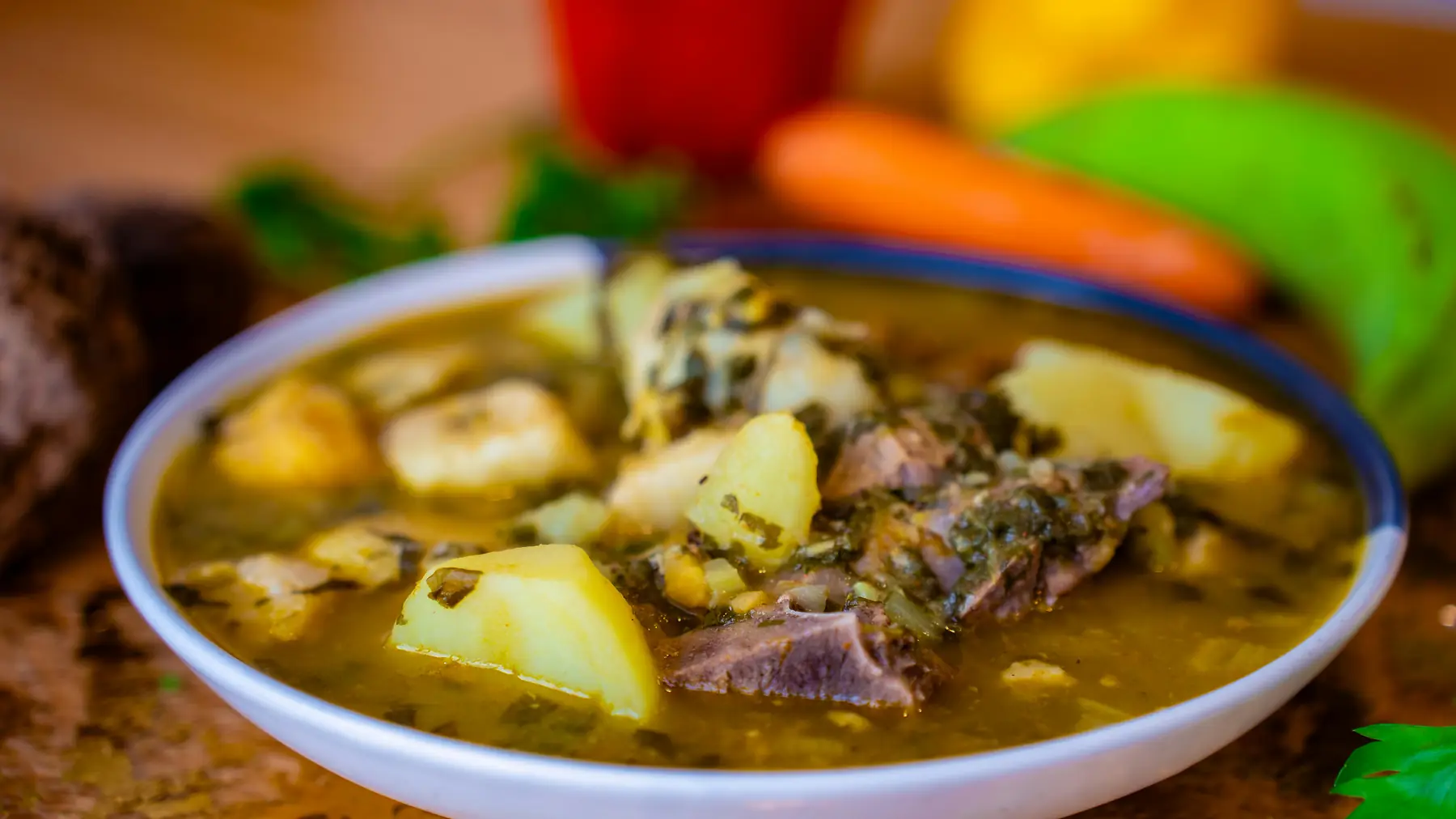
Dining in Torres del Paine National Park requires choosing between three distinct systems: pre-booked refugio meal plans, sit-down hotel restaurants, or self-catering with supplies brought from Puerto Natales. Because there are no public supermarkets and very few casual “walk-in” eateries once you enter the park, your food strategy must be decided at the same time you book your accommodation.
For the 2026/27 season, the logistical landscape remains complex. While luxury lodges offer high-end Patagonian fusion and refugios provide communal trekking fuel, the cost of calories inside the park remains significantly higher than in the rest of Chile. This guide breaks down where to eat, what to expect on your plate, and how to navigate the strict rules governing food and fire in the wilderness.
| Sector | Dining Type | Best For | Reservation Required |
|---|---|---|---|
| Las Torres | Hotel & Refugio | All visitors; fine dining & kiosks | Yes for hotel; No for kiosks |
| Paine Grande | Refugio & Minimarket | W/O Trekkers; quick hot meals | Yes for full meals; No for bar menu |
| Lago Grey | Hotel & Navigation | Day-trippers; Pisco Sours & views | Highly recommended for non-guests |
| Serrano | Hotel & Spa | Visitors entering via Rio Serrano | Highly recommended |
| Pudeto | Kiosk | Catamaran passengers; quick snacks | No |
| Cuernos/Frances | Refugio | Trekkers on the W Trek | Yes (Pre-booked only) |
The Three Ways to Eat in the Park
You must choose your dining style based on your accommodation and your physical capacity to carry weight. Most visitors fall into one of three categories: pre-booked refugio plans, hotel dining, or self-catering at designated campsites.
Refugio meal plans are the standard for W and O trekkers. These are set-menu affairs that include a hot breakfast, a portable boxed lunch, and a three-course communal dinner. Because the kitchens in remote spots like Refugio Dickson or Los Cuernos rely on horse teams or catamarans for supplies, these meals must be booked weeks or months in advance.
Hotel dining offers the only true a la carte experience in the park. Located primarily at the park’s edges (Serrano, Grey, and Las Torres sectors), these restaurants serve high-quality Chilean cuisine and are accessible to day visitors. If you are staying in a hotel, your meals may be included in an all-inclusive package, or you may pay per meal.
Self-catering is the most budget-friendly option but requires the most effort. You must purchase all supplies in Puerto Natales and carry them to your campsites. Cooking is strictly limited to designated areas within official campgrounds to prevent forest fires, and you must provide your own stove and fuel.
To understand how these dining choices align with where you will sleep, see our comprehensive guide to park stays.
Luxury & Mid-Range: Hotel Restaurants in the Park
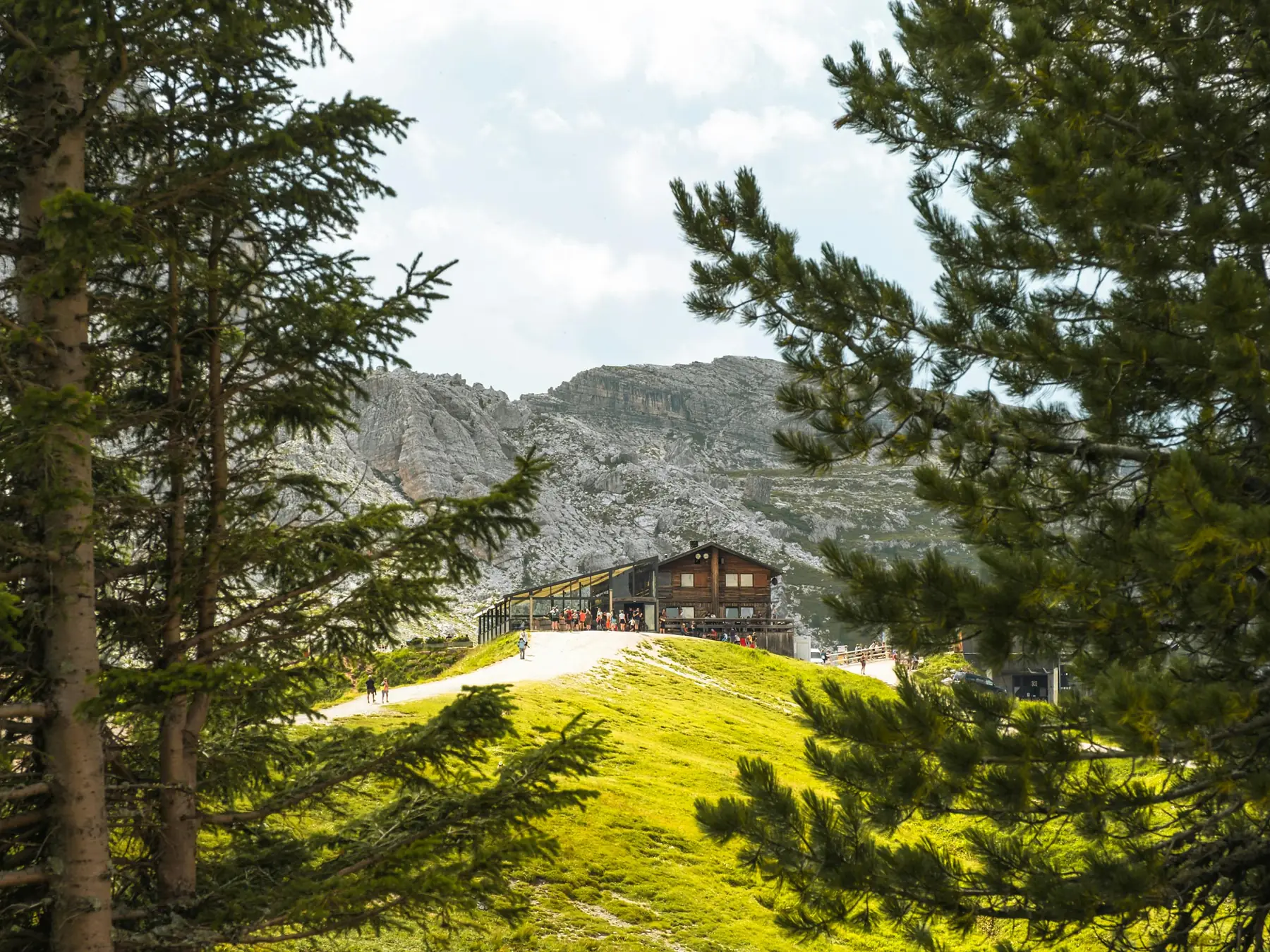
While most high-end hotels in Torres del Paine operate on an all-inclusive basis for their guests, several major lodges allow outside visitors to book tables for lunch and dinner, providing a welcome break from trekking rations.
Restaurante Coirón, located within Hotel Las Torres, is a premier destination for Patagonian fusion. As of the 2026/27 season, the hotel has implemented a strict policy requiring a hotel reservation to access the restaurant, bar, and spa facilities. Non-guests should contact the hotel directly to check if any limited “day visitor” dining slots are available, as walk-ins are no longer permitted. The menu typically features slow-cooked lamb and southern hake, paired with an extensive list of Chilean wines.
In the western sector, the Lago Grey Hotel Restaurant offers what many consider the best dining view in the park, overlooking the icebergs that drift from Glacier Grey. This is a popular stop for those waiting for the Grey III Navigation boat. Their bar is famous for its Pisco Sours chilled with ancient glacier ice. While they do accommodate visitors for lunch, dinner reservations are essential for non-guests as guest numbers peak in mid-summer.
Across the river, the Rio Serrano Hotel & Spa houses Restaurante Qawasqar. This is the largest dining facility in the Serrano sector and serves a mix of international favorites and local specialties. It is a reliable choice for those staying in the Serrano cluster of hotels who want a change of scenery.
Note that ultra-luxury lodges like Explora Torres del Paine and Tierra Patagonia maintain strictly private dining rooms. These facilities are reserved exclusively for their guests and do not accept walk-ins or outside reservations under any circumstances.
If you are planning your day around a meal at Lago Grey, you may want to coordinate it with a boat tour of the glacier.
Trekker Dining: Refugios and Campsite Meals
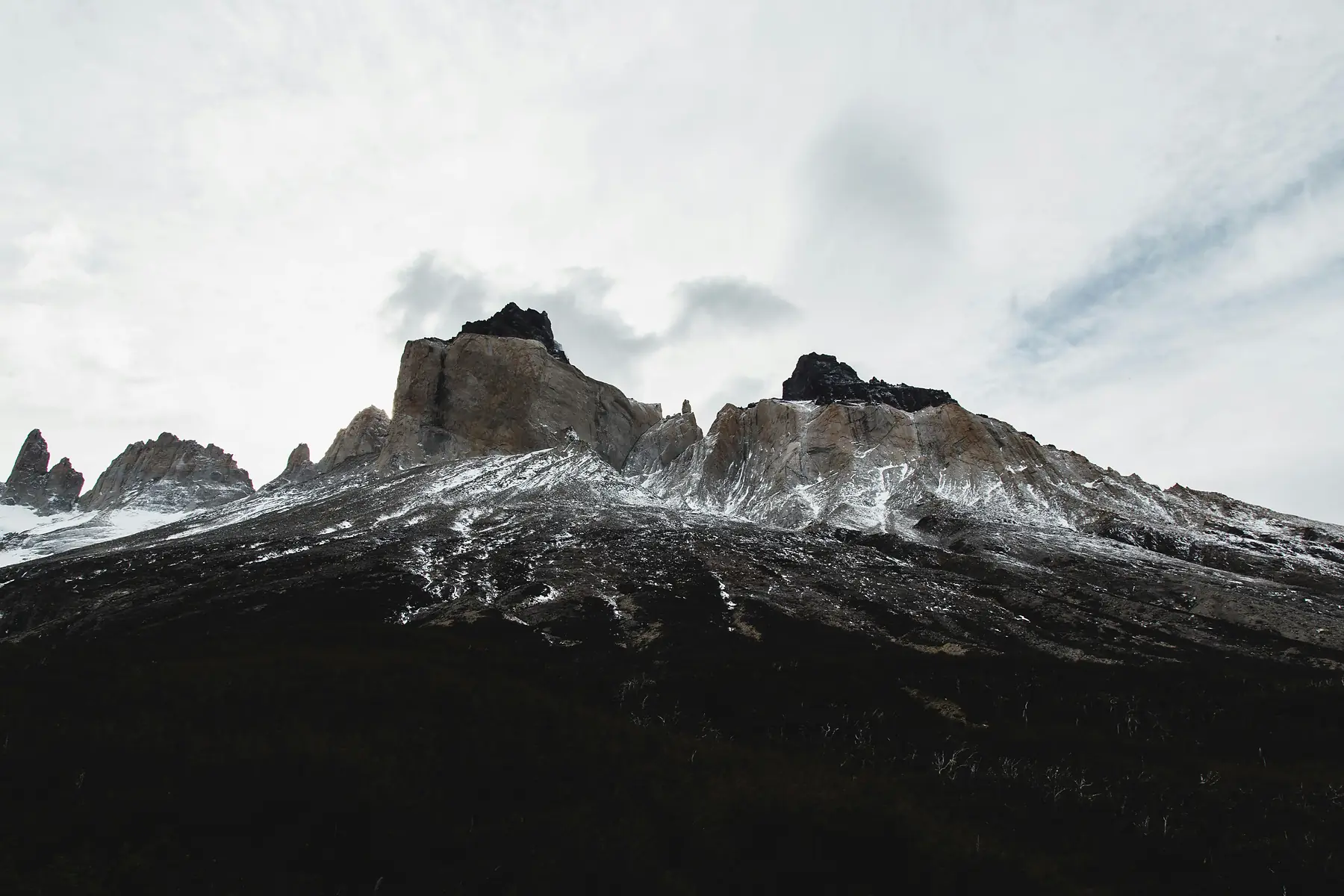
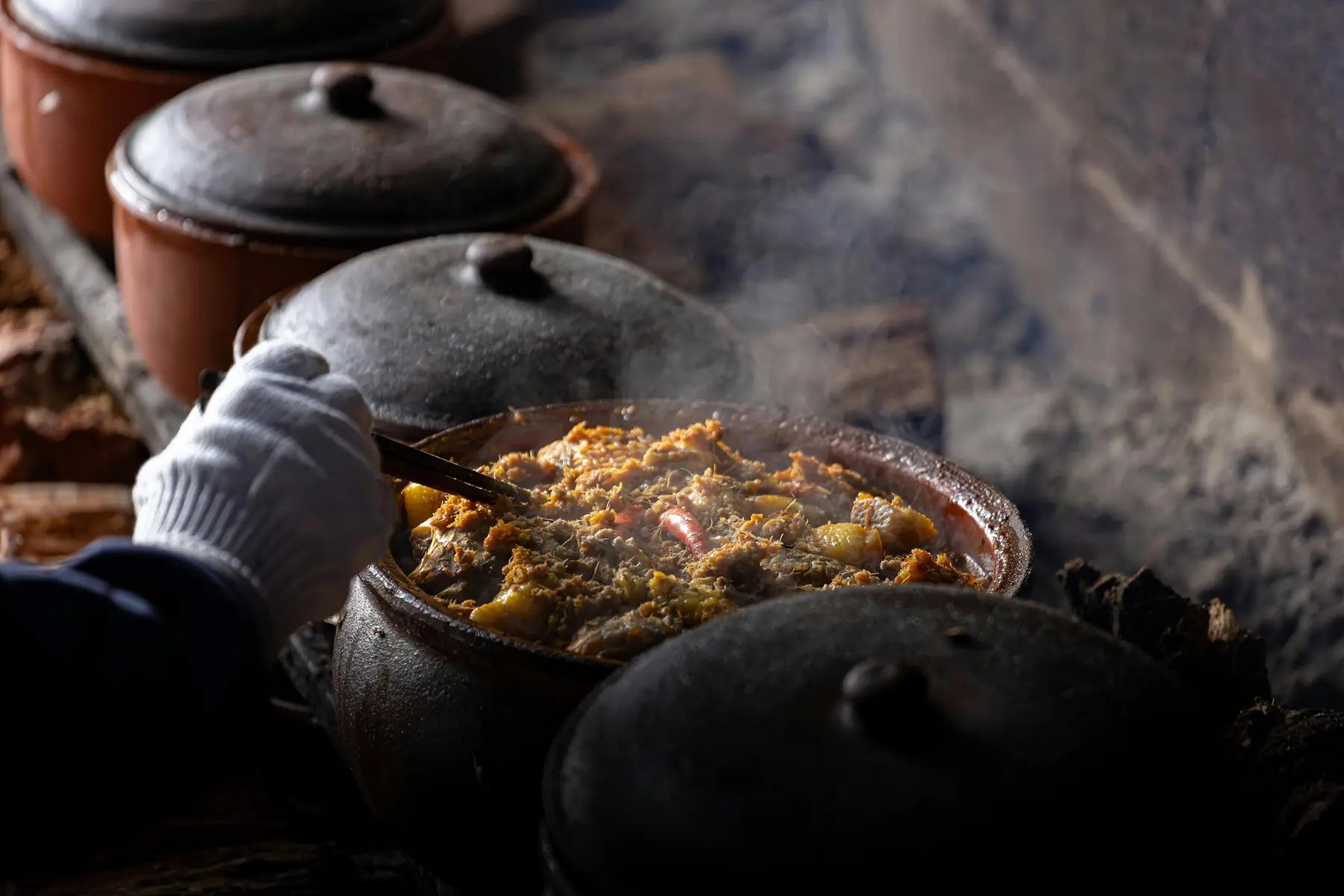
Eating on the W or O Trek is less about choice and more about efficient refueling. The refugio dining experience is defined by communal tables and set menus that prioritize high-calorie intake for tired hikers.
Dinner is the centerpiece of the refugio day, usually served in two sittings between 19:00 and 21:00. You can expect a soup starter, a main course (such as chicken with rice, pasta bolognese, or a hearty stew), and a simple dessert like canned fruit or flan. The quality is generally good, but the “no choice” nature of the menu means you eat what is served. For the 2026/27 season, both Vertice and Las Torres (the two main operators) have improved their ingredient sourcing, though remote camps still rely heavily on non-perishables.
The boxed lunch provided in the “Full Board” plan is designed for the trail. A typical Las Torres lunch box contains a sandwich, a cereal bar, and dried fruits. Vertice lunch boxes are similar. While functional, many trekkers find the sandwiches repetitive after four days and supplement them with snacks from Puerto Natales.
There is a slight difference in culinary philosophy between the two operators. Vertice (Grey, Paine Grande, Dickson, Perros) tends to have slightly more spacious dining halls and has historically been more flexible with dietary substitutions. Las Torres (Chileno, Central, Cuernos, Frances) offers a more “rustic-chic” atmosphere, particularly at the newer Refugio Frances, but their kitchens are often smaller and more prone to delays during peak season.
For more details on the logistics of booking these meal plans alongside your bunk, refer to our Refugio guide.
Quick Eats: Kiosks, Minimarkets, and Bars
If you haven’t pre-booked a meal plan, or if you just need a celebratory drink after a long climb, the park’s network of kiosks and bars provides a vital safety net.
Paine Grande is the most significant hub for incidental food. Its bar serves a la carte items like pizzas, burgers, and sandwiches until late in the evening. There is also a well-stocked minimarket here where you can buy dry pasta, tomato sauce, beer, and snacks. Prices are roughly 3-4 times higher than in Puerto Natales, but for many, the weight saved in their pack is worth the “luxury tax.”
The Pudeto Kiosk is the primary waiting area for the catamaran across Lake Pehoé. It is one of the few places in the park to get a classic Chilean empanada or a quick coffee. It is cash-friendly, though most park outlets now accept credit cards, provided the satellite internet is functioning.
In the eastern sector, the Central and Chileno sectors also have small shops. However, the Grey Minimarket in the west is often better stocked for O Circuit trekkers finishing their journey, frequently carrying essentials like camping gas and basic toiletries alongside snacks.
Self-Catering: Shopping and Cooking Rules
For those trekking on a budget or with specific tastes, self-catering is the only way to control both cost and nutrition. However, this requires strict adherence to Chilean environmental and customs laws.
Your supply run must happen in Puerto Natales. The Unimarc on Calle España is the largest supermarket, but for specialized trekking food like high-quality dried fruits, nuts, and lightweight grains, shops like Don Bosco or specialized outdoor stores in the town center are better options. You should aim for calorie-dense, low-weight items: instant oats, tortillas (which don’t crush like bread), tuna sachets, and dried lentils.
Chile’s SAG (Agricultural and Livestock Service) maintains very strict rules about bringing food across the border from Argentina. If you are arriving from El Calafate, you must declare all products of animal or vegetable origin. Fresh fruit, vegetables, honey, and unsealed meat/dairy products are strictly prohibited. Commercially sealed, roasted nuts are generally permitted, but raw nuts or homemade trail mixes are frequently confiscated.
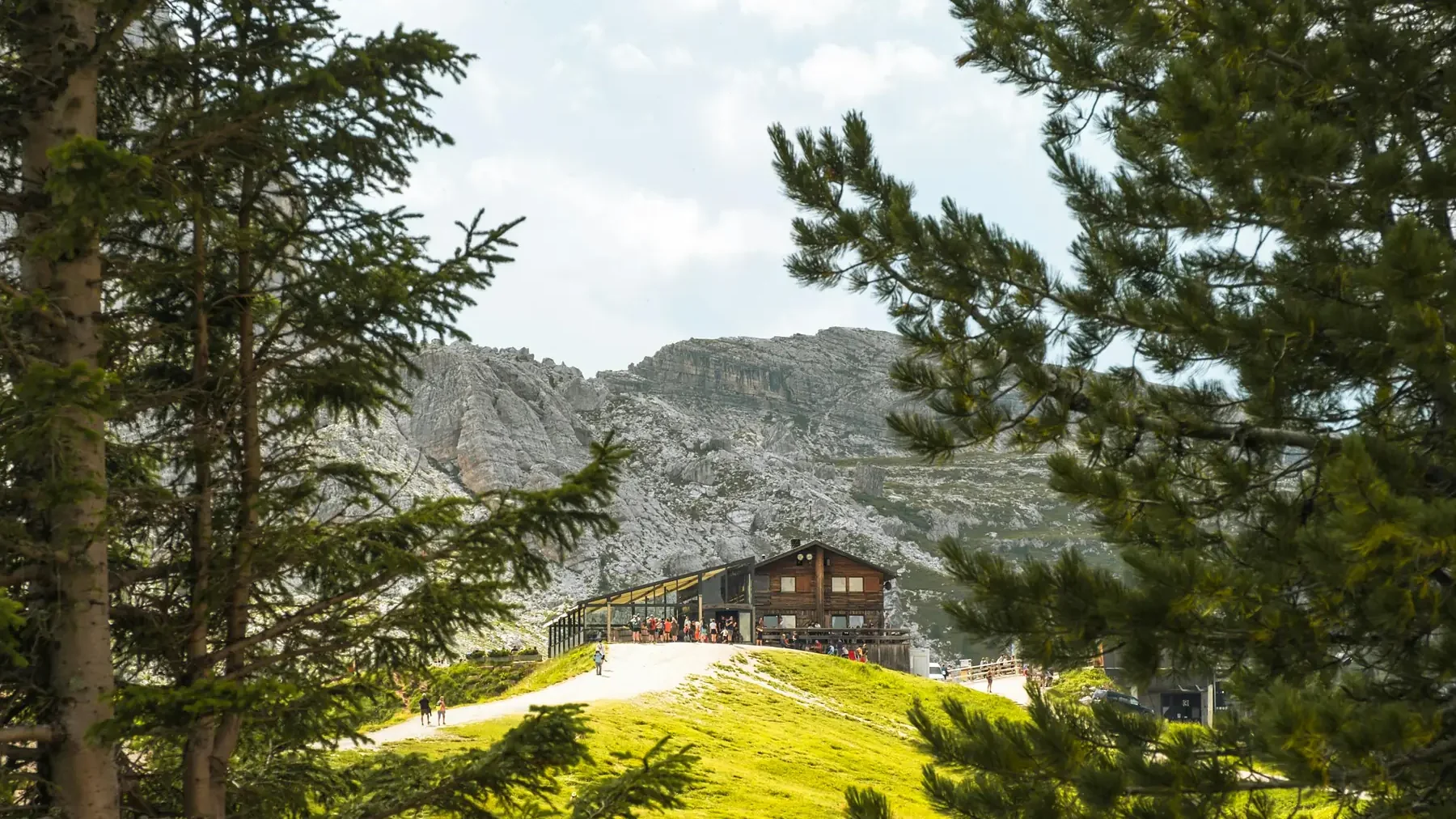
Cooking is only permitted in designated “Cocinas” (cooking shelters) at official campsites. These are usually basic wooden structures with benches. You must use a portable gas stove; open fires are strictly prohibited everywhere in the park and can result in immediate expulsion and heavy fines.
Finally, hydration is the easiest part of the park’s food logistics. The water in the fast-flowing streams is generally safe to drink, though you should always check upstream for animals or campsites. For a full breakdown of water safety and park health, see our logistics guide.
Dietary Restrictions: Vegan, Vegetarian, and Gluten-Free
Torres del Paine has become significantly more accommodating to dietary restrictions over the last five years, but “accommodation” does not mean “variety.”
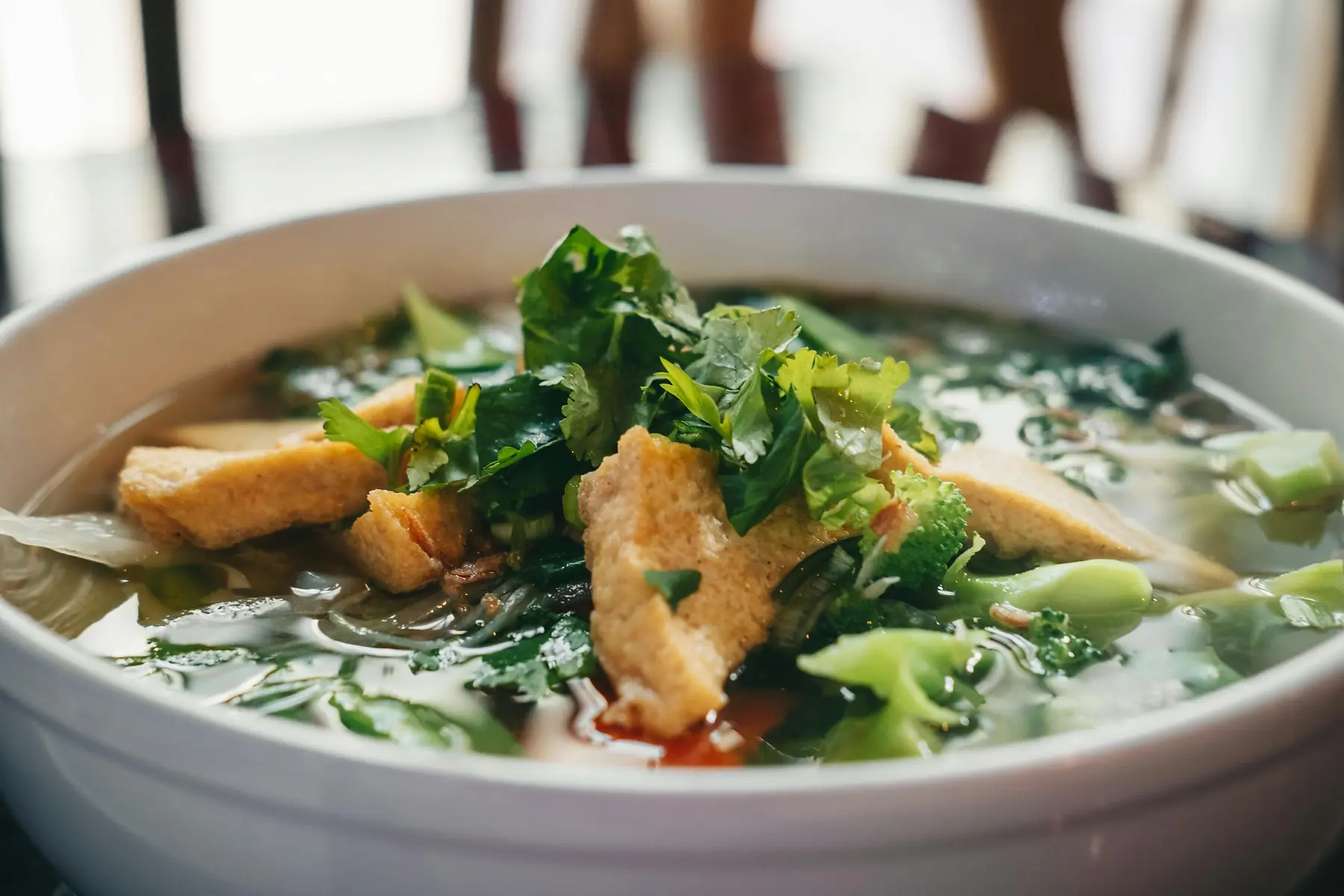
Vegetarian and vegan options are now available at all refugios and hotel restaurants. However, for refugio meal plans, you must specify your requirement at the time of booking. If you show up at Refugio Grey and ask for a vegan meal without a prior note on your reservation, you will likely receive a plate of plain pasta or rice. The standard vegetarian meal is often a legume-based stew or a vegetable soy protein dish.
Gluten-free (GF) dining is available but requires careful planning. While hotel restaurants like Coirón understand cross-contamination, refugio kitchens are small and handle large volumes of bread and pasta. Both Vertice and Las Torres can provide GF meals if requested at least 48 hours in advance, though Vertice is often cited by trekkers as having more consistent GF bread and snack options.
Tips for Gluten-Free Trekkers
If you are strictly Celiac, the safest approach is to self-cater. If you are gluten-intolerant and choosing the meal plan, bring your own GF bread and crackers from Puerto Natales to supplement the meals, as the “GF lunch box” often lacks a substantial sandwich replacement.
Cost Summary: Budgeting for Food
To help you budget for the 2026/27 season, here is a breakdown of what you can expect to spend per person, per day on food.
- Daily Cost: $20-35 USD vs USD 110 (Vertice) / USD 140 (Las Torres)
- Pack Weight: High (Must carry all food/stove) vs Low (Carry only snacks)
- Prep Time: 30-45 mins per meal vs 0 mins (Served to you)
- Social Aspect: Quiet cooking shelters vs Communal dining hall atmosphere
Choose Full Board if you want to hike with a light pack; choose Self-Catering to save over $100 per day.
For mid-range travelers, a hybrid approach is common: pre-booking dinner at the refugios (USD 53 at Vertice, USD 70 at Las Torres) while self-catering breakfast and lunch. Note that incidental costs add up quickly. A beer at a refugio bar costs ~USD 8–10, and a personal pizza ~USD 20.
Puerto Natales: The Gateway Meals
Your journey into the park begins and ends in Puerto Natales, and these “gateway meals” are an essential part of the experience.
The “Last Supper” before a trek should be focused on complex carbohydrates. Several spots in town specialize in handmade pasta and thin-crust pizzas that are perfect for carb-loading. This is also the time to visit the local bakeries for fresh “Pan Amasado” to take on your first day of hiking.
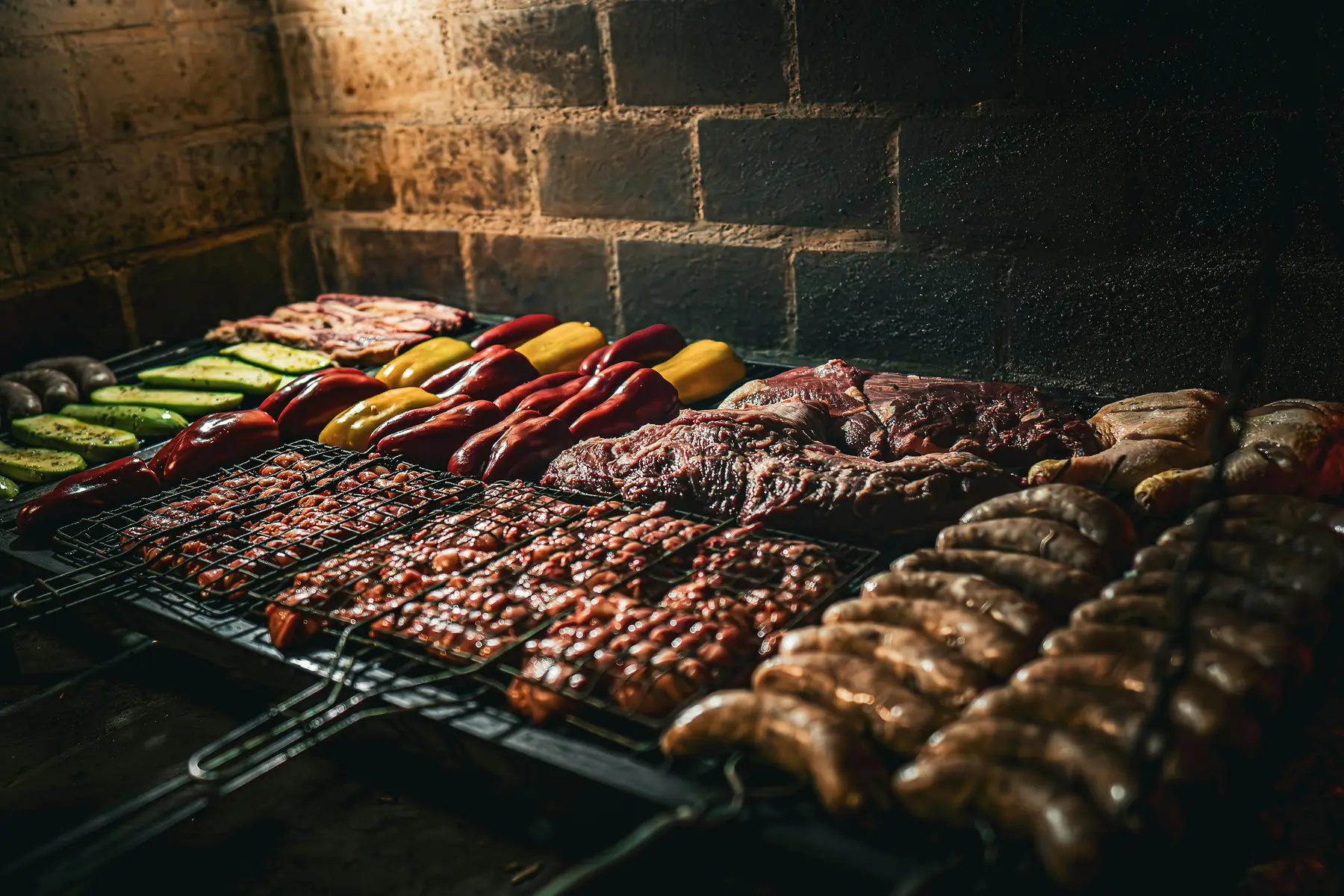
The “Celebration Meal” after finishing the W or O Trek is almost universally focused on Cordero al Palo (spit-roasted lamb). This is the quintessential Patagonian dish, where the lamb is slow-roasted over an open fire for several hours. To learn more about the history of this dish and other regional specialties like Calafate berries, see our cultural food guide.
For your final supply stop, ensure you visit the specialized shops on Manuel Bulnes street for high-energy snacks. Once you board the bus to the park, your dining options are set.
FAQ
Can I buy food in Torres del Paine without a reservation? Yes, most refugios have small minimarkets or bars selling pizza, burgers, and snacks, but these can sell out and are significantly more expensive than buying in Puerto Natales.
Is there a grocery store in Torres del Paine National Park? There are no full-sized supermarkets; only small minimarkets at major hubs like Paine Grande, Grey, and Las Torres that sell basic trekking supplies and snacks.
Are vegetarian meals available on the Torres del Paine W Trek? Yes, all refugios offer vegetarian and vegan options, but you must request them at least 48 hours in advance through your booking provider.
How much does a meal plan cost in Torres del Paine for 2026/27? For the 2026/27 season, expect to pay USD 110/day at Vertice sites or USD 140/day at Las Torres sites for a full-board plan (dinner, breakfast, and box lunch).
Can I cook my own food at the Torres del Paine campsites? You can only cook in designated areas at official campsites using a portable gas stove; open fires and cooking inside tents are strictly prohibited.
Are there restaurants in Torres del Paine for day visitors? Yes, day visitors can eat at hotel restaurants like Lago Grey or Rio Serrano, though some like Hotel Las Torres now require a hotel reservation for restaurant access.