
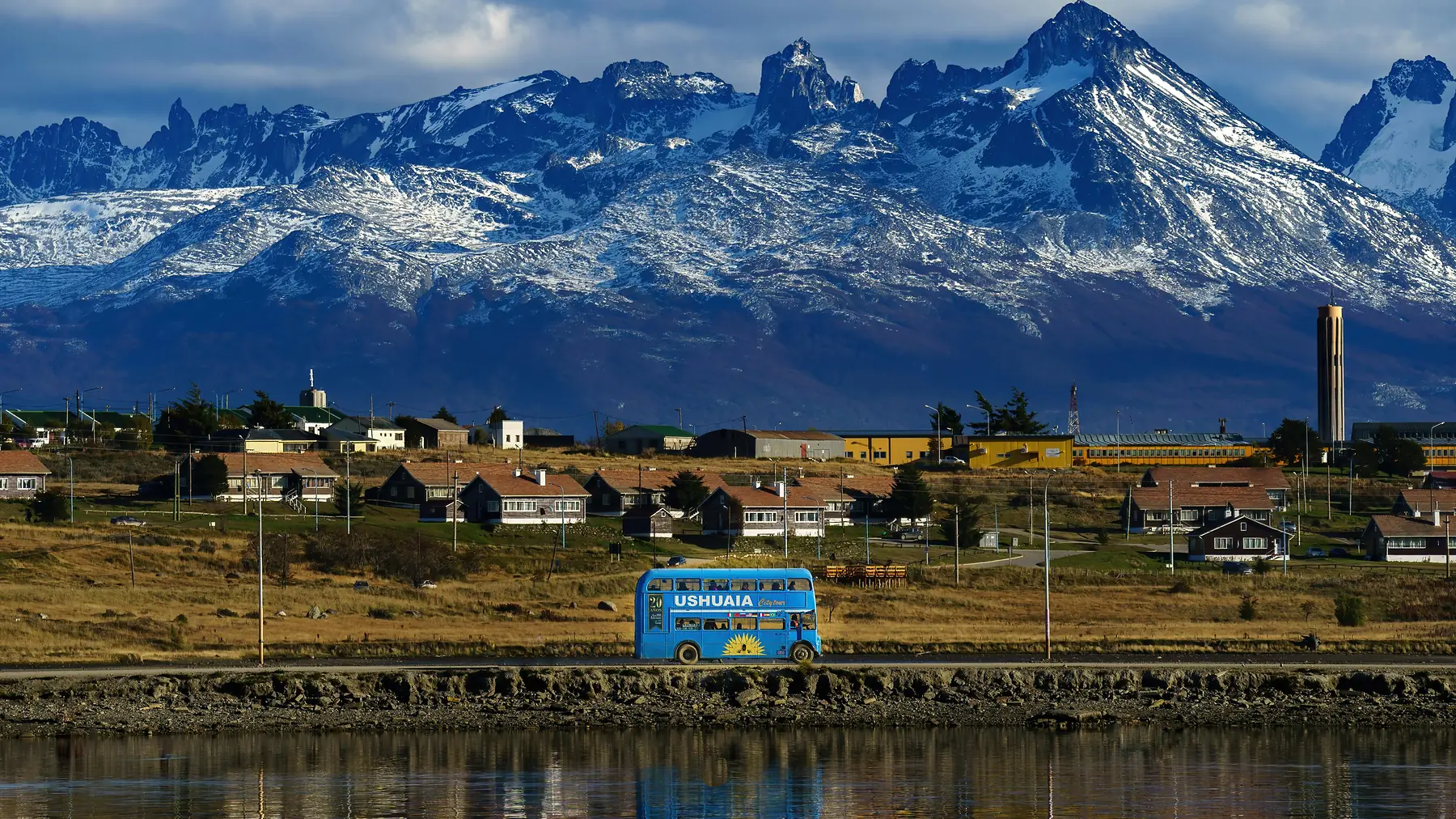
Ushuaia’s weather is defined by its extreme southern latitude and the legendary concept of “four seasons in one day.” While temperatures rarely drop into deep arctic negatives or climb into true heat, the volatility of the wind and the rapid shifts in precipitation mean that your itinerary must be as flexible as the clouds moving over the Beagle Channel.
To plan a successful trip to the world’s southernmost city, you must look beyond the thermometer. The real variables that shape a Tierra del Fuego experience are the dramatic swings in daylight hours and the persistent westerly winds. Whether you are aiming for the 17 hour days of the summer solstice or the deep, reliable snow of the winter ski season, understanding the meteorological rhythm of the “End of the World” is the first step in building a viable packing list and activity schedule.
Ushuaia Weather at a Glance
- Warmest Months: January and February (Average high 14°C / 57°F)
- Coldest Months: June and July (Average high 4°C / 39°F)
- Windiest Season: Spring and Summer (October to February)
- Peak Daylight: 17 hours 20 minutes in December
- Minimum Daylight: 7 hours 12 minutes in June
- Annual Rainfall: Approximately 530mm, distributed evenly year-round
The Ushuaia Climate: What to Expect at the End of the World
Ushuaia sits within a subpolar oceanic climate zone, categorized as Köppen Cfc. This means the city experiences cool summers and relatively mild winters compared to other locations at similar latitudes in the northern hemisphere. The massive thermal inertia of the surrounding southern oceans prevents extreme temperature spikes, keeping the city in a narrow band of cool, damp, and windy conditions year-round.
The local weather is a direct result of the interaction between the cold waters of the Beagle Channel and the southern terminus of the Andes Mountains. This topography creates microclimates where it might be raining in the city center while a blizzard hits the Martial Glacier just a few kilometers away. For travelers arriving by air, this volatility has practical consequences. The Malvinas Argentinas International Airport is known for challenging crosswind landings, and high wind events can occasionally delay flights or cause the closure of the Paso Garibaldi, the only paved mountain pass connecting Ushuaia to the rest of the Argentine mainland.
Compared to other Patagonian hubs, Ushuaia is generally milder and windier than the dry steppes of El Calafate, but more prone to sudden cloud cover than the northern lake districts.
- Temperatures: 6°C to 15°C (43-59°F) vs. -2°C to 4°C (28-39°F)
- Daylight: 16-17 hours vs. 7-8 hours
- Wind Levels: High, frequent gusts vs. Low, more stable air
- Best For: Hiking Tierra del Fuego NP vs. Skiing at Cerro Castor
Choose Summer for trekking and wildlife; choose Winter for skiing and the unique 'End of the World' atmosphere.
Ushuaia Weather by Season: A Detailed Breakdown
The transition between seasons in Tierra del Fuego is often subtle, marked more by the color of the trees and the length of the evening than by massive shifts in temperature. Understanding these quarterly shifts is essential for deciding how seasonal shifts dictate the availability of local excursions.
Summer (December – February)
This is the most popular time to visit, characterized by the longest days of the year. While it is the “warmest” season, it is also the windiest. Expect sustained winds that can make a 10°C day feel significantly colder. This is the peak season for trekking and visiting the penguin colonies, but it requires booking accommodation and tours well in advance.
Autumn (March – May)
Many locals consider autumn the most beautiful time in Ushuaia. The Lenga and Nire forests in Tierra del Fuego National Park turn brilliant shades of red and orange. The wind begins to die down, making for calmer waters in the Beagle Channel, though the air temperature drops steadily toward freezing by May.
Winter (June – August)
Ushuaia transforms into the “White Season.” While the days are short, the city enjoys the most consistent snow quality in South America. The weather is often surprisingly still and crisp, providing perfect conditions for winter sports. This is also when the city celebrates the “Longest Night of the Year” on June 21st.
Spring (September – November)
Spring is a season of awakening and deep mud. As the snow melts, the trails become saturated, making hiking a messy endeavor. However, the lupines begin to bloom, wildlife becomes more active, and the cruise ships return to the harbor, signaling the start of the new tourism cycle.
Before deciding on a season, it is worth looking at how these shifts impact the specific things to do in Ushuaia to ensure your bucket-list activities are actually available.
Month-by-Month Weather & Activity Guide
To help you pinpoint the best time for your specific interests, here is a breakdown of what to expect on the ground during every month of the year.
January and February
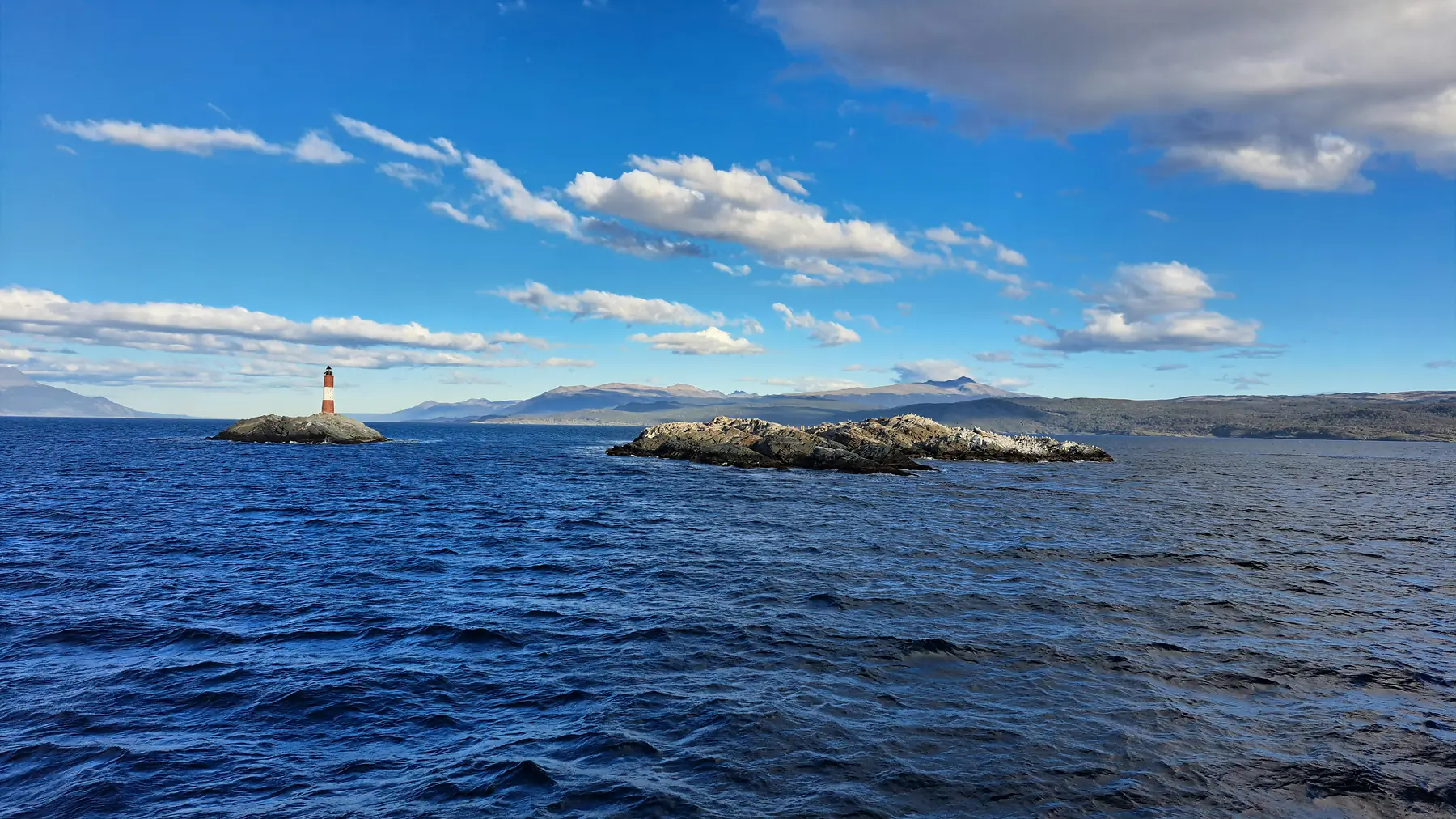
These months offer the most reliable weather for outdoor adventure. With average highs of 14°C (57°F), it is the best time for navigating the Beagle Channel to see the Magellanic penguins at Martillo Island, as the slightly calmer (though still windy) conditions allow for more consistent boat landings. Rainfall remains consistent with the annual average, typically seeing between 40mm and 50mm per month as of the 2026/27 season.
March and April
As the wind speeds drop, these months become the premier window for landscape photographers. The “fire forest” effect in the national park peaks in mid-April. You will need to prepare for frost in the mornings, but the clarity of the air often provides the best views of the Darwin Range.
May and June
The transition to winter is rapid. May sees the first permanent snowfalls at sea level. By June, the sun barely clears the horizon, rising around 10:00 AM and setting by 5:00 PM. This is the time for cozying up in the city’s cafes or visiting the museums before the ski season fully kicks off.
July and August
This is the heart of the winter sports season. The weather is cold but rarely “brutal” by northern standards, with temperatures hovering around 0°C (32°F). The focus shifts entirely to the ski slopes of Cerro Castor and the dog-sledding centers in the Tierra Mayor valley.
September and October
The thaw begins. While the mountains still hold plenty of snow for skiing, the city starts to see more rain than snow. If you are hiking during these months, gaiters are essential to deal with the significant mud on trails like Laguna Esmeralda. As of the 2025 season, trails remain open but are subject to extreme mud conditions; always check with the local Tourist Information Office for daily safety alerts.
November and December
Daylight returns in force. By late November, the lupines are in full bloom across the hillsides. December 21st offers over 17 hours of light, allowing for “End of the World” treks that can start late in the afternoon and still finish in broad daylight.
The Wind Factor: Navigating Ushuaia’s Most Famous Element
In Ushuaia, the wind is a more significant factor for your comfort and safety than the actual air temperature. The city sits in the path of the “Westerlies,” powerful winds that blow across the Southern Ocean and are funneled through the Beagle Channel and mountain passes.
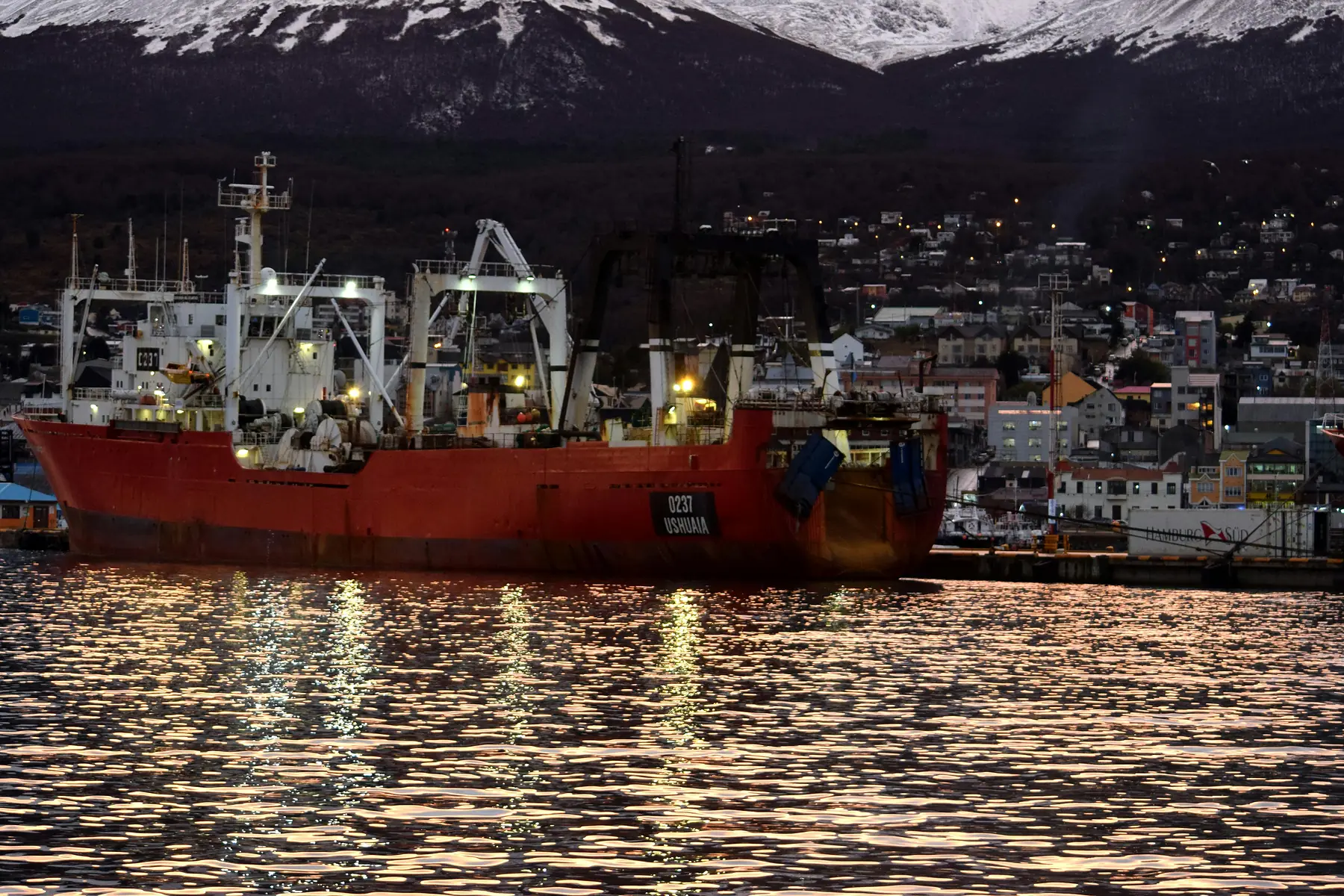
The wind chill impact is substantial. A sunny afternoon at 8°C can feel like -2°C the moment a gust of 60 km/h hits you. For those planning water-based excursions, the wind is the primary reason for itinerary changes. Patagonia cruises and local boat tours are strictly regulated by the Prefectura Naval Argentina; if gusts exceed safety thresholds, the port is closed.
Beagle Channel boat tours are frequently delayed or canceled during the high-wind months of November through January. Always book your boat tour for the first available day of your stay to allow for a “weather day” if the port closes.
Daylight Hours: The Extreme Swing of Tierra del Fuego
The latitude of 54° South means Ushuaia experiences extreme seasonal variations in usable sunlight. This swing dictates the rhythm of the city and the safety of the trails.
During the summer solstice in December, the sun sets around 10:00 PM, but the twilight lingers until nearly 11:00 PM. This provides a massive safety margin for hikers in Tierra del Fuego National Park. Conversely, during the winter solstice in June, you only have about 7 hours of light. If you are heading out for a winter walk or cross-country skiing, you must be off the trail by 4:30 PM to avoid being caught in the dark, as temperatures drop rapidly once the sun disappears behind the peaks.
Snowfall and Winter Sports in Ushuaia
Ushuaia is widely recognized for having the most consistent and longest-lasting snow in South America. Because of the city’s southern position, the snow is often “dry” and powdery, making it a favorite for international ski teams who come here for northern-summer training.
The primary hub for winter activity is Cerro Castor, which typically operates from mid-June through early October. The Tierra Mayor valley also offers world-class cross-country skiing and snowshoeing trails that remain operational even when the wind makes the alpine slopes of the ski resort less hospitable.
What to Wear: Dressing for Ushuaia’s Volatility
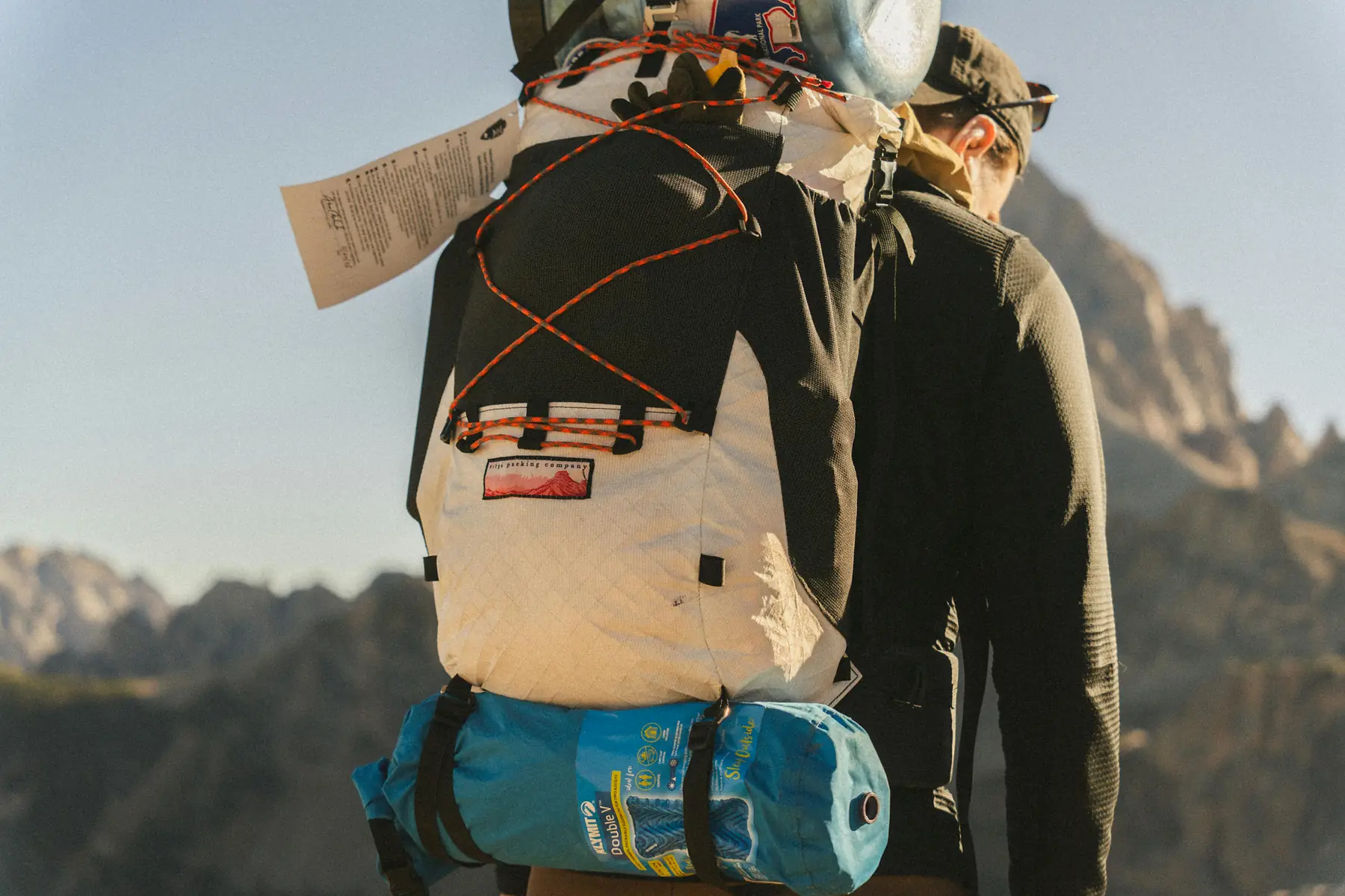
Because the weather can shift from bright sunshine to a sleet storm in under twenty minutes, the only effective way to dress for Ushuaia is using a three-layer system. This approach allows you to vent heat during steep climbs and trap it quickly when the wind picks up on an exposed ridge.
Your base layer should be moisture-wicking (merino wool is ideal), followed by an insulating mid-layer like a fleece or a down “puffy” jacket. The most critical component, however, is a high-quality windproof and waterproof shell. In Ushuaia, a “water-resistant” jacket is rarely enough; you need a dedicated hard-shell to block the Antarctic winds. Footwear should be waterproof and have a deep tread, as even the most popular trails are prone to deep mud and slippery roots year-round.
For a complete breakdown of exactly what to put in your suitcase, including technical gear recommendations, refer to our Ushuaia packing list.
FAQ
QUESTION: What is the best month to visit Ushuaia for hiking? ANSWER: The best months for hiking in Ushuaia are December through March, when daylight hours are at their peak and temperatures are mildest, though you should still prepare for high winds.
QUESTION: Does it snow in Ushuaia during the summer? ANSWER: While rare at sea level, it is not uncommon to see snow on the peaks surrounding Ushuaia or at the Martial Glacier even in the middle of January.
QUESTION: How cold does it get in Ushuaia during the winter? ANSWER: Winter temperatures in Ushuaia typically hover between -2°C and 4°C (28°F to 39°F), though wind chill can make it feel significantly colder.
QUESTION: Is the weather in Ushuaia too windy for boat tours? ANSWER: High winds are common in Ushuaia, especially in spring and summer, and can occasionally lead to the cancellation of Beagle Channel boat tours for safety.
QUESTION: When is the rainy season in Ushuaia? ANSWER: Ushuaia does not have a distinct rainy season; precipitation is distributed fairly evenly throughout the year, often falling as light drizzle or “serein.”
QUESTION: How many hours of daylight does Ushuaia have in December? ANSWER: During the summer solstice in December, Ushuaia enjoys over 17 hours of daylight, with the sun staying up until nearly 10:00 PM.