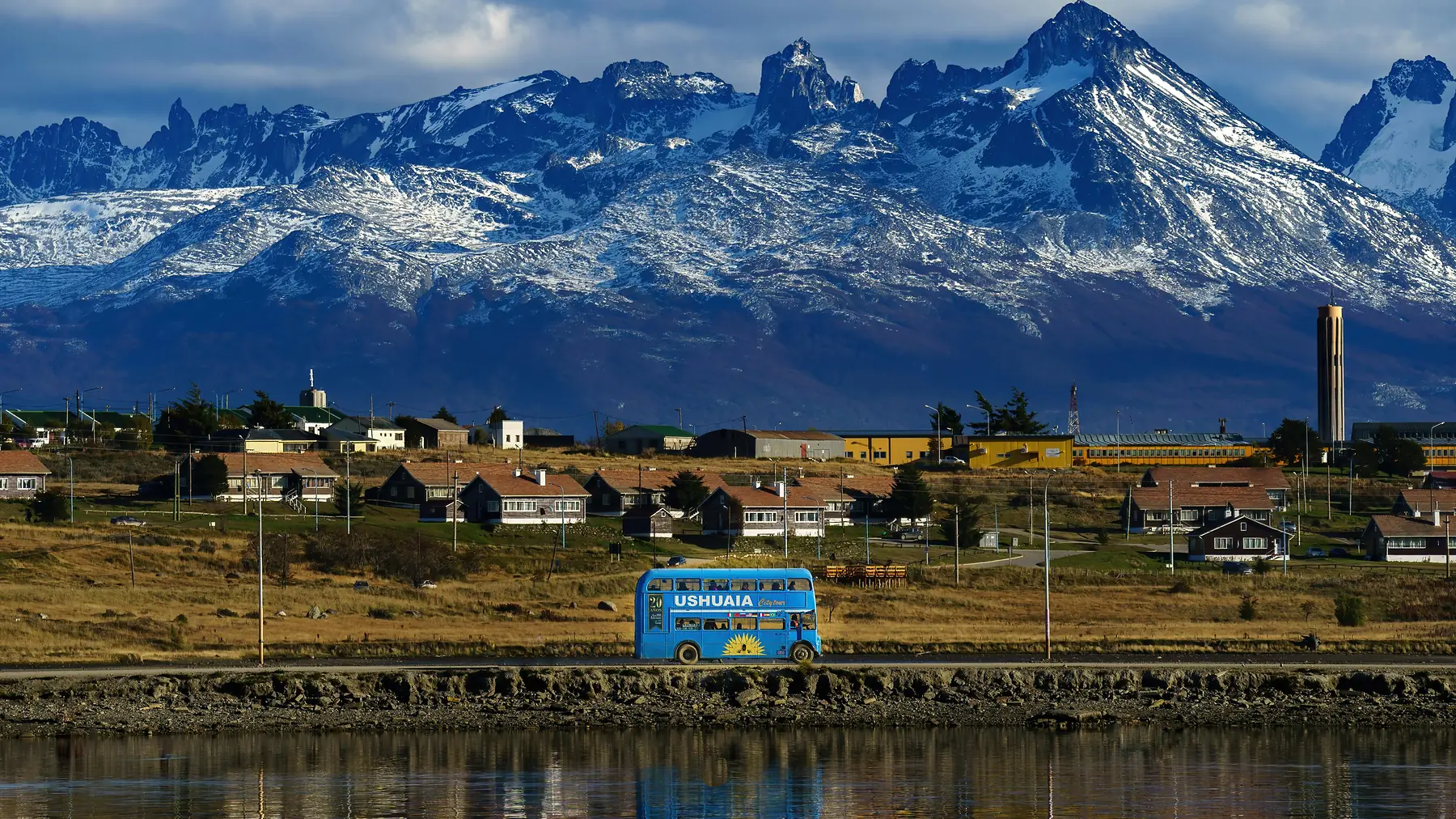
The best things to do in Ushuaia center on three iconic experiences - navigating the Beagle Channel, exploring the coastal trails of Tierra del Fuego National Park, and walking among thousands of penguins on Martillo Island. While many travelers use this city solely as a springboard for Antarctica, the dramatic intersection of the Andes and the Southern Ocean offers enough high-altitude trekking, world-class skiing, and unique culinary history to justify a dedicated four-to-five-day stay.
Ushuaia is a place of extremes. Known as “El Fin del Mundo,” it is the southernmost city on Earth, where the mountains don’t just frame the horizon - they tumble directly into the sea. Whether you are here to stand at the end of the Pan-American Highway or to taste wild-caught king crab in a remote fishing village, the activities in this region are defined by the rugged, unpredictable beauty of the Fuegian archipelago.
Ushuaia At a Glance
- Top Activity: Beagle Channel Boat Tour
- Best Hike: Laguna Esmeralda
- Wildlife Highlight: Martillo Island Penguin Walk (October - April)
- Winter Season: June - October (Cerro Castor)
- Local Specialty: Centolla (Fuegian King Crab)
- Suggested Duration: 3-5 days
The “Big Three” Must-Do Ushuaia Activities
The essential Ushuaia experience is built on three pillars that showcase the region’s geography, wildlife, and status as the “End of the World.”
Beagle Channel Navigation
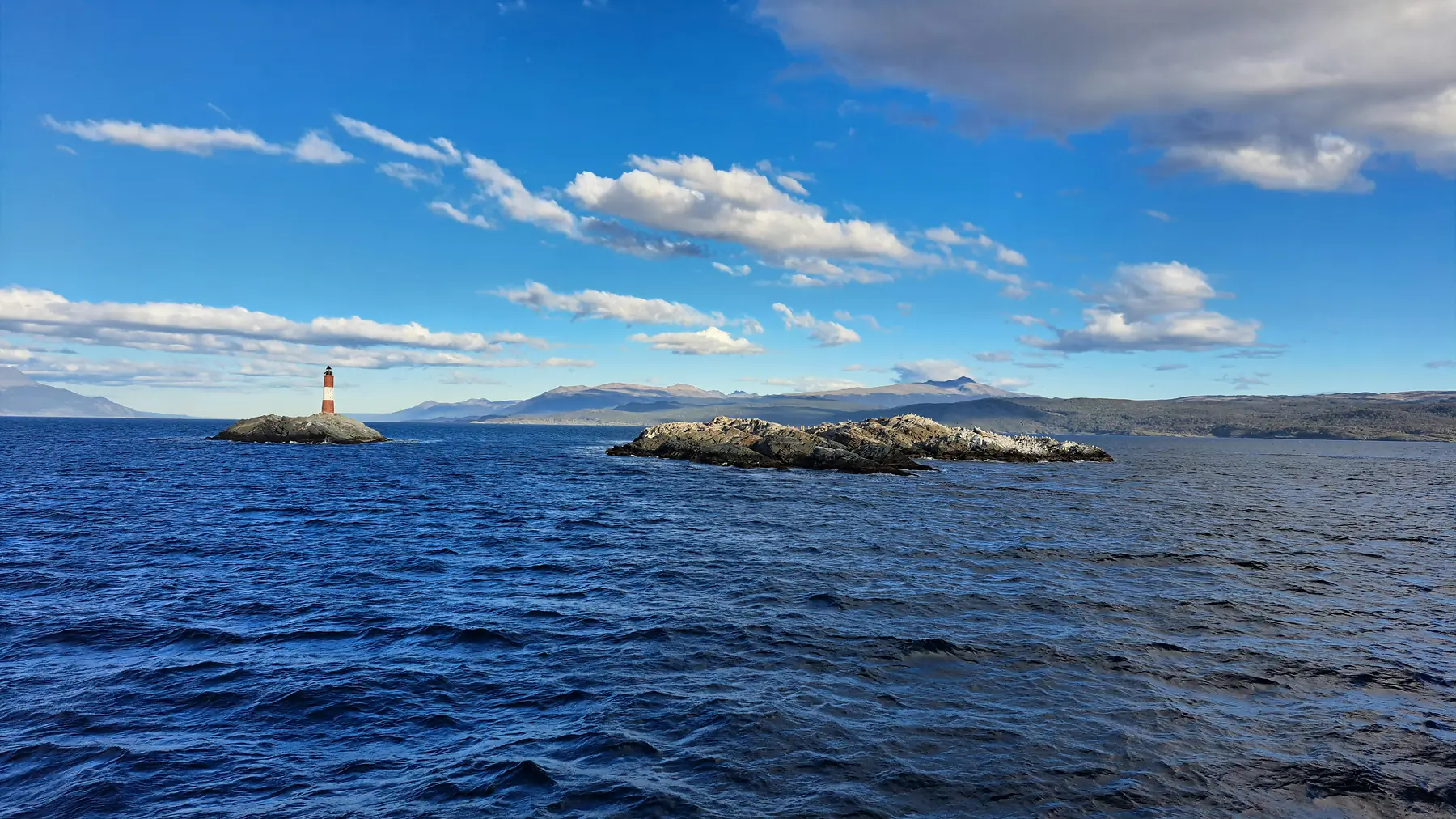
Sailing the Beagle Channel is the most popular activity in Ushuaia for a reason. These tours typically depart from the tourist pier in the city center and take you past the Les Eclaireurs Lighthouse - the red-and-white striped icon often called the “Lighthouse at the End of the World.” Along the way, you will visit islands inhabited by colonies of imperial cormorants and South American sea lions.
For a more intimate experience, choose a small-group sailing yacht rather than the large 200-passenger catamarans. Smaller vessels often allow for a “mini-trek” on the Bridges Islands, providing a panoramic view of the city backed by the Martial Mountains. If your budget allows, some specialized Patagonia cruises depart from here to explore deeper into the fjords toward Cape Horn.
Tierra del Fuego National Park
Located just 12 km west of the city, Tierra del Fuego National Park is the only coastal national park in Argentina. It is famously home to the end of Ruta 3, the final southern terminus of the Pan-American Highway. Most visitors focus on Ensenada Bay and Lapataia Bay, where the forest meets the saltwater. The park offers a variety of terrain, from low-impact boardwalks to the more challenging 7 km Coastal Path.
Martillo Island Penguin Walk
Walking with penguins on Martillo Island is the only way to get up close to these birds without a fence or a boat hull between you. While many tours sail past the island, only one operator - Piratour - holds the exclusive landing rights for the 2026/27 season to let passengers disembark for a guided walk. You will see thousands of Magellanic and Gentoo penguins, and occasionally a small colony of King penguins that has begun nesting there in recent years.
The Martillo Island walk sells out months in advance for the peak December - February season. If you cannot secure a landing spot, a “navigation-only” tour still offers excellent viewing from the boat, but you won’t be able to step onto the beach.
Adventure & Trekking: Beyond the City Limits
Ushuaia is a premier destination for hikers who want to experience the Andes without the massive crowds found in El Chaltén. The terrain here is unique, characterized by “turbales” (peat bogs) and dense lenga forests that lead to high-alpine glaciers.
For a complete breakdown of distances, difficulty levels, and trail conditions, see our guide to the best hikes in Ushuaia.
Laguna Esmeralda
Laguna Esmeralda is the most famous day-hike in the region due to its striking turquoise color, which comes from the sediment of the Ojo del Albino glacier. The trail is relatively flat but notoriously muddy. You will cross through valleys shaped by invasive beavers and climb through ancient forests to reach the lagoon. Expect a 4-5 hour round trip that is accessible to most fitness levels, provided you have waterproof boots.
Glacier Trekking
There are two primary ways to experience Ushuaia’s glaciers. The Martial Glacier is the most accessible, located just above the city. You can take a taxi to the base and hike up for a commanding view of the Beagle Channel. For a more technical challenge, the trek to Vinciguerra Glacier involves a steep 7-9 hour climb and requires a guide for those who want to walk on the ice itself.
Unique High-Adrenaline Tours
If you want to see the landscape from a different perspective, consider packrafting the Río Olivia. This involves hiking with a lightweight, inflatable raft in your pack, then paddling down the river through the heart of the Fuegian Andes. For those looking to splurge, helicopter tours offer the ultimate “End of the World” moment, often including a landing on a remote mountain peak for a champagne toast with views of both the Atlantic and Pacific oceans.
”End of the World” History & Culture
Ushuaia’s history is inseparable from its former status as a penal colony. The city was essentially built by prisoners, and much of its architecture and infrastructure reflects this “frontier” heritage.
The Prison at the End of the World (Presidio)
The Presidio is now a multi-wing museum complex that is a must-visit, especially on a rainy day. One wing has been left in its original, decaying state, allowing you to walk through the cold, cramped cells that once held Argentina’s most dangerous criminals. The complex also houses the Maritime Museum and the Antarctic Museum. As of the 2026/27 season, your entrance ticket remains valid for two consecutive days, allowing you to explore the extensive exhibits at your own pace.
The End of the World Train (Tren del Fin del Mundo)
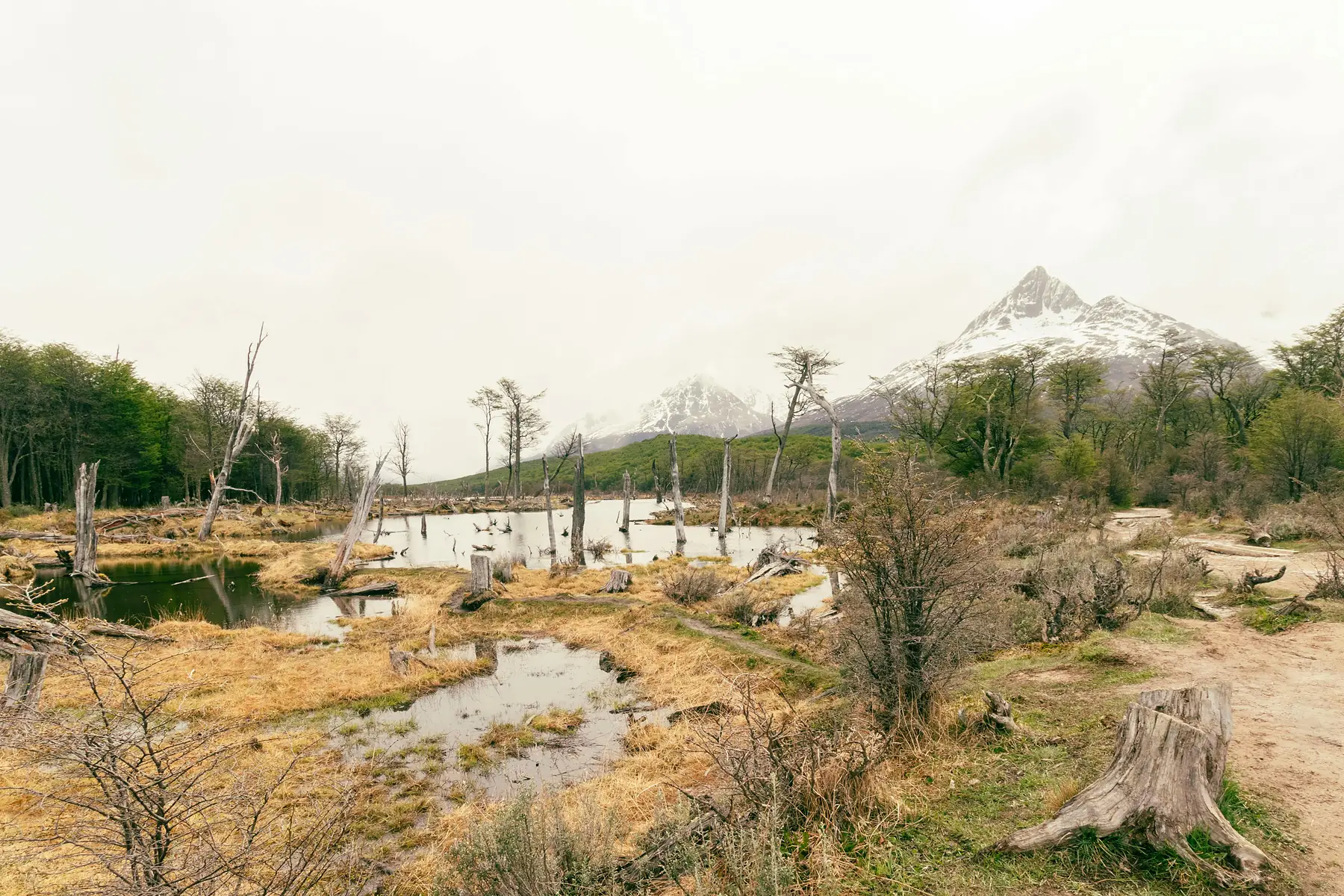
Originally used to transport timber from the forest to the prison, this steam train now serves as a scenic tourist route. The track runs into Tierra del Fuego National Park, passing through the “Cemetery of Trees” where the stumps of trees cut by prisoners over a century ago still dot the landscape. It is a slow, nostalgic journey that is particularly popular with families and history buffs.
Post Office at the End of the World
Located on a small pier in Ensenada Zaratiegui within the National Park, this tiny corrugated iron shack is the southernmost post office in the Americas. You can send a postcard from here or pay a small fee (approx. $3-5 USD) to have your passport stamped with an “End of the World” seal.
As of 2026, some international border authorities have warned that unofficial “souvenir” stamps in a passport can technically invalidate the document. If you are concerned, have the postmaster stamp a postcard or a separate notebook instead.
Wildlife Encounters in the Southern Ocean
The nutrient-rich waters of the Beagle Channel support a massive array of marine life. While the penguins are the main draw, the region’s biodiversity extends far beyond them.
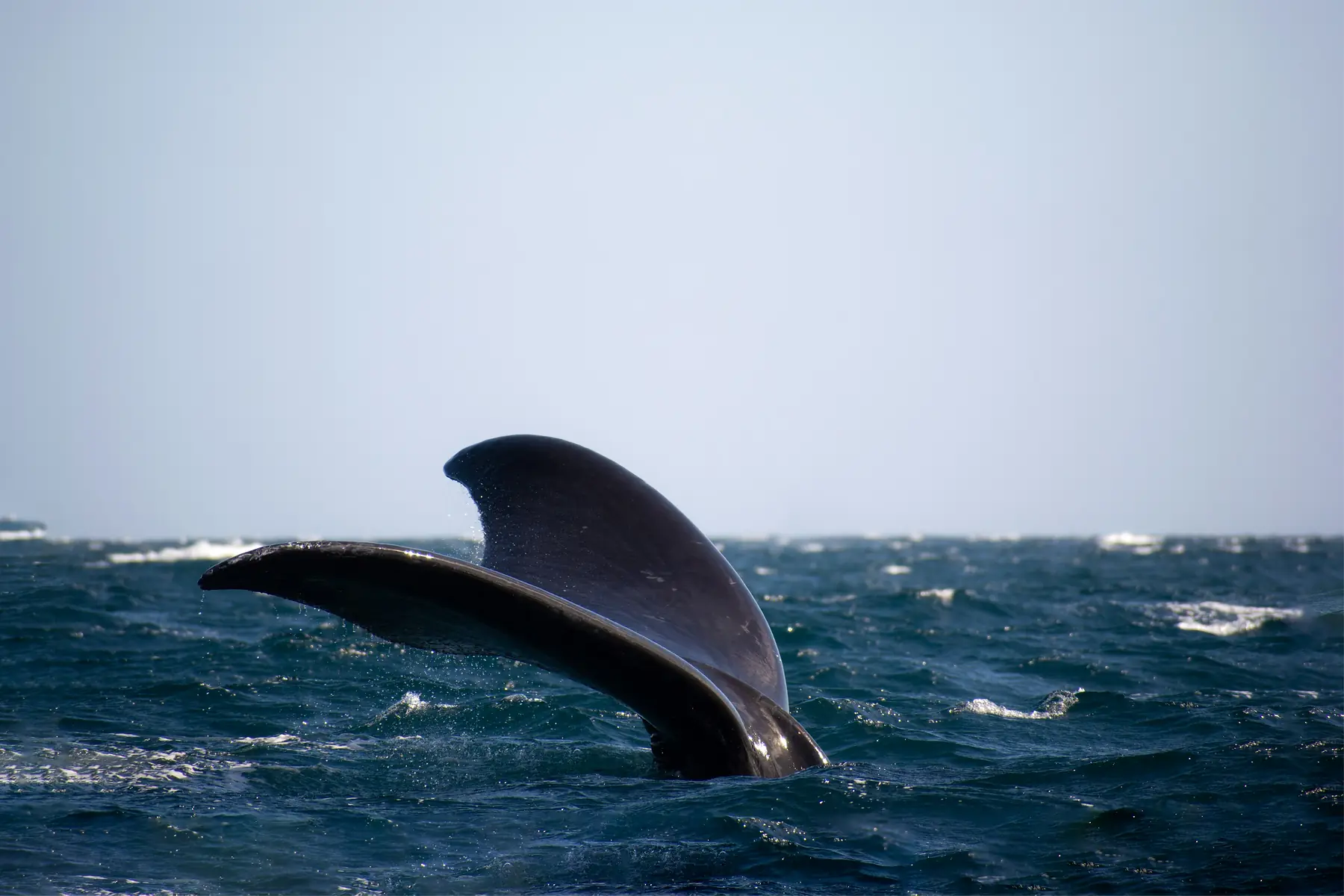
- Marine Mammals: On almost any Beagle Channel navigation, you will see South American sea lions and fur seals lounging on the rocky outcrops of the Alicia and Bridges Islands. While less common than in Puerto Madryn, Orcas and Minke whales are occasionally spotted in the channel during the summer months.
- Birdwatching: The region is a haven for “twitchers.” Look for the majestic Andean Condor soaring above the Martial Mountains. On the water, you will see blue-eyed cormorants (often mistaken for penguins from a distance) and the massive Black-browed Albatross, which uses the channel’s strong winds to glide for hours without flapping its wings.
Food & Drink: A Taste of Tierra del Fuego
Ushuaia’s culinary scene is distinct from the rest of Argentina. While you can find excellent steak, the real reason to eat here is the cold-water seafood.
Centolla (King Crab)
Centolla is the undisputed king of Fuegian cuisine. These massive crabs are caught in the Beagle Channel and served in almost every restaurant in town, either “al natural” (steamed) or in creamy gratins. For the most authentic experience, take a trip to the fishing village of Puerto Almanza, where local families serve crab caught just hours - or even minutes - before it reaches your plate.
The “No Salmon” Movement
In 2021, Tierra del Fuego became the first place in the world to ban open-net salmon farming to protect its pristine waters. While provincial laws were partially amended in late 2025 to allow regulated farming on the Atlantic coast, the ban remains strictly in place for the Beagle Channel and all provincial lakes. Because of this, local chefs continue to champion wild-caught alternatives like Merluza Negra (Patagonian Toothfish) or Róbalo, which are sustainable and local.
Fuegian Lamb
Similar to the classic Patagonian asado found in El Calafate, Fuegian lamb is slow-roasted over an open fire. The southern climate and the salt-tinged grass the sheep graze on result in a leaner, more flavorful meat than what you will find in the northern pampas.
- Flavor Profile: Delicate, sweet, and briny vs. Rich, savory, and smoky.
- Preparation: Usually steamed or served in a “chupe” (stew) vs. Slow-roasted over an open flame (cordero al asador).
- Best Setting: A seafood bistro overlooking the harbor vs. A traditional rustic parrilla.
- Availability: Peak season is winter/spring, but available year-round vs. Best during the summer months.
If you only have one night, go for the Centolla - it is the definitive flavor of Ushuaia and harder to find elsewhere in the country.
Winter in Ushuaia: Southernmost Skiing & Snow Sports
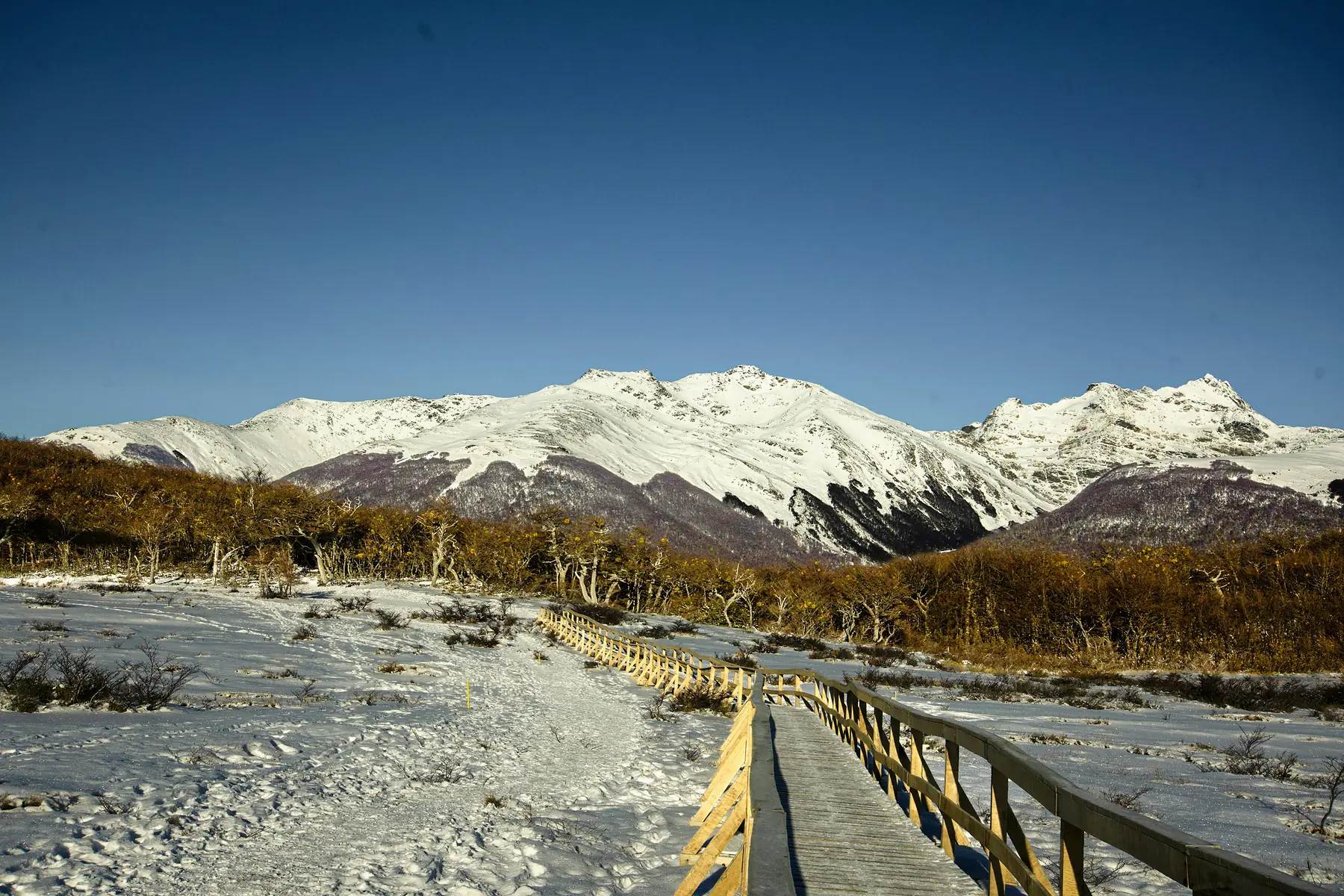
Ushuaia has the longest ski season in South America, often running from June through early October. Because of its high latitude, the snow quality is remarkably consistent even at low altitudes.
Cerro Castor
Cerro Castor is the southernmost ski resort in the world. It features 34 runs and a modern lift system. What makes it unique is its base elevation - just 195 meters above sea level - which means travelers don’t have to worry about altitude sickness while enjoying some of the best powder on the continent. Check the Ushuaia weather guide for more on what to expect during the winter months.
Dog Sledding & Snowshoeing
The Valle de Tierra Mayor, located about 20 km from the city, becomes a winter wonderland for non-skiers. Here you can go dog sledding with Siberian Huskies, try Nordic skiing, or take a night-time snowshoe trek to a forest cabin for a traditional lamb dinner.

Strategic Planning: How to Structure Your Stay
How you spend your time in Ushuaia depends largely on whether you are here for a quick pre-cruise stop or a deep exploration of the island.
Itinerary Options
- The 2-Day “Cruiser” Itinerary: On day one, take a morning Beagle Channel navigation and spend the afternoon at the Prison Museum. On day two, head to Tierra del Fuego National Park for a morning hike and a ride on the End of the World Train.
- The 5-Day “Explorer” Itinerary: Add a full day for the Laguna Esmeralda trek, a day trip to Puerto Almanza for a king crab feast, and a final day for the Martial Glacier or a helicopter tour.
If you are still deciding between the major hubs of the south, our Ushuaia vs. El Calafate comparison can help you decide how to balance your time.
Getting Around
The logistics of Ushuaia are straightforward but require some planning.
- Taxis and Remises: These are the most common way to reach trailheads. You can easily hail a taxi in town, but for the National Park or Laguna Esmeralda, it is often better to book a “remis” (a radio taxi with a fixed price).
- Shuttle Buses: During the summer, shuttles depart from the main bus terminal at the intersection of Maipú and Juana Genoveva Fadul, heading to the National Park and major trailheads like Laguna Esmeralda.
- Rental Cars: A car is not strictly necessary if you are staying in the center, but it provides immense freedom for visiting Puerto Almanza or reaching trailheads before the tour buses arrive.
To help visualize these distances, refer to our Ushuaia map before booking your accommodation in Ushuaia.
Ushuaia for Specific Travelers
- Families: The End of the World Train is a hit with children, as are the easy boardwalks in Tierra del Fuego National Park. The Maritime Museum has several interactive exhibits and large-scale ship models that keep younger travelers engaged.
- Budget Travelers: You can save significantly by using the public shuttle system instead of private tours. Hiking to the Martial Glacier is free, and the city’s waterfront walk provides excellent views without a price tag.
- Luxury Seekers: Beyond helicopter tours, the luxury experience in Ushuaia revolves around high-end spa hotels like Arakur, which offers heated infinity pools overlooking the channel, and private yacht charters for Beagle Channel exploration.
FAQ
-
QUESTION: What are the absolute best things to do in Ushuaia for first-time visitors?
-
ANSWER: The top experiences include cruising the Beagle Channel to see the Les Eclaireurs Lighthouse, exploring Tierra del Fuego National Park, and walking with penguins on Martillo Island.
-
QUESTION: Can I see penguins in Ushuaia year-round?
-
ANSWER: No, penguins are migratory and are typically only present in the Ushuaia area from mid-October through mid-April.
-
QUESTION: Is it worth visiting the Prison at the End of the World in Ushuaia?
-
ANSWER: Yes, the Presidio is a world-class museum that provides essential context on how the city of Ushuaia was founded as a penal colony.
-
QUESTION: How many days should I plan for Ushuaia activities?
-
ANSWER: While you can see the highlights in two days, four to five days is ideal to include trekking to Laguna Esmeralda and visiting a traditional estancia.
-
QUESTION: Are there things to do in Ushuaia during the winter?
-
ANSWER: Yes, winter (June–September) offers world-class skiing at Cerro Castor, dog sledding in the snowy valleys, and the annual Longest Night festival.
-
QUESTION: What is the best way to see the Beagle Channel in Ushuaia?
-
ANSWER: You can choose between large, stable catamarans for comfort or smaller sailing yachts for a more intimate, “mini-trek” experience on the Bridges Islands.