Planning a trip to the southern tip of South America usually forces a difficult choice: do you focus on the marine spectacles of the Atlantic coast, the massive glaciers and granite peaks of the Southern Ice Field, or the stark, sub-Antarctic wilderness of Tierra del Fuego?
This 14-day itinerary is designed specifically to eliminate that compromise. It links Argentina’s three distinct ecological zones, moving from the desert-meets-ocean steppe of the Valdés Peninsula up into the vertical spires of the Southern Andes at El Chaltén, and ending where the mountains collapse into the sea at Ushuaia.
This route is highly practical, but it requires precise flight logistics. By utilizing internal flights within Argentina, you keep transit times manageable and maximize your actual hours on the ground with wildlife and on the trails.
Itinerary At-A-Glance
- Total Duration: 14 days (13 nights on the ground)
- Start/End Point: Buenos Aires, Argentina (Aeroparque Jorge Newbery, AEP)
- Country: Argentina only (no border crossings)
- Focus: Marine wildlife, glacier viewing, alpine trekking
- Best Months: October to November (optimal wildlife windows and manageable wind)
- Estimated Budget: $3,000 to $5,000 USD per person, excluding international flights
- Fitness Level Required: Moderate to high. Expect 18 to 25 km hiking days with elevation gain in El Chaltén
- Internal Flights: 3 (Buenos Aires to Puerto Madryn/Trelew, Trelew to El Calafate, El Calafate to Ushuaia)
Route Overview and Logistics
Before diving into the day-by-day progression, it is vital to understand the structural backbone of this trip. If you try to book these components independently without understanding how regional transport connects, you will lose days to unnecessary airport layovers.
Route Rationale and Flight Strategy
This itinerary relies on a loop that starts and ends at Aeroparque Jorge Newbery (AEP) in Buenos Aires, which handles the vast majority of domestic flights. When booking your flights, try to stick to a single airline network, usually Aerolíneas Argentinas, on a multi-destination ticket. This ensures that if a weather delay causes a missed connection, the airline is responsible for rebooking you.
Puerto Madryn has its own airport, but flights are less frequent. Trelew (REL) is only an hour’s drive south and offers significantly more daily connections to Buenos Aires and onward to El Calafate. Be prepared to use both entry points depending on schedules.
There is a direct flight route that operates seasonally between Trelew and El Calafate. This is the linchpin of the itinerary; it saves you from flying all the way back to Buenos Aires just to catch a southbound plane. Similarly, flying from El Calafate to Ushuaia is a quick, direct hop of roughly 75 minutes. Skipping a Buenos Aires connection here saves you a full day of travel.
Seasonality and Wildlife Realities
Because this is a wildlife-focused trip, your travel dates dictate exactly what you will see. The itinerary is fully operational between September and March, but the optimal sweet spot is October through November. During these months, the southern right whales are still active in Gulf San José, Magellanic penguins have arrived in massive numbers to nest, and the spring winds in El Chaltén have not yet reached their peak summer velocities.
Accommodation and flights for the October-to-January peak season should be secured 6 to 8 months in advance. Internal flights fluctuate significantly, but budget roughly $150 to $250 USD per internal leg. The seasonal Trelew-to-El Calafate flight is the most critical booking; if this sells out, you will need to backtrack through Buenos Aires, costing you a full day of your itinerary.
Phase 1: The Atlantic Marine Coast (Days 1-4)
Day 1: Buenos Aires to Puerto Madryn — Entry to the Steppe
Your journey begins with a morning flight from Buenos Aires. If possible, secure a flight landing directly at Puerto Madryn; otherwise, fly into Trelew. From Trelew, a fleet of regular transfer buses or a 1-hour taxi ride will bring you right to the waterfront of Puerto Madryn.
After checking into your hotel, spend the afternoon walking along the coastal boulevard, Almirante Brown. The contrast here is striking: the dry, yellow Patagonian steppe drops abruptly into the deep blue waters of the Golfo Nuevo.
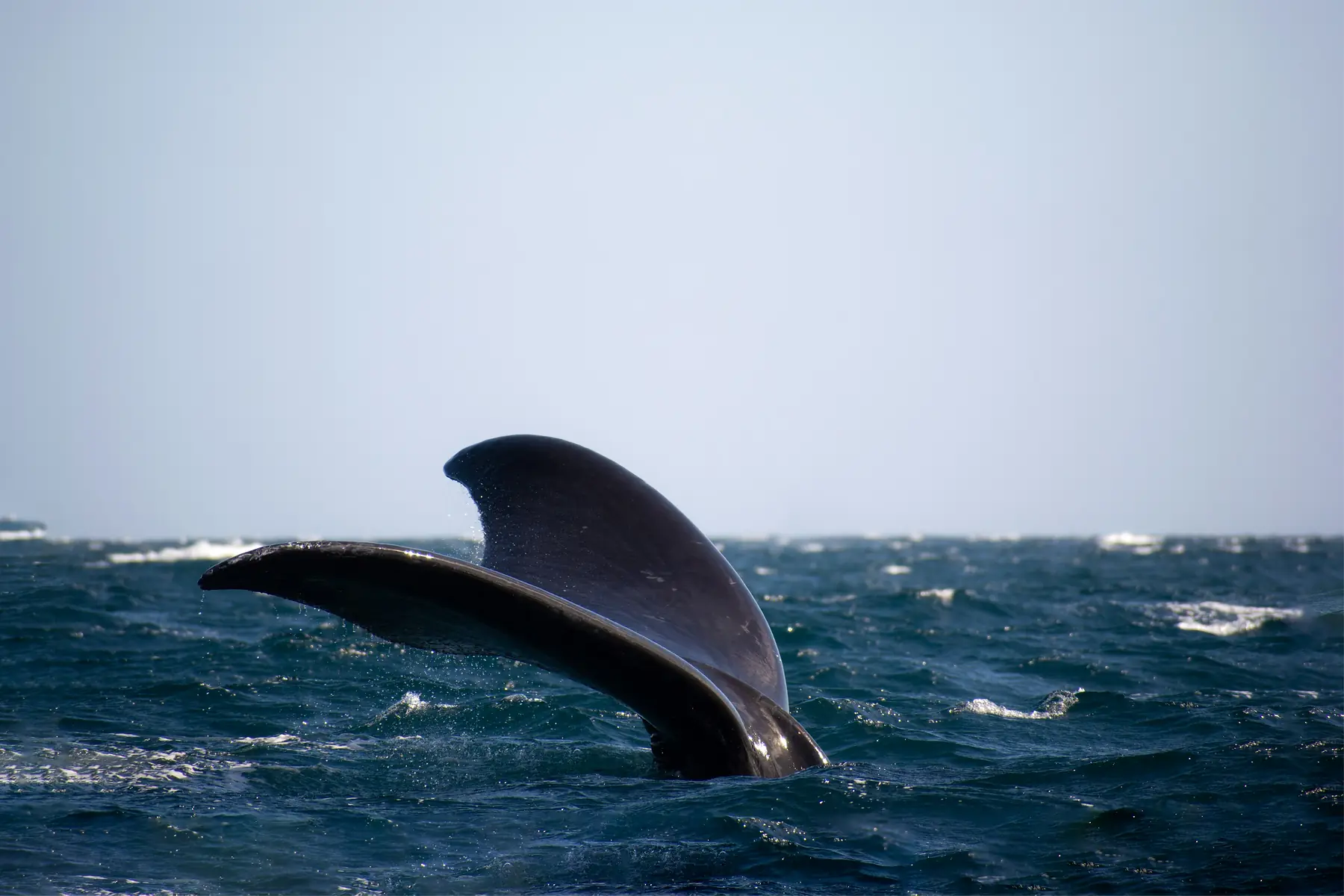
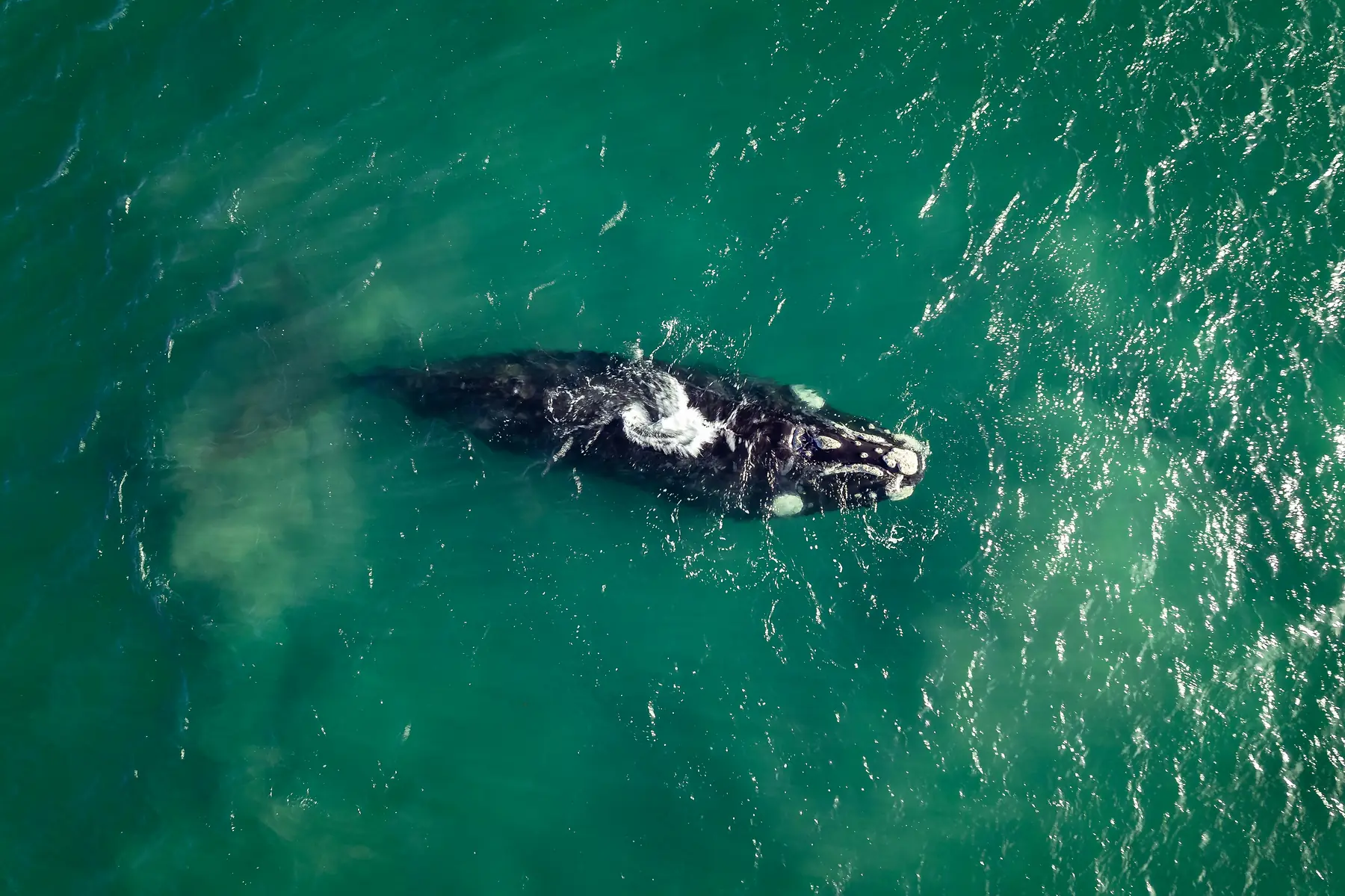
If you are traveling between September and November, you do not even need to leave the beach to see wildlife. Southern right whales frequently nurse their calves within a few hundred meters of the shore. Bring a pair of binoculars to a seaside cafe and watch for tail slaps and flukes.
You can also walk south along the coast to the Ecocentro, a marine interpretation museum built on a cliffside, which provides excellent context on the cold-water currents driving the high concentration of marine life you will see over the next few days. Wrap up the day with an early dinner at one of the seafood cantinas along the pier.
Day 2: Peninsula Valdes — The Dynamic Coastal Safari
This is a long but spectacular 10-to-12-hour day covering over 300 kilometers, much of it on unpaved, corrugated gravel roads. You have two choices for execution: hire a driver and take a guided mini-bus, or rent a car. Renting a car gives you total freedom over your timeline, which is crucial for wildlife photography. However, driving on loose gravel requires strict concentration.
Keep your speed below 60 km/h on the gravel roads of Peninsula Valdes to avoid losing control on the loose rocks, and always yield to wildlife. Tyre blowouts are common at higher speeds, and mobile reception across the peninsula is extremely limited.
Leaving Puerto Madryn early, you cross the Istmo Ameghino, a narrow strip of land with ocean visible on both sides, which serves as the gateway to the protected reserve.
Your route will take you to key coastal viewpoints like Caleta Valdes and Punta Norte. At Caleta Valdes, a natural gravel spit creates a protected lagoon where you can look down onto a resident colony of southern elephant seals from the wooden boardwalks. At Punta Norte, located at the northernmost tip of the peninsula, you will find a rugged headland famous for its colony of South American sea lions. If you are visiting in October or November, keep your eyes locked on the breaking surf, as this is the seasonal window when orcas occasionally hunt close to the shore.
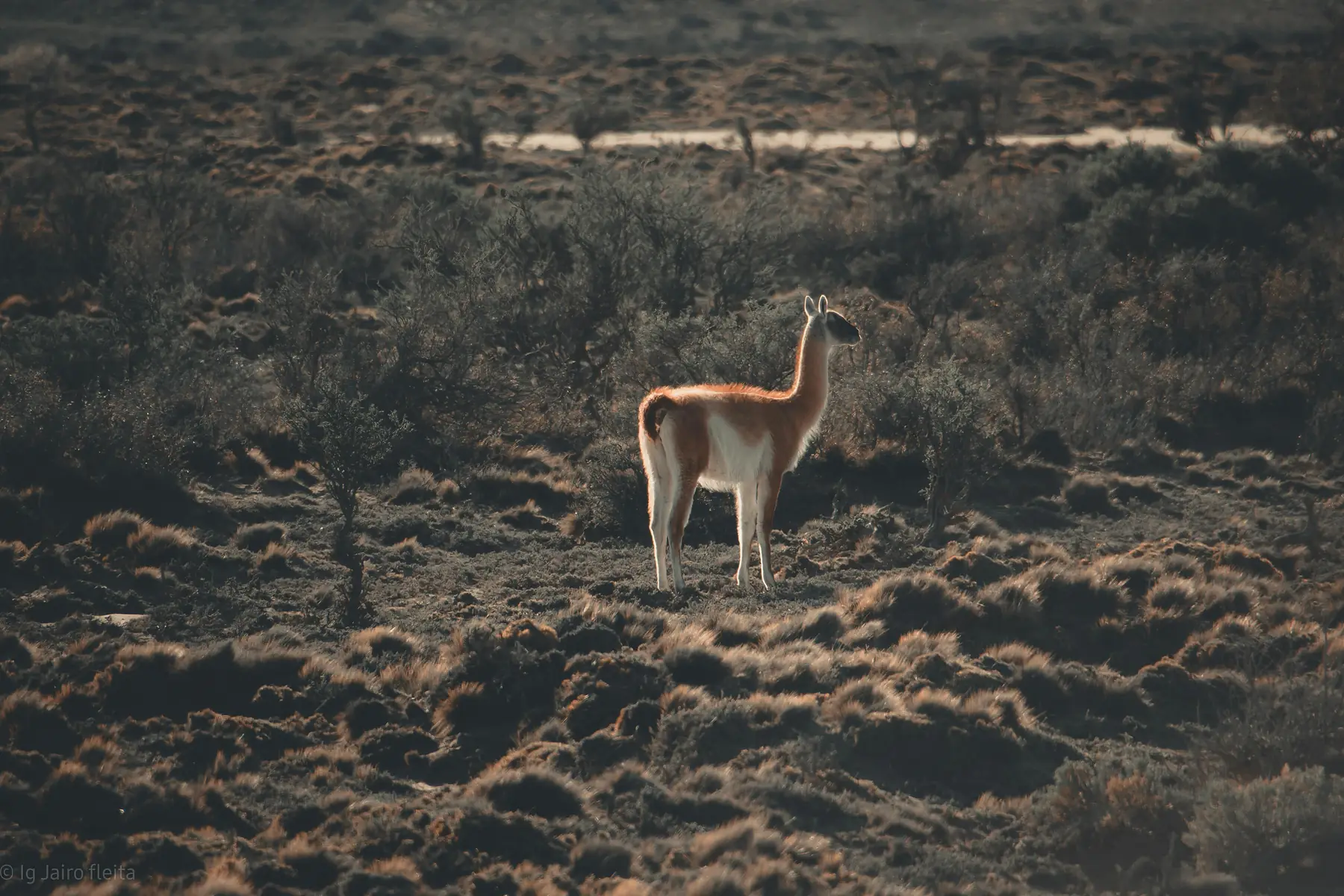
As you drive between these coastal points, the interior landscape looks barren, but it is teeming with life. Keep a sharp lookout for herds of guanacos, choiques (Darwin’s rheas), and Patagonian maras.
Day 3: Marine Specialisation — Whales or Penguins
Your focus today depends entirely on the calendar. The marine migrations here are highly punctual, and you should choose your destination based on the seasonal windows.
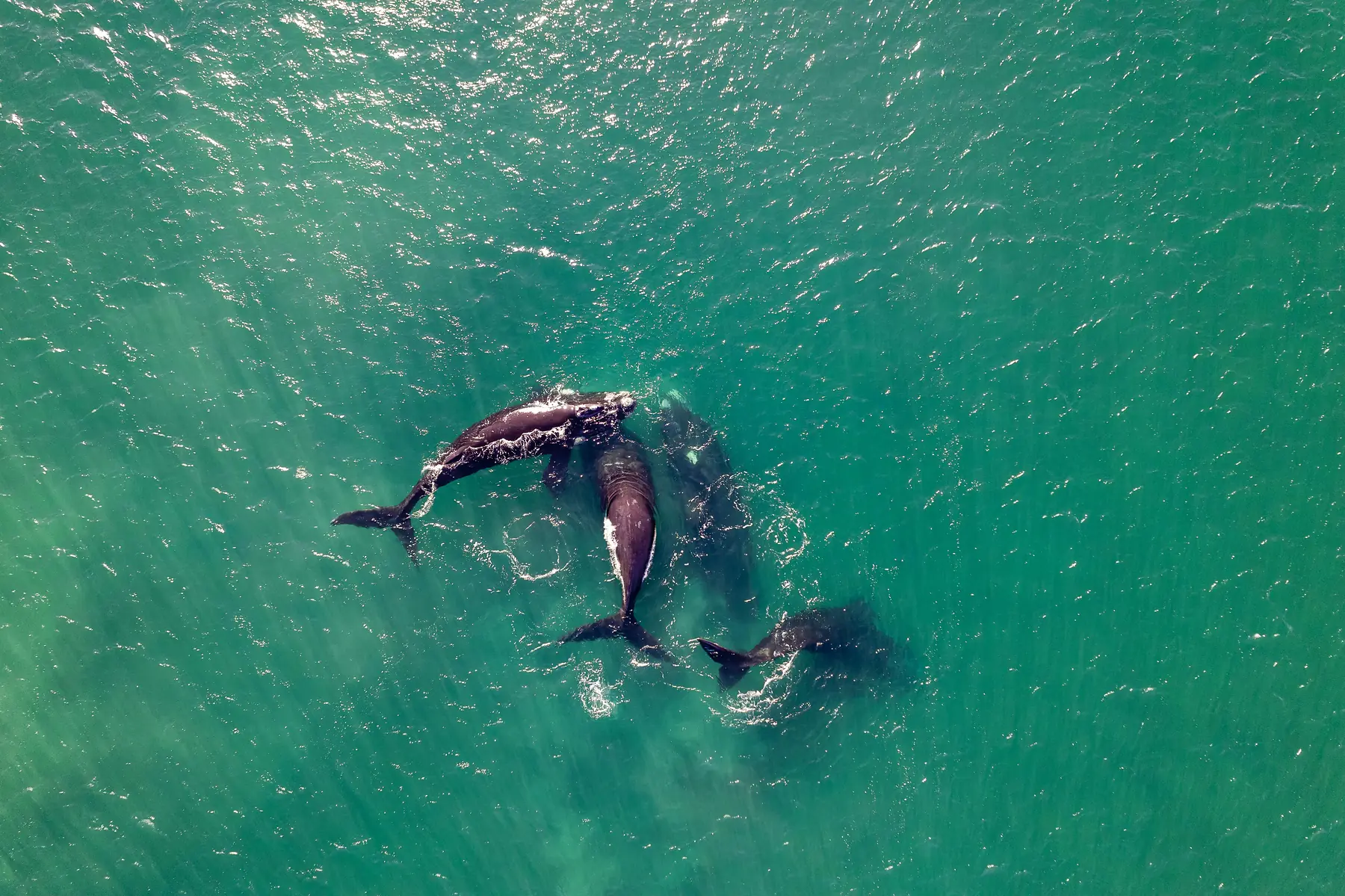
From September to November: Head north to Puerto Piramides for boat-based whale watching. Drive one hour back on the peninsula to Puerto Piramides, the only village inside the reserve. From here, specialised rigid-inflatable boats run 90-minute excursions into the gulf. The southern right whales use these calm waters to mate and raise their young, and they are exceptionally curious animals that routinely swim close to the boats.
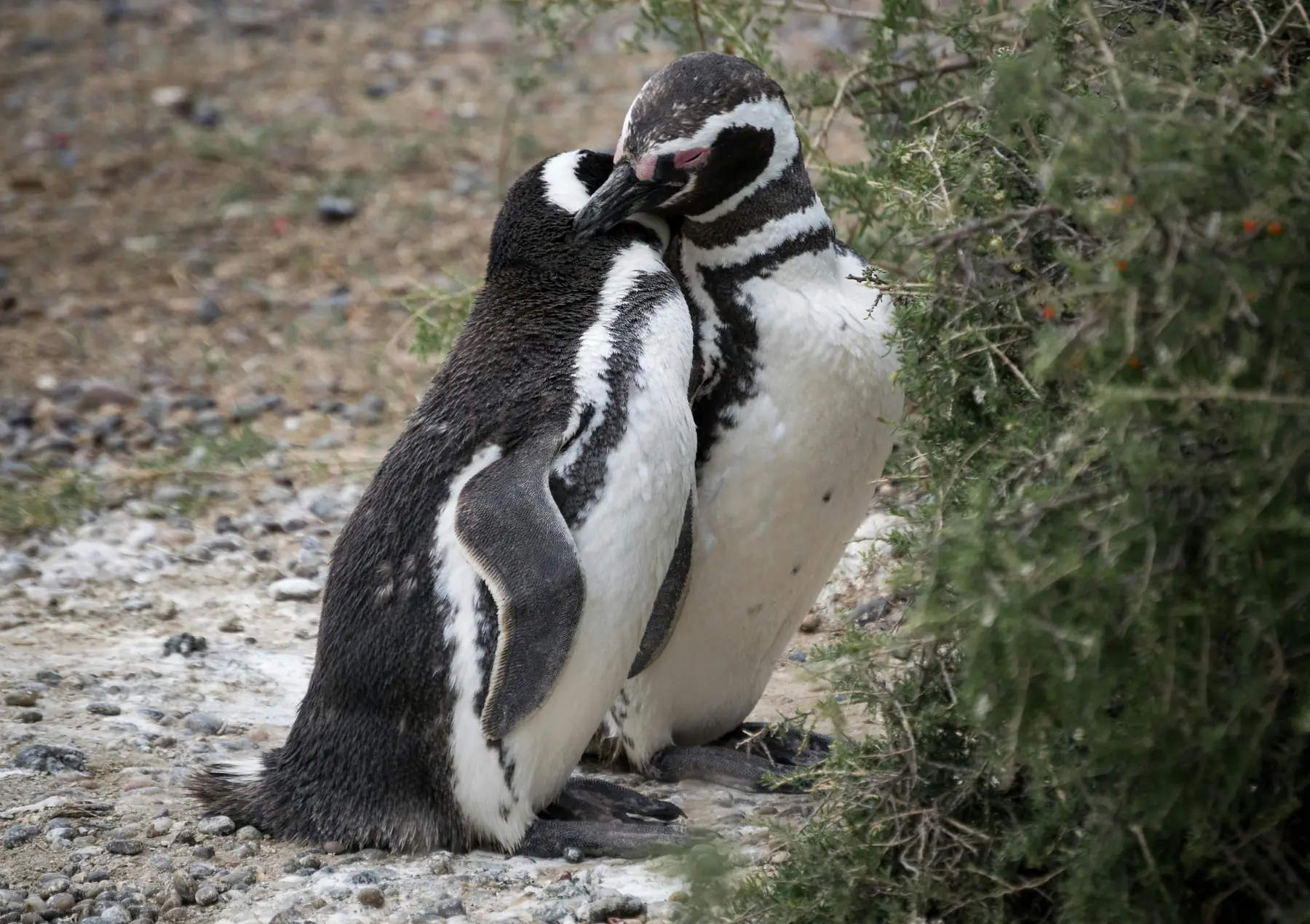
From December to March: Head south to Punta Tombo for the continent’s largest penguin colony. If you are visiting later in the season when the whales have migrated north, head 170 kilometers south of Puerto Madryn to Punta Tombo. This narrow peninsula is home to more than half a million nesting Magellanic penguins. A network of formal gravel paths and elevated walkways cuts directly through the nesting grounds, allowing you to observe them at close range.
Day 4: The Strategic Buffer and Active Recovery
Do not be tempted to skip this day or compress it out of the itinerary. Patagonia’s weather dictates everything, and this day serves as a critical pressure valve. If high winds or heavy swells cancel the whale-watching boats on Day 3, you can slide that entire experience to Day 4 without disrupting your flights south.
If your schedule went perfectly on Day 3, use today for a highly specialised, low-impact marine activity that most generic tours miss: book an excursion to snorkel with sea lions at the Punta Loma reserve. Unlike typical marine mammal encounters, this is entirely passive; you enter the shallow water in a thick neoprene suit and wait for the curious juvenile sea lions to swim out and investigate you.
Spend the late afternoon organising your gear. You are leaving the arid Atlantic coast and heading deep into the wind-scoured mountains of the Southern Ice Field. Pack your technical layers, waterproof shell, and sturdy hiking boots into your primary pack, ready for tomorrow’s transit.
Phase 2: The Glacial Ice Field (Days 5-6)
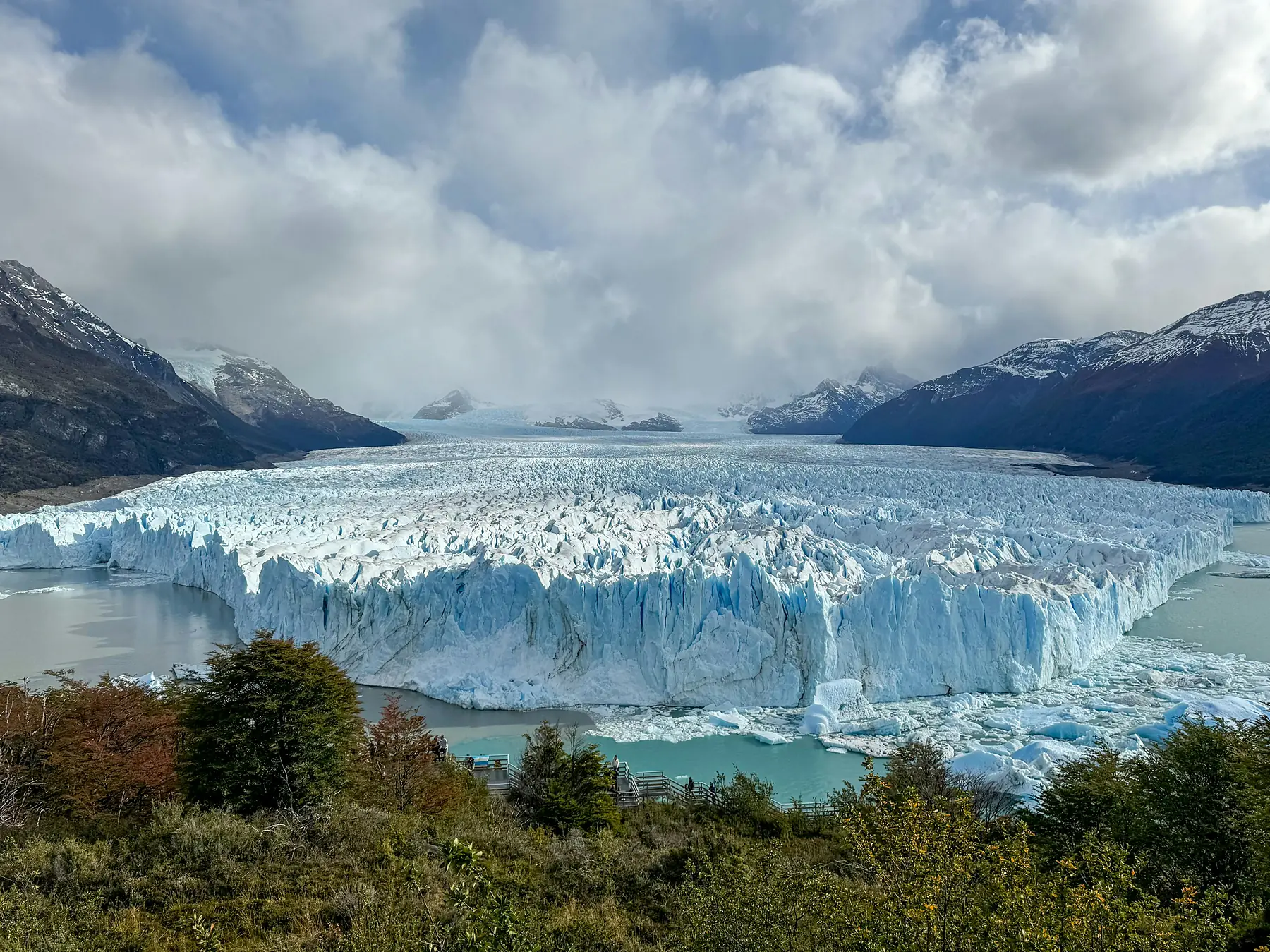
Day 5: Flight to El Calafate and The Wetlands of Laguna Nimez
Today is a significant transit day. Take a morning shuttle to the Trelew airport for your direct flight to El Calafate. As the plane descends, look out the window to see the transition from the brown steppe to the surreal, milky-turquoise expanse of Lago Argentino. The colour is caused by rock flour, fine glacial sediment suspended in the water that refracts the light.
After checking into your hotel in El Calafate, stretch your legs with an easy, independent afternoon walk down to the Reserva Laguna Nimez, located just a 15-minute walk from the main street. This protected wetland is a vital sanctuary for more than 80 species of birds. Follow the self-guided 2.5-kilometer trail that loops around the lagoons to spot southern flamingos feeding in the shallows alongside black-necked swans, upland geese, and predatory chimango caracaras.
Laguna Nimez is an easy, flat walk that requires no technical gear, making it the perfect low-effort activity for an arrival afternoon. Bring binoculars and a telephoto lens if you have one; the flamingos are best photographed in the soft late-afternoon light.
Day 6: The Perito Moreno Glacier — A Study in Scale
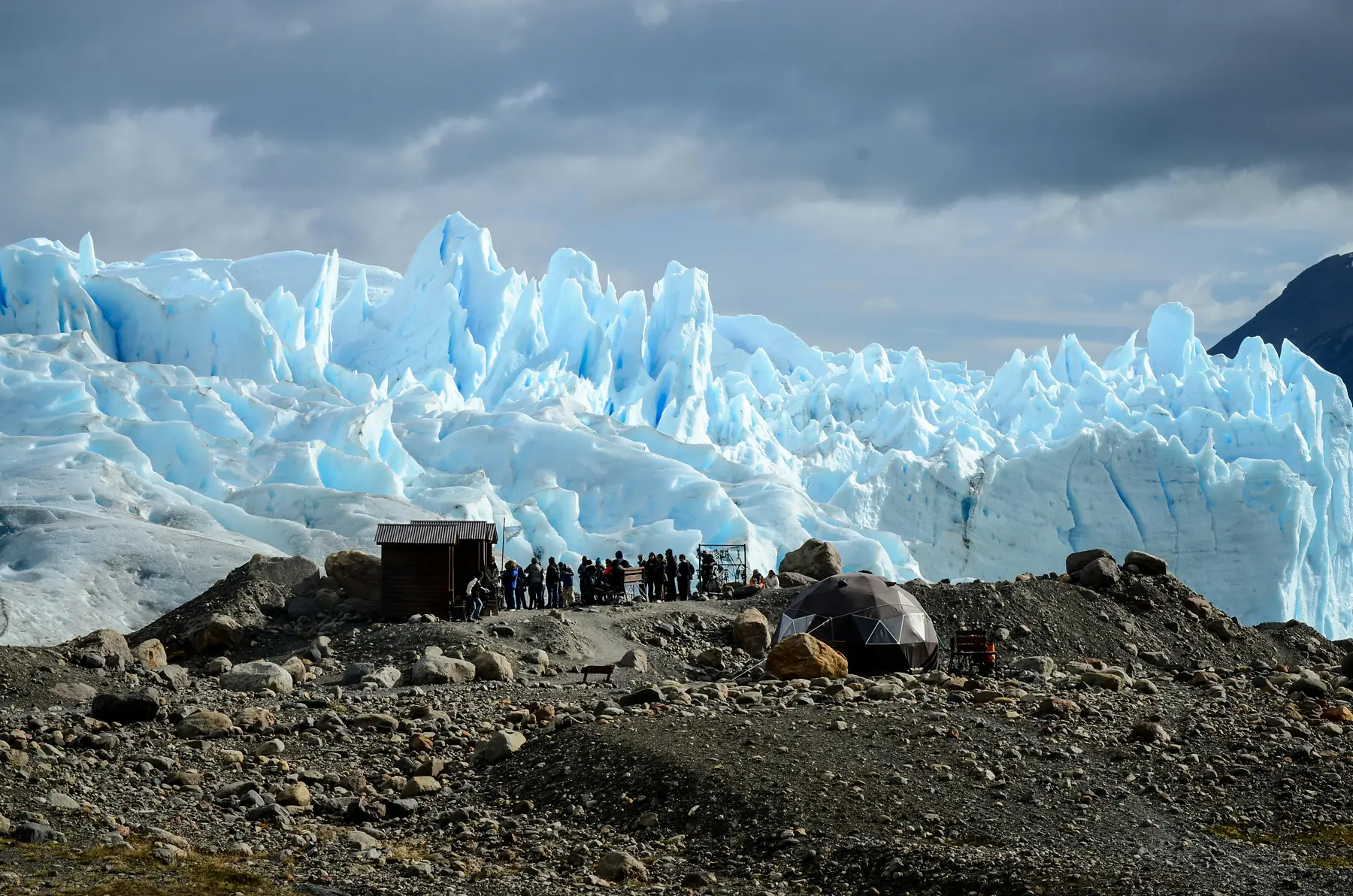
Perito Moreno is one of the world’s few advancing glaciers, a massive wall of ice 5 kilometers wide and towering up to 70 meters above the water line of Lago Argentino. While many visitors rush through on a quick day trip, your goal is to spend a full, unhurried day here to witness the glacier’s natural cycle. Aim to arrive at the walkways by 09:30, just as the park opens, to beat the large tour buses coming from the city.
The park features a highly sophisticated network of steel boardwalks and balconies divided into colour-coded circuits. Walk the lower paths, as they bring you face-to-face with the sheer verticality of the ice wall. Find a quiet bench and just sit still to listen to the deep, metallic cracks and sudden roars as thousands of tons of ice calve off the face and crash into the water below. You can also head down to the nearby port to board a 1-hour catamaran cruise for a perspective from water level.
Do not confuse “Perito Moreno Glacier” with “Perito Moreno National Park.” The famous glacier is located within Los Glaciares National Park near El Calafate. Perito Moreno National Park is a separate, remote wilderness area located roughly 600 kilometers to the north. If you want to physically step onto the ice, guided trekking excursions on the glacier must be booked months in advance.
Phase 3: The Granite Spires of El Chaltén (Days 7-10)
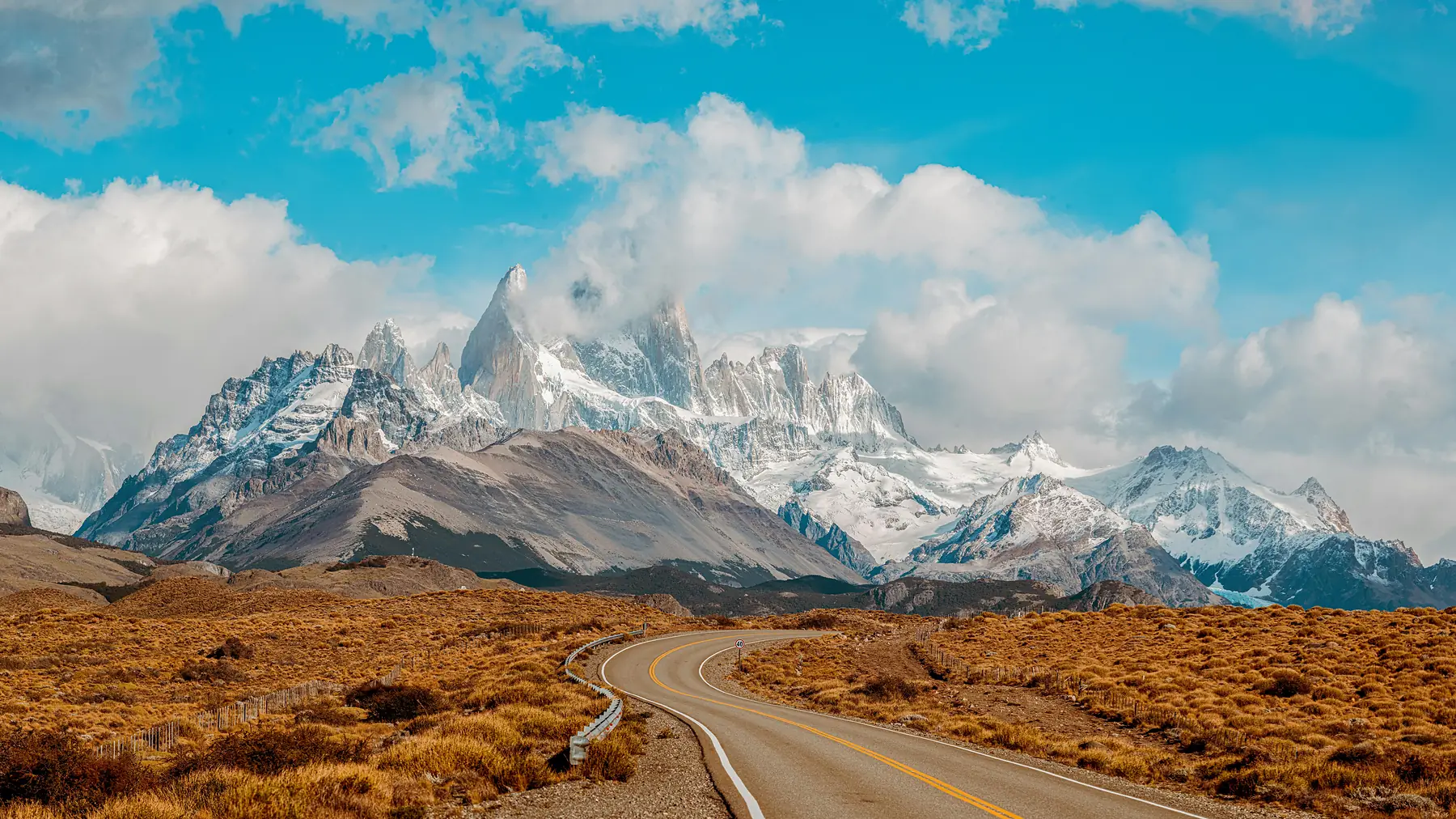
Day 7: The Journey into the Trekking Capital
Check out of your El Calafate accommodation and head to the central bus station for the morning departure to El Chaltén. The 3-hour journey follows Route 40 and Route 23, cutting directly through the heart of the open steppe. The bus makes a mandatory stop at the park ranger station just outside the village, where rangers will brief you on trail conditions, safety rules, and fire restrictions.
After checking into your lodge, lace up your boots for a gentle introductory walk to Mirador de los Condores, which starts right from the southern edge of the town. This short, steady 4-kilometer round trip leads to a panoramic rocky outcrop overlooking the entire village valley.
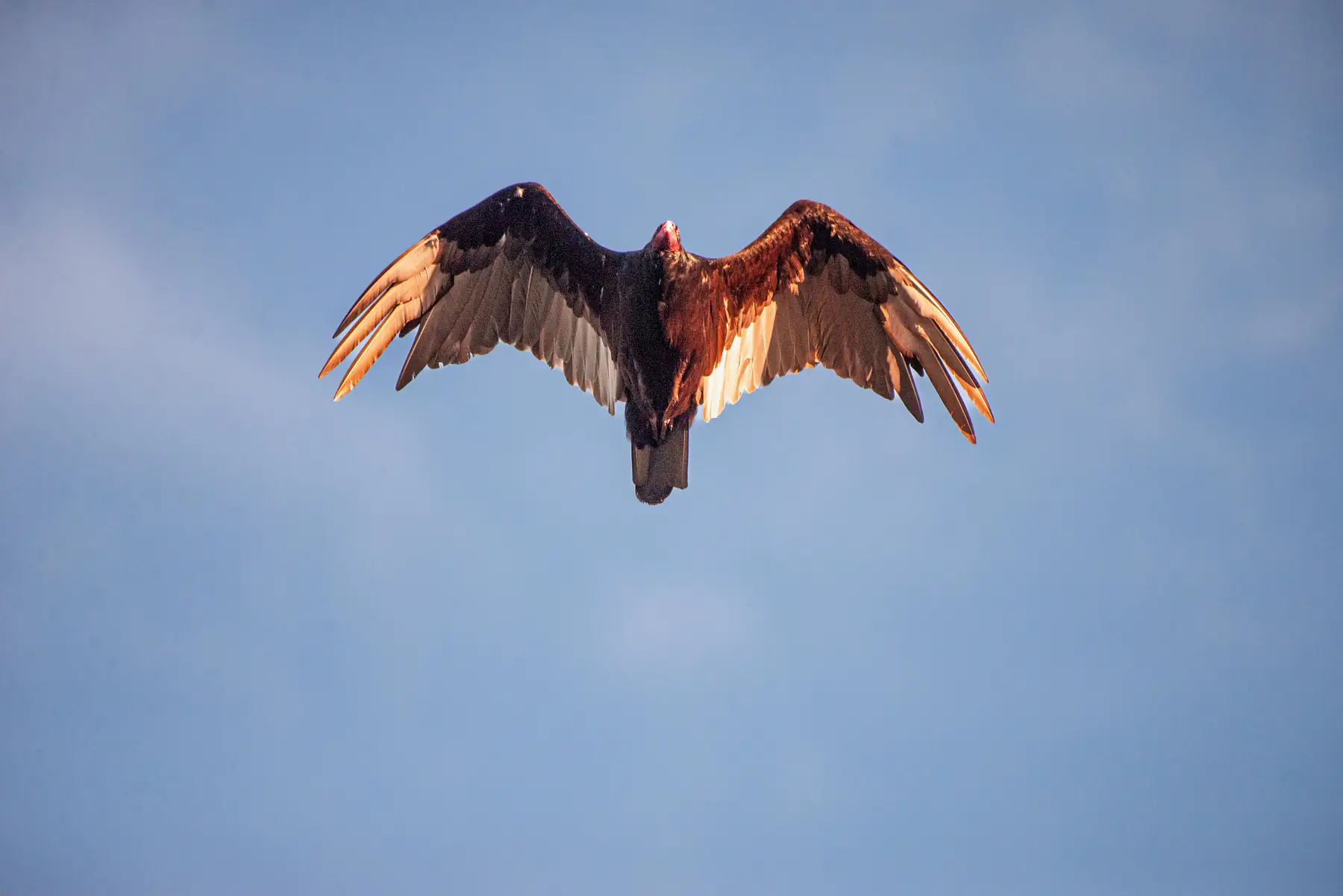
The thermal updrafts created by the valley walls make this a prime hunting ground for Andean condors, and you can frequently watch them gliding effortlessly past the viewpoint at eye level.
Day 8: The Valley of Cerro Torre — High Reward, Managed Effort
Your first full day of alpine trekking targets the base of Cerro Torre, a vertical obelisk of granite notorious among mountaineers as one of the world’s most difficult climbs. This 18-kilometer round-trip trail is a great first major hike because its elevation profile is incredibly forgiving, following the natural contours of the river valley through ancient beech forests.
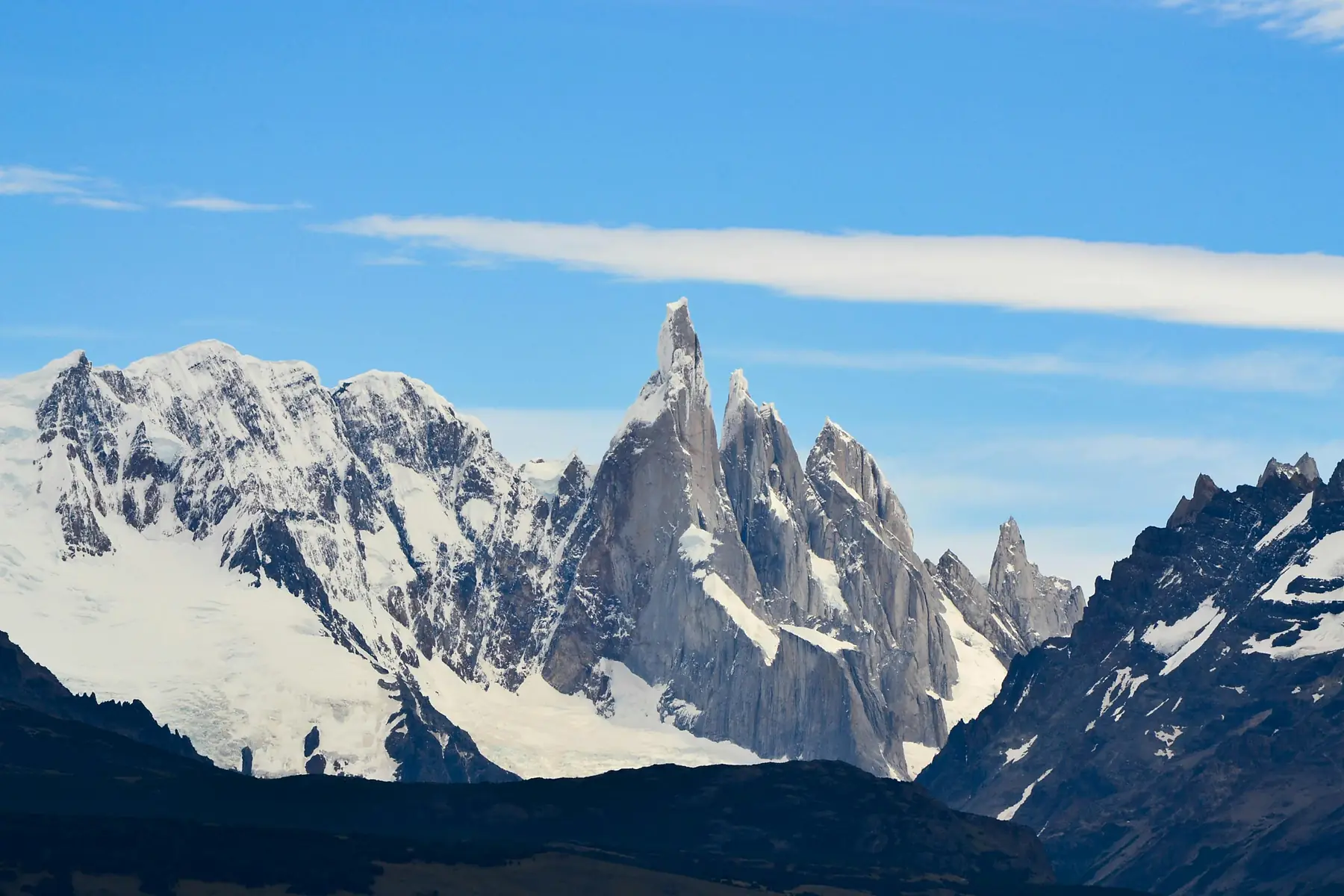
Key milestones include the Mirador del Torre at kilometer 3 for your first view of the range, and Laguna Torre at kilometer 9, where the trail terminates at a grey glacial lake filled with small, floating icebergs.
Keep your ears tuned for a rhythmic hammering sound in the forest sections; this is the hallmark of the Magellanic woodpecker, the largest woodpecker in South America. They can often be spotted foraging for grubs along the lenga beech trunks — listen before you look.
Day 9: The Flexibility Pivot — Rest or Specialised Safari
This day is placed here with intention. Hiking back-to-back 20-kilometer days in Patagonian terrain is a recipe for physical exhaustion, especially if the weather turns foul. Today belongs entirely to your body and the daily forecast.
If the weather is clear and you want to stay active without logging major mileage, you can take a taxi or join a guided walk along the road that snakes north parallel to the Rio de las Vueltas to spot torrent ducks swimming in the fast rapids. Alternatively, book an afternoon 4x4 excursion out to a historic Patagonian estancia on the outskirts of the park to see herds of guanacos graze against the backdrop of the mountains in the golden evening light.
If the weather is foul, use this day to stay low, explore the town’s excellent cafes and microbreweries, and rest your legs before the final major climb. Keeping your legs fresh is the single best way to ensure you safely navigate the steep, loose scree on the way up to Laguna de los Tres on Day 10.
Day 10: Laguna de los Tres — The Iconic Peak
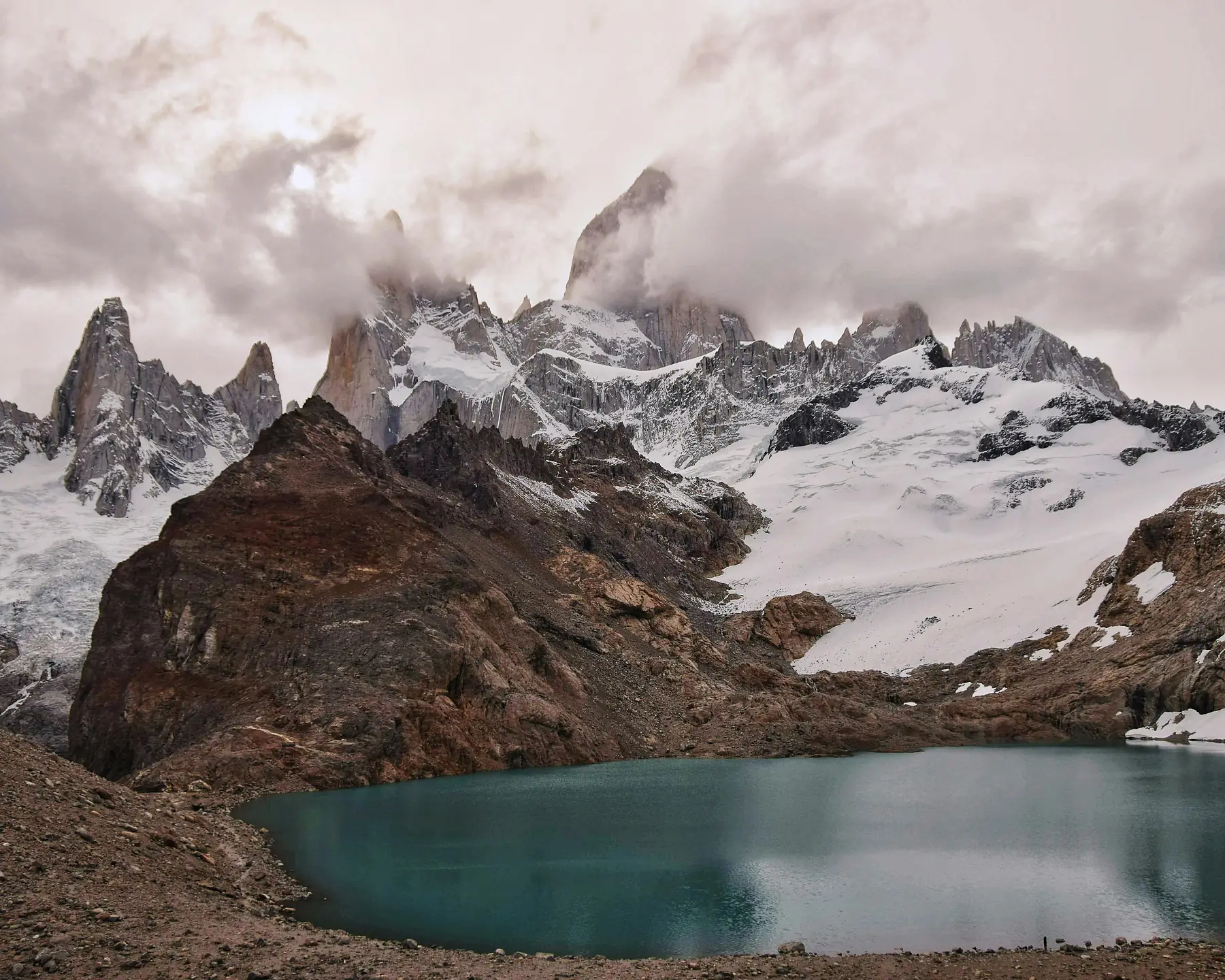
This is the hardest, longest, and most rewarding trekking day of the entire tour, taking you to the classic base view of Mount Fitz Roy.
The final kilometer to Laguna de los Tres involves a steep, relentless climb up a rocky ridge with 400 meters of elevation gain on loose scree. Check the wind and weather forecast the night before. If Day 10 looks stormier than Day 9, swap these two days completely. Trekking poles are strongly recommended and the descent on tired legs is where most trail injuries happen.
Rather than walking out and back on the same path from town, take a morning shuttle van from Chaltén up the valley to the El Pilar trailhead and start your hike from there. This route follows the Blanco River through a less-frequented valley, passes beneath the Piedras Blancas Glacier, and connects seamlessly to the main trail at Campamento Poincenot. From Poincenot, the final kilometer involves the steep, relentless climb up the rocky ridge. As you clear the crest, the stark, cobalt-blue waters of Laguna de los Tres appear directly beneath the sheer vertical wall of Mount Fitz Roy.
Phase 4: Tierra del Fuego and The End of the World (Days 11-14)
Day 11: The Long Southbound Transit
Today is a pure travel day designed to shift you efficiently from the mountains to the sub-Antarctic islands of Tierra del Fuego. Take an early morning public bus from El Chaltén that drops you right at the El Calafate airport terminal, allowing you to connect directly with the afternoon 75-minute flight to Ushuaia.
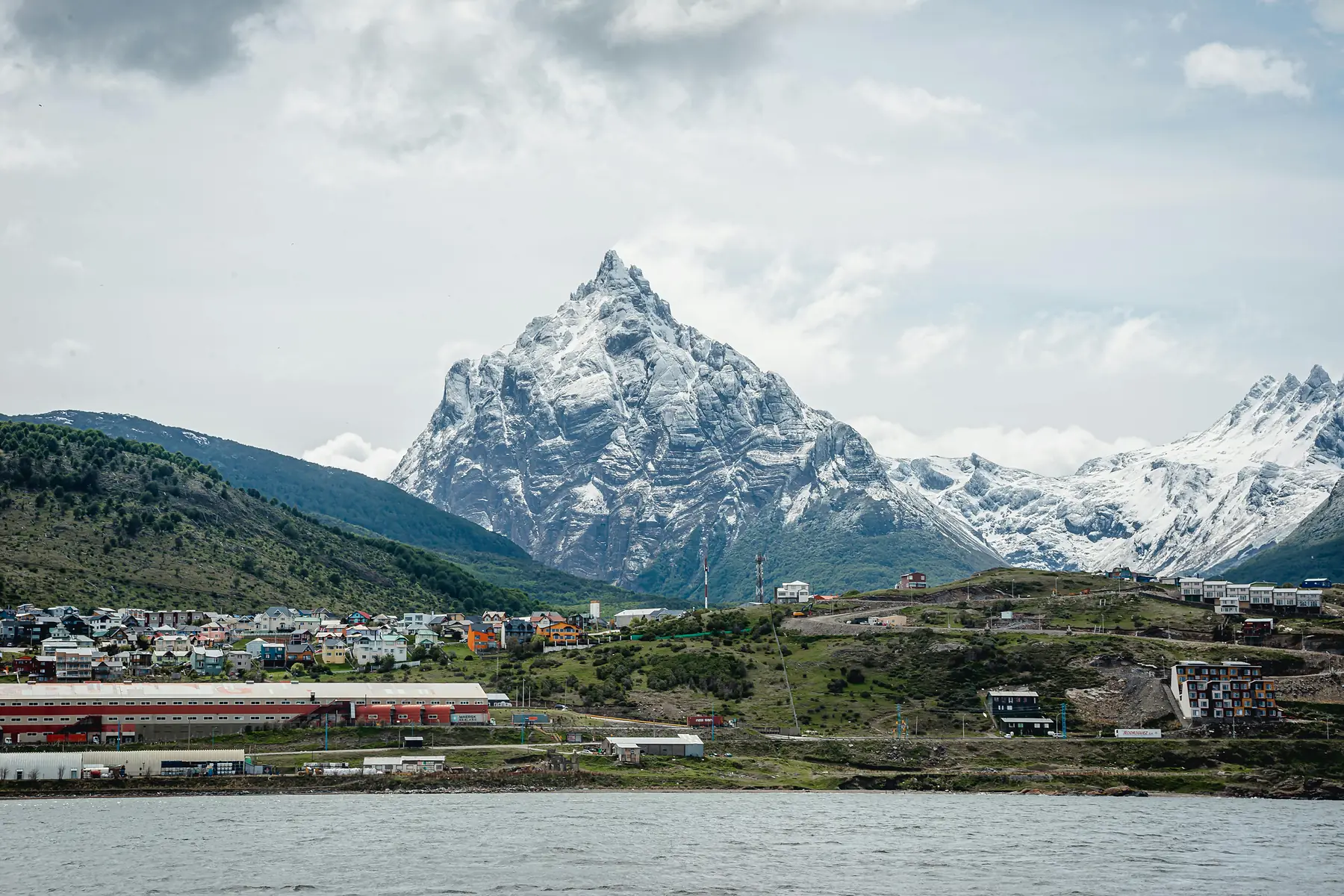
The approach into Ushuaia is spectacular, skimming over the snow-capped jagged peaks of the Darwin Range before landing right on the edge of the Beagle Channel. Spend your evening walking along San Martin street, the town’s historical core, and soak in the atmosphere of this rugged port city.
Day 12: The Beagle Channel Wildlife Cruise — Small Boat Strategy
The Beagle Channel is a narrow strait separating the main island of Tierra del Fuego from smaller Chilean islands to the south, and it is a highly active marine highway populated by specialised sub-Antarctic wildlife.
Go down to the tourist pier on the waterfront and look for operators utilising smaller, reinforced monohull vessels or motorised zodiacs rather than the massive multi-deck catamarans. Small boats can manoeuvre significantly closer to the wildlife without disturbing them, and you will get dramatically better photographs.
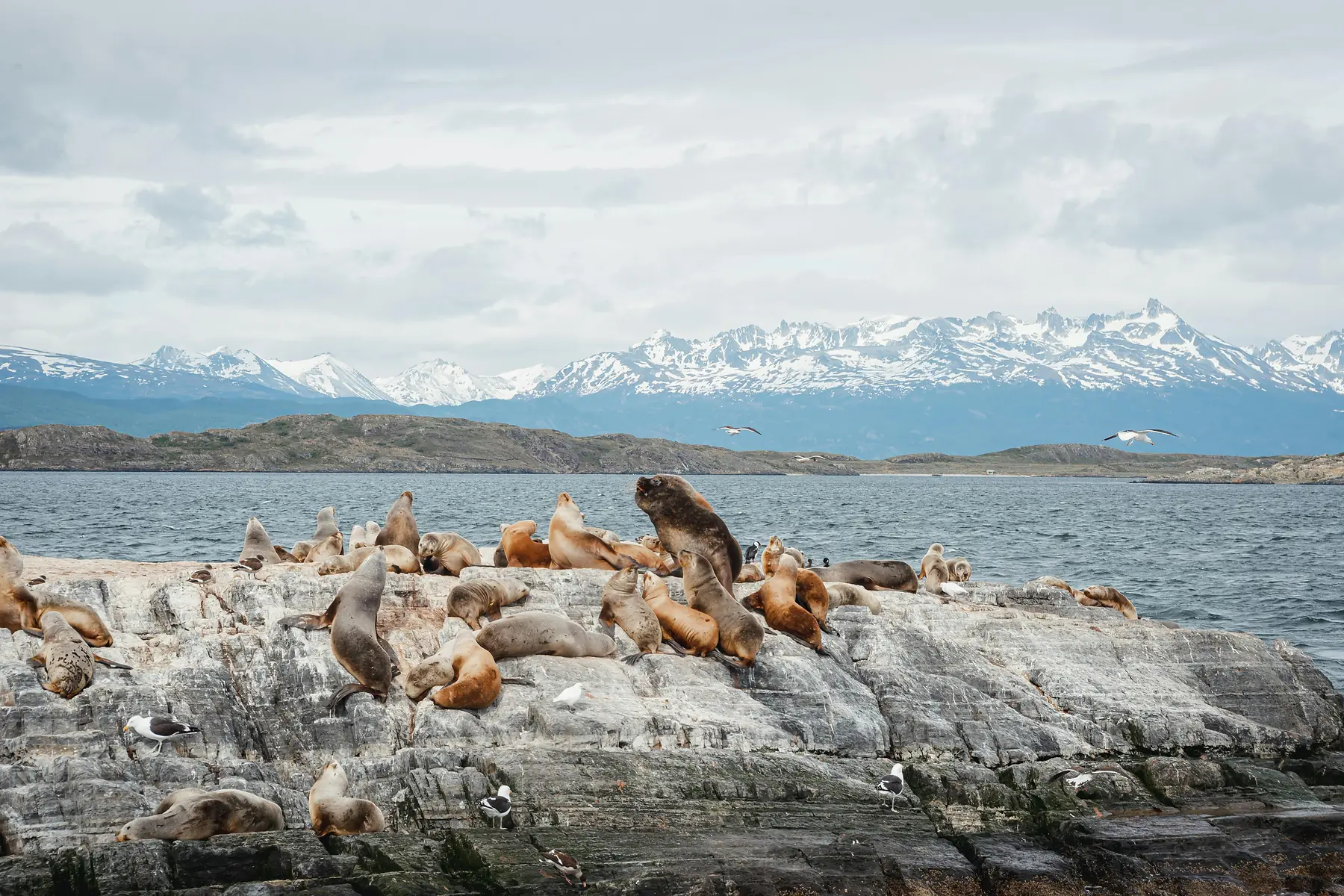
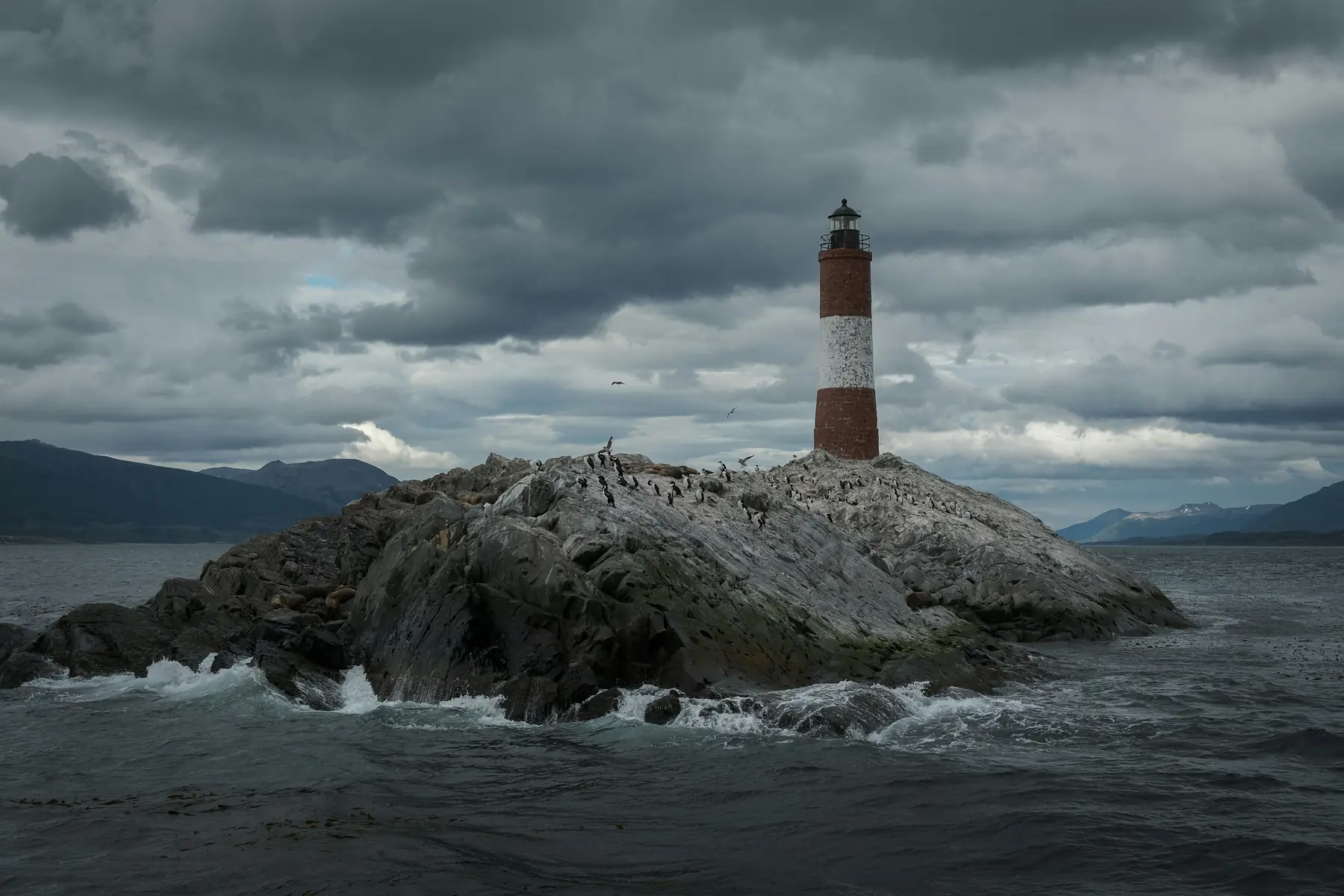
A typical 4-to-5-hour navigation route includes stops at Isla de los Lobos to view South American sea lions, Isla de los Pajaros to see thousands of nesting Imperial Cormorants, and the iconic red-and-white Les Eclaireurs Lighthouse, where you can spot giant southern petrels and black-browed albatrosses sweeping low over the waves.
If you are traveling between November and February, seek out a tour that includes a landing on Isla Martillo to see the breeding colonies of Magellanic and gentoo penguins.
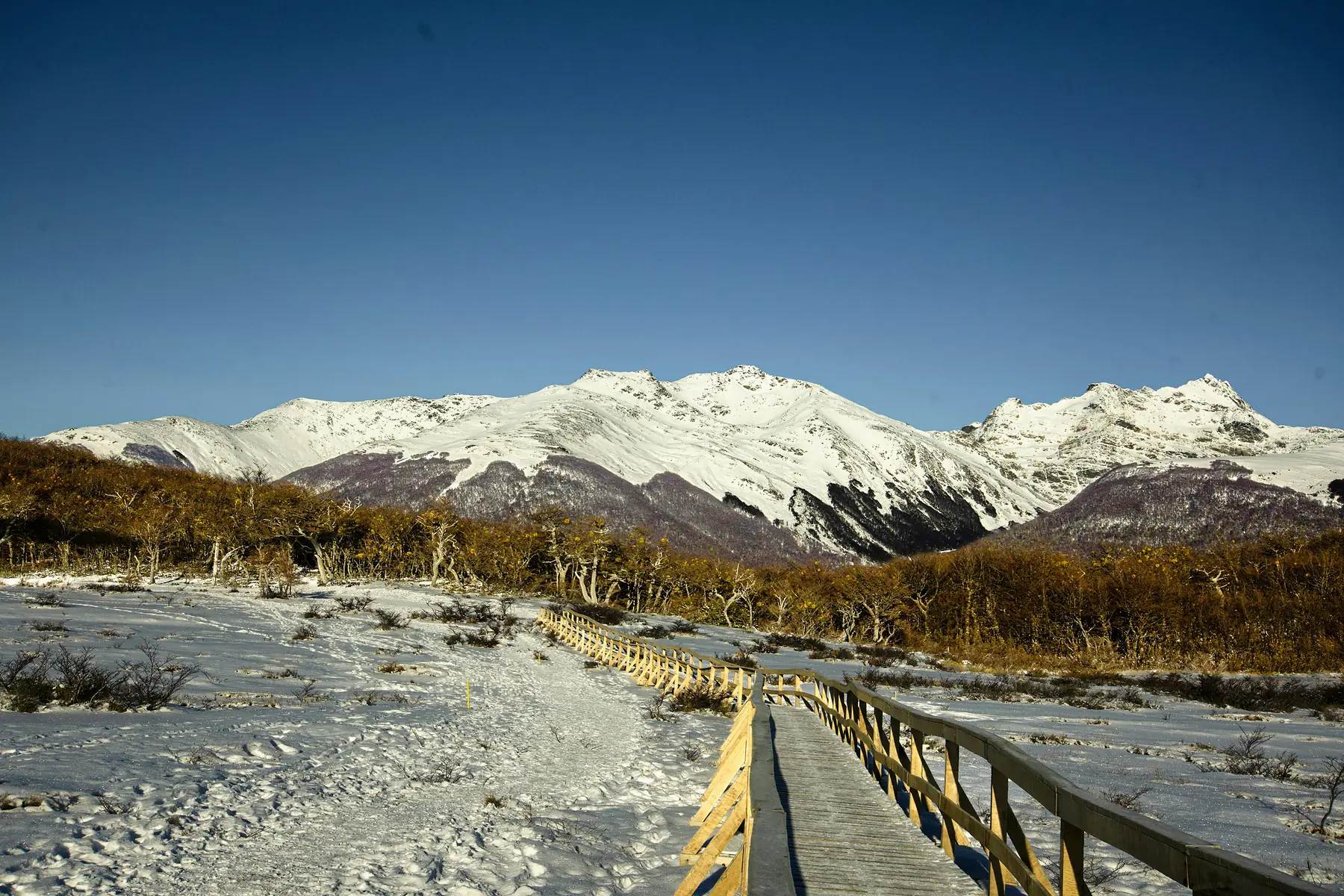
Day 13: Tierra del Fuego National Park — Where the Highway Ends
Your final full day of exploration takes you into Argentina’s only national park that possesses an active marine coastline, featuring an intricate maze of peat bogs, dense beech forests, and protected fjords. Take a shared public shuttle van from the main tourist pier and request a drop-off at the trailhead for the Senda Costera (Coastal Trail).
This 8-kilometer one-way trail tracks the shoreline closely from Ensenada Zaratiegui to Lapataia Bay, taking about 3 to 4 hours. You will hike beneath giant beech trees draped in lichen and can spot specialised waterfowl like steamer ducks along the water or bright green austral parakeets in the forest interiors. The trail finishes at the wooden walkways of Lapataia Bay, the definitive terminus of National Route 3 and the end of the Pan-American Highway system.
Day 14: Ushuaia to Buenos Aires — Northward Return
Your final morning is flexible. If you have a few hours before your flight, take a taxi up to the base of the Martial Glacier just above the town for a final look down onto the city and the channel below. Pack your cold-weather layers away into your main luggage before heading to the Ushuaia airport for your 3.5-hour flight back north to Buenos Aires, completing your comprehensive Patagonian wilderness loop.
Practical Notes and Variations
If You Have 17 or 18 Days
The single best adjustment you can make is to add two extra nights in El Chaltén and one extra night in Ushuaia. Extra days in El Chaltén provide insurance against the notorious mountain weather; if a storm rolls in for 48 hours, a longer stay ensures you will not miss out on seeing Mount Fitz Roy or Cerro Torre clear of cloud cover.
If You Prefer Trekking Over Marine Wildlife
For travelers who prefer to minimise flights and focus exclusively on trekking rather than marine wildlife, you can cut out Phase 1 (Puerto Madryn) entirely. Instead, fly straight from Buenos Aires to El Calafate, use those recovered days to cross the border by bus from El Calafate to Puerto Natales in Chile, and complete the famous 5-day W Trek in Torres del Paine National Park before returning to El Calafate to fly home.
Managing Physical Strain and Recovery Days
This itinerary balances heavy hiking days with transit and wildlife viewing, but the transition from the flat coastal paths of Puerto Madryn to the alpine terrain of El Chaltén can still be jarring.
Do not underestimate the physical toll of the trails in El Chaltén. The terrain is rocky, uneven, and can become incredibly slick when wet. Day 9 is deliberately designed as a flexible rest day; listen to your body. If your knees or feet are sore after the Cerro Torre hike on Day 8, treat Day 9 as a true rest day rather than pushing through an optional excursion.
Gear and Rental Realities
Because this trip spans highly diverse environments — from cold, windy boat decks on the Atlantic to exposed mountain ridges in the Andes — your packing strategy needs to be smart. You do not need to pack separate wardrobes for each phase; instead, rely on a high-quality, versatile layering system.
A windproof, waterproof shell jacket and a heavy mid-layer, like a down or synthetic insulated jacket, are absolutely non-negotiable for both the cruises and the mountain peaks. For footwear, a broken-in pair of mid-cut hiking boots with a deep tread is perfect for the trails and will keep you comfortable on the wet boat decks.
If you want to travel light and avoid heavy baggage fees on internal flights, remember that El Chaltén has excellent gear shops where you can easily rent items like trekking poles, waterproof overpants, and premium gaiters for a small daily fee. Plan to rent your heavy trail accessories once you arrive in the mountains, keeping your pack light and manageable for the marine phase of the trip.
FAQ
What is the best time of year to do a wildlife and hiking trip in Argentine Patagonia?
The optimal window for combining marine wildlife viewing with mountain trekking in Argentine Patagonia is October through November. During these months, southern right whales are still active in the waters off Puerto Madryn, Magellanic penguins have arrived at their coastal nesting colonies, and the spring weather in El Chaltén is generally more stable than the gusty peak-summer months of January and February. December through February offers warmer temperatures and longer daylight hours for trekking, but the whale season ends in early December. For a pure hiking trip without the marine wildlife component, January and February are ideal.
Can you fly directly between Trelew and El Calafate without going through Buenos Aires?
Yes, there is a seasonal direct flight between Trelew (REL) and El Calafate (FTE) operated by Aerolíneas Argentinas. This route typically runs from October through March and takes approximately 2 hours. It is the single most important booking on this itinerary because it eliminates an expensive and time-consuming backtrack through Buenos Aires. However, this flight does not operate daily, so you must build your travel dates around its schedule. If the route is sold out or not operating on your dates, the alternative is to fly Trelew to Buenos Aires and then Buenos Aires to El Calafate, which adds a full day of transit.
How physically demanding is this 14-day itinerary?
This itinerary requires a moderate-to-high level of fitness. The most demanding section is Phase 3 in El Chaltén, where the Laguna de los Tres hike covers approximately 25 kilometers with 800 meters of elevation gain, including a steep final scramble on loose scree. The Cerro Torre hike is 18 kilometers but on gentler terrain. The rest of the itinerary involves flat coastal walking, short nature reserve trails, and boat-based wildlife viewing. If you are comfortable hiking 20 kilometers in a day on uneven terrain and can handle consecutive active days with one rest day in between, you have the fitness for this trip.
How many internal flights does this Argentina itinerary require?
This itinerary requires three internal flights within Argentina: Buenos Aires (AEP) to Trelew or Puerto Madryn, Trelew to El Calafate, and El Calafate to Ushuaia. A fourth flight returns you from Ushuaia to Buenos Aires at the end of the trip. Budget approximately $150 to $250 USD per leg. Booking all flights on a single multi-destination ticket with Aerolíneas Argentinas provides the best protection against weather-related delays and missed connections, as the airline is then responsible for rebooking you at no additional cost.
Is it worth adding Ushuaia to a Patagonia itinerary, or should I spend more time in El Chaltén?
Adding Ushuaia is worth it if you want ecological diversity — the Beagle Channel wildlife, Tierra del Fuego’s sub-Antarctic forests, and the cultural experience of visiting the world’s southernmost city are genuinely different from anything you will see in El Calafate or El Chaltén. However, if your primary goal is trekking and you are less interested in marine wildlife or the “end of the world” experience, those three days are better spent in El Chaltén. Extra days there provide meaningful insurance against bad weather and allow you to add hikes like Loma del Pliegue Tumbado or a day trip to Lago del Desierto.
Do I need to book tours and excursions in advance, or can I arrange them on arrival?
For this itinerary, advance booking is essential for three specific items: the seasonal Trelew-to-El Calafate flight (sells out months ahead), any Perito Moreno ice trekking excursion (Mini Trekking and Big Ice have limited daily capacity), and the Isla Martillo penguin walking tour in Ushuaia (November to February only, small group sizes). Everything else — the Peninsula Valdes day tours, whale-watching boats from Puerto Piramides, Beagle Channel cruises, and El Chaltén hiking — can be arranged a day or two ahead or even on the morning of the activity. That said, during peak season (December to January), booking Beagle Channel tours a few days ahead is wise to secure a small-boat operator rather than being stuck on a large catamaran.
What should I pack for a trip that combines boat tours, wildlife viewing, and mountain trekking?
The key is a versatile layering system that works across all environments. Your essentials are a windproof and waterproof shell jacket, a heavy insulated mid-layer (down or synthetic), moisture-wicking base layers, and a broken-in pair of mid-cut hiking boots with a deep tread pattern. For the marine phases, add a warm hat, buff or neck gaiter, and waterproof gloves for exposed boat decks. A compact pair of binoculars is essential for wildlife viewing at Puerto Madryn and on the Beagle Channel. You can rent trekking poles, gaiters, and waterproof overpants in El Chaltén to keep your pack light during the marine phase of the trip.
Can I do this itinerary in reverse, starting in Ushuaia and ending in Puerto Madryn?
Yes, the itinerary works in reverse. Flying Buenos Aires to Ushuaia first, then El Calafate, then Trelew/Puerto Madryn, and back to Buenos Aires is a viable routing. However, starting in the south and ending at the coast has one practical disadvantage: if bad weather in the mountains delays your El Chaltén hiking days, the knock-on effect pushes into your wildlife days at the coast, which are more time-sensitive due to seasonal animal migrations and boat schedules. Starting at the coast gives you the weather buffer day (Day 4) early, and the more flexible trekking schedule comes later when you have more experience managing Patagonian conditions.