
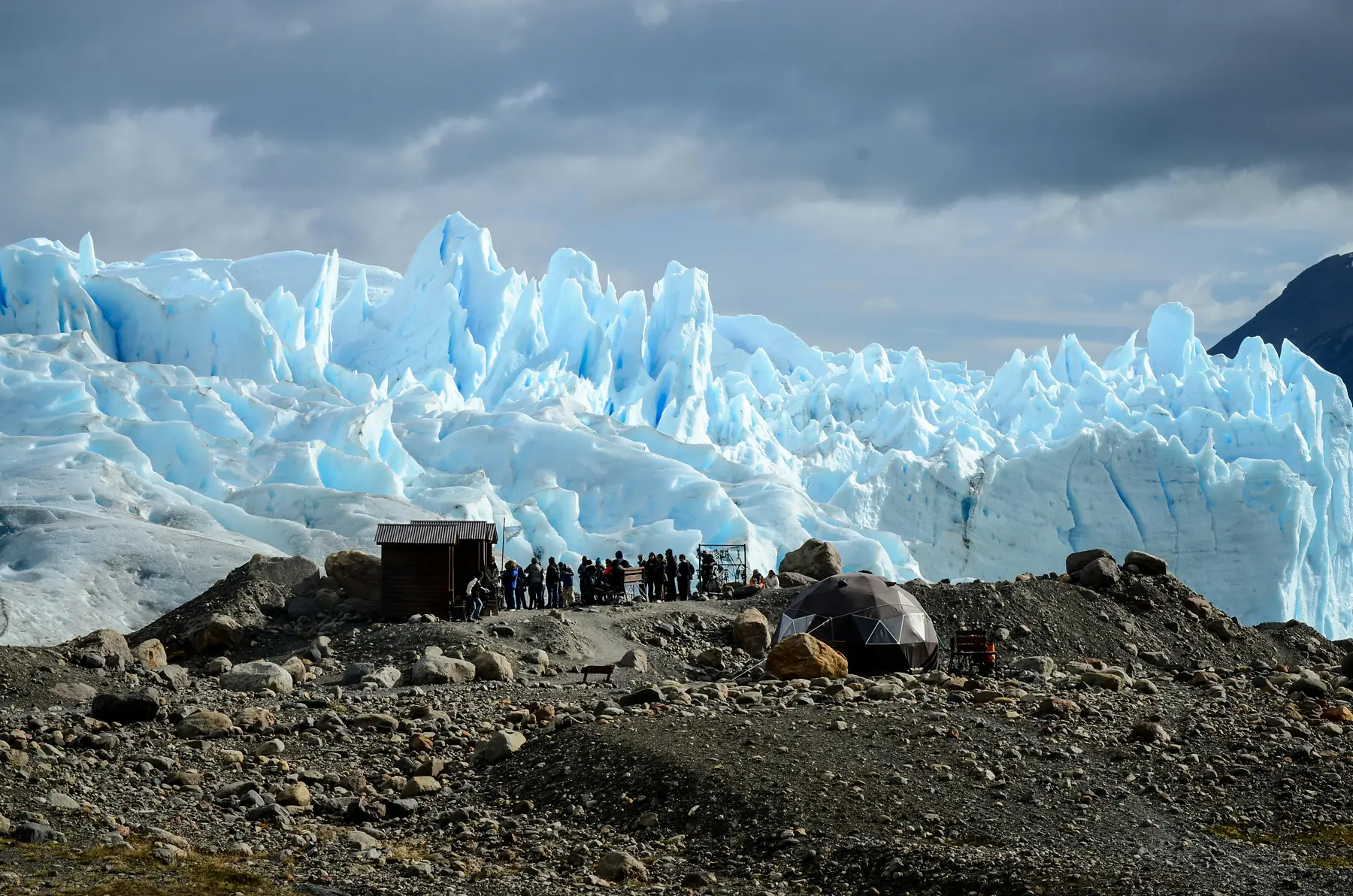
Focusing a Patagonia itinerary specifically on its glacial systems provides an incredible look at the Southern Patagonian Ice Field from two different countries. This route captures the dramatic contrast between the tight, steep-walled maritime fjords of Chile and the massive, wide-open freshwater lake calving walls of Argentina.
By building in deliberate pacing, transport buffers, and active valley hiking, this 10-day loop remains highly practical while ensuring you do not burn out before reaching the signature ice treks.
Trip At-A-Glance
- Total Duration: 10 days (9 nights on the ground)
- Start Point: Santiago, Chile (SCL) → Puerto Natales (PNT)
- End Point: El Calafate, Argentina (FTE) → Buenos Aires (AEP/EZE)
- Countries: Chile and Argentina (one overland border crossing)
- Focus: Glaciers, fjord navigation, ice trekking, alpine valley hiking
- Best Months: November to March (seasonal flights to Puerto Natales, full boat schedules)
- Estimated Budget: $2,000 to $4,500 USD per person, excluding international flights
- Fitness Level Required: Moderate. One full day hike of 16 km; remaining days are boat-based or light walking
- Internal Flights: 2 (Santiago to Puerto Natales, El Calafate to Buenos Aires)
Route Overview and Logistics
Operating an itinerary that links Chilean and Argentine Patagonia requires a clear understanding of regional borders and transit hubs. You will be moving from the Pacific-fed fjords of Ultima Esperanza Province over the spine of the Andes into the dry, wind-swept Atlantic drainage basin of Lake Argentino.
Flight Realities and the Gateway Hubs
Your journey begins in Santiago, Chile, and concludes in Buenos Aires, Argentina. This is an open-jaw route, meaning you will buy two separate one-way domestic flights rather than a standard international round-trip.
For Day 1, your destination is Puerto Natales (PNT). Both LATAM and Sky Airline run direct flights from Santiago (SCL) to Puerto Natales, but these are highly seasonal, running frequently from October through March. If you travel on the shoulder edges or during winter, these direct routes dry up, and you must fly from Santiago to Punta Arenas (PUQ) and then take a three-hour public bus north to Puerto Natales along Route 9.
Because this route starts in Chile and ends in Argentina, you cannot book a standard return flight. Purchase your Santiago–Puerto Natales and El Calafate–Buenos Aires legs as separate one-way domestic tickets. If your international flight home departs from Santiago, you will need a third domestic leg from Buenos Aires back to Santiago — or book an open-jaw international ticket that arrives in Santiago and departs from Buenos Aires.
The Overland Border Crossing
On Day 6, you will cross from Chile to Argentina by bus. The route from Puerto Natales to El Calafate involves taking a public bus (such as Bus Sur, Marga, or Turismo Zaahj) across the Paso Río Don Guillermo.
The journey typically takes five to six hours, but the exact duration depends entirely on the processing speed at both the Chilean exit office and the Argentine entry checkpoint. Luggage is scanned thoroughly, and no fresh fruits, vegetables, or unsealed honey can cross from Chile into Argentina.
Keep your passport and Chilean immigration form in your hand luggage, not your main pack stowed beneath the bus. You will need them at two separate checkpoints, and digging through the hold at each stop creates delays for everyone.

Phase 1: The Chilean Fjords (Days 1–5)
Day 1: Santiago to Puerto Natales
Board your domestic flight at Santiago’s Arturo Merino Benítez International Airport. If you secure a window seat on the left side of the aircraft, you will get a spectacular preview of the southern Andes, tracking over the Northern Ice Field before dropping into the rugged channels of the south.
Upon landing at the small Puerto Natales airport, catch a local taxi for the ten-minute drive into the town centre. Puerto Natales is an atmospheric port town sitting on the shores of the Señoret Channel. It has evolved from a quiet fishing and cattle outpost into a vibrant hub for trekkers and glacier enthusiasts.
Spend your evening walking along the waterfront to see the old wooden piers of the historic cold storage plant at Puerto Bories, where black-necked swans often gather. For dinner, head into the town grid to find fresh king crab or wood-fired burgers paired with an artisanal Chilean craft beer.
Day 2: Balmaceda and Serrano Glaciers
Your introduction to Patagonian ice takes place entirely on the water. This full-day maritime excursion navigates the Ultima Esperanza Fjord, tracing the paths of the early explorers who searched these channels for a route to the Atlantic.
The catamarans depart early from the Puerto Natales piers or the nearby Puerto Bories. As you head north, the channel narrows, bordered by sheer rock walls, tumbling waterfalls, and colonies of imperial cormorants and sea lions.
Your first major destination is the Balmaceda Glacier. This is a hanging glacier that clings to the steep eastern face of Mount Balmaceda. You will view its blue ice walls directly from the deck of the boat as it cascades down towards the saltwater below.
Next, the boat docks at Puerto Toro inside Bernardo O’Higgins National Park. Here, you disembark for an easy one-kilometre walk through a dense forest of native coihue and guindo trees. The trail opens up directly at the edge of a grey glacial lagoon filled with small icebergs, sitting right at the foot of the Serrano Glacier. This is a classic tumbling ice tongue, allowing you to walk within a few hundred metres of the terminal wall.
On the return journey to Puerto Natales, most boats stop at a traditional Patagonian estancia for a slow-roasted lunch of Magellanic lamb over open fire pits.
Patagonia’s maritime weather is highly volatile. Boat captains will not navigate the fjords if gale-force winds create unsafe swells in the outer channels. If your Day 2 excursion is cancelled due to weather, Day 3 serves as an automatic backup to complete it. Book your catamaran for Day 2 but keep Day 3 flexible.
Day 3: Buffer, Weather, and Local Exploration
This day serves as a critical weather buffer. If your Day 2 boat excursion was cancelled, you automatically use this day to complete it. If the cruise went smoothly, use today as a recovery and exploration day to prep for the heavy trail miles ahead.
Option A — The Geological Wonder: Take a half-day taxi or local tour excursion to the Mylodon Cave Natural Monument, located 24 kilometres north of town. This massive rock alcove is where German explorer Hermann Eberhard discovered the remarkably preserved remains of a prehistoric giant ground sloth in 1895. The site features an interpretive trail detailing the megafauna that roamed Patagonia at the end of the last Ice Age.
Option B — The Waterfront Walk: Keep your day low-impact by walking the gravel path along the Puerto Natales shoreline. Stop by the town plaza, visit the small historical museum, and handle your logistics: visit a local outdoor shop if you need to rent trekking poles, or head to a grocery store to buy trail mix, energy bars, and hydration tablets for the upcoming days inside the national park.
If you plan to hike the French Valley on Day 5, use today to purchase your Torres del Paine park entry ticket online. Keep a digital copy or printed QR code on your phone, as cellular signal at the park boundaries is practically non-existent.
Day 4: Torres del Paine and Grey Glacier
Depart Puerto Natales early on a morning transfer bus or in a rental car to head north to Torres del Paine National Park. The drive takes about two hours, approaching via the Serrano entrance or the Amarga Lagoon station. The landscape transitions dramatically from the flat pampa to towering, vertical limestone and granite massifs.
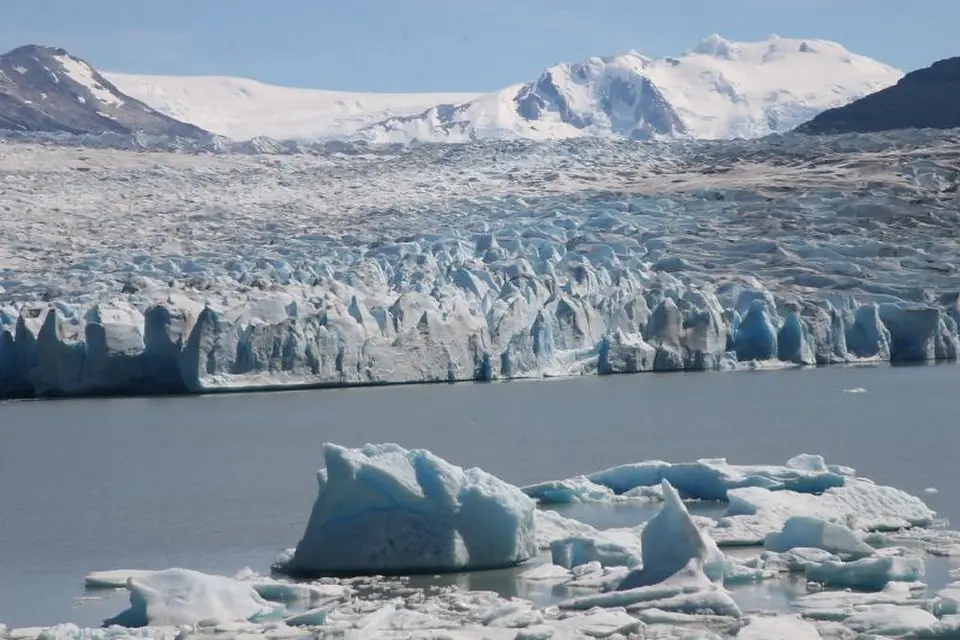
Head straight to the western sector of the park near Lake Grey. To reach the lake’s viewpoints, you will walk across a wide, flat suspension bridge over the Pingo River and cross a massive, wind-whipped gravel spit. From the edge of this peninsula, you can look across the grey, sediment-rich water to see massive blue icebergs that have floated down from the main glacier face.
In the afternoon, board the dedicated Grey III catamaran for a three-hour navigation of the lake. The boat manoeuvres incredibly close to the towering face of Grey Glacier, which forms part of the Southern Patagonian Ice Field. The glacier front is divided into two distinct walls by a central rocky nunatak — an island of rock isolated in the middle of the ice. You will spend time idling in front of both faces, watching for deep crevasses and calving ice.
To make this day highly practical, arrange to spend the night inside the park boundary. Look for lodging at Hotel Lago Grey, Refugio Grey, or take the catamaran drop-off to stay near the Paine Grande sector. Staying inside the park cuts down on hours of daily transit time and positions you perfectly for the French Valley hike.
Day 5: French Valley Trek
Today balances your itinerary by shifting focus from lake navigation to deep mountain immersion. The French Valley is the central chute of the famous W Trek, offering some of the most dramatic mountain architecture in South America.
If you stayed near Paine Grande, your trail begins directly from the lodge. If you stayed elsewhere, you will take the morning catamaran across Lake Pehoé to the Paine Grande dock to start. The trail heads east, winding along the rolling shores of Lake Skottsberg, which turns a vibrant turquoise colour when the sun hits the glacial minerals suspended in the water.
After roughly two and a half hours of steady walking, you reach the Italian Camp at the mouth of the valley. From here, the path heads straight up into the mountains, climbing steeply along a rugged moraine trail alongside the French River.
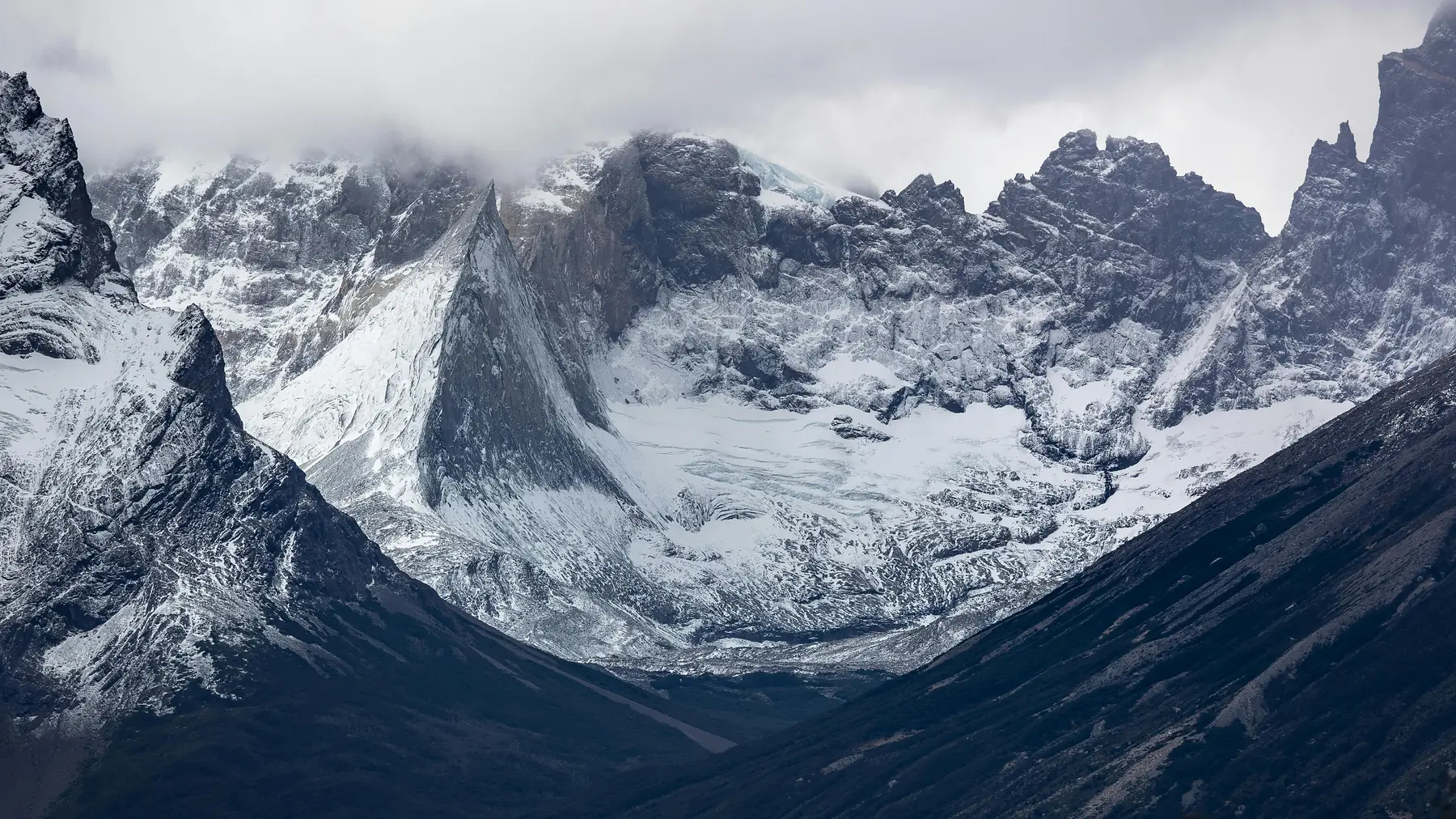
As you ascend through the native lenga forest, the canopy opens up to the French Glacier hanging precariously off the massive eastern wall of Mount Paine Grande. You will frequently hear loud, sharp cracks echoing across the stone walls as small avalanches of snow and ice release off the high hanging shelves.
Continue climbing to the Mirador Francés (French Viewpoint). This rocky platform places you in the centre of a massive amphitheatre of stone: to your left are the hanging ice sheets of Paine Grande, and to your right are the sheer, vertical black slate caps of the Los Cuernos (The Horns) peaks.
The round-trip hike from Paine Grande to the French Viewpoint is roughly 16 kilometres and takes six to seven hours. Return to the docks, take the evening catamaran back across Lake Pehoé to Pudeto, and transfer to your lodging or head back to Puerto Natales to prepare for tomorrow’s border crossing.
The upper section of the French Valley trail is fully exposed to the westerly winds funnelling through the amphitheatre. Wind speeds can be extreme — secure all loose gear, wear a windproof shell, and use trekking poles for stability on the steep moraine sections. If rangers have closed the upper valley due to wind, do not attempt to bypass the barriers.
Phase 2: The Argentine Ice Field (Days 6–10)
Day 6: Overland Bus to El Calafate
Head to the Puerto Natales bus terminal for your morning departure to Argentina. Ensure your passport is easily accessible and your immigration forms from entering Chile are intact, as the border officials will require them.
The bus rolls through the desolate, empty plains of the Argentine steppe along Route 40. Keep an eye out the window for native wildlife: herds of wild guanacos running parallel to the gravel fences, large rhea birds nesting in the low scrub, and grey foxes darting through the dust.
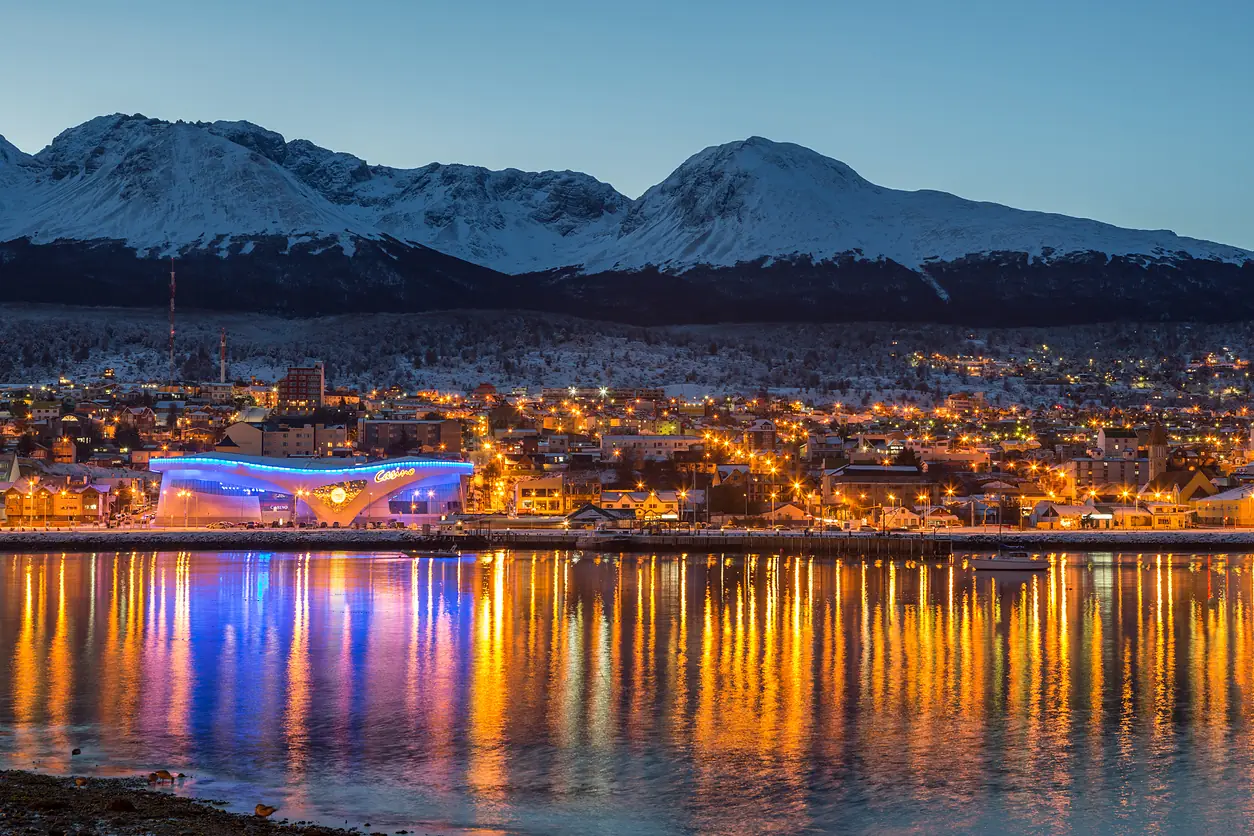
The bus arrives at the El Calafate terminal in the late afternoon. El Calafate is built along the southern shores of Lake Argentino, and its main avenue is filled with bustling restaurants, artisanal ice cream shops serving local calafate berry flavours, and busy tour agencies.
Check into your hotel, drop off your technical layers at a local laundry service to freshen up after your Torres del Paine hikes, and enjoy a quiet evening walking the town grid.
Day 7: Southern Patagonian Ice Field Boat Excursion
While Perito Moreno gets the majority of international press, this full-day boat navigation into the northern arms of Lake Argentino is often the highlight for true ice enthusiasts. It provides access to remote glaciers that cannot be reached by any roads or land trails.
You will catch an early morning transfer from your hotel to the Puerto Punta Bandera pier, located 47 kilometres west of town. Here, you board a large, high-speed catamaran to venture into the North Arm of Lake Argentino. The boat passes through the Boca del Diablo (Devil’s Mouth), a narrow natural gateway less than 800 metres wide that guards the entrance to the deeper channels.
The navigation cruises through the Upsala Channel, zigzagging through a dense maze of giant, deep-blue icebergs. These massive blocks have broken off from the Upsala Glacier, the largest glacier on Lake Argentino. Due to the high volume of calving events and unstable ice walls, boats must maintain a safe distance from the primary face, but the sheer scale of the floating icebergs feels like navigating the Antarctic peninsula.
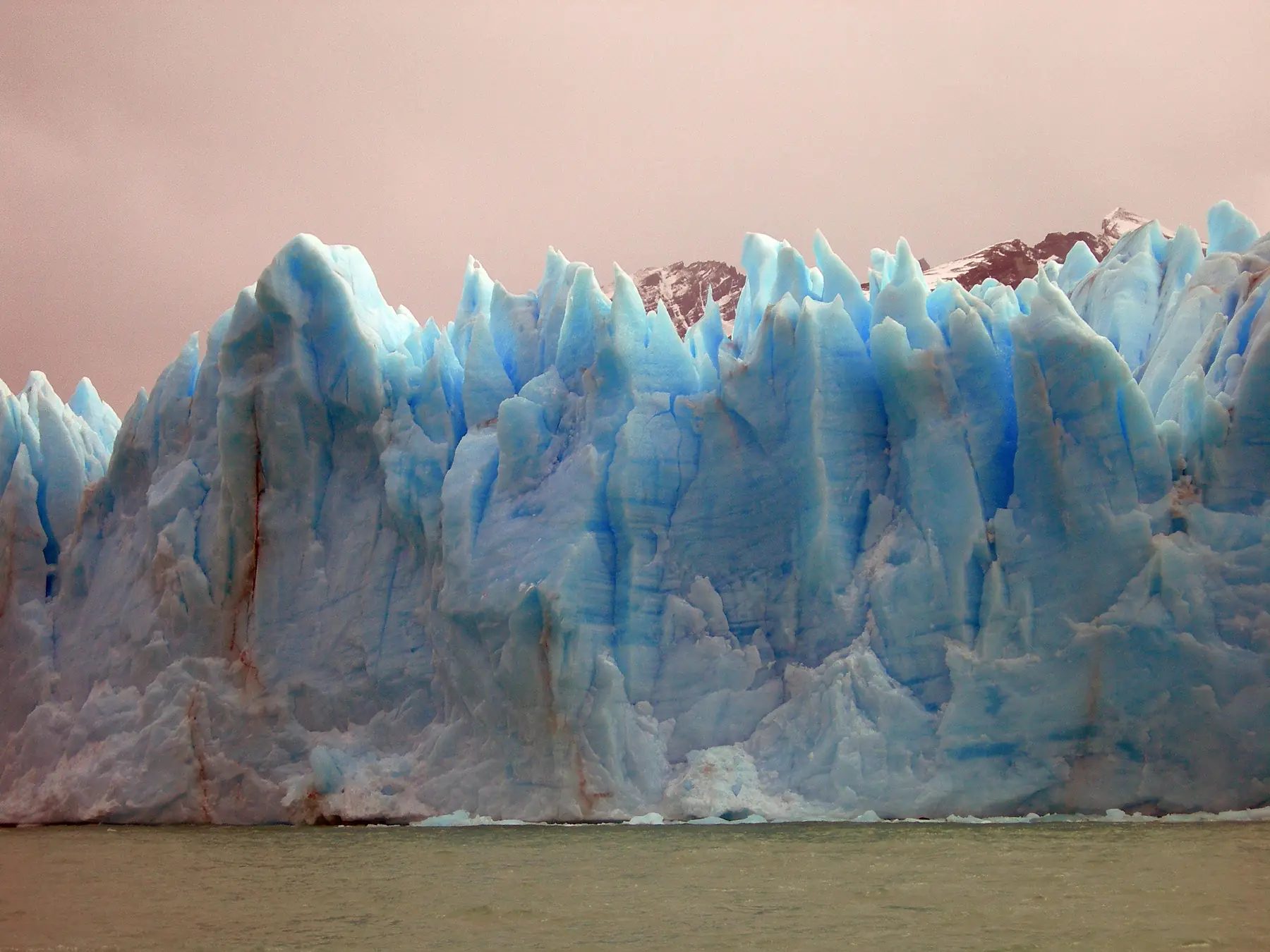
Next, the boat turns into the Spegazzini Channel to approach the Spegazzini Glacier. This is the tallest glacier wall in the national park, with sheer, vertical ice cliffs rising up to 135 metres above the waterline. The catamaran pulls remarkably close to this massive wall, allowing you to appreciate its intense stratification and deep cerulean blue tones.
Most premium excursions include a mid-day disembarkation at Spegazzini Base, where you can walk a short interpretive trail through the native forest to a panoramic viewpoint overlooking the ice field before returning to port.
Day 8: Recovery and Rest Day
After days of heavy mountain hiking and long boat journeys, today is a deliberate rest day designed to prevent physical fatigue before your final big ice trek.
Spend your morning sleeping in and enjoying a slow breakfast at a local café. In the afternoon, take an easy two-kilometre walk from the centre of town down to the Reserva Laguna Nimez. This protected wetland reserve features a well-maintained 2.5-kilometre loop trail with wooden bird blinds. It is a fantastic spot for birdwatching, home to over 80 species including massive flocks of bright pink Chilean flamingos, black-necked swans, ibises, and various southern ducks.
Use the rest of your afternoon to handle practical trip maintenance: pick up your clean laundry, browse the local artisan markets for handmade wool goods, and secure your park entry tickets for tomorrow.
For dinner, book a table at a local parrilla specialising in Cordero Patagónico — Patagonian lamb roasted vertically on iron crosses around an open pit of native wood embers.
Day 9: Perito Moreno Glacier and Ice Trekking
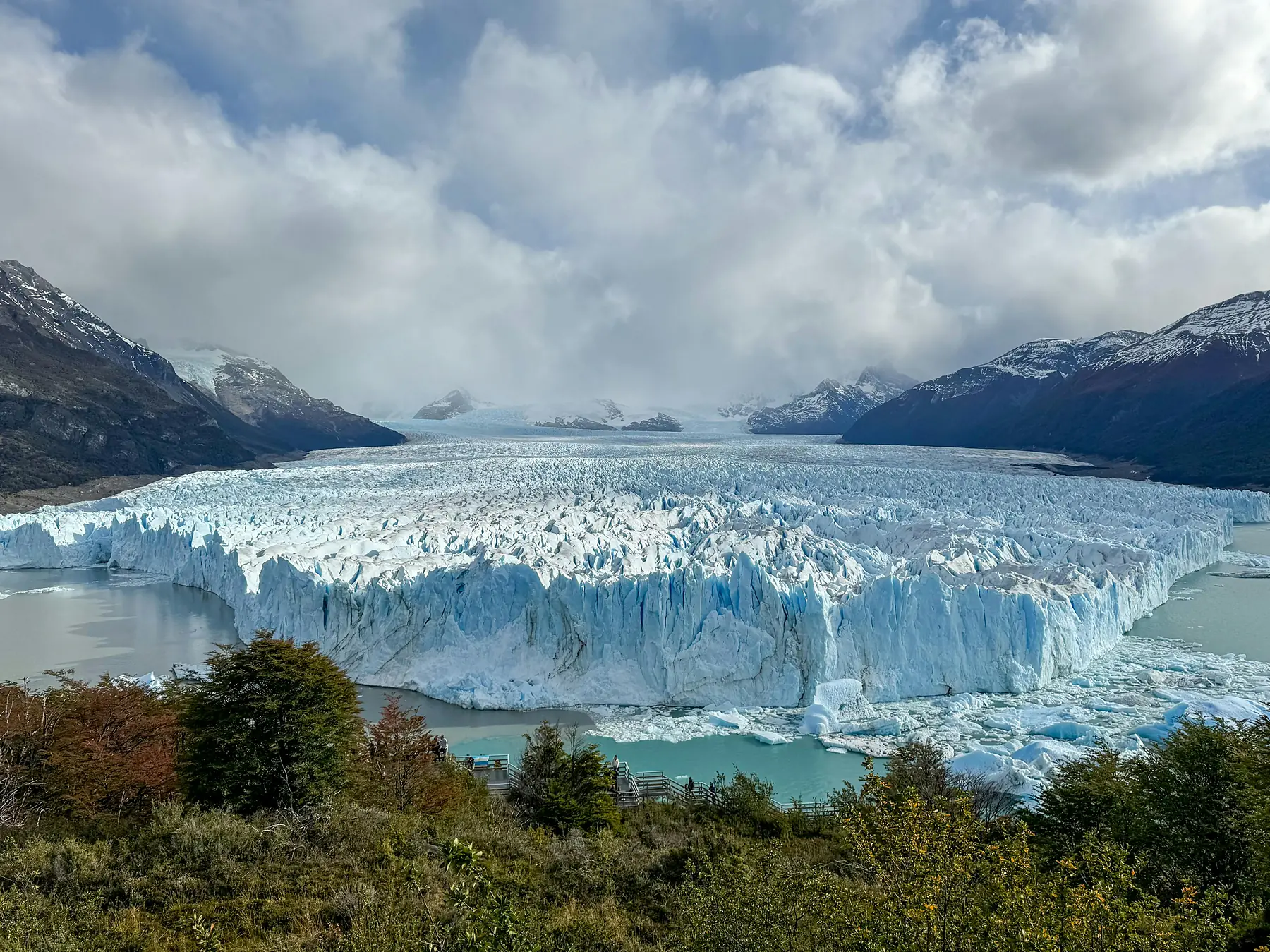
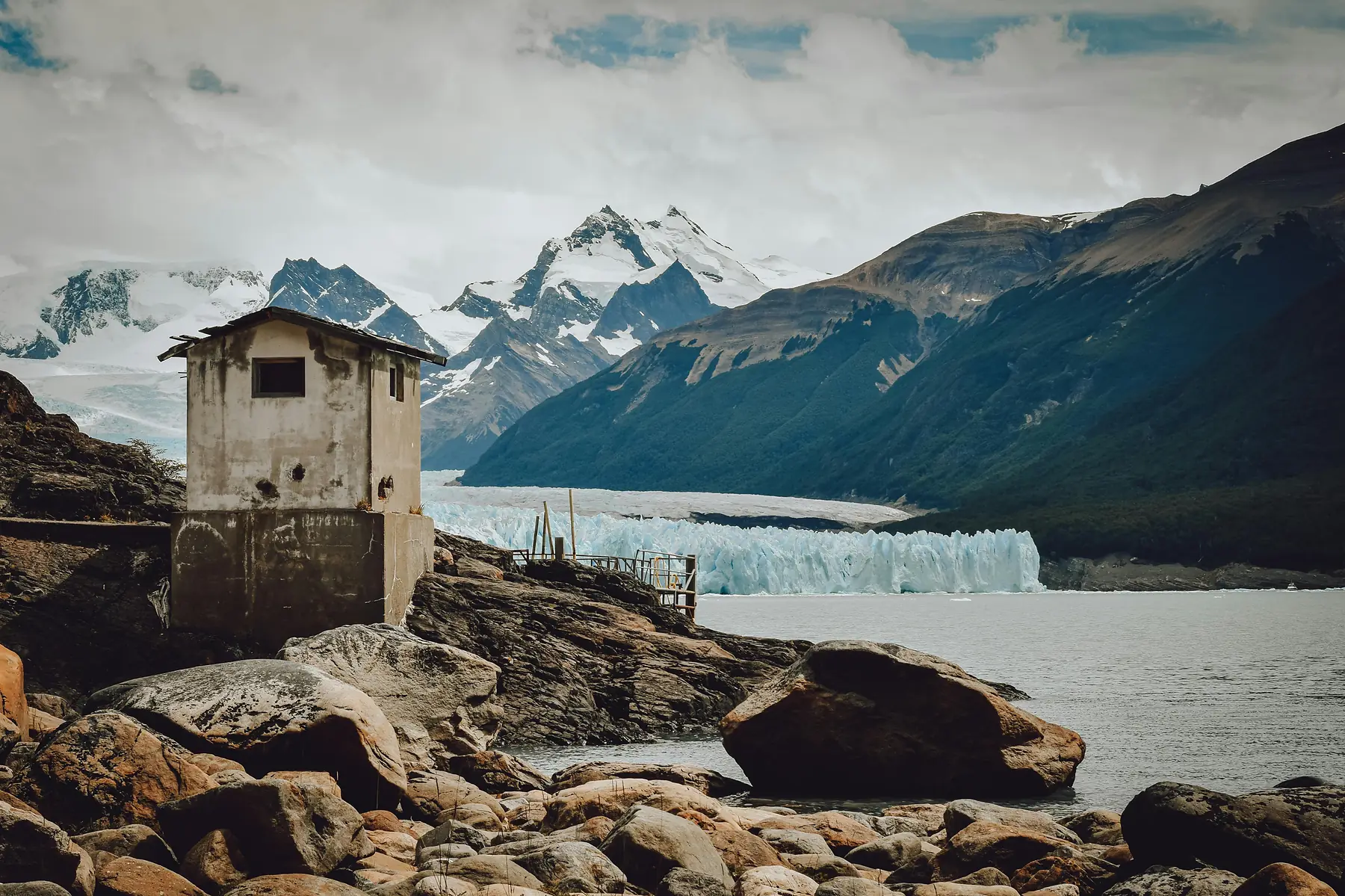
This is the definitive day of the itinerary. Perito Moreno is an architectural marvel of ice: an advancing glacier that forms a massive natural dam across the southern arms of Lake Argentino.
Your day begins with an 80-kilometre transfer from town along Route 11 into Los Glaciares National Park. If you have booked the signature ice trekking excursion, your tour will combine three distinct elements:
First, you will walk the extensive steel boardwalk system directly facing the glacier’s north wall. The walkways are spread across several colour-coded tiers along the Magallanes Peninsula, allowing you to look down on the 60-metre-high ice face from above or stand level with its base.
Second, you will board a short transfer boat to cross the Rico Arm of the lake, cruising past the south face of the glacier to reach a secluded rocky beach.
Third, you will meet your specialised mountain guides at a small base camp. Here, you will gear up: guides will help you strap steel crampons onto your hiking boots, provide a safety briefing, and hand you an ice axe. You then step directly onto the living ice sheet for a two-hour guided trek across the glacier surface.
Walking on Perito Moreno reveals a surreal landscape hidden from the distant boardwalks: deep, glowing blue crevasses, winding meltwater streams carved into the white ice, and deep sinkholes called moulins.
The trek concludes with a traditional toast of Argentine whiskey poured over fresh, crystal-clear glacial ice before you return across the lake and transfer back to town.
The Minitrekking excursion is restricted to travellers aged 8 to 65, while the longer Big Ice tour is limited to ages 18 to 50. If anyone in your group falls outside these windows, adapt the day by booking a safari boat cruise combined with extended boardwalk time instead. Your boots must be sturdy, waterproof, and provide excellent ankle support — trail running shoes with soft mesh uppers are not permitted on the ice because the crampon straps will not hold securely.
Day 10: El Calafate to Buenos Aires
Pack your bags and make sure your camera gear is securely stowed for transit. Catch a taxi from your hotel to the El Calafate International Airport (FTE) for your domestic flight north to Buenos Aires.
As your plane climbs over the brown Patagonian steppe, you leave behind the ice fields for the bustling, warm avenues of Argentina’s capital city, concluding your glacier loop.
If your international flight home departs from Santiago rather than Buenos Aires, you will need a connecting domestic flight from Buenos Aires to Santiago — or book your international ticket as an open-jaw that departs Buenos Aires directly. Build in a buffer night in Buenos Aires or Santiago to absorb any weather-related delays common in Patagonian airports.
Practical Notes and Variations
National Park Fees and Permits
Both Torres del Paine (Chile) and Los Glaciares (Argentina) require independent park entry fees. In 2026, these are digital systems: purchase your tickets online several weeks before your trip to ensure seamless check-in at the ranger stations. Keep digital copies or printed QR codes on your phone, as cellular signal at the park boundaries is practically non-existent.
Packing Strategy for Water and Wind
Because this itinerary spends significant time on open catamaran decks and high exposed ridges, your packing list must prioritise wind and water defence.
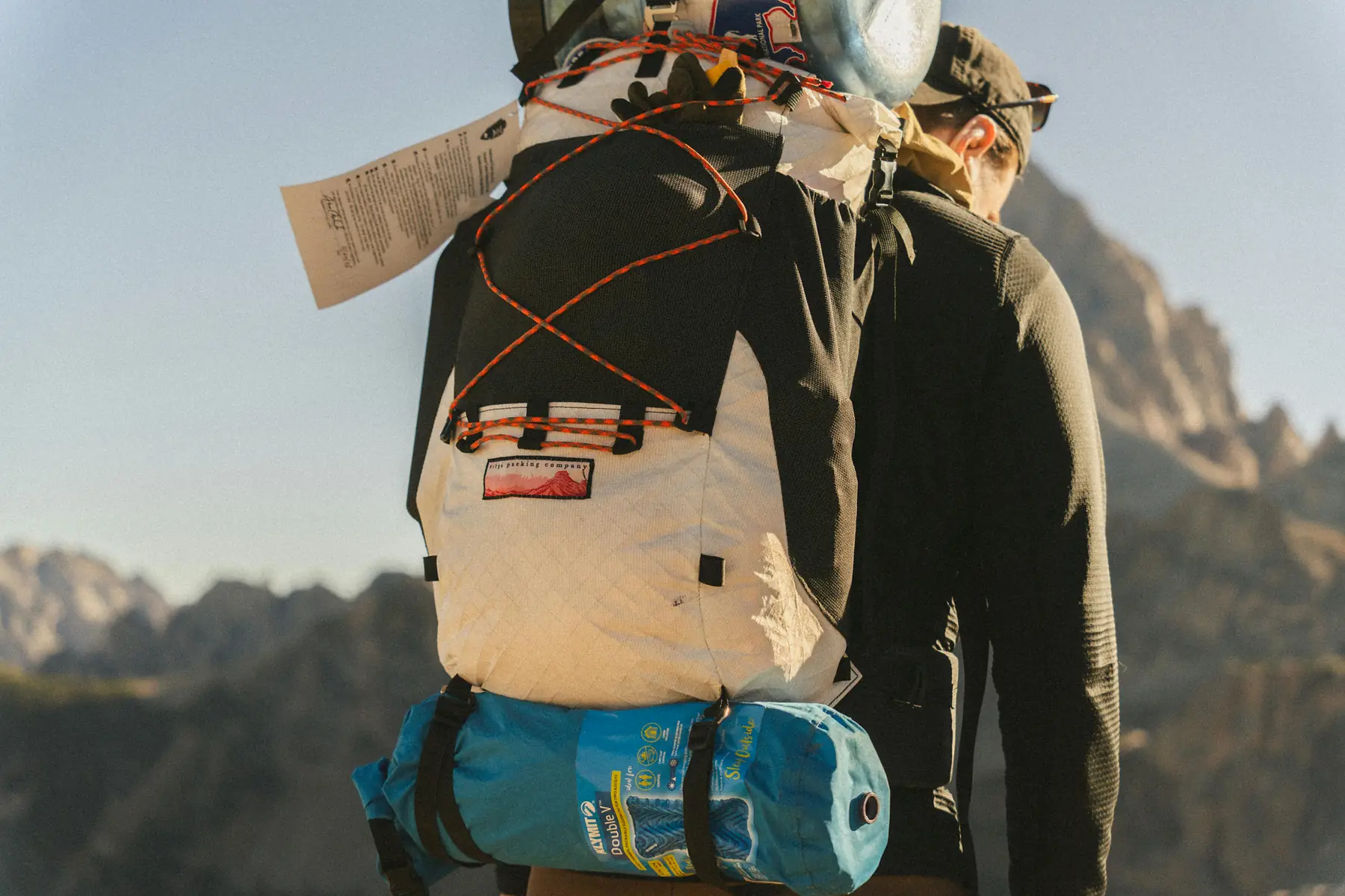
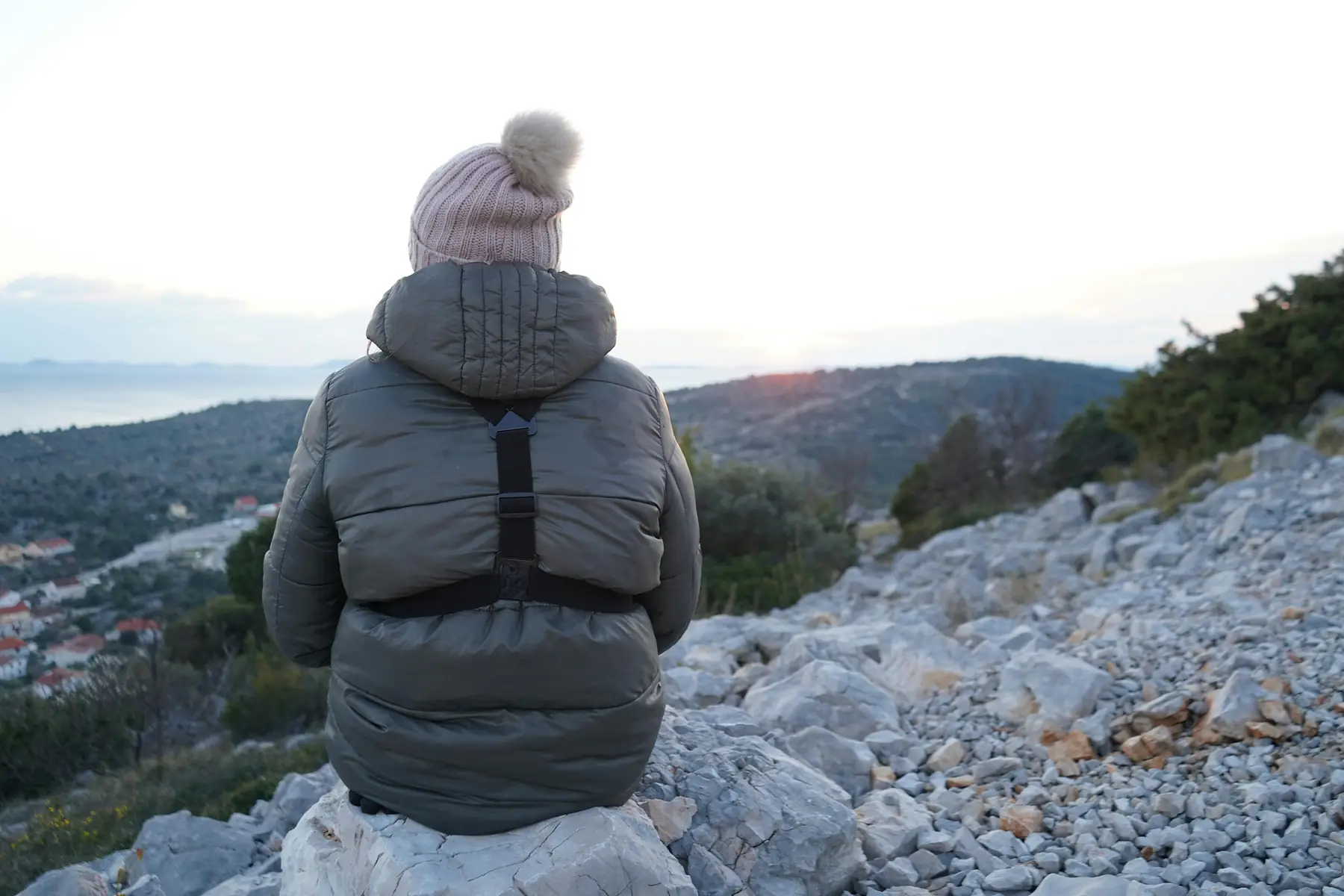
Pack a high-quality, 3-layer technical hardshell jacket (such as Gore-Tex) to layer over a lightweight down jacket and synthetic fleece. Bring a warm beanie, thin fleece gloves, and a buff to seal out the freezing spray from the glacier faces.
On boat days, the wind chill drops dramatically when standing on the outer observation decks near the ice fields, even if the ambient air temperature in town feels mild.
Alternative Routing and Transport Variations
The Self-Drive Variation: If you prefer total scheduling independence, you can rent a car in El Calafate for the days covering Perito Moreno and Punta Bandera. The roads from town to the park are fully paved, well-marked, and easy to navigate. However, if you plan to rent a car in Chile to drive across the border into Argentina, you must inform the rental agency months in advance to secure a cross-border permit and specific international insurance (Seguro Obligatorio del Mercosur).
Accommodation Splurge: If your budget allows flexibility inside Torres del Paine on Days 4 and 5, look into booking a room at Explora Patagonia or Tierra Patagonia. These all-inclusive eco-lodges handle your daily catamaran transfers, private valley guides, and park logistics internally, offering a highly seamless, premium way to experience the park without navigating public transit schedules.
FAQ
What is the best time of year for a glacier-focused Patagonia trip?
November to March is the optimal window. The direct Santiago–Puerto Natales flights run most frequently during this period, the Grey III catamaran and Upsala boat excursions operate on full schedules, and the Perito Moreno ice trekking tours run daily. December to February offers the warmest temperatures and longest daylight hours, but also the highest winds and heaviest crowds. November and March provide calmer conditions with fewer tourists.
How far in advance should I book the Perito Moreno ice trekking?
Book at least three to four weeks ahead during peak season (December to February). The Minitrekking excursion has a limited daily capacity, and popular dates sell out fast. The longer Big Ice tour has even fewer daily slots. Off-peak months (November, March) are more forgiving, but booking two weeks ahead is still recommended.
Do I need to be physically fit for this itinerary?
Moderate fitness is sufficient. The only demanding day is the French Valley trek on Day 5 (16 km, six to seven hours, with steep sections). The remaining days involve boat excursions with light walking, easy waterfront strolls, and the Perito Moreno ice trek, which is guided and covers moderate terrain with crampons. If you can comfortably hike 15 km on uneven ground, you will manage this itinerary well.
Can I skip the border crossing and stay in one country?
Yes, but you lose the contrast that makes this itinerary special. A Chile-only version would focus on Grey Glacier, the Balmaceda-Serrano excursion, and potentially add a day at the Exploradores Glacier near the Carretera Austral. An Argentina-only version would centre entirely on El Calafate, combining Perito Moreno, the Upsala-Spegazzini boat tour, and potentially a Viedma Glacier trek from El Chaltén. Both are excellent, but neither captures the full range of glacial landscapes.
What if the boat excursions are cancelled due to weather?
This itinerary has a built-in weather buffer on Day 3. If the Balmaceda-Serrano cruise on Day 2 is cancelled, you complete it on Day 3 instead. For the Grey III catamaran on Day 4 and the Upsala-Spegazzini tour on Day 7, cancellations are less common on the sheltered lakes than on the open fjords. If a lake excursion is cancelled, operators typically offer a rebooking for the following day — which is why the rest day on Day 8 provides additional flexibility.
What footwear do I need for the Perito Moreno ice trek?
You need sturdy, waterproof hiking boots with solid ankle support. The tour operators provide crampons designed to strap onto standard hiking footwear. Trail running shoes, sneakers, and soft-mesh boots are not permitted because the crampon straps will not hold securely and can cause painful compression. If your boots are not suitable, you can often rent a pair from the tour operator — check availability when booking.
Is the Upsala-Spegazzini boat tour worth it if I am already seeing Perito Moreno?
Absolutely. They are completely different experiences. Perito Moreno is a single, massive glacier face viewed from boardwalks and walked on with crampons. The Upsala-Spegazzini tour is a full-day navigation through remote fjord-like channels filled with enormous floating icebergs, culminating at the 135-metre wall of Spegazzini — the tallest glacier face in the park. The scale, setting, and atmosphere are distinct from anything at Perito Moreno.
How do I handle currency for both Chile and Argentina?
Carry Chilean Pesos for the first five days and Argentine Pesos for the final five. ATMs are available in both Puerto Natales and El Calafate, but withdrawal limits can be low during peak season. Cards are widely accepted in both towns, but cash is essential for park entry checkpoints, small cafés, and bus tickets. Do not rely solely on one payment method — carry a mix of card and cash in both currencies.