
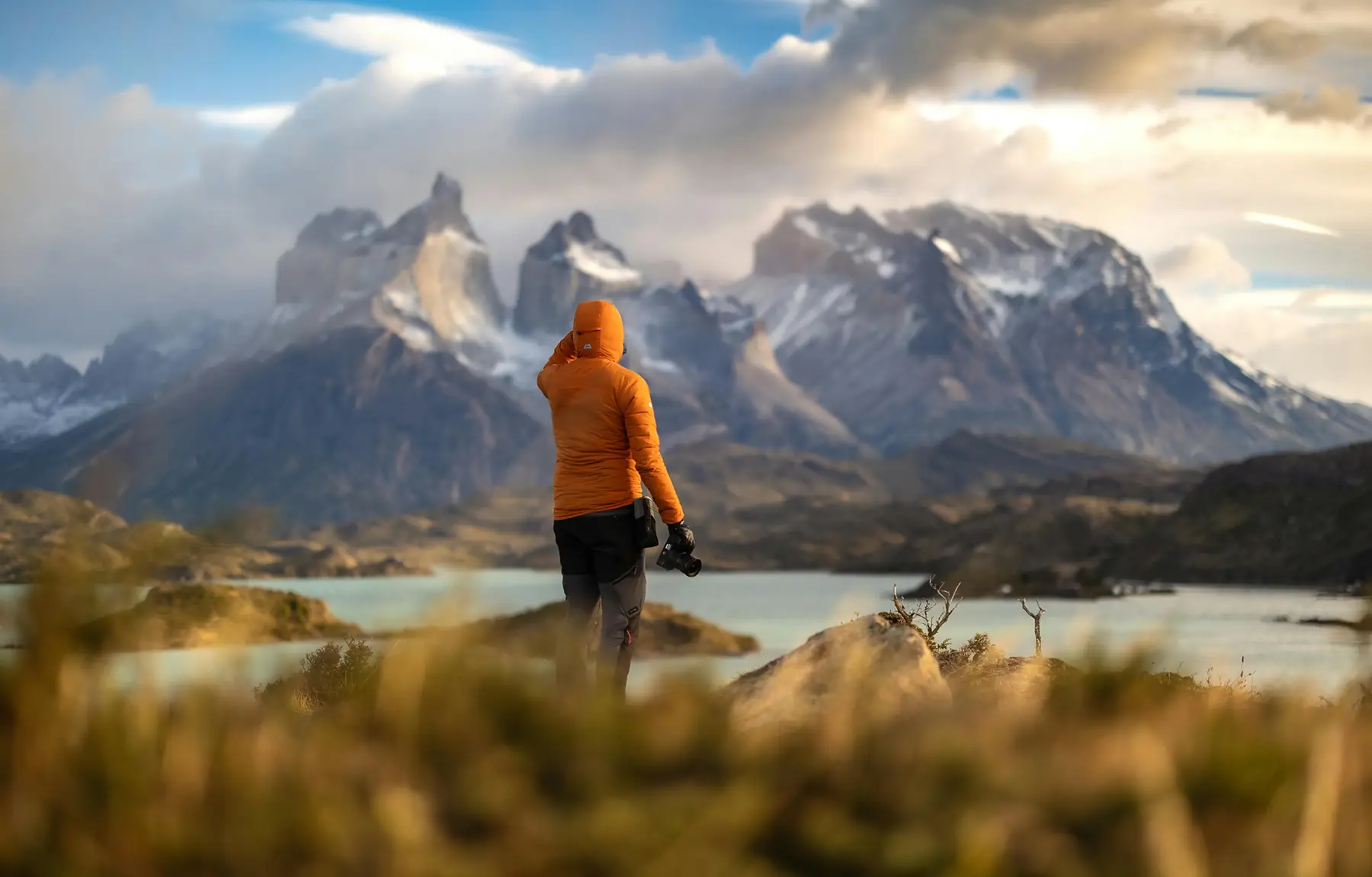
Chile & Argentina
in One Trip
The definitive two-week route combining Torres del Paine's W Trek with El Chaltén's iconic day hikes — both countries, one unforgettable trip.
Day-by-Day Itinerary
A detailed breakdown of each day (or group of days) on this route.
Day 1: Arrival in Santiago
Land at Santiago International Airport and transfer to your hotel in the Lastarria neighbourhood. Use the afternoon to shake off jet lag with a walk along the Mapocho River, then grab dinner at one of the local parrilla restaurants before an early night ahead of tomorrow's domestic flight south.
Days 2–3: Flight to Punta Arenas & Transfer to Puerto Natales
Catch the morning LATAM flight to Punta Arenas (3.5 hours). Pick up your rental car or board the Bus-Sur shuttle to Puerto Natales (3 hours). Day 3 is your gear-prep and acclimatization day — purchase your park entry ticket online at pasesparques.cl, rent trekking poles if needed, and stock up on trail snacks at the Unimarc supermarket.
Days 4–8: W Trek, Torres del Paine
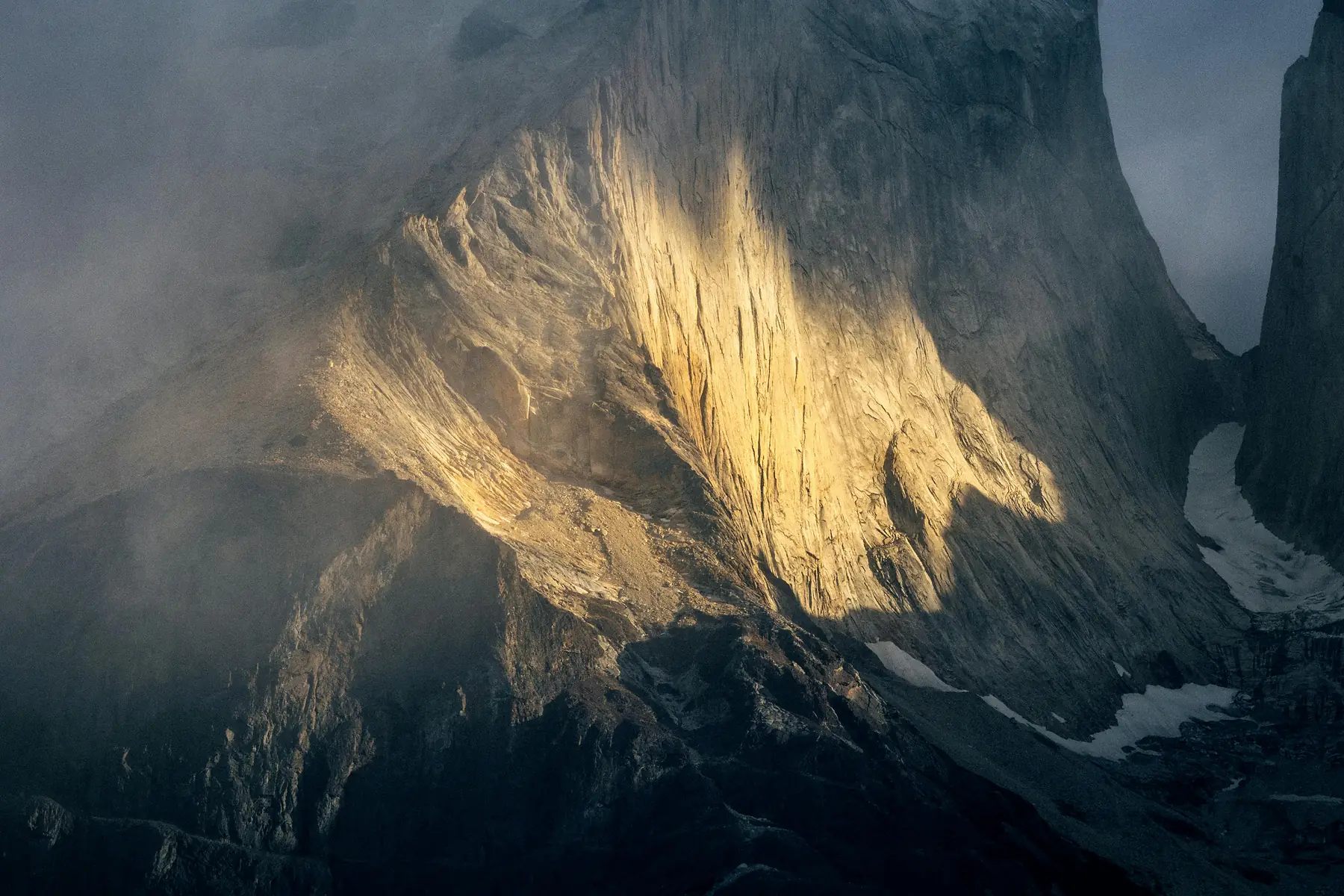
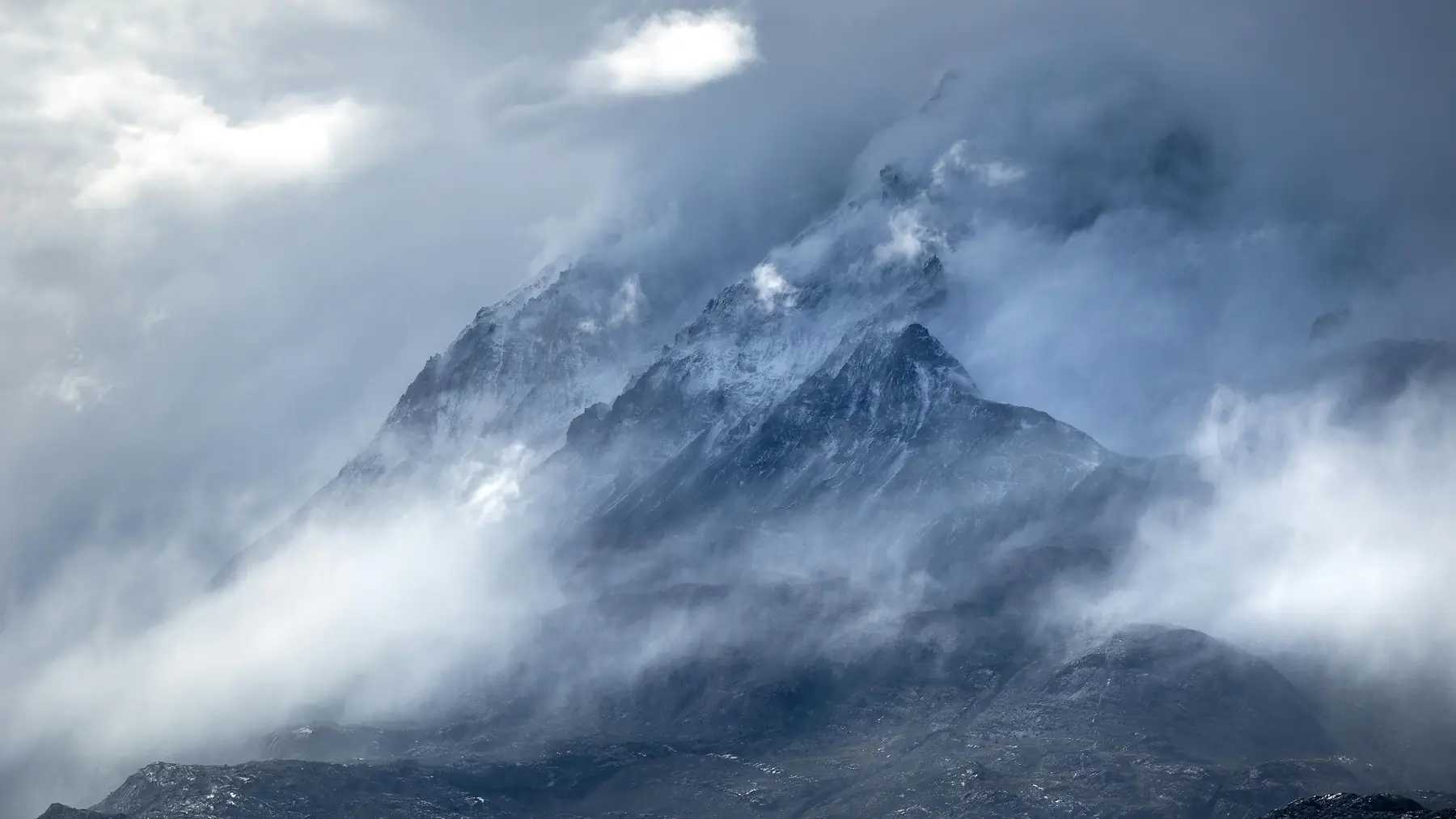
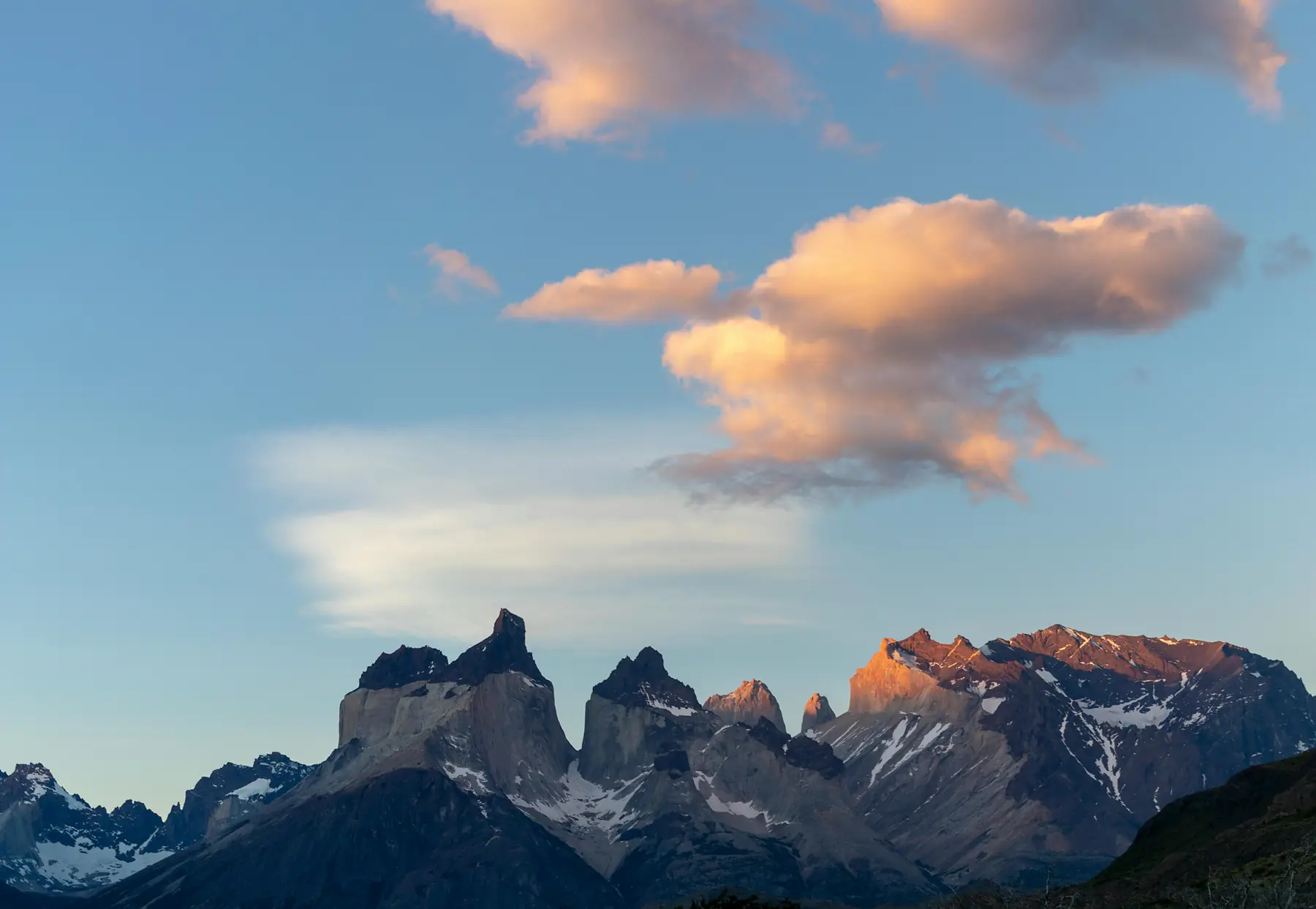
Five days on the iconic W Trek. You'll hike from Paine Grande to the French Valley, then onward to the Torres Base viewpoint. Nights are spent in a mix of refugios and campsites along the route. Expect 15–22 km of hiking per day with full pack, dramatic glacier views, and the famous sunrise at the Torres.
Days 9–10: Transfer to El Chaltén
Return to Puerto Natales for a well-earned shower and rest day. On day 10, take the cross-border bus via Río Turbio to El Chaltén (approximately 10 hours with the border crossing). Arrive in the evening and check into your accommodation — the town is small enough to explore on foot in 20 minutes.
Days 11–13: El Chaltén Hikes
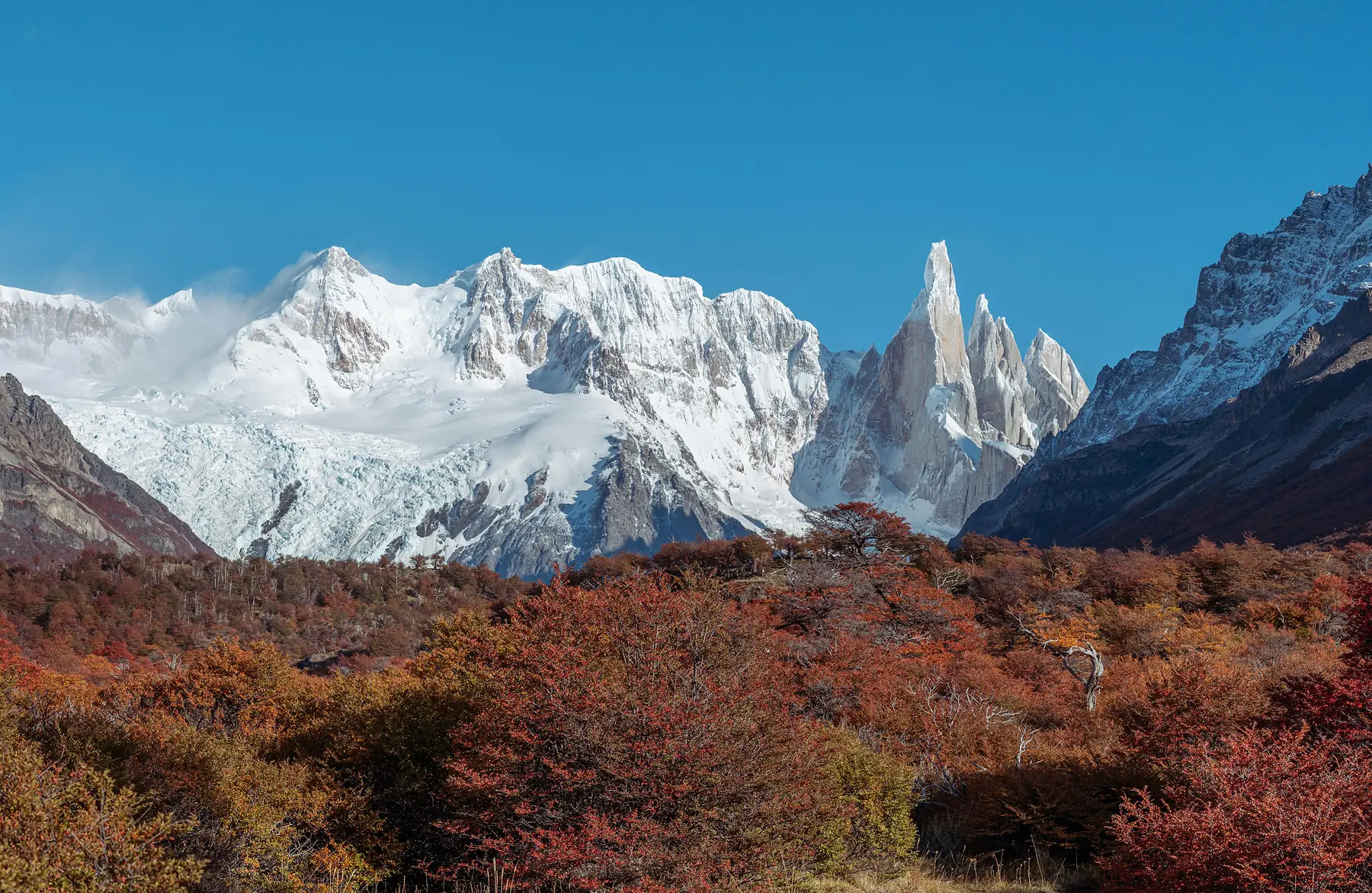
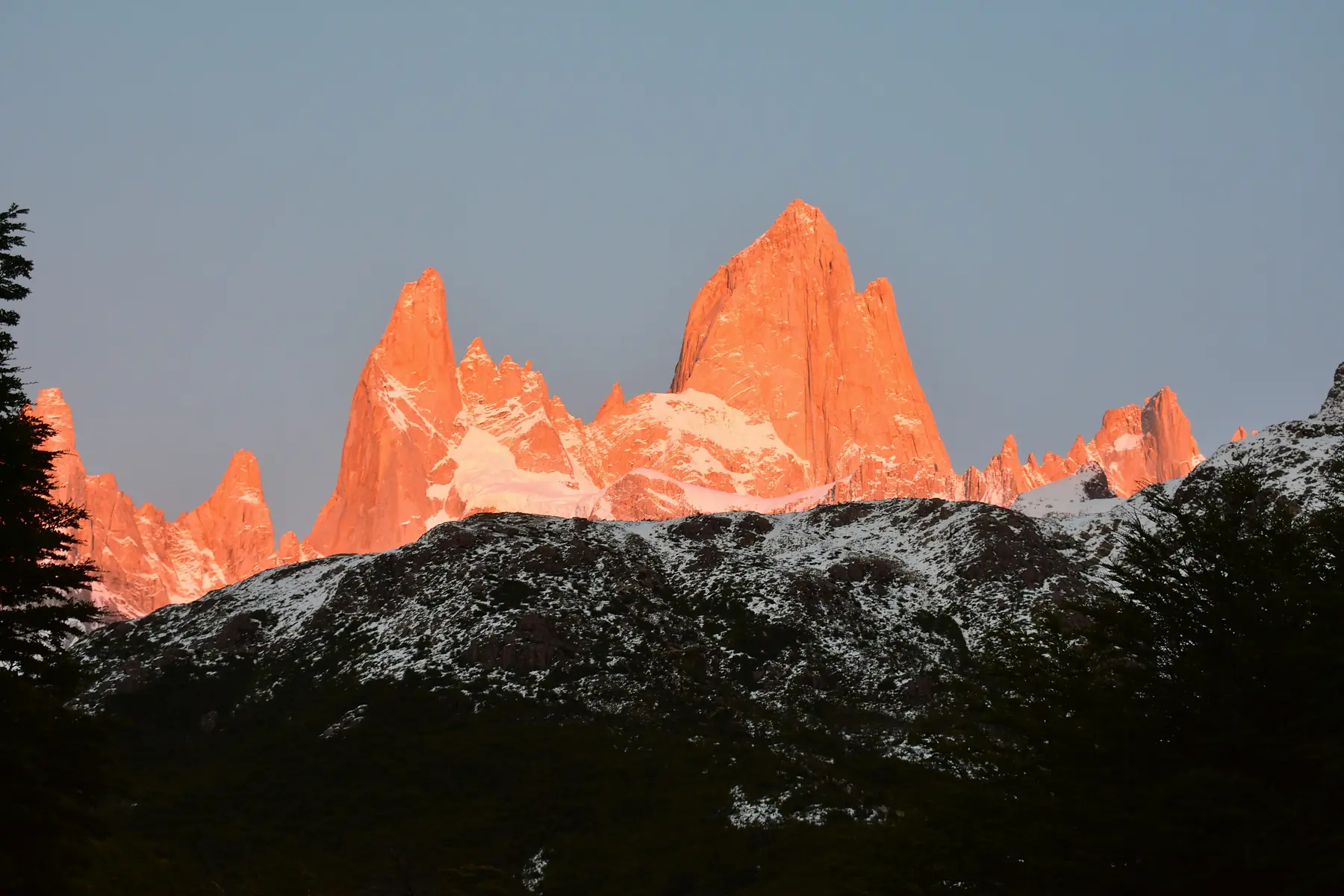
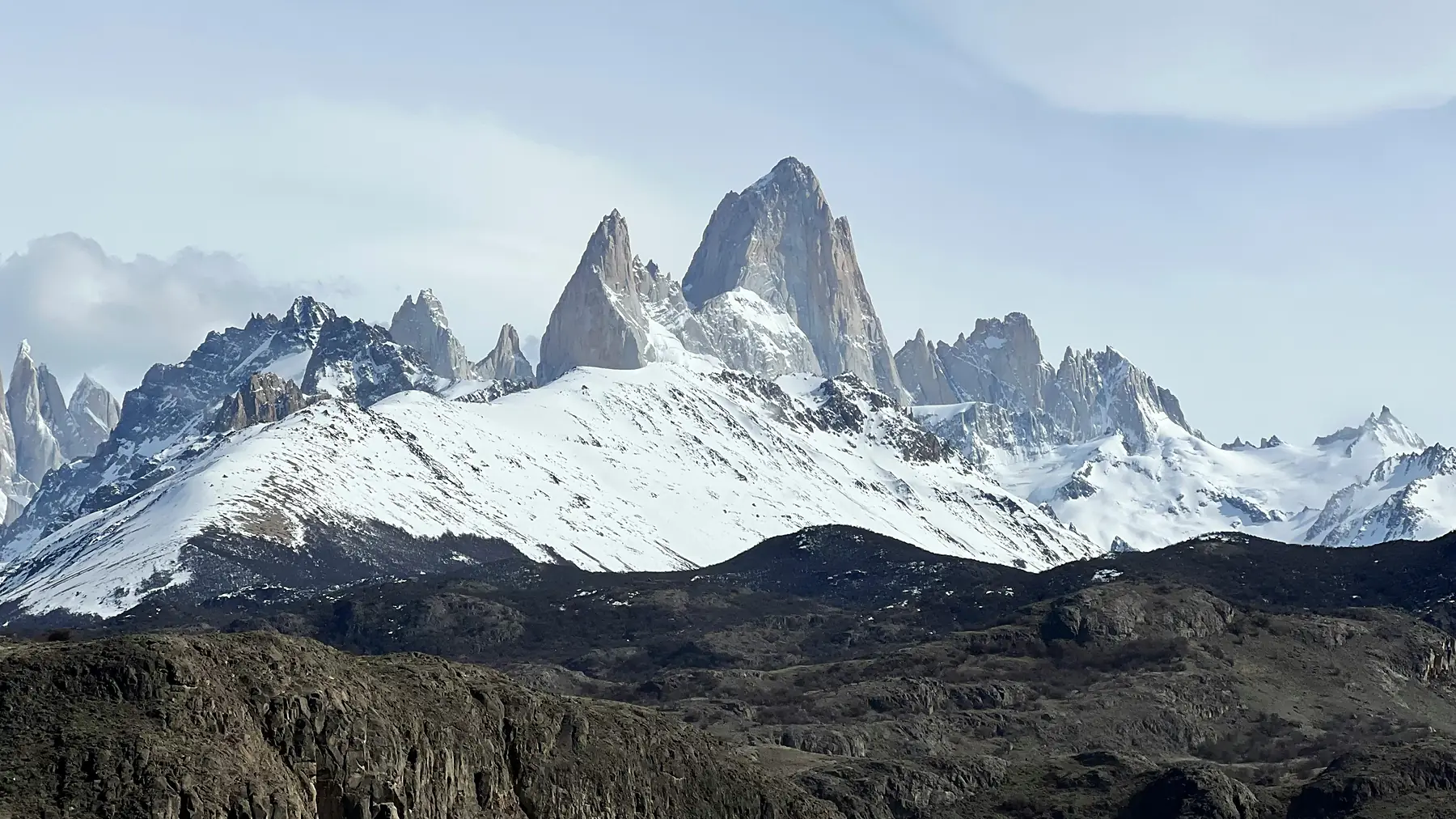
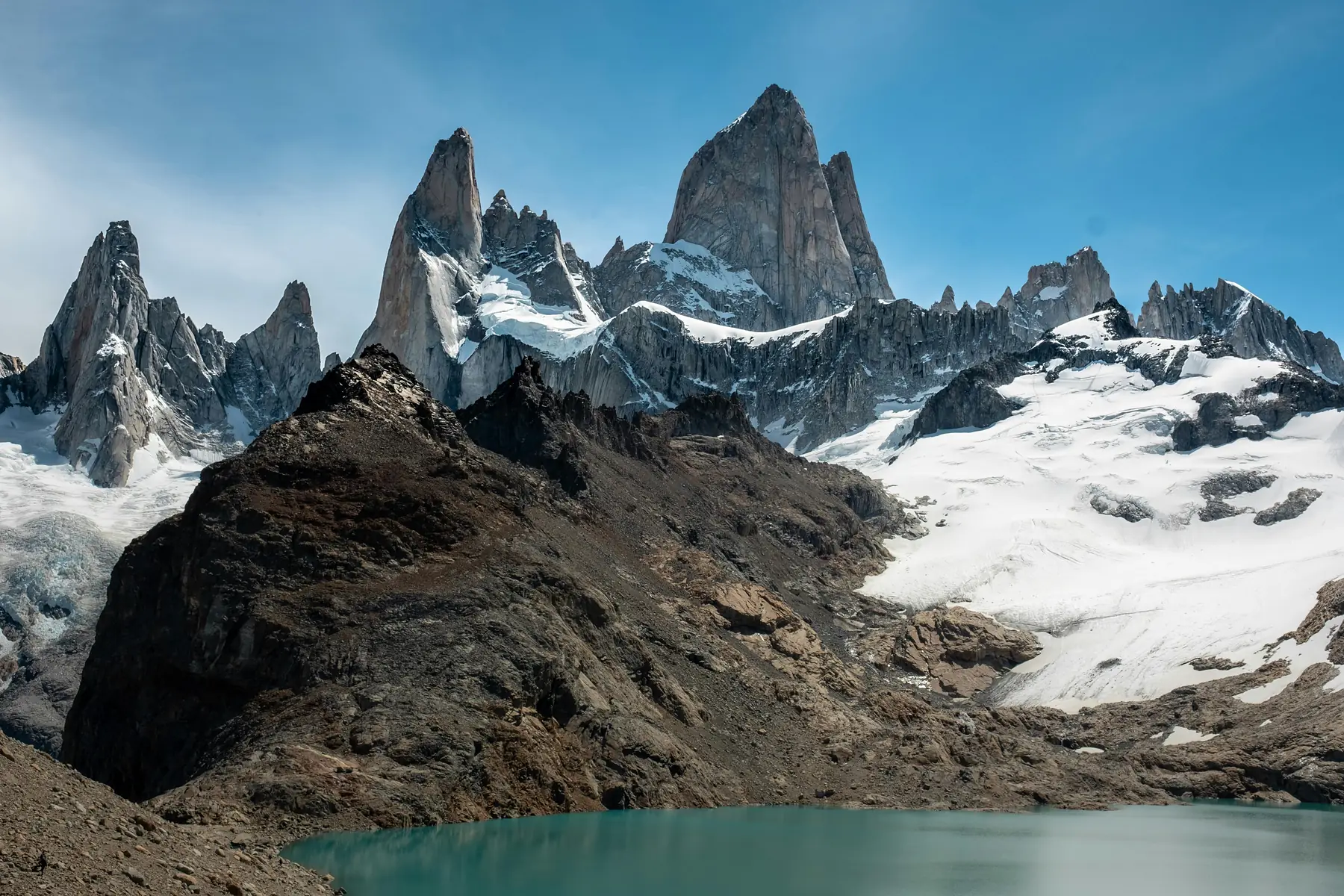
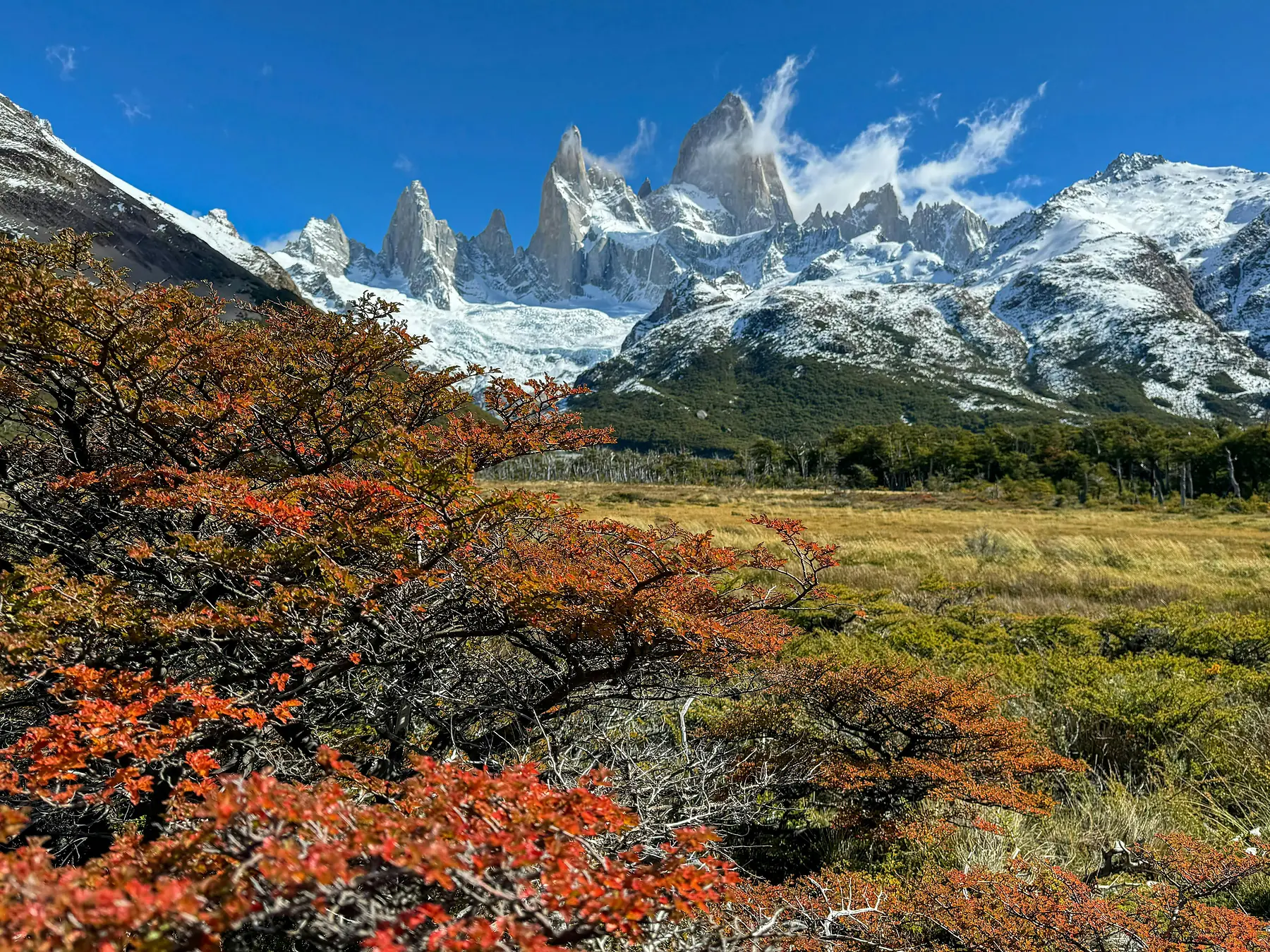
Three days of world-class day hiking. Day 11: Laguna Torre (18 km, moderate) for close-up views of Cerro Torre. Day 12: Laguna de los Tres (20 km, strenuous) — the iconic Fitz Roy sunrise trek. Day 13: Either rest your legs with the easy Chorrillo del Salto waterfall walk, or push for Loma del Pliegue Tumbado for the best 360° panorama in the park.
Day 14: El Calafate & Departure
Take the morning shuttle to El Calafate (3 hours). If your flight is in the evening, use the afternoon for an optional visit to the Perito Moreno glacier viewing platforms — one of the few glaciers in the world that is still advancing. Transfer to the airport for your outbound flight.

International flight lands. Transfer to hotel, rest and acclimatize.
Domestic flight south, bus transfer, gear prep.
The full W Trek in Torres del Paine National Park.
Bus from Puerto Natales to El Chaltén via Río Turbio.
Fitz Roy, Laguna Torre, and Loma del Pliegue Tumbado day hikes.
Transfer to El Calafate airport for outbound flight.

The Logistics: Fly-in/Fly-out Strategy
The most efficient routing is an "open-jaw" flight: fly into Punta Arenas (PUQ) in Chile and out of El Calafate (FTE) in Argentina. This eliminates the need to retrace your steps and saves a full day of travel. LATAM and Aerolíneas Argentinas both operate daily domestic connections from Santiago and Buenos Aires respectively.
Book the domestic legs separately from your international flights for maximum flexibility. If Punta Arenas flights are expensive, Puerto Natales now has a small airport (PNT) with seasonal LATAM service that cuts the transfer time entirely.
Why 14 Days is the Patagonia "Sweet Spot"
Two weeks gives you enough margin to absorb 2–3 days of bad weather without sacrificing any of the headline experiences. Shorter trips (7–10 days) force you to choose between Chile and Argentina, while longer trips (21+ days) often include filler days in transit towns with little to do.
Within a 14-day trip, we generally favor a 4-day, 3-night W Trek to save time and accommodation costs while keeping a panoramic view of Grey Glacier. Choose 5 days and 4 nights if you want the Grey overnight and closer glacier viewpoints. Allow time for Puerto Natales preparation and travel between the parks alongside El Chaltén's 3–4 day window.
Budgeting for 2 Weeks
Expect to spend between $2,500 and $4,000 USD per person (excluding international flights) depending on whether you camp or use refugios on the W Trek. The biggest cost drivers are W Trek refugio bookings (Las Torres: USD 230/bed + USD 140/day full board; Vertice: USD 66–114/bed + USD 110/day full board), domestic flights ($200–400 return), and El Chaltén accommodation ($80–180/night for mid-range hotels).
Budget travellers can cut costs significantly by camping on the W Trek (bring or rent gear in Puerto Natales), staying in hostels in El Chaltén ($30–50/night), and taking buses instead of flying between Santiago and Punta Arenas. Food on the trail is expensive — buy supplies in Puerto Natales or El Chaltén's supermarkets rather than at refugio shops.
Frequently Asked Questions
Can I do this itinerary in reverse (Argentina first)?
Yes, but we recommend Chile first because the W Trek requires advance bookings and fixed dates, while El Chaltén's day hikes are flexible. Starting in Chile locks in the rigid segment early and leaves the flexible days at the end as a weather buffer.
Do I need a visa for the Chile–Argentina border crossing?
Most nationalities (US, EU, UK, Australia, Canada) do not need a visa for either country for stays under 90 days. You will need to pass through immigration at the border — carry your passport, and note that fresh fruit, meat, and dairy cannot cross into Argentina.
What happens if the weather is bad on my Fitz Roy day?
This is exactly why we build in 3 days in El Chaltén. If day 11 is clouded over, swap your rest day forward and do Fitz Roy on the clearest morning. The trails are open regardless of weather — it's only the views that disappear.
Is the cross-border bus from Puerto Natales to El Chaltén reliable?
Yes, multiple companies (Buses Pacheco, Cootra) run daily services year-round. The journey takes 10–12 hours including the border stop. Book at least 48 hours in advance during peak season as buses fill up.
What fitness level do I need for this itinerary?
You should be comfortable hiking 15–22 km per day with a 7–10 kg pack for the W Trek section. The El Chaltén days are day hikes (no pack weight), but Laguna de los Tres involves a steep 400m final ascent. Regular cardio training for 6–8 weeks beforehand is sufficient for most people.