
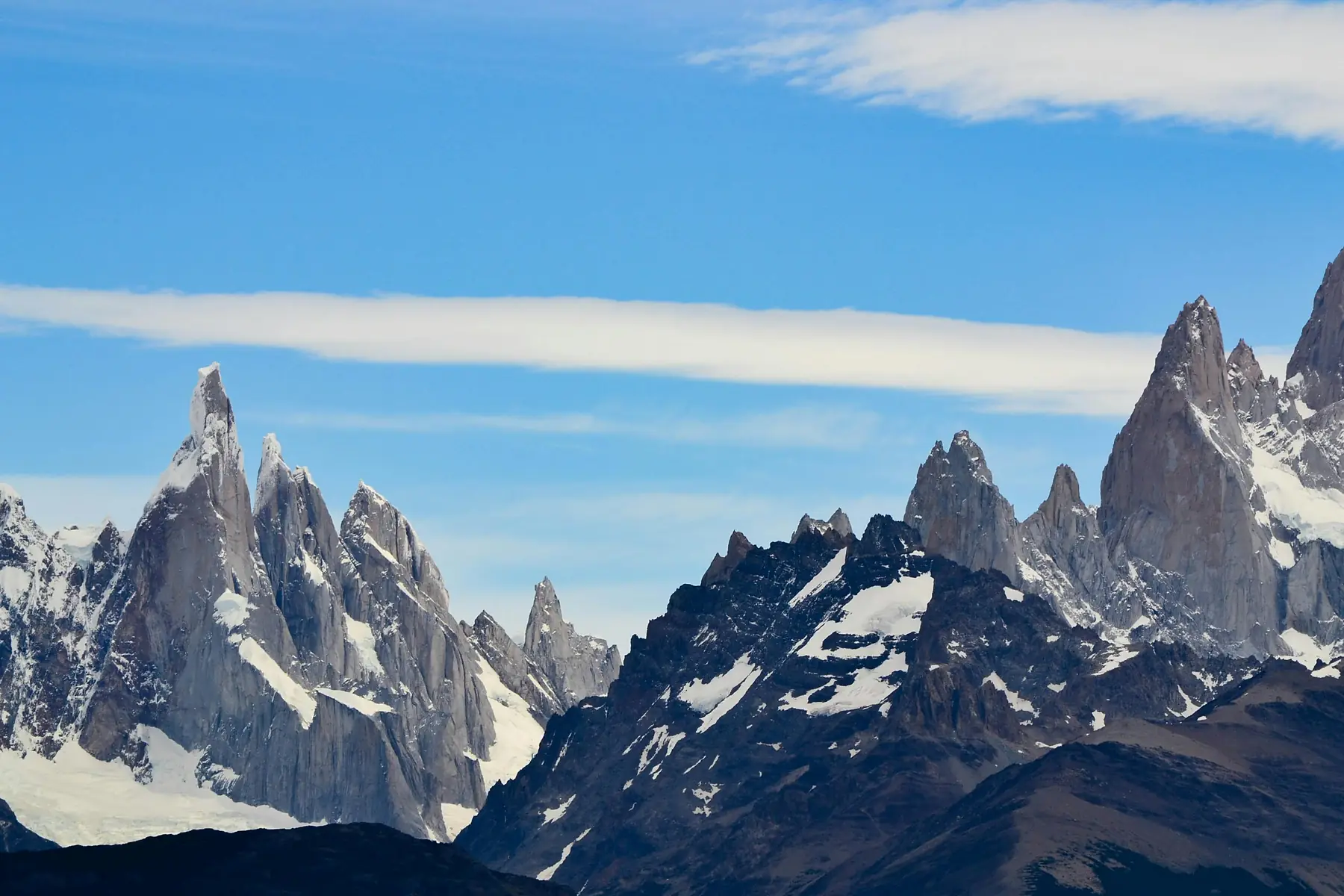
This concise, seven-day itinerary targets the undisputed epicentre of southern alpine trekking: the Los Glaciares National Park network in Argentina. Designed specifically for hikers with limited time, this route cuts out long multi-day logistics and places you directly at the trailheads of the continent’s most iconic granite spires.
When weighing up a short trip to Patagonia, travelers often debate between Chile’s famous W Trek and the trails of El Chaltén. For a strict seven-day timeline, El Chaltén is often the preferred choice because it requires far less advance booking logistics and offers maximum day-to-day flexibility, allowing you to base yourself in one comfortable town and choose your trails dynamically based on the morning weather.
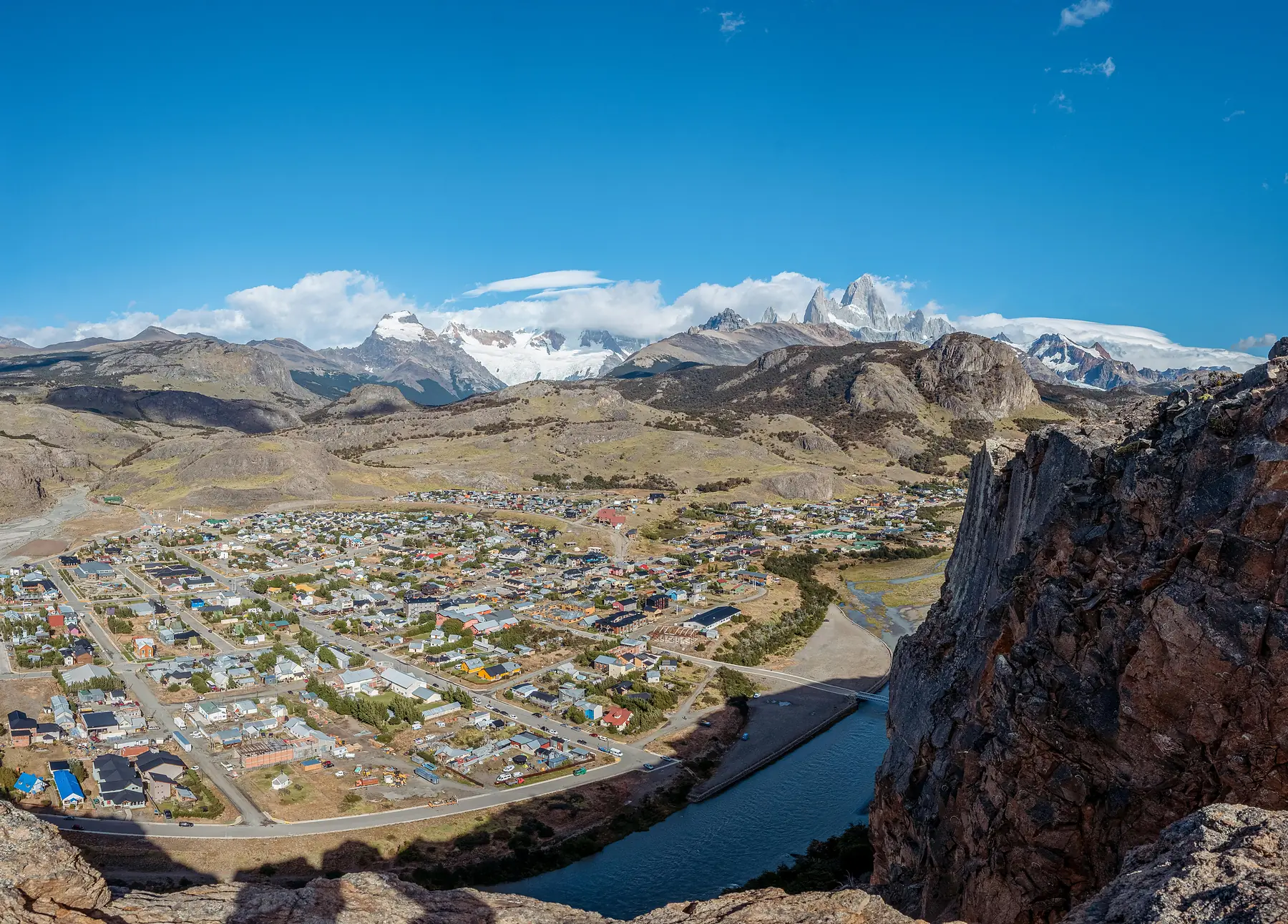
By flying directly into El Calafate and utilising regular regional buses to El Chaltén, you spend less time in transit and more time on the trail. The progression moves from the massive wall of the Perito Moreno Glacier straight into the self-contained mountain village of El Chaltén, where world-class hiking trails begin right from your cabin doorstep.
If you can find a second week, two longer Argentina-side routes build directly on this one: the Bariloche to El Chaltén route adds the Lake District up north, and the 14-day trekking itinerary crosses into Chile for the W Trek.
Itinerary At-A-Glance
- Total Duration: 7 days (6 nights on the ground)
- Start/End Point: Buenos Aires, Argentina (Aeroparque Jorge Newbery, AEP)
- Country: Argentina only (no border crossings)
- Focus: Alpine day-hiking, glacier viewing
- Best Months: November to March (longest daylight hours and warmest temperatures)
- Estimated Budget: $1,500 to $3,000 USD per person, excluding international flights
- Fitness Level Required: Moderate to high. Expect 18 to 25 km hiking days with significant elevation gain
- Internal Flights: 1 return (Buenos Aires to El Calafate)
Route Overview and Logistics
When you compress a Patagonia itinerary into a single week, your margin for error disappears. Efficient planning, strategic transit connections, and a realistic understanding of mountain weather are vital to making this trip a success.
Route Rationale and Flight Strategy
To make a one-week trip feasible, you must minimise transit overhead. Fly from Aeroparque Jorge Newbery (AEP) in Buenos Aires into El Calafate (FTE) on an early morning departure. This positions you on the ground by midday, saving your afternoon for immediate exploration.
The regional connection between El Calafate and El Chaltén is operated by a network of reliable public coaches that run multiple times daily along Route 40 and Route 23. The journey takes approximately three hours each way, cutting directly through the open Patagonian steppe.
The single biggest mistake travelers make on a short trip to Patagonia is over-scheduling every single calendar day. In El Chaltén, the mountains create their own microclimate. High winds, driving rain, and dense cloud cover can roll in within hours, completely masking the peaks. This itinerary builds a dedicated flexibility buffer directly into your schedule — monitor the mountain weather forecasts using specialised local resources like Windguru or Meteoblue, and when you see a window of clear skies and low winds, immediately deploy your hike to Laguna de los Tres.
Day 1: Arrival in El Calafate — Entry to the Steppe
Your expedition kicks off with a morning flight out of Buenos Aires. As the plane banks over southwestern Argentina, look out the window to catch your first glimpse of the milky-turquoise waters of Lago Argentino, coloured by fine glacial rock flour suspended in the water.
Upon landing at the El Calafate airport, take a 20-minute shuttle van or taxi directly to your accommodation. Dedicate your afternoon to a relaxed, low-energy walk along the town’s waterfront.
Follow the shoreline to the Reserva Laguna Nimez, located just a 15-minute walk from the main street. A flat, 3-kilometre self-guided trail loops through these protected wetlands, offering an easy opportunity to spot Chilean flamingos feeding in the shallows alongside black-necked swans and upland geese. Head back to the main avenue, Avenida del Libertador, for an early dinner at a local steakhouse and get to sleep early. Tomorrow requires a fast-paced morning.
Day 2: Perito Moreno Glacier and Transfer to El Chaltén
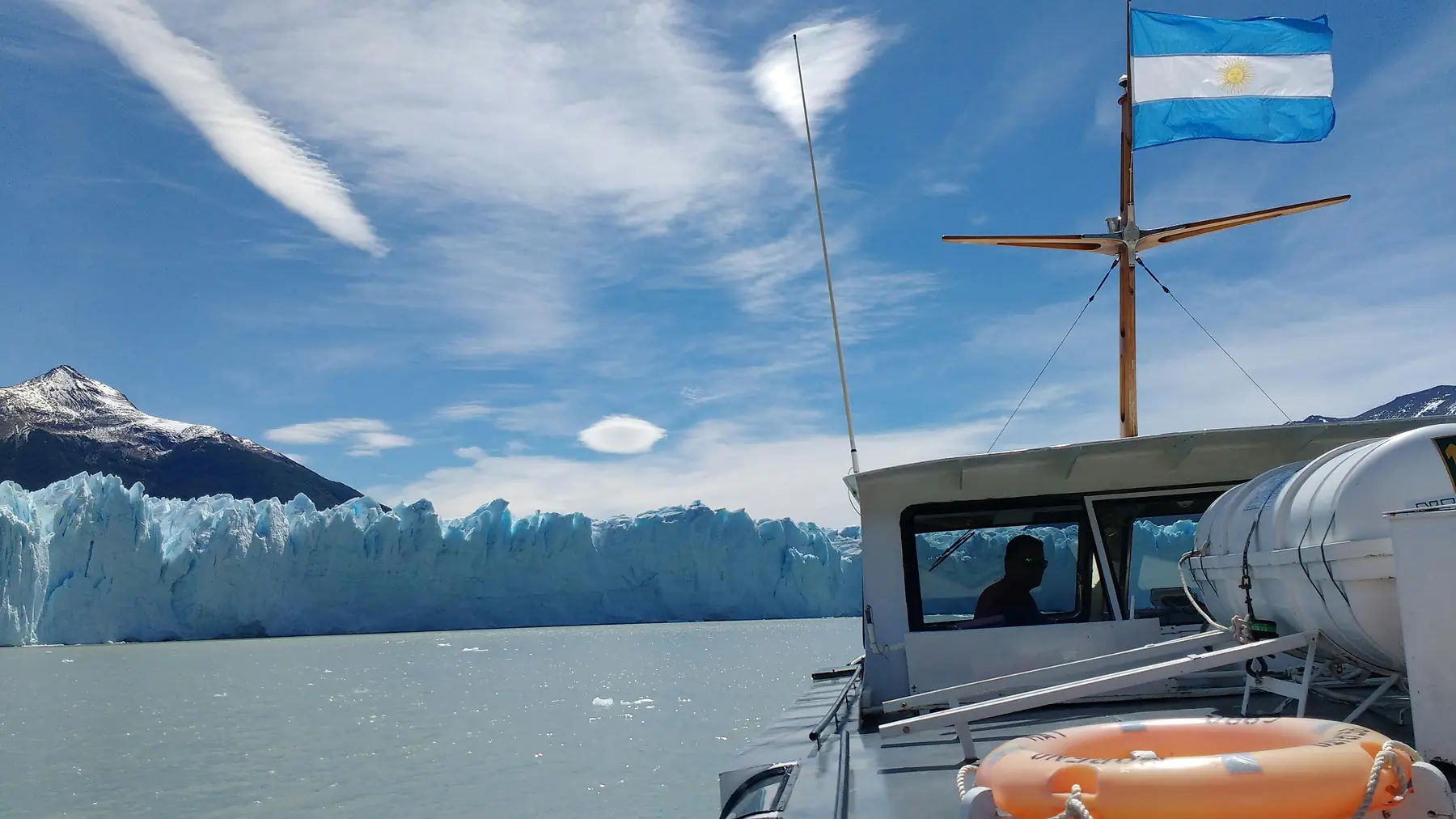
Pack your bags and check out of your hotel early. Catch a morning transfer or drive 80 kilometres west to face the Perito Moreno Glacier. This massive ice wall stands up to 70 metres above the lake level and stretches 5 kilometres across the Canal de los Témpanos, making it one of the most accessible major glaciers on the planet.
Spend your hours navigating the steel boardwalks and balconies that wrap around the face of the ice. Focus on the lower, stair-heavy circuits; they carry you closest to the ice wall, where you can listen to the metallic cracks and thunderous booms of ice calving into the water. If your timing aligns with the local boat schedules, join a 1-hour catamaran cruise to view the vertical scale of the ice face from water level.
Do not confuse “Perito Moreno Glacier” with “Perito Moreno National Park.” The famous glacier is located within Los Glaciares National Park near El Calafate. Perito Moreno National Park is a separate, remote wilderness area located roughly 600 kilometres to the north.
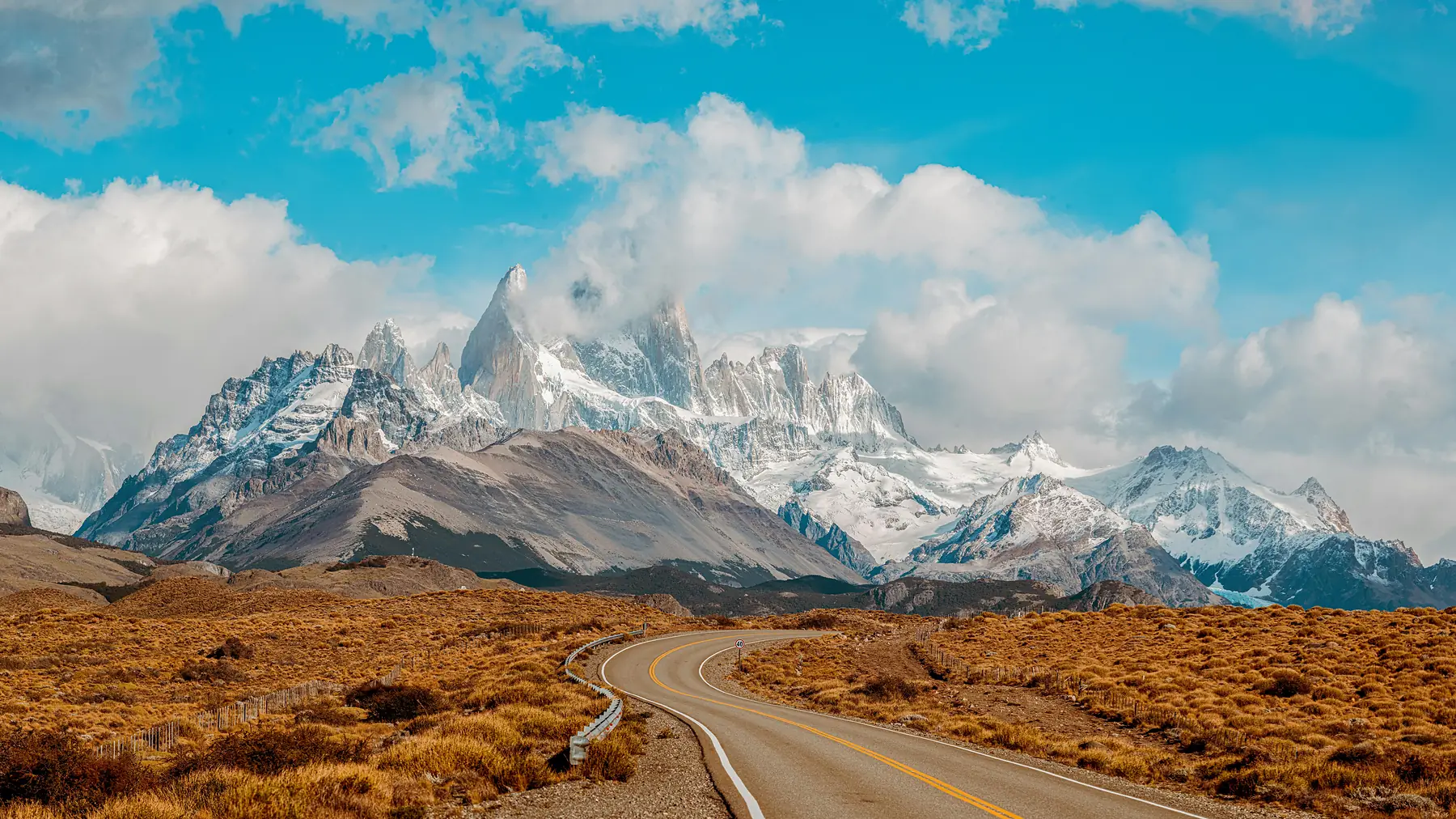
Leave the national park by early afternoon to catch a scheduled bus to El Chaltén. The 3-hour journey cuts across the wind-scoured plains, moving past the edge of Lago Viedma. As the road bends toward the mountains, the granite silhouettes of the Fitz Roy massif will appear on the western horizon. Arrive in the trekking village by evening, check into your accommodation, and review the local mountain forecasts to finalise your trail plan for the next morning.
Day 3: Laguna Torre — The Valley Walk
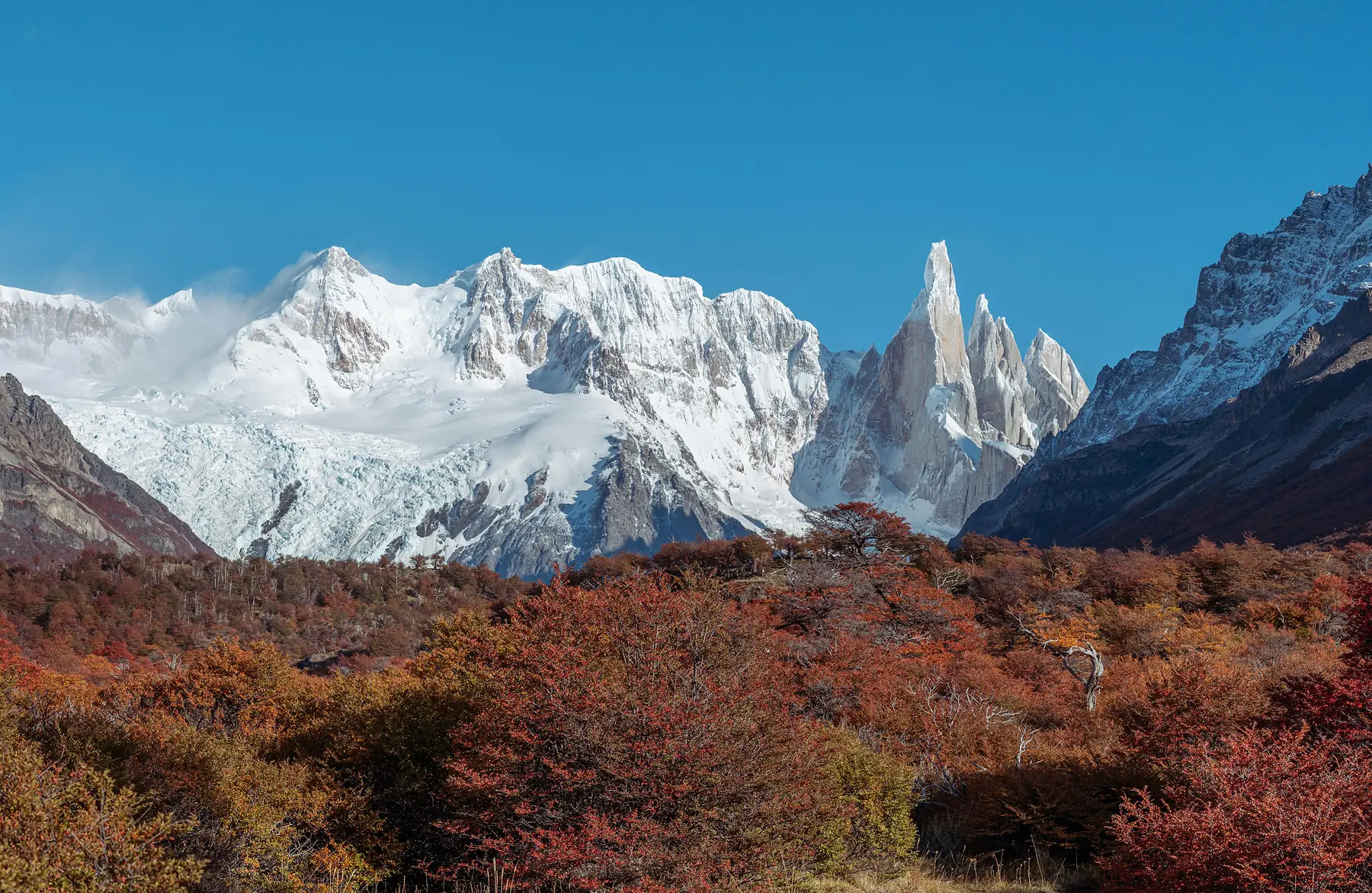
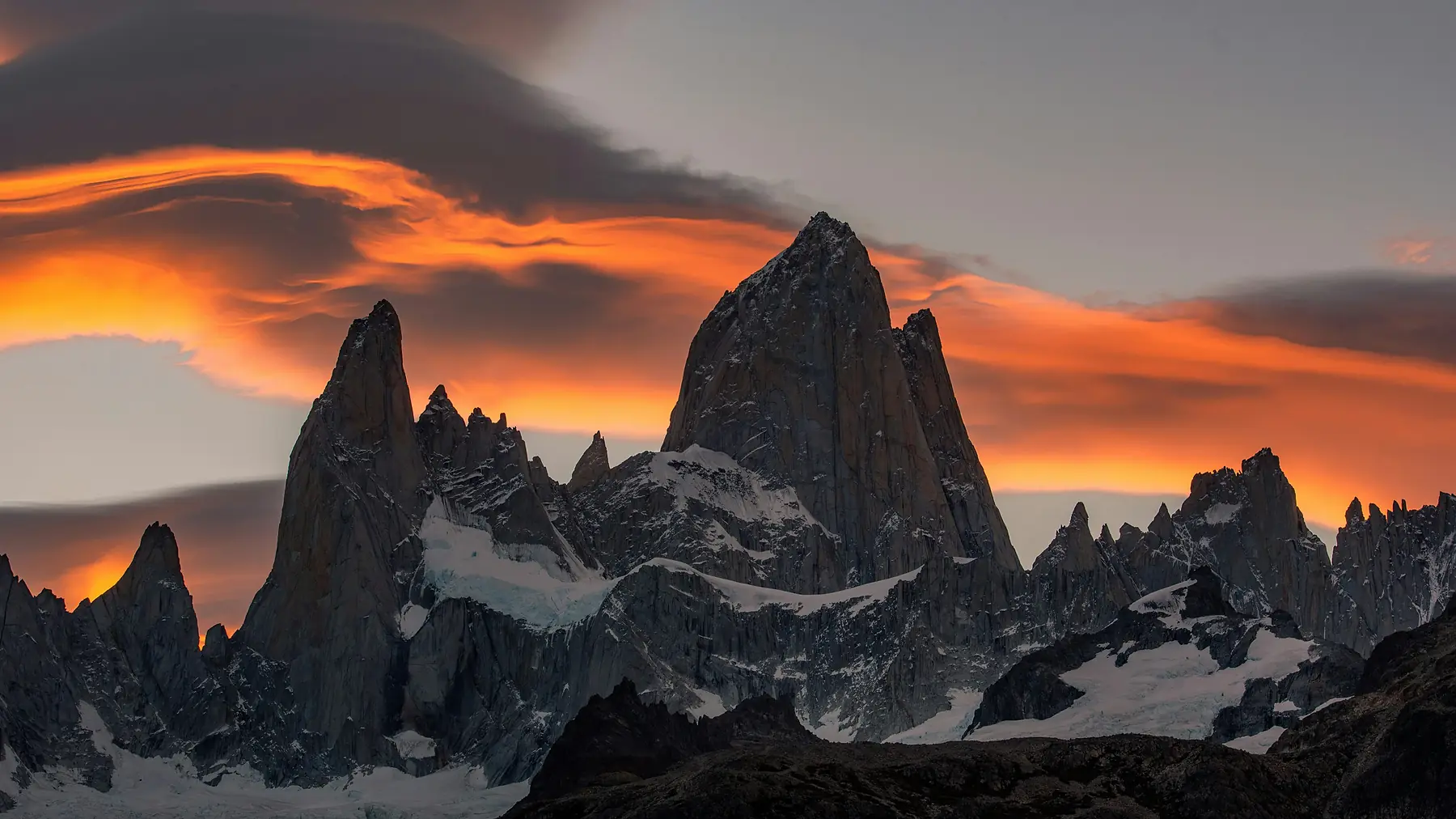
Lace up your boots for your first major alpine trek. The trail to Laguna Torre begins right from the western edge of the town centre. This 18-kilometre round-trip hike is the perfect opening trek because its elevation profile is relatively gentle for the first two-thirds, following the natural contours of the Fitz Roy River valley through forests of native lenga and ñire beech trees, before a steeper final push to the glacial moraine. The total elevation gain is approximately 500 metres.
Keep your ears tuned for a rhythmic hammering sound in the forest sections. This is the hallmark of the Magellanic woodpecker, the largest woodpecker in South America. Males sport a striking crimson head and crest; females are mostly black with a distinctive recurved crest. They frequently forage for grubs along the lenga beech trunks — listen before you look.
The trail climbs steadily toward a rocky glacial moraine that marks the edge of Laguna Torre. From this shoreline, you look across a grey lake filled with floating ice fragments toward the sheer, needle-like granite obelisk of Cerro Torre and its surrounding glaciers. After a lakeside lunch, retrace your steps back down the valley to town.
Day 4: Flexible Weather and Active Buffer Day
This day is placed at the absolute core of your week to serve as a critical weather insurance policy. If your first choice of trail is blocked by mountain storms, this day prevents your itinerary from collapsing.
If the weather is foul or your legs need physical recovery after yesterday’s mileage, use today to explore the town’s excellent bakeries, microbreweries, and gear shops. If you want to stay active without logging heavy vertical elevation, choose from a selection of low-impact, short walks:
Chorrillo del Salto: A flat, easy 4-kilometre walk north of town along a forested track that leads to a beautiful 20-metre waterfall hidden in a rocky canyon.
Mirador de los Cóndores: A short, steady climb starting from the park ranger station that leads to a panoramic overlook above the entire village, where Andean condors frequently ride the thermal updrafts at eye level. The round trip covers just 2.6 kilometres and takes about an hour.
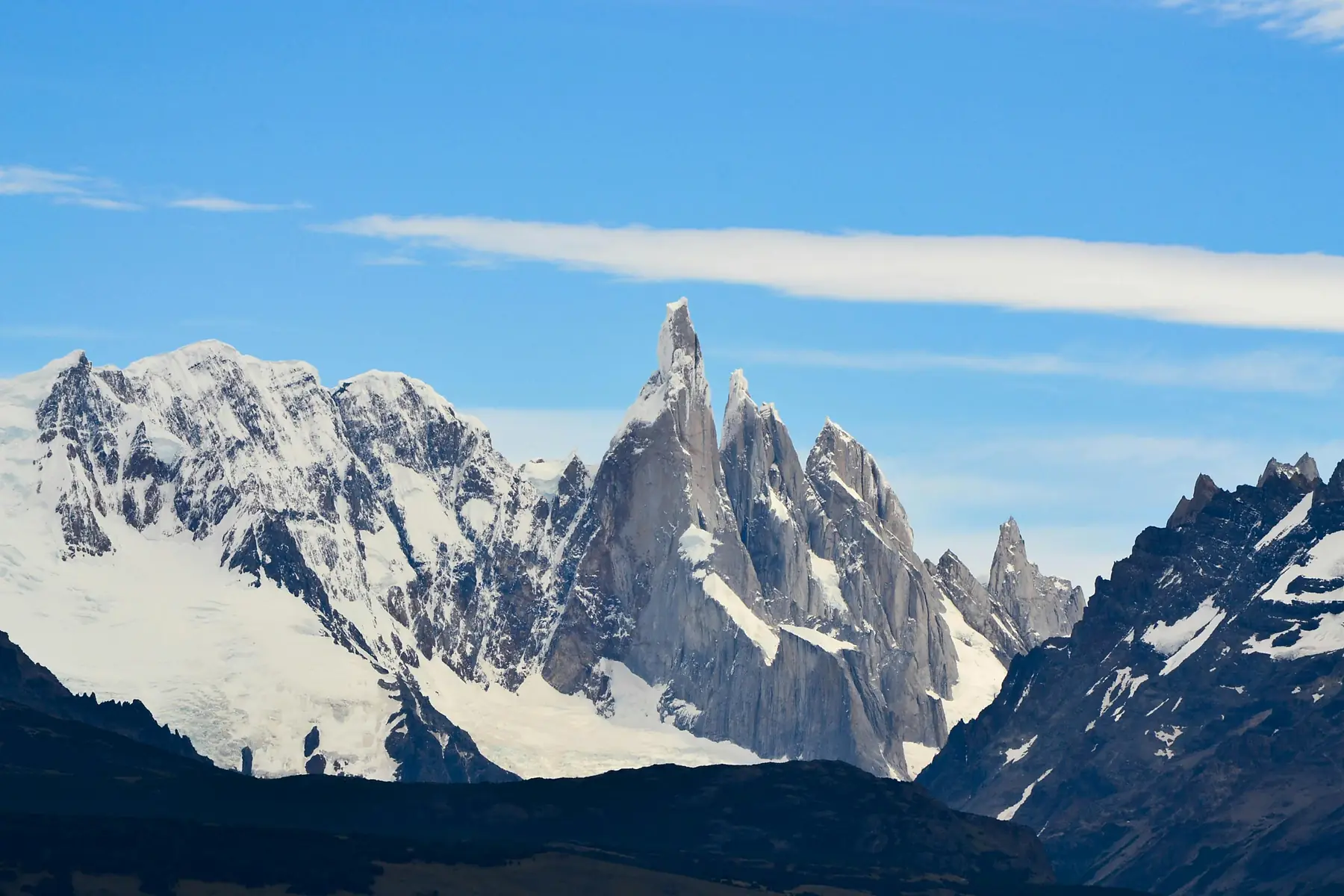
Day 5: Laguna de los Tres — The Fitz Roy Peak
This is the hardest, longest, and most rewarding trekking day of your week. Your goal is to climb to the classic base lake directly beneath the vertical wall of Mount Fitz Roy. Because the final section of this trail is completely exposed to high alpine winds and scree conditions, you must deploy this hike on the clearest, calmest day of your stay.
The final kilometre to Laguna de los Tres involves a steep, relentless climb up a rocky ridge with 400 metres of elevation gain on loose scree. Check the wind and weather forecast the night before. If Day 5 looks stormier than Day 4, swap these two days completely. Trekking poles are strongly recommended, and the descent on tired legs is where most trail injuries happen.
Start early to maximise your daylight hours. The trail spans approximately 25 kilometres round trip with roughly 850 metres of total elevation gain. To save your energy and avoid repetitive terrain, book a morning shuttle van from town to the El Pilar trailhead and begin your hike from the north. This route follows the Blanco River through a quiet valley, passes beneath the hanging glaciers of Piedras Blancas, and joins the main trail system at Campamento Poincenot.
Starting from the El Pilar trailhead rather than walking out and back from town saves you several kilometres of flat, repetitive terrain and lets you approach Fitz Roy through the less-frequented Blanco River valley. Shuttle vans run daily from El Chaltén and cost a few dollars each way.
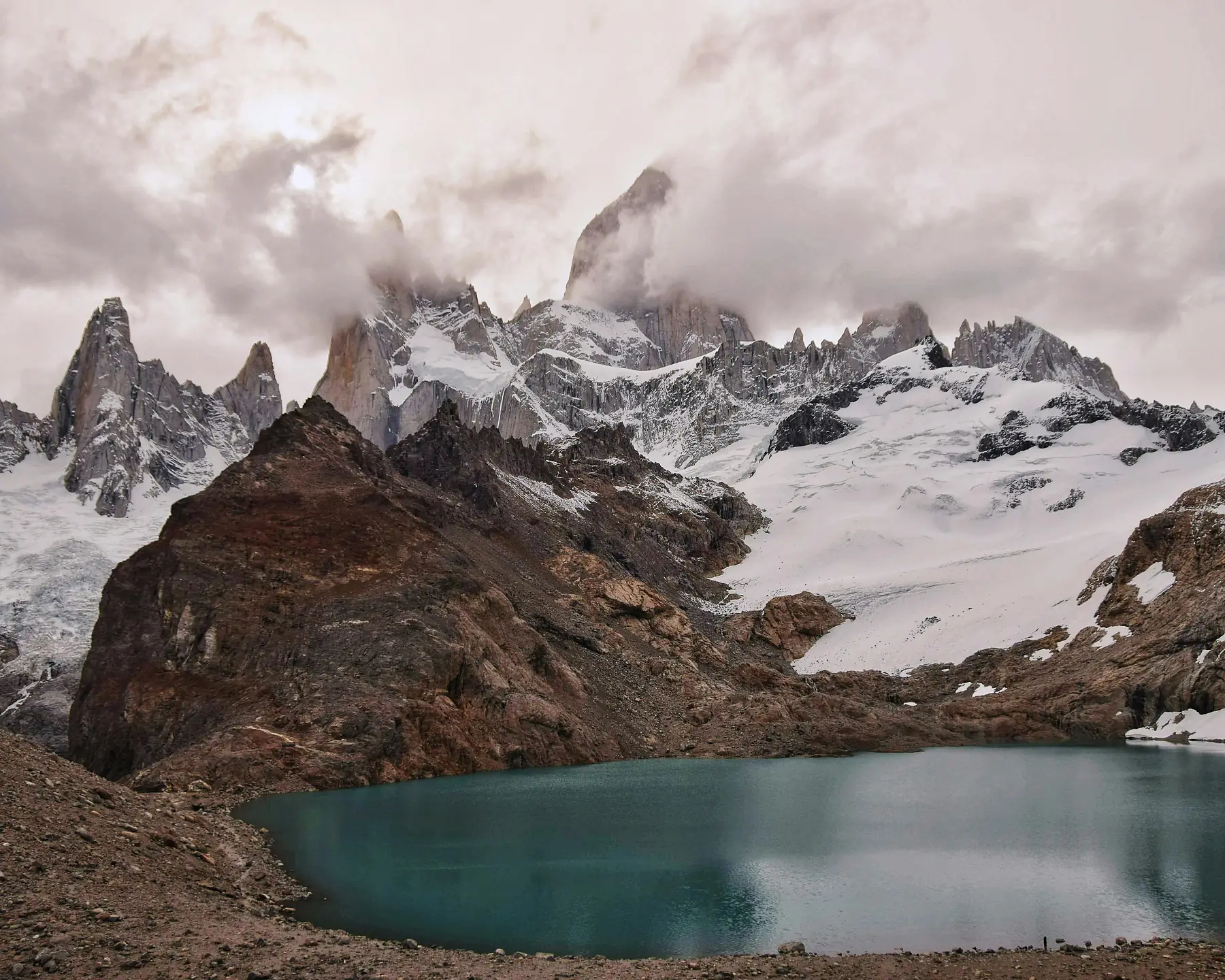
From Poincenot, you face the crux of the climb: a steep, relentless 1-kilometre scramble up a rocky ridge that gains 400 vertical metres. Take slow, rhythmic steps and use trekking poles for stability on the loose rocks. As you clear the final crest, the deep blue waters of Laguna de los Tres appear, sitting directly beneath the granite peaks of Mount Fitz Roy.
Day 6: Backup Hiking Block or Recovery Day
Your final full day in the mountains offers maximum flexibility depending on your remaining physical energy and the weather conditions. You can tailor this block to complete any vistas you may have missed earlier in the week due to shifting weather fronts.
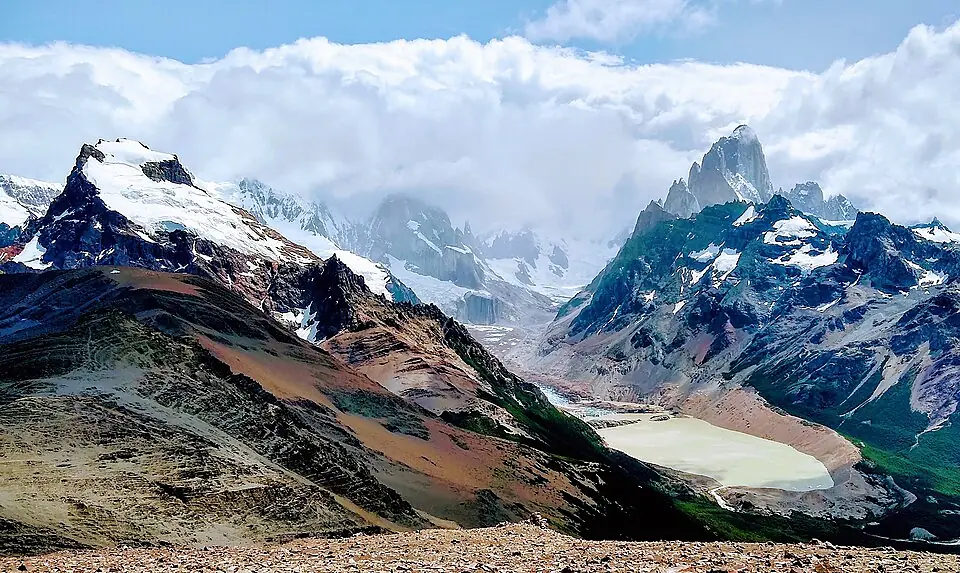
If your legs are feeling strong and the skies are clear, tackle the trail to Loma del Pliegue Tumbado. This 20-kilometre round-trip hike climbs steadily south of town through open alpine meadows, gaining approximately 1,100 metres of elevation. Clearing the high, wind-blasted scree ridge grants you a complete 360-degree panoramic view of both the Fitz Roy and Cerro Torre valleys simultaneously. If your body is spent from yesterday’s climb, spend today relaxing along the gravel banks of the Río de las Vueltas valley or enjoying long lunches in the town’s microbreweries.
Day 7: Return to El Calafate and Departure
Your week concludes with a morning 3-hour public bus transfer from the El Chaltén terminal directly back to the airport terminal in El Calafate.
Book a bus departure that leaves town at least 5 to 6 hours prior to your scheduled flight time to account for any unexpected high-wind traffic delays across the steppe. If you are connecting from your domestic El Calafate flight to a long-haul international flight home out of Buenos Aires, it is highly recommended to build an extra overnight stay in Buenos Aires. This buffer night ensures that a typical Patagonian transit delay will not cause you to miss your international connection home.
Board your domestic flight back north to Buenos Aires, completing your fast-paced, high-impact loop through the heart of Patagonia’s mountain kingdom.
Practical Notes and Variations
Packing Efficiency for a One-Week Timeline
Because you are moving quickly between buses, hotels, and day trails, do not pack heavy, expedition-scale backpacking gear. You do not need to carry tents, sleeping bags, or multi-day cooking stoves, as you return to comfortable town lodges every single evening.
Focus instead on a technical day-hiking system. A high-quality, breathable waterproof shell jacket and a packable down mid-layer are non-negotiable items; they act as your primary shields against rapid temperature drops and sudden wind gusts on the exposed alpine ridges. For footwear, a sturdy, broken-in pair of mid-cut hiking boots or waterproof trail runners with deep traction is ideal for handling the rocky steps and loose scree slopes of the main valley trails.
El Chaltén has excellent gear shops where you can easily rent trekking poles, waterproof overpants, and premium gaiters for a small daily fee. Plan to rent your heavy trail accessories once you arrive in the mountains, keeping your main luggage light for the domestic flight.
If You Have 10 Days
The single best extension to this itinerary is to add two or three extra nights in El Chaltén. Extra days provide meaningful insurance against the notorious mountain weather and allow you to add hikes like the trail to Lago del Desierto, a scenic lake near the Chilean border, or a day trip to an estancia on the outskirts of the park. If the weather cooperated perfectly during your original week, use the bonus days to revisit Laguna de los Tres at sunrise or explore the quieter northern valley trails.
FAQ
Why choose El Chaltén over the W Trek for a one-week trip?
For a strict seven-day timeline, El Chaltén offers significantly more flexibility than the W Trek in Torres del Paine. The W Trek requires advance booking of refugios or campsites months ahead, follows a fixed linear route, and commits you to 4 to 5 consecutive days on the trail regardless of weather. In El Chaltén, you base yourself in a comfortable town with restaurants and lodges, choose your trail each morning based on the weather forecast, and can swap rest days and hiking days dynamically. If a storm rolls in, you lose a cafe day, not a critical trail section.
How physically demanding is this 7-day itinerary?
This itinerary requires a moderate-to-high level of fitness. The most demanding day is the Laguna de los Tres hike, covering approximately 25 kilometres with 850 metres of elevation gain, including a steep final scramble on loose scree. The Laguna Torre hike is 18 kilometres with around 500 metres of gain on gentler terrain. The rest of the itinerary involves short walks, glacier viewing from boardwalks, and bus transfers. If you are comfortable hiking 20 kilometres in a day on uneven terrain, you have the fitness for this trip.
What is the best time of year for a one-week hiking trip to El Chaltén?
The optimal window is November through March. November and early December offer the longest daylight hours with fewer crowds, though temperatures are cooler and the wind can be intense. January and February are the warmest months and the peak of tourist season, meaning busier trails but more stable conditions overall. March brings autumn colours to the lenga forests and smaller crowds, but shorter days. For a one-week trip where weather flexibility is limited, January or February gives you the best statistical chance of clear summit views.
Do I need to book accommodation in El Chaltén in advance?
Yes, especially during peak season from December through February. El Chaltén is a small village with limited accommodation, and the best cabañas, hostels, and guesthouses sell out months ahead. Budget travellers should book hostels at least 2 to 3 months in advance. If you prefer a private cabaña with a kitchen, book 4 to 6 months ahead for peak season dates. Outside of peak season, you can often find availability a few weeks out, but the selection narrows significantly.
Can I do this itinerary without renting a car?
Yes, this entire itinerary is designed around public transport and shared transfers. Regular bus services connect El Calafate airport to the town centre, Perito Moreno Glacier day tours include hotel pick-up, and multiple daily coaches run the El Calafate to El Chaltén route. Within El Chaltén, every major trailhead is accessible on foot directly from the village centre or via a short shuttle van to El Pilar. A rental car offers no meaningful advantage for this specific route.
What happens if the weather is bad for my entire stay in El Chaltén?
Extended bad weather is the reality of Patagonian trekking, but a complete washout for four consecutive days is uncommon during the November-to-March season. The itinerary includes a dedicated buffer day (Day 4) specifically for this scenario. If conditions remain poor, the lower-altitude forest walks to Chorrillo del Salto and through the Río de las Vueltas valley are still rewarding in cloud cover. The Laguna Torre trail is also far more forgiving in marginal weather than the exposed Laguna de los Tres climb, so you can often complete at least one major hike even in an unlucky weather window.
Should I build an extra night in Buenos Aires before flying home?
It is highly recommended, especially if connecting to a long-haul international flight. High winds occasionally delay or cancel regional flights out of El Calafate, and the 3-hour bus transfer from El Chaltén adds another variable. An overnight buffer in Buenos Aires costs relatively little and eliminates the risk of missing an expensive international connection. Use the evening to enjoy a steak dinner in Palermo or San Telmo before heading home.