
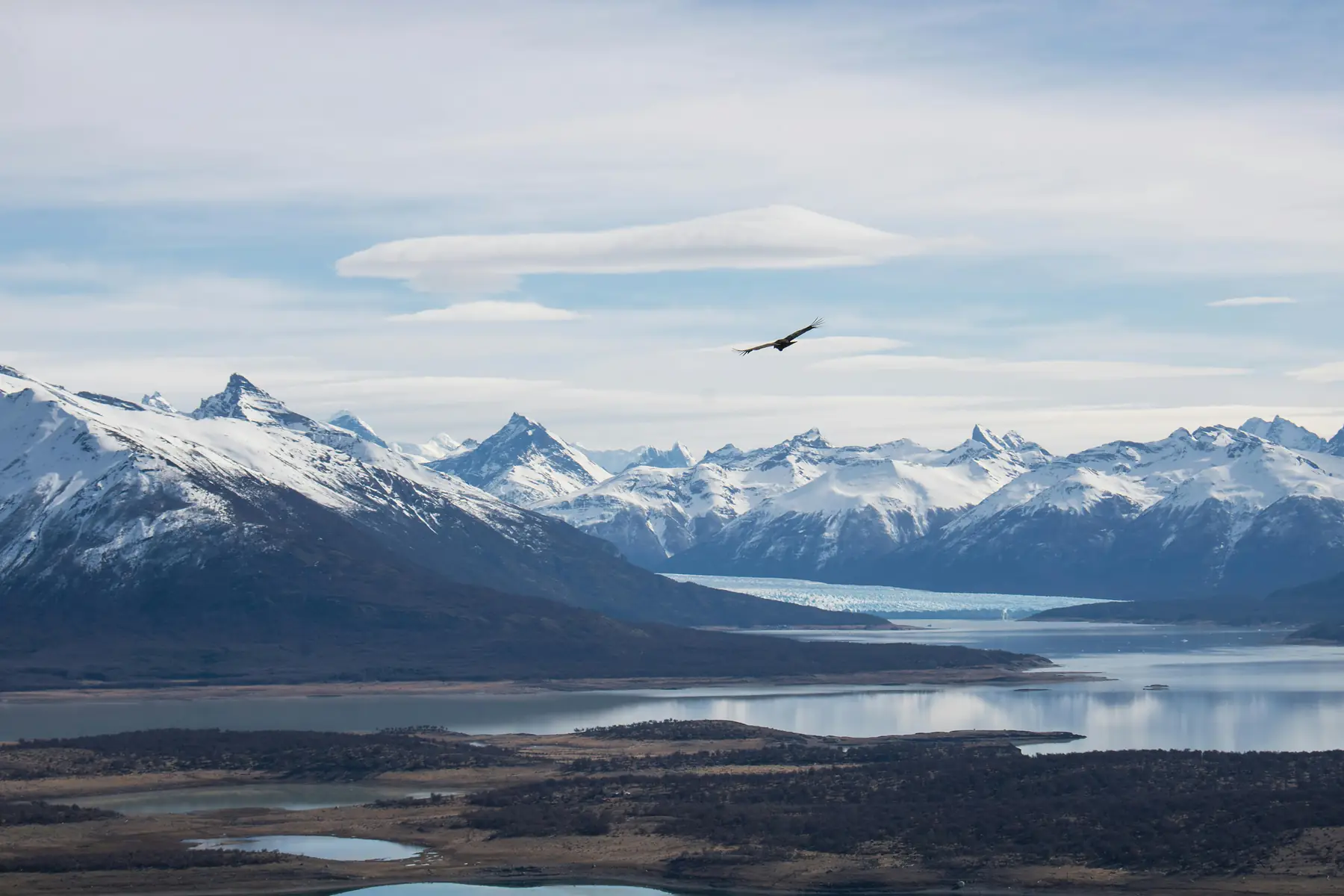
Patagonia is a landscape of the mind as much as it is a physical destination. For over a century, this wind-scoured tip of South America has inspired a library of travel literature that rivals any other region on Earth, from the surrealist fiction of Argentinian masters to the gritty survival accounts of shipwrecked sailors.
If you are planning a trip to Patagonia, choosing the right reading list is the most effective way to transform a series of mountain views into a deep understanding of one of the world’s last true wildernesses. This guide curates the 35 essential volumes for the 2026 traveler, categorized by interest and including the most recent guidebook releases to ensure your logistics are as sharp as your historical context.
To help you decide where to start, here is a quick-reference guide for different traveler profiles:
- Primary Read: In Patagonia by Bruce Chatwin (Literary Wanderer)
- Primary Read: Trekking in the Patagonian Andes - Cicerone (High-Intensity Trekker)
- Primary Read: The Wager by David Grann (History Buff)
- Focus: Prose, atmosphere, and local legends (Literary Wanderer)
- Focus: Topographic maps, elevation, and camp logistics (High-Intensity Trekker)
- Focus: Shipwrecks, indigenous history, and exploration (History Buff)
- Best For: Long bus rides and evening wine in El Calafate (Literary Wanderer)
- Best For: Planning the O Circuit or W Trek (High-Intensity Trekker)
- Best For: Understanding the rugged Aysén and Tierra del Fuego regions (History Buff)
Most travelers should start with Chatwin for flavor, but carry the latest Moon or Cicerone guide for facts.
The “Big Three” Travel Classics
The English-speaking world’s obsession with Patagonia largely stems from three foundational books. These works defined the region’s identity as a place of exile, myth, and extreme isolation.
In Patagonia by Bruce Chatwin (1977) This is the “Bible” of Patagonian travel. Chatwin’s prose is sparse, rhythmic, and haunting. He arrived in the 1970s searching for a piece of “brontosaurus skin” (actually a giant sloth) and stayed to record the stories of the eccentric exiles who populated the steppe. While its factual accuracy is often debated, its ability to capture the feeling of the wind and the vastness of the horizon is unmatched.
The Old Patagonian Express by Paul Theroux (1979) Theroux’s account of his journey from Boston to Esquel by train is famously “grumpy,” but it provides a vital snapshot of South America in the late 1970s. His descriptions of the transition from the lush tropics to the desolate plateau of northern Patagonia remain some of the best travel writing in the canon.
Uttermost Part of the Earth by E. Lucas Bridges (1948) If you only read one book before visiting Tierra del Fuego, make it this one. Bridges was the son of Anglican missionaries and grew up among the Selk’nam and Yaghan people. His account is a rare, respectful, and deeply detailed record of indigenous cultures that were largely destroyed shortly after his writing. It is an essential primary source for understanding the southern tip of the continent.
While Chatwin’s In Patagonia is a masterpiece, treat it as a work of “creative non-fiction.” Many of the locals he interviewed later claimed he embellished their stories for dramatic effect. Read it for the atmosphere, not as a historical record.
Best Patagonia Guidebooks for 2026/27
Logistics in Patagonia changed significantly in the mid-2020s, with new reservation systems for national parks and shifting transport hubs. You need resources that reflect the current reality for your 2026 trip.
Moon Patagonia (Latest Edition) The Moon guide remains our top recommendation for regional depth. It excels in covering the Carretera Austral and the Aysén region, providing context that goes beyond just “where to sleep.” The current edition includes updated information on the rewilding projects in Patagonia National Park and remains the most comprehensive resource for the 2026/27 season.
Lonely Planet Chile & Argentina (Latest Editions) For those doing a broader South American loop, the current Lonely Planet editions remain the standard for transport logistics. They are particularly useful for navigating the border crossings between El Calafate and Puerto Natales, which have seen frequent schedule changes in recent years.
Cicerone: Trekking in the Patagonian Andes This is the “gold standard” for anyone planning the O Circuit or the logistics for the W Trek. Unlike general guidebooks, Cicerone focuses exclusively on the trail. It provides high-quality topographical maps, detailed elevation profiles, and camp-to-camp breakdowns that are more reliable than most free maps provided at park entrances.
If you are ready to move from dreaming to logistics, these are the essential planning volumes for 2026:
History, Shipwrecks, and Exploration
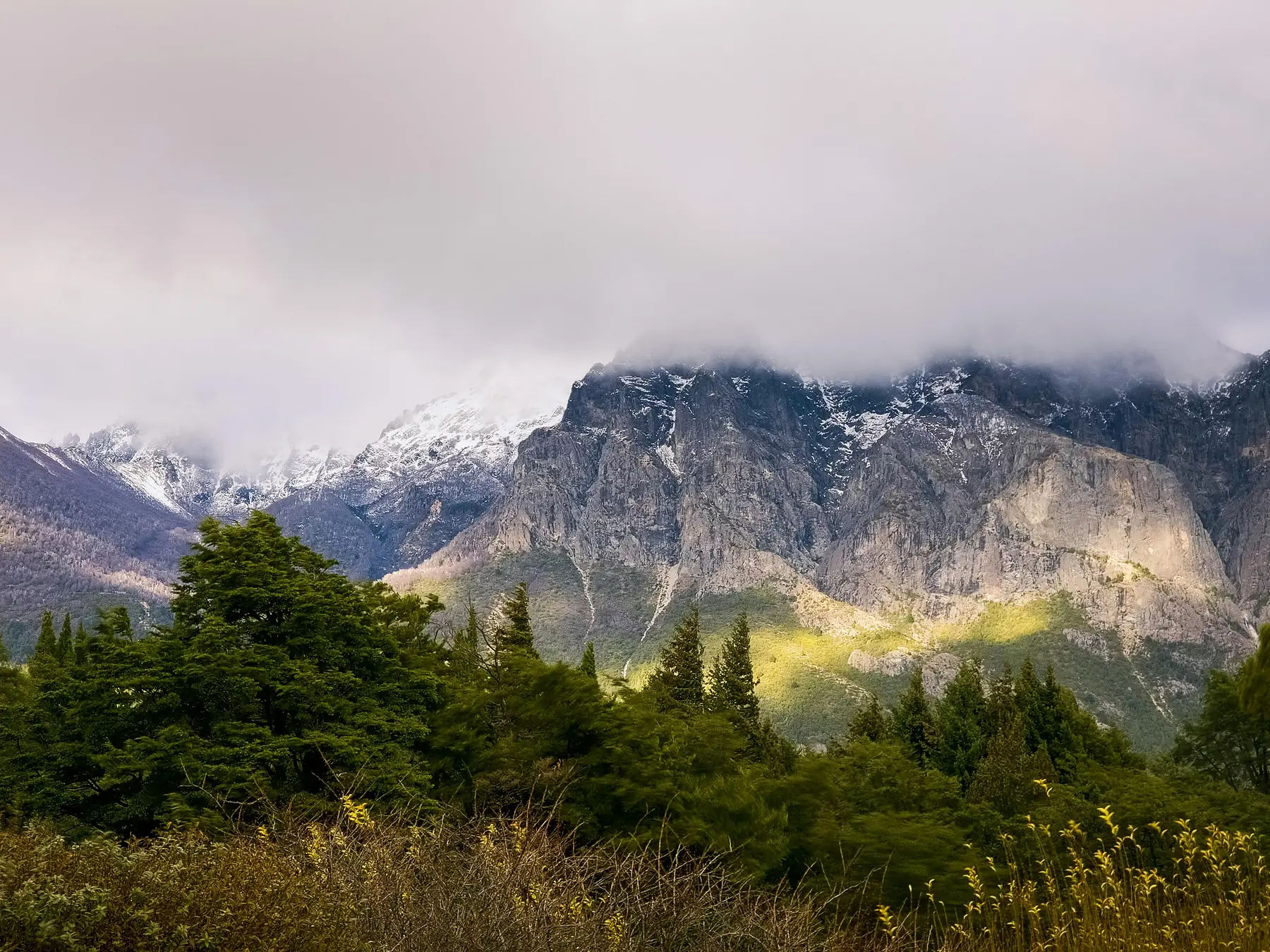
The history of Patagonia is written in salt and granite. The region’s coastlines are among the most dangerous in the world, a fact that has shaped its human history for five centuries.
The Wager by David Grann (2023) Grann’s recent bestseller tells the harrowing true story of the HMS Wager, which was wrecked on a desolate island in the Chilean Fjords in 1741. It is a masterclass in narrative history, detailing mutiny, starvation, and the incredible survival of a handful of men against the backdrop of the Aysén region’s most brutal weather.
The Voyage of the Beagle by Charles Darwin While it covers his entire global journey, Darwin’s sections on Patagonia are revelatory. His observations of the Santa Cruz River and his interactions with the people of Tierra del Fuego provide the intellectual foundation for what would later become the theory of evolution.
Magellan’s Voyage by Antonio Pigafetta As the chronicler for Ferdinand Magellan, Pigafetta provided the first European account of Patagonia in the 1520s. He is responsible for the myth of the “Patagonian Giants,” claiming the locals were so tall that the Spaniards only reached their waists. It is a fascinating look at the first contact between Europe and this “end of the world.”
Nature Writing and Wildlife Guides
Identifying the flora and fauna of the Andes and the steppe adds a layer of richness to every hike. These guides are the best companions for your binoculars.
A Wildlife Guide to Chile by Sharon Chester Despite the title, this is the most comprehensive field guide for the entire region, including Argentinian Patagonia. It remains widely available and is small enough to fit in a daypack, covering everything from the Andean Condor to the elusive Huemul deer.
Path of the Puma by Jim Williams For those tracking the region’s apex predator, this book is essential. Williams, a conservation biologist, details the life cycle of the mountain lion and the complex efforts to protect them in a landscape shared with sheep ranchers. It provides a modern perspective on the “rewilding” of Patagonia.
The Whispering Land by Gerald Durrell A lighter, wittier take on Patagonian nature. Durrell traveled through Argentina in the late 1950s to collect animals for his zoo, and his descriptions of penguin colonies and fur seal rookeries are both hilarious and deeply observant.
Field guides can be heavy. If you are hiking the O Circuit or W Trek, consider taking photos of the relevant pages or using a digital version to save weight in your pack.

Local Voices: Translated Fiction and Memoirs
To truly understand Patagonia, you must move beyond the observations of foreign travelers. Argentinian and Chilean writers offer a more surreal, political, and intimate view of their own backyard.
The Seamstress and the Wind by César Aira Aira is a master of Argentinian surrealism. This short novel, set in the pampas and the windswept plains, captures the psychological effect of the Patagonian landscape: how the constant wind can make reality feel fluid and strange.
False Calm by Maria Sonia Cristoff This is a haunting travelogue through the ghost towns of the Argentinian steppe. Cristoff explores the lives of people living in isolated oil towns and abandoned settlements, offering a stark contrast to the “pristine wilderness” narrative found in most guidebooks. It is an essential read for understanding the modern reality of Argentina.
Patagonia Express by Luis Sepúlveda Sepúlveda was a legendary Chilean activist and writer. This memoir is a collection of anecdotes and encounters from his travels through the south, told with a warmth and political edge that reflects the resilient spirit of the Patagonian people.
To better understand the cultural nuances and local terminology found in these texts, such as the life of the gaucho or the history of the estancia, consult our regional glossary.
Mountaineering and Adventure Memoirs
The granite spires of the south have long been the ultimate proving ground for the world’s best climbers. These books capture the obsession required to summit them.
Enduring Patagonia by Gregory Crouch Crouch provides a visceral account of climbing history in El Chaltén. He focuses on the “waiting game”: the weeks spent in damp tents waiting for a 24-hour window of clear weather to attempt Cerro Torre or Fitz Roy. It is the best book for understanding the mental toll of Patagonian mountaineering.
Land of Tempest by Eric Shipton Shipton was one of the greatest explorers of the 20th century. His accounts of four expeditions between 1958 and 1962, including crossings of the Northern Patagonian Ice Field, are legendary. He traveled light, often with just a few companions and basic gear, crossing glaciers that are still difficult to access today.
H.W. Tilman, 'Mischief in Patagonia'“The mountains of Patagonia… have a reputation for foul weather that is well-earned. It is a land where the wind is the master.”
Photography and Coffee Table Books
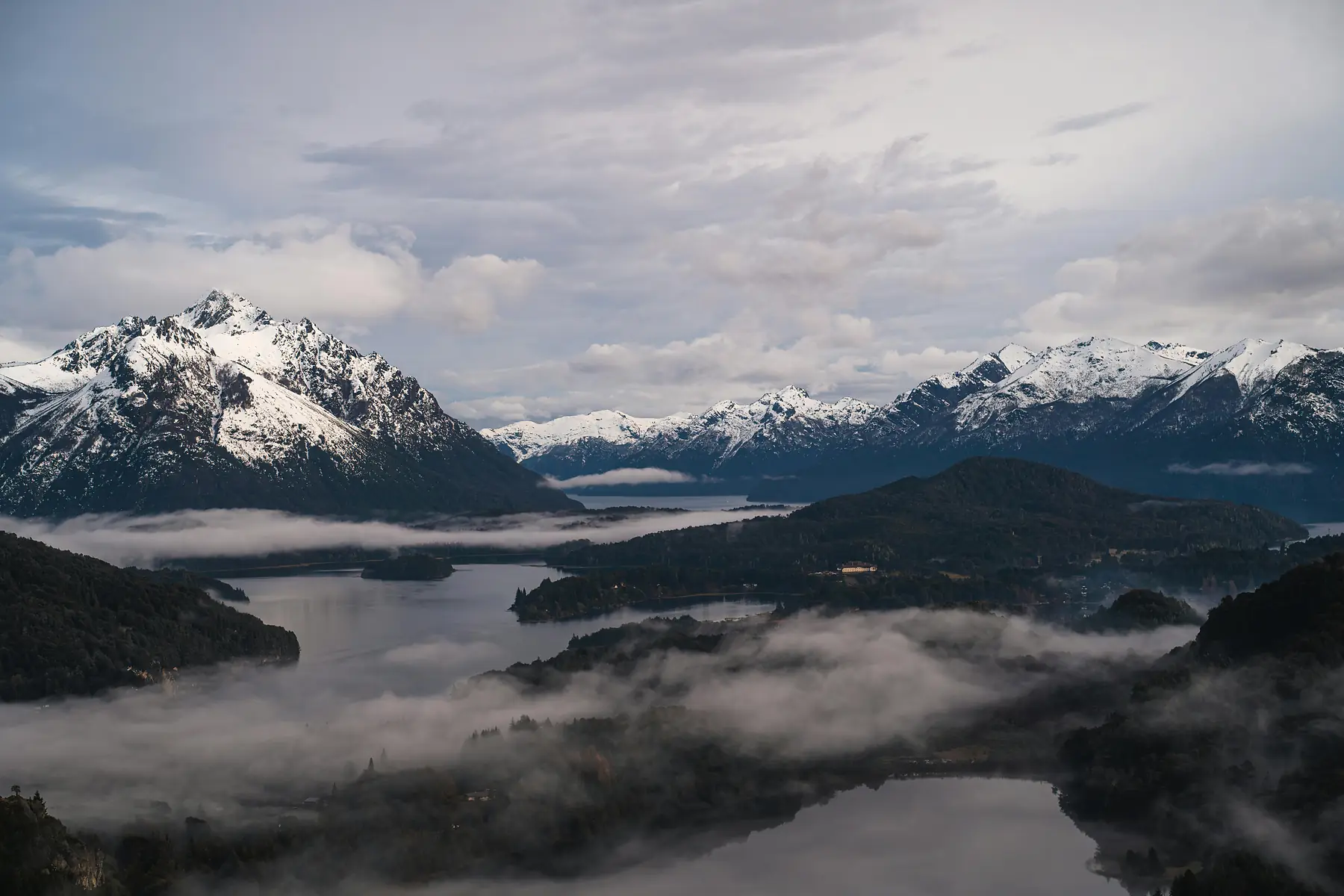
If you are in the “dreaming” phase of your trip, these visual volumes offer the best window into the landscapes you are about to visit.
Patagonia National Park: Chile by Linde Waidhofer Waidhofer’s photography celebrates the rewilding projects in the Aysén region. Her work captures the transition of former ranchlands back into a thriving ecosystem of grasslands and peaks.
Patagonia: The Last Wilderness by Axel Bos This large-scale book focuses on the sheer scale of the landscape. From the calving face of the Perito Moreno Glacier to the hidden valleys of Tierra del Fuego, Bos’s images are the perfect inspiration for your own photographic journey.
Before you set off to see these landscapes for yourself, ensure you are prepared for the conditions that inspired these writers.
If you prefer to see these landscapes in motion, you can also explore our guide to the Best Patagonia Documentaries.
FAQ
What is the best book about Patagonia for first-time visitors?
Bruce Chatwin’s In Patagonia remains the quintessential read for its evocative prose, though modern travelers should also pair it with the latest Moon or Lonely Planet guidebook for practical planning.
Is Bruce Chatwin’s ‘In Patagonia’ a true story?
While based on his real travels, many locals and historians have pointed out that Chatwin took significant creative liberties with facts and characters, making it more of a “landscape of the mind” than a literal travelogue.
Which book about Patagonia history covers the indigenous people best?
The Uttermost Part of the Earth by Lucas Bridges offers an unparalleled first-hand account of the Selk’nam and Yaghan people of Tierra del Fuego.
Are there any 2026 Patagonia guidebooks available?
As of early 2025, the most current editions are the 2023/24 releases from Moon and Lonely Planet. These remain the standard for 2026 planning as they cover post-pandemic logistics and current park regulations.
What is the best book about climbing in Patagonia?
Enduring Patagonia by Gregory Crouch is widely considered the best account of the mental and physical toll of climbing the granite spires of El Chaltén.
What should I read before hiking the W Trek in Torres del Paine?
The Cicerone guide Trekking in the Patagonian Andes is the most detailed resource for trail maps and camp-to-camp logistics on the W Trek.