
Where to See Wildlife in Patagonia: The 12 Best Locations
Plan the ultimate Patagonia wildlife safari. Discover top spots across Chile and Argentina to view pumas, penguins, whales, and Andean condors.
The best wildlife spots in Patagonia are Peninsula Valdés for marine mammals and Torres del Paine National Park for pumas and Andean land species. While the region’s vast wilderness supports over 500 species of birds and mammals, these two primary hubs offer the most reliable sightings for travelers planning a nature-focused itinerary.
Patagonia is one of the world’s last great wildernesses, a place where guanacos often outnumber humans and the horizon is more likely to be broken by a soaring condor than a building. To plan a successful trip, you must first understand that Patagonia is not a single habitat. It is a massive territory divided into two distinct wildlife zones: the Atlantic Marine Coast of Argentina and the Andean Steppe and fjords of Chile and Argentina. This guide maps out the specific locations where you can encounter the region’s most iconic species in their natural environment. If you are looking for a broader look at the animals themselves, see our comprehensive guide to Patagonia wildlife.
Patagonia Wildlife Zones At-a-Glance
- Atlantic Coast: Best for Southern Right Whales, Orcas, and Elephant Seals.
- Andean Steppe: Best for Pumas, Guanacos, and Andean Condors.
- Southern Fjords: Best for King and Magellanic Penguins and Humpback Whales.
- Northern Forests: Best for Huemul (Andean Deer) and the Pudu.
The Wildlife Map: Understanding Patagonia’s Ecosystems
Planning a wildlife-focused route requires a mental model of three specific ecosystems. Most travelers mistakenly assume they can see everything in one park, but the “Complete Wildlife Circuit” actually spans thousands of kilometers.
The Atlantic Coast in Argentina is the undisputed domain of marine giants. This is where you find the highest concentrations of whales, orcas, and elephant seals. In contrast, the Andean Highlands and the vast eastern Steppe of Chile and Argentina are the home of the “Big Five” land animals, led by the puma. Finally, the Sub-Antarctic Islands and southern fjords serve as the kingdom of the penguins and rare marine otters.
A common logistical gap for travelers is the distance between these zones. To see both the marine life of the Atlantic and the predators of the Andes in a single 2026/27 season trip, you will likely need to fly between Trelew (near Peninsula Valdés) and El Calafate or Puerto Natales. For more on the specific species found in these zones, visit our wildlife overview.
Peninsula Valdés & Puerto Madryn: The Marine Life Capital
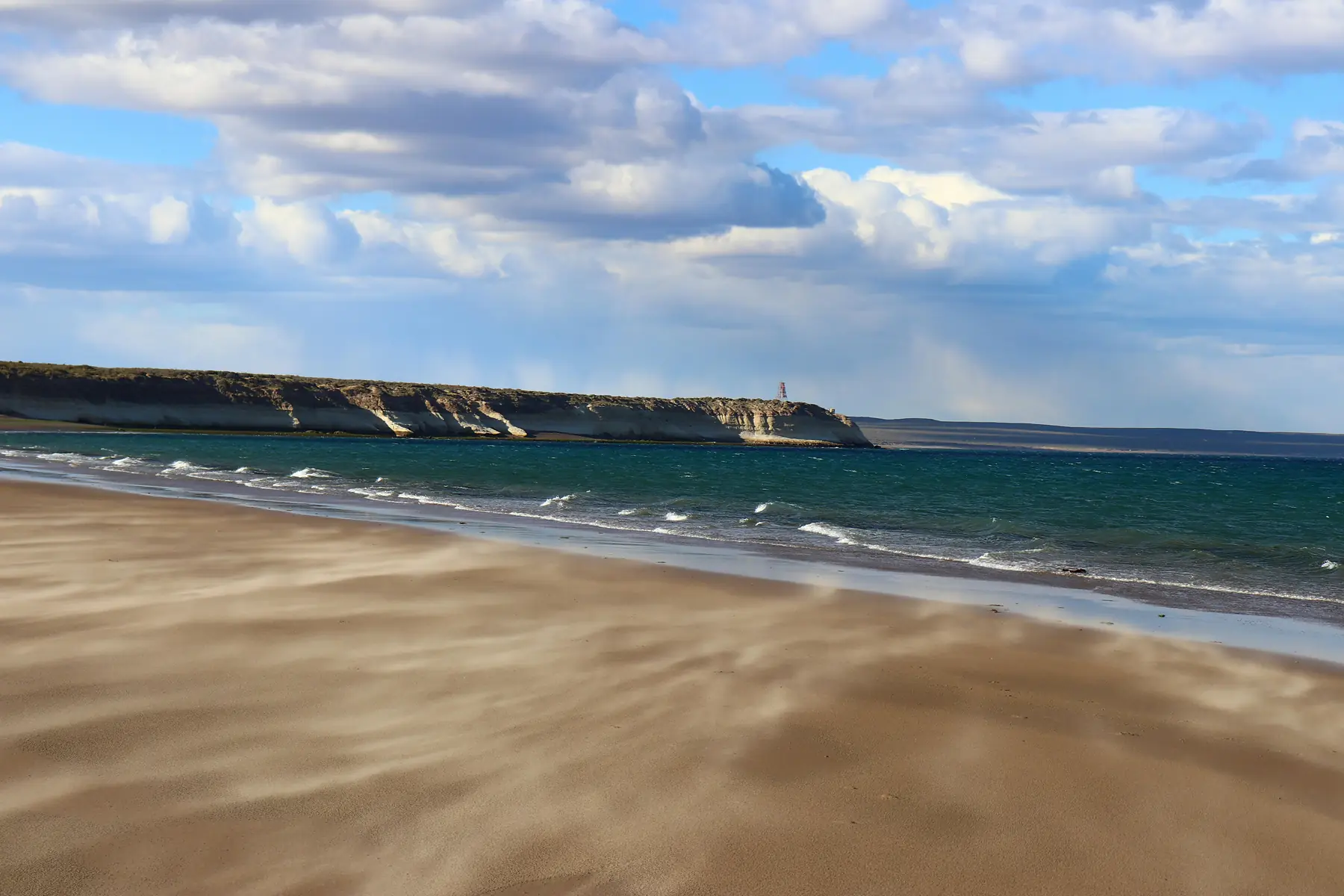
Peninsula Valdés is a UNESCO World Heritage site and the premier destination for marine life in South America. Its unique geography, characterized by the two protected gulfs of Golfo Nuevo and Golfo San José, creates a natural nursery for Southern Right Whales.
While the town of Puerto Madryn serves as the primary gateway, the wildlife action is concentrated on the peninsula itself. The Southern Right Whales arrive in June and stay through December, with peak viewing typically occurring between September and November. For those visiting in March or April, the northern point of the peninsula, Punta Norte, offers the chance to witness the “Orca Breach,” a unique hunting behavior where orcas intentionally beach themselves to hunt sea lion pups.
South of the peninsula lies Punta Tombo, which hosts one of the largest Magellanic penguin colonies on the planet. The sheer scale of the colony is difficult to grasp until you are walking the designated paths surrounded by hundreds of thousands of nesting burrows. For logistical details on reaching these sites, consult our Puerto Madryn destination guide. For more on the specific timing of whale and penguin arrivals, see our dedicated guides to whale watching and Patagonia penguins.
Torres del Paine: The Kingdom of the Puma
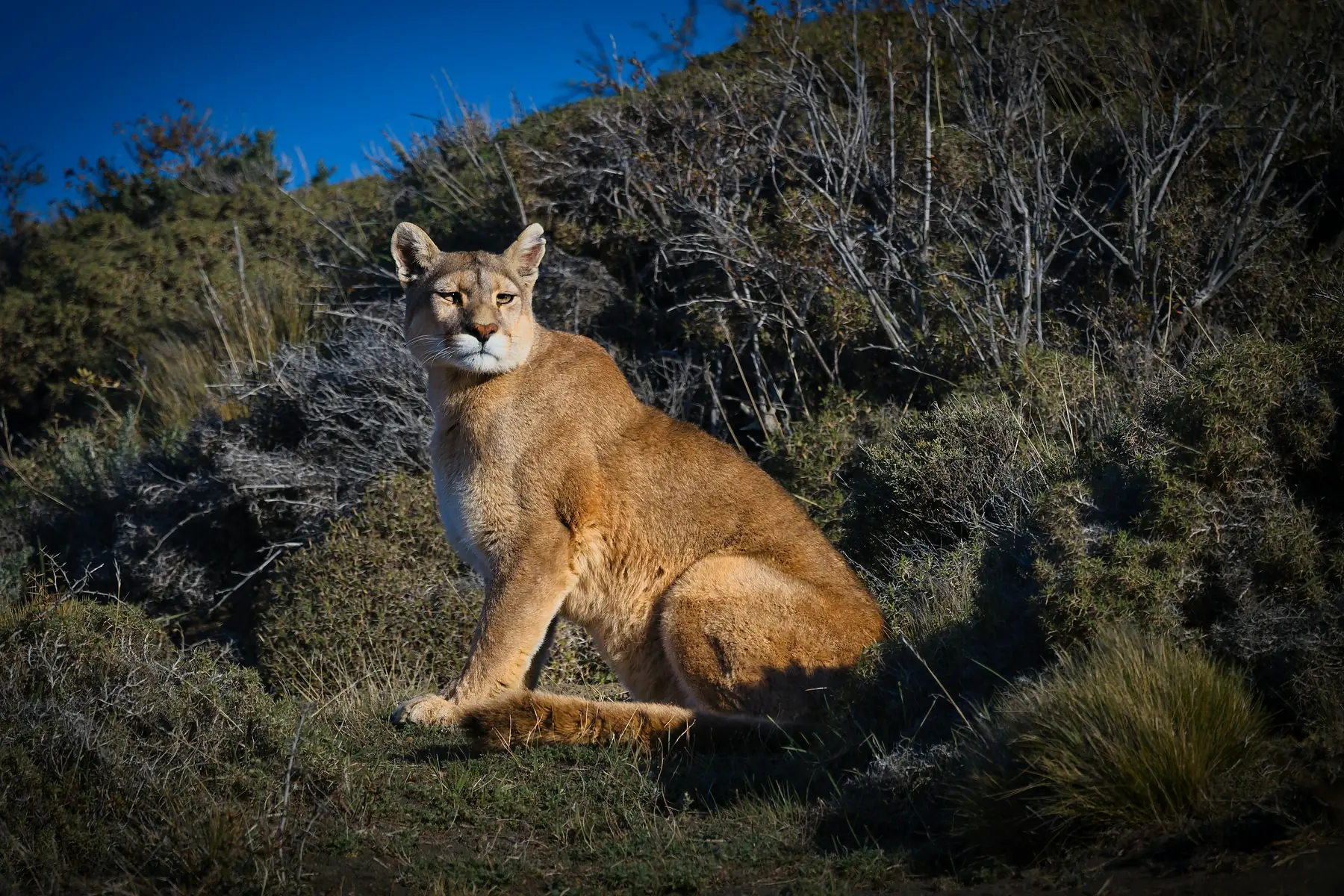
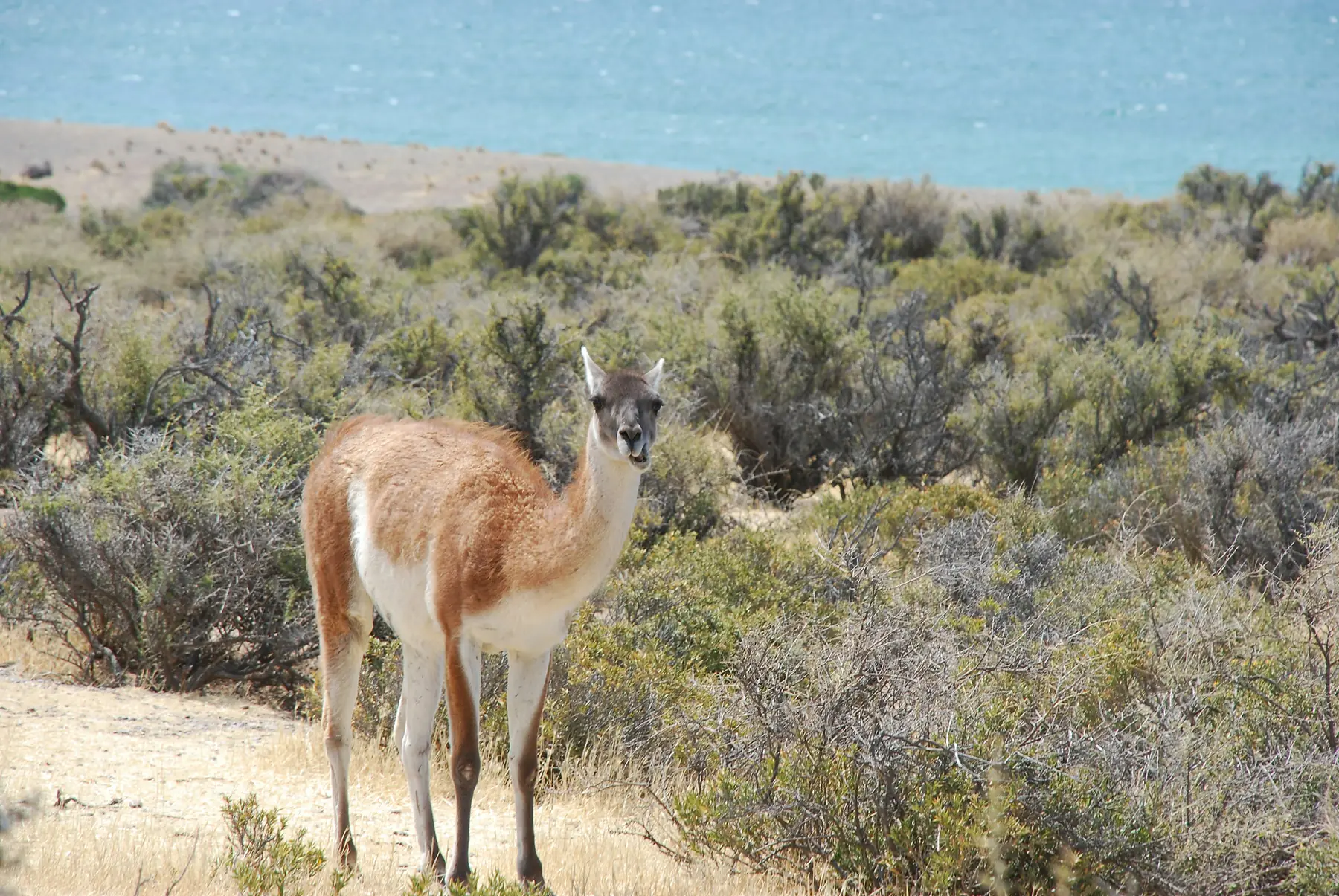
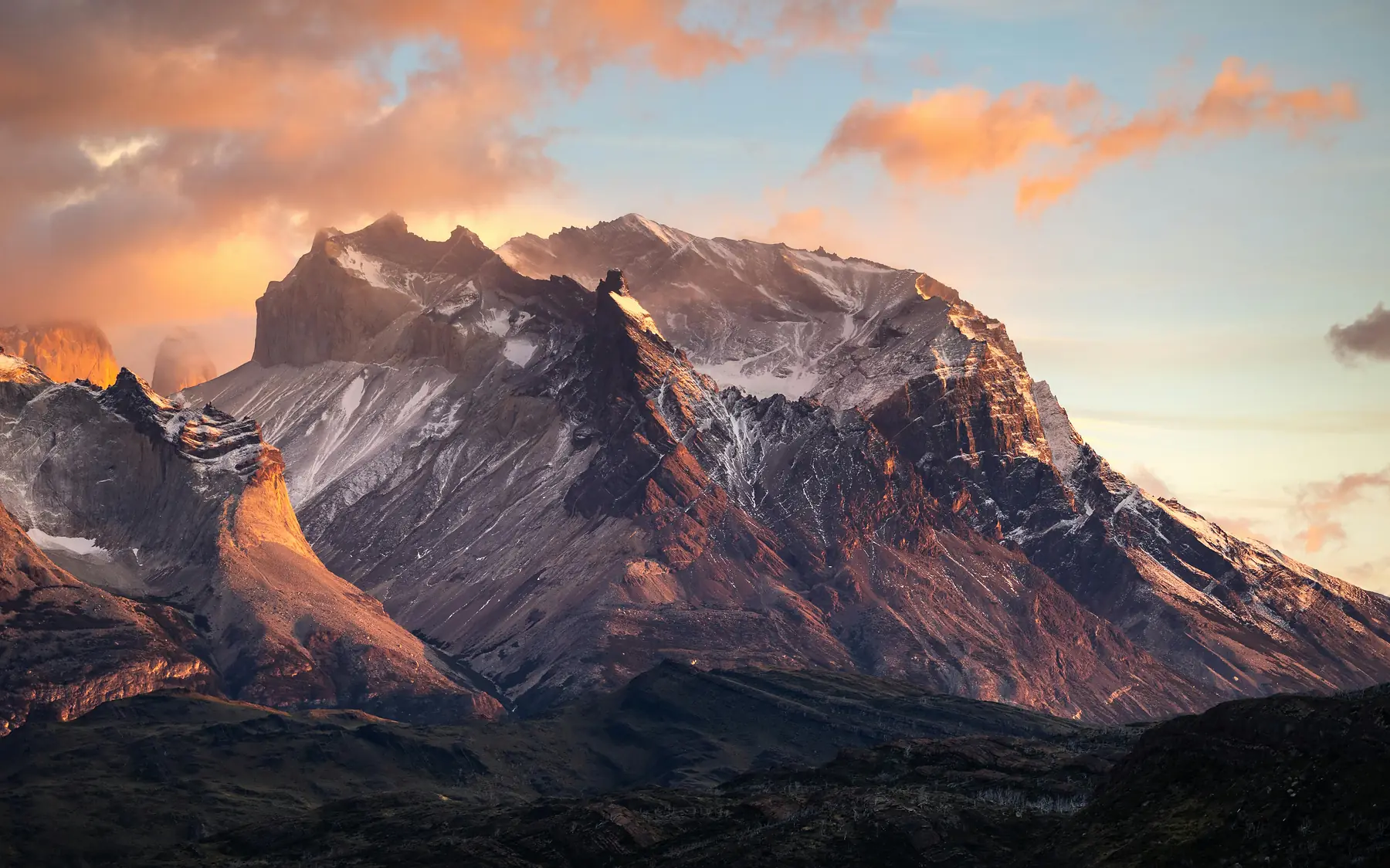
Torres del Paine National Park is the best place in the world to see pumas in the wild. The park’s protected status and the abundance of guanacos (their primary prey) have created an environment where these elusive cats are not only numerous but also habituated to the presence of quiet observers.
While the granite towers are the visual highlight, wildlife enthusiasts should focus on the park’s eastern sector. The “puma corridor” near Laguna Amarga and the Aonikenk trail offers the highest probability of sightings. Beyond the big cats, the park is the most reliable spot to check off the Andean “Big Five.”
The following guides provide the deep-dive information you need to track and identify the most iconic land species in the park:
The park also serves as a critical refuge for the endangered Huemul (Andean Deer), though these are more commonly found in the forested western sectors near Glacier Grey. Birdwatchers should keep their binoculars ready for Chilean Flamingos in the salt lagoons and Black-necked Swans in the more sheltered wetlands.
Tierra del Fuego: King Penguins and “The End of the World”
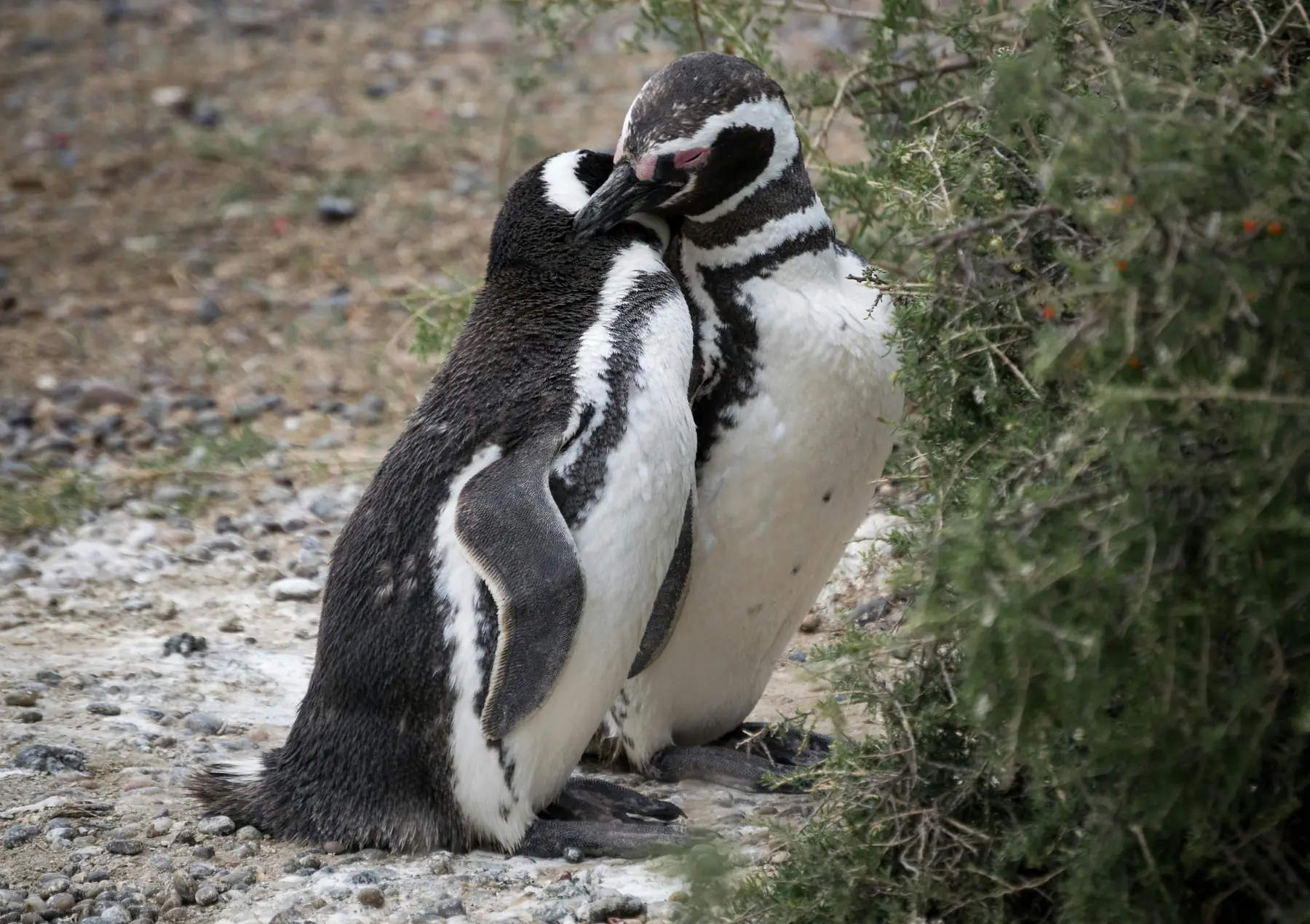
Tierra del Fuego offers a distinct sub-Antarctic wildlife experience. The archipelago is the only place in South America where you can visit a continental colony of King Penguins. This colony is located at Bahía Inútil (Useless Bay) on the Chilean side of the island. It is a remote but rewarding destination for those who want to see the world’s second-largest penguin species without traveling to Antarctica or South Georgia.
In the Argentine sector near Ushuaia, Martillo Island provides a rare opportunity to walk among Magellanic and Gentoo penguins. The island is accessible via specialized tours that depart from the Beagle Channel.
The Beagle Channel itself is a corridor for marine life. Boat trips from Ushuaia pass the Les Eclaireurs Lighthouse, where sea lions and Imperial Cormorants crowd the rocky outcrops. For more details on visiting these colonies, see our comprehensive penguin guide.
The Magellan Strait: Penguins and Humpback Whales
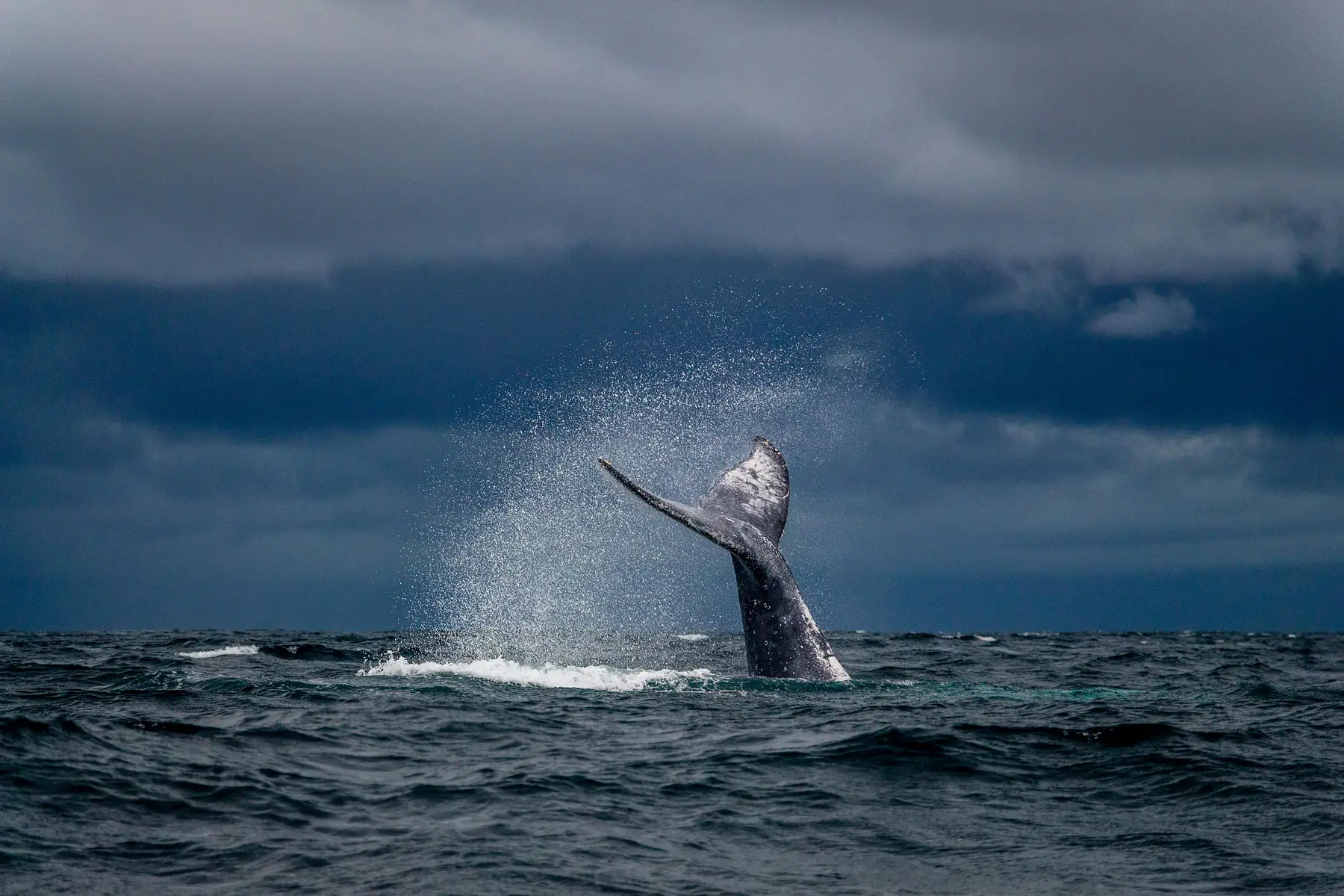
The waters surrounding Punta Arenas are a hotspot for marine biodiversity, particularly for those interested in the Magellanic penguin and the Humpback whale. Magdalena Island, located in the middle of the strait, is home to a colony of approximately 120,000 Magellanic penguins. A ferry or speedboat from Punta Arenas takes between 45 minutes and 2 hours to reach the island, where you can walk a marked trail to the lighthouse.
Further south lies the Francisco Coloane Marine Park. This was Chile’s first marine park and remains the best spot in the country for Humpback whale sightings between December and March. These whales migrate here to feed in the nutrient-rich waters before heading north.
If you are taking the ferry across the Magellan Strait to Tierra del Fuego, keep a close watch on the bow wave. This area is frequently visited by Commerson’s Dolphins. These small, striking dolphins are often called “Panda Dolphins” due to their distinct black-and-white markings and are known for playing in the wake of crossing vessels.
Carretera Austral: The Lush North and Rare Deer
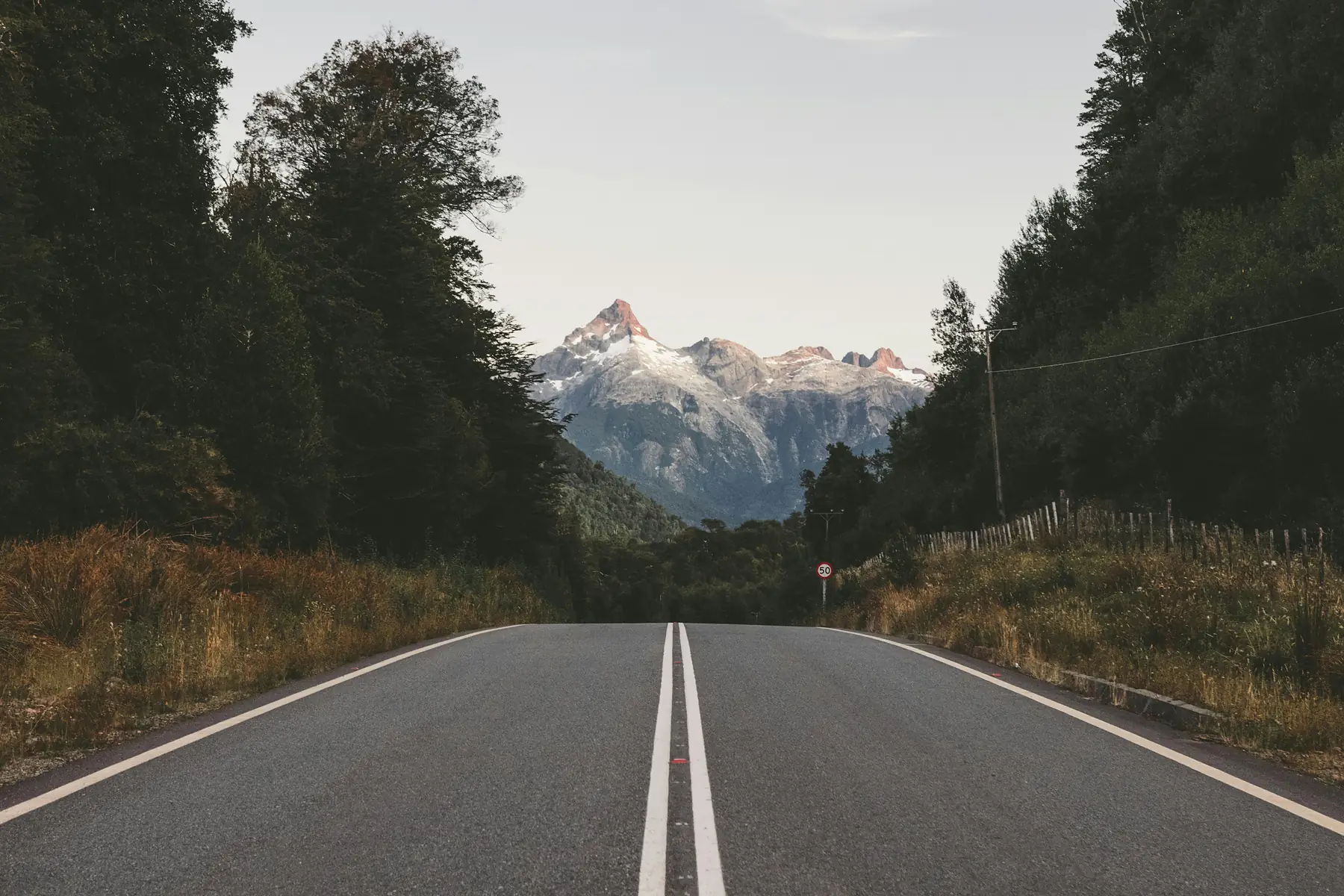
The Carretera Austral in Northern Patagonia offers a different wildlife experience than the open plains of the south. This is a land of temperate rainforests and deep fjords, home to some of the region’s rarest and most secretive species.
Patagonia National Park, specifically the Chacabuco Valley, has been described as the “Serengeti of Patagonia.” Large herds of guanacos roam the restored grasslands, and pumas are increasingly common here as the ecosystem recovers from decades of ranching. Further north, the jagged peaks of Cerro Castillo serve as a critical sanctuary for the Huemul.
In the dense forests of Pumalín and Queulat National Parks, you may spot the Pudu, the world’s smallest deer, or hear the rhythmic drumming of the Magellanic Woodpecker. Both the Pudu and the Huemul are classified as Endangered (Huemul) or Near Threatened (Pudu) by the IUCN, making any sighting a rare privilege.
Planning Your Route: The 2026/27 Wildlife Calendar
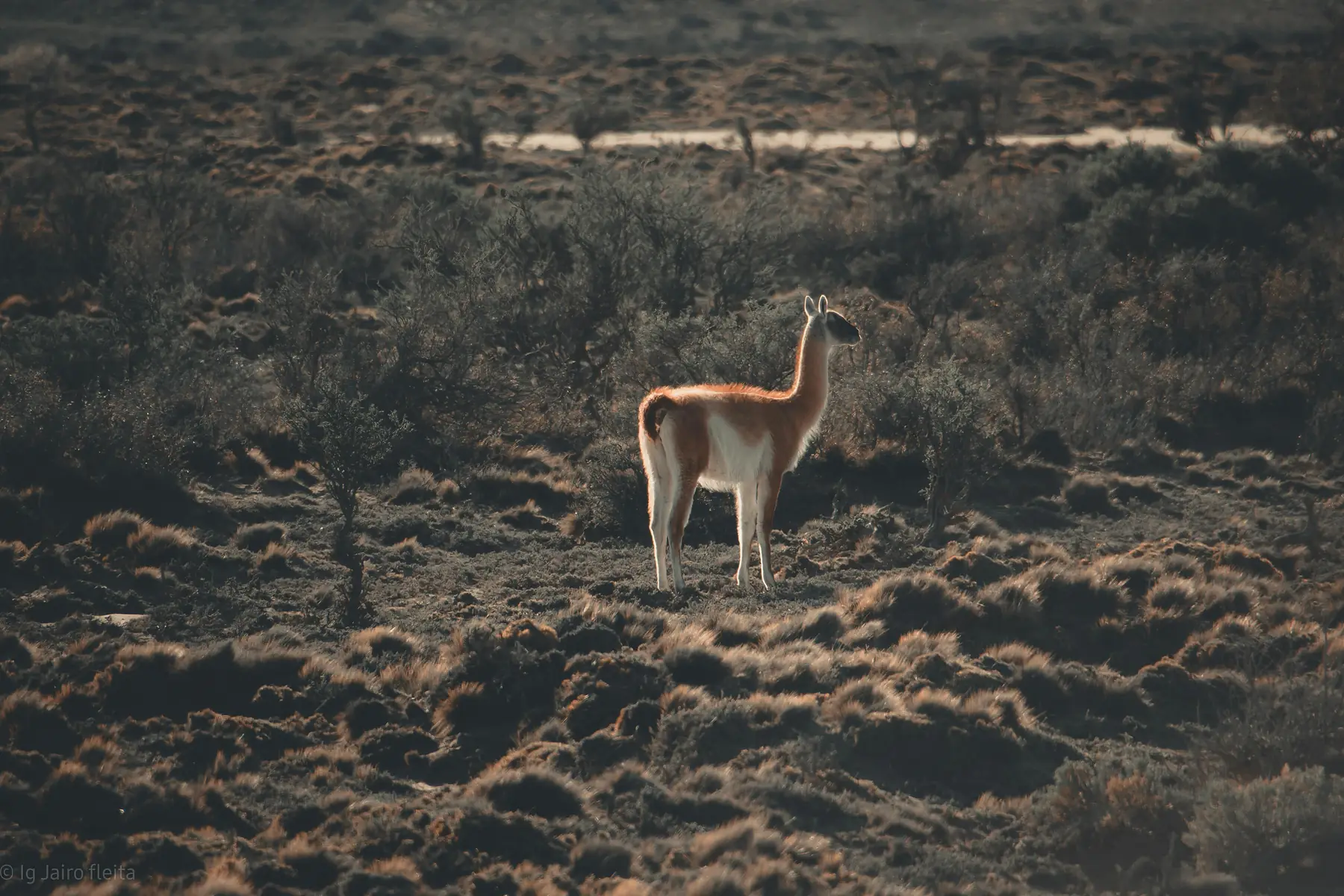
Timing is everything when planning a wildlife trip to Patagonia. Many species are migratory, and their presence depends entirely on the season.
- Spring (September–November): This is the best time for the Atlantic coast. Southern Right Whales are at their most active in Peninsula Valdés, and penguins begin arriving to claim nesting sites.
- Summer (December–February): Peak season for penguin chicks hatching. This is also the prime window for Humpback whales in the Magellan Strait and long daylight hours for photography in the Andes.
- Autumn (March–May): The best time for orca sightings at Punta Norte. Pumas also become more visible in Torres del Paine as the summer crowds thin and the cats move more freely during daylight.
- Winter (June–August): The specialist season. Winter is the best time for puma tracking in Torres del Paine because their tracks are easily followed in the snow. In Argentina, the first Southern Right Whales begin to arrive.
When do penguin chicks hatch?
Magellanic penguin chicks typically hatch in December. By January and February, the colonies are bustling with activity as parents take turns fishing to feed the rapidly growing chicks.
Wildlife Ethics: How to Be a Responsible Nature Watcher
Respecting the animals and their habitat is essential for the continued conservation of Patagonia. Always follow “Leave No Trace” principles and maintain a respectful distance.
If you encounter a puma, never run. Stand your ground, make yourself look large, and back away slowly. In Torres del Paine, it is highly recommended to use professional trackers who understand the cats’ behavior and ensure that tourism does not disrupt their hunting or mating. Using long lenses and binoculars allows you to witness natural behaviors without causing the stress that leads animals to flee. For a full breakdown of safety and conservation standards, return to our main wildlife hub.
QUESTION: What is the best month to see wildlife in Patagonia?
ANSWER: For marine life like whales and penguins, October to March is best, while land mammals like pumas in Torres del Paine are visible year-round, with winter offering the best tracking conditions.
QUESTION: Where can I see pumas in Torres del Paine?
ANSWER: The highest concentration of pumas is found in the eastern sector of the park near Laguna Amarga and the Aonikenk trail, where they hunt large herds of guanacos.
QUESTION: Can I see King Penguins in Patagonia?
ANSWER: Yes, the only continental colony of King Penguins is located at Bahía Inútil on the Chilean side of Tierra del Fuego, accessible via day trips from Punta Arenas.
QUESTION: Are there dangerous animals in Patagonia?
ANSWER: Patagonia is generally safe; while pumas are top predators, they are shy and attacks on humans are extremely rare, provided you follow park safety protocols.
QUESTION: Where is the best place to see whales in Patagonia?
ANSWER: The Valdés Peninsula in Argentina is world-renowned for Southern Right Whales (June–Dec), while the Francisco Coloane Marine Park in Chile is best for Humpback Whales (Dec–March).
QUESTION: What are the “Big Five” animals of Patagonia?
ANSWER: The iconic “Big Five” typically include the Puma, the Guanaco, the Andean Condor, the Huemul (South Andean Deer), and the Darwin’s Rhea (Ñandú).