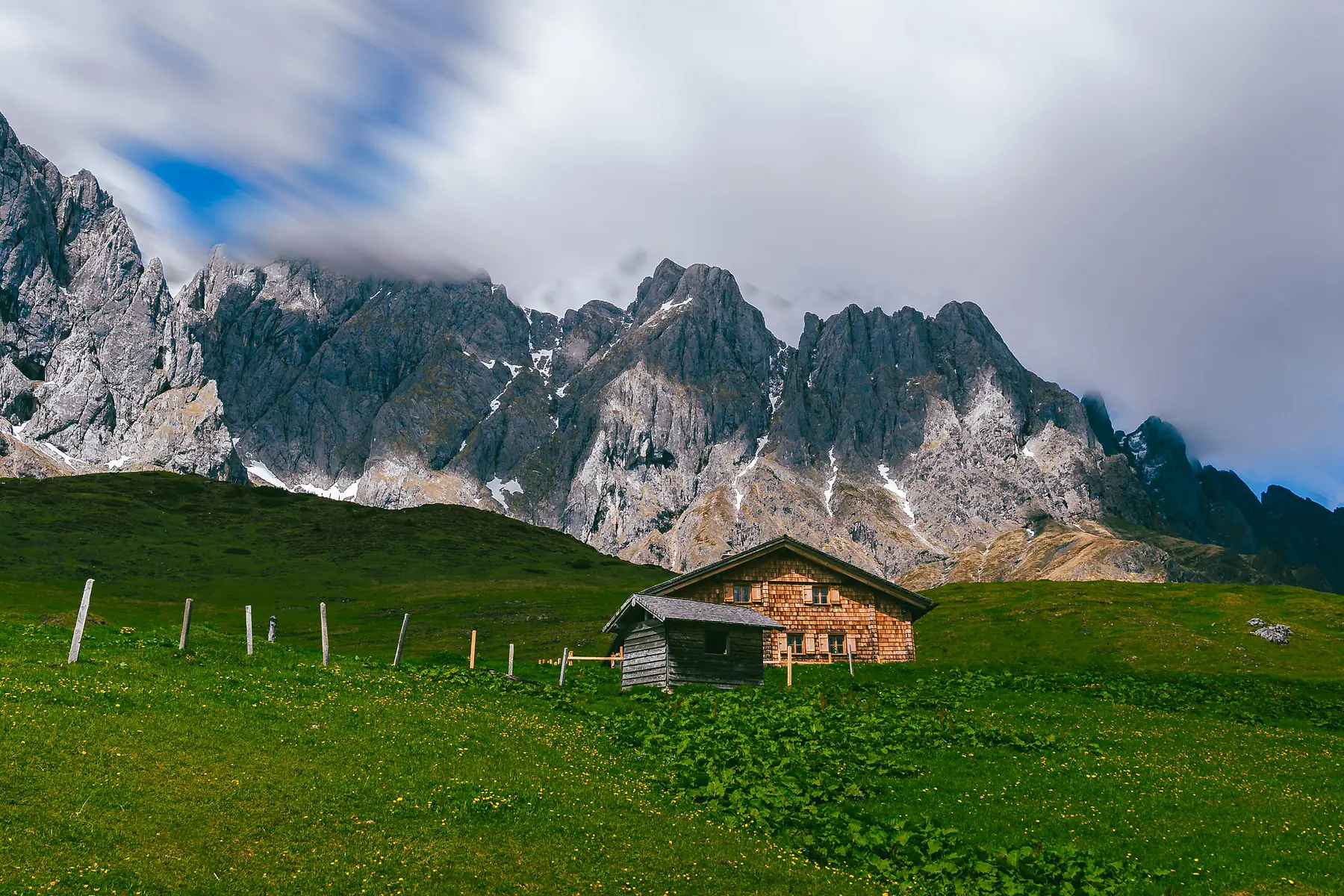

Hostal Boutique Puerta Roja
Boutique comfort at a budget-friendly price
.webp)
Plan your stay in Chile's historic southern hub. Explore the best neighborhoods, central plazas, and top-rated hotels in Punta Arenas.
Punta Arenas is a key gateway to southern Chile, used for flights, buses to Puerto Natales, wildlife trips in the Strait of Magellan and some Patagonia cruise itineraries. Many visits last only one or two nights, so the right area can make a short stop much easier. This page is the area-by-area decision guide; once you know which zone suits your onward journey, our ranked best hotels in Punta Arenas list covers the individual properties. It is part of our broader Patagonia accommodation directory.
Stay near Plaza Muñoz Gamero for restaurants, museums and a walkable first visit, or closer to your bus operator when an early departure is the main concern. The city grid looks compact, but strong wind, uphill streets and separate bus terminals can make luggage transfers less convenient than the map suggests.
Boutique comfort at a budget-friendly price

The strongest Patagonian character and hillside views
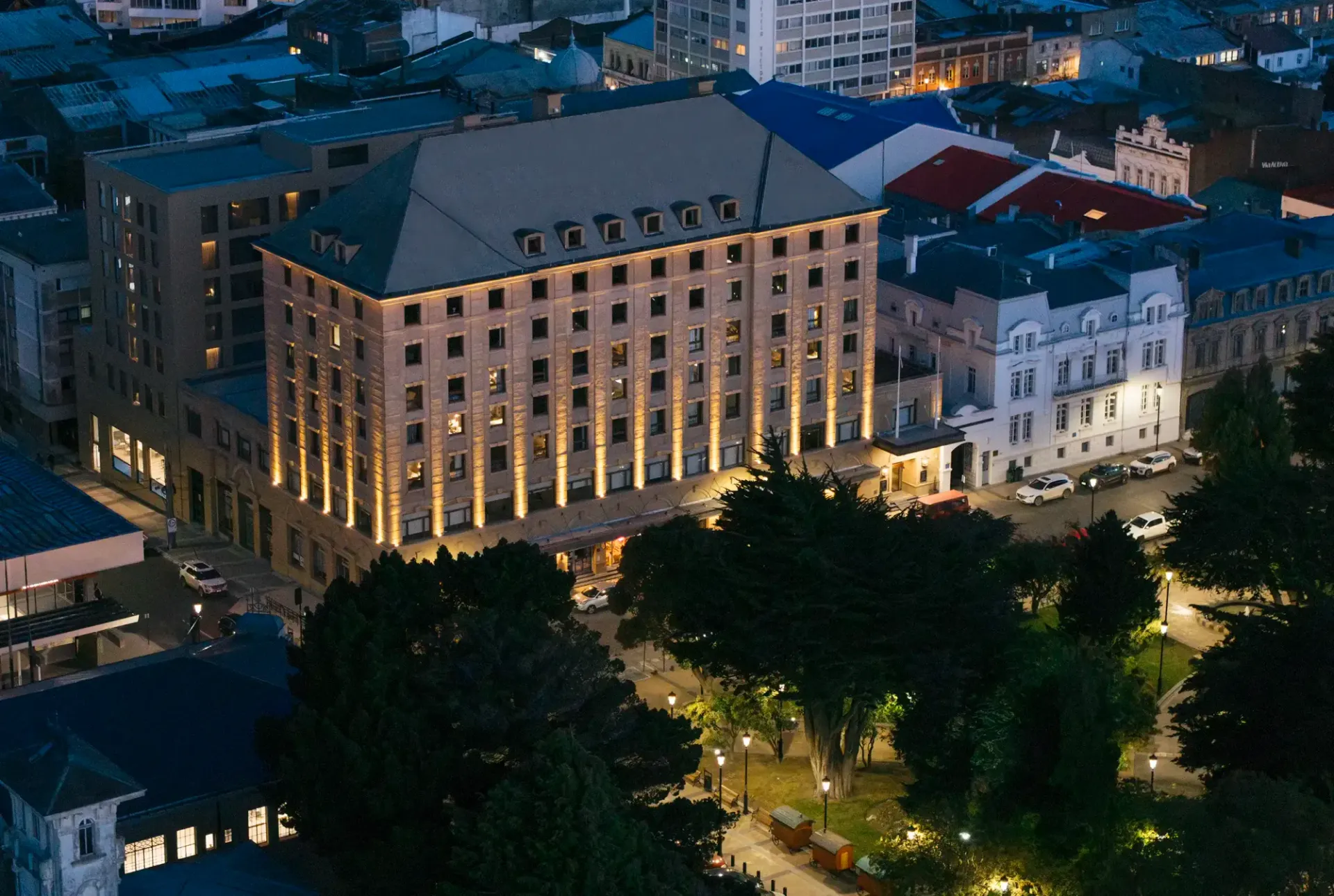
The polished all-rounder on the main square
Navigating Punta Arenas requires understanding the “Grid and Gateway” layout. The city rises from the Strait of Magellan up a gentle slope, meaning that while the map looks compact, walking several blocks uphill with a 65-liter trekking pack can be an exhausting introduction to Patagonia.
The city is mentally divided into three primary zones. The Historic Center, centered on Plaza Muñoz Gamero, is where you will find the grandest architecture and the highest density of restaurants. The Costanera is the modern waterfront strip, offering wide views of the strait and international-style hotel builds. Finally, the Transit Hub is an informal area a few blocks north of the center where the major bus companies have their private terminals.
Your decision should be guided by the “First Night vs. Last Night” logic. If you are arriving from the Punta Arenas airport and have a full day to explore before your trek, stay in the Historic Center. If you are arriving late and departing for Puerto Natales on the first bus at 7:00, staying within a two-block radius of your bus terminal is a significantly better strategy than staying in a more scenic hotel downtown.
To decide which zone fits your itinerary, compare the city’s main districts below.
Stay in the Historic Center for culture and food; choose the Transit Hub for early morning bus departures.
Plaza Muñoz Gamero is the geographic and cultural heart of Punta Arenas. Staying here places you within walking distance of the city’s most iconic landmarks, including the bronze monument to Ferdinand Magellan and the ornate mansions built during the sheep-farming boom of the late 19th century. The streets here are relatively sheltered from the wind compared to the waterfront, making it the most pleasant area for evening strolls.
This area is home to the city’s best boutique experiences, often housed in converted National Monuments. For example, the Hotel Jose Nogueira is located within the Palacio Sara Braun, which is an official National Monument of Chile. Beyond the history, this district offers the highest concentration of high-quality dining. You are steps away from regional institutions like La Marmita and Kiosko Roca, which are essential stops for anyone looking to sample Patagonian cuisine.
The Historic Center is the ideal choice for first-time visitors who have at least 24 hours to spend in the city. It allows you to experience the “Paris of the South” atmosphere without needing taxis or public transport to reach the main sites.
If you are looking for specific property recommendations in this area, we have curated a list of the top-rated luxury and boutique properties that capture the city’s maritime history.
.webp)
The Costanera del Estrecho is the long boulevard that runs along the Strait of Magellan. In recent years, this area has seen a surge in modern hotel developments. These properties typically offer the most consistent international standards, including elevators, large fitness centers, and soundproofed windows—a vital feature given the relentless Patagonian wind that whistles off the water.
Staying on the Costanera provides an “End of the World” feeling that the city center lacks. You can wake up to the sight of Antarctic research vessels and massive cruise ships anchored in the gray waters of the strait. However, there is a trade-off: the waterfront is significantly windier than the grid of the city center. A walk of just three blocks can feel like a major undertaking when facing 80 km/h gusts.
This area is also home to the city’s casino and larger hotel chains. It feels slightly more corporate and less “Patagonian” than the historic center, but it is often the preferred choice for business travelers or those who prioritize modern amenities over historic charm. Many of the larger hotels here, such as Hotel Dreams del Estrecho and Hotel Diego de Almagro, can coordinate airport transfers for their guests, though these are typically paid services rather than complimentary shuttles.
For many travelers, Punta Arenas is a 12-hour stopover between a flight and a bus. If your priority is catching the first Bus-Sur to Puerto Natales, you should focus your search on the area around Avenida Colón and Armando Sanhueza.
Unlike many South American cities, Punta Arenas does not have a single central bus terminal. Instead, each major company—Bus-Sur, Buses Fernandez, and Buses Pacheco—operates from its own private station. These stations are located within a few blocks of one another, but the difference between a 2-minute walk and a 15-minute walk is massive when you are departing at 6:00 AM in the dark and wind.
The major bus terminals are not all in the same building. Punta Arenas bus companies use separate terminals. Check the departure address printed on your current ticket before choosing accommodation or setting out.
Accommodation in this “Transit Hub” consists primarily of hostals and residenciales (family-run guesthouses). These are designed with hikers in mind, often offering early breakfast boxes and secure luggage storage for those who plan to return to the city after their trek. While less luxurious than the downtown hotels, they provide a cozy, communal atmosphere where you can swap trail notes with other travelers.
A common question for those landing after 10:00 PM is whether there are hotels at the Punta Arenas airport (PUQ). The short answer is no. Presidente Carlos Ibáñez del Campo International Airport is located approximately 20 kilometers (12 miles) north of the city center, and there are no hotels located directly on the airport grounds or within walking distance of the terminal.
If you arrive late, you have two main options. The most common option is a taxi or arranged transfer into the city. Confirm the current fare before travel.
The second option is to stay at an estancia (ranch) located on the road between the airport and the city. These are excellent if you have a rental car and want a more rural, traditional experience, but they are less practical if you are relying on public transport or buses.
When searching for a place to stay, you will encounter several different terms for accommodation. Understanding these will help you set the right expectations for price and service.
Punta Arenas experiences a massive surge in demand between December and February. This is driven not only by trekkers heading to Torres del Paine but also by the Antarctic cruise season. When a large expedition ship departs or arrives, it can suddenly occupy every mid-range hotel bed in the city.
Book early for the main summer period if you need a specific boutique hotel or room type. Flexible travelers usually have more choice outside major cruise and expedition departure dates.
Do not assume you can find a room on arrival in January. Punta Arenas is a logistical bottleneck; if flights are delayed or the ferry from Puerto Williams is cancelled, the city’s accommodation can reach 100% occupancy in a matter of hours.
Rates move considerably by season and payment method, so compare the exact room and cancellation terms for your dates.
.webp)
Punta Arenas is a walkable city, but the environment dictates how you move. The “walkability” of a hotel depends entirely on the wind. On a calm day, walking 10 blocks from the Plaza to the bus station is a pleasant way to see the city. On a typical windy day, it can be a grueling struggle.
If you have heavy luggage, use the local colectivos. These are shared taxis that run on fixed routes. They look like regular black sedans but have a sign on the roof indicating their route number. They are significantly cheaper than private taxis and are the preferred way for locals to get around.
App-based transport availability can change. For an early flight or fixed departure, ask your hotel to pre-book a licensed taxi rather than relying on a car being available on demand.
ANSWER: The historic center near Plaza Muñoz Gamero is the best area for first-time visitors, offering the easiest access to restaurants, museums, and the waterfront.
ANSWER: Yes, there are several hostals and budget hotels within a 5-minute walk of the Bus-Sur and Buses Fernandez terminals, which are ideal for early-morning departures to Puerto Natales.
ANSWER: Hotels offer more consistent amenities like elevators and heating, while Punta Arenas hostals provide a more social, family-run atmosphere that is often more budget-friendly for hikers.
ANSWER: The main hotel district in downtown Punta Arenas is approximately 20 kilometers (12 miles) from the airport, typically a 20- to 25-minute drive by taxi or shuttle.
ANSWER: Yes, the tap water in Punta Arenas hotels and guesthouses is safe to drink, though many travelers prefer the taste of bottled or filtered water.
ANSWER: Book ahead for the main summer season, a specific boutique hotel, or dates that coincide with a cruise or expedition departure.