Camping around Ushuaia gives you direct access to Tierra del Fuego’s forests, coast and mountain trails, but the cold, wind and changing campsite rules demand careful planning.
Below, we compare the main camping areas and explain what to check before leaving town.
TLDR: Choose an authorized national park campground for trail access and a simple setting, La Encantada for private-site facilities closer to town, or Posada del Valle for a quieter rural base. Confirm current access and overnight rules directly before travel.
Campsites, registration requirements, fire restrictions and overnight vehicle rules can change. Check the current national park or municipal guidance and the site’s latest map listing before setting out.
Best Campsites Around Ushuaia
Tierra del Fuego National Park Campgrounds
The park's authorized camping areas provide the closest base for coastal and forest trails. Facilities and operating status vary, so confirm which sectors permit overnight stays and whether registration is required.
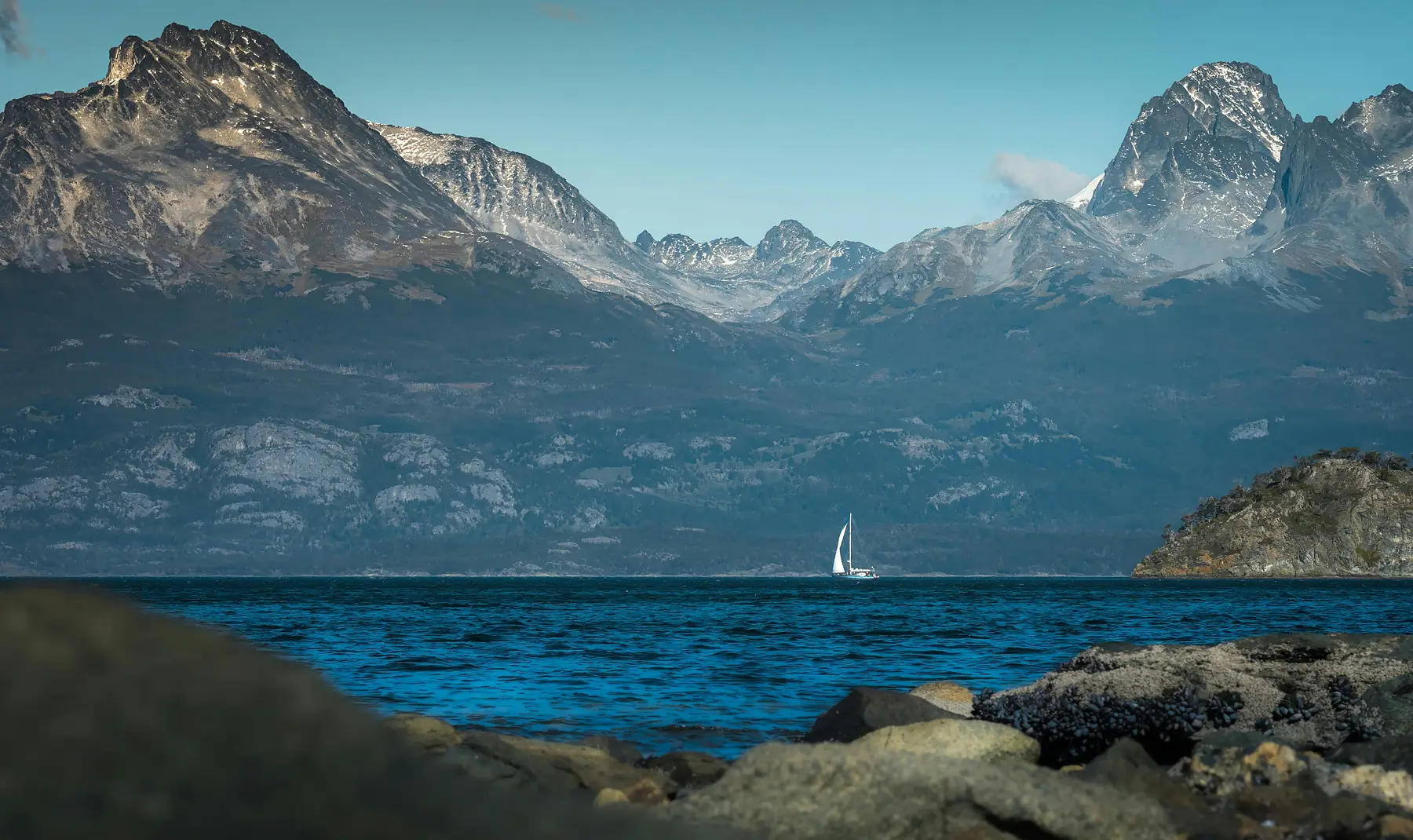
Camping La Encantada
La Encantada is the practical private-campground choice for travelers who want access to town with more shelter and facilities than a basic park site. Confirm current opening dates and services before arrival.
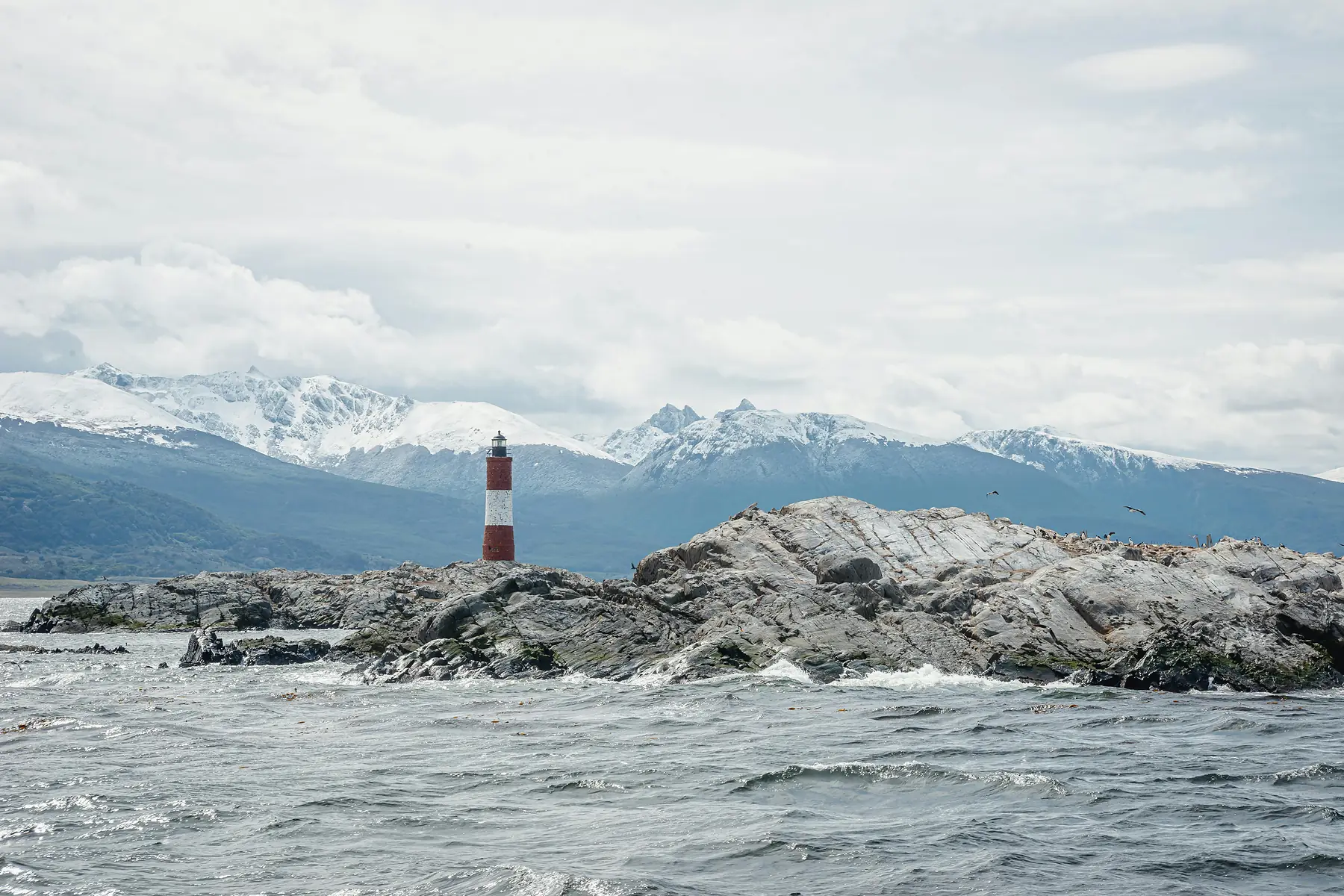
Posada del Valle
Posada del Valle suits travelers looking for a more rural base outside the center. Verify that tent or vehicle camping is currently offered, because its accommodation mix and facilities may change.
Ushuaia Camping at a Glance
- Primary Locations: Authorized national park areas and private sites outside Ushuaia center.
- Core Season: Summer offers the most workable conditions, but opening dates vary.
- Weather Reality: Cold nights, rain and strong wind are possible even in summer.
- Gear Requirement: Use a wind-stable tent and a sleeping system suited to the forecast.
- Water Safety: Treat water collected from natural sources.
The Reality of Camping in Ushuaia: Weather and Environment
The single most important factor for camping in Ushuaia is the climate. Located at 54 degrees south, the city is directly in the path of the “Roaring Forties” and “Furious Fifties” winds. These winds can arrive with little warning, turning a calm afternoon into a test of your tent’s structural integrity.
Summer temperatures in Ushuaia are modest, with daytime highs averaging 10-14°C (50-57°F). However, night temperatures frequently hover near freezing, even in January. If you are coming from Northern Hemisphere summer camping, the “four seasons in one day” phenomenon here will be a shock. Rain is frequent but usually light; it is the dampness combined with the wind that creates the risk of hypothermia for ill-prepared campers.
A standard 3-season tent from a big-box store will likely fail here. The wind will bend fiberglass poles and pull standard stakes right out of the soft, peaty soil. If you are bringing your own gear, ensure you have high-quality aluminum poles and V-shaped or Y-shaped stakes. For more details on what to expect from the climate before you pack, see our guide to Ushuaia weather and temperatures.
Camping in Tierra del Fuego National Park
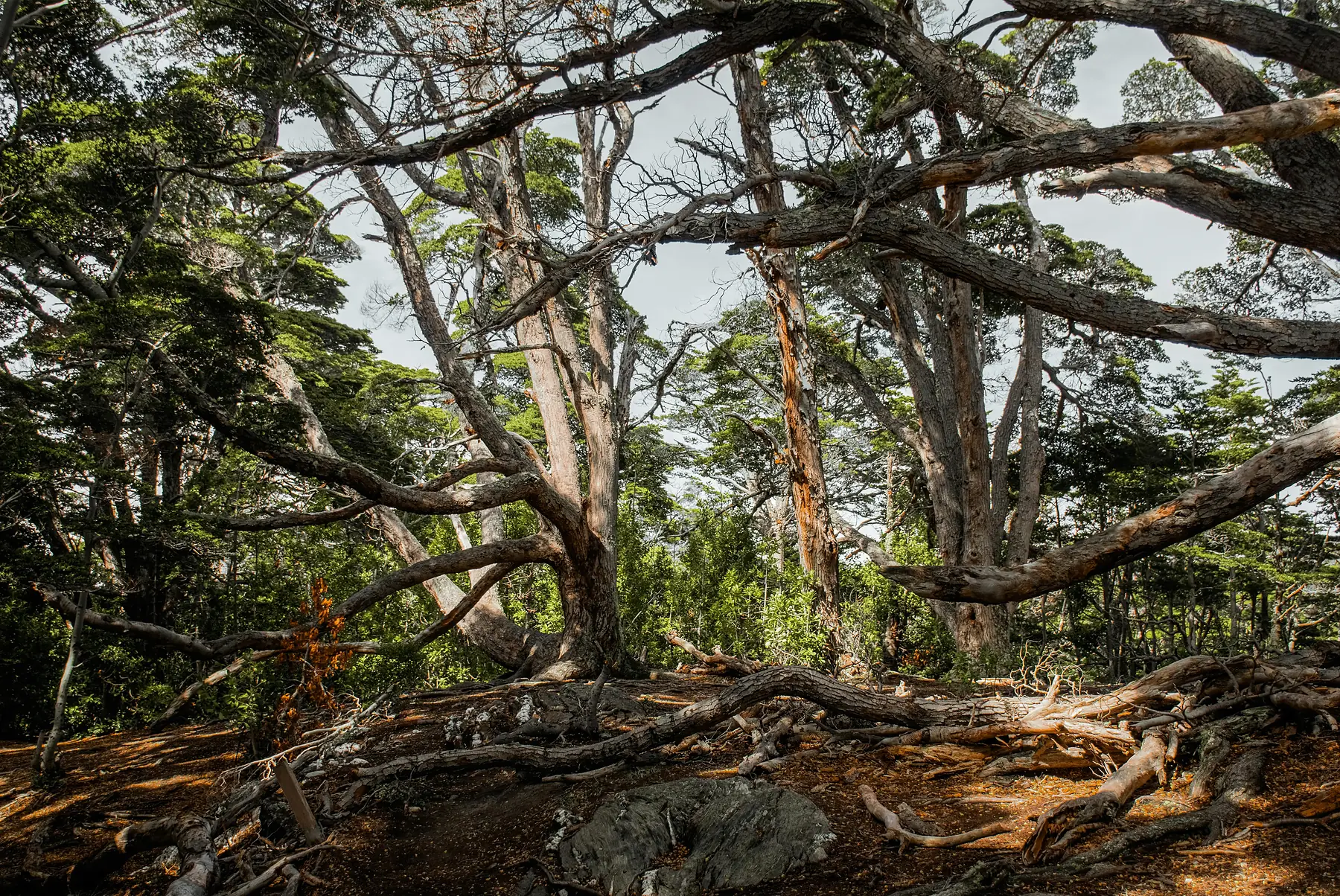
The most popular place to camp is within Tierra del Fuego National Park, located about 12 kilometers west of the city. The park’s camping philosophy is “back-to-basics,” focusing on preservation rather than luxury. Most sites are essentially clearings in the lenga forest with minimal infrastructure.
Camping sectors and facilities within the park can change. Use the current official park information to confirm where overnight stays are permitted, whether registration is required and which services are available. Do not rely on older blogs or map reviews alone.
Fire and stove restrictions respond to current conditions. Cook only where and when park signage permits, and follow any temporary ban.
Ask at the park entrance whether registration is required for your chosen sector. For current rules and access information, use our complete guide to Tierra del Fuego National Park and verify details with park staff.
To help you plan your daily excursions while based in the park, you may want to look at the trekking options nearby.
Best Private Campsites in and Near Ushuaia Town
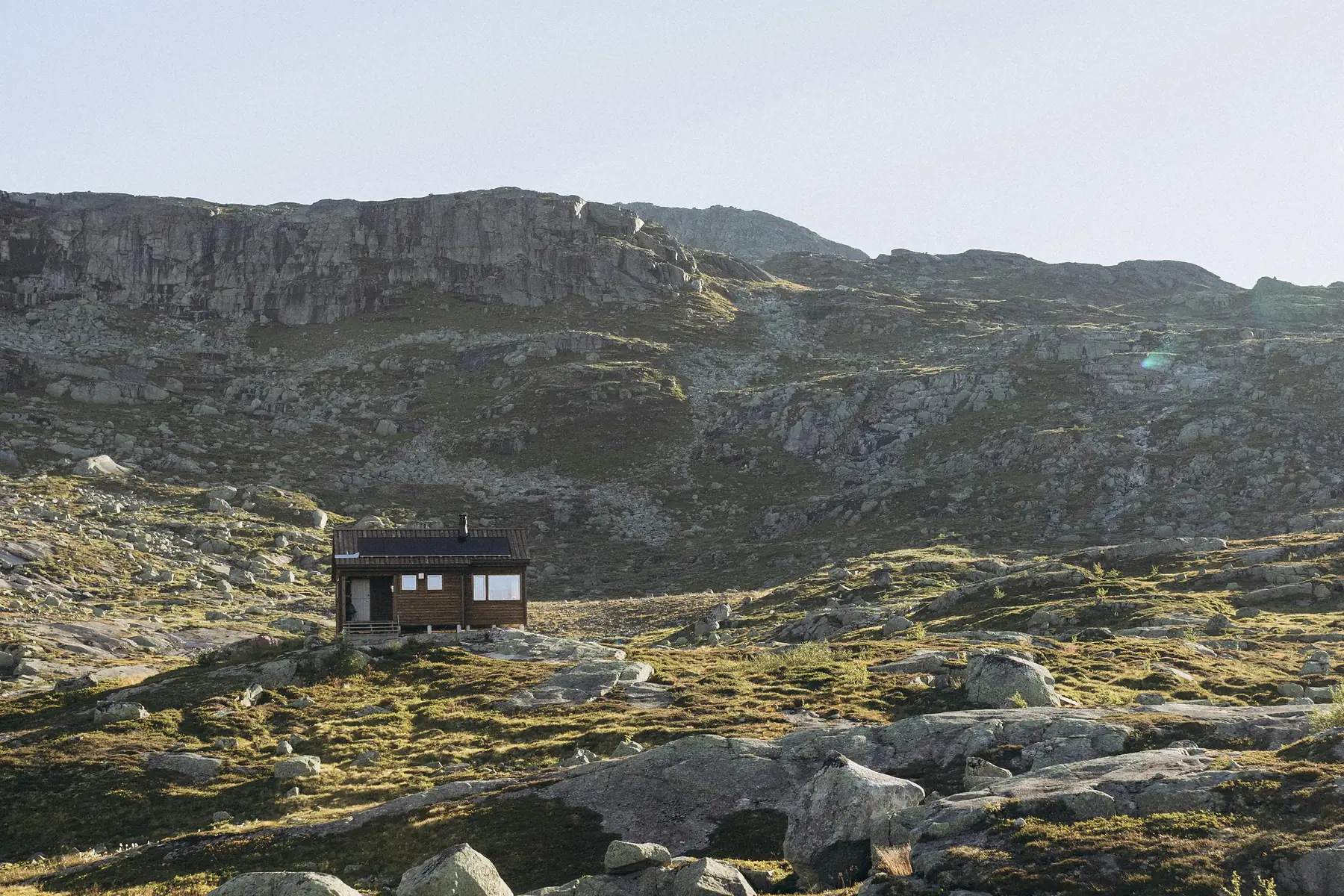
If you require hot showers, WiFi, and proximity to grocery stores, private campsites are your best option. These are located on the outskirts of the city and cater to both tent campers and overlanders.
The most reliable private option is Camping La Encantada, located in the Rio Pipo valley. It offers a more protected environment than the National Park sites, with windbreaks, hot water during specific hours, and a small shop for essentials. Another option is Posada Del Valle, which is primarily a lodge but maintains a dedicated area for tents and motorhomes in a scenic forest setting.
- Distance to Town: 5km (10 min drive) vs 7km (15 min drive)
- Facilities: Hot showers, WiFi, electricity vs Basic showers, shared kitchen access
- Protection: Good windbreaks vs Moderate forest cover
- Price Tier: Check the current rate directly for both options
Choose La Encantada for a traditional community camping vibe with better facilities; choose Posada Del Valle if you prefer a quieter, more rural setting.
The Camping Municipal (Andino) is frequently mentioned in older guidebooks but has a history of sporadic closures or being restricted to local residents. Before heading there, check the current status at the tourist information office on the waterfront. For a visual layout of where these sites sit in relation to the city center, check our Ushuaia location map.
Wild Camping and Overlanding Rules in Ushuaia
Do not pitch a tent outside a designated or explicitly authorized site. Land access, fire rules and municipal restrictions vary, and general advice about camping on public land does not override local signage.
For overlanders and van-lifers, Playa Larga is a popular spot to park for the night. It offers stunning views of the Beagle Channel, but it is exposed to the wind and has no facilities. If you choose to stay here, you must be entirely self-contained.
If you are wild camping or overlanding, the “Leave No Trace” (LNT) principles are not just suggestions; they are vital for protecting the fragile sub-polar ecosystem. Pack out every piece of trash, including toilet paper, as the cold climate means decomposition happens very slowly. Additionally, keep food stored securely to avoid attracting rodents, which can carry Hantavirus.
Local authorities have become increasingly strict about sleeping in vehicles on city streets. To avoid a fine or being asked to move in the middle of the night, stick to the established private sites or the designated overlander spots like Playa Larga.
Where to Buy and Rent Camping Gear in Ushuaia
Many travelers arrive in Ushuaia via flight and don’t want to lug heavy camping gear across the continent. Fortunately, the city has a robust rental market catering to Antarctic expeditioners and trekkers alike.
Outdoor shops in the center may rent tents, sleeping bags and cooking equipment. Availability changes, so contact several shops before arrival and reserve any cold-weather equipment you depend on.
Check the Rating
Ensure any sleeping bag you rent is rated for a “Comfort” level of at least -5°C. Many shops list the “Extreme” rating, which only means you will survive, not that you will be warm.
Inspect the Toggles and Zips
The fine glacial grit in Patagonia is notorious for eating zippers. Test every zip on the tent and sleeping bag before leaving the shop.
If you need to buy gear, there are several specialized outdoor stores like Popper Store, though prices are significantly higher than in the US or Europe due to import taxes. For a complete list of what you should have in your pack, see our Patagonia packing guide.
Fuel, Water, and Supplies: The Logistics
Solving the “last mile” of camping logistics is what separates a successful trip from a miserable one. In Ushuaia, this starts with finding the right fuel for your stove.
White gas, known locally as bencina blanca, can be found in most hardware stores (ferreterías) and some outdoor shops. For canister stoves, “screw-top” Primus-style canisters (isobutane-propane mix) are the standard and are widely available. “Clip-on” Campingaz canisters are much harder to find, so bring an adapter if your stove requires them.
Do not drink untreated water from streams in Tierra del Fuego. While it looks pristine, the region has a massive population of invasive North American beavers. Their dams are breeding grounds for Giardia and other waterborne parasites. Always use a filter (like a Sawyer Squeeze) or chemical treatment.
For groceries, the best options are the large supermarkets like La Anónima or Carrefour. They have dedicated “camping-friendly” sections with dried pasta, powdered soups, and high-calorie snacks. If you have just finished a multi-day trek and are looking for a celebratory meal that doesn’t involve a jet-boil, check out our Ushuaia restaurant recommendations.
Best Time for a Camping Trip to Ushuaia
The window for a comfortable camping trip is narrow. The core season is December through February, when you have up to 17 hours of daylight and the “warmest” temperatures.
November and March can work with suitable equipment, but colder nights and snow at higher elevations are more likely. Many private sites operate seasonally. Winter camping requires specialist experience, equipment and current local advice.
If you find that the forecast looks too grim for a tent, you can always pivot to more traditional lodging.
Frequently Asked Questions
Is there free camping in Ushuaia?
Do not assume that an older free-camping area remains open. Use authorized sites and check current national park and municipal rules before staying overnight.
Where can I buy camping gas in Ushuaia?
Outdoor shops and some larger retailers sell common stove fuels, but stock is variable. Buy fuel before leaving the city and never take fuel canisters on a flight.
Is natural water around Ushuaia safe to drink?
Treat or filter water collected from streams and lakes, even when it looks clear.
Can I rent a tent and sleeping bag in Ushuaia?
Specialist outdoor shops may rent camping equipment. Reserve ahead and check the sleeping bag’s comfort rating, tent condition and included repair kit.
Do I need to book campsites in Ushuaia in advance?
Contact private sites ahead during summer and always verify that a national park sector is currently open for overnight use.
What is the best time for camping in Ushuaia?
The main summer months offer longer daylight and generally more manageable conditions, although cold, rain and high wind remain possible.