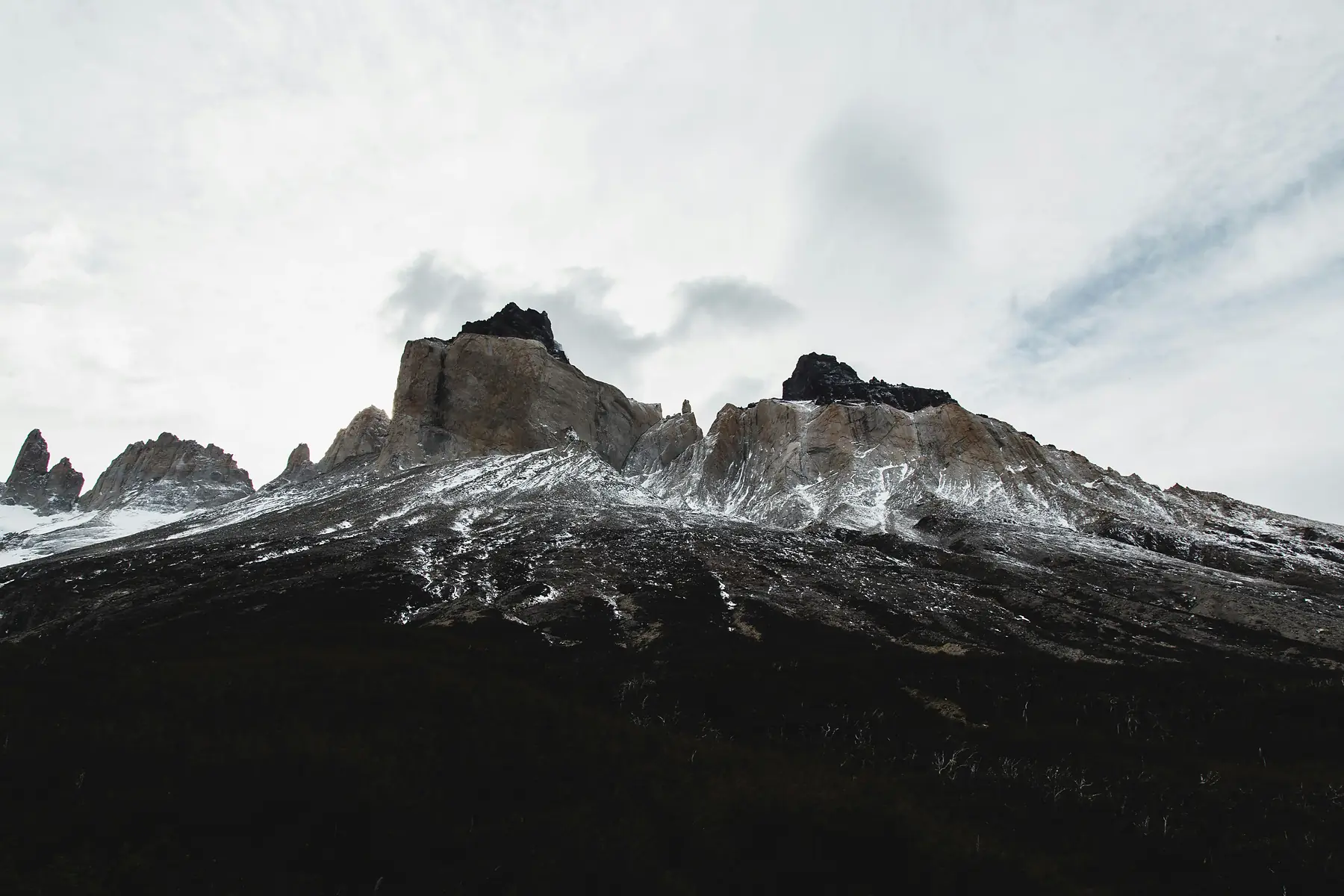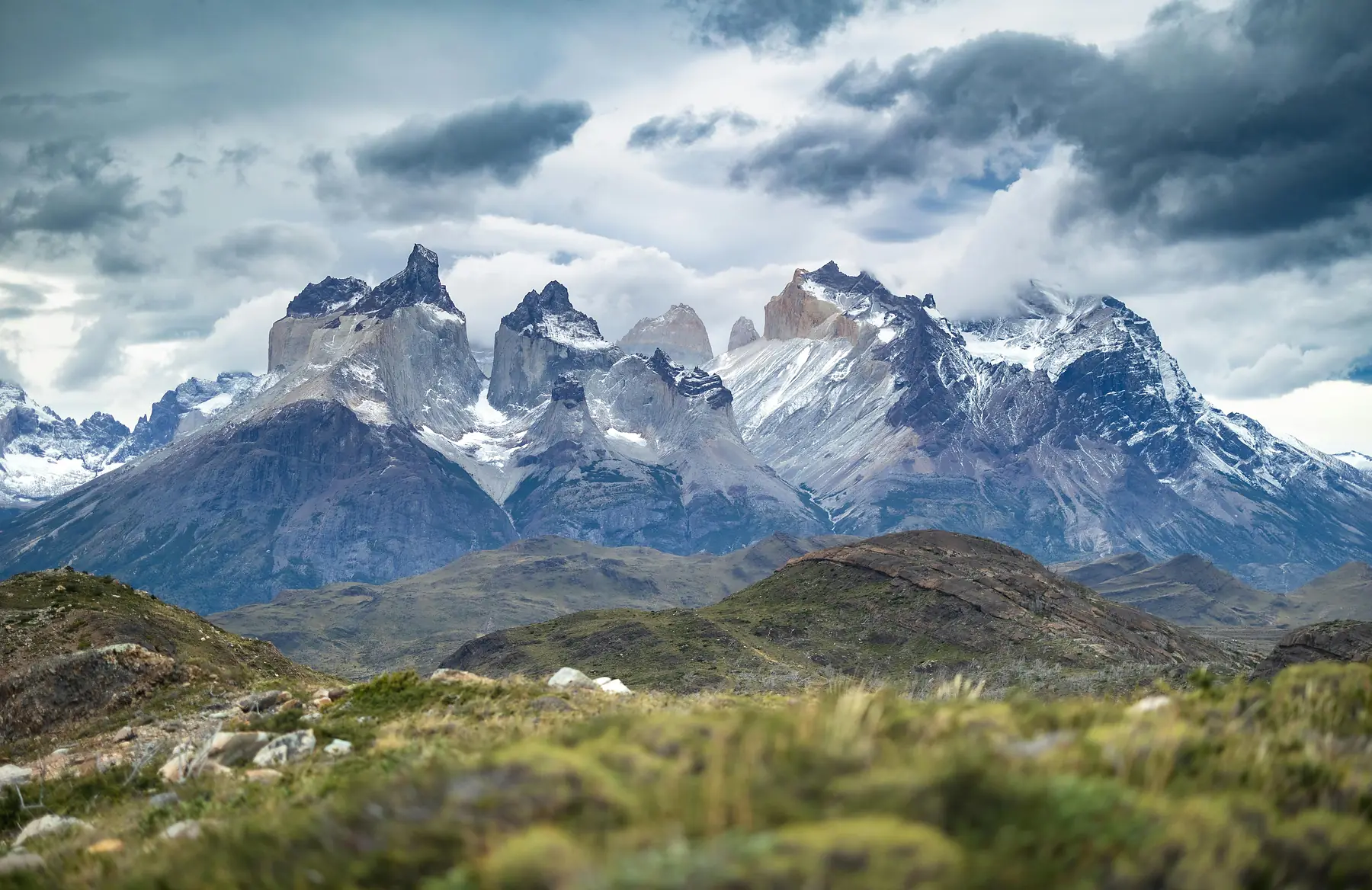
The best things to do in Puerto Natales range from technical pre-trek preparation for Torres del Paine to full-day glacier cruises through the Last Hope Sound and exploring the prehistoric Milodón Cave. While many travelers treat this frontier town as a brief “waiting room” before heading into the national park, Puerto Natales offers a distinct Patagonian character defined by its industrial heritage, wind-swept waterfront, and high-quality local hiking trails.
Whether you are here to rent gear for the W Trek or to see the Southern Patagonian Ice Field from the deck of a catamaran, Puerto Natales serves as the essential base for the Magallanes region. For the 2026/27 season, the town continues to evolve with improved infrastructure and a growing focus on sustainable estancia tourism.
Puerto Natales at a Glance
- Altitude: 3 meters (10 feet) above sea level
- Population: Approximately 21,000
- Primary Wind Direction: West and Northwest (frequent gusts over 70 km/h)
- Distance to Torres del Paine: 80 km (50 miles) to the Laguna Amarga entrance
- Don’t Miss: The sunset over the Muelle Histórico (Old Pier)
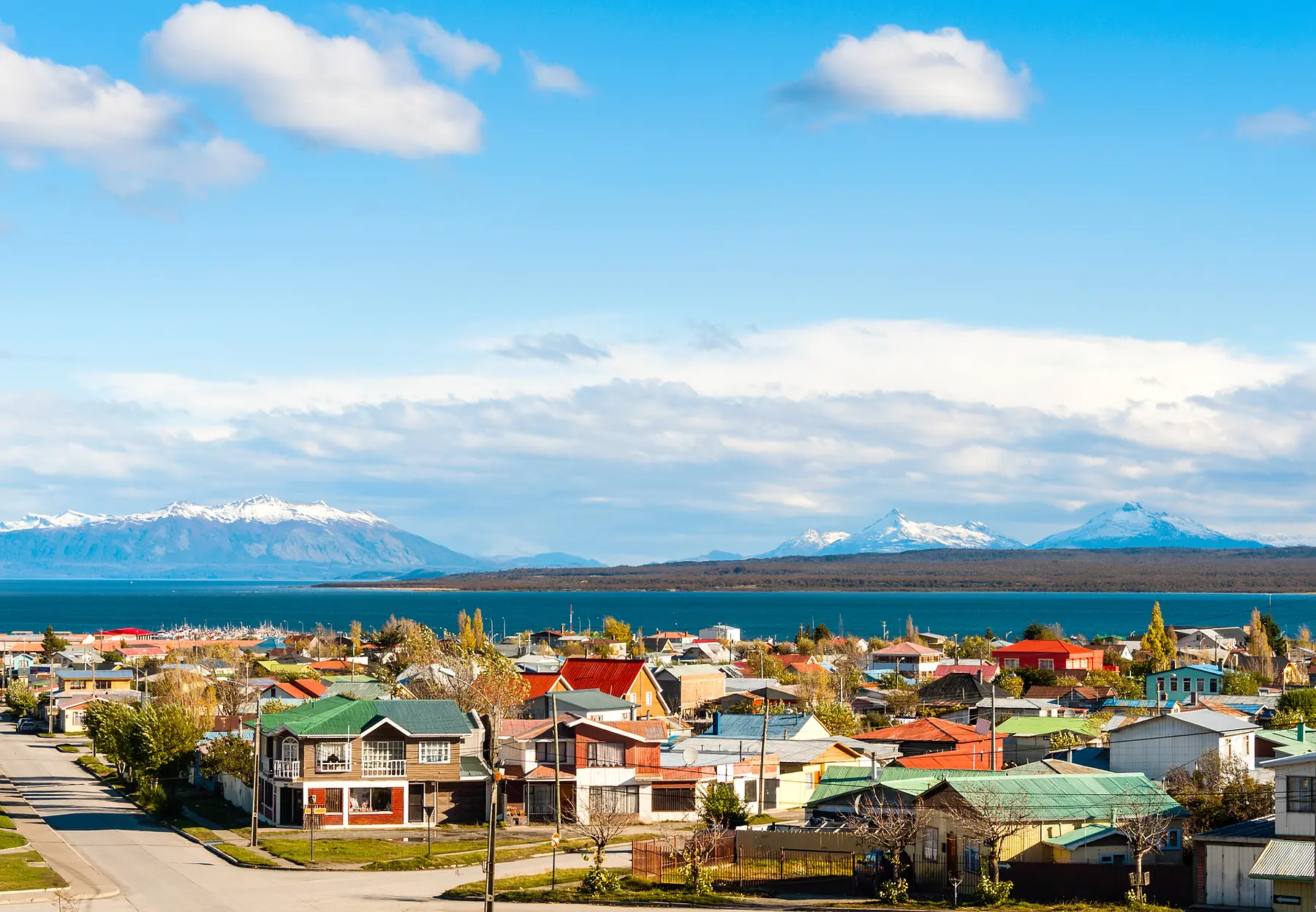
Stroll the Costanera (Waterfront)
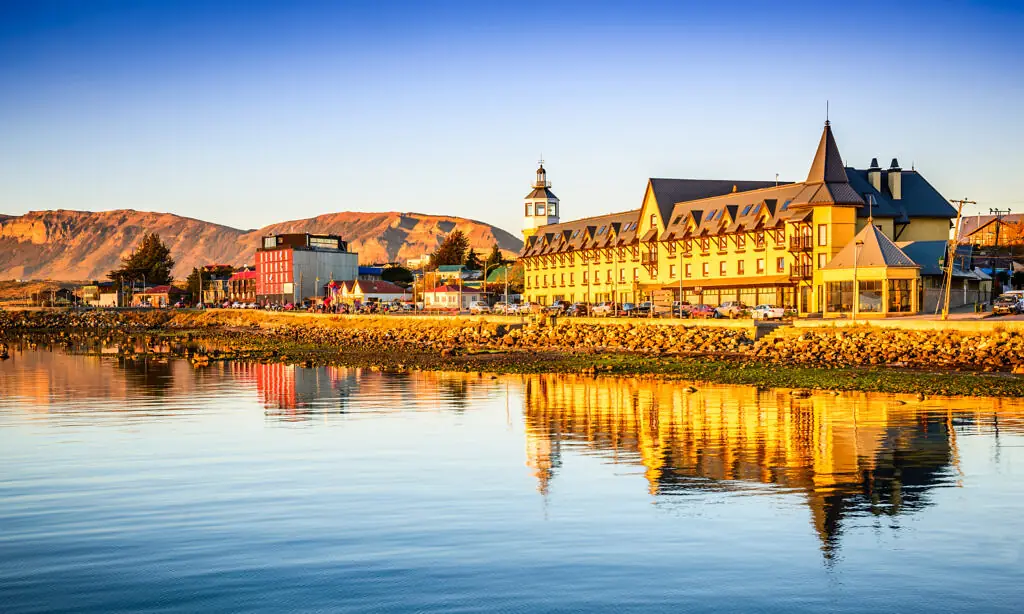
The most accessible activity in Puerto Natales is also its most iconic. The Costanera is a paved waterfront path that stretches several kilometers along the Señoret Channel, offering an unobstructed view of the Almirante Montt Gulf and the snow-capped peaks of the Riesco Range.
The focal point of any walk is the Muelle Histórico, the skeletal remains of an old wooden pier that once served the local wool industry. Today, it is the most photographed spot in town, particularly at sunset when the cormorants line the weathered pilings. Further along, you will find the Monumento al Viento (Wind Monument), a sculpture of two figures suspended in the air that perfectly captures the town’s relentless breeze.
For birdwatchers, the shoreline is a sanctuary. Even without binoculars, you can regularly spot black-necked swans, Chilean flamingos, and various species of ducks feeding in the shallow waters of the sound. The best time for photography is during the “blue hour” just after sunset, when the mountains across the water turn deep shades of purple and indigo.
The Business of Prep: Getting Ready for the W or O Trek
For the majority of visitors, Puerto Natales is the logistical headquarters for Torres del Paine National Park. Successfully navigating the “business of prep” in town can make or break your experience on the trail.
The center of the trekking community remains the Daily Talk at Erratic Rock. Held every afternoon at 3:00 PM at the Base Camp pub, this free information session is the gold standard for current trail conditions, weather updates, and packing advice. Even experienced hikers benefit from the specific, real-time data shared here by guides who have often returned from the park that same morning.
For gear, several shops along Calle Manuel Bulnes and Calle Esmeralda offer high-quality rentals. Shops like Rental Natales and Vamos Adventure provide modern, lightweight tents, -10°C rated sleeping bags, and reliable multi-fuel stoves.
When it comes to food, the Unimarc on Manuel Bulnes is the primary supermarket, but it can be chaotic during peak season. For better quality bulk nuts, dried fruits, and high-energy snacks, look for smaller “tostadurías” (specialty nut shops) like Frutos Secos in the surrounding blocks.
Explore the Cueva del Milodón (Mylodon Cave)
Located 24 kilometers north of town, the Cueva del Milodón Natural Monument is a site of immense archaeological and paleontological importance. In 1895, German explorer Hermann Eberhard discovered a piece of well-preserved, hairy skin inside the cave that was later identified as belonging to the Mylodon darwinii, a giant ground sloth that has been extinct for over 10,000 years.
The site consists of three caves and a massive conglomerate rock formation known as the Silla del Diablo (Devil’s Chair). The “Cueva Grande” is the main attraction, a cavern 200 meters deep and 30 meters high. A life-sized replica of the Mylodon stands near the entrance, providing a sense of the scale of these prehistoric creatures.
Getting there is straightforward via car, bike, or the local buses that depart from the Terminal Rodoviario. For the 2024/25 season, the entrance fee for adult foreigners is 11,400 CLP (approx. $12 USD). Tickets must be purchased in advance via the official pasesparques.cl platform, as there are no on-site cash sales. Note that your ticket is valid for a single entry within a specific date window; check the latest CONAF regulations for any seasonal “combined circuit” offers.
Navigating the Glaciers: Balmaceda and Serrano
If you only do one organized excursion from Puerto Natales, it should be the full-day boat cruise to the Balmaceda and Serrano glaciers. This journey takes you northwest through the Última Esperanza (Last Hope) Sound, a dramatic landscape of fjords, waterfalls, and steep cliffs.
The boat passes through the Bernardo O’Higgins National Park, Chile’s largest protected area. You will see the Balmaceda Glacier first, which hangs from the side of Mount Balmaceda. To see the Serrano Glacier, the boat docks at Puerto Toro, where you take a gentle 20-minute walk through a lush cold-temperate rainforest to the base of a glacial lagoon filled with icebergs.
Most tours, such as those operated by Turismo 21 de Mayo, include a traditional Patagonian “Asado” (lamb barbecue) at a local estancia on the return trip. This is often served with “whisky with glacial ice” - a classic, if slightly cliché, Patagonian experience.
- Cost: ~180,000 CLP ($190 USD) as of 2024/25 (Glacier Cruise)
- Cost: ~$150–200 USD including park fees (Perito Moreno)
- Time: 8–10 hours, mostly on water (Glacier Cruise)
- Time: 14–15 hours, 10+ hours on a bus (Perito Moreno)
- Vibe: Fjord scenery, short walks, and a traditional lamb lunch (Glacier Cruise)
- Vibe: High-impact views, international border crossing, and massive ice walls (Perito Moreno)
Choose the Glacier Cruise for a relaxed, boat-based experience through fjords; choose Perito Moreno if you want to see the sheer scale of the world's most famous advancing glacier.
Local Hiking: Cerro Dorotea & Laguna Sofia
For those looking to stretch their legs before the W Trek, the town has two excellent local options, the Cerro Dorotea ridge climb overlooking town, and Laguna Sofia, where Andean condors ride the thermals off limestone cliffs in the late afternoon. Trail-by-trail detail, including access fees, distances, and timing can be found in our dedicated Puerto Natales hiking guide.
Industrial Heritage at The Singular Museum
To understand why Puerto Natales exists, you must visit the Puerto Bories Cold Storage Plant, now home to The Singular Patagonia hotel and museum. Built in the early 20th century, this was the heart of the region’s “Sheep Gold Rush,” where millions of pounds of wool and meat were processed for export to Europe.
The museum preserves the original Victorian-era machinery, including massive steam engines, boilers, and the old tannery. The architecture is a stunning example of industrial brickwork, and the renovation has carefully integrated modern luxury with raw historical preservation. While the museum is a National Historic Monument, non-guests can visit the machinery areas by booking a guided “Cold Storage Plant Tour” (approx. 40,000 CLP / $42 USD) or by visiting the hotel’s bar and restaurant during public hours (typically 12:00 PM to 5:00 PM for external visitors).
Estancia Experiences: Gaucho Culture
Beyond the mountains and glaciers, the “real” Patagonia is defined by its ranching history. A day trip to a working estancia, such as Estancia La Peninsula or Estancia Perales, offers a deep dive into the lives of the Patagonian gauchos.
These experiences are far more than just tourist shows. You will typically witness a sheep-shearing demonstration, see how sheepdogs are trained to manage flocks in the harsh winds, and enjoy a traditional “Cordero al Palo” (lamb roasted over an open fire). Many estancias also offer horseback riding along the shores of the fjords, which is perhaps the most authentic way to traverse this landscape.
Adventure on the Water: Fjord Kayaking
Kayaking in the fjords around Puerto Natales offers a perspective you cannot get from the shore or a large catamaran. Most tours focus on the Eberhard Fjord, named after the first permanent settler in the region.
The water here is generally calmer than the open gulf, but the “weather factor” remains significant. Kayaking is often the first activity to be canceled if winds exceed 40 km/h. However, paddling past the historic Estancia Eberhard and seeing the local birdlife from water level is a serene experience that contrasts sharply with the physical demand of the mountain trails.
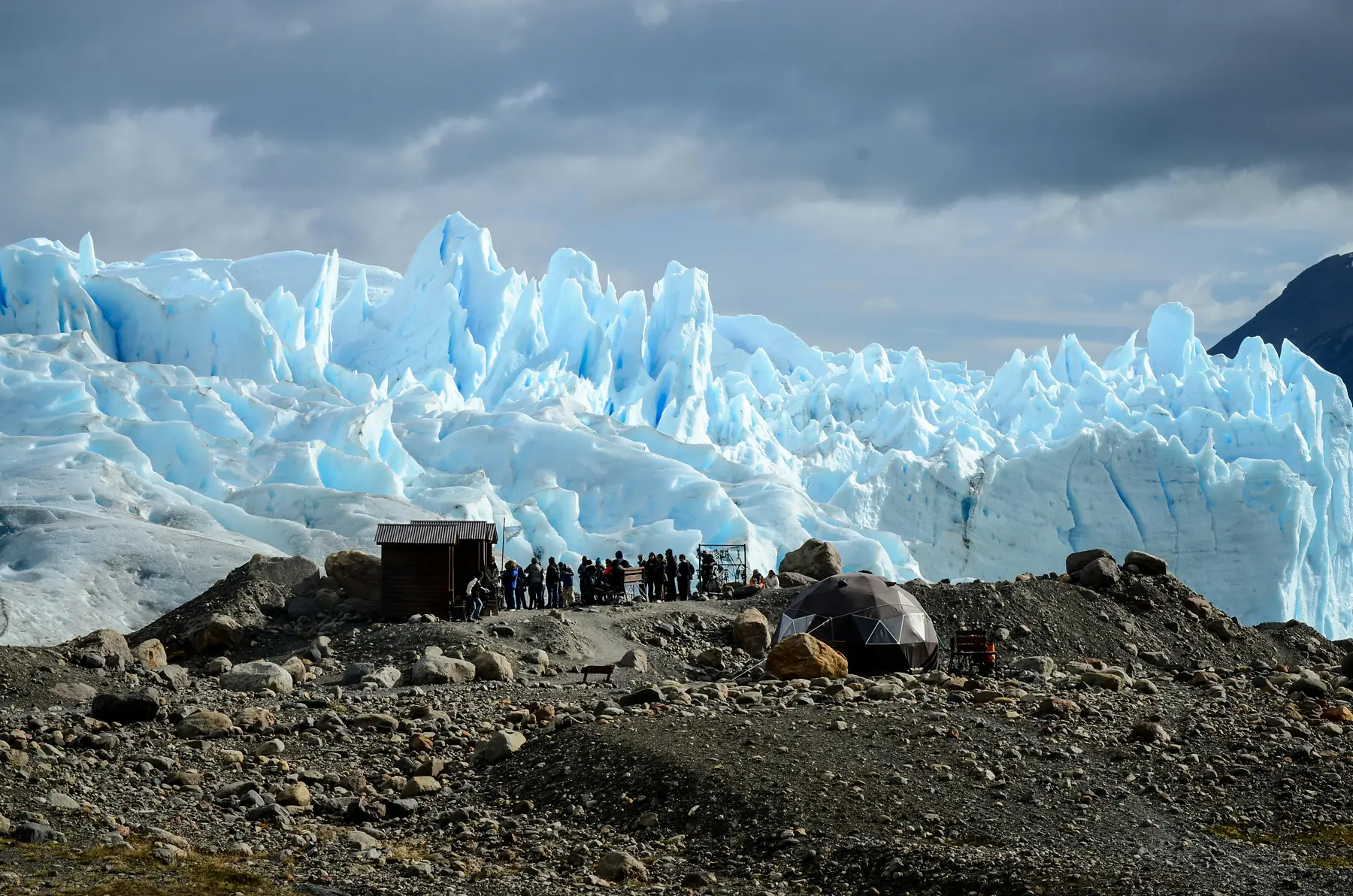
Day Trips Beyond the Border: Perito Moreno Glacier
A common question for travelers in Puerto Natales is whether they can visit the Perito Moreno Glacier in Argentina as a day trip. The answer is yes, but it is an exhausting 14-hour commitment.
The journey involves a 5-hour bus ride each way, including two border crossings (Chilean and Argentinian customs). Despite the travel time, many choose to do it because Perito Moreno is one of the few advancing glaciers in the world and offers a scale and “rupture” frequency that the Balmaceda and Serrano glaciers cannot match.
Evening in Natales: Craft Beer & King Crab
After a day of exploring or preparing for a trek, the evening culture in Puerto Natales revolves around two things, craft beer and Centolla (King Crab). The town has a surprisingly sophisticated dining scene that caters to the “apres-hike” crowd.
The craft beer scene is anchored by local breweries like Baguales, where the “Gaucho Pale Ale” is a staple. For dinner, the regional specialty is Centolla, often served in a “Chupe” (a rich, cheesy gratin) or simply fresh with lemon. To drink, try a Pisco Sour made with Calafate berries - legend says that anyone who eats the berry is destined to return to Patagonia.
For a curated list of where to find the best versions of these dishes, see our guide to the best places to eat in Puerto Natales.
FAQ
How many days do I need for things to do in Puerto Natales? Two full days are ideal - one for a glacier cruise and another for local highlights like the Mylodon Cave and Cerro Dorotea. If you are also using the town as a base for W Trek prep, add an additional half-day for gear rental and the Erratic Rock talk.
Is it possible to visit Torres del Paine as a day trip from Puerto Natales? Yes, many operators offer “Full Day Paine” tours that depart Puerto Natales around 7:00 AM and return in the evening, covering the park’s main viewpoints like Salto Grande and Lake Pehoé.
Can I see penguins in Puerto Natales? No, the nearest significant penguin colonies are located near Punta Arenas (Isla Magdalena) or via a specific tour to Seno Otway. You will not find penguin colonies within the immediate vicinity of Puerto Natales.
What are the best free things to do in Puerto Natales? Walking the waterfront Costanera to see the Muelle Histórico and birdwatching for black-necked swans are the best free activities in town. Visiting the town’s central plaza and the local artisanal market are also free.
Do I need to book tours in Puerto Natales in advance? For glacier cruises and Perito Moreno day trips, booking 1–2 weeks in advance is recommended during the peak 2026/27 season. Local hikes and museum visits generally do not require advance booking.
Is the water in Puerto Natales safe to drink? Tap water in Puerto Natales is generally safe to drink, but confirm with your accommodation and follow any local advisories. Bring a reusable bottle for refills in town. On nearby trails, use confirmed potable supplies or treat uncertain water; clear glacial streams are not automatically safe to drink.