
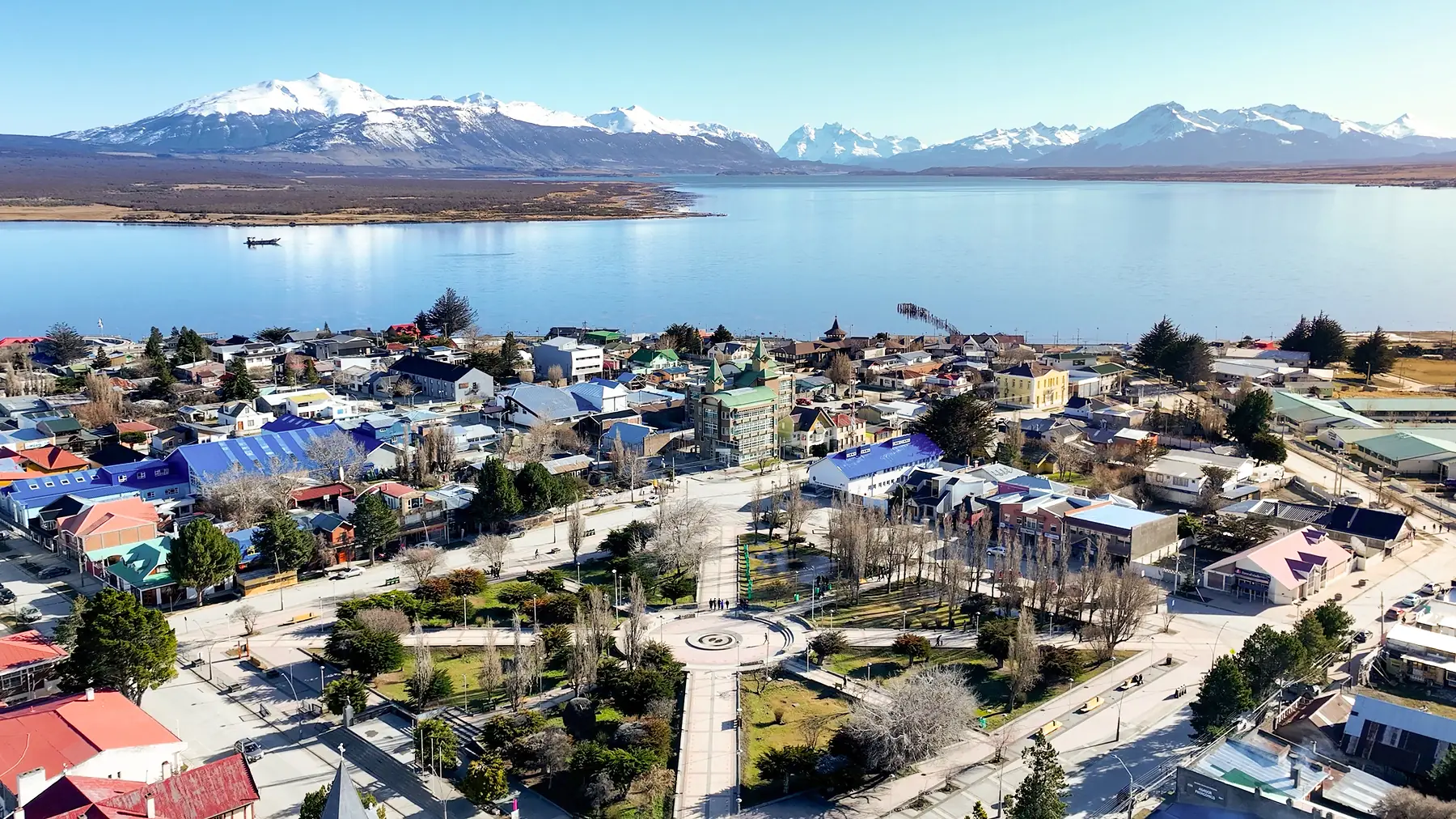
Most travelers treat Puerto Natales purely as the launchpad for the W Trek, but the town itself sits among a handful of excellent day hikes - short ridge climbs, waterfront walks, and trails to ancient caves that are perfect for acclimatizing before a big trek or recovering after one. This guide covers the best walks you can do directly from town or on a quick transfer.
Looking for museums, glacier boat tours, kayaking, estancia visits, and nightlife instead? See our companion guide to the best things to do in Puerto Natales. For arrival logistics, see how to reach Puerto Natales. The town is highly walkable, centered on a grid that slopes down toward the Señoret Channel, where the Andes rise abruptly from the water.
Puerto Natales at a Glance
- Best Time to Visit: November to March for long daylight hours and peak activity.
- Currency: Chilean Peso (CLP); ATMs are widely available in the town center.
- Distance to Torres del Paine: Approximately 80km to the Laguna Amarga entrance (1.5 to 2 hours by bus).
- Major Gateway: Primary hub for the W Trek and O Circuit in Torres del Paine.
- Must-Try Food: King Crab (Centolla) and Patagonian Lamb (Cordero).
The Costanera: Puerto Natales’ Iconic Waterfront
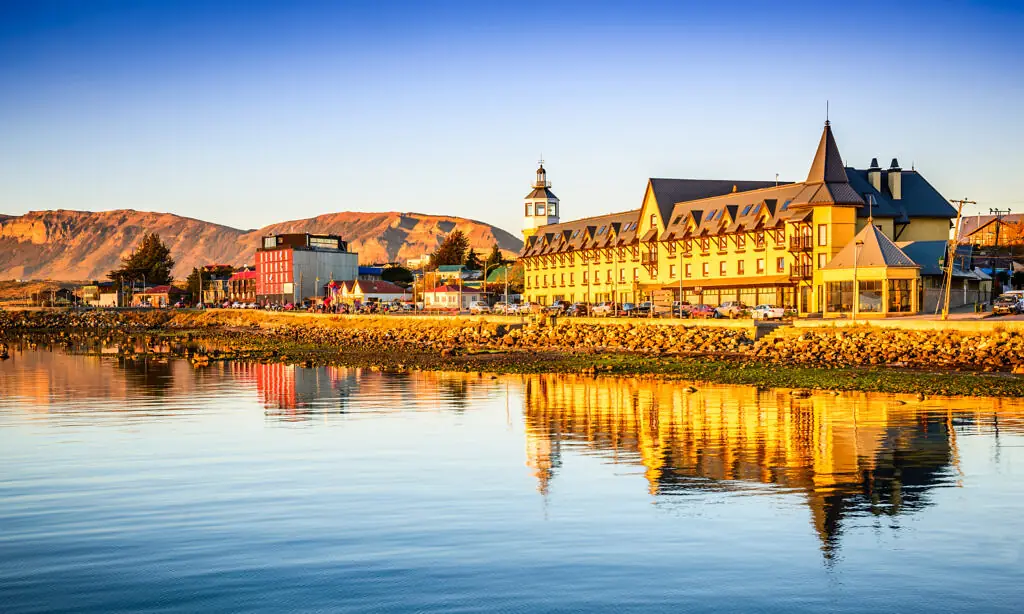
The best thing to do in Puerto Natales is walk the Costanera at sunset – a 5km paved path that offers front-row seats to the dramatic weather and shifting light of the Señoret Channel. This waterfront serves as the town’s social and scenic heart, where the “Blue Hour” turns the distant peaks of the Almirante Nieto mountain range into deep silhouettes against the water.
The walk typically begins at the “Fisherman’s Pier” (Muelle de Pescadores) and continues toward the Muelle Histórico – the skeletal remains of a Victorian-era pier that is now the most photographed landmark in town. Along the way, you will pass several significant monuments, including the Monumento al Viento (Wind Monument), which features two bronze figures suspended in the air, and the Monumento de la Mano (Hand Monument), where giant fingers emerge from the ground.
For nature enthusiasts, the Costanera is a prime birdwatching spot. The shoreline is frequently dotted with black-necked swans, Chilean flamingos, and upland geese. Unlike the more skittish wildlife in the National Park, these birds are well-accustomed to the town’s presence, allowing for excellent photography from the paved path.
The wind on the Costanera can be significantly stronger than in the town center. Even on a sunny day, the “wind chill” from the channel is biting – wear a windproof shell even for a casual evening stroll.
Hiking Cerro Dorotea for the Best View of Town
Cerro Dorotea is the most rewarding local hike for those who want a panoramic view of Puerto Natales and the surrounding fjords without traveling to the national park. Located just 10km from the town center, this 800-meter-high ridge provides a 360-degree perspective of the Señoret Channel, the town grid, and the distant peaks of Torres del Paine on a clear day.
The hike is a moderate ascent that takes roughly two to three hours round-trip. The trail crosses private land, and part of the unique appeal is the hospitality of the local families who manage the access. It is a long-standing tradition for hikers to be greeted with hot tea and fresh sopaipillas (fried pumpkin bread) at the farmhouse after finishing their descent. As of the 2026/27 season, the entry fee is approximately $5,000 CLP for foreigners, payable in cash to the family at the trailhead.
- Time Added: 1.5–2 hours of flat, unshaded road walking along the highway each way (Walking)
- Time Added: 15 minutes; drops you directly at the farmhouse gate (Taxi)
- Cost: Free (Walking)
- Cost: Roughly $7,000–$10,000 CLP (Taxi)
- Effort: Tedious unless training for a long-distance trek; save your energy for the ridge (Walking)
- Effort: Minimal; preserves your legs for the actual ascent (Taxi)
Take a taxi to save your legs for the actual ascent.
For more detailed trail maps and logistics for this and other local trails like the viewpoint at Cerro Benitez, see our full guide to the best hikes in Puerto Natales.
Cueva del Milodón Natural Monument
The Cueva del Milodón Natural Monument is the region’s most important archaeological site, marking the spot where German explorer Hermann Eberhard discovered the skin and bones of a giant ground sloth (Mylodon) in 1895. This prehistoric herbivore, which stood nearly three meters tall, became an icon of Patagonian history and is now immortalized by a life-sized statue at the entrance of the main cave.
The monument consists of three distinct caves. The Cueva Grande (Large Cave) is the most impressive, reaching a depth of 200 meters and a height of 30 meters. The cavernous interior is cold and damp, preserving the atmosphere that allowed ancient remains to stay intact for millennia.
Transport
Take a Bus Sur departure from the Terminal Rodoviario or rent a bicycle for the 25km ride from town.
Registration
Purchase your ticket in advance via the official pasesparques.cl platform. For the 2026/27 season, the entrance fee for adult foreigners is $11,400 CLP. The monument is typically open from 8:00 AM to 7:00 PM during the high season (October–April).
The Circuit
Follow the well-marked gravel paths to the Large, Medium, and Small caves, which take about 1.5 to 2 hours to explore fully.
Many travelers visit Cueva del Milodón as a half-day trip from Natales or as a quick stop on the way into Torres del Paine. If you choose to cycle, be prepared for significant headwinds on the return journey to town.
Beyond the Trails
Puerto Natales offers plenty for your non-hiking days - the fjord navigation to the Balmaceda and Serrano glaciers, “Full Paine” day tours into Torres del Paine, estancia visits with traditional asado al palo, and a culinary scene built on king crab and Patagonian lamb. We cover all of these, with operators, timings, and prices, in our 12 best things to do in Puerto Natales; this page stays focused on the trails.
If you’re heading north after Natales, the town is also the main staging post for the Cerro Castillo trek in Aysén; stock up on specialized gear and supplies here, as it’s the last reliable resource before more remote territory.
Essential Pre-Trek Preparation in Puerto Natales
For many, the most important “thing to do” in Puerto Natales is the final logistical push before heading into the backcountry. Spending a dedicated day on preparation ensures you don’t realize you’re missing a critical piece of gear when you’re 20km from the nearest road.
Gear Rental: The town center is packed with reputable rental shops like Rental Natales and Erratic Rock. You can find everything from high-altitude tents and -10°C sleeping bags to trekking poles and waterproof layers. It is always better to rent in town than to pay the premium prices for gear at the refugios inside the park.
Fuel Logistics: This is the most common pre-trek hurdle. You cannot fly with camping gas, so you must buy it in town. Isobutane canisters are available at most gear shops and even some smaller supermarkets. If you are using a liquid fuel stove, you will need to head to a “ferretería” (hardware store) to buy bencina blanca (white gas), which is widely available in 1-liter containers.
Grocery Shopping: The Unimarc on Manuel Bulnes is the primary hub for trek food, but for high-quality trail mixes, dried fruits, and specialized energy snacks, look for the smaller “frutos secos” shops scattered around the town center.
FAQ
Is Puerto Natales worth visiting if I’m not hiking?
Yes, Puerto Natales is worth visiting for its stunning fjord views, world-class Patagonian gastronomy, and boat excursions to the Balmaceda and Serrano glaciers that require very little walking. The town’s atmosphere and waterfront are ideal for those looking to experience Patagonia’s scale without the physical demand of trekking.
How many days should I spend in Puerto Natales?
Most travelers should spend 2 to 3 days in Puerto Natales – one day for trek preparation or the Costanera, one day for a glacier boat tour, and one day for a local hike like Cerro Dorotea. If you are using the town as a base for day trips to Torres del Paine, you may want to extend your stay to 4 or 5 days.
Can you see Torres del Paine from Puerto Natales?
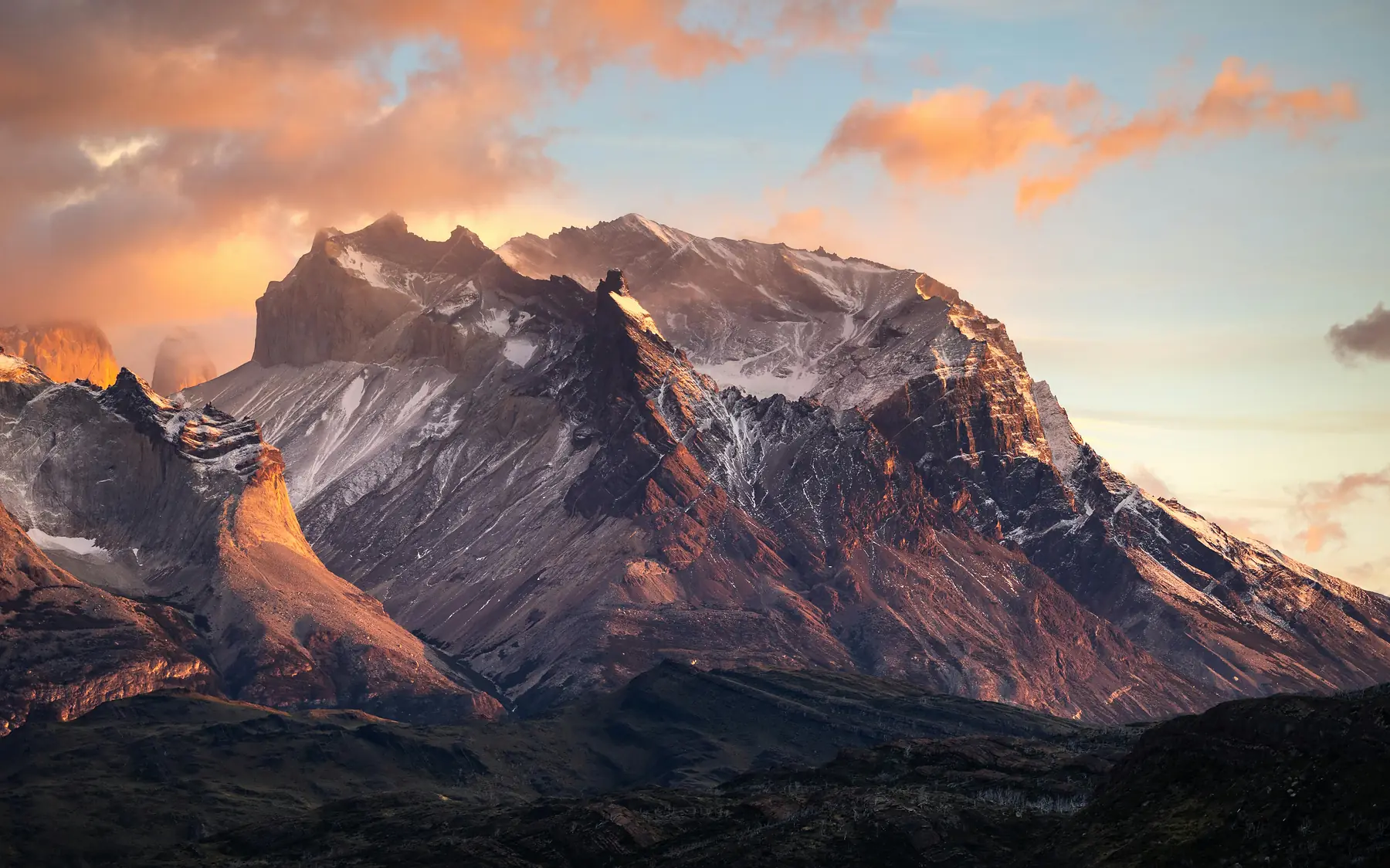
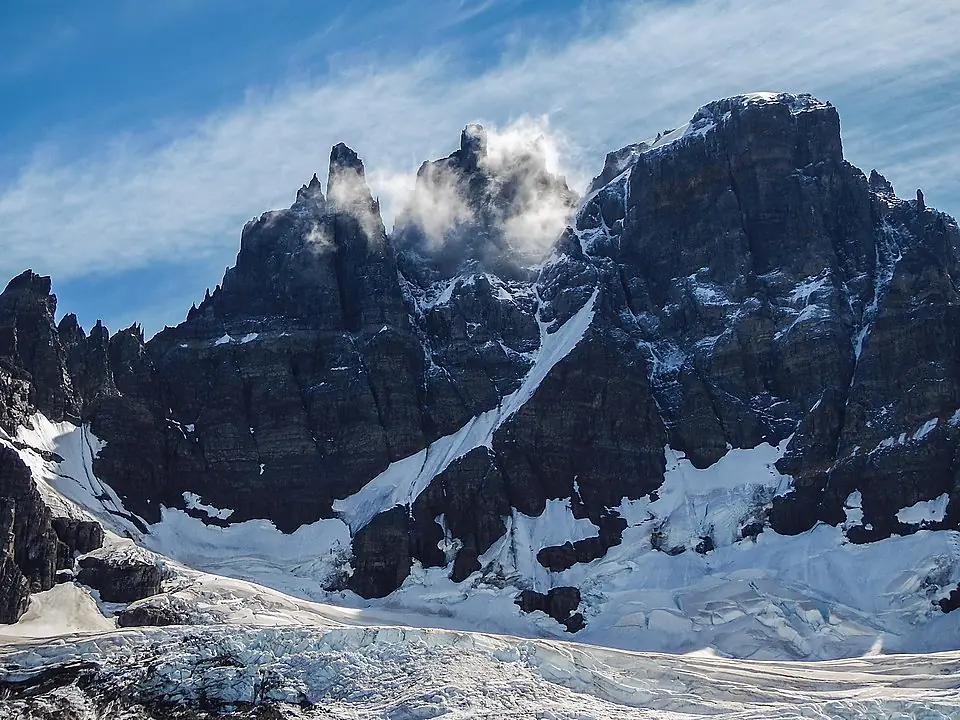
While you can see the distant peaks of the Andes from the Puerto Natales waterfront, the iconic “Towers” themselves are hidden; you must travel approximately 80km into the national park for a clear view. On a very clear day, you can see the Almirante Nieto massif, which is part of the same mountain group.
Where can I rent hiking gear in Puerto Natales?
There are several reputable gear rental shops near the town center and the bus station, such as Rental Natales and Erratic Rock, offering everything from sleeping bags to camping stoves. It is recommended to visit these shops a day before your trek to ensure the right fit and availability.
Is the water in Puerto Natales safe to drink?
Yes, the tap water in Puerto Natales is safe to drink and of very high quality. The water comes directly from glacial sources and is among the cleanest in Chile. However, hikers should still use filters when drawing water from rivers near town to avoid agricultural runoff.
What is the best way to get to Cueva del Milodón from Puerto Natales?
The best way to reach Cueva del Milodón is by taking a local bus (Bus Sur), renting a bicycle for a scenic 25km ride, or hiring a taxi for a half-day excursion. Many travelers also include it as a stop on a private transfer or “Full Paine” tour heading into Torres del Paine. Remember to book your entrance ticket online in advance.