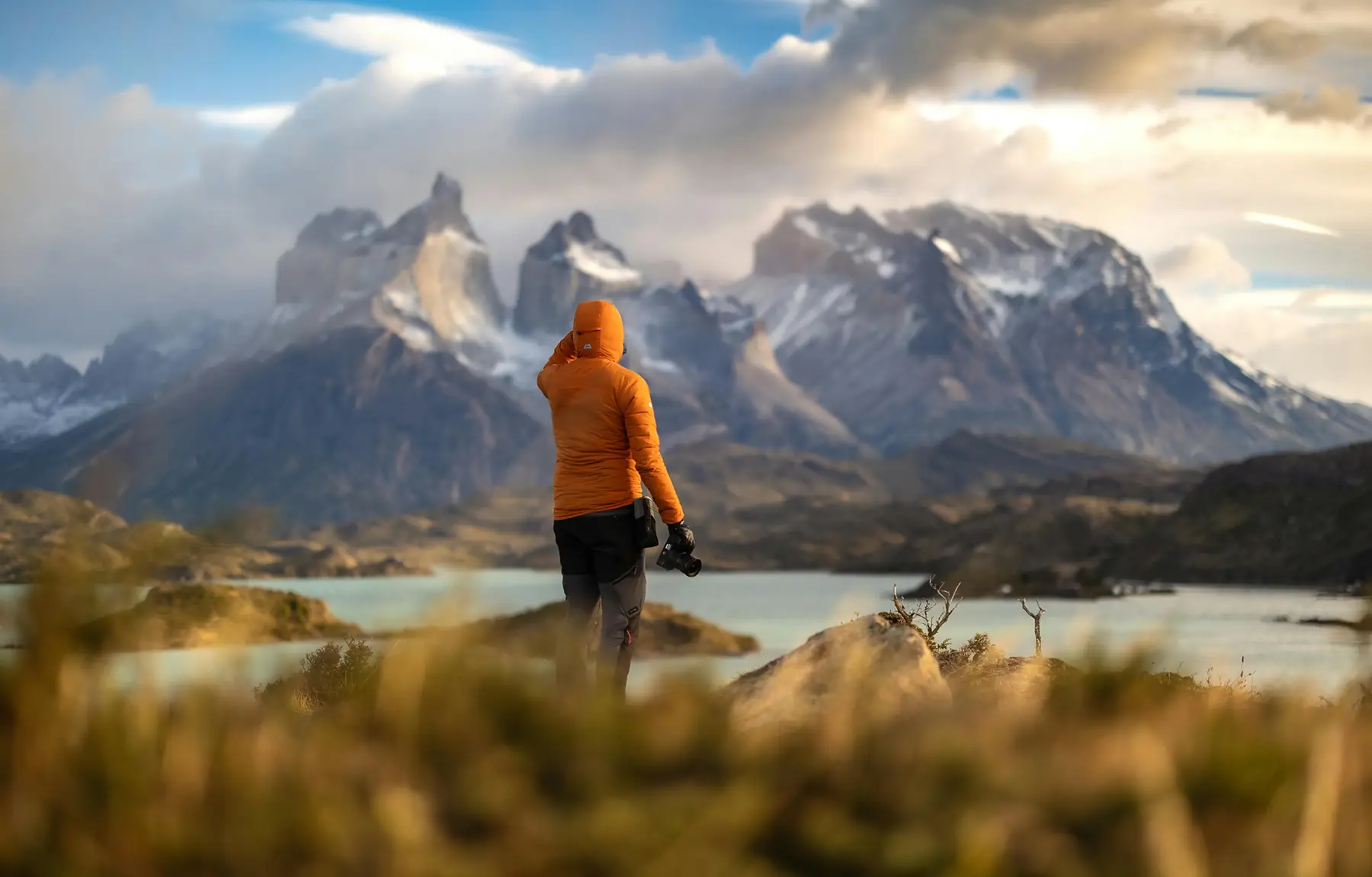
While Argentina’s side of Patagonia is defined by the vast, open Atlantic coast and accessible valley trails, Chile offers something completely different: a labyrinth of deep ocean fjords, temperate rainforests, and the vertical granite monoliths of Torres del Paine.
This 14-day itinerary focuses heavily on the unique fauna of the Pacific edge, moving from the massive penguin colonies of the Strait of Magellan up into the world’s premier hunting grounds for the elusive Andean puma, before crossing south to the remote Chilean side of Tierra del Fuego to visit the only resident colony of king penguins on the South American mainland.
Itinerary At-A-Glance
- Total Duration: 14 days (13 nights on the ground)
- Start/End Point: Santiago, Chile (Arturo Merino Benítez International Airport, SCL)
- Countries: Chile only (no border crossings required)
- Focus: Marine wildlife, puma tracking, glacial fjord navigation, king penguins
- Best Months: October to November (optimal penguin colony and puma tracking); April to May (golden window for puma cubs and empty trails)
- Estimated Budget: $3,500 to $6,000 USD per person, excluding international flights
- Fitness Level Required: Low to moderate. This is a wildlife observation itinerary, not a trekking route
- Internal Flights: 2 (Santiago to Punta Arenas, Punta Arenas to Santiago)
Route Overview and Logistics
Executing a seamless wildlife trip in Chile requires an understanding of regional geography and the stark differences between domestic flight corridors.
Route Rationale and Flight Strategy
This itinerary begins in Santiago at Arturo Merino Benítez International Airport (SCL), the primary entry point for Chile, and moves strictly southward.
The entry point for Chilean Patagonia is Punta Arenas (PUQ). Daily flights from Santiago take around three and a half hours. To keep costs down, book your internal flights as a single multi-destination ticket with a domestic carrier like LATAM or Sky Airline.
The major logistical pivot occurs on Day 11. Rather than backtracking to Punta Arenas by the same overland route, you take a ferry across the Strait of Magellan to the Chilean side of Tierra del Fuego. This opens up access to the king penguin colony and the remote Karukinka wilderness before looping back to Punta Arenas for your flight home.
Seasonality and Wildlife Pacing
Because this route hinges on highly specific wildlife migrations and tracking conditions, your calendar choices will directly dictate your success.
Magellanic Penguins: The colony at Magdalena Island is strictly seasonal. The birds arrive to breed in September and begin their northward migration by April. The absolute peak volume occurs between November and February, when all breeding pairs are actively nesting and chick-rearing is underway.
Puma Tracking: Pumas inhabit Torres del Paine year-round, but the summer months of December through February present tougher tracking conditions due to high winds and heat, which push the cats into dense brush during daylight. Spring (October to November) offers the best balance of long daylight and active wildlife, while autumn (April to May) is the absolute golden window for trackers, as puma cubs are older and more visible, and the park is free of trekking crowds.
Accommodation in Torres del Paine and puma tracking guides for the October-to-January peak season should be secured 6 to 8 months in advance. The professional tracking operations on private ranches have limited daily capacity and book out fast. Budget roughly $150 to $250 USD per internal flight leg.
Phase 1: The Strait of Magellan (Days 1–3)
Day 1: Santiago to Punta Arenas — Transition to the South
Your journey begins with a morning flight from Santiago, sweeping along the spine of the Andes before descending into Punta Arenas, the historic capital of the Chilean Magellanic region.
After checking into your hotel near the historic centre, spend a relaxed afternoon walking along the coastal promenade. The Strait of Magellan sits directly before you, and the waterfront old piers are excellent locations for early birdwatching. Look for imperial cormorants, southern giant petrels, and dolphin pods breaking the surface just offshore.
Wrap up your evening with an early dinner trying local specialities like Magellanic lamb or southern king crab (centolla). Punta Arenas is one of the few places in Patagonia where you can eat centolla pulled from the Strait that same day.
Day 2: Magdalena Island — The Penguin Metropolis
Today you will board a boat from the local pier to cross the historic waters of the Strait of Magellan toward the Los Pingüinos Natural Monument on Magdalena Island. The navigation takes roughly 90 minutes each way, and the waters can be notoriously choppy.
The Strait of Magellan crossing is exposed open water. Pack motion sickness medication and take it at least 30 minutes before departure. Sailings are frequently cancelled due to high wind and wave conditions, so keep Day 3 flexible as a backup window.
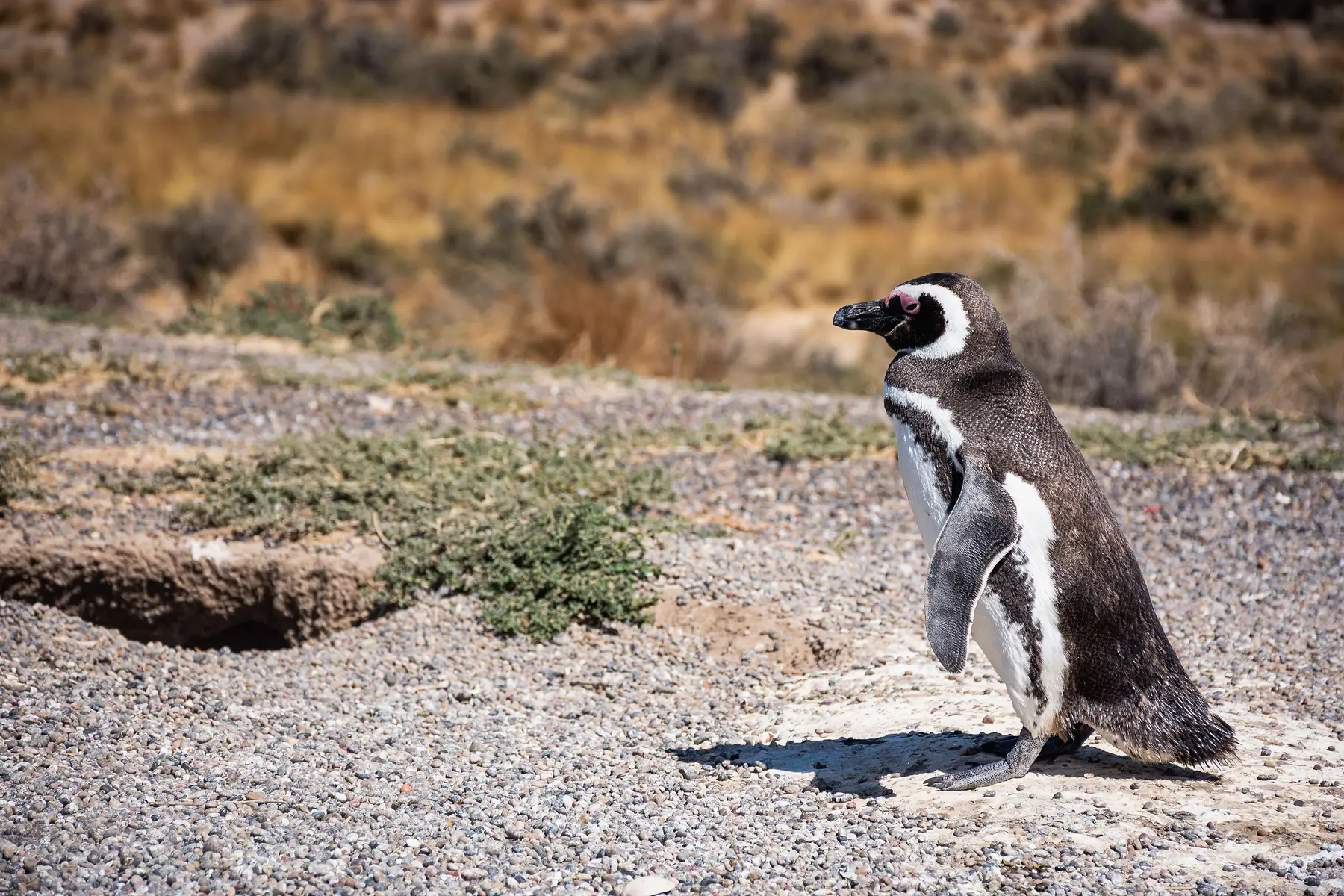
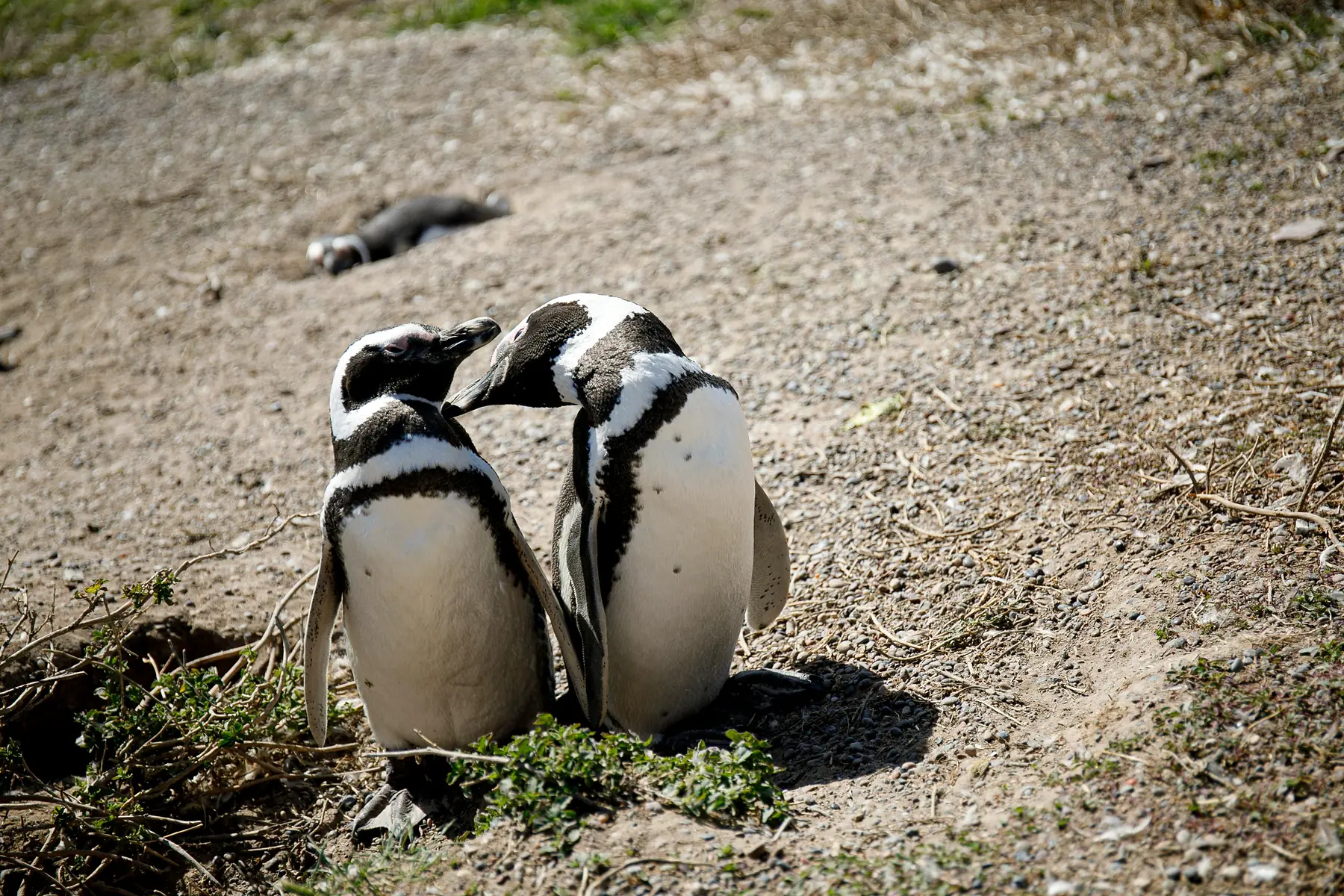
Once on the island, you have a strictly managed one-hour window to follow a designated loop trail that cuts directly through the colony of Magellanic penguins. The birds dig their nesting burrows right along the gravel paths and display zero fear of humans, routinely crossing the trail inches from your boots. Keep your camera at eye level to capture candid behaviours, and watch the shore to see groups of penguins gathering the courage to plunge into the cold surf.
During the boat crossing, keep a sharp eye on the waves for black-and-white Commerson’s dolphins, which are known to playfully surf the wake of the vessels.
Day 3: Punta Arenas to Puerto Natales — Across the Steppe
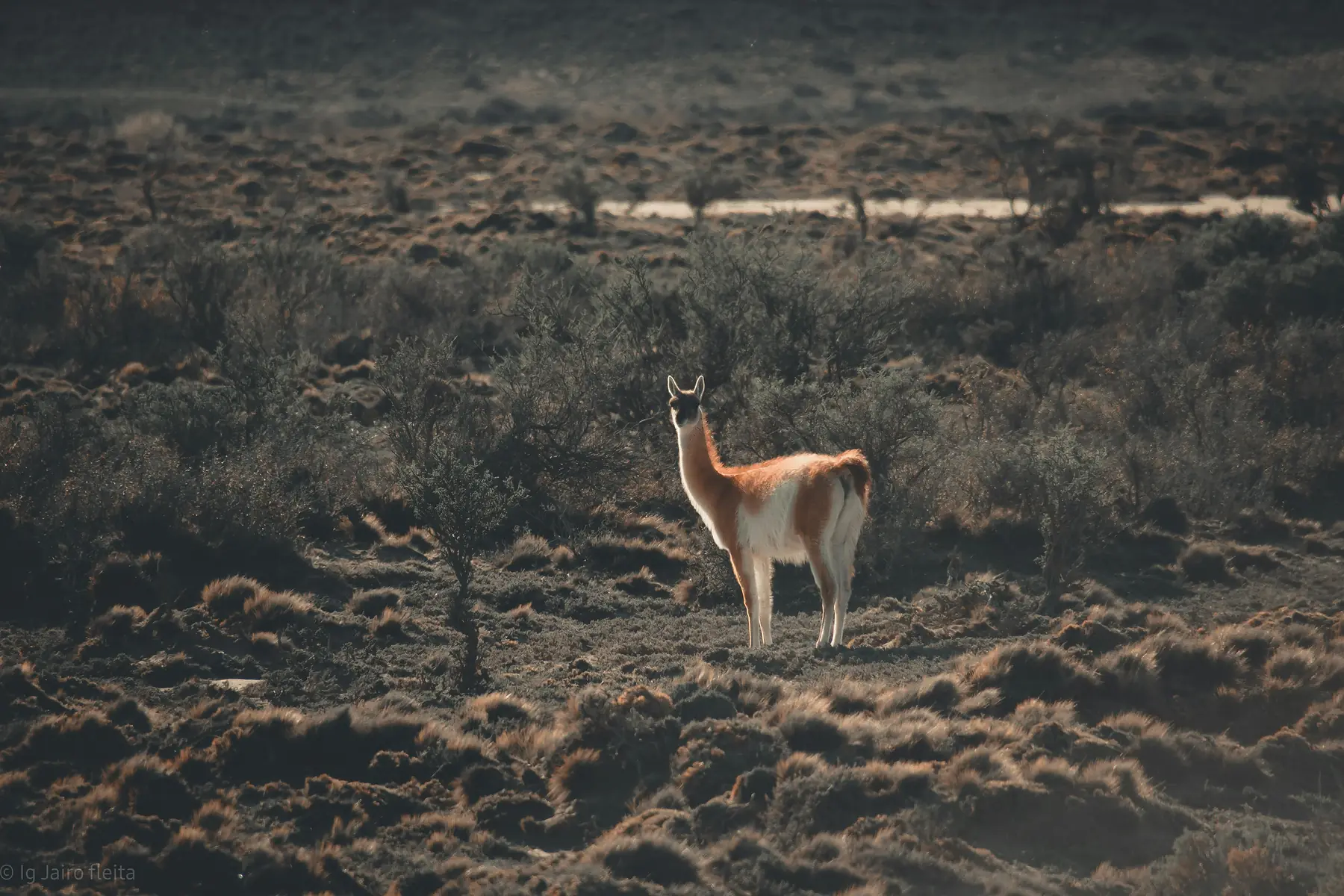
Board a morning public bus for the comfortable 3-hour journey north along Route 9 to Puerto Natales. The drive moves through the classic Patagonian steppe, where you will see vast, wind-swept estancias fenced off from the road, with small groups of guanacos and flightless ñandús (Darwin’s rheas) scattered across the yellow grass.
Puerto Natales sits on the shores of the Última Esperanza Sound. Spend your afternoon walking the waterfront boardwalk to spot Chilean flamingos feeding in the shallow mudflats alongside black-necked swans. This serves as an excellent low-energy day to rest your legs and prepare your camera gear before heading deep into the rugged interior of Torres del Paine tomorrow.
The flamingos at Puerto Natales are best seen in the soft light of late afternoon, when the low sun brings out the pale pink tones of their plumage against the dark water. Bring a telephoto lens — the mudflats keep them at moderate range.
Phase 2: The Apex Predators of Torres del Paine (Days 4–7)
Day 4: Torres del Paine — Entry and Evening Safari
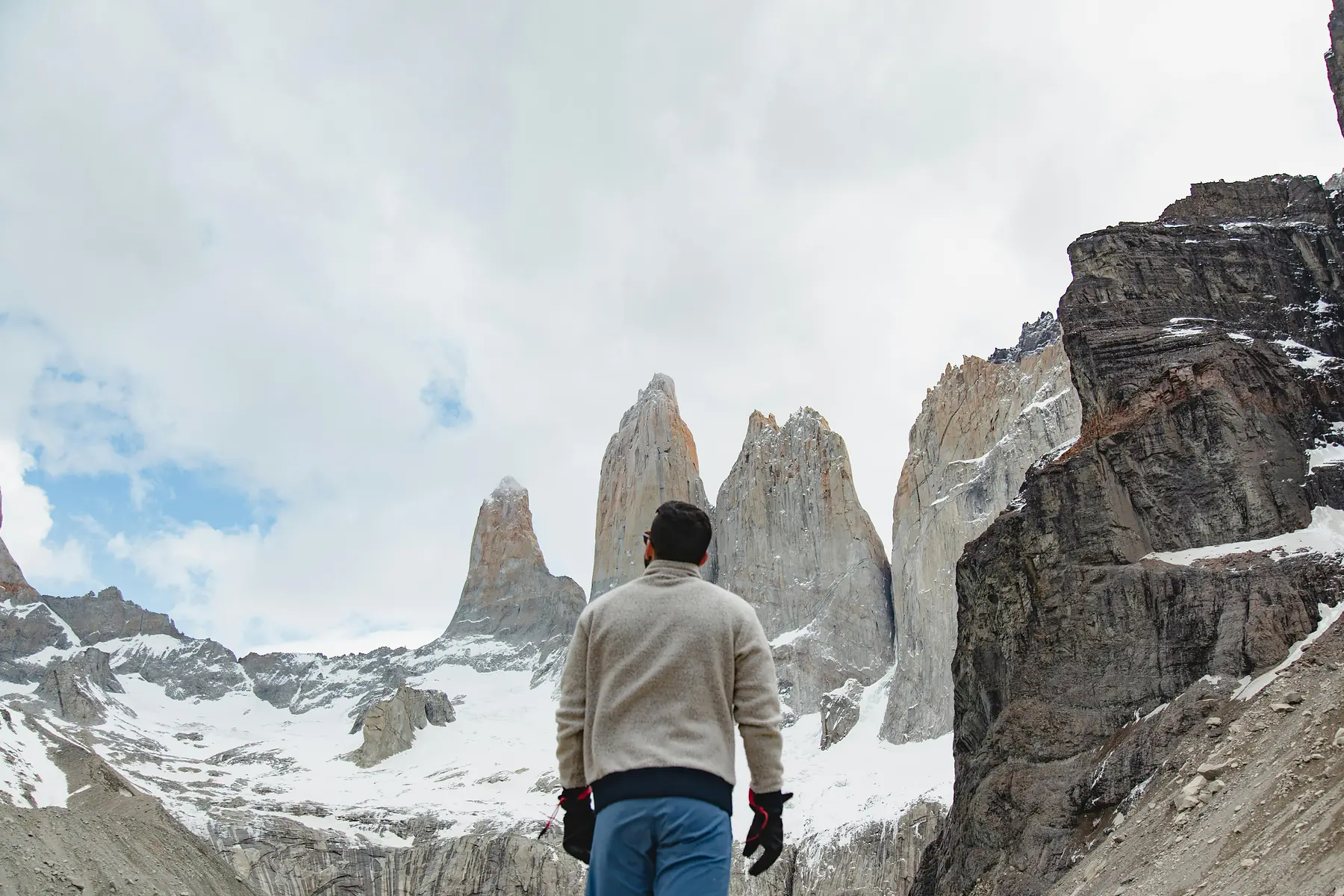
Travel north from Puerto Natales by private transfer or public bus to enter Torres del Paine National Park through the Laguna Amarga gate. The transition from the flat steppe to the sheer vertical walls of the Paine Massif is immediate and spectacular.
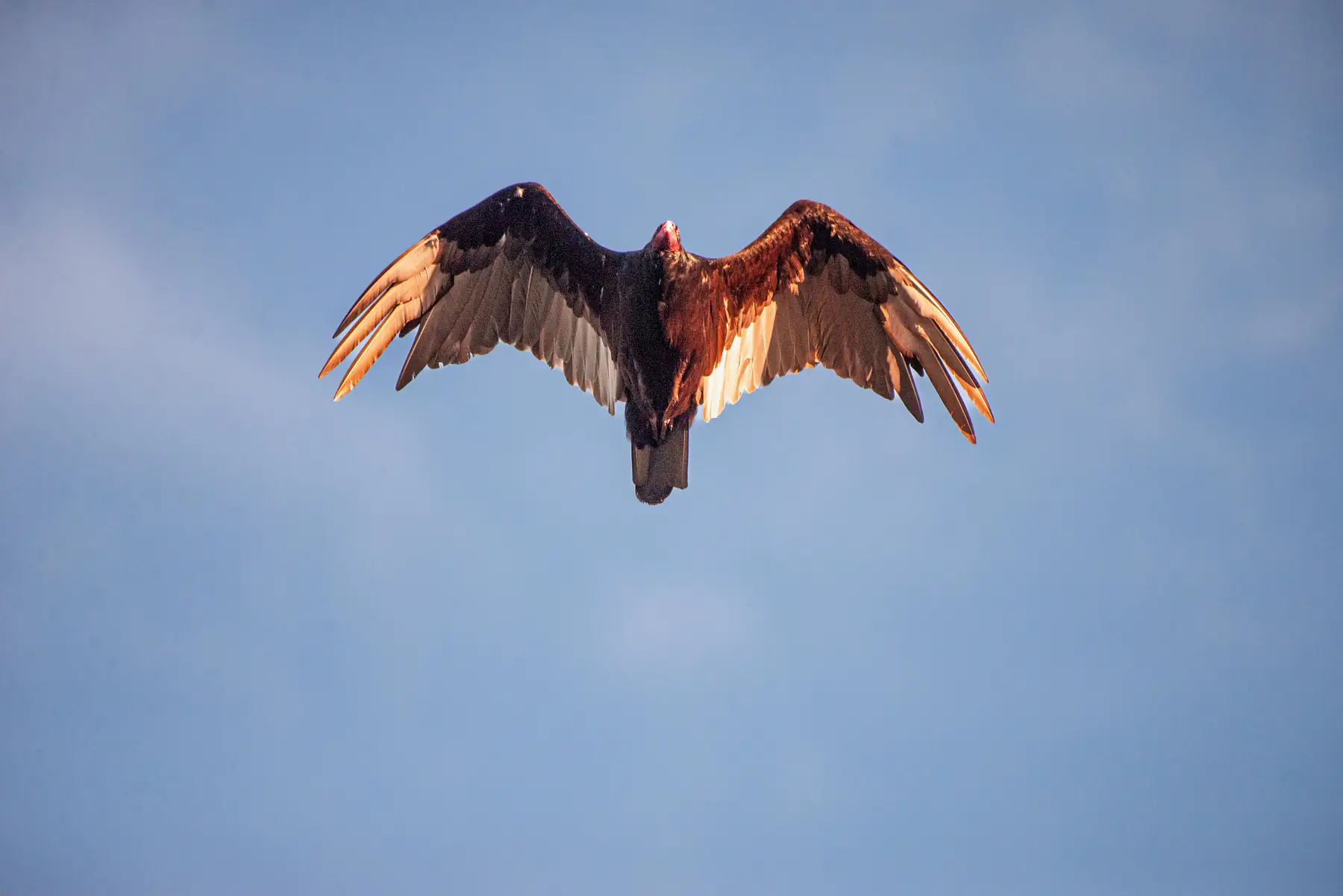
Dedicate your afternoon to a slow, wildlife-focused drive along the park’s eastern roads. This sector holds the highest density of guanacos in the park. Because these large camelids are the primary food source for pumas, where the herds gather, the predators are never far behind. You will also spot families of grey foxes slinking through the low calafate bushes and Andean condors riding the thermals off the rocky cliffs.
Rest early tonight, as tomorrow requires an incredibly early start. Set your alarm for 04:00 and lay out your warmest layers and camera gear the night before.
Day 5: The Puma Hunt — Specialised Tracking
Your day begins in complete darkness around 04:30. You will meet a specialised, licensed puma tracker and guide to head onto the private eco-ranches that border the eastern boundary of the national park.
Pumas are strictly protected here, and the ranches serve as a vital buffer zone where the cats have become habituated to the quiet presence of humans on foot. Your tracker will use high-powered spotting scopes from strategic high points to scan the ridgelines for movement as the first light hits the peaks.
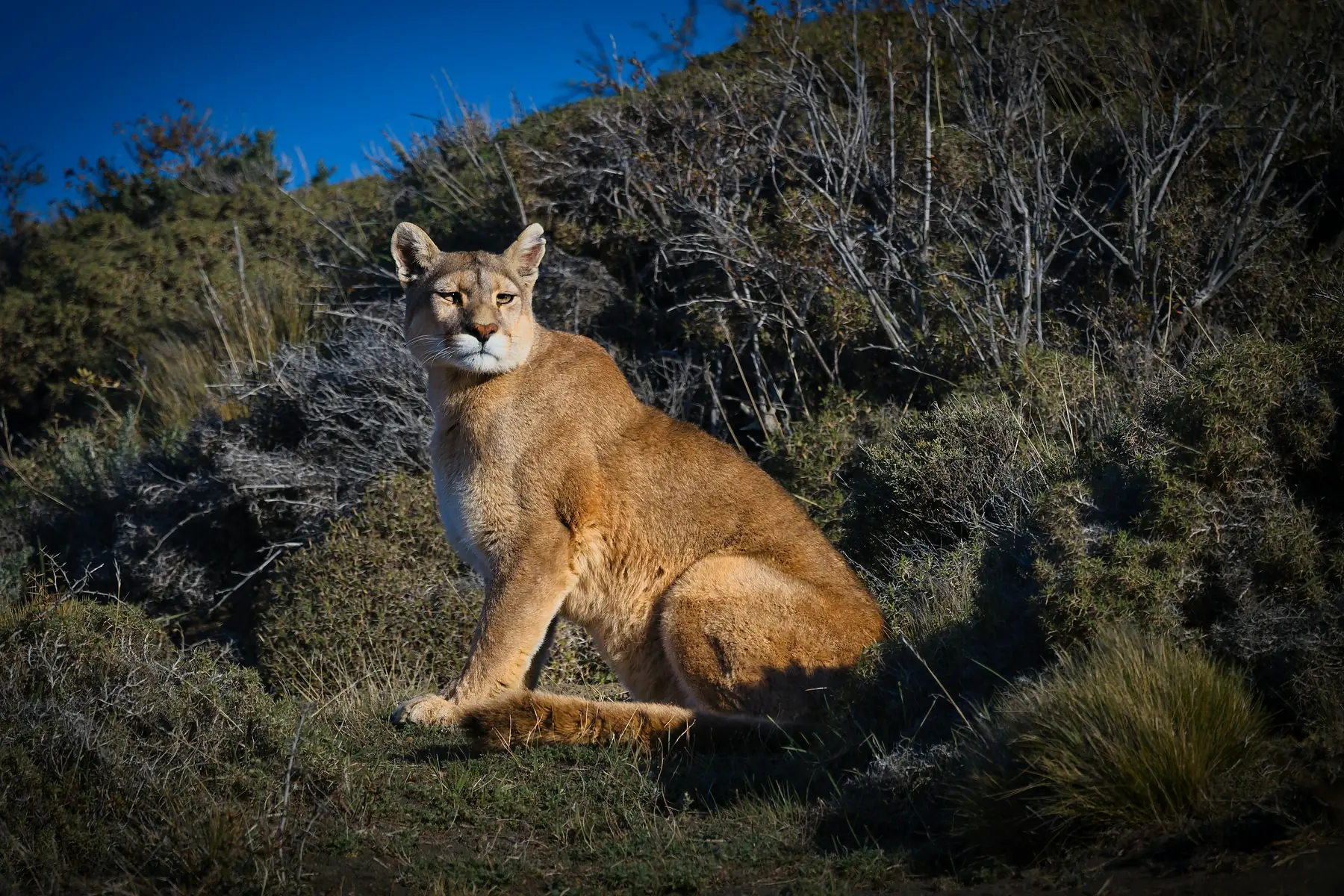
Once a cat is spotted, you will exit the vehicle and track the animal on foot, maintaining a safe, respectful distance of 50 to 100 metres. Watching a wild puma stalk through the golden coirón grass or interact with its cubs against the backdrop of the granite towers is a world-class wildlife spectacle. Beyond pumas, keep an eye out for southern grey foxes and hairy armadillos foraging in the dirt.
Puma tracking is a premium, specialised excursion that requires private access fees and expert guides. A full-day session typically costs $300 to $500 USD per person. While sightings can never be 100% guaranteed, the success rate with professional trackers in this specific sector is exceptionally high — often quoted above 90% during the optimal autumn and spring windows.
Day 6: Grey Glacier and Lake Pehoé — Scenic Recovery
After the intense physical and mental focus of yesterday’s tracking, use today for a less demanding, highly scenic exploration of the park’s western sector.
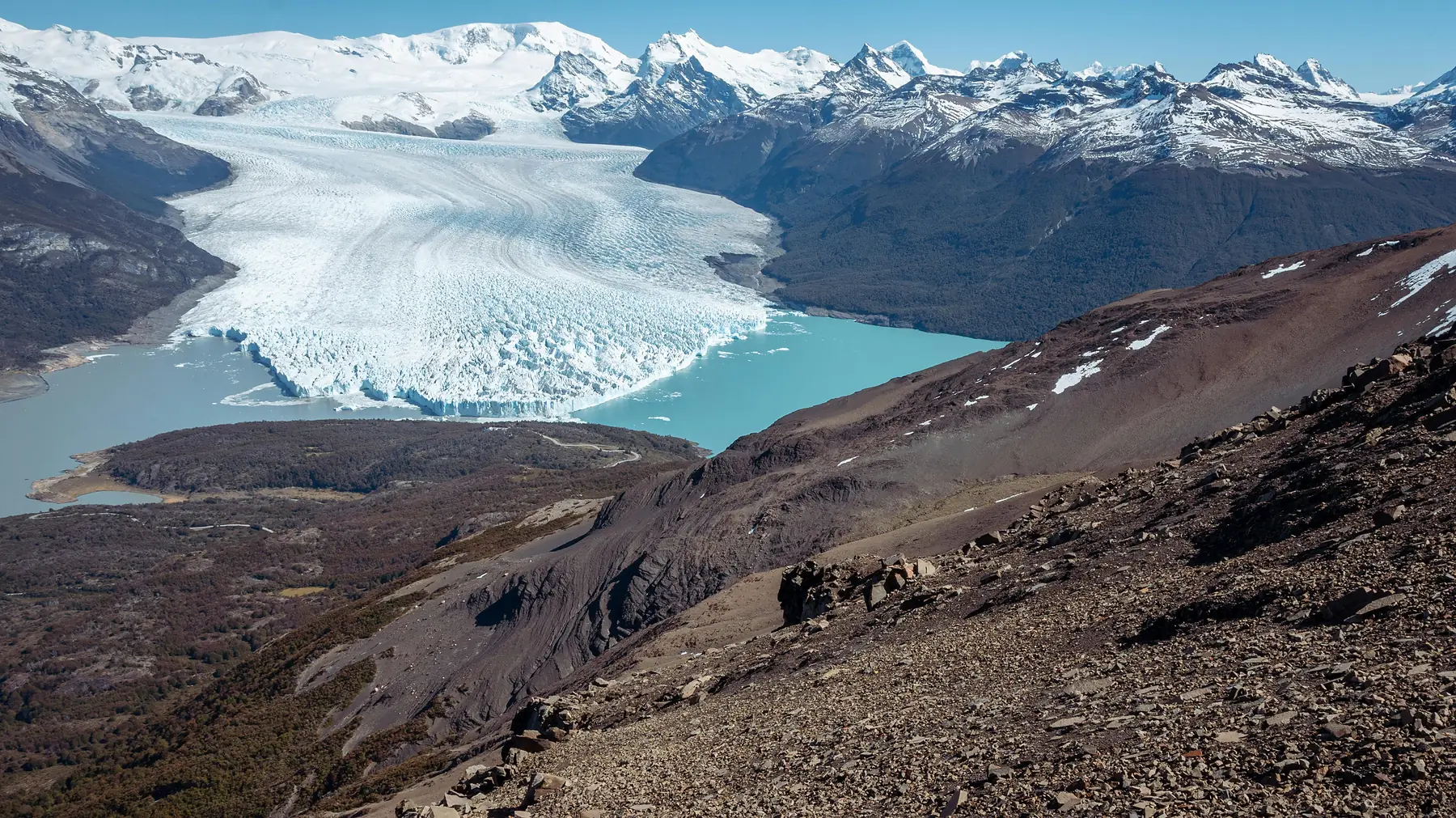
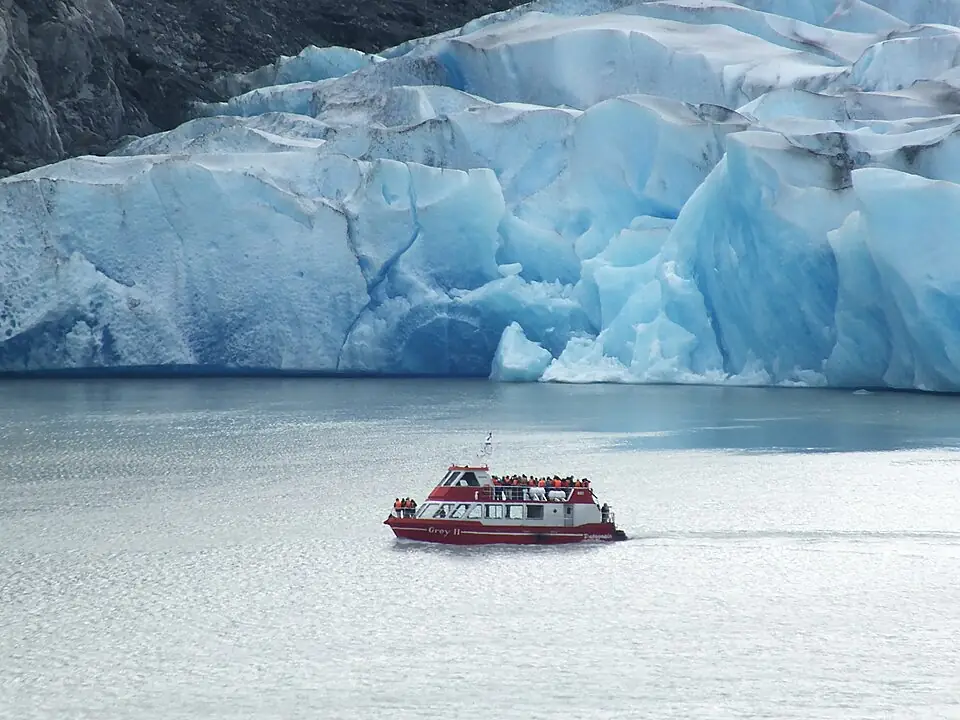
You can take a catamaran cruise across the turquoise waters of Lake Pehoé or join the formal boat excursion that navigates up to the massive face of Grey Glacier, part of the Southern Patagonian Ice Field. As the boat manoeuvres past floating blue icebergs, look along the steep rocky shoreline for rare torrent ducks resting on the slick rocks amidst roaring rapids, and keep an eye out for the white-crested elaenia and other specialised forest birds in the southern beech thickets.
Day 7: The Flexible Buffer Day — Managing the Elements
Patagonia’s weather is notoriously volatile, capable of delivering four seasons in a single afternoon. This day is built in as a vital insurance policy.
If heavy rains or extreme winds disrupted wildlife activity on Day 5, you can slide your puma tracking to today without breaking the flow of the trip. Professional trackers keep flexible calendars specifically for this reason — confirm your backup slot when you first book.
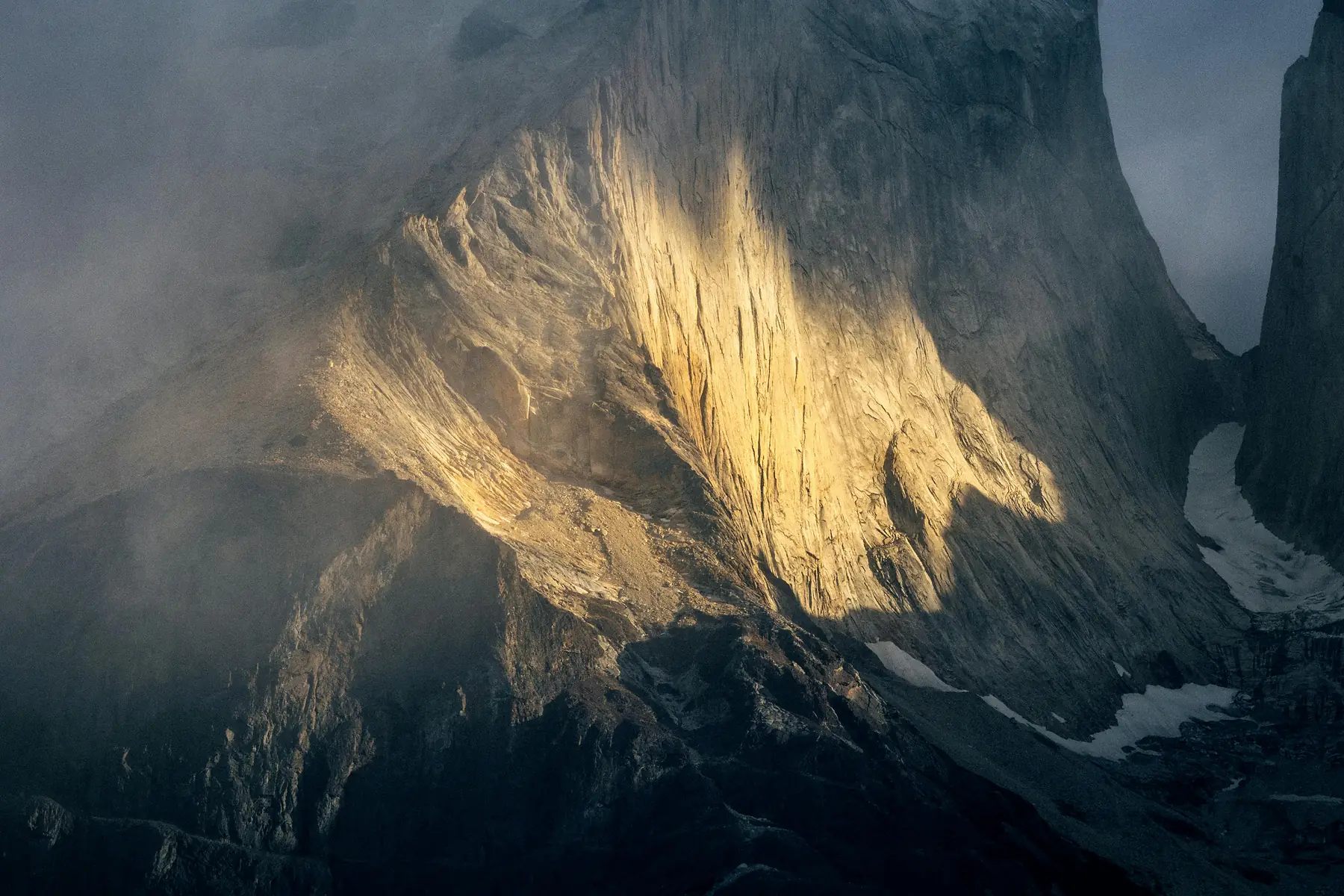
If your schedule went perfectly, use today for low-impact photography walks around the shores of Laguna Amarga or Lake Sarmiento, where unique white calcium carbonate structures called thrombolites line the water’s edge, creating an otherworldly foreground for shots of the mountain range.
Phase 3: The Fjords of Última Esperanza (Days 8–10)
Day 8: Return to Puerto Natales — A Slow Reset
Check out of your park lodge and take a slow morning transit back south to Puerto Natales. Use this afternoon to drop off laundry, browse the local craft markets, and rest your legs. Have a quiet dinner at one of the town’s innovative restaurants that focus on wild Patagonian ingredients like calafate berries, wild mushrooms, and fresh seafood from the Sound.
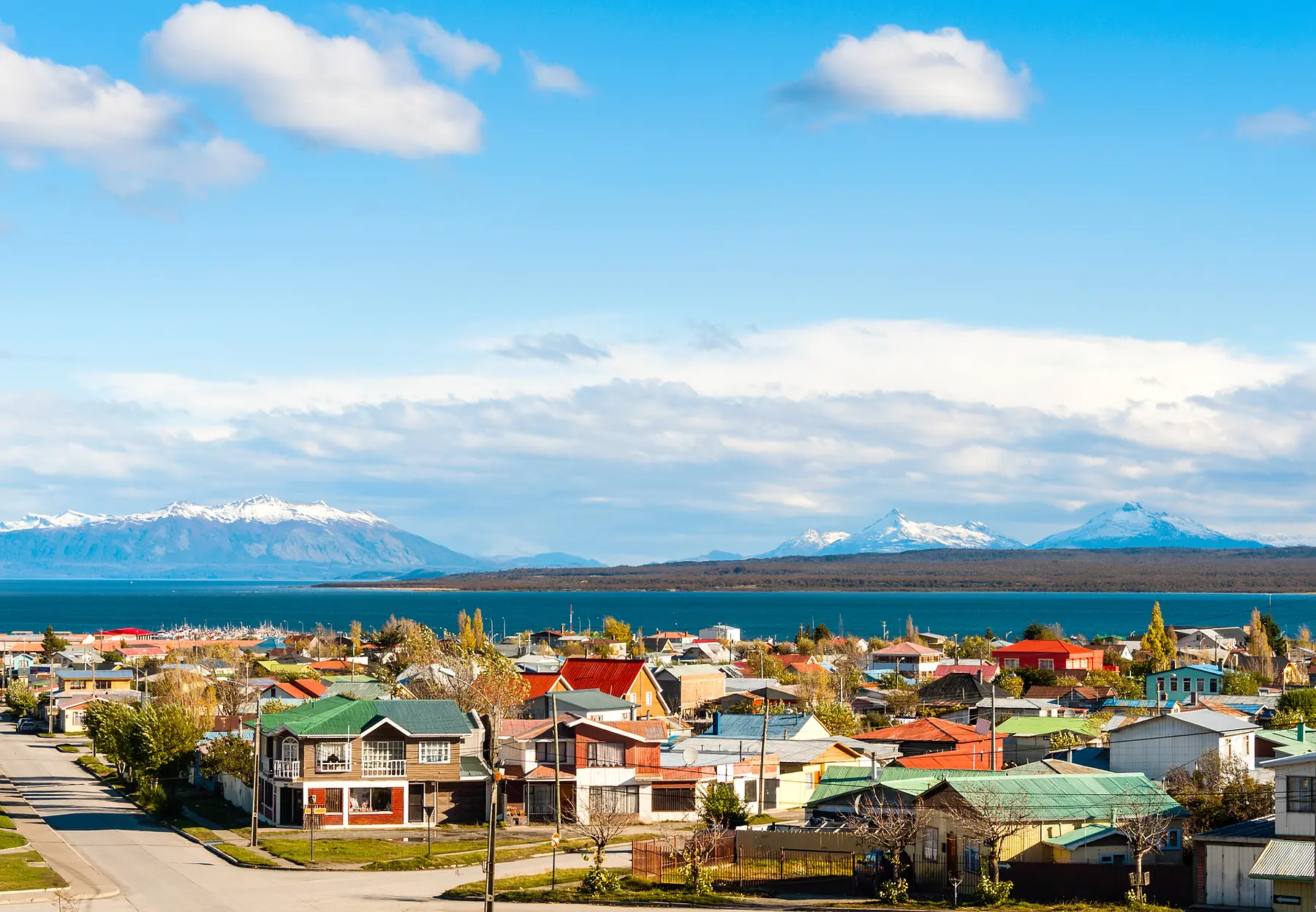
Day 9: Balmaceda and Serrano Glaciers — The Fjord Navigation
Board a maritime catamaran early in the morning from the Puerto Natales pier for a full-day voyage through the Última Esperanza Sound. This navigation cuts deep into the Bernardo O’Higgins National Park, an area accessible only by water.
As the boat moves past sheer rock faces dripping with waterfalls, look for resident colonies of imperial cormorants nesting on the cliffs and South American sea lions hauled out on rocky shelves. The boat will approach the Balmaceda Glacier before landing at Puerto Toro, where an easy 20-minute walk through a cold, moss-draped rainforest leads you to the base of the spectacular Serrano Glacier, which cascades down into a hidden lagoon filled with ice fragments.
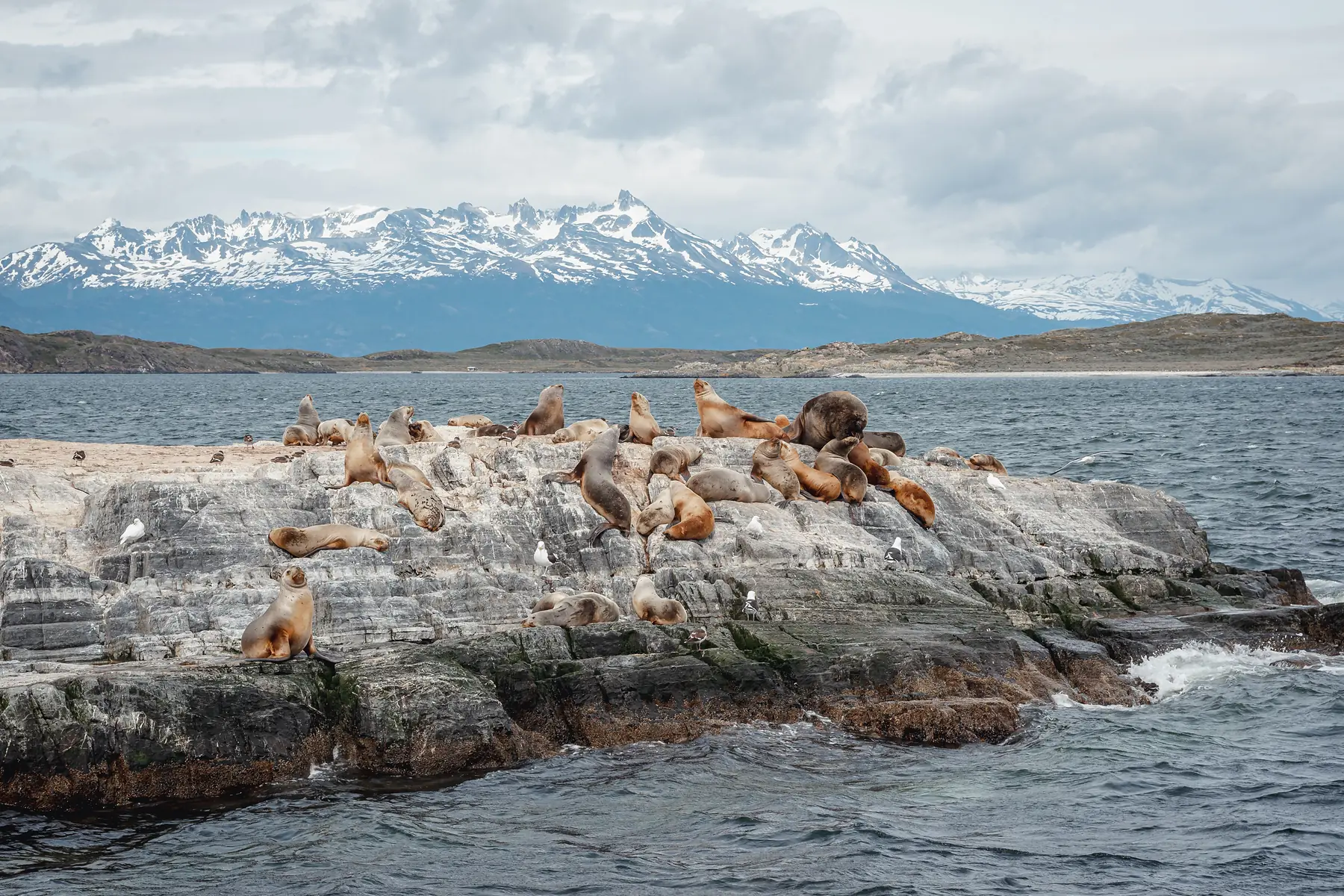
The Balmaceda and Serrano navigation is one of the most underrated experiences in Chilean Patagonia. Most visitors focus exclusively on Torres del Paine and miss this completely. The approach to the Serrano Glacier through the moss-draped forest is profoundly quiet and atmospheric.
Day 10: Low-Energy Buffer — Estancia Living
This serves as another flexible buffer day in Puerto Natales. You can use it to book an optional day trip to a traditional, working Patagonian estancia to watch sheep-shearing demonstrations and explore the old pioneer trailways on horseback. Alternatively, treat it as a quiet photography and café day to organise your memory cards and rest before tomorrow’s ferry crossing to Tierra del Fuego.
Use this evening to restock snacks and water for the next few days. Chilean Tierra del Fuego is genuinely remote — shops and services outside of Porvenir are extremely limited, so arrive self-sufficient.
Phase 4: Chilean Tierra del Fuego — King Penguins and Remote Wilderness (Days 11–14)
Day 11: Puerto Natales to Punta Arenas and the Ferry to Porvenir
Take the morning bus south from Puerto Natales back to Punta Arenas (roughly 3 hours). From Punta Arenas, board the Austral Broom ferry across the Strait of Magellan to Porvenir, the small, wind-battered capital of Chilean Tierra del Fuego. The ferry crossing takes approximately 2 to 2.5 hours and offers excellent open-water birdwatching — look for black-browed albatrosses, giant petrels, and Commerson’s dolphins in the wake.
Porvenir itself is a tiny settlement with a quiet frontier feel. Check into your accommodation and take a late-afternoon walk around the bay, where you may spot Chilean flamingos and black-necked swans feeding in the shallow tidal flats.
The Austral Broom ferry between Punta Arenas and Porvenir runs on a limited schedule (typically one to two crossings per day) and is frequently cancelled or delayed due to high winds in the Strait. Book your ticket in advance and keep your schedule flexible. If the ferry is cancelled, there is an alternative longer road route via the Primera Angostura crossing to the north.
Day 12: Parque Pingüino Rey — The King Penguin Colony
Drive south from Porvenir along the gravel roads of Tierra del Fuego toward Parque Pingüino Rey, located roughly 100 kilometres from town. The drive itself is a wildlife experience — the open grasslands are home to large herds of guanacos, flocks of upland geese, and the occasional culpeo fox trotting across the road.
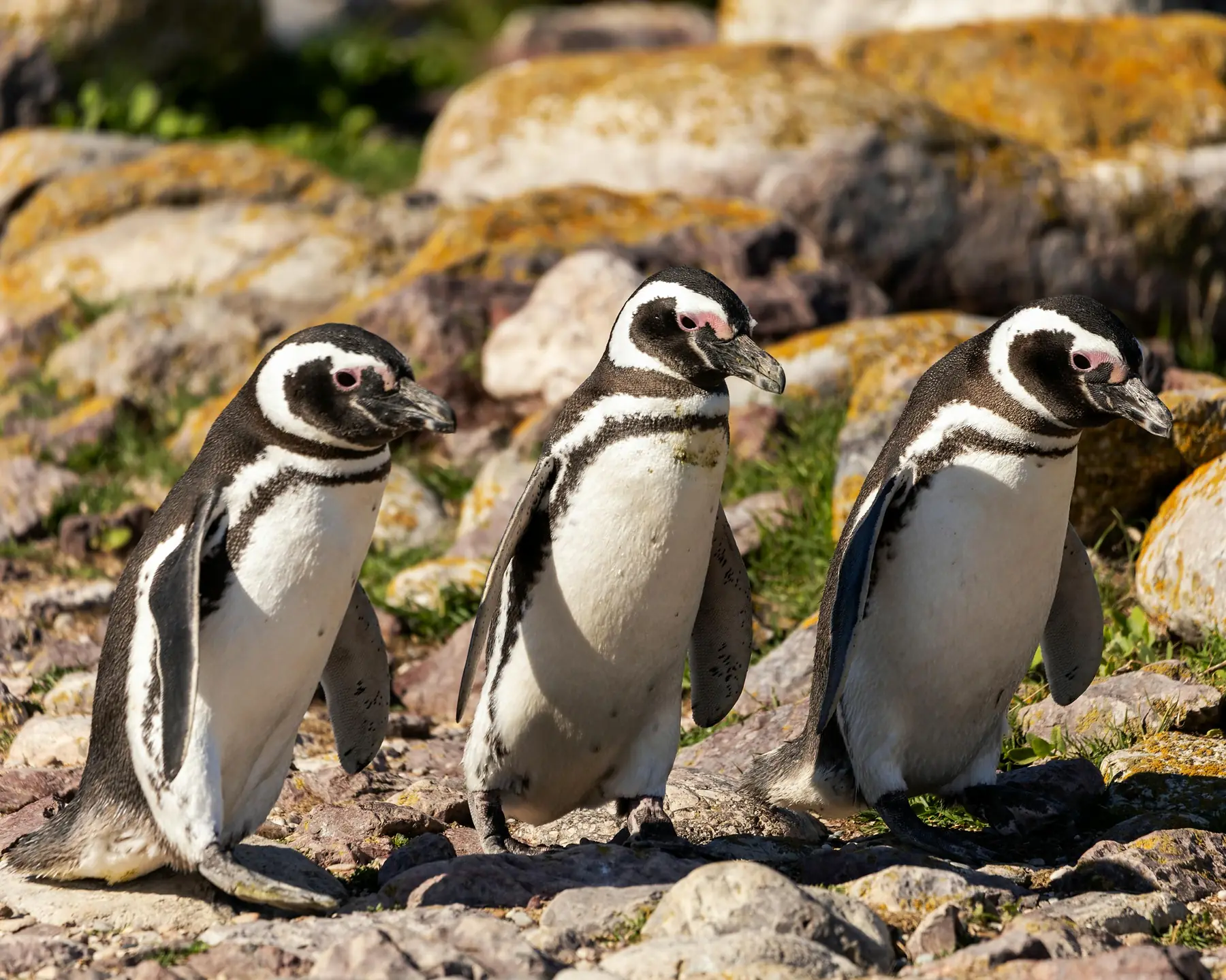
The park protects a small but remarkable resident colony of king penguins — the only such colony on the South American mainland. Unlike Magellanic penguins, king penguins are significantly larger, with vivid orange-gold ear patches and chest markings that make them unmistakable. A wooden viewing platform allows you to observe the colony at close range without disturbing the birds.
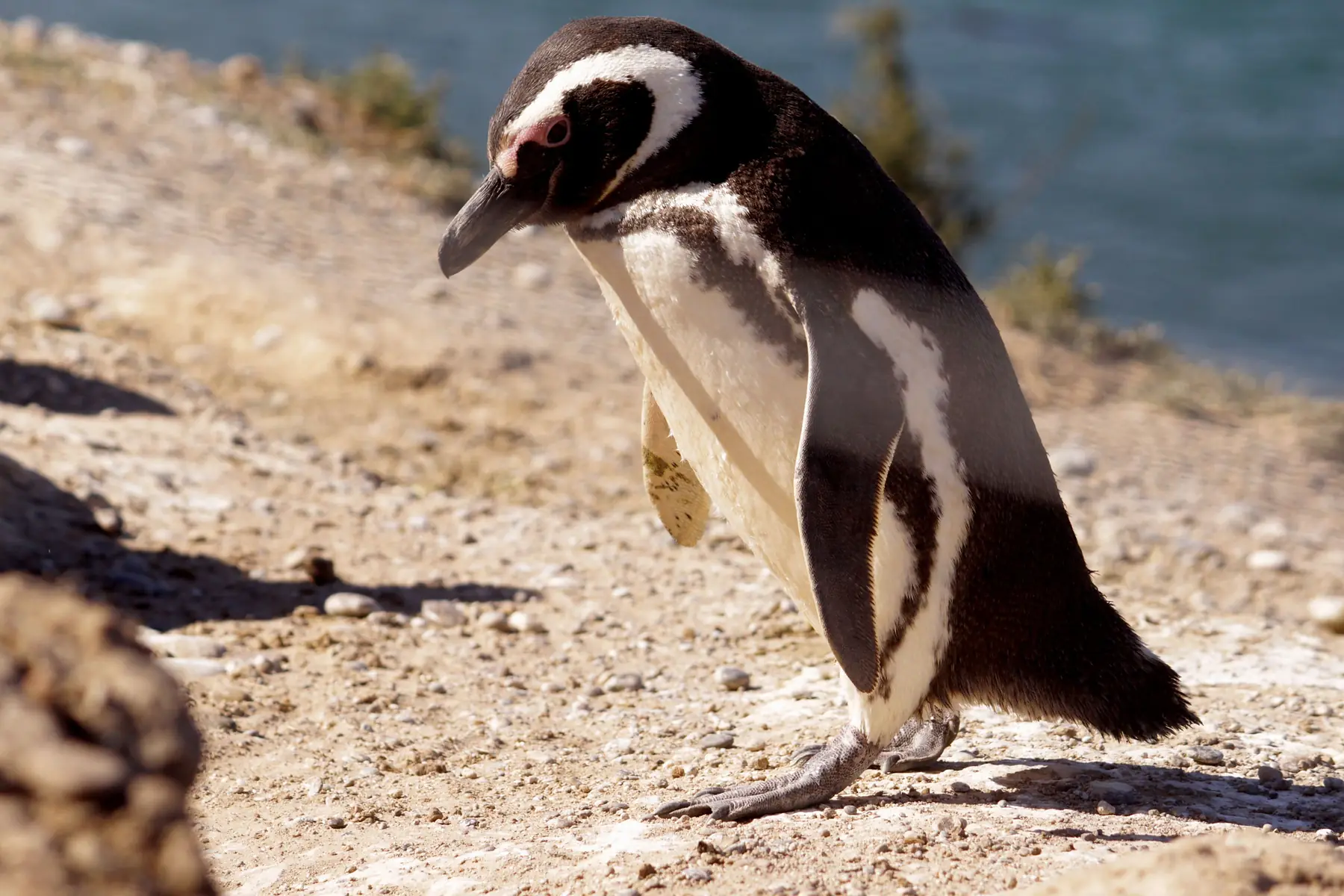
The king penguin colony is small (around 100 to 150 individuals) compared to the massive Magellanic colonies. What makes it extraordinary is its rarity — these are sub-Antarctic birds that should not be on a continental landmass at all. The visit is about witnessing something genuinely unusual, not overwhelming numbers.
Day 13: Karukinka Natural Park — Into the Wilderness
Spend your final full wildlife day exploring the remote forests and grasslands of Karukinka Natural Park, a vast private conservation area managed by the Wildlife Conservation Society. This is one of the least-visited protected areas in all of Patagonia, and the sense of isolation is profound.
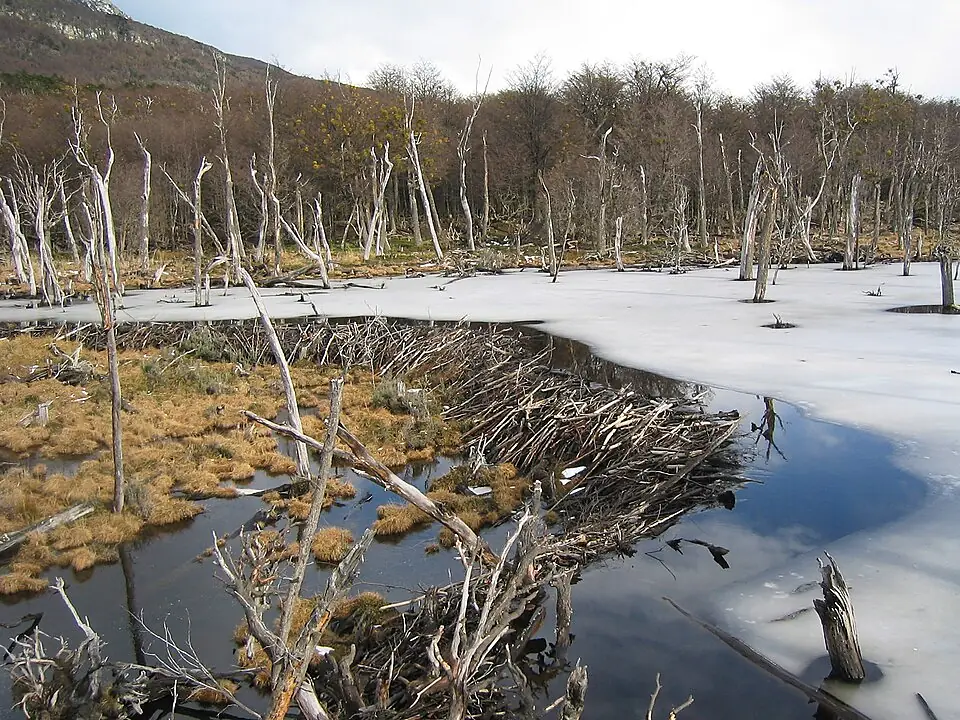
The park encompasses old-growth lenga beech forests, open pampas, and lake systems where you can search for culpeo foxes, guanaco herds, and the extensive wild beaver habitats that have dramatically reshaped the landscape. The invasive North American beavers, introduced in 1946, have built massive dam networks across the rivers and created flooded forest zones visible from the trail.
Karukinka is genuinely remote with no services inside the park. Bring all food, water, and fuel you need for the day. Mobile phone reception is non-existent. Inform your accommodation in Porvenir of your planned route and expected return time. The gravel roads can become impassable after heavy rain — check conditions locally before setting out.
Day 14: Porvenir to Punta Arenas — The Journey Home
Take the morning ferry back across the Strait of Magellan from Porvenir to Punta Arenas. If your flight to Santiago departs in the afternoon, you can connect directly from the ferry terminal. If you have time, spend a final morning in Punta Arenas walking the historic waterfront or visiting the excellent Museo Regional de Magallanes before heading to the airport for your 3.5-hour flight north to Santiago.
If your international flight home departs the following day, spend this night in Santiago. This buffer night ensures that any typical Patagonian flight delays caused by high winds will not cause you to miss your long-haul flight.
Practical Notes and Variations
Option A: The Argentine Upgrade (Ushuaia and the Beagle Channel)
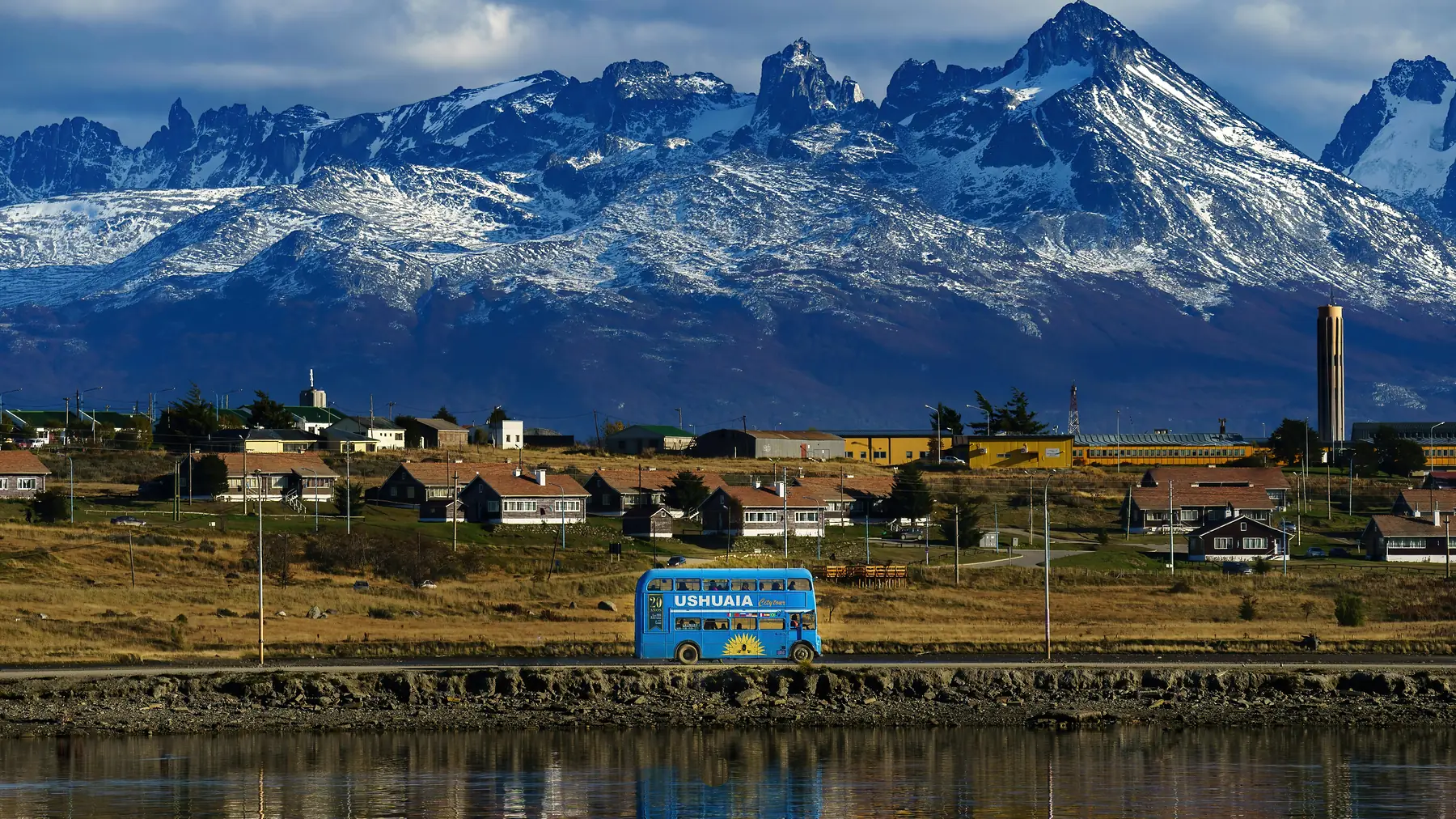
If you want to add the sub-Antarctic marine ecosystem of Argentina’s Beagle Channel to this trip, you can replace Phase 4 entirely. Instead of taking the ferry to Porvenir on Day 11, take the long-distance overland bus from Puerto Natales to Ushuaia, Argentina. This journey takes approximately 11 to 12 hours, involving two border crossings and a ferry across the Strait of Magellan.
From Ushuaia, you gain access to world-class Beagle Channel wildlife cruises past sea lion and cormorant colonies, the iconic Les Eclaireurs Lighthouse, and — between November and February — breeding colonies of Magellanic and gentoo penguins on Isla Martillo. You can also hike the 8-kilometre Senda Costera (Coastal Trail) in Tierra del Fuego National Park, ending at Lapataia Bay, the definitive terminus of the Pan-American Highway.
The Argentine upgrade requires a valid passport and, for some nationalities, an Argentine visa. The overland bus is a full-day commitment with unpredictable border processing times. Return flights from Ushuaia to Santiago typically require a connection through Buenos Aires, adding complexity and cost. Budget an extra $150 to $300 USD for the additional flights.
The Ushuaia route trades the rare king penguins and remote Karukinka wilderness for a more developed tourism infrastructure, the Beagle Channel’s rich marine ecosystem, and the cultural draw of visiting the world’s southernmost city. It is a strong alternative if marine wildlife is more important to you than off-the-grid exploration.
Option B: The Trekking Infusion (W Trek Sections)
If you want to balance your wildlife tracking with classic Patagonian alpine scenery, you can alter Phase 2 within Torres del Paine. Instead of spending Day 6 and Day 7 on low-impact drives, use those days to hike the iconic Base Torres trail (a challenging 22-kilometre round trip to see the sun rise over the central granite towers) or take the catamaran to explore the lower sections of the French Valley.
The trekking upgrade requires switching from casual wildlife gear to technical trekking equipment and booking mountain refugios or campsites many months in advance. The W Trek sections are extremely popular and have strict daily capacity limits from October through March.
Managing Logistics, Gear, and Recovery Days
This itinerary covers a vast geographic footprint, moving between marine vessels, unpaved gravel roads, and dense forest trails. To ensure a smooth trip, keep the following practical tips in mind.
Footwear and Layers: You do not need heavy mountaineering boots for this route, but a sturdy pair of waterproof trail runners or mid-cut hiking boots with deep traction is essential for handling the wet boat decks and the rocky trails of Torres del Paine. A high-quality waterproof shell jacket is your most important asset; it acts as a shield against the intense 80 km/h winds encountered on marine crossings and exposed steppe roads.
The Power of Buffer Days: Day 7 and Day 10 are deliberately placed to prevent physical exhaustion and logistical collapse. Patagonia’s weather changes rapidly, and boat crossings to Magdalena Island or the fjords can be delayed or cancelled due to high winds. Keeping these days open gives you the flexibility to reschedule activities without incurring expensive flight change fees.
FAQ
What is the best time of year for a Chilean Patagonia wildlife and fjord trip?
The optimal window depends on your priority. For the Magdalena Island penguin colony, November through February offers peak nesting activity. For puma tracking in Torres del Paine, autumn (April to May) is the golden window — cubs are older and more visible, vegetation is thinner, and the park is free of summer trekking crowds. October to November provides the best compromise if you want to combine both experiences. The fjord navigations from Puerto Natales operate year-round but are most reliable in the calmer months of November through March.
How physically demanding is this itinerary?
This is a wildlife observation and boat-based itinerary, not a trekking route. Most days involve flat walking, short nature trails, and vehicle or boat-based viewing. The most physically demanding elements are the early-morning puma tracking on foot (moderate terrain over 4 to 6 hours) and the gravel-road driving on Chilean Tierra del Fuego. If you choose the trekking upgrade (Option B), the difficulty increases significantly with alpine day hikes of 18 to 22 kilometres.
Do I need a rental car for Chilean Tierra del Fuego?
Yes. Unlike the rest of the itinerary, which can be done entirely with public buses, ferries, and organised tours, Phase 4 on Chilean Tierra del Fuego requires a rental vehicle. The king penguin colony at Parque Pingüino Rey is roughly 100 kilometres from Porvenir on gravel roads with no public transport. You can rent a vehicle in Punta Arenas and take it on the ferry to Porvenir — confirm with your rental company that cross-Strait travel is permitted. A high-clearance vehicle is strongly recommended.
How much does puma tracking cost, and how do I book it?
Professional puma tracking on the private ranches bordering Torres del Paine typically costs $300 to $500 USD per person for a full-day session with a licensed tracker and guide. The price includes private vehicle transport, spotting scope access, and park entrance fees. Success rates during the optimal autumn and spring windows are often quoted above 90%. Book directly with established operators at least 3 to 6 months in advance, especially for the peak October to November and April to May seasons.
Do I need to book the Magdalena Island boat in advance?
During peak season (December to February), advance booking is strongly recommended as boats have strict capacity limits and weather cancellations can push demand onto remaining sailing dates. In the shoulder months of October to November or March, you can often book a day or two ahead in Punta Arenas. Always keep a backup day open in case your sailing is cancelled due to high wind conditions in the Strait.
What should I pack for this trip?
The key is a versatile layering system. Your essentials are a windproof and waterproof shell jacket (your single most important item), an insulated mid-layer (down or synthetic), moisture-wicking base layers, and a pair of waterproof hiking shoes or mid-cut boots. For the marine phases, add a warm hat, buff or neck gaiter, and waterproof gloves for exposed boat decks. A compact pair of binoculars is essential for wildlife viewing. Pack motion sickness medication for the Strait of Magellan crossings and the fjord navigation. A telephoto lens (200mm minimum) dramatically improves your wildlife photography. For Chilean Tierra del Fuego, bring extra snacks, water, and a full tank of fuel — services are extremely limited outside Porvenir.
Is the Punta Arenas to Porvenir ferry reliable?
The Austral Broom ferry operates on a limited schedule, typically one to two crossings per day, and is frequently cancelled or delayed due to high winds in the Strait of Magellan. Book your ticket in advance during peak season. If the ferry is cancelled, there is an alternative overland route via the Primera Angostura crossing roughly 170 kilometres north of Punta Arenas, though this adds several hours of driving. Always keep a buffer day in your schedule to absorb potential ferry delays.
Can I add Argentina to this itinerary?
Yes. Option A in the Variations section describes how to swap Phase 4 for an overland crossing to Ushuaia, Argentina. This gives you access to the Beagle Channel wildlife cruises, Tierra del Fuego National Park, and the cultural experience of the world’s southernmost city. The trade-off is a gruelling 11-to-12-hour bus day, a border crossing, and more complex return flights via Buenos Aires. You also lose the king penguin colony and Karukinka wilderness, which are uniquely Chilean experiences.