
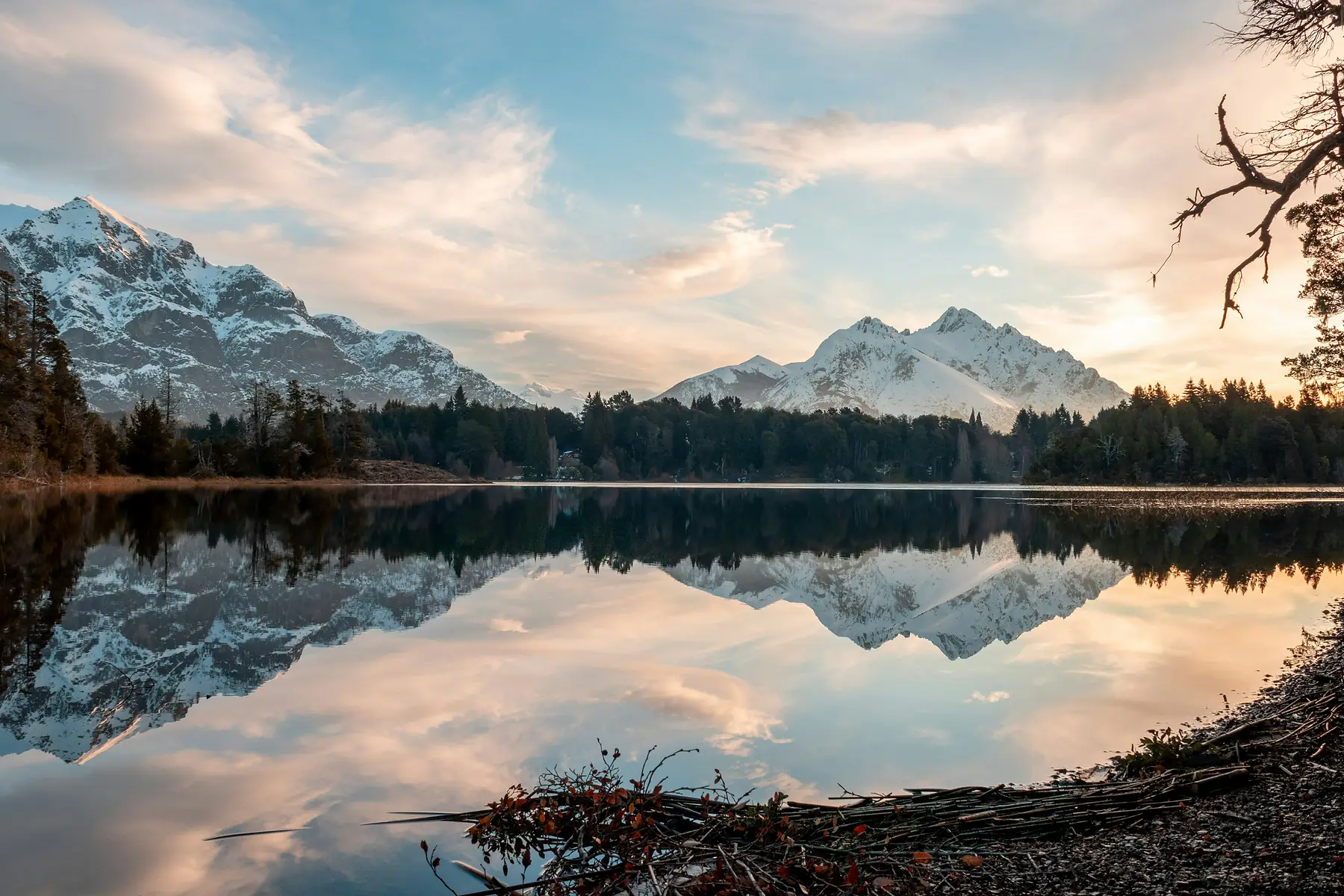
This journey showcases the dramatic lakes, smoking volcanoes, and ancient forests of Northern Patagonia, linking Argentina’s classic Lakes District with Chile’s volcanic adventure hubs. Designed for travellers who want to experience the raw beauty of Patagonia without the demanding multi-day expeditions of the deep south, this route offers a balance of scenic road trips, accessible day hikes, and vibrant lakeside towns.
The most seamless way to experience this region is by car, picking up a vehicle in Bariloche, winding along the lakeshores of Argentina, crossing the Andes, and exploring the active volcanic landscapes of Pucón and Puerto Varas before flying north from Puerto Montt.
Trip At-A-Glance
- Total Duration: 16 days (15 nights on the ground)
- Start Point: Buenos Aires (AEP/EZE) → Bariloche (BRC)
- End Point: Puerto Montt (PMC) → Santiago (SCL) → Home
- Countries: Argentina and Chile (one overland border crossing)
- Focus: Scenic driving, lake and volcano landscapes, adventure sports, day hikes
- Best Months: December to March (warmest lake temperatures, most reliable volcano climbing conditions)
- Estimated Budget: $3,000 to $5,500 USD per person, excluding international flights
- Fitness Level Required: Low to moderate. Day hikes of 12 to 20 km with optional high-intensity upgrades (volcano climbing, rafting)
- Transport: Rental car from Bariloche to Puerto Montt (or loop option back to Bariloche)
Phase 1: The Argentine Lakes District (Days 1–8)
Day 1: Buenos Aires to Bariloche
Your journey begins with a morning flight from Buenos Aires to San Carlos de Bariloche. After collecting your rental car at the airport, follow the shoreline of Lago Nahuel Huapi into town to check into your hotel.
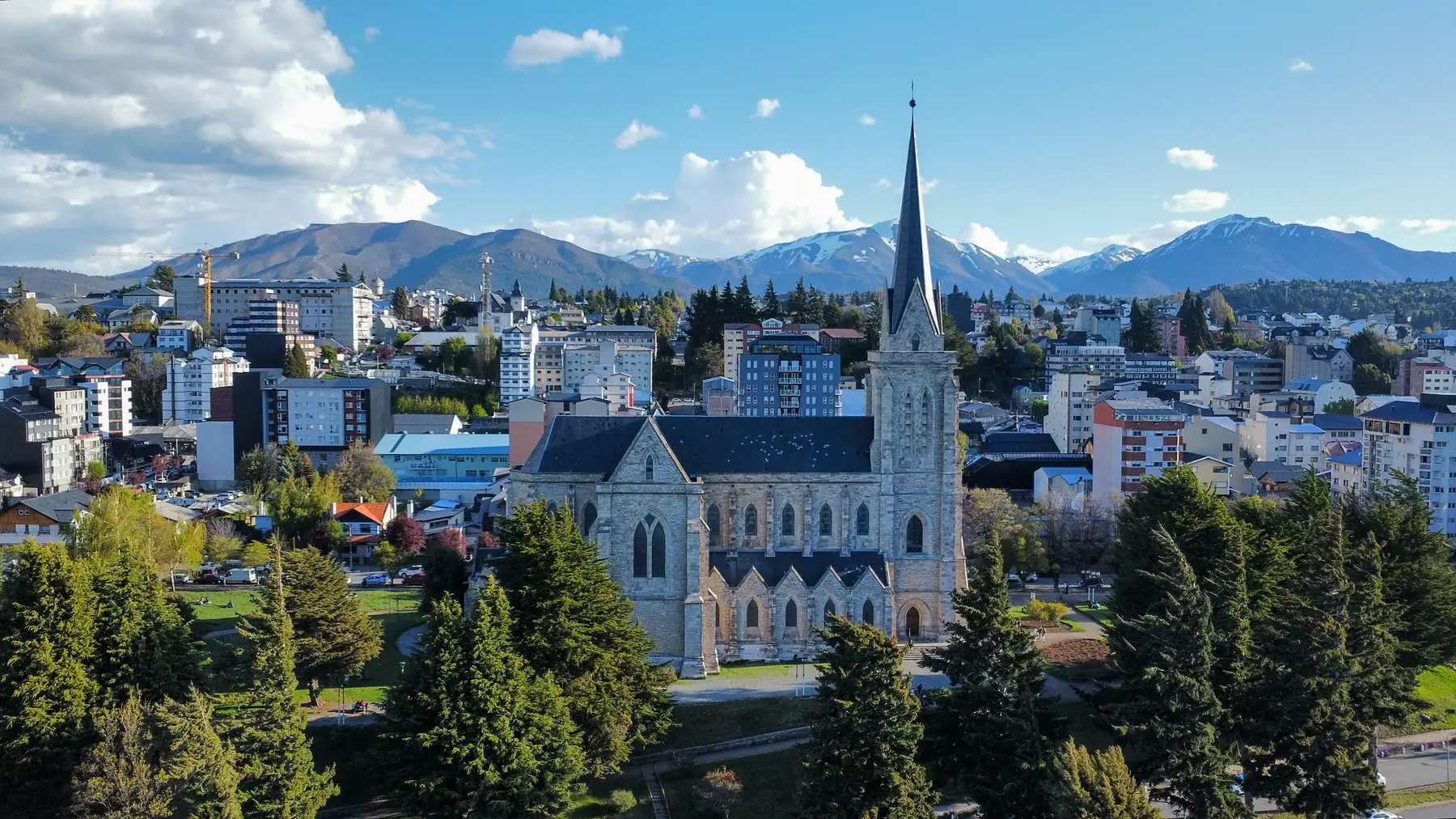
Spend the afternoon strolling through the civic centre, notable for its Swiss-alpine stone and log architecture, and exploring the artisan chocolate shops lining Calle Mitre. In the evening, head to one of the local microbreweries for a dinner of wild boar, fresh lake trout, or traditional Argentine steak paired with local craft beer.
Day 2: Circuito Chico and Cerro Campanario
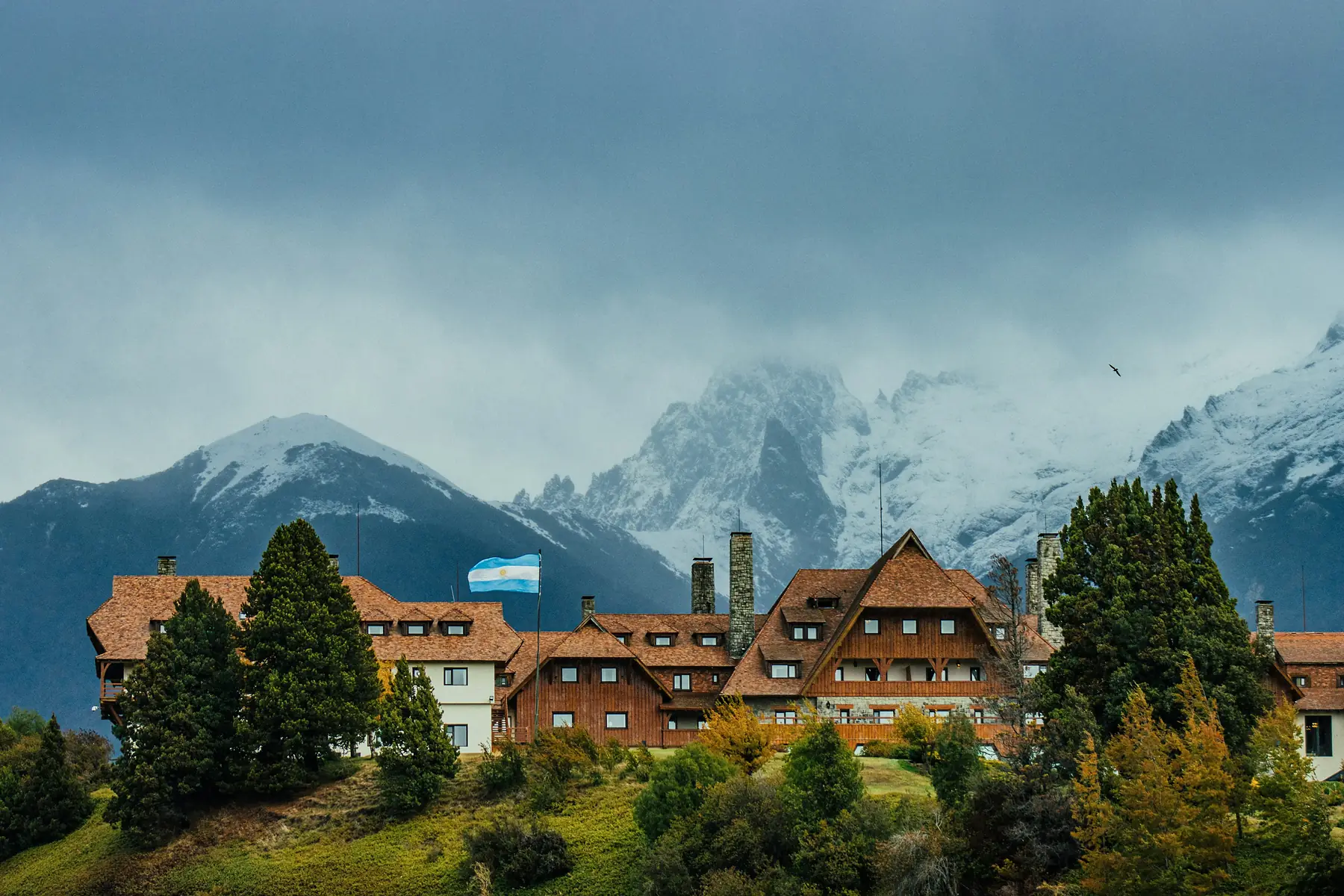
Spend the morning driving the Circuito Chico, a roughly 25-kilometre scenic loop winding west of town. The route tracks the lakeshore, offering plenty of spots to walk through native coihue forests, visit hidden pebble beaches, and view the historic Llao Llao Hotel.
Along the loop, stop at Cerro Campanario. A steep 30-to-45-minute forest trail leads to the summit, though you can choose to take the chairlift instead. The top offers a 360-degree panorama of the interconnected lakes and snow-capped peaks of the Nahuel Huapi National Park. In the afternoon, you can rent a kayak on the calm waters of Lago Moreno or relax at a waterfront café.
Day 3: Refugio Frey Hike
Today features one of the most classic single-day mountain hikes in northern Patagonia. Drive to the base of the Cerro Catedral ski resort to reach the trailhead for Refugio Frey.
The trail is a 20-kilometre round trip with roughly 700 metres of elevation gain, taking about 7 to 8 hours of walking. The path winds past mountain streams and climbs steadily through native lenga forests before a final rocky push up into a high alpine bowl. The trail ends at a cold mountain lagoon surrounded by dramatic pink granite spires. You can enjoy a packed lunch on the shore or inside the rustic stone mountain hut before heading back down the valley.
The final section to Refugio Frey involves exposed rocky terrain above the tree line. Weather can shift rapidly even in summer — pack a waterproof shell and warm layers regardless of how clear it looks in town. The trail is well-marked but can become slippery after rain.
Day 4: Flexible Bariloche Day
This day provides flexibility for weather variations or physical recovery. If your legs are sore from the climb to Refugio Frey, you can spend a quiet day relaxing on the beaches of Playa Bonita, browsing the town’s galleries, or booking a spa afternoon at an alpine resort.
If you want to stay active, explore the alternative hiking trails on Cerro López, go mountain biking along the forest tracks of Colonia Suiza, or book a full-day boat excursion across Lago Nahuel Huapi to the secluded myrtle forest of Puerto Blest.
Day 5: Bariloche to Villa La Angostura
Leave Bariloche in the morning for a short, scenic 1.5-hour drive around the northern tip of the lake to the mountain village of Villa La Angostura. This town is smaller and quieter than Bariloche, featuring a central street lined with log cabin architecture.
Spend the afternoon walking down to the twin bays of Bahía Manzano and Bahía Mansa. In the summer months, the clear, protected waters here are excellent for swimming or relaxing on the beach. Enjoy a quiet dinner at one of the town’s upscale restaurants, which specialise in clay-oven cooking and fresh lake trout.
Day 6: Los Arrayanes and the Seven Lakes Start
Dedicate the morning to exploring Los Arrayanes National Park, located on the Quetrihué Peninsula right at the edge of town. You can take a local boat out to the tip of the peninsula and walk the 12-kilometre trail back through the protected forest. This unique ecosystem is famous for its arrayán (myrtle) trees, recognisable by their smooth, cold, cinnamon-coloured bark and twisted trunks.
In the afternoon, return to your vehicle to begin the southern section of the famous Route of the Seven Lakes, making relaxed stops along the shores of Lago Espejo and Lago Correntoso.
Day 7: The Seven Lakes Route to San Martín de los Andes
Today you will complete the remainder of the Route of the Seven Lakes, running north along Ruta 40 and Ruta 234 to San Martín de los Andes. This is widely considered one of South America’s premier scenic road trips, weaving past a sequence of glacial lakes including Lago Escondido, Lago Villarino, Lago Falkner, and Lago Machónico.
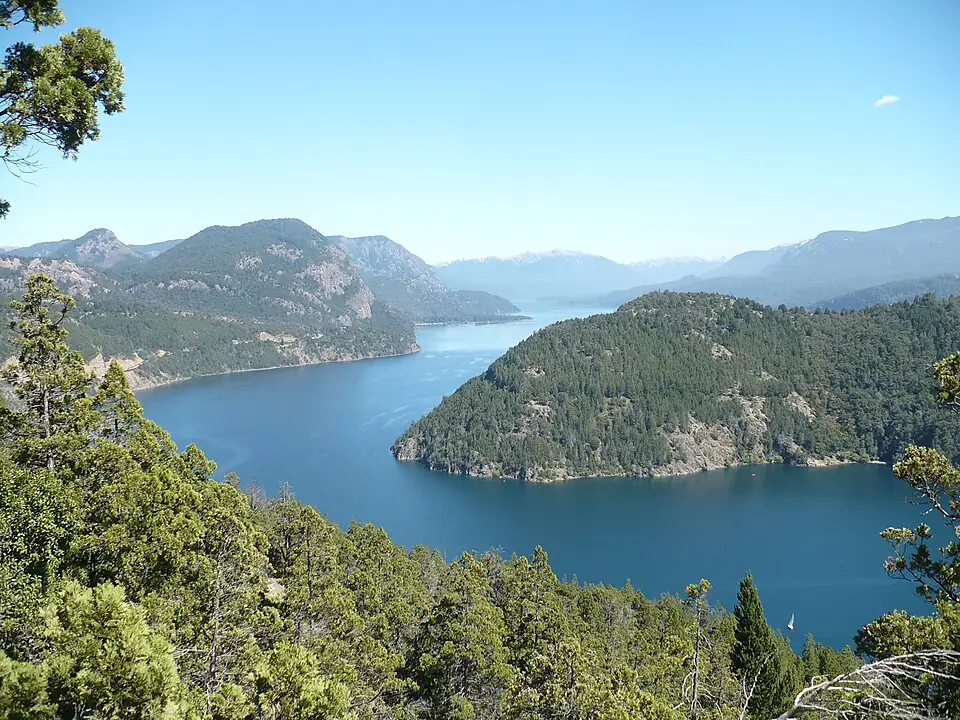
Each lake features marked pull-offs, short forest trails, and hidden beaches. Take your time to stop, stretch your legs, and picnic by the water. The drive ends with a dramatic descent into San Martín de los Andes, a beautiful lakeside town nestled in a valley on the shores of Lago Lácar.
Day 8: Lanín National Park
Spend the day exploring the southern sector of Lanín National Park, located right on the doorstep of San Martín de los Andes. This park offers a diverse landscape shaped by historic volcanic activity.
You can choose from several moderate day hikes that wind through unique forests of Araucaria (monkey puzzle) trees — prehistoric conifers with thick, scaly bark and geometric branches. Alternatively, you can drive toward the base of the massive, snow-capped Lanín Volcano for photographs, hike to hidden waterfalls like Chachín, or relax on the volcanic sand beaches of Lago Nonthué.
The Araucaria forests near Lago Tromen on the northern approach to Lanín Volcano are some of the most spectacular and accessible in the park. These prehistoric trees are found nowhere else on earth outside of southern Chile and Argentina.
Phase 2: The Chilean Volcanic District (Days 9–16)
Day 9: Cross into Chile to Pucón
Check out of your hotel for a scenic cross-border drive over the Andes into Chile, utilising the Mamuil Malal pass under the shadow of Lanín Volcano. As you cross the border, the dry, open steppe transitions rapidly into the lush, green, heavily forested terrain of Chile’s Araucanía region.
Chile’s SAG (Servicio Agrícola y Ganadero) enforces strict agricultural import controls. You cannot bring fresh fruits, raw vegetables, unpasteurised dairy products, honey, seeds, or unsealed meats across the border. Every bag is x-rayed. Consume or discard all fresh food before reaching the checkpoint to avoid confiscation and delays.
Arrive in Pucón, Chile’s adventure sports capital, by mid-afternoon. Spend your evening soaking in one of the region’s natural thermal hot springs, followed by a lakeside dinner overlooking Lago Villarrica.
Day 10: Villarrica Volcano or Huerquehue National Park
Today presents a choice between two world-class outdoor experiences, allowing you to tailor the day to the local weather forecast and your energy levels.
Option A: Join a guided mountaineering excursion to climb to the active crater of Villarrica Volcano. This is a demanding, full-day alpine climb utilising crampons and ice axes to navigate the snowfields, ending at the smoking rim of the volcano.
Option B: Head into Huerquehue National Park for a less intense but beautiful day of hiking. The trails climb through ancient monkey puzzle forests, leading to a sequence of high alpine lakes like Laguna Verde and Laguna Toro with viewpoints of the surrounding valley.
The Villarrica Volcano climb is a serious mountaineering excursion, not a casual hike. Guides provide crampons, ice axes, and helmets, but you need a strong fitness level — the ascent takes roughly 6 hours through snow and ice. Climbs are frequently cancelled due to volcanic activity or weather. Always have Huerquehue as your backup plan.
Day 11: Pucón Adventure and Exploration Day
This day is dedicated to experiencing Pucón’s outdoor sports culture. If your volcano climb was delayed by weather yesterday, you can use today as your backup climbing window.
Otherwise, you can book a whitewater rafting excursion down the rapids of the Trancura River (the lower section runs Class III; the upper section reaches Class IV–V for experienced paddlers), or rent a sea kayak to explore the volcanic bays of Lago Caburgua. If your body needs rest after yesterday’s climbing, spend the day horseback riding through private forest trails or visiting the Termas Geométricas, a striking complex of red wooden boardwalks built over a natural hot spring canyon deep in the forest.
Day 12: Pucón to Puerto Varas
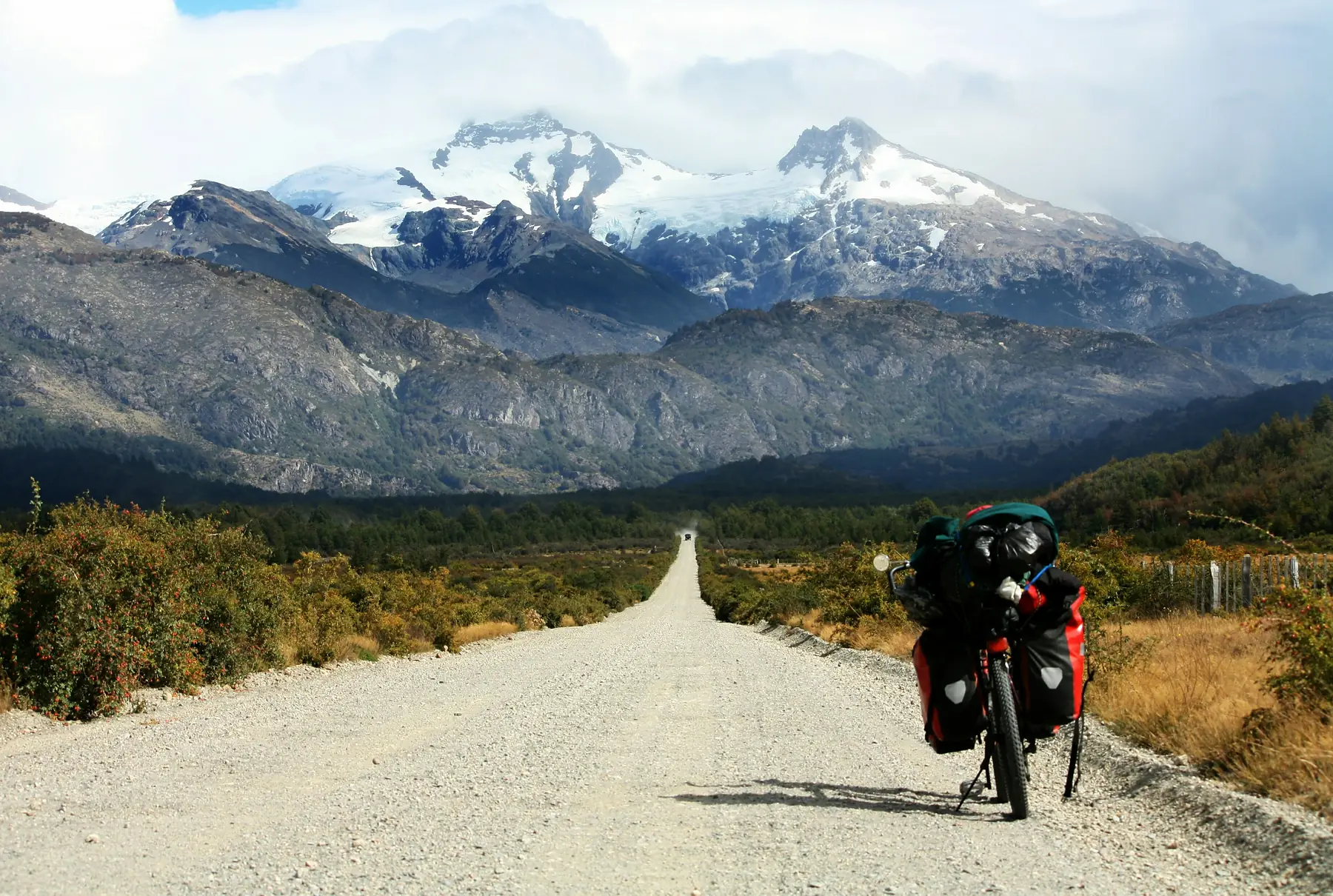
Leave Pucón in the morning for a 3-to-4-hour drive south along Chile’s central valley highway toward Puerto Varas. The scenery remains engaging as you drive past rolling emerald farmlands, dense forests, and deep blue lakes, with views of the Osorno and Calbuco volcanoes rising on the horizon.
Arrive in Puerto Varas by mid-afternoon. The town sits on the edge of Lago Llanquihue and features a distinct architectural heritage left by German colonists who settled the region in the 19th century. Spend your evening walking along the lakefront boardwalk to watch the sunset over the symmetrical cone of the Osorno Volcano, then enjoy a dinner of fresh Pacific seafood at a local bistro.
Day 13: Osorno Volcano and Petrohué Falls
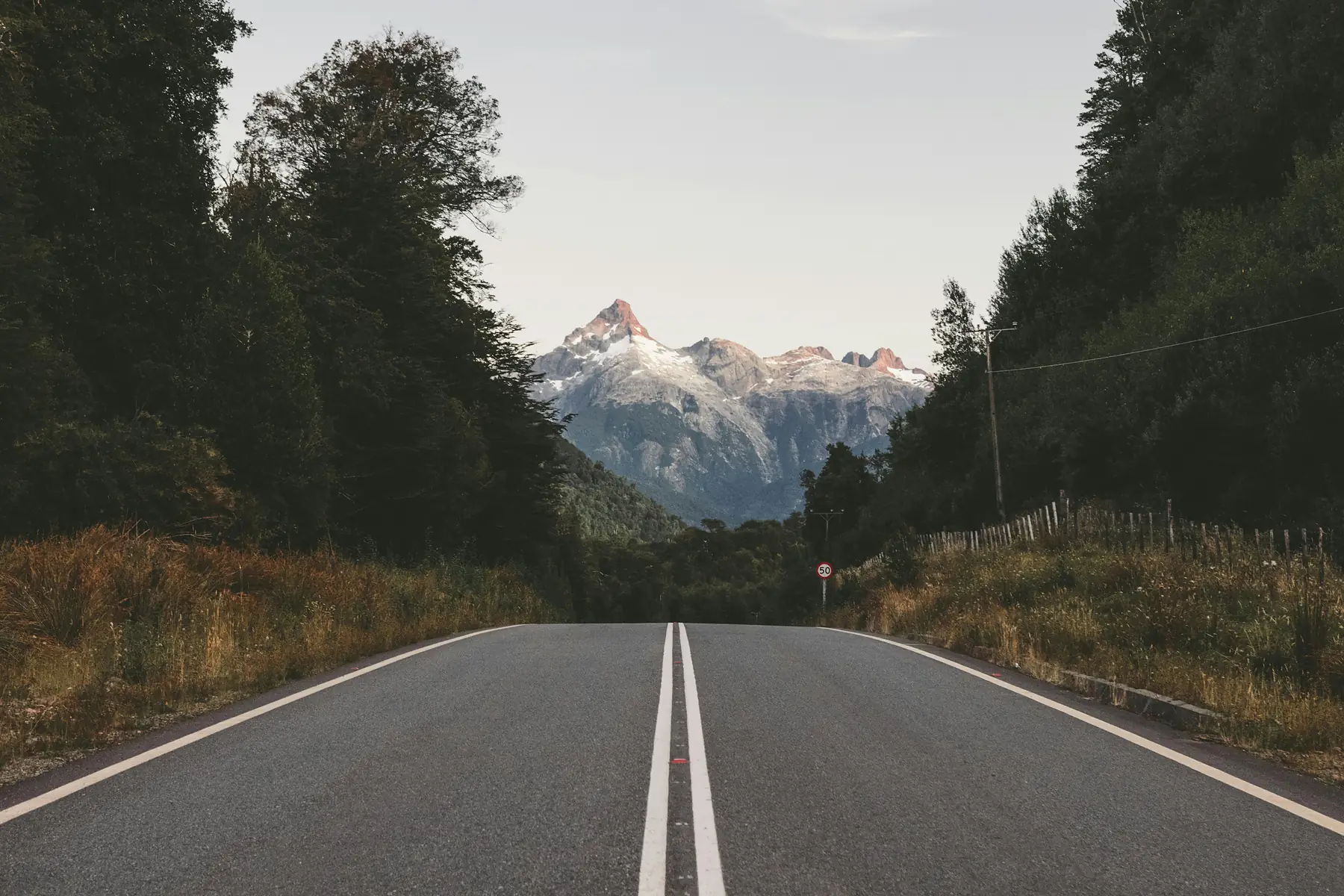
Drive east along the southern shore of Lago Llanquihue into Vicente Pérez Rosales National Park, Chile’s oldest national park. Your first stop is the Petrohué Falls, where short, easy walking paths bring you to viewpoints over a rushing, turquoise river cutting through channels of black volcanic basalt rock.
After exploring the falls, drive up the winding switchbacks of the Osorno Volcano road to the ski station located at the end of the pavement. From this high vantage point, you can enjoy panoramic views over the vast expanse of Lago Llanquihue. You can choose to take the chairlifts higher up the snowfields or take an easy scenic walk along the red volcanic craters near the station.
Day 14: Flexible Puerto Varas Day
Your final full day in the Lakes District can be tailored to whatever pace you prefer. For a relaxed day, rent a bicycle to ride along the lakefront paths toward the historic town of Frutillar, explore the local craft shops, or spend your afternoon sampling traditional German pastries and local craft beers.
If you want one final active adventure, book a guided sea kayaking excursion on the nearby Reloncaví Fjord, where the Andes drop straight into the Pacific Ocean, or head into the Alerce Andino National Park to hike beneath giant, ancient alerce trees — some of which are over 3,000 years old.
Day 15: Puerto Varas to Santiago
Check out of your hotel and make the quick 30-minute transfer to the El Tepual airport in Puerto Montt. Drop off your rental car at the terminal and board your short domestic flight north to Santiago.
Check into your hotel in Santiago’s historic centre or the lively neighbourhood of Lastarria. Spend your final evening exploring the city’s wine bars, sampling world-class Chilean Carménère, and dining at a local restaurant specialising in modern Andean cuisine.
Day 16: Fly Home
After breakfast at your hotel, catch your transfer back to Santiago’s international terminal for your onward long-haul flight home, concluding your exploration of the Patagonia Lakes District.
Practical Notes and Variations
The Self-Drive Loop Option
If you want to avoid the high one-way drop-off fees often associated with renting a car in one country and leaving it in another, you can easily convert this route into a loop that starts and ends in Bariloche.
Follow the itinerary exactly as written until Day 14 in Puerto Varas. On Day 15, instead of flying out of Puerto Montt, drive your rental vehicle north from Puerto Varas, pass through the city of Osorno, and cross back into Argentina via the Cardenal Samoré Pass. This high Andean highway is completely paved and brings you directly back into Villa La Angostura and down to Bariloche in roughly 5 to 6 hours of total driving including the border crossing. You can then drop off your rental car at the Bariloche airport and fly back to Buenos Aires.
The loop option eliminates the expensive one-way international drop-off fee (often $500+ USD) and the cost of the Santiago domestic flight. The trade-off is a full driving day on Day 15 instead of a relaxed evening in Santiago. For budget-conscious travellers, this is often the smarter play.
Driving and Infrastructure Tips
While fuel stations are frequent along the main highways and within major hubs like Bariloche, Pucón, and Puerto Varas, they can be scarce along the unpaved mountain passes and interior park sectors. Get into the habit of topping off your fuel tank whenever you leave a major town.
Download complete offline maps of both the Argentine and Chilean Lakes District onto your smartphone navigation apps before departing Bariloche. Cellular service is unreliable through the Andean passes, national parks, and long stretches of the Seven Lakes route. Do not rely on live navigation through these areas.

FAQ
What is the best time of year for a Lakes District road trip?
December to March offers the warmest temperatures, the calmest lake conditions for water sports, and the most reliable weather windows for the Villarrica Volcano climb. January and February are peak season with the highest prices and busiest trails. Late November and early April offer excellent conditions with significantly fewer tourists, though some mountain passes may have limited hours and lake water temperatures will be cooler.
Do I need a special permit to drive a rental car across the border?
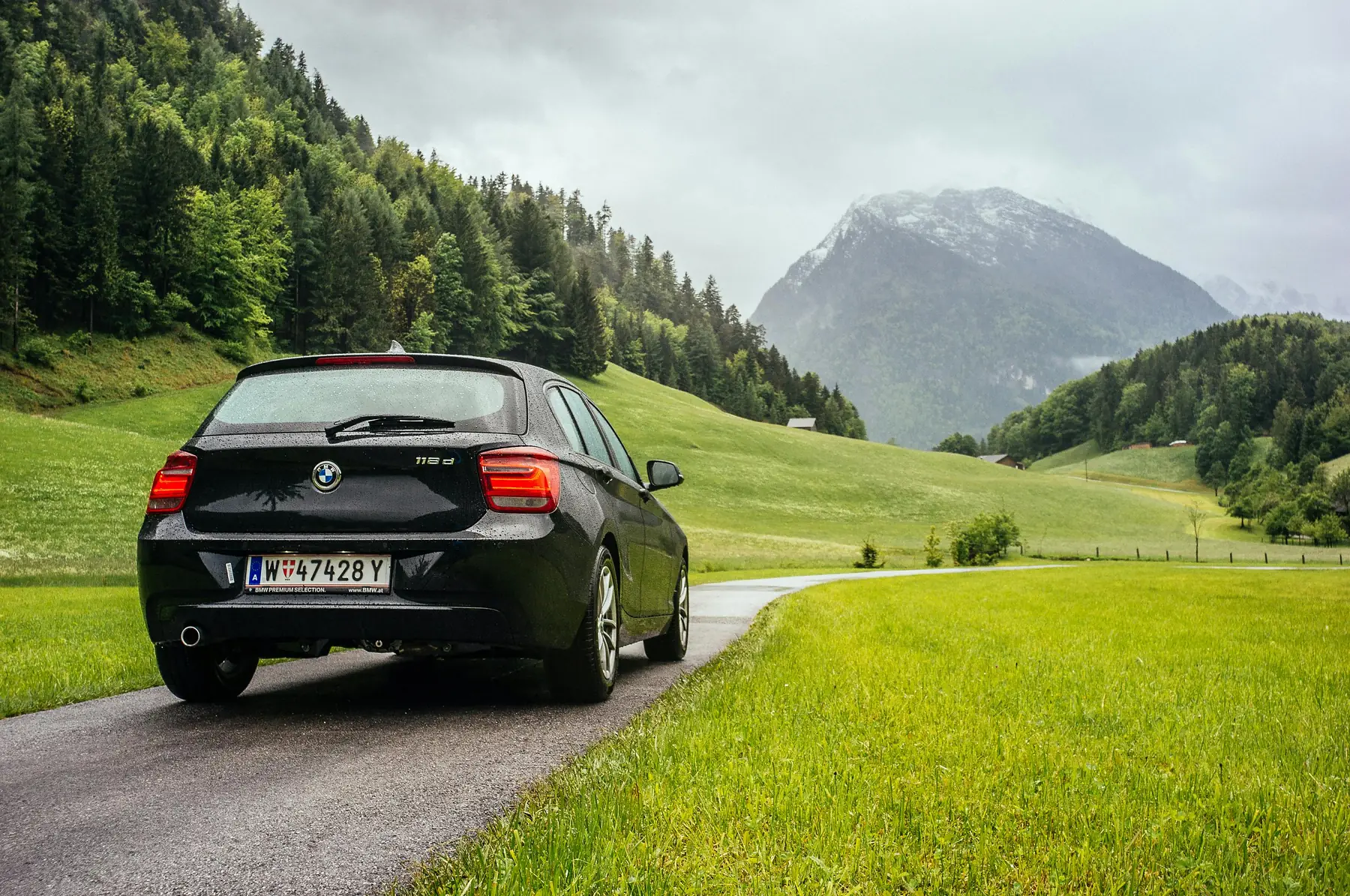
Yes. You must arrange a cross-border authorisation letter from your rental company before leaving Argentina. Not all rental agencies allow their vehicles to cross into Chile, and those that do typically charge an additional fee ($100 to $200 USD). Confirm this at the time of booking, not at the counter. You will also need your passport, driver’s licence, the vehicle registration document, and the cross-border letter at the checkpoint.
How physically demanding is this itinerary?
This is a low-to-moderate itinerary suitable for reasonably active travellers. The most demanding day is the Refugio Frey hike (20 km round trip, 700 m elevation gain, 7 to 8 hours). The optional Villarrica Volcano climb is significantly harder — a full-day mountaineering ascent through snow requiring crampons. All other days involve short walks, scenic drives, and optional adventure activities that can be scaled to your fitness level.
Can I do this itinerary without a car?
Partially, but it loses much of its appeal. Bariloche, Villa La Angostura, San Martín de los Andes, and Pucón are connected by long-distance buses, but schedules are infrequent and you lose the freedom to stop at lakeside viewpoints, hidden beaches, and trailheads along the Seven Lakes route. The Circuito Chico, Lanín National Park, and the Osorno Volcano road are effectively inaccessible without a vehicle. A rental car is strongly recommended for the full experience.
Is the Villarrica Volcano climb safe?
Villarrica is one of Chile’s most active volcanoes, and climbing it is a regulated activity requiring a licensed guide service. Guides provide all technical equipment (crampons, ice axes, helmets, gas masks) and monitor volcanic activity and weather conditions daily. Climbs are frequently cancelled for safety reasons — do not pressure your guide to proceed if conditions are marginal. When permitted, the climb has an excellent safety record with experienced operators.
What should I pack for a Lakes District road trip?
Pack for variable mountain weather across two countries. Your essentials are a waterproof shell jacket, warm mid-layer, comfortable hiking shoes (full boots only needed for the Frey hike and volcano climb), swimwear for the lakes and hot springs, and sunscreen. Bring a physical road atlas or download offline maps before departure. If you plan to climb Villarrica, the guide service provides all technical mountaineering gear — you only need to bring warm base layers, sunglasses, and sturdy boots.
How does fuel and infrastructure work on the cross-border drives?
Fuel stations are plentiful in the main towns (Bariloche, Villa La Angostura, San Martín, Pucón, Puerto Varas) but scarce on the mountain passes and park roads. Top off your tank before every departure. The Mamuil Malal pass (Argentina to Chile) and Cardenal Samoré pass (Chile to Argentina) are both paved but wind through remote mountain terrain with no services. Carry water, snacks, and a full tank. Cellular service is unreliable through the passes — download offline maps before leaving town.