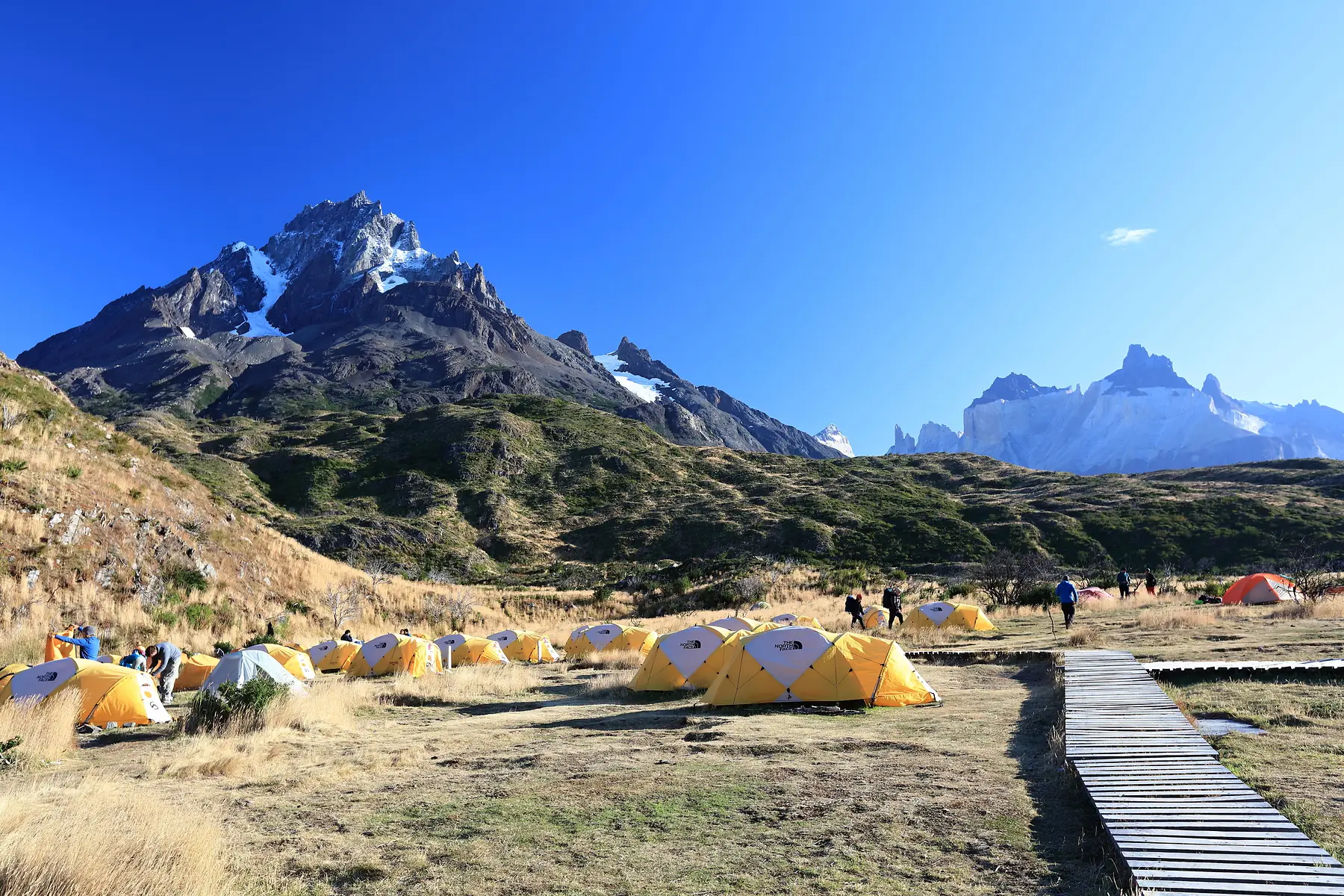
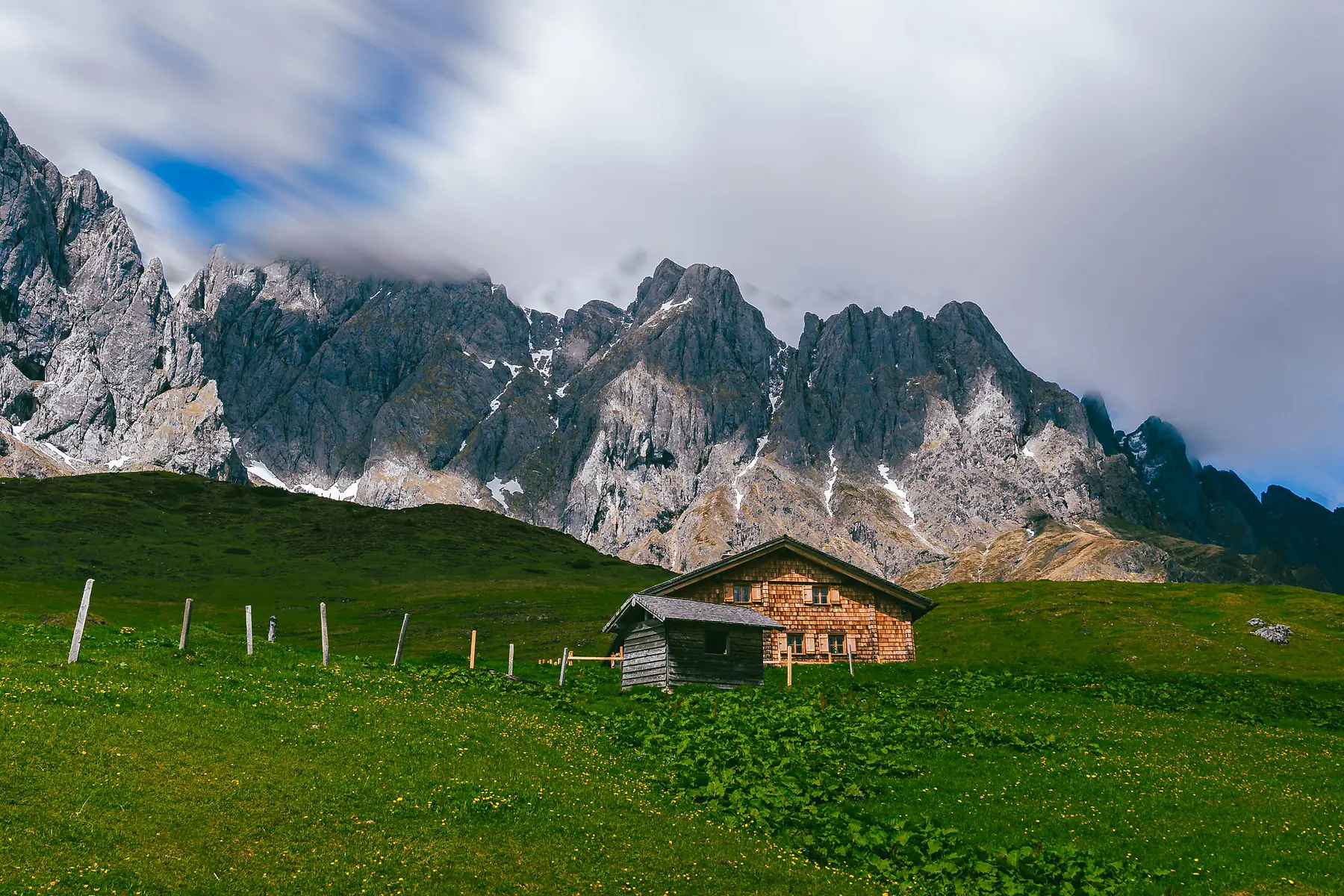
W Trek refugios give you a bunk, a solid roof and the option of prepared meals, allowing you to walk without a tent and full sleep system. The six main choices are not interchangeable: each one changes the distance and shape of the next hiking day.
For most west-to-east itineraries, the practical sequence is Grey, Paine Grande, Francés or Cuernos, then Chileno or Central. Start with the W Trek planning guide if you are still deciding how many days to walk.
TLDR: Choose Grey for glacier time, Paine Grande for the catamaran and main western junction, Francés for the shortest access to the French Valley, Cuernos for its setting and private-cabin option, Chileno for the shorter pre-sunrise Towers approach, or Central for road access and easier arrival or departure logistics.
Refugio inventory, meal plans and booking terms change by season. Check the complete night-by-night sequence across Las Torres Patagonia and Vértice before paying for non-refundable transport or surrounding accommodation.
W Trek Refugios
Refugio Grey
Grey is the indoor base for hikers continuing towards the glacier, suspension bridges, kayaking or ice activities. Its forest setting is more sheltered than Paine Grande and works well as a W Trek endpoint or turnaround.
Refugio Paine Grande
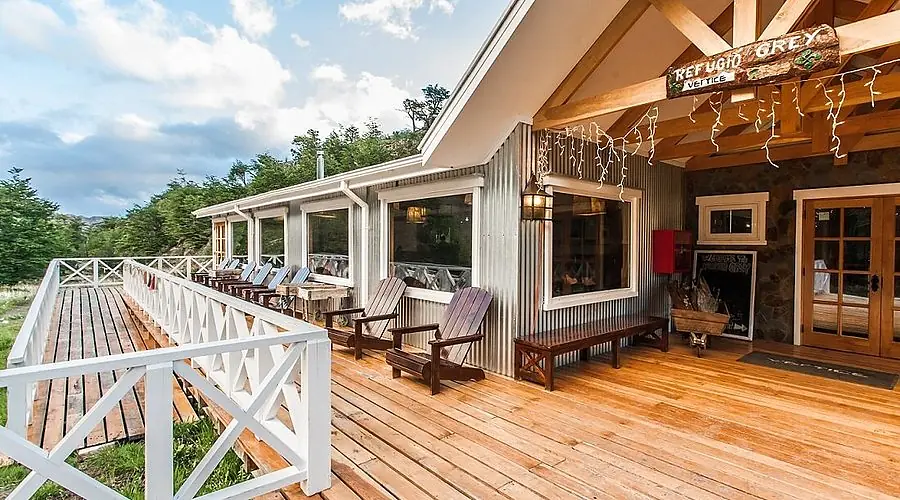
Paine Grande connects the Pudeto catamaran with the routes towards Grey and the French Valley. Its scale, cooking shelter and food options make it practical, though the exposed site is famously windy and busy.
Domos Francés
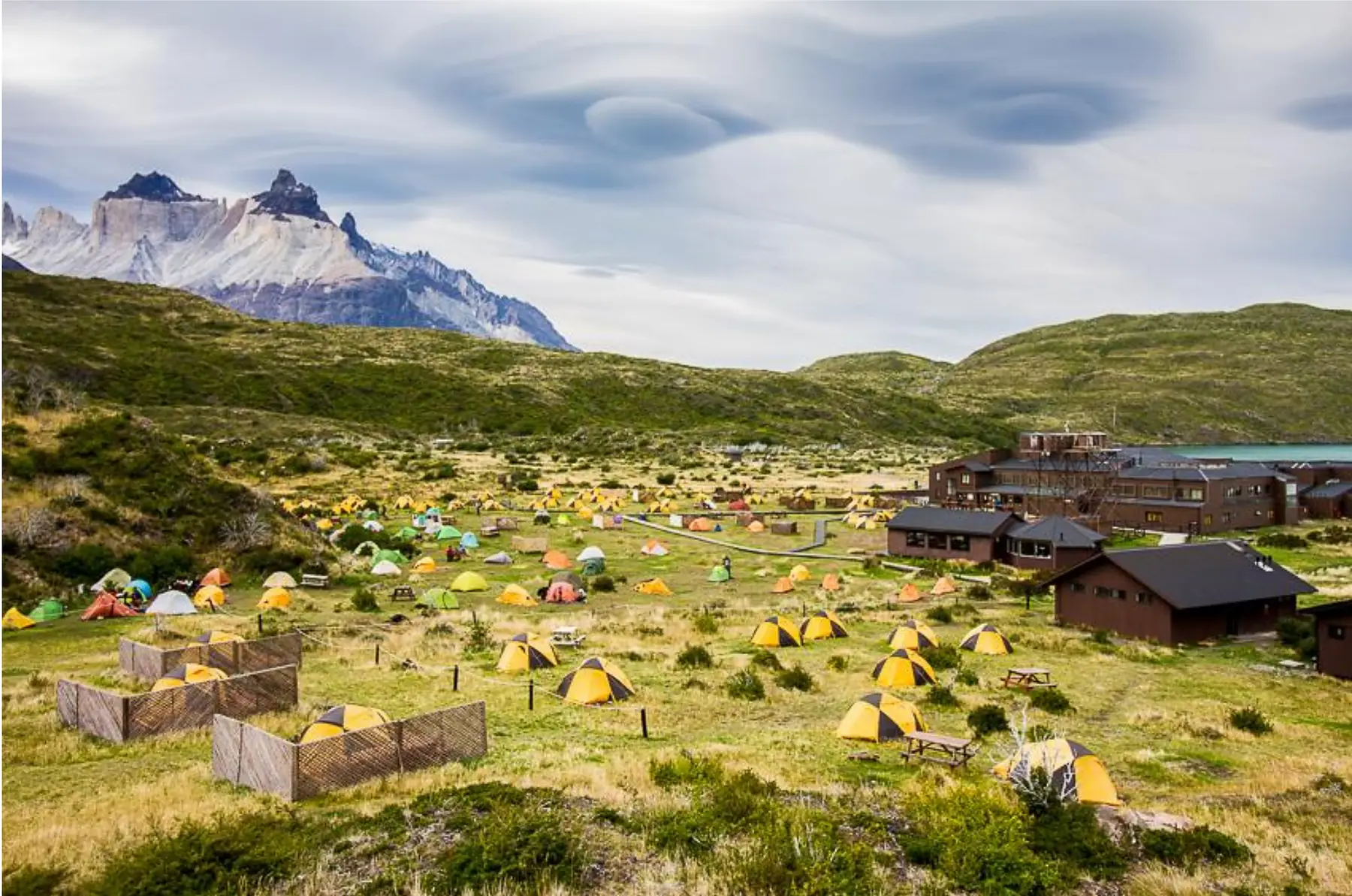
The Francés domes sit close to the French Valley branch and suit itineraries that prioritise that central arm of the W. The communal domes and facilities are spread across a wooded slope, so expect stairs and less of a traditional lodge feel.
Refugio Los Cuernos
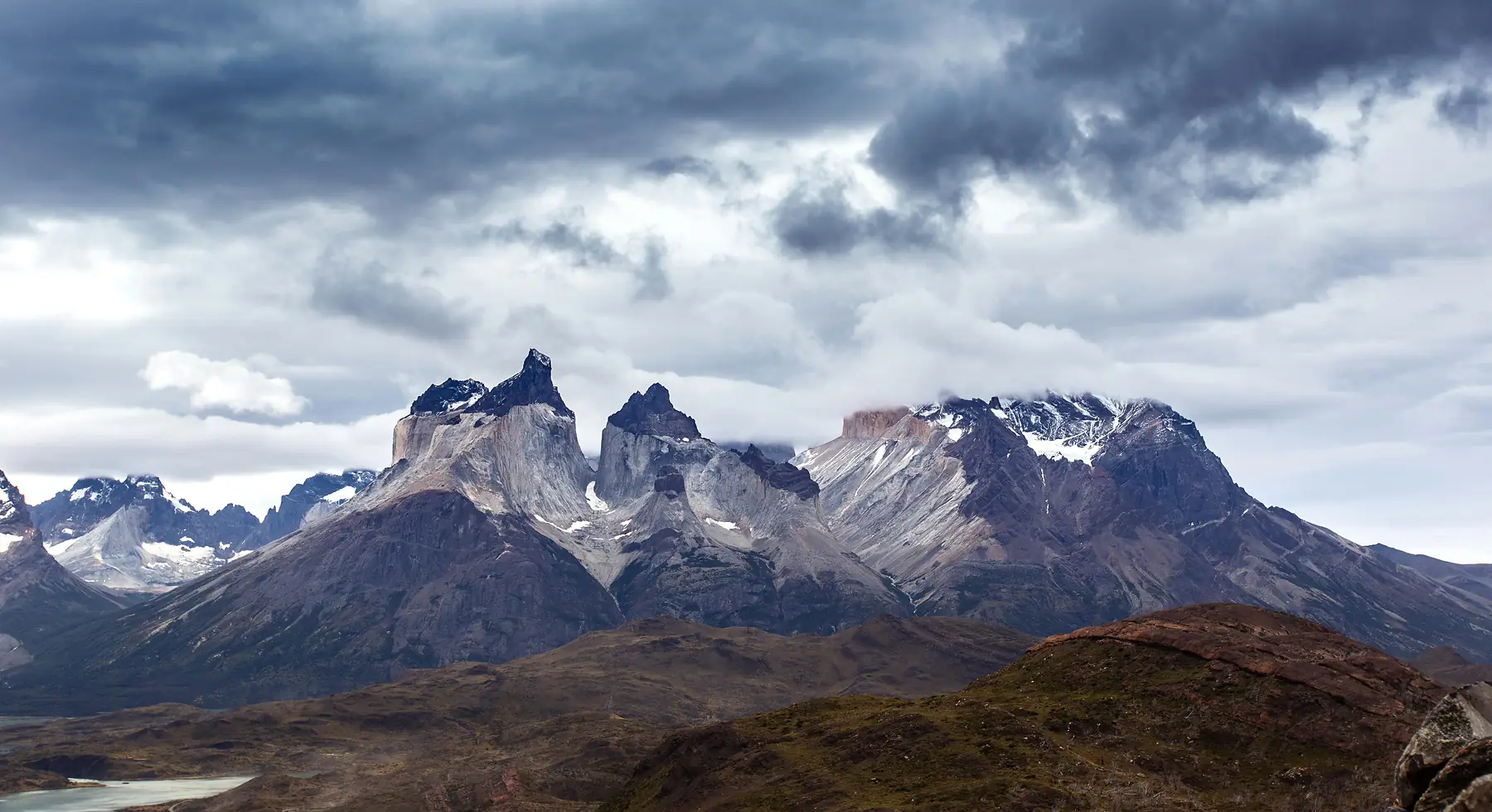
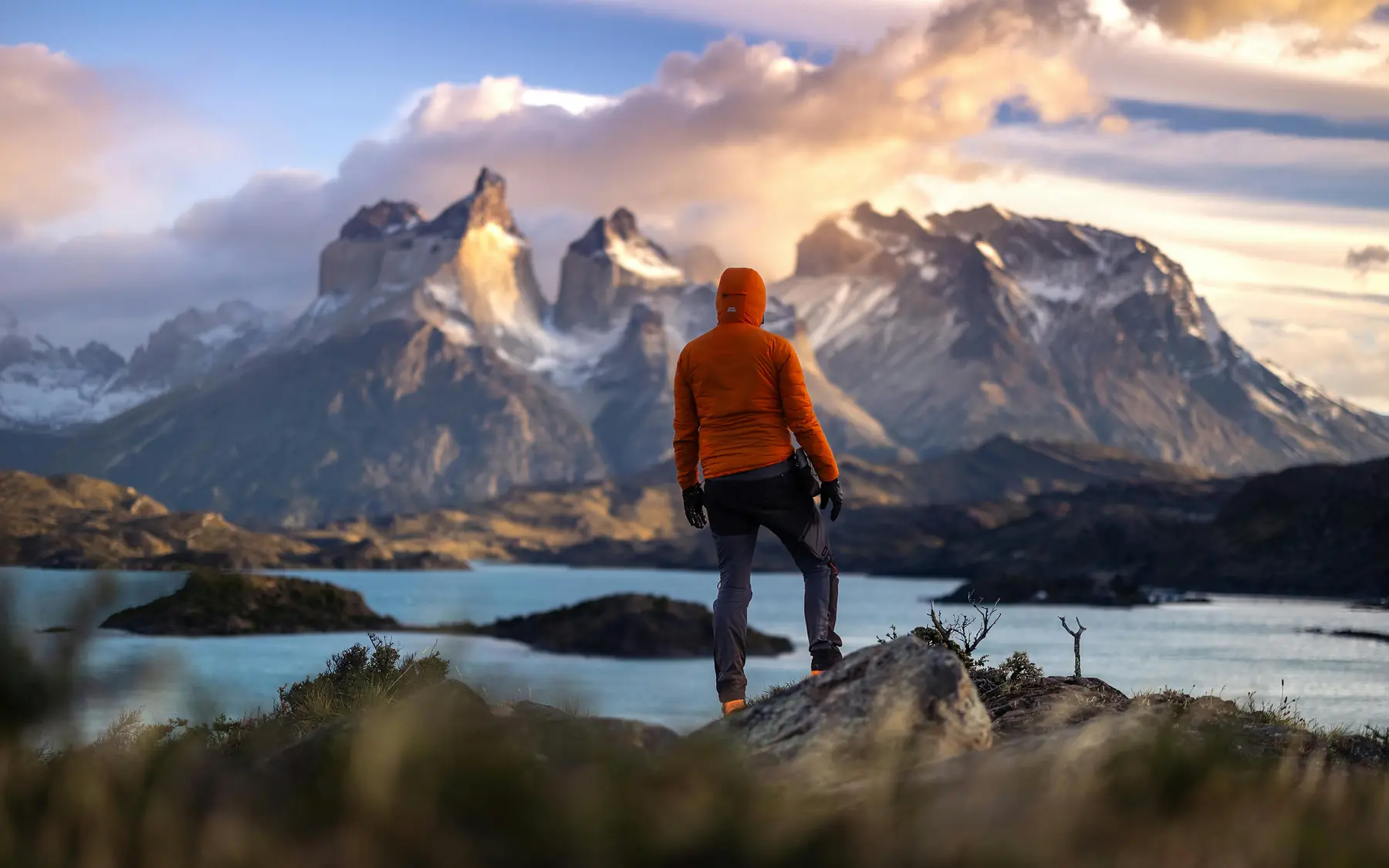
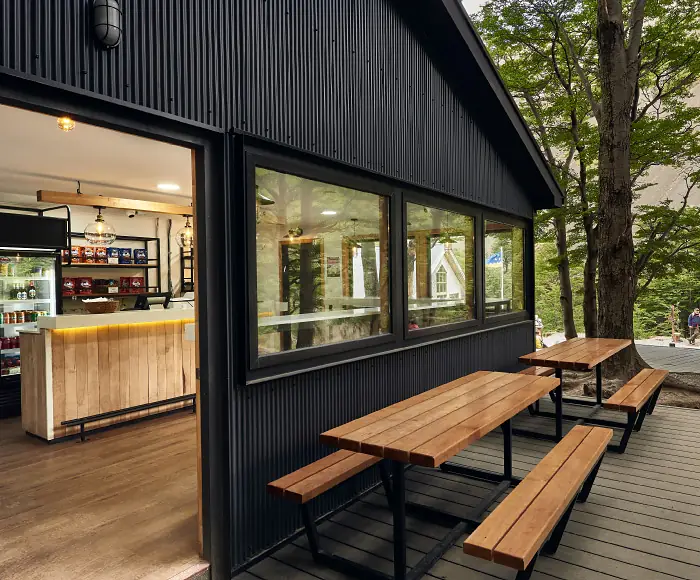
Cuernos sits beneath the park's horn-shaped peaks and breaks up the route between the French Valley and eastern sector. It combines dorm beds with a small number of private twin cabins using shared bathrooms, making it the strongest privacy upgrade on the trail.
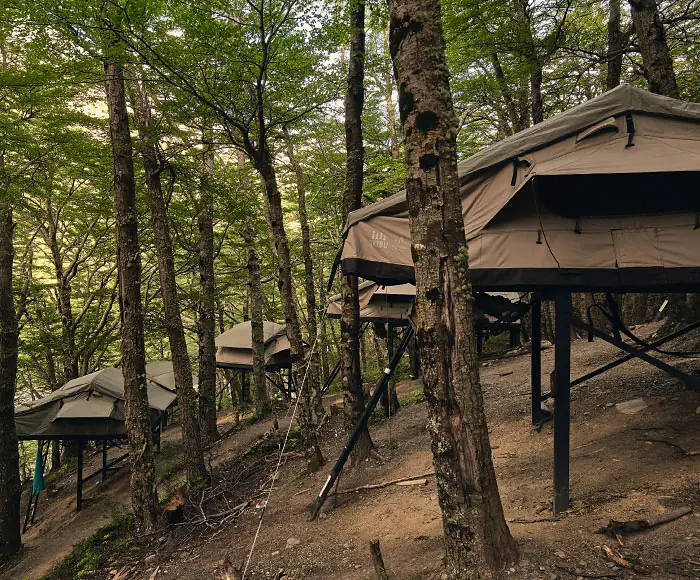
Refugio Chileno
Chileno sits partway up the trail to Mirador Base Torres and gives you a substantial head start over sleeping at Central. Its small inventory, compact dorms and no-stove rule are real compromises, but its position makes it the priority night for many routes.
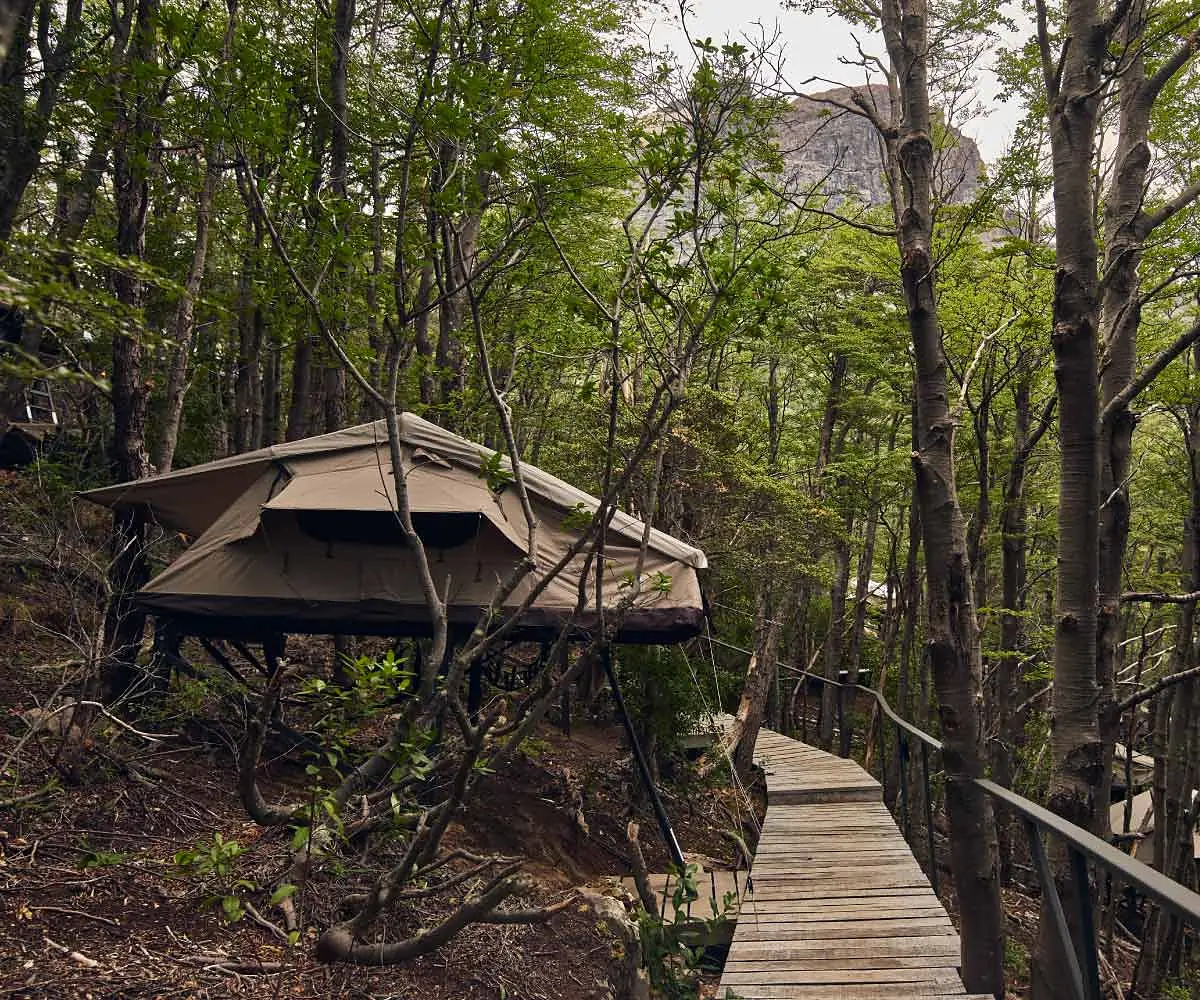
Torre Central & Norte
The Central refugios are the easiest indoor stays to reach by road and work well before or after the Base Torres hike. They feel more like conventional hostels than remote mountain huts, but their transport access simplifies arrival and departure days.
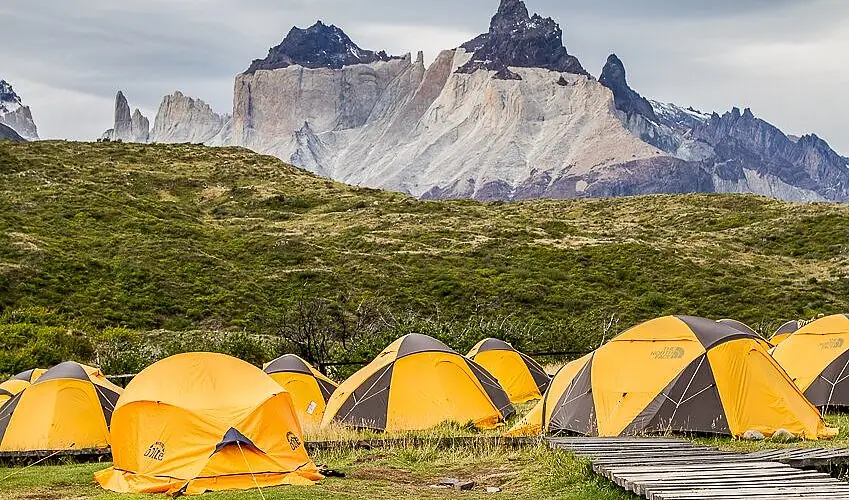
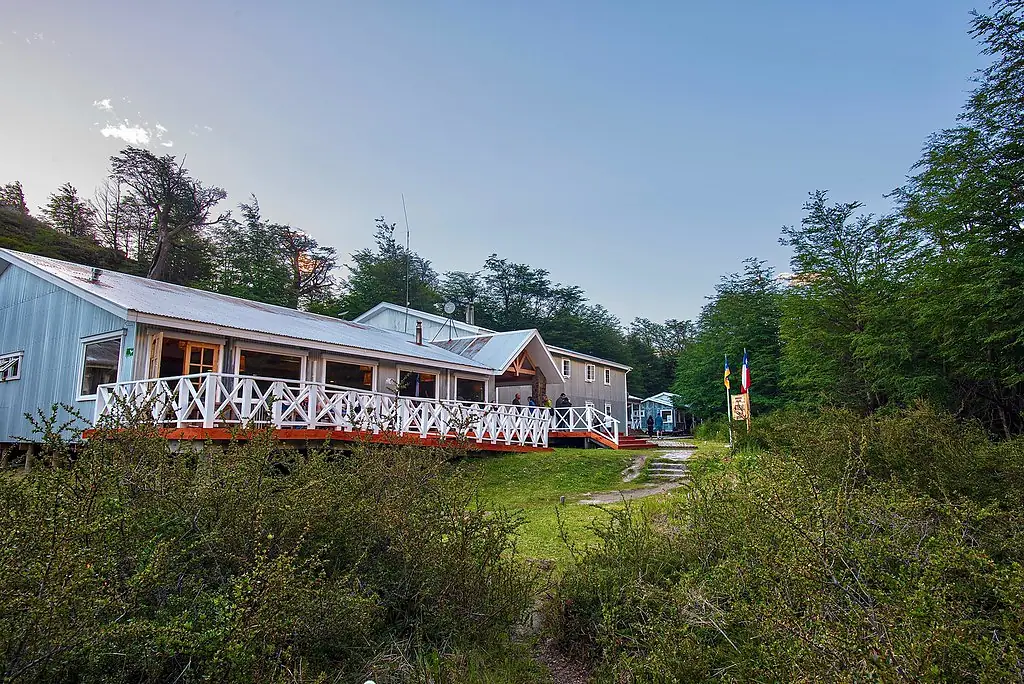
Chileno vs Central
Both cover the eastern end of the W, but they create very different Towers days.
| Chileno | Central | |
|---|---|---|
| Location | Partway up the Ascencio Valley | Valley floor beside the Welcome Centre and eastern trailhead |
| Walking implications | Shorter pre-sunrise approach to Mirador Base Torres; the climb to the refugio is completed the previous day | Longer Towers approach from the valley floor, but no need to carry your overnight pack up to Chileno |
| Best for | Sunrise-focused hikers and anyone prioritising the shortest possible Towers morning | Late arrivals, early departures, more booking flexibility and hikers who prefer road access |
Choose Chileno for position, not comfort. Choose Central when the transport connection or a simpler first or last night matters more than reaching the Towers at first light.
Francés vs Cuernos
Francés and Cuernos are only about 3.6 km apart, so either can fill the central W night. The trade-off is where that walking falls.
| Francés | Cuernos | |
|---|---|---|
| Location | Closer to the French Valley branch | Further east beneath Los Cuernos beside Lago Nordenskjöld |
| Walking implications | Shortens the French Valley day on a west-to-east route, but leaves about 3.6 km more for the following day towards Chileno | Adds about 3.6 km after the French Valley, then shortens the next eastbound stage by the same amount |
| Best for | Hikers prioritising French Valley access or an earlier finish after that branch | Hikers prioritising the setting, a more traditional refugio or the limited private cabins |
We lean slightly towards Francés when the French Valley is the priority. Cuernos is the more appealing stay if the lake-and-mountain setting or a private cabin matters more.
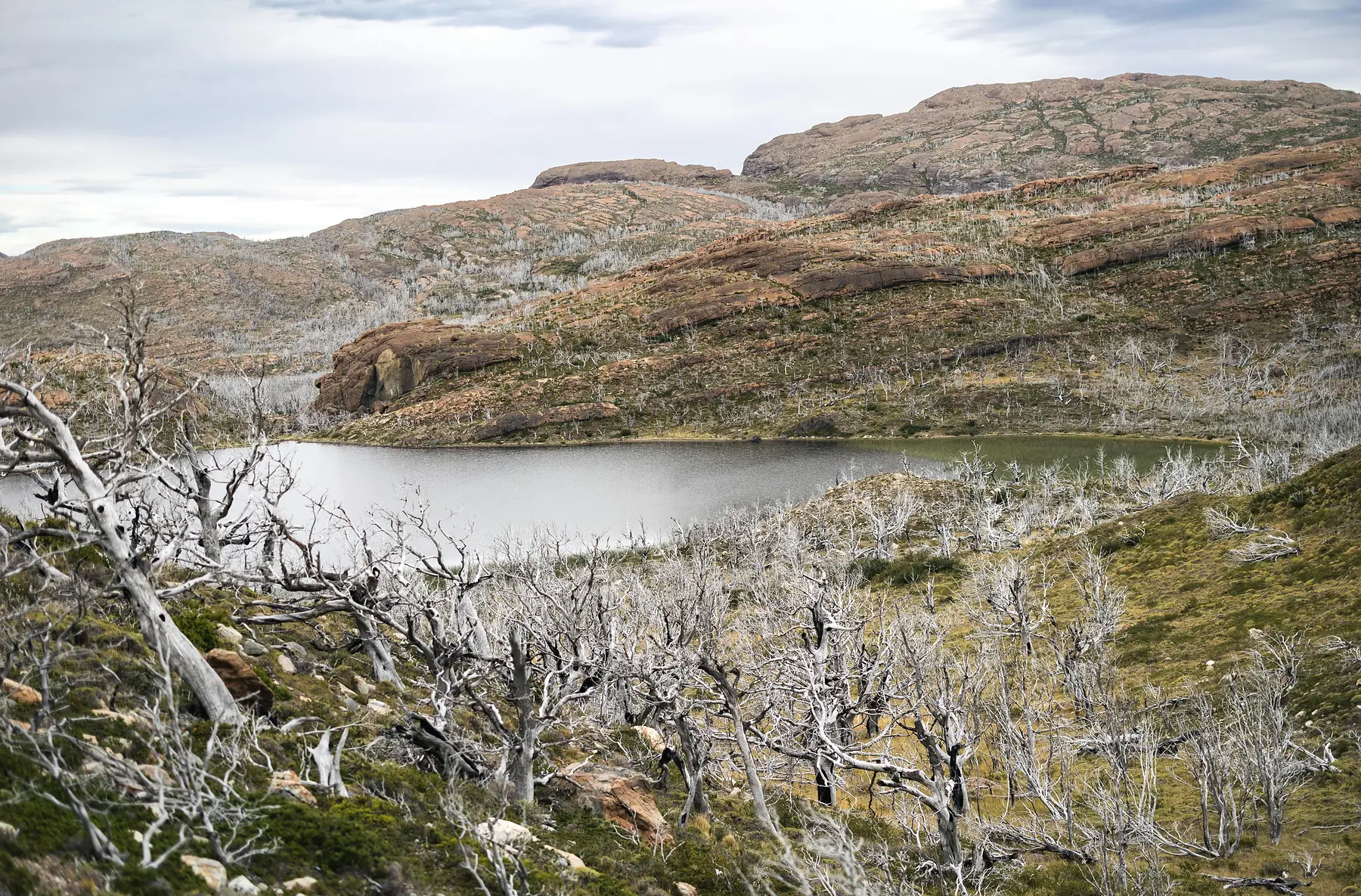
Food and Facilities by Refugio
Meal plans normally combine breakfast, a packed lunch and dinner. Food and facility rules can change, so treat the table as planning guidance and reconfirm the current product during booking.
| Refugio | Stove access | Supplied hot water for food | Meals | Dietary arrangements |
|---|---|---|---|---|
| Grey | Yes, in the designated cooking shelter | No kettle or microwave is supplied; self-caterers should boil their own water | Vértice meal plans; buffet service and open seating | Add requirements to the booking; for strict diets or allergies, notify Vértice at least 30 days ahead and reconfirm at check-in |
| Paine Grande | Yes, in the designated cooking shelter | No kettle or microwave is supplied; self-caterers should boil their own water | Vértice meal plans; buffet service and open seating, plus some walk-in food | Add requirements to the booking; for strict diets or allergies, notify Vértice at least 30 days ahead and reconfirm at check-in |
| Francés | Yes, in the designated cooking shelter | Boiling water is often available, but it is not an operator-guaranteed self-catering facility | Las Torres meal plans; plated service with open seating | Request when booking and verify the note at check-in; do not expect an unannounced substitution |
| Cuernos | Las Torres does not list a permitted stove area; plan this as a no-stove night | Boiling water is commonly reported, but reconfirm on arrival | Las Torres meal plans; plated service with assigned seating | Request when booking and verify the note at check-in; do not expect an unannounced substitution |
| Chileno | No camp-stove use; Las Torres explicitly prohibits it | Yes, suitable for instant noodles and freeze-dried meals | Las Torres meal plans; plated service with assigned seating | Request when booking and verify the note at check-in; do not expect an unannounced substitution |
| Central & Norte | Yes, in the designated cooking shelter | Do not rely on staff-supplied boiling water; self-caterers can use the cooking shelter | Las Torres meal plans; confirm the current service format | Request when booking and verify the note at check-in; do not expect an unannounced substitution |
Cooking is never allowed inside a refugio, inside a tent or in the open. Las Torres currently lists designated stove shelters at Central and Francés, but not Cuernos or Chileno. The supplied hot water at Chileno is enough for simple food. Traveller reports about guest microwaves conflict by site and season, and neither operator promises one, so do not build a food plan around microwave access.
Log dietary requirements against every relevant booking. Remote kitchens order and transport food around confirmed manifests, so an unannounced vegan, gluten-free or allergy request may not be possible on arrival.
How the Refugio System Works
A refugio is a privately operated mountain hostel rather than a free public shelter. Most rooms sleep six to eight people in mixed dorms with shared bathrooms. Dining is communal, space is tight and quiet hours matter.
The bed names vary slightly by operator, but the main decision is whether bedding is included:
- Made bed or bed with linens: mattress, pillow, sheets and a duvet or blanket are supplied.
- Simple bed: the bunk and basic mattress setup are supplied, but you bring your own sleeping bag.
There are no CONAF-run refugios with indoor beds on the W Trek. Historic CONAF sites such as Italiano should not be treated as overnight accommodation; Italiano remains useful as a daytime bag-drop point for the French Valley.
Vértice vs Las Torres
The route is divided between two booking systems. Vértice Patagonia operates Grey and Paine Grande on the western W. Las Torres Patagonia operates Francés, Cuernos, Chileno, Central and Norte in the central and eastern sectors.
| Refugio | Operator | Route role |
|---|---|---|
| Grey | Vértice | Western glacier stop |
| Paine Grande | Vértice | Catamaran, Grey and French Valley junction |
| Francés | Las Torres | Central W / French Valley access |
| Cuernos | Las Torres | Central W / Lago Nordenskjöld |
| Chileno | Las Torres | Ascencio Valley / Base Torres approach |
| Central & Norte | Las Torres | Eastern trailhead and road access |
| Dickson | Vértice | Northern O Circuit only |
The two systems do not share inventory. Finding Chileno does not guarantee that Grey or Paine Grande is available on the preceding west-to-east dates. The step-by-step W Trek booking guide explains how to build the sequence without booking an unusable gap.
Refugio vs Camping
Refugios cost substantially more, but the benefit is not luxury. It is a lighter pack, better weather protection and a real bed after a long day. A refugio trek can work with a 5–8 kg pack when bedding and meals are included; carrying a tent, sleep system, stove and food can push a full trekking pack towards 12–18 kg.
Equipped camping is the middle option: the tent, mat and sleeping bag are waiting at each site, but you still sleep outside. Compare the current costs and trade-offs in our W Trek refugios vs camping guide.
Practical Details: Showers, Power, WiFi and Storage
Showers: Private refugios provide shared bathrooms and hot showers, but hours and supply vary. Queues build when hikers arrive in the late afternoon, so shower soon after check-in rather than assuming hot water will last all evening.
Power: Charging points are usually in communal areas and can be busy or unavailable when power is limited. Bring a power bank and do not plan around charging overnight.
WiFi: Your first Vértice stay includes 30 minutes of WiFi. Other access, including later Vértice stays and Las Torres properties, is paid. Weather can make any connection slow or unusable, so download tickets, maps and onward-travel details before entering the park.
Storage: Many sites have lockers, luggage rooms or covered racks for packs. Bring a small padlock where lockers are offered, keep valuables with you and follow staff instructions before leaving a bag for the French Valley or Towers spur.
Towels: Standard dorm bookings do not normally include a towel. Pack a small quick-dry towel unless your booking confirmation explicitly lists one.
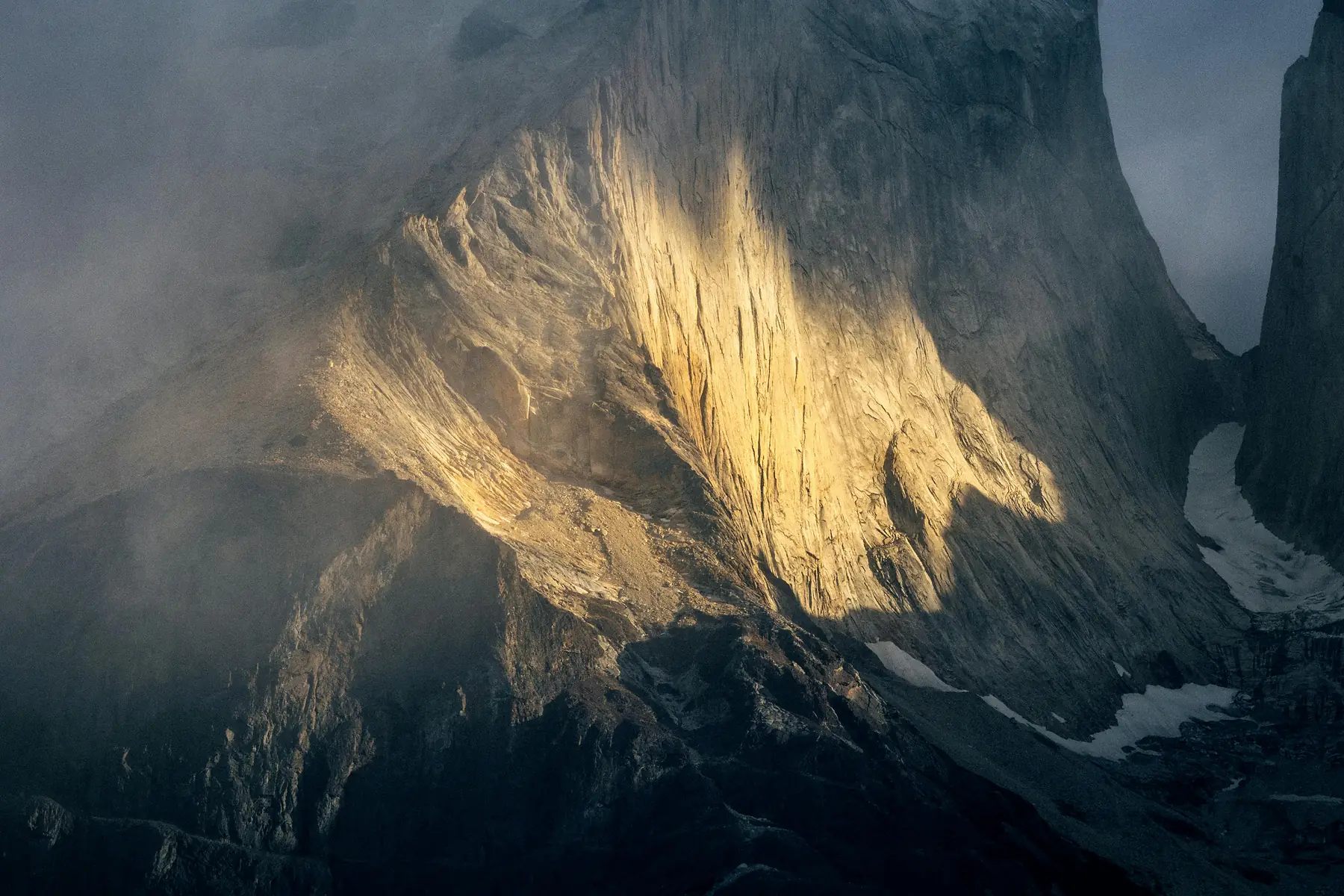
O Circuit Refugios
The O Circuit shares all of the W Trek refugios on its southern half, but the northern loop needs a mixed accommodation plan. Refugio Dickson is the main additional indoor option, set beside Lake Dickson on the remote north side of the circuit.
Refugio Dickson
Dickson is the principal indoor refuge on the northern side of the O Circuit, beside the lake and glacier. It is only relevant to the full circuit and must align with the camping-only nights before and after it.
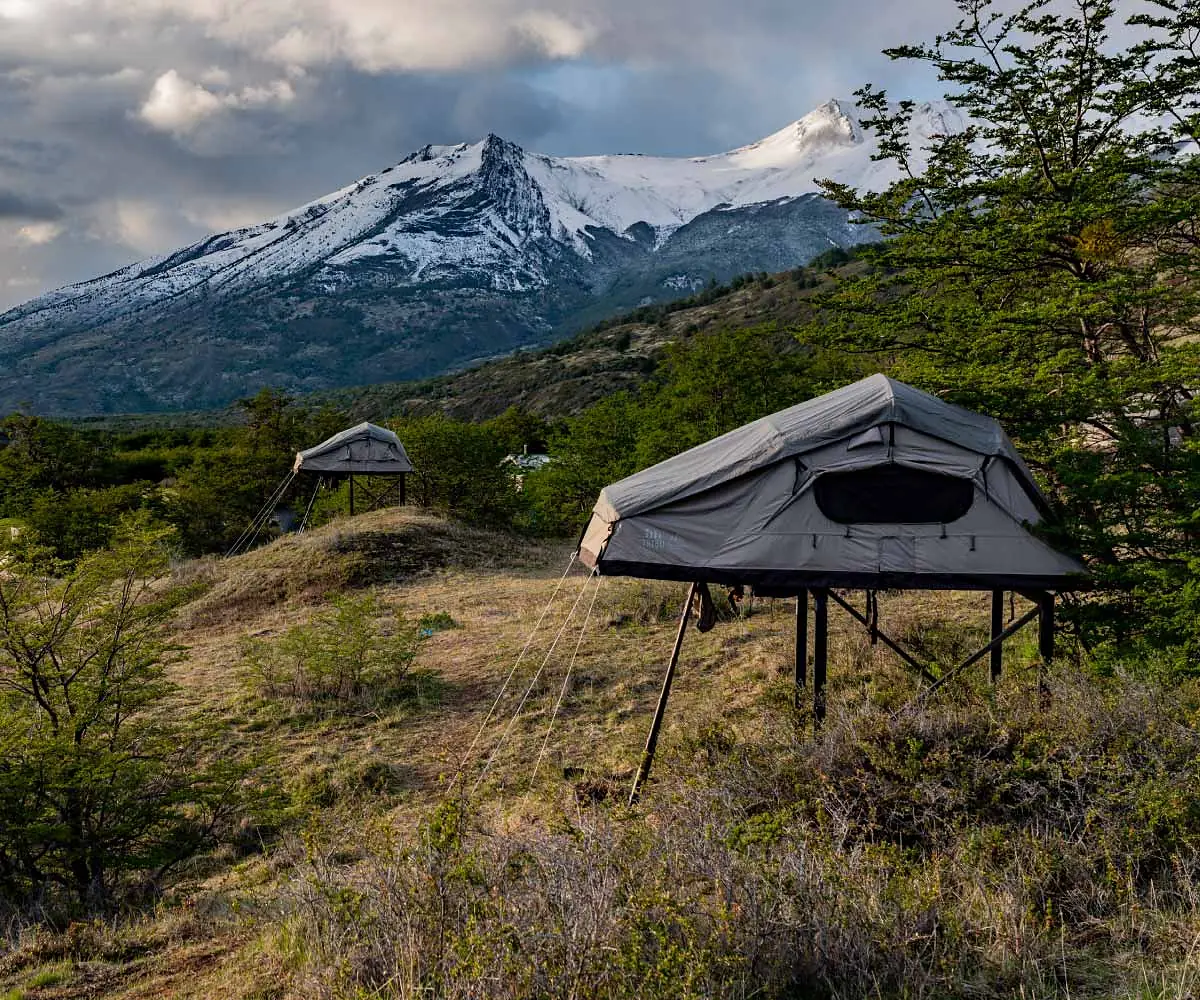
Serón and Los Perros are camping stops rather than indoor refugios. Anyone hiking the full loop therefore needs to coordinate Dickson with the northern campsite sequence and current John Gardner Pass rules. See the O Circuit planning guide and Torres del Paine camping guide for those nights.
Booking Strategy
Book the route as a connected calendar, not as a shortlist of individual properties. For the complete five-day, four-night west-to-east example, the trail-night sequence is Grey → Paine Grande → Francés or Cuernos → Chileno. Central can replace Chileno when availability or transport logistics matter more than the shorter Towers approach.
Check the scarce Las Torres nights early, but make sure the Vértice dates fall immediately before them in the order you will walk. Operator release dates, cancellation terms and available bed or meal products vary by season.
If the available beds do not create a workable route, compare an arranged W Trek package before changing direction or giving up a priority stop.
Frequently Asked Questions
Which W Trek refugio should I book first? Chileno is usually the hardest eastern night to replace because it shortens the Towers morning. Check it and the Francés/Cuernos alternatives early, then confirm that Grey and Paine Grande fit the preceding dates on a west-to-east itinerary.
Is Chileno or Central better for the Towers? Chileno is better for a shorter pre-sunrise approach. Central is better for road access, a simpler arrival or departure day and avoiding the previous-day climb with an overnight pack.
Is Francés or Cuernos better for the French Valley? Francés is closer to the valley branch and shortens that hiking day. Cuernos adds about 3.6 km after the valley on a west-to-east route, but offers the more traditional lodge setting and limited private cabins.
Do I need a sleeping bag in W Trek refugios? Only if you book a simple bed without full bedding. A made-bed or linens-included product supplies the sleeping setup, but check the exact inclusions shown by the operator before paying.
Can dietary requirements be accommodated? Both operators offer dietary arrangements, but they require advance notice. Add the requirement during booking, follow Vértice’s 30-day lead time for strict diets or allergies, and reconfirm it at every refugio check-in.
Are any W Trek refugios private? Most beds are in shared dorms. Los Cuernos has limited private twin cabins with shared bathrooms; standard hotel rooms are also available in the Central sector but are not refugio bunks.