
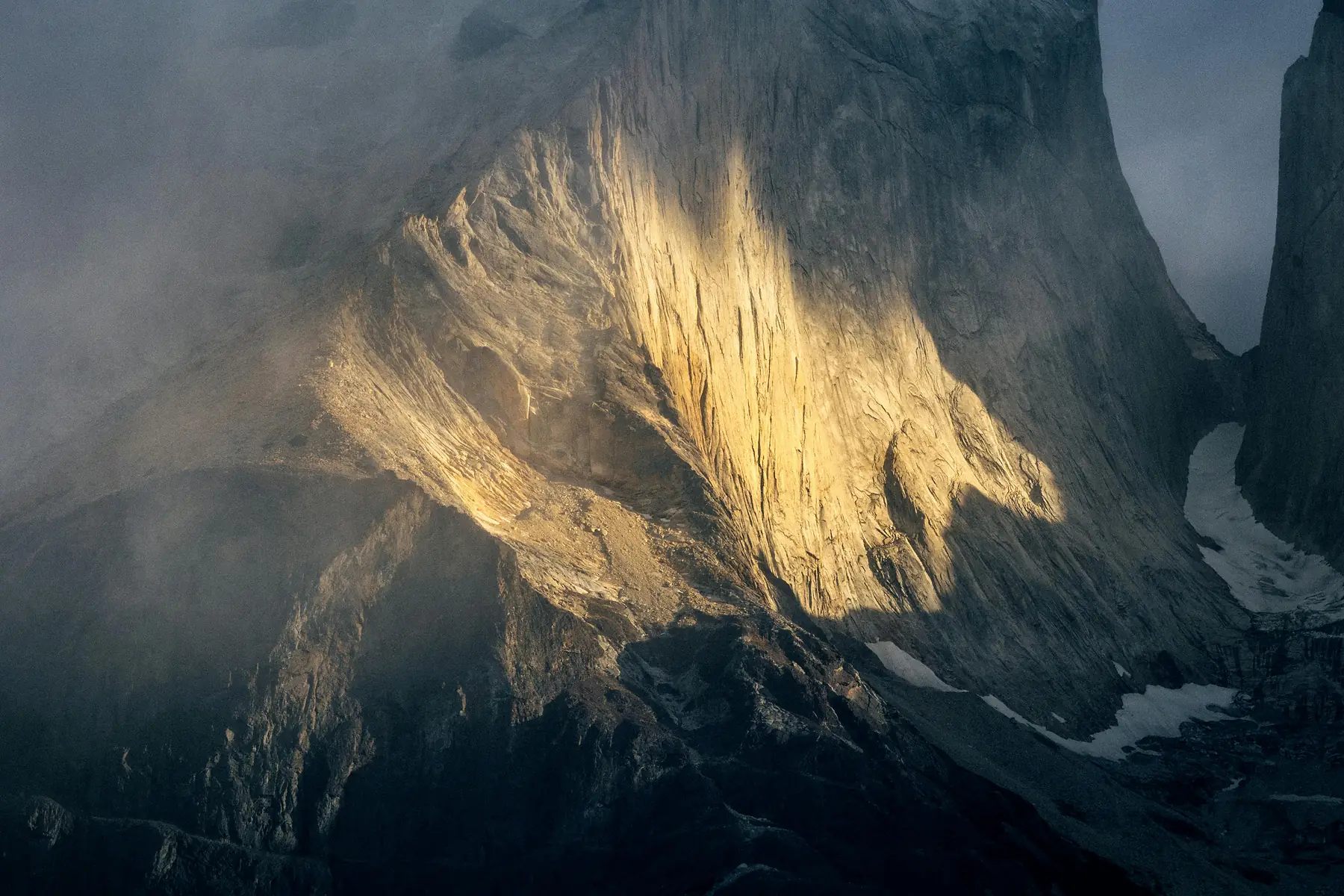
For serious backpackers and trekkers, Patagonia is a proving ground. It is a landscape where trail networks cut through some of the most dramatic terrain on earth, but also where the elements demand absolute respect.
This 3-week expedition is designed specifically for high-endurance hikers who want to experience the two undisputed crown jewels of southern trekking: the complete multi-day O Circuit around the Paine Massif in Chile, and the world-class day-hiking networks of El Chaltén in Argentina.
By linking these two iconic zones with a logical overland progression, this itinerary maximises your time on the trail, builds in mandatory physical recovery windows, and offers the exact weather flexibility needed to ensure you actually see the peaks clear of cloud cover.
This is the specialist’s three weeks: the centrepiece is the full O Circuit, not the shorter W. If you want a similar duration with more variety and less sustained backcountry commitment, the 20-day end-of-the-world route swaps the O Circuit for the W Trek plus Ushuaia, and the one-month grand loop trades trekking intensity for breadth across four regions.
Expedition At-A-Glance
- Total Duration: 21 days (20 nights on the ground)
- Start Point: Santiago, Chile (SCL) → Puerto Natales
- End Point: El Calafate, Argentina (FTE) → Buenos Aires or Santiago
- Countries: Chile and Argentina (one overland border crossing)
- Focus: Multi-day backcountry trekking, alpine day hikes, glacier viewing
- Best Months: Late October to November or March to early April (manageable wind, fewer crowds)
- Estimated Budget: $4,000 to $7,000 USD per person, excluding international flights
- Fitness Level Required: High. Expect 8 consecutive days on trail with 15 to 25 km daily, carrying a full pack over mountain passes
- Internal Flights: 2 (Santiago to Punta Arenas or Puerto Natales, El Calafate to Buenos Aires)
Route Overview and Logistics
An expedition of this scale cannot be thrown together at the last minute. It requires navigating two distinct national park systems, crossing an international land border, and securing highly competitive backcountry permits months in advance.
Route Rationale and Flight Strategy
This itinerary follows a linear southbound-to-northbound track. You will fly from Santiago (SCL) down to Punta Arenas (PUQ) or directly to the smaller airport at Puerto Natales (PNT) if schedules allow. From there, you move overland by bus into Torres del Paine, back to Puerto Natales, and then cross the border into El Calafate, Argentina. The trip concludes with a deep dive into El Chaltén before returning to El Calafate (FTE) for your onward flight.
For travellers needing to return to Santiago for their international flight home, backtracking from El Calafate via overland bus to Puerto Natales or Punta Arenas is the most economical route. However, if you possess a multi-destination or open-jaw ticket, flying from El Calafate north to Buenos Aires (AEP/EZE) is the most efficient way to conclude the trip without repeating territory.
The Backcountry Permit Bottleneck
The single most critical factor of this entire itinerary is the O Circuit reservation system.
You cannot turn up at Torres del Paine and expect to hike the O Circuit. The park strictly limits trail capacity and enforces a mandatory counter-clockwise direction. Campsite bookings through private concessions like Vertice and Las Torres typically open around April for the upcoming October-to-April season. You must secure every single night sequentially before booking your international flights.
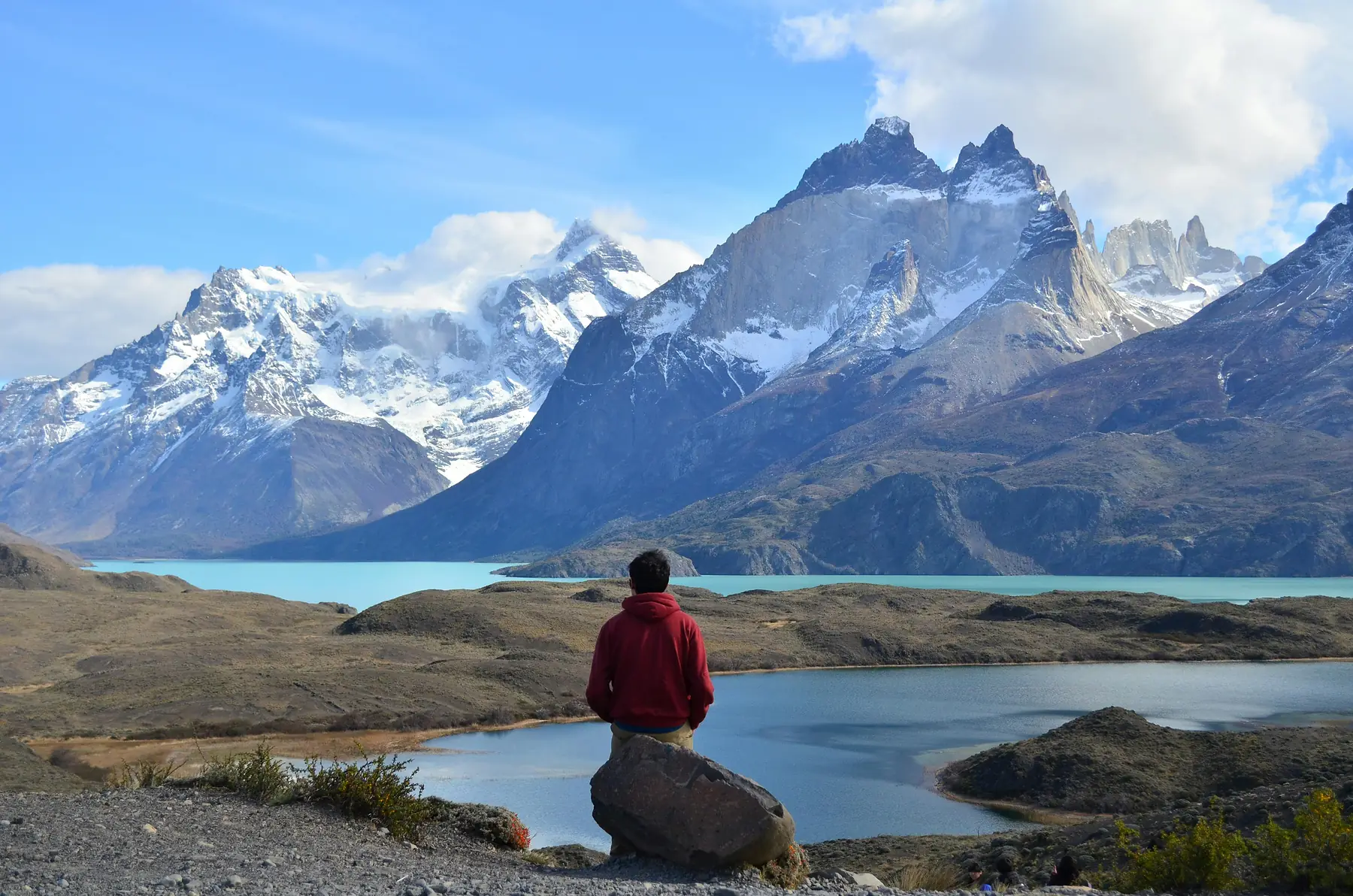
Phase 1: The O Circuit Expedition (Days 1–11)
Day 1: Santiago to Puerto Natales — Entry to the South
Your expedition begins with a morning flight from Santiago down to Punta Arenas. Upon arrival, walk directly to the airport bus terminal to board a scenic, 3-hour coach transfer north to the trail-hub town of Puerto Natales.
Check into your hostel or hotel, and spend a quiet evening walking along the waterfront of the Última Esperanza Sound. Keep this evening entirely low-energy; have a hearty dinner of local seafood or pasta, and get to sleep early. No major activities are scheduled today, as your body needs to decompress before the physical demands of the trail.
Day 2: The O Circuit Prep Day — Final Logistics
This is an absolute necessity before setting foot in the national park. Treat this day as a professional checklist execution.
Spend your morning purchasing your backcountry food supplies at the local supermarkets, picking up isobutane fuel canisters (which are strictly forbidden on flights — buy early, popular sizes sell out fast in peak season), and visiting technical gear shops to pick up any last-minute rental equipment like trekking poles or heavy-duty ground pads.
You will also want to verify your digital or printed park permits, double-check the latest trail closures at the park information office, and organise your backpack. Ensure everything you carry is packed into heavy-duty dry bags; Patagonian rain can penetrate standard pack covers in a matter of minutes. Spend your afternoon resting in a local café, saving your legs for tomorrow.
Day 3: Puerto Natales to Torres del Paine — The Trail Begins
Board the early 07:00 public bus from Puerto Natales to the Laguna Amarga entrance of Torres del Paine. After checking in with park rangers and validating your permits, take the internal shuttle van to the Las Torres sector.
Lace up your boots and begin the O Circuit, moving in the mandatory counter-clockwise direction. This directional rule is strictly enforced by park rangers to prevent trail erosion and manage traffic flow over narrow passes. Your first leg to Campamento Serón is a gentle introductory walk of roughly 14 kilometres, winding through old-growth forests and open rolling hills parallel to the Paine River. It is the perfect warm-up to test your pack weight and dial in your pacing.
Days 4–9: The Heart of the O Circuit
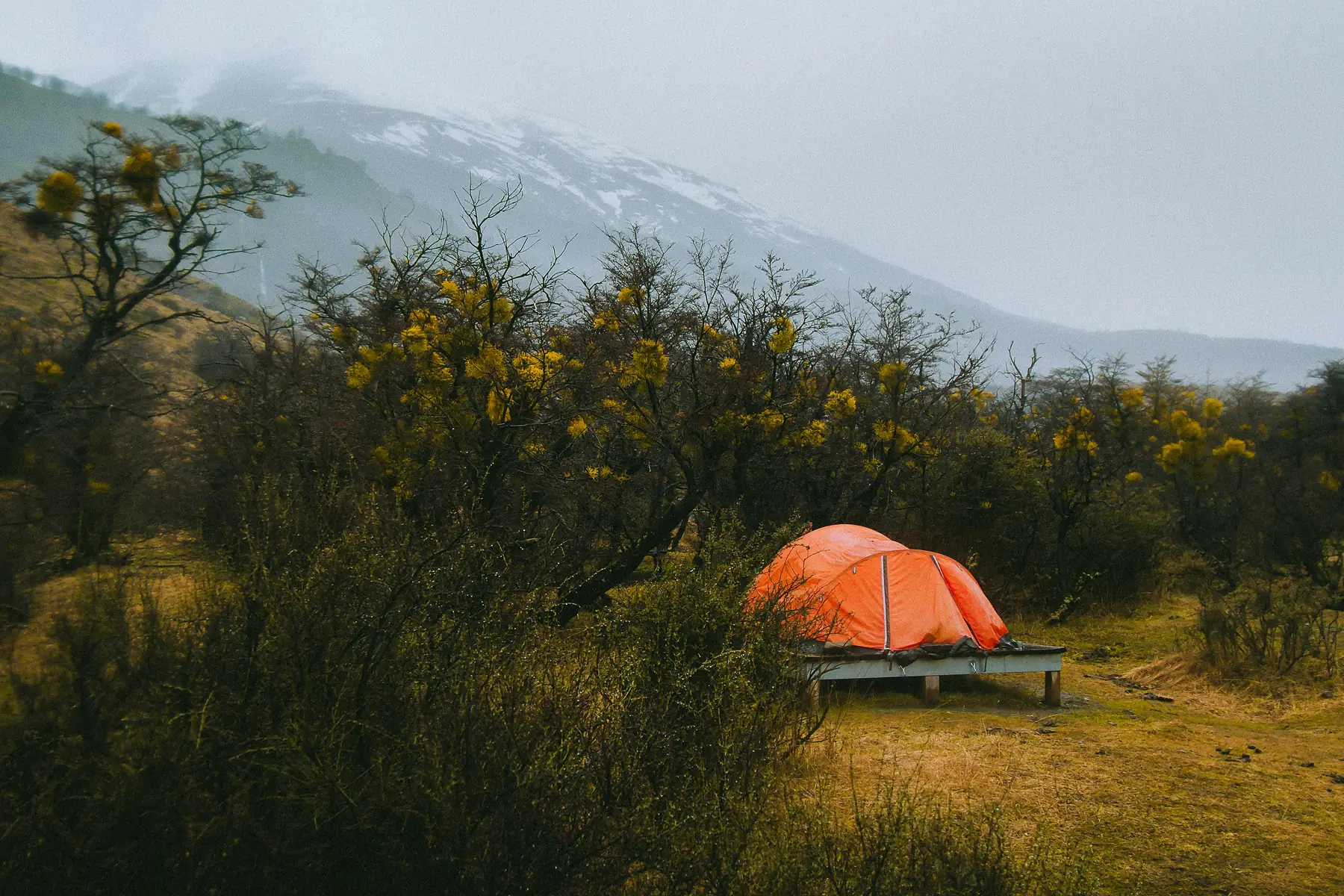
Over the next six days, you will leave the crowds of the popular W Trek behind and enter the remote, wild northern backside of the massif.
The Northern Parks (Days 4–5): You will trek from Serón to Refugio Dickson, situated along a surreal glacial lake filled with calving ice, before pushing upward through sub-Antarctic rainforests to Campamento Los Perros.
The Crux — John Gardner Pass (Day 6): This is the most physically demanding and mentally challenging section of the entire trek. You will climb steeply from Los Perros through exposed alpine talus up to the roughly 1,241-metre crest of the pass. At the summit, you are hit by the full force of the prevailing westerly winds and treated to an unparalleled view of the Southern Patagonian Ice Field stretching out to the horizon. The descent is a knee-jarring, steep drop through exposed roots to the Grey Glacier overlooks.
John Gardner Pass is fully exposed above the tree line. Wind speeds can exceed 100 km/h without warning, and the pass is regularly closed by park rangers in dangerous conditions. Do not attempt the crossing if rangers advise against it — there is no shelter on the exposed summit, and hypothermia risk is extreme. Carry all your warm layers accessible at the top of your pack.
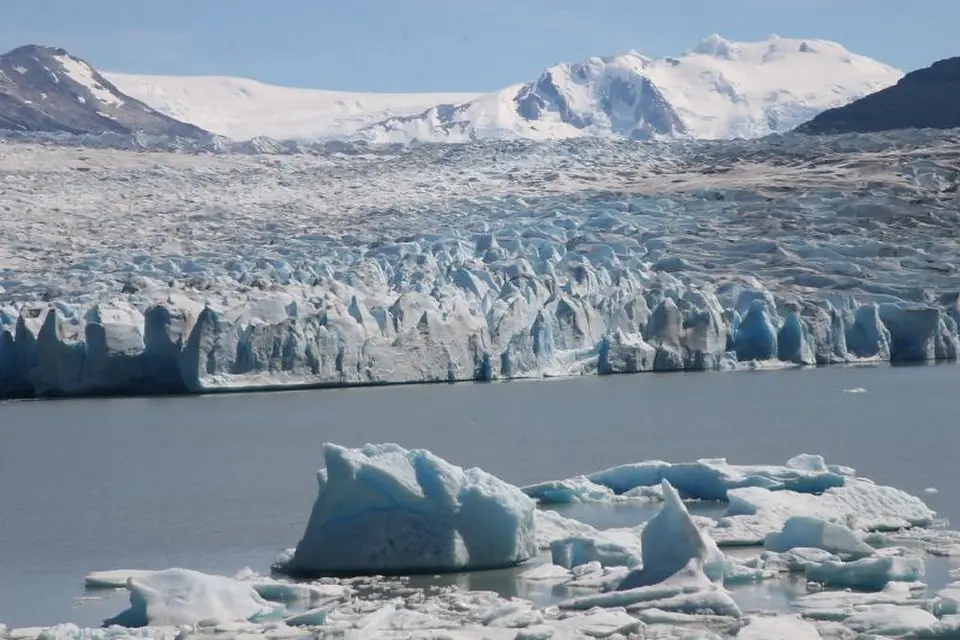
Connecting to the W (Days 7–9): From Grey, you will march south to the massive windy plains of Paine Grande, before cutting into the French Valley to witness the hanging glaciers and the spectacular amphitheatre of granite walls. Expect long, demanding trail hours, fast-shifting weather, and muddy, root-choked tracks. Pacing and hydration are key to preserving your energy for the grand finale.
Day 10: Base Torres Sunrise — The Grand Finale
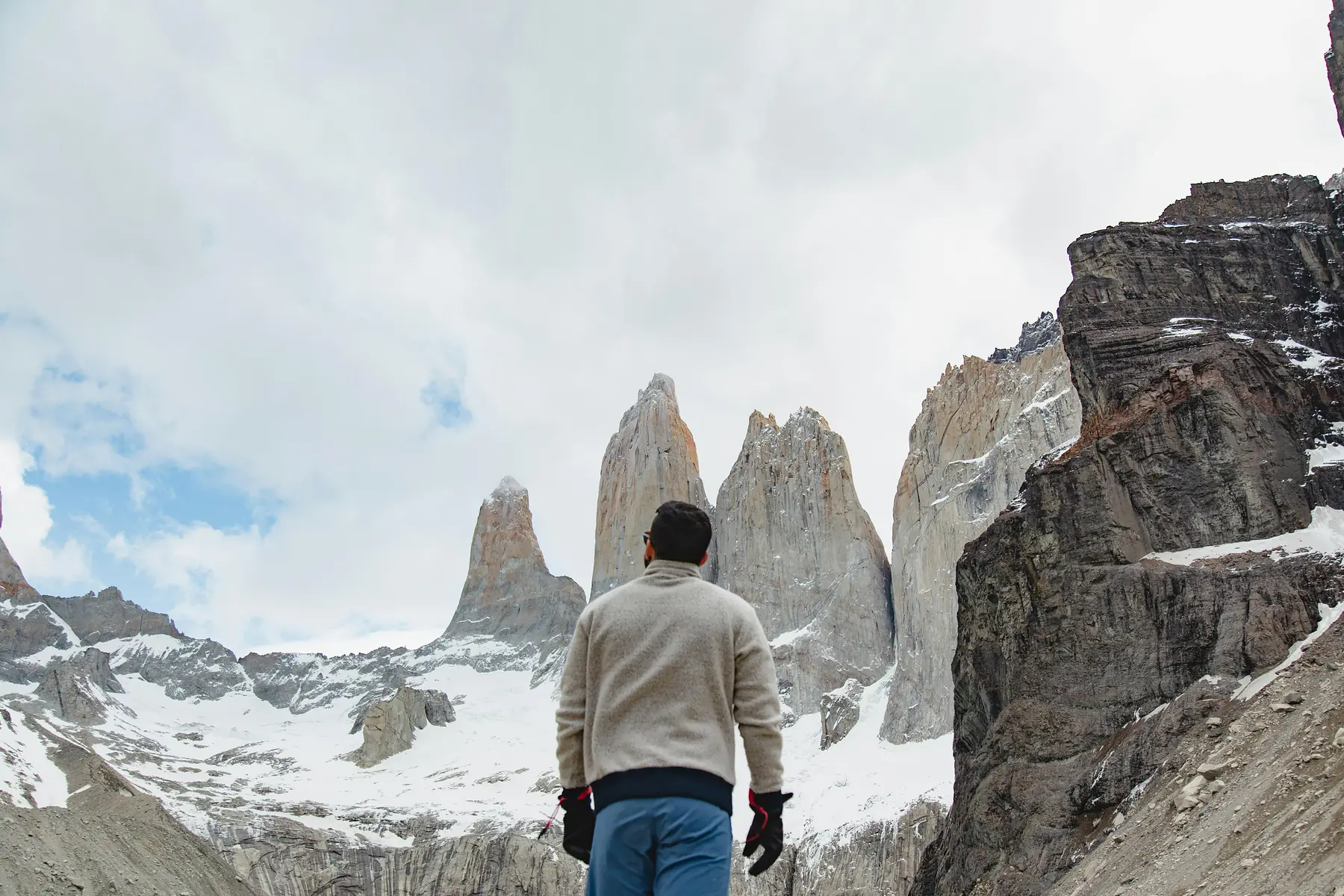
Your final day on the O Circuit requires an exceptionally early wakeup call. Leave your camp at Central or Chileno around 04:00 to 04:30 in the dark to climb the final, steep boulder field up to the classic viewpoint of Mirador Base de las Torres. Move slowly on the loose rock — rushing in the dark with fatigued legs from eight days of hiking is how injuries happen.
If the weather cooperates, you will watch the first rays of the morning sun hit the vertical granite towers, turning them a fiery, glowing orange. After descending from the viewpoint, return to the trailhead, pack up your remaining gear, and board the afternoon bus back to Puerto Natales. Celebrate your successful loop tonight with a massive recovery dinner of Patagonian lamb at a local parrilla.
Day 11: Full Recovery Day — Active Reset
Do absolutely nothing demanding today. This recovery day is strategically placed to divide the expedition in half; trying to skip it and head straight into the Argentine trails will lead to physical burnout.
Spend your morning dropping off laundry at a local service, laying out your tent and gear to dry thoroughly, and consider booking a deep-tissue massage at a local spa. Spend your afternoon reorganising your backpack and ditching any leftover backcountry trash or unneeded weight before transitioning across the international border tomorrow. This is also the day to replace any gear that failed on the O Circuit — broken trekking pole tips, delaminated rain shells, and worn-out insoles are all available at the gear shops in Puerto Natales.
Phase 2: The Argentine Ice Field and El Chaltén (Days 12–20)
Day 12: Puerto Natales to El Calafate — The Border Crossing
Board an early morning cross-border coach from Puerto Natales to El Calafate, Argentina. The journey takes roughly 5 to 7 hours depending on customs processing at the Cerro Castillo border checkpoint. Both Chilean and Argentine authorities conduct agricultural inspections — consume or discard all fresh trail food (fruits, vegetables, unsealed meats) before stepping off the bus at customs.
As the bus pulls into El Calafate, you will see the turquoise waters of Lago Argentino. Check into your hotel and spend a relaxed evening walking along the lakefront or exploring the shops on Avenida del Libertador. Indulge in a classic Argentine steak paired with Malbec wine, keeping your pace slow and restorative.

Day 13: Perito Moreno Glacier — Active Recovery
Use today as a lower-impact, visually stunning active recovery day. Take a local bus or rental car 80 kilometres west to the Perito Moreno Glacier inside Los Glaciares National Park.
Rather than tackling heavy elevation, spend your hours walking the extensive steel boardwalk networks facing the 70-metre-high wall of ice. Listen to the thunderous cracks as massive chunks of ice calve directly into the water. For an upgraded experience, you can book an optional kayak excursion along the face of the ice or join a guided mini-trekking tour utilising crampons on the glacier tongue itself. Return to town early to pack for the mountain phase.
Day 14: El Calafate to El Chaltén — Entry to the Spires
Take the morning public bus north through the desolate Patagonian steppe along Route 40 to El Chaltén, the undisputed trekking capital of Argentina. The roughly 3-hour journey ends with a mandatory orientation stop at the park ranger station, where you will receive information on backcountry safety and waste management.
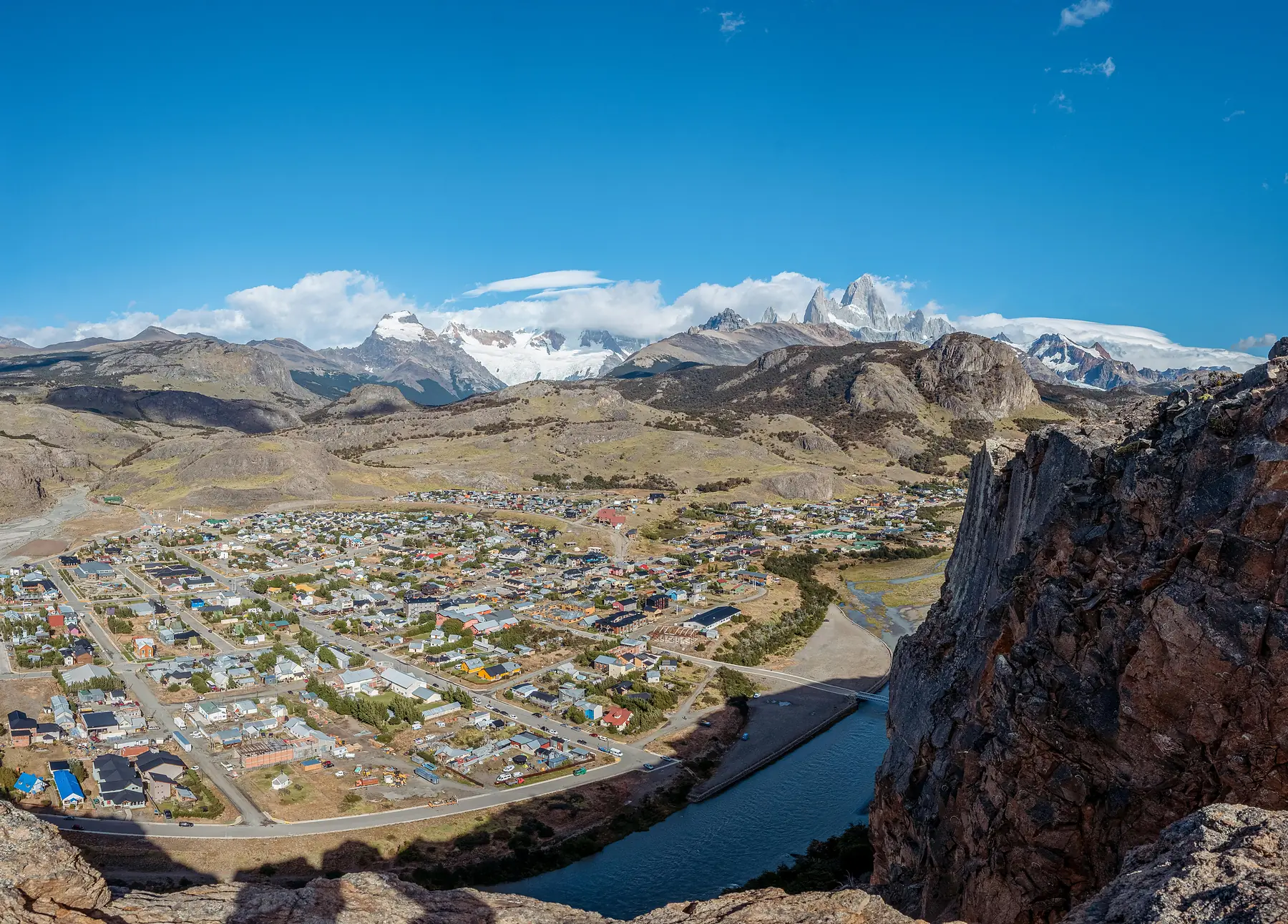
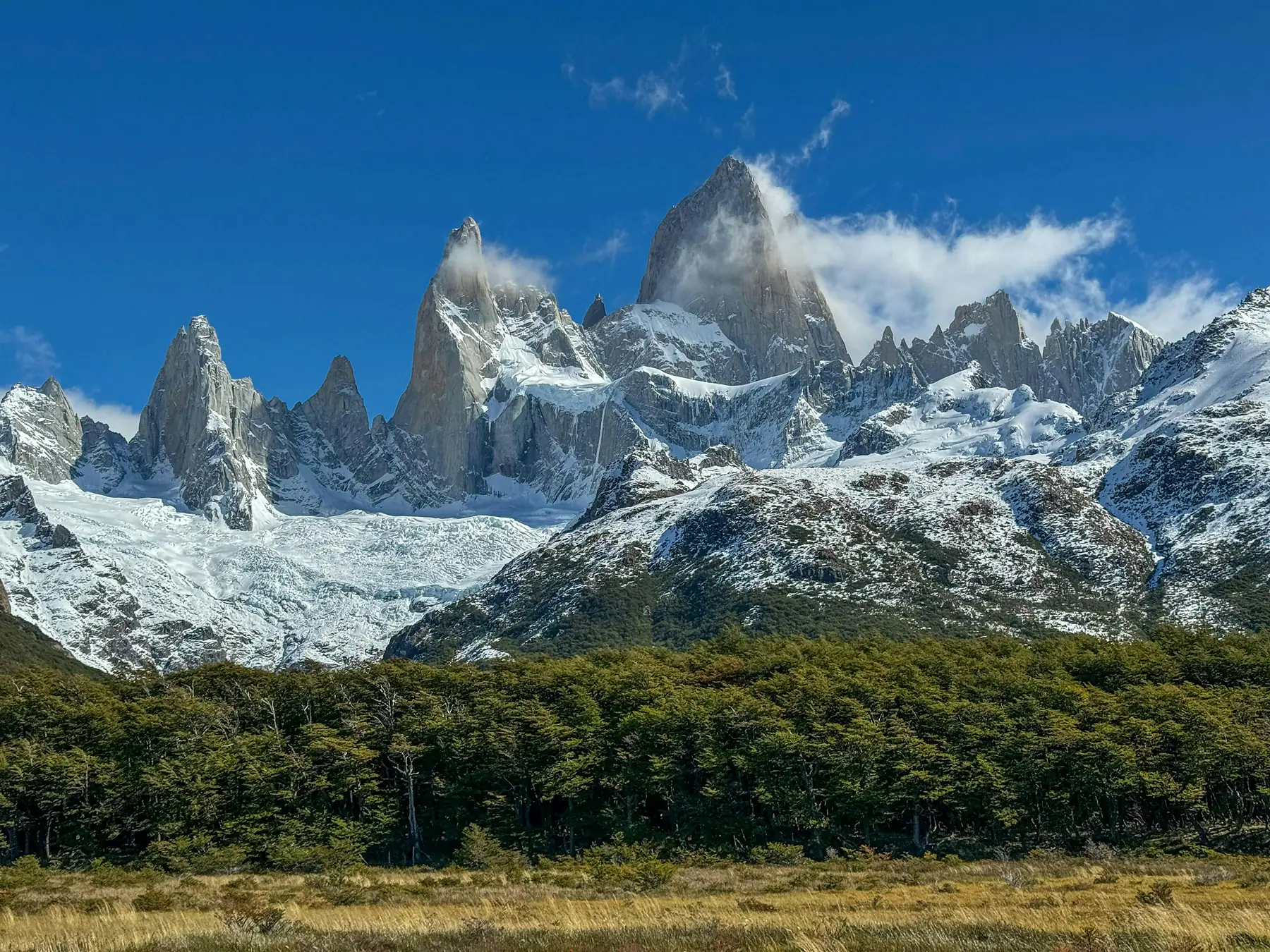
After checking into your chalet or hostel, head to the southern edge of town for a short, 4-kilometre round-trip walk to Mirador de los Cóndores. This easy trail climbs gently to a rocky outcrop offering panoramic views of the entire valley and the towering peaks of Fitz Roy and Cerro Torre. Use this evening to check the mountain forecasts and map out your strategy for the upcoming hiking block.
Days 15–20: The El Chaltén Hiking Block — The Peak Strategy
Seven days in El Chaltén is the ultimate luxury for a serious trekker. Rather than being forced to hike in a whiteout because you only have a short weekend window, this block allows you to adapt your schedule dynamically to the weather.
The golden rule of El Chaltén: deploy your biggest hikes on the clearest forecast days. Check windguru.cz and mountain-forecast.com the night before each morning. Prioritise Laguna de los Tres and Loma del Pliegue Tumbado for clear days; save the Cerro Torre valley and forest walks for mixed or windy conditions.
Day 15: Cerro Torre Trail
Kick off the mountain block with the 18-kilometre round-trip hike to Laguna Torre. This trail cuts through stunning lenga beech forest along the Fitz Roy River, offering a very forgiving, gradual elevation profile. At the terminus, you will reach a rocky moraine overlooking a grey glacial lake dotted with floating icebergs, backed by the sheer granite needle of Cerro Torre. Keep your ears tuned in the forest for the rhythmic hammering of the Magellanic woodpecker — the largest woodpecker in South America — foraging for grubs along the lenga beech trunks.
Day 16: Forest Recovery and Flexible Walks
Treat today as a pacing day to keep your legs fresh. You can take a short, flat 3-kilometre walk to Chorrillo del Salto, a beautiful waterfall hidden in the forest north of town, or make the gentle climb up to Laguna Capri for a relaxed lakeside picnic beneath the distant peaks.
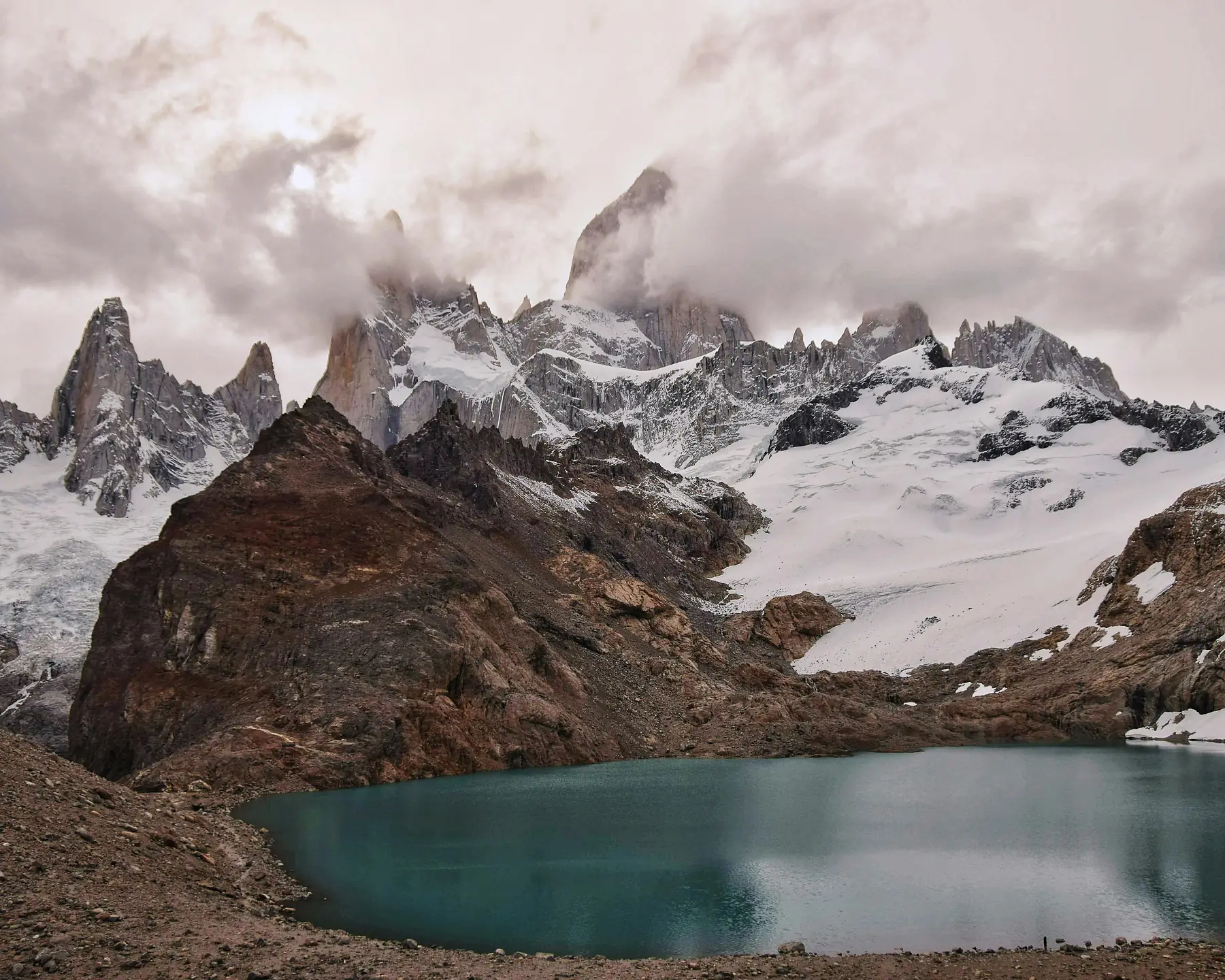
Day 17: Laguna de los Tres — The Mount Fitz Roy View
Deploy this hike on the absolute best weather day of your stay. The Laguna de los Tres trail is the single most iconic day hike in Argentine Patagonia.
To maximise the experience, take an early morning shuttle van from town to the El Pilar trailhead and start from there, passing the Piedras Blancas Glacier before merging with the main trail at Campamento Poincenot. The final kilometre is a brutal, steep 400-metre climb up an exposed rocky ridge of loose scree.
The final ascent to Laguna de los Tres involves roughly 400 metres of elevation gain on loose scree in under one kilometre. Use trekking poles for stability, take slow deliberate steps, and be extremely cautious on the descent — tired legs on loose rock is where most trail injuries happen. If sustained gusts exceed 80 km/h, postpone to a calmer day.
Day 18: Loma del Pliegue Tumbado — The Underrated Panorama
This is one of the most visually rewarding yet overlooked day hikes in the region. The Loma del Pliegue Tumbado trail climbs steadily south of town through open alpine meadows, gaining roughly 1,100 metres of elevation over a 20-kilometre round trip.
Unlike the valley trails that lead to the bases of single mountains, clearing the high, wind-blasted scree ridge of Pliegue Tumbado grants you a complete 360-degree panoramic view of both the Fitz Roy and Cerro Torre ranges simultaneously, alongside the vast expanse of Lake Viedma.
Day 19: The Big Optional Adventure Day
Choose your objective today based on your remaining energy levels. High-endurance hikers can hire a local mountain guide to tackle the technical alpine route up to Paso del Cuadrado, an exposed mountain pass offering views down onto the remote northern faces of the Fitz Roy massif. This is a technical mountaineering route requiring crampons, rope, and a certified guide — book well in advance.
If your knees are spent, opt for a lower-impact 4x4 or horseback excursion out to a historic valley estancia along the Río de las Vueltas, or revisit Laguna Capri for a lazy afternoon of photography.
Day 20: Weather Insurance and Farewell Walk
Your final full day serves as absolute weather insurance. If a major storm rolled through earlier in the week, use today to retry any missed vistas. If your schedule went perfectly, treat today as a slow, reflective farewell day. Take photos along the riverbanks, buy souvenirs in the local gear shops, and gather with fellow trekkers over craft beers and artisan pizzas in the town’s vibrant microbreweries.
Phase 3: Departure (Day 21)
Day 21: Onward Flight and Connections
Your expedition concludes with a morning bus transfer from El Chaltén directly to the airport terminal in El Calafate (roughly 2.5 to 3 hours).
From El Calafate, you will board your domestic flight back north to Buenos Aires or south toward Punta Arenas if returning to Chile. If you are connecting to a long-haul international flight home, build in an extra night in Buenos Aires or Santiago — Patagonian weather delays are common, and missing an international connection because a domestic flight was cancelled is easily avoided with one buffer night.
Practical Notes and Expedition Variations
The Ultimate Upgrade: The Huemul Circuit (4-Day Wilderness Extension)
For highly experienced backcountry navigators who find the O Circuit too commercial or crowded, the ultimate alternative variation is to replace the second half of the El Chaltén block with the legendary Huemul Circuit.
This is a gruelling, 4-day unmaintained wilderness loop that circumnavigates Mount Huemul and provides raw, panoramic views directly over the Viedma Glacier and the Southern Patagonian Ice Field.
The Huemul Circuit is completely different from the O Circuit. There are no refugios, no formal bridges, and zero trail markers. You are required by park rangers to carry a full technical climbing harness, locking carabiners, and steel pulleys to perform two mandatory tyrolean traverses — clipping your harness directly onto steel cables stretched across roaring, glacial rivers. Do not attempt this loop solo or without advanced map-navigation tools.
Logistical Adjustments: To include the Huemul Circuit safely within this 3-week framework, you must sacrifice Days 18, 19, and 20 of your El Chaltén block and convert Day 17 into a mandatory safety briefing and gear-rental inspection day at the APN ranger office.
Backcountry Gear and Packing Realities
An expedition crossing two distinct trekking styles requires strict attention to pack configuration.
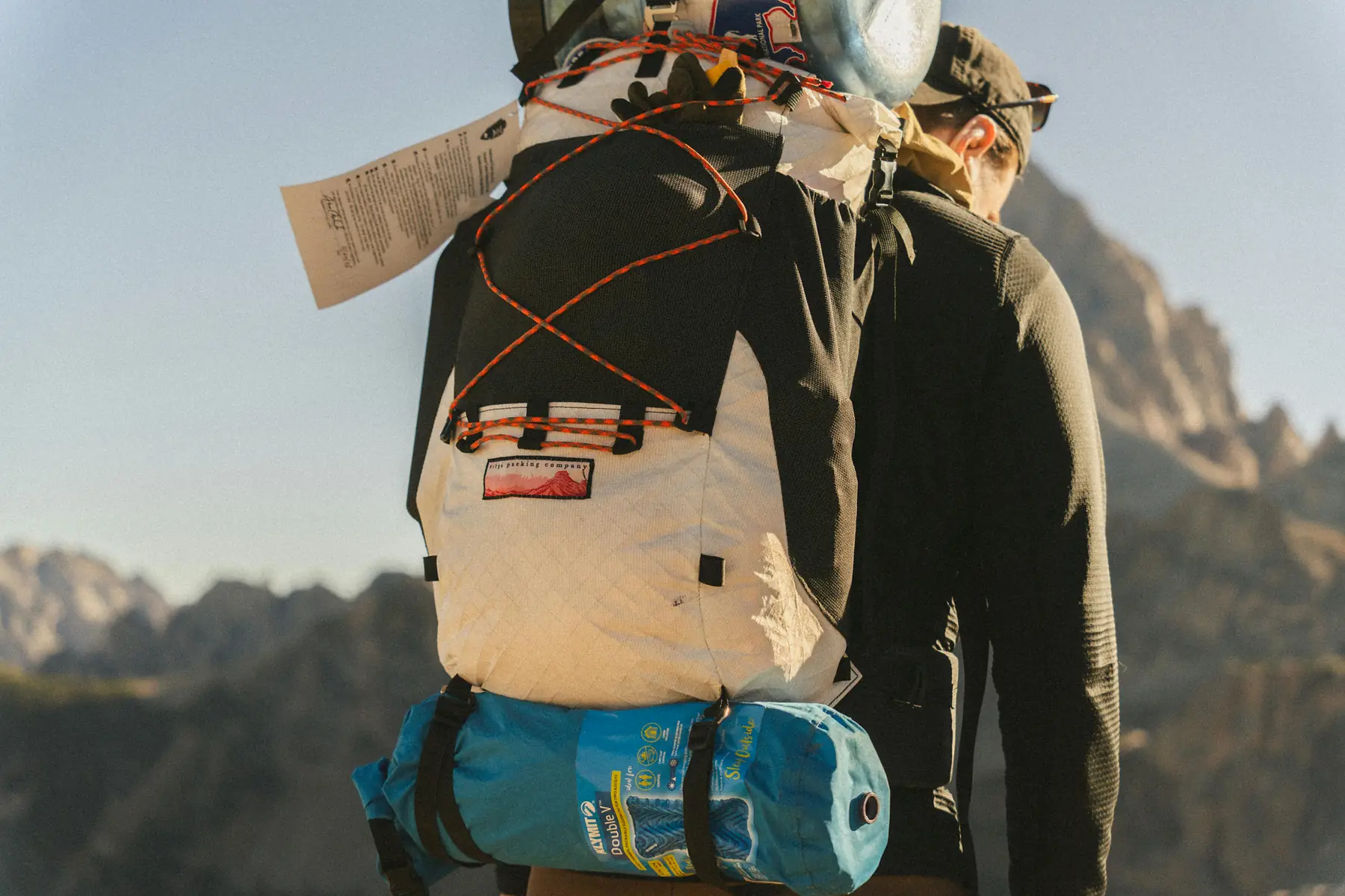
If you are using full-service refugios during the O Circuit, you can get away with a standard 40-litre pack. However, if you are camping independently across the O loop and the Chaltén valleys, you will need a 65-litre internal frame pack capable of hauling your tent, 4-season sleeping bag, stove, and multiple days of mountain rations.
You cannot fly with camping gas. Purchase your isobutane canisters at the gear shops in Puerto Natales on Day 2 — visit early, as popular sizes sell out fast in peak season. When crossing the border into Argentina on Day 12, you can safely bring your stove and empty cookware, but be prepared to buy new fuel canisters in El Chaltén, as local valve standards can sometimes vary between Chilean and Argentine brands.
The Power of Buffer Days: This itinerary contains three deliberate buffer mechanisms — Day 11 (full recovery in Puerto Natales), Day 16 (light forest walks in El Chaltén), and Day 20 (weather insurance). Patagonia’s weather changes rapidly, and having these flex days means you never have to hike a once-in-a-lifetime trail in a whiteout just because it was the only day on your schedule.
FAQ
What is the best time of year for a 3-week Patagonia hiking expedition?
Late October to November and March to early April are the optimal windows. October to November offers longer daylight, active wildlife, and the O Circuit campsites are freshly opened — but wind speeds can be extreme. March to April brings calmer conditions, stunning autumn foliage in the lenga forests, and significantly fewer hikers on the trails, but daylight hours are shorter and some campsites begin closing in April. December to February is the warmest period but also the windiest and most crowded.
How far in advance do I need to book the O Circuit campsites?
Campsite reservations through Vertice and Las Torres typically open around April for the upcoming October-to-April season. The most popular campsites (particularly Dickson, Los Perros, and the Central/Chileno camps near the towers) sell out within days of opening. Set calendar reminders for booking day and be ready to secure every night sequentially. Your international flights should only be booked after your campsite chain is confirmed.
How physically demanding is this 3-week itinerary?
This is a high-endurance expedition. Phase 1 involves 8 consecutive days on trail with daily distances of 14 to 25 kilometres, full-pack carries over a 1,241-metre mountain pass, and highly variable weather. Phase 2 involves day hikes of 18 to 25 kilometres with elevation gains up to 1,100 metres. You should be comfortable hiking 20+ kilometres per day on uneven terrain while carrying a 12 to 18 kilogram pack. A structured training programme starting at least 3 months before departure is strongly recommended.
Can I do the O Circuit using refugios instead of camping?
Partially. Several nights on the O Circuit can be spent in refugios with full meal service (Serón, Dickson, Grey, Paine Grande), which dramatically reduces your pack weight. However, some sections — notably Los Perros and the camps near the northern pass — are camping-only with no refugio option. You will need a tent and sleeping system regardless, but using refugios where available turns a full-camping load into a lighter hybrid setup.
Do I need to book El Chaltén hikes in advance?
No. Unlike Torres del Paine, the trails in and around El Chaltén within Los Glaciares National Park are free to access and require no permits or advance booking. This is precisely why the itinerary places El Chaltén second — the flexibility to choose your hiking days based on real-time weather is invaluable after the rigid scheduling of the O Circuit. The only exception is the Huemul Circuit, which requires a mandatory ranger briefing and registration.
What gear should I rent vs. bring from home?
Bring from home: your broken-in hiking boots (never trek in new boots), waterproof shell jacket, base layers, and sleeping bag if you have one rated to -5°C or below. Rent in Puerto Natales or El Chaltén: trekking poles, waterproof overpants, gaiters, and camping stove (to avoid the fuel canister issue on flights). Ground pads and 4-season tents can also be rented if your own gear is too bulky for the flights. Test all rental gear before heading into the backcountry.
How does the cross-border bus from Puerto Natales to El Calafate work?
Several companies operate the route daily during the trekking season (October to April). The bus takes roughly 5 to 7 hours including customs processing at the Cerro Castillo border checkpoint. Both Chilean and Argentine authorities inspect luggage for agricultural products — fresh fruits, vegetables, and unsealed meats will be confiscated. Carry your passport in your hand luggage. Book your ticket a few days ahead during peak season as buses can fill up.
What happens if the weather ruins my key hiking days?
This itinerary is specifically designed to absorb bad weather. Day 11 is a full recovery buffer. In El Chaltén, you have seven days to complete three to four major hikes, meaning you can afford to lose two or even three days to storms without missing the essential viewpoints. The golden rule is: never hike Laguna de los Tres or Loma del Pliegue Tumbado in cloud cover — save them for clear days and use stormy days for the forested Cerro Torre trail or rest.