
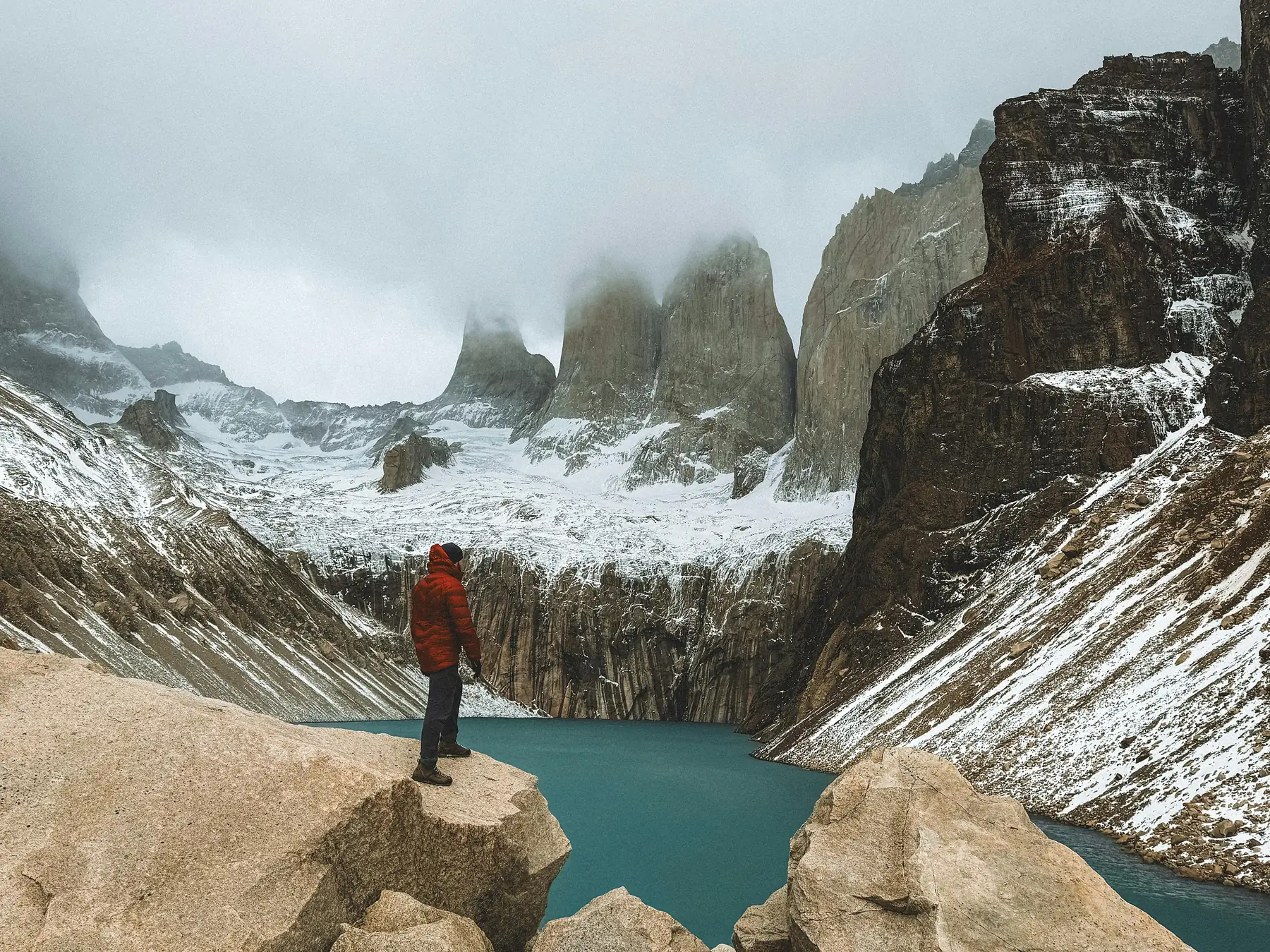
You do not need a tent, a refugio booking made eight months ago, or five consecutive days of walking to experience Torres del Paine. This five-day itinerary is built for travellers bolting Patagonia onto a wider Chile trip: it delivers the park’s three defining sights (the granite towers, the Grey Glacier, and the wildlife-covered steppe) from a comfortable bed every night, with exactly one big hiking day.
The maths of a short Patagonia trip pushes you firmly toward Torres del Paine. It is the most concentrated scenery in the region, it is reachable from Santiago in a morning, and unlike the W Trek, its highlights can be reached as day trips. Five days is genuinely enough, provided you respect the two rules of the far south: book the fixed pieces early, and leave the weather a way to reshuffle your days.
This route uses Puerto Natales as the anchor with one strategic night in or beside the park itself. That single in-park night is the trick that makes Day 3’s towers hike feasible without a brutal 4 a.m. start, and it puts you inside the landscape for the golden hours when the day-trip buses have gone.
Itinerary At-A-Glance
- Total Duration: 5 days (4 nights on the ground)
- Start/End Point: Santiago, Chile (SCL), via Punta Arenas (PUQ)
- Country: Chile only (no border crossings)
- Focus: One major day hike, glacier boat trip, wildlife viewing
- Best Months: October to April (boats and buses at full frequency)
- Estimated Budget: $1,300 to $2,800 USD per person, excluding international flights
- Fitness Level Required: Moderate to high for the towers hike (c. 20 km, 900 m gain); the rest is gentle
- Internal Flights: 1 return (Santiago to Punta Arenas)
Route Overview and Logistics
A five-day window leaves no fat, so the sequencing matters. The itinerary places the flexible sights (viewpoints, wildlife) on Day 2, the weather-critical towers hike on Day 3 with Day 4’s boat as a possible swap, and generous transit buffers at both ends.
Getting In: Flights and the Bus Link
Fly Santiago to Punta Arenas on an early departure, around three and a half hours, then take the bus north to Puerto Natales, another three hours across open steppe. Buses run frequently in season and several services collect directly from the airport; book a seat in advance for the tightest connection. If your budget stretches, the small direct flights that operate into Puerto Natales’ own airfield in high season save half a day. Check schedules for your dates, as they change season to season. Our getting to Patagonia guide covers every option.
Park Entry, Transport, and Where to Sleep
Torres del Paine requires entry tickets purchased online in advance through the national parks system. Buy the multi-day pass, carry your passport, and screenshot the QR code, as signal at the gates is unreliable. For transport, choose between a hire car from Puerto Natales (maximum flexibility, roughly two hours to the park on good roads with gravel inside) or the park shuttle buses and day tours that Puerto Natales runs on well-oiled rails. See our day tours guide for how the organised options compare.
Book your Day 2 in-park accommodation before anything else. Beds inside Torres del Paine are the scarcest resource in this itinerary and sell out months ahead for high season. Anything in the Central sector (near the towers trailhead) or around Lago Pehoé works. If everything is full, the itinerary still functions from Puerto Natales, but Day 3 becomes a long day with a pre-dawn drive or the earliest shuttle in.
Watch the wind forecast as closely as the rain. The towers hike is exposed and unpleasant above about 60 km/h gusts, while the Grey boat sails in most conditions and the viewpoints circuit works in almost anything. Days 3 and 4 are deliberately swappable: check the forecast on Day 2 evening and give the towers the calmest day you have.
Day 1: South to the End of the World
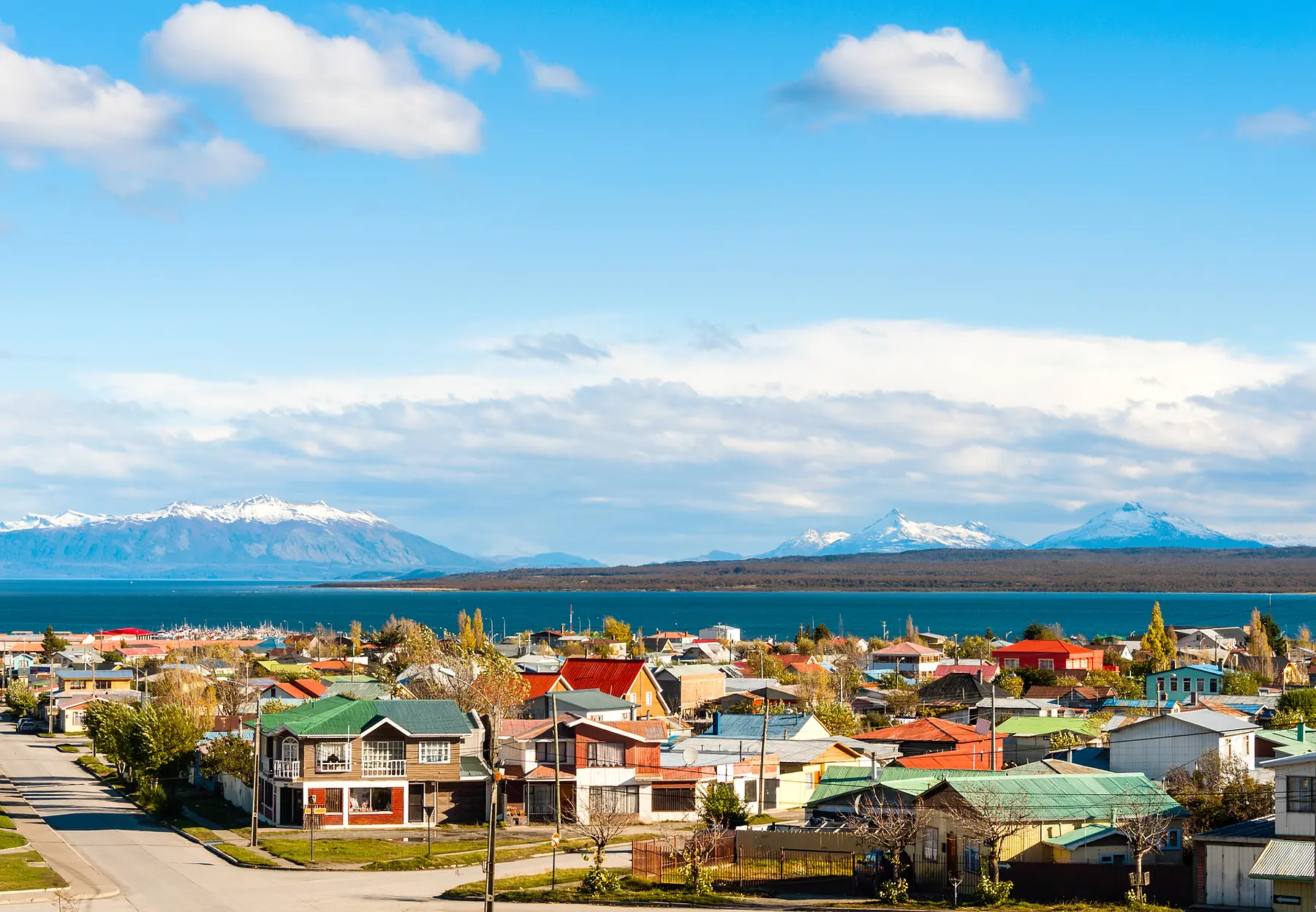
Take the earliest Santiago departure you can bear. The flight south is a highlight in itself: choose a window seat on the left side for the volcanoes of the Lake District giving way to the Southern Ice Field. From Punta Arenas airport, the bus rolls north through three hours of sheep country and horizon to Puerto Natales, the small waterfront town that serves as basecamp for everything Paine.
Use the afternoon for logistics and acclimatisation: collect any pre-booked park tickets and bus passes, rent trekking poles for Day 3 (several outfitters on the main streets rent by the day), and walk the black-necked swan waterfront as the light goes long over Last Hope Sound. Eat well and sleep early, because the far south rewards morning people.
Day 2: Into the Park for the Lakes and Wildlife Circuit
Head into the park this morning by hire car or tour. Today is about covering the park’s western postcard circuit at an easy pace, and it is spectacular far beyond its effort level.
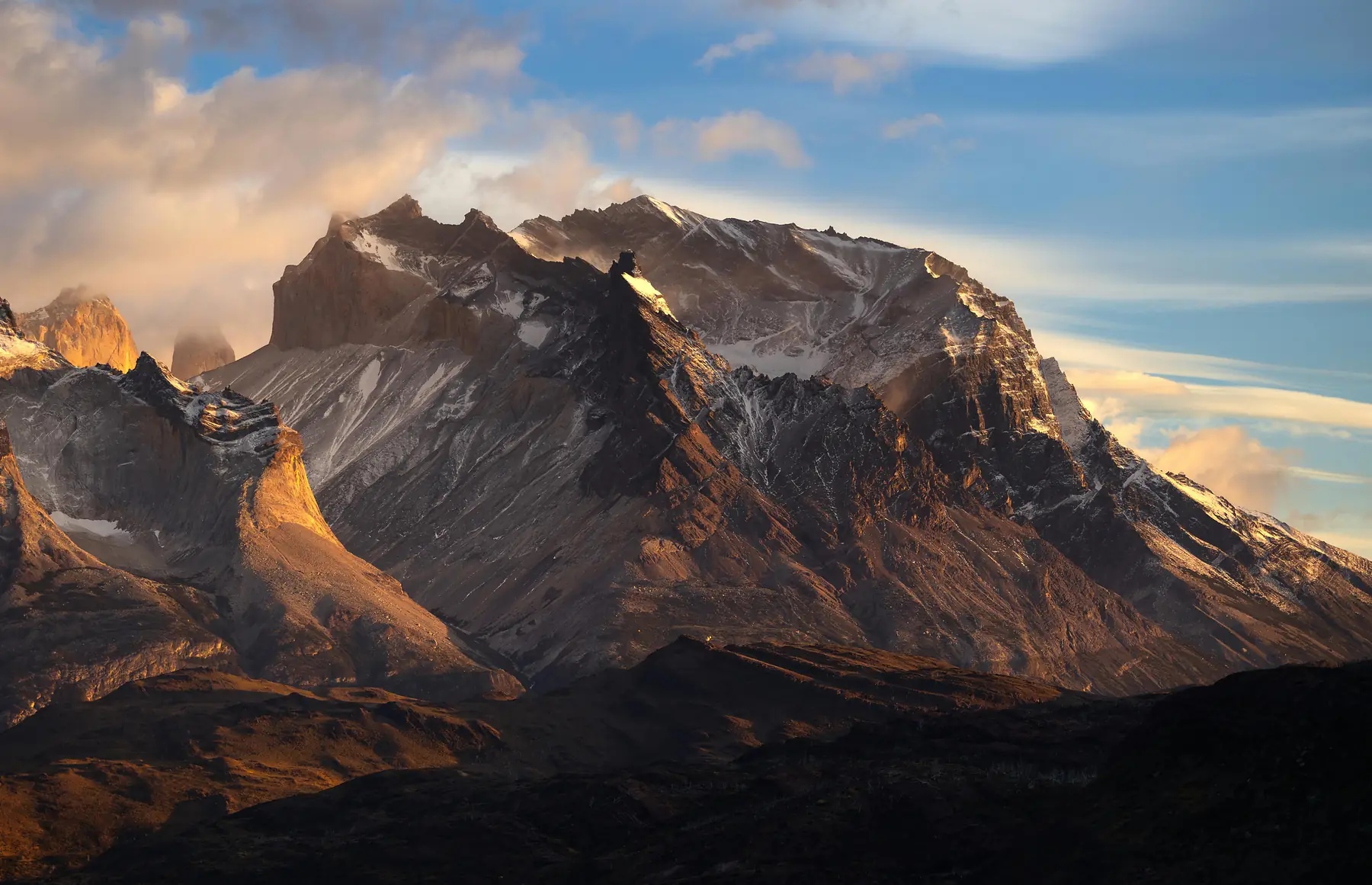
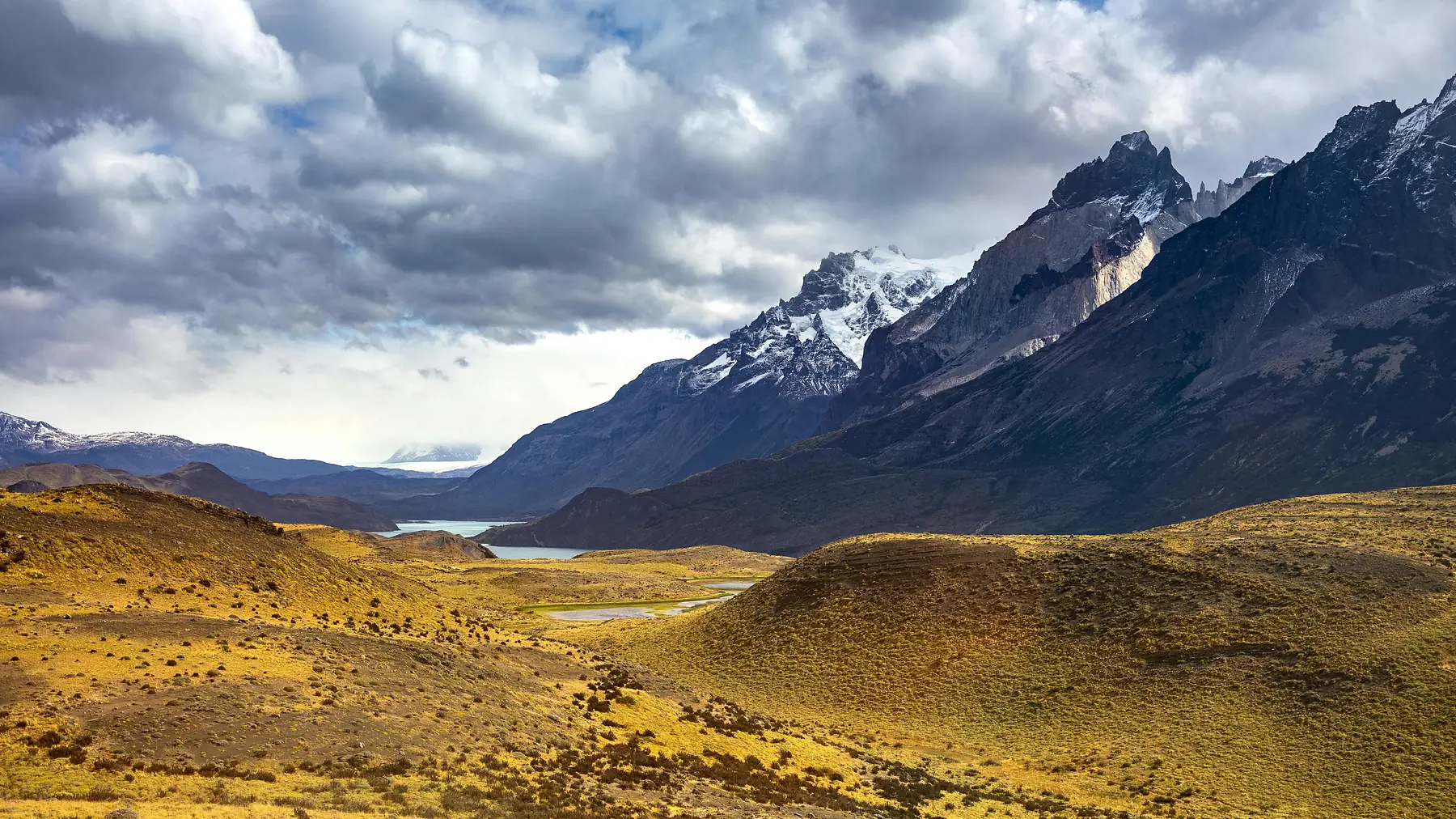
Enter via the southern gates and work through the classics: the short, thunderous walk to Salto Grande waterfall, then the trail on to Mirador Cuernos, where the twisted black-and-grey horns of the Paine massif rise straight out of Lago Nordenskjöld’s improbable turquoise (around 4 kilometres round trip, wind-blasted and worth every step). Picnic above Lago Pehoé, whose colour looks fake even in person, and drive the eastern sectors in the late afternoon, where the steppe around Laguna Amarga carries the park’s densest wildlife: guanacos in their hundreds, condors overhead, and, for the sharp-eyed at dawn and dusk, the pumas that made this corner of Chile famous. Sleep in the park or just outside it.
Guanacos standing alert and staring at one spot, or a group all facing the same direction with ears forward, are the best puma detector in Patagonia. Stop, wait, and scan where they are looking. Sightings from the road are genuinely possible year-round; no tracking fee required, just patience.
Day 3: The Base of the Towers
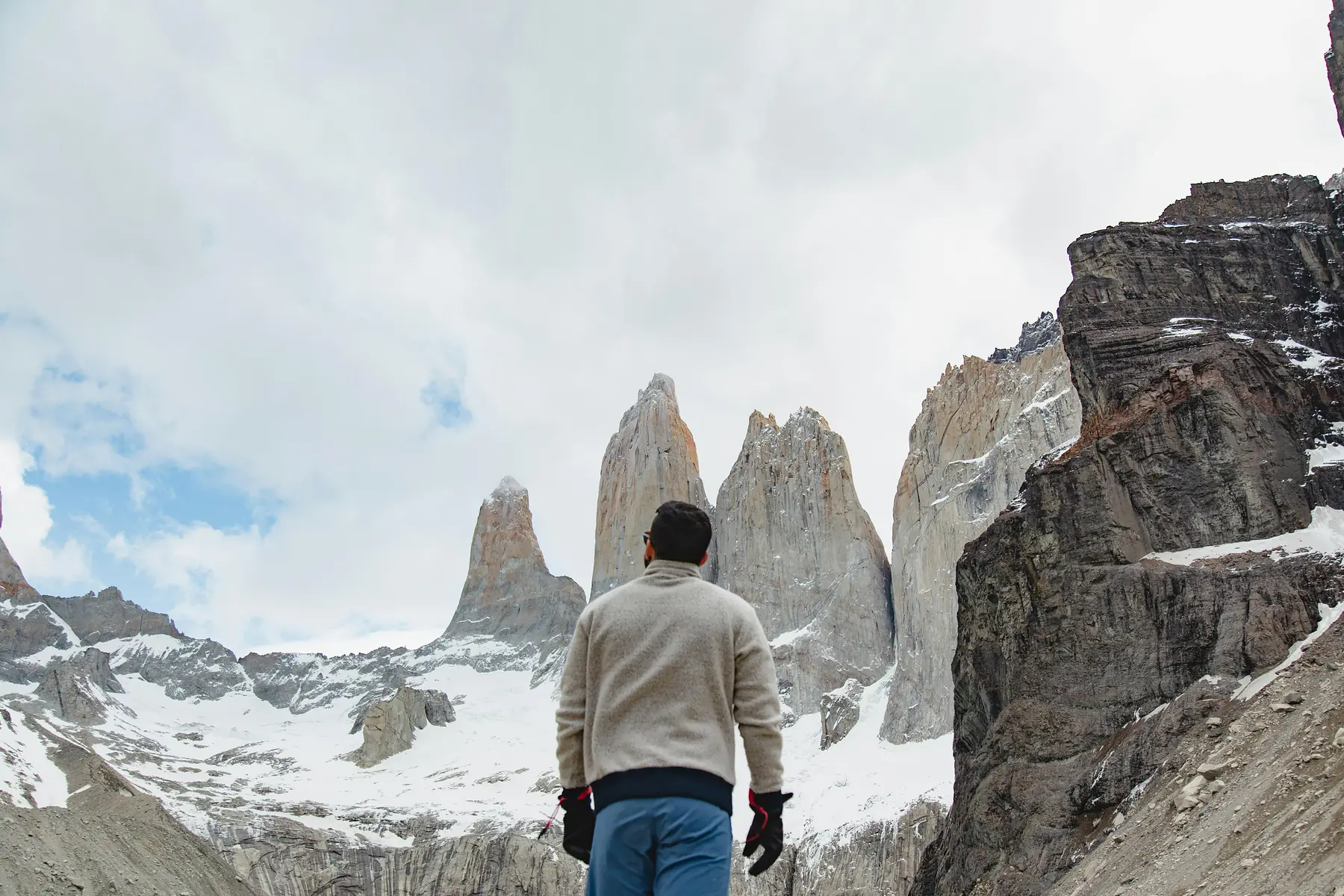
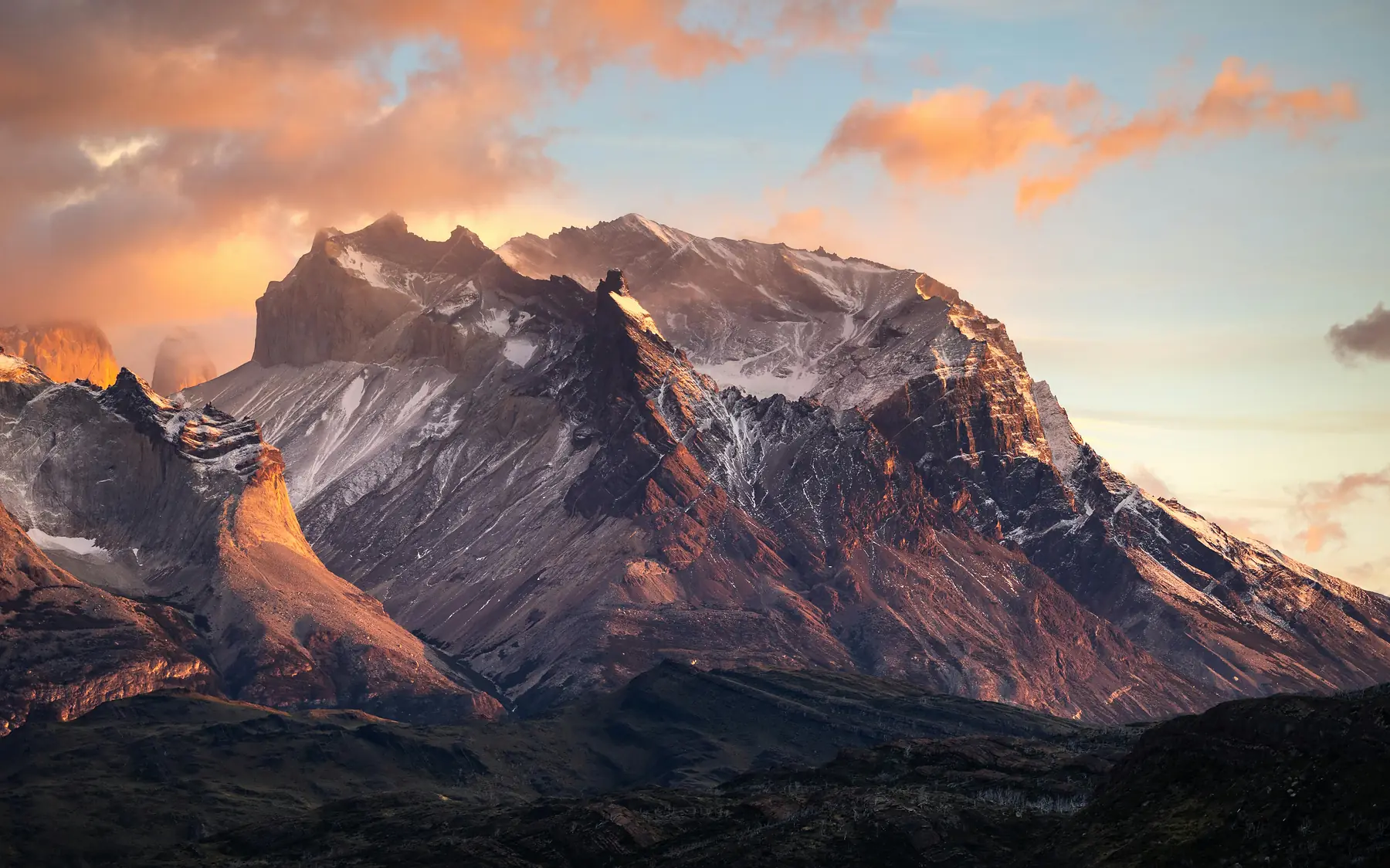
Today is the reason this itinerary exists: the day hike to Mirador Las Torres, the single most famous viewpoint in Chile. From the Central sector trailhead, the trail climbs into the Ascencio valley, contours high above the river on the wind-funnelling stretch locals call Paso de los Vientos, drops through southern beech forest, and finishes with the crux: a steep, hands-occasionally-on final kilometre up the boulder moraine. Cresting it, the three granite towers appear all at once above their milky-green lake, an arrival that no photograph softens.
Budget roughly 20 kilometres round trip with about 900 metres of ascent, which works out to eight to nine hours at a steady pace with a long lunch at the top. Start by 8 a.m., carry proper wind and waterproof layers regardless of the morning sky, and use trekking poles for the moraine descent, which is where tired legs get hurt. Water is refillable from marked streams; pack out everything else. In the evening, either stay a second night near the park or roll back to Puerto Natales for a celebratory dinner. Both work with tomorrow’s plan.
Day 4: Grey Glacier, Ice at Water Level
Your legs get a day off while the scenery keeps escalating. Make your way to the Grey sector on the park’s western edge, where Lago Grey stretches north toward the Southern Patagonian Ice Field with house-sized icebergs drifting down its length. The catamaran from the southern shore sails up the lake to the fractured blue face of Grey Glacier, holding position close enough to watch the ice groan and occasionally calve. Expect around three hours on the water, with sailings timed for morning and midday in season. Book ahead; it sells out.
Prefer effort to comfort? Swap the boat for a guided kayak session among the icebergs, or walk the short viewpoint trails from the Grey ranger station across the wind-hammered beach to the mirador. By late afternoon, return to Puerto Natales for your final night, where pisco sours and king crab are the traditional finish.
Day 5: The Run Home
A morning bus returns you to Punta Arenas airport for the afternoon flight to Santiago. Book a bus that arrives at least three hours before your departure. The route is reliable, but this is still Patagonia, and margins are cheaper than missed flights.
Do not book an onward international connection out of Santiago for the same evening. Punta Arenas flights are occasionally delayed by wind, and Chilean domestic-to-international connections involve a terminal change and re-check. An overnight in Santiago, or at minimum a five-hour buffer, turns a stressful itinerary into a relaxed one.
Practical Notes and Variations
What to Pack for a Short, Sharp Trip
This is a day-hiking trip, so leave the expedition kit at home: a breathable waterproof shell, a warm mid-layer, hat and gloves (yes, even in January), broken-in boots or grippy trail shoes, sunglasses and high-SPF sunscreen for the ozone-thin southern sky, and a 20-to-30-litre daypack. Puerto Natales rents poles, gaiters, and dry bags by the day. Our packing guide has the full list.
If the Weather Wrecks the Towers Day
It happens, and the itinerary bends rather than breaks: swap Days 3 and 4 (decide the evening before), or downgrade the towers to the half-day walk from the Central sector up the valley mouth for the classic face-on view of the massif. In sustained storms, the French Valley’s lower viewpoints and the wildlife circuit still deliver a full day. Cloud in Paine is rarely boring cloud.
If You Have 7 Days
Two natural upgrades. Either add a second big hike, a day-walk taste of the W by catamaran to the French Valley, plus a night at Lago Pehoé; or cross the border to Argentina for the Perito Moreno Glacier, roughly five hours by road from Puerto Natales. Compare the two glacier experiences in our Perito Moreno vs Grey Glacier guide before choosing. And if this trip convinces you to come back for the full multi-day circuit (it usually does), start with W Trek vs O Circuit.
FAQ
Is 5 days really enough for Torres del Paine?
For the park’s headline experiences, meaning the base towers hike, Grey Glacier, and the lakes-and-wildlife circuit, yes, comfortably, using the structure above. What five days does not allow is the full W Trek (four to five walking days on its own) or bad-weather insurance beyond one swappable day. If your dream is specifically the multi-day trek, plan a longer trip; if it is seeing Torres del Paine’s greatest hits from a warm bed, five days delivers.
Can I visit Torres del Paine without camping or booking refugios?
Yes, that is exactly what this itinerary is designed around. Hotels, lodges, and simple hosterías in and around the park, plus the large accommodation base in Puerto Natales, mean every night is spent in a bed. The famous booking crush applies to refugios and campsites on the W and O treks; day-visit infrastructure books up too, but on a scale of months rather than the better part of a year. The one thing you must still buy well in advance is any in-park bed for high season.
How hard is the Mirador Las Torres day hike?
It is a genuine full-day mountain walk: roughly 20 kilometres round trip with about 900 metres of ascent, of which the final kilometre up the moraine is steep, loose, and slow. A reasonably fit hiker who exercises regularly completes it in eight to nine hours with breaks. The two honest difficulties are the wind, which can be staggering on the exposed sections, and the descent on tired legs. Trekking poles, wind layers, and an early start convert it from an ordeal into one of the best days of your travelling life.
Do I need to rent a car, or can I do this with tours and buses?
Both work. Scheduled park shuttles and well-run day tours from Puerto Natales cover every element of this itinerary; the towers trailhead, the lakes circuit, and the Grey boat all have organised options with hotel pickup. A hire car buys you dawn starts, wildlife stops on your own schedule, and flexibility to chase weather, at the cost of one driver missing out on the scenery and gravel-road care inside the park. First-time visitors on a tight schedule often find the tour infrastructure genuinely easier.
When is the best time of year for this itinerary?
October to April, with different flavours. December to February brings the warmest weather, longest days, strongest winds, and biggest crowds. The shoulder months of October, November, March, and April offer calmer winds, autumn or spring colour, easier bookings, and slightly shorter days; the Grey boat and park shuttles run throughout. Winter visits (May to September) are increasingly possible with tours and bring snow-dusted towers and prime puma viewing, but short days and reduced transport make this five-day structure harder to execute.
Do I need to book park tickets in advance?
Yes. Torres del Paine entry is sold online in advance, tied to your passport, with the multi-day pass being the sensible buy for this itinerary. Buy it as soon as your dates are firm, save the QR code offline, and carry the passport you booked with, as it is checked at the gate. In peak season, popular entry days can sell out, and the boat to Grey Glacier and any in-park accommodation should be booked at the same time.
Should I do this trip or the W Trek?
Different trips for different constraints. The W Trek gives you sunrise in the mountains, the French Valley’s amphitheatre, and the satisfaction of a completed traverse, at the price of five committed days, heavy advance booking, and nights in refugios or tents. This itinerary gives you the park’s three most famous sights, real beds, weather flexibility, and two spare days you can spend elsewhere in Chile. Plenty of travellers do this version first and return for the W. Our guided vs self-guided guide and W Trek hub are the next reads if the trek is calling.