
Best Patagonia Estancias: 2026 Guide to Authentic Ranch Stays
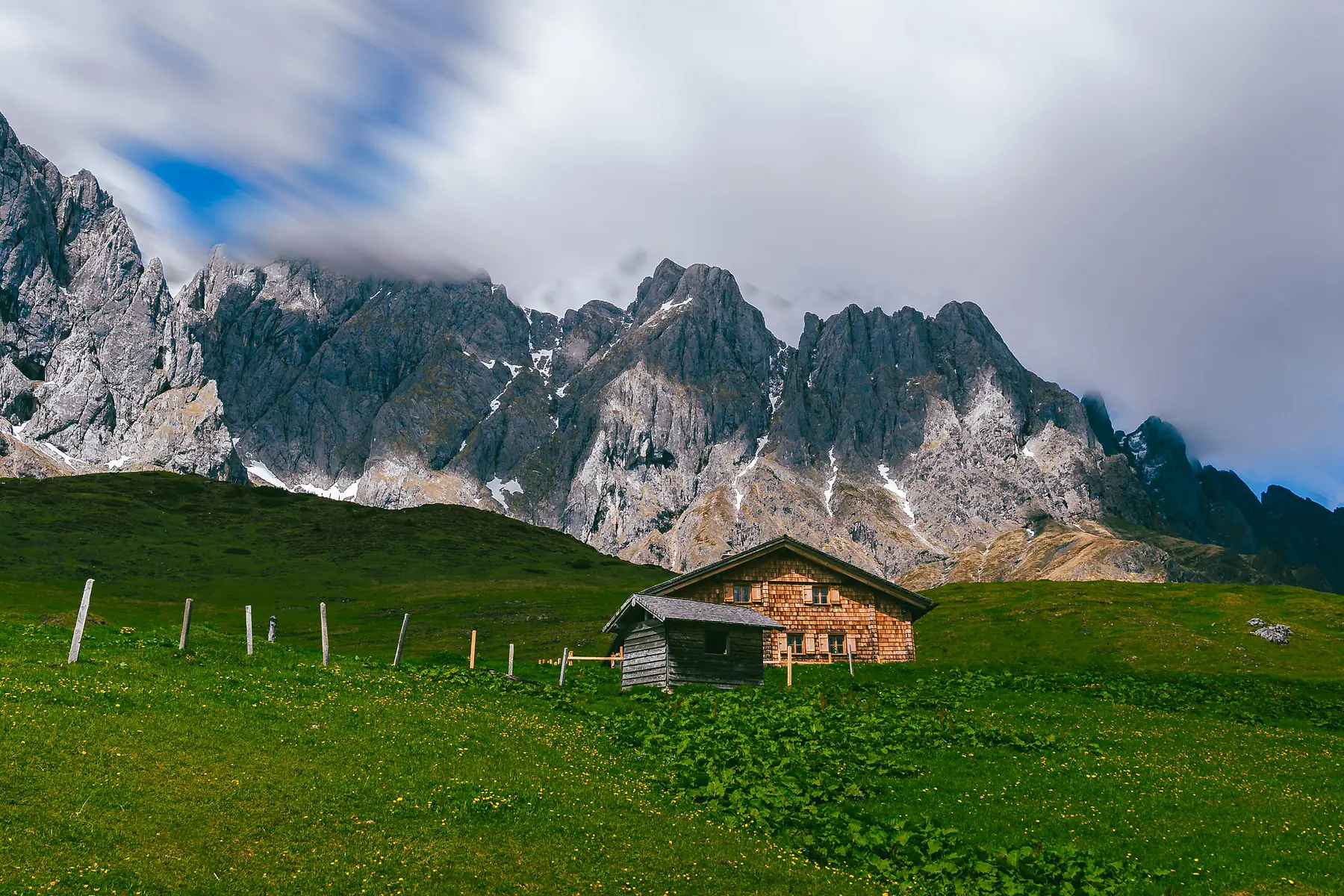
An estancia is the cultural soul of Patagonia, representing a way of life where tradition remains more powerful than the modern world. These vast, wind-swept territories are where the silhouette of a gaucho against the Andes is a daily reality rather than a tourist display, and where the scent of a slow-roasting cordero al palo (lamb on the spit) signals the end of a working day.
Choosing a stay at one of these historic ranches offers a level of immersion that standard hotels cannot match. Whether you are looking for a rugged, working farm experience or a refined wilderness lodge set on hundreds of thousands of acres, this guide breaks down how to choose the right estancia for your 2026 itinerary.
Estancia Stays at a Glance
- Best for: Culture seekers, horseback riders, and wildlife enthusiasts.
- Season: October to April (Peak shearing is November - January).
- Inclusions: Most overnight stays are all-inclusive (meals, drinks, and activities).
- Access: Many require private transfers or boat navigation.
- Activity level: Ranges from relaxed photography to 8-hour daily rides.
What is a Patagonia Estancia?
A Patagonia estancia is a large private estate used for livestock, typically sheep or cattle, that serves as the foundational unit of colonization and culture in the Southern Cone. These are not merely farms; they are self-sustaining empires that often cover between 10,000 and 150,000 hectares of steppe, mountains, and fjords.
Originating in the late 19th century, these wool empires were established by European pioneers and have evolved into modern hubs for sustainable tourism and conservation. While the word “ranch” is often used as a translation, an estancia differs from the American West’s version through its distinct Spanish and British architectural influences and its deep connection to the specific traditions of the Patagonian baqueano or gaucho.
- Land Access: Private territory often larger than some national parks (Estancia)
- Land Access: Located in or near national parks with shared trails (Hotel)
- Activities: Focused on ranch life — horseback riding, shearing, trekking (Estancia)
- Activities: Spa, guided excursions, and standard hotel amenities (Hotel)
- Atmosphere: Historic, family-run, and focused on communal dining (Estancia)
- Atmosphere: Professional hospitality with private rooms and formal service (Hotel)
- Connectivity: Often remote with limited or no Wi-Fi (Estancia)
- Connectivity: Reliable Wi-Fi and modern communications (Hotel)
Choose an estancia if you prioritize cultural immersion and private land access over spa facilities and central park locations.
The Estancia Experience: What to Expect
Life on an estancia revolves around the rhythm of the land and the skills of the men and women who manage it. In Chile, these experts are often called baqueanos, known for their unparalleled knowledge of mountain trails, while in Argentina, the gaucho remains the iconic figure of the steppe. You will see them in traditional dress: the boina (beret), bombachas de campo (wide-legged trousers), and the facón (knife) tucked into a leather belt.
The culinary centerpiece of any stay is the asado. This is not just a barbecue; it is a ritual. A whole lamb is splayed on a metal cross and slow-cooked over an open wood fire for several hours. This method, known as cordero al palo, results in a smoky, tender flavor that is the definitive taste of the region.
Working ranch activities provide a window into a disappearing world. Depending on the timing of your visit, you may witness sheep shearing, which is a high-speed display of precision, or watch sheepdog trials where Kelpies and Border Collies navigate thousands of sheep across the pampa. Beyond the livestock, these private lands are often better for wildlife viewing than the national parks. Because foot traffic is strictly controlled, you have a much higher chance of spotting pumas, rheas, and condors in their natural habitat.
For those interested in the apex predators of the region, some ranches have transitioned from livestock to conservation. You can learn more about these initiatives in our guide to Patagonia wildlife and puma tracking.
Day Trip vs. Overnight Stay: Which is Right for You?
Deciding between a day trip and an overnight stay depends on your budget and how much time you want to spend away from the main tourist hubs.
A “Day at the Estancia” is a popular commercial option for those based in Puerto Natales or El Calafate. These typically include a transfer to the ranch, a welcome empanada, a few hours of hiking or riding, a shearing demonstration, and a full asado lunch before returning to the city by evening. This is an excellent way to sample the culture if you are on a tight schedule. If you prefer the convenience of city-based lodging, explore our recommendations for standard hotels in Patagonia hubs.
However, the overnight stay offers a level of immersion that a day trip cannot replicate. Staying on-site allows you to experience the “golden hour” on the pampa long after the day - trippers have left. Most overnight stays follow an all-inclusive model, covering all meals, open bars, and a choice of daily activities. This is often the better choice for those seeking a “digital detox” or deep-country access. For a look at the most refined ranch conversions, see our guide to luxury Patagonia stays.
Best Estancias in Chilean Patagonia (Magallanes)
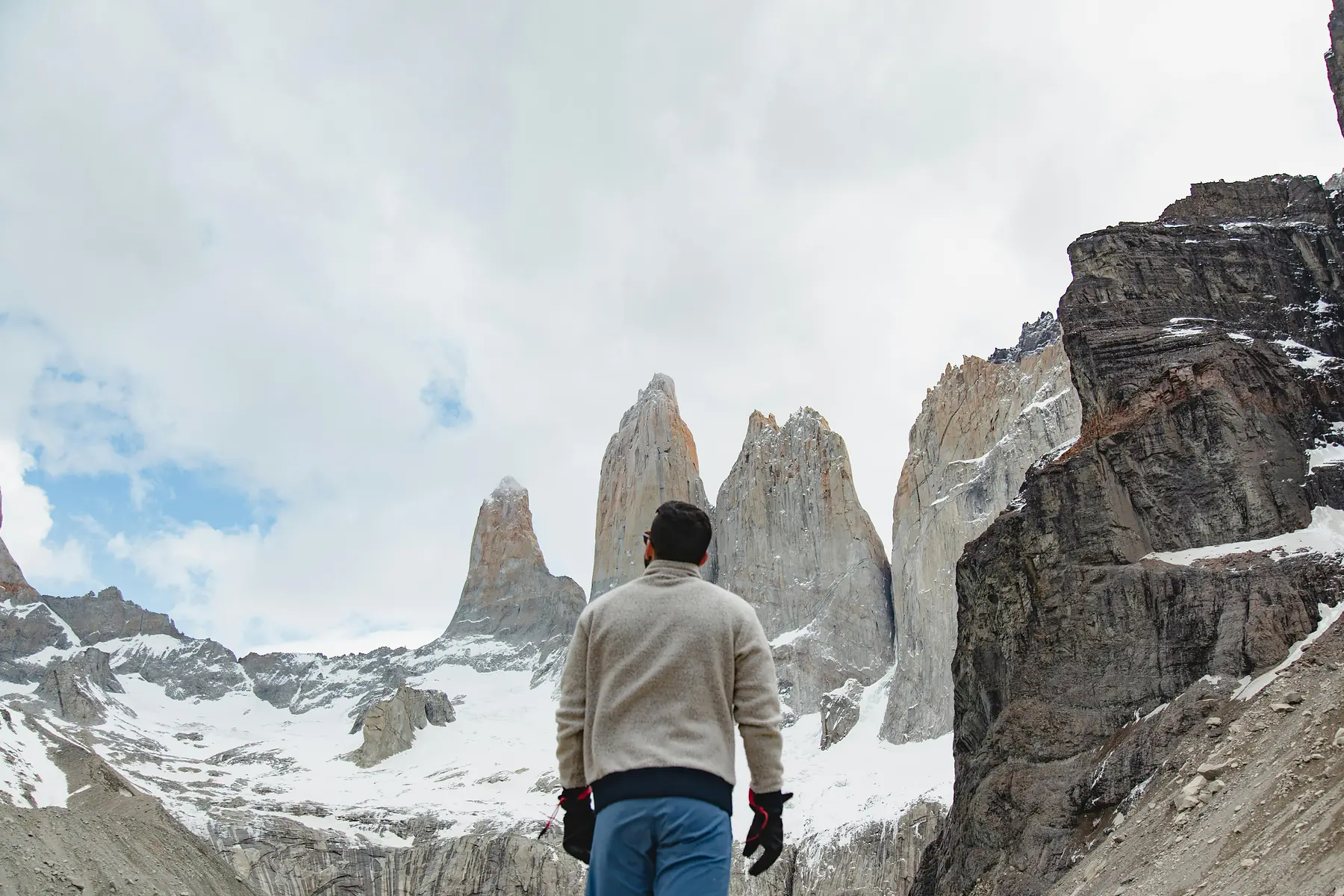
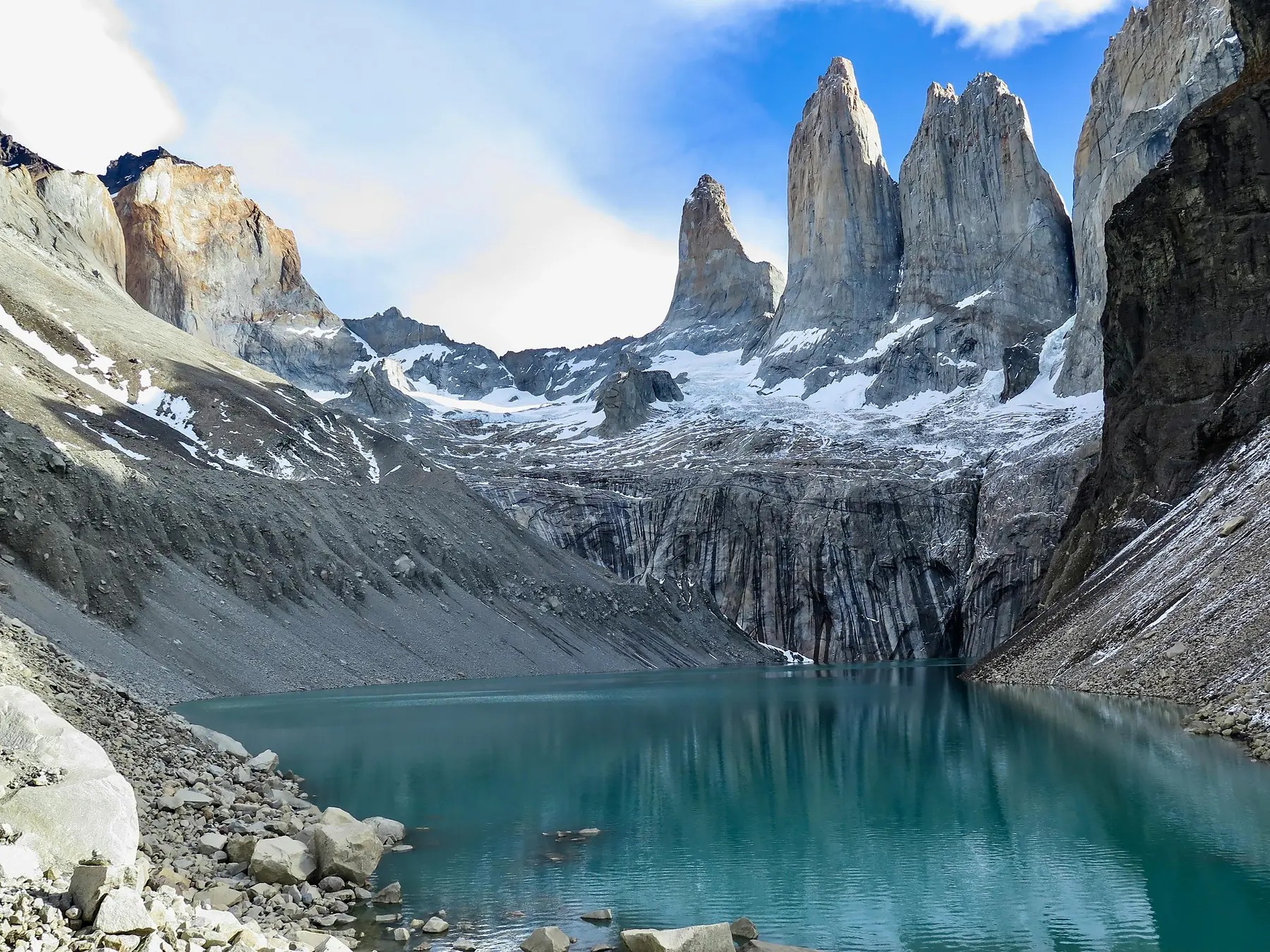
Chilean estancias are often defined by their dramatic geography, ranging from the fjords of the Ultima Esperanza Sound to the granite towers of Torres del Paine National Park.
Estancia La Peninsula Located just across the water from Puerto Natales, this ranch is accessible only by boat. It offers one of the most authentic day - trip experiences in the region, focusing on sustainable wool production and traditional sheepdog demonstrations. The boat ride across the fjord provides a sense of isolation that belies its proximity to town.
Estancia Cerro Guido As the largest estancia in the Torres del Paine region, Cerro Guido is a leader in “coexistence” conservation. They have successfully integrated puma tracking and archaeology tours with their traditional ranching roots. The views of the Torres from the historic ranch house are some of the best in the park, yet you remain outside the crowded tourist corridors. For the 2026/27 season, the main estancia program runs from September through April, while a limited winter program operates from May to August (note that horseback riding is typically unavailable during winter months).
Estancia Tercera Barranca Located near the Laguna Amarga entrance of Torres del Paine, this estancia maintains a rugged, traditional feel. It is less a “boutique hotel” and more a genuine ranch house where the wind whistles through the eaves and the horses are saddled right outside your window.
Estancia Mercedes For those seeking true pioneer history, Estancia Mercedes is located in a remote fjord - side location accessible by boat or a long 4x4 journey. It has been held by the same family for generations and offers a raw, unpolished look at Patagonian life.
If you are visiting Estancia La Peninsula for the day, book the morning departure. The winds on the fjords typically pick up in the afternoon, making the return boat journey much choppier.
Best Estancias in Argentine Patagonia (Santa Cruz)
The Argentine side of the border is characterized by the vastness of the steppe and the massive glaciers of Los Glaciares National Park.
Estancia Cristina Founded by an English pioneer in 1914, Estancia Cristina is only accessible by boat navigation from Punta Bandera across Lake Argentino. The journey typically takes between 2 and 3 hours, passing through glacial waters often filled with icebergs from the Upsala Glacier. It sits in a glacial valley offering a historic museum and unique 4x4 access to viewpoints that look out over the Southern Patagonian Ice Field.
Estancia Nibepo Aike This is the classic choice for those visiting El Calafate who want an authentic working ranch experience. Located within the national park boundaries, it has maintained its sheep - ranching traditions while offering excellent multi - day riding programs that take guests deep into the Andean foothills.
Estancia Helsingfors Situated on the remote shores of Lake Viedma, Helsingfors is a sophisticated retreat with a focus on high - end service and seclusion. The landscape here is a mix of turquoise water and dark forest, providing a different aesthetic from the open pampa found elsewhere.
Estancia Monte Dinero Located near the Strait of Magellan at the “End of the World,” this estancia is still run by the Fenton family, who have been there since the 1800s. It is one of the best places to see the scale of traditional sheep farming on the Atlantic coast.
Horseback Riding: The Heart of the Estancia
You cannot fully understand an estancia without spending time in the saddle. The horse is the primary tool of the baqueano, and the local Criollo breed is specifically suited for this environment. These horses are small, sturdy, and incredibly sure - footed, bred to handle the boggy ground and high winds of the pampa.
Riding styles here are functional rather than formal. You will use a “relaxed” seat, often on a sheepskin - covered saddle that is designed for long days of work. While most ranches cater to absolute beginners with gentle horses, they also offer challenging terrain for experts. For those who want to make riding the focus of their entire trip, multi - day pack trips move from one estancia to another, allowing you to cross huge distances just as the pioneers did.
To explore specific itineraries and booking details for these adventures, visit our Patagonia horseback riding tour guide.
Planning Your Stay: Logistics & Booking
Booking an estancia is not always as straightforward as reserving a hotel in a city. Many of the most authentic ranches do not use modern booking engines and may take several days to respond to emails via satellite internet.
Choose Your Season
The best time to visit is between October and April. If you want to see sheep shearing, aim for late November through January. Outside of these months, many estancias close as the winter weather makes the remote roads impassable.
Check Connectivity
Assume you will have no Wi-Fi or cell service. While some luxury conversions offer satellite internet in common areas, the “digital detox” is a core part of the estancia experience.
Pack the Right Gear
You do not need professional riding gear, but sturdy, closed - toe shoes or boots are essential. Bring layers to protect against the relentless pampa wind and high - SPF sunscreen, as the southern sun is exceptionally strong. Refer to our Patagonia packing list for a full breakdown.
While many estancias now accept credit cards or digital payment links (like PayPal or Flywire), some remote properties still require a bank transfer deposit to secure a room. Always confirm the payment method early, as international transfers can take several days to process.
If you want to see how a ranch stay fits into a broader trip, our curated Patagonia itineraries show how to balance the isolation of an estancia with the must - see sights of the national parks.
FAQ
What is the best time of year to visit a Patagonia estancia for sheep shearing? The traditional sheep shearing season in Patagonia typically runs from late November through January, though many estancias offer demonstrations for tourists throughout the October to April season.
Do I need previous riding experience to stay at a Patagonia estancia? No, most Patagonia estancias cater to all skill levels and provide gentle Criollo horses and expert baqueanos to guide beginners on easy pampa trails.
Are meals included in a Patagonia estancia stay? Most overnight estancia stays in Patagonia are all-inclusive, covering three meals a day (often featuring traditional lamb asado) and daily ranch activities.
How do I get to Estancia Cristina from El Calafate? Estancia Cristina is only accessible by boat; visitors must take a 2 to 3-hour navigation from Punta Bandera harbor across Lake Argentino, which is usually arranged by the estancia.
What is the difference between an estancia and a hotel in Torres del Paine? A Patagonia estancia is a working ranch with a focus on gaucho culture and vast private land, whereas a hotel is a standard accommodation located either within or just outside the national park boundaries.
Is there Wi-Fi available at remote Patagonia estancias? Most remote Patagonia estancias have limited or no Wi-Fi, offering a “digital detox” experience, though some luxury lodges provide satellite internet in common areas.