Gear Guide
Prepare for four seasons in one day — wind protection, layering systems, and packing essentials.
Patagonia Gear Guide: 2026/27 Essentials
Patagonia's weather is the single variable that shapes every gear decision you make. In this region, you are preparing for the reality of four seasons in one day, where a calm, sunny morning can dissolve into a 100 km/h windstorm by mid-afternoon.
To hike safely and comfortably, your kit must be built on versatility and wind resistance rather than sheer bulk. Whether you are trekking the full O Circuit in Torres del Paine or taking day hikes from El Chaltén, the right equipment is a matter of safety as much as comfort.
Gear Essentials At A Glance
- Primary Goal Wind protection and moisture management
- Layering System Three-layer technical approach (Base, Mid, Shell)
- Footwear Waterproof hiking boots with high ankle support
- Sleeping Bag 0°C (32°F) comfort rating minimum for camping
- Trekking Poles Highly recommended for steep, rocky descents
- UV Protection Essential due to high southern latitude exposure
Master Packing List
Our comprehensive 2026/27 master list covering everything from electronics to personal hygiene.
Read Guide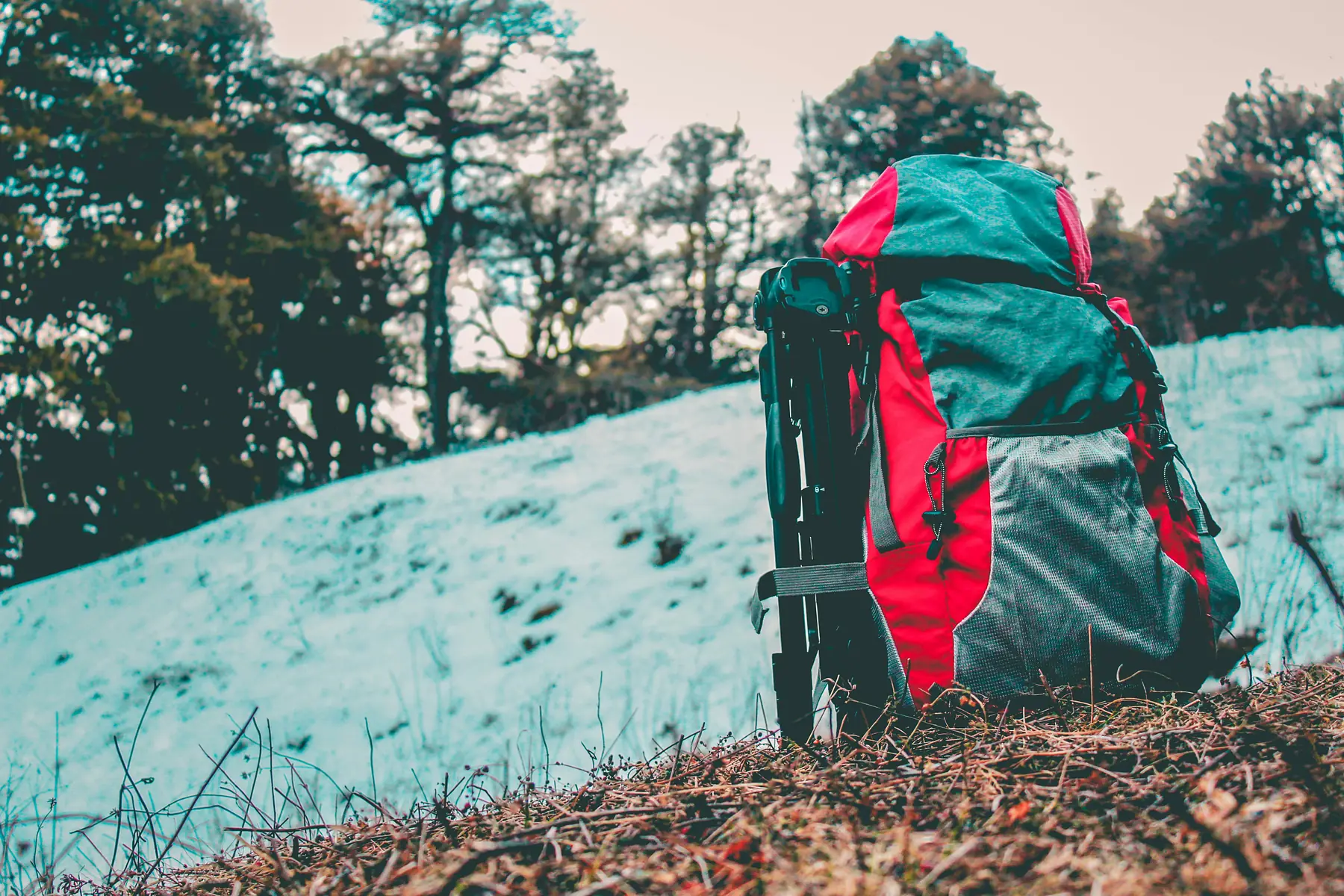
W Trek Packing List
The definitive list for Patagonia's most famous trek, balanced for refugios and camping.
Read Guide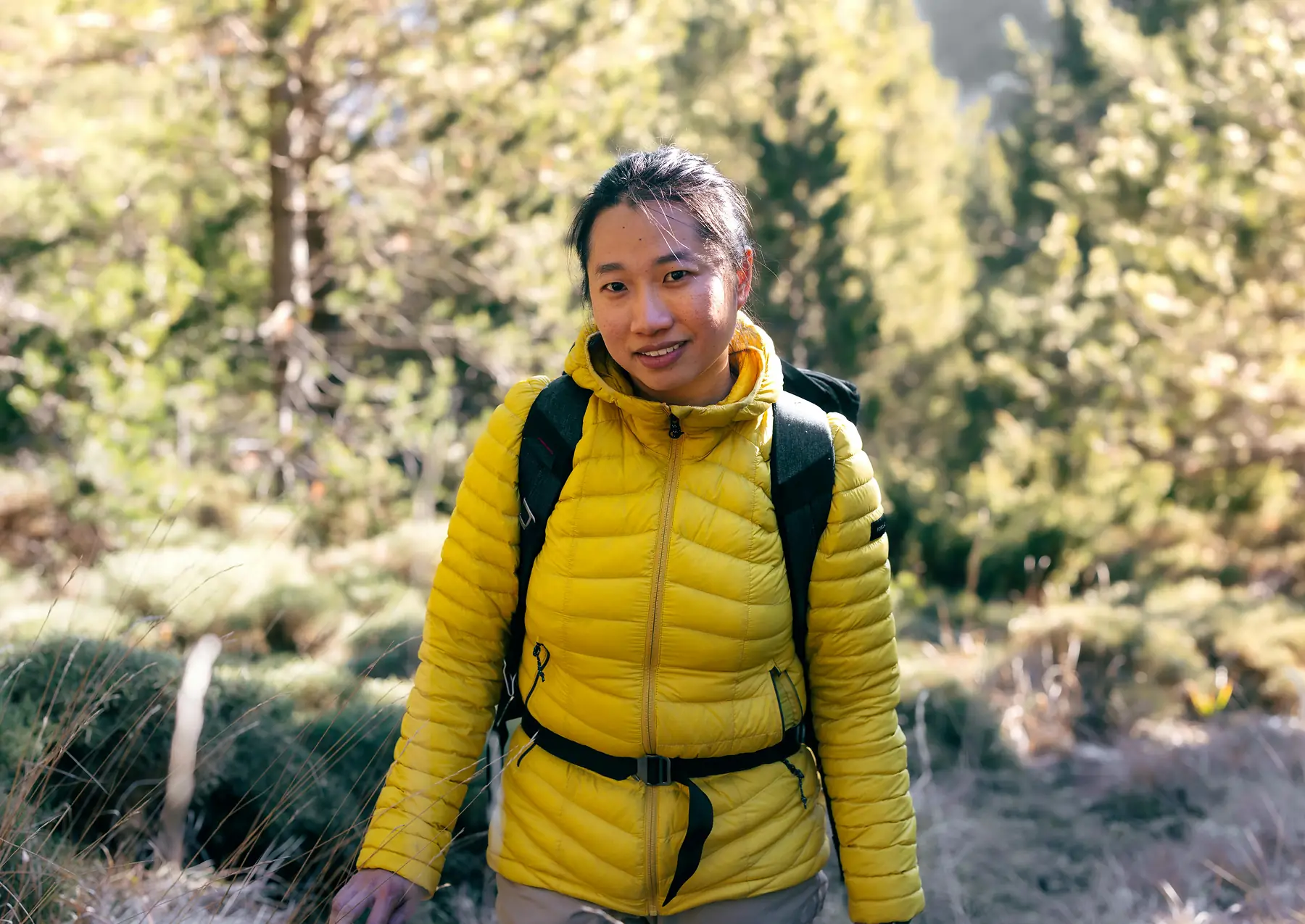
Best Jackets
Top-rated hardshells and mid-layers for the 2026/27 season.
Read Guide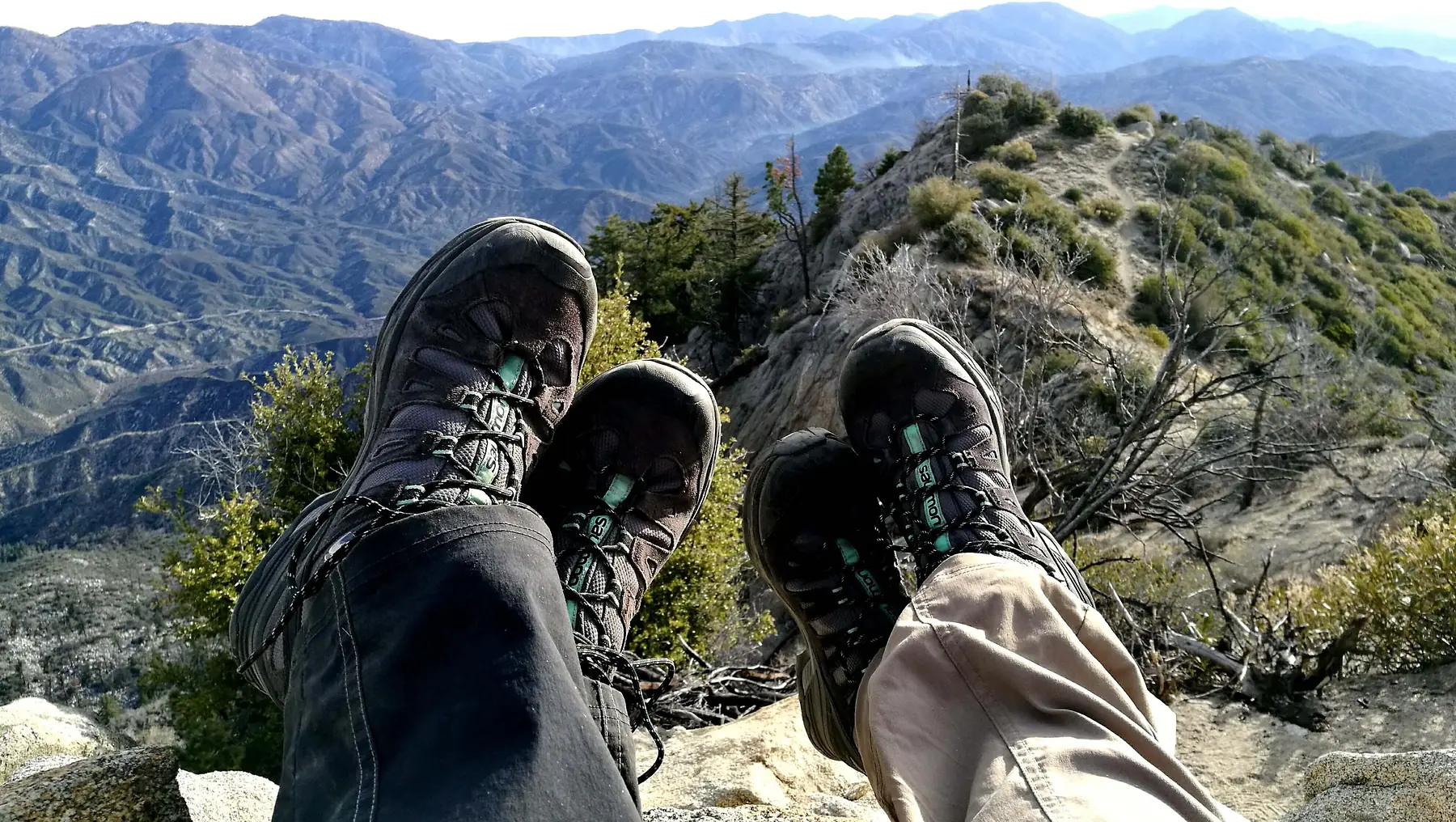
Best Hiking Boots
A full comparison to find the right fit for your foot shape and trek type.
Read Guide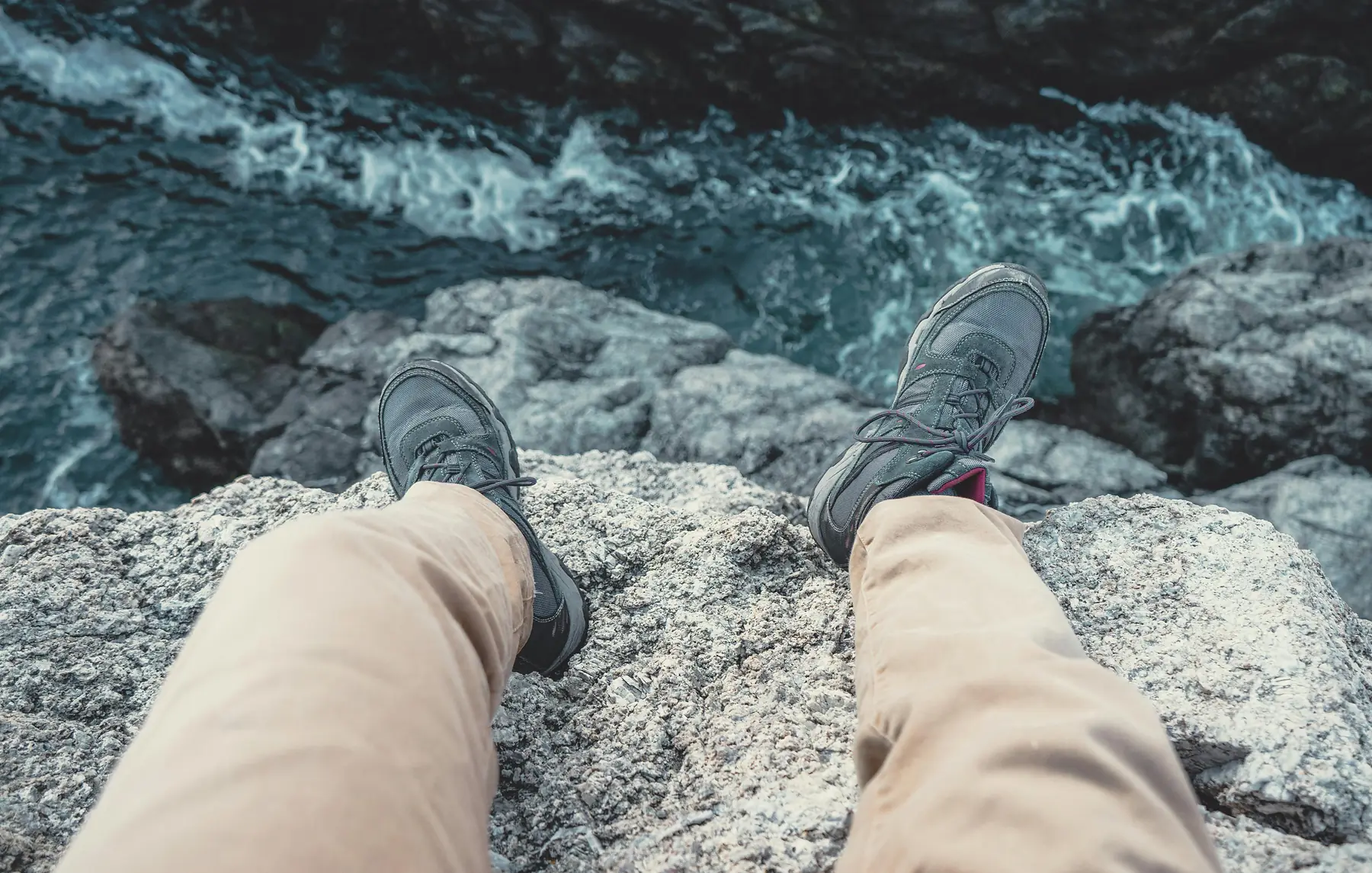
Hiking Pants
Versatile, wind-resistant synthetic options for the trail.
Read Guide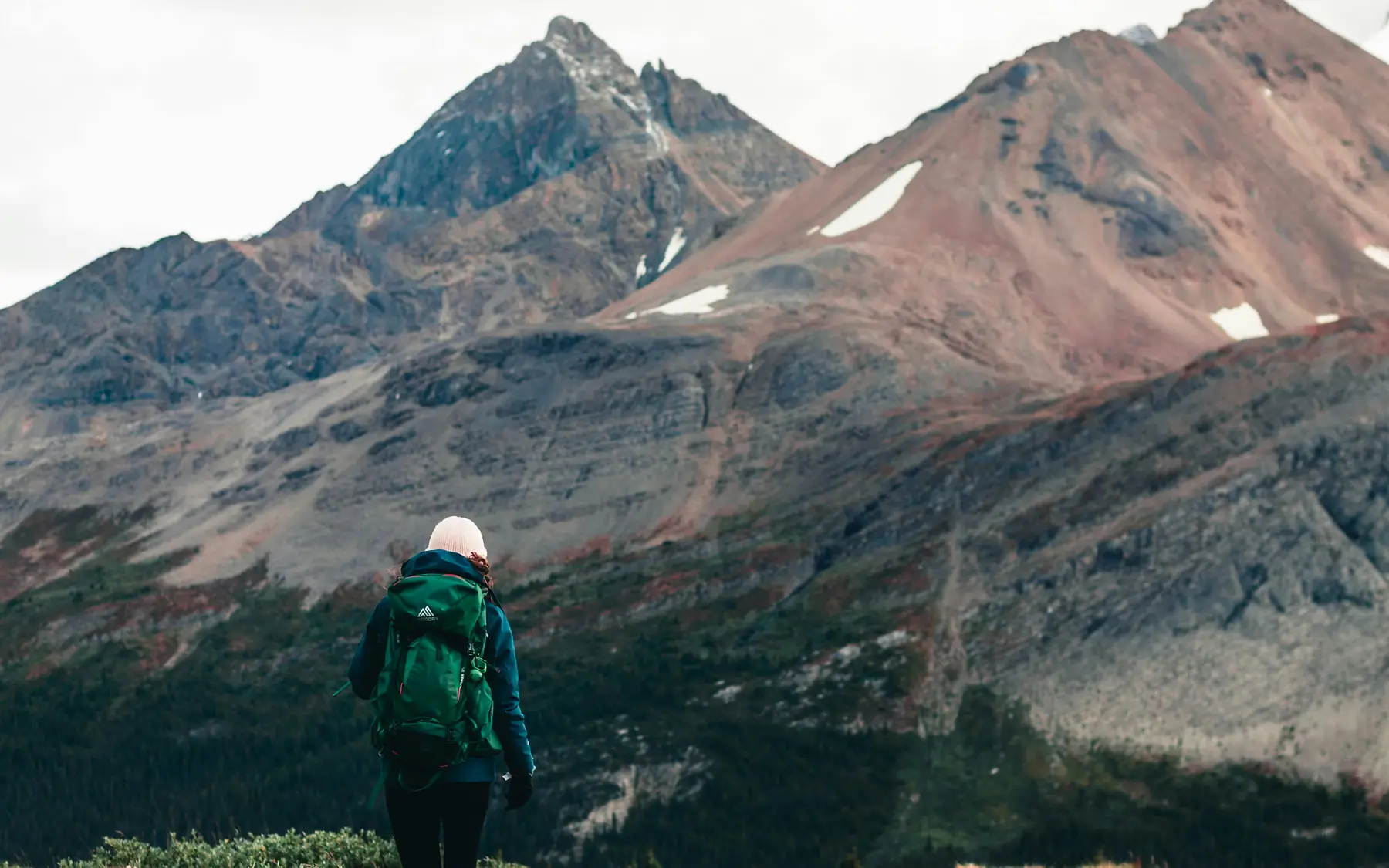
Backpacks
The right capacity for refugio stays vs. full camping setups.
Read GuideThe Golden Rule: The Three-Layer System
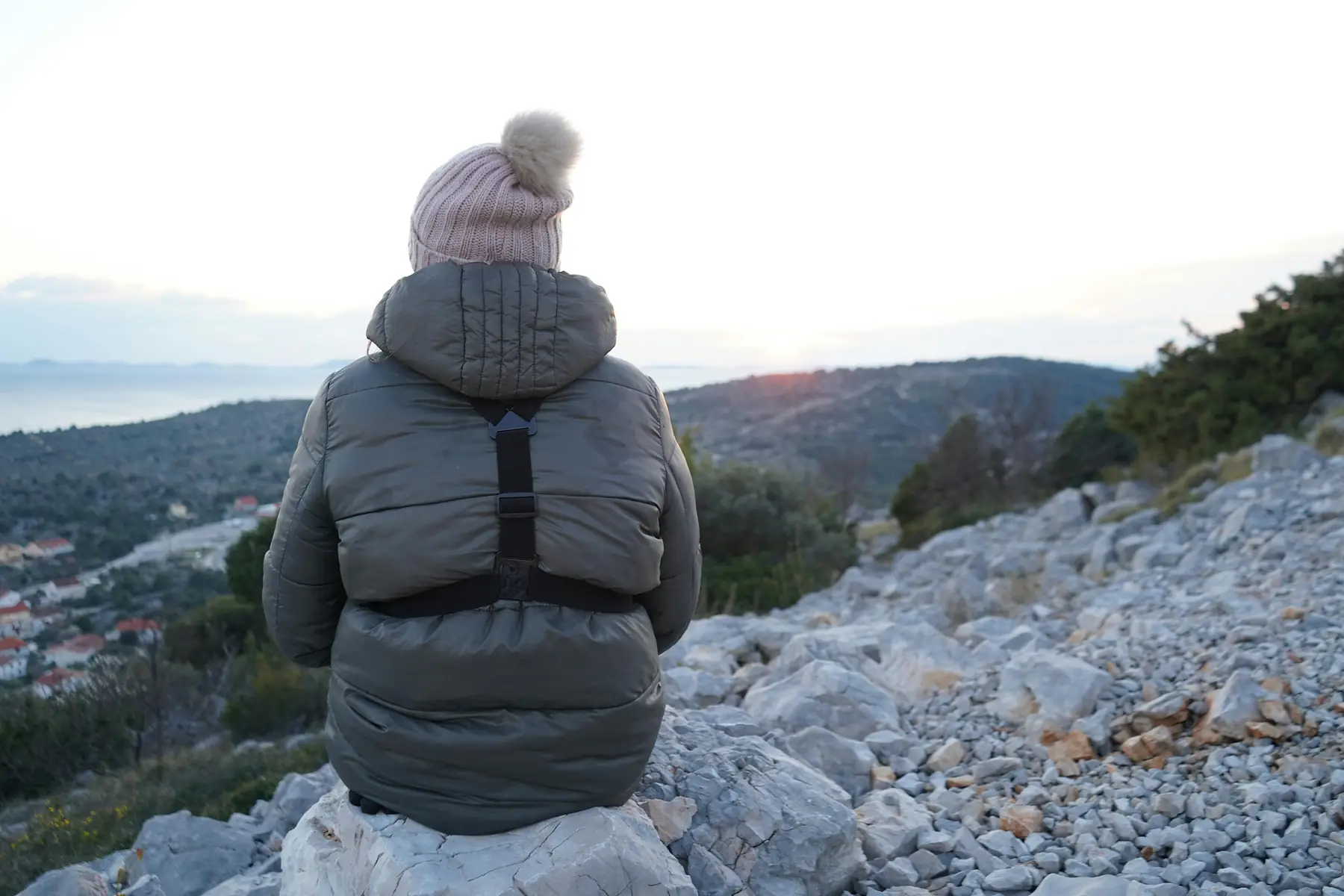
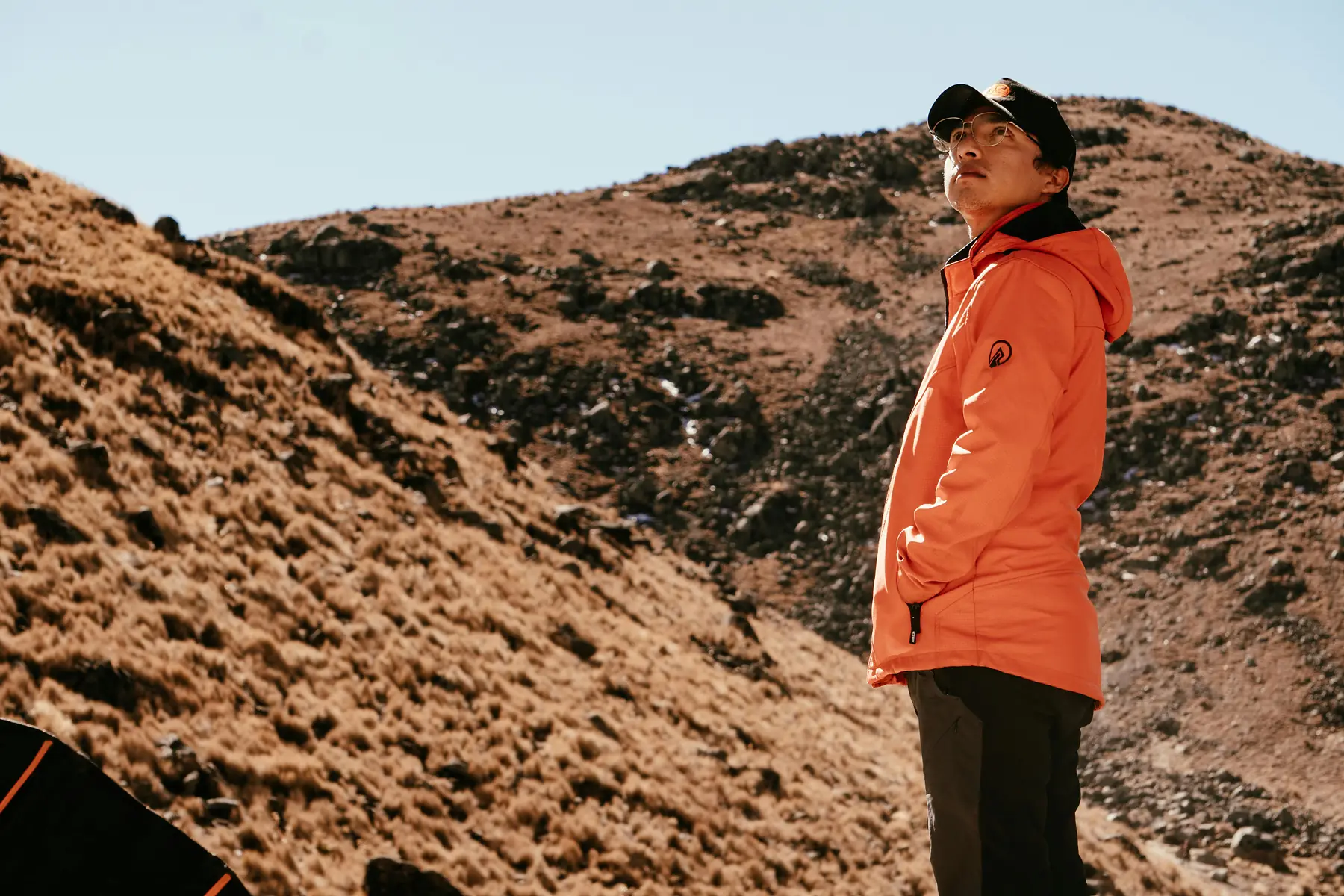
The most effective way to manage Patagonian microclimates is through a three-layer system. Relying on "one big jacket" is a strategic mistake that leads to overheating during climbs and dangerous cooling once you stop and the wind hits your sweat-soaked base layers.
The system consists of a moisture-wicking base layer to keep skin dry, an insulating mid-layer to trap body heat, and a weather-protective hardshell to block the relentless wind and rain. For detailed fabric recommendations, see our base layers guide.
Footwear: Protecting Your Foundation
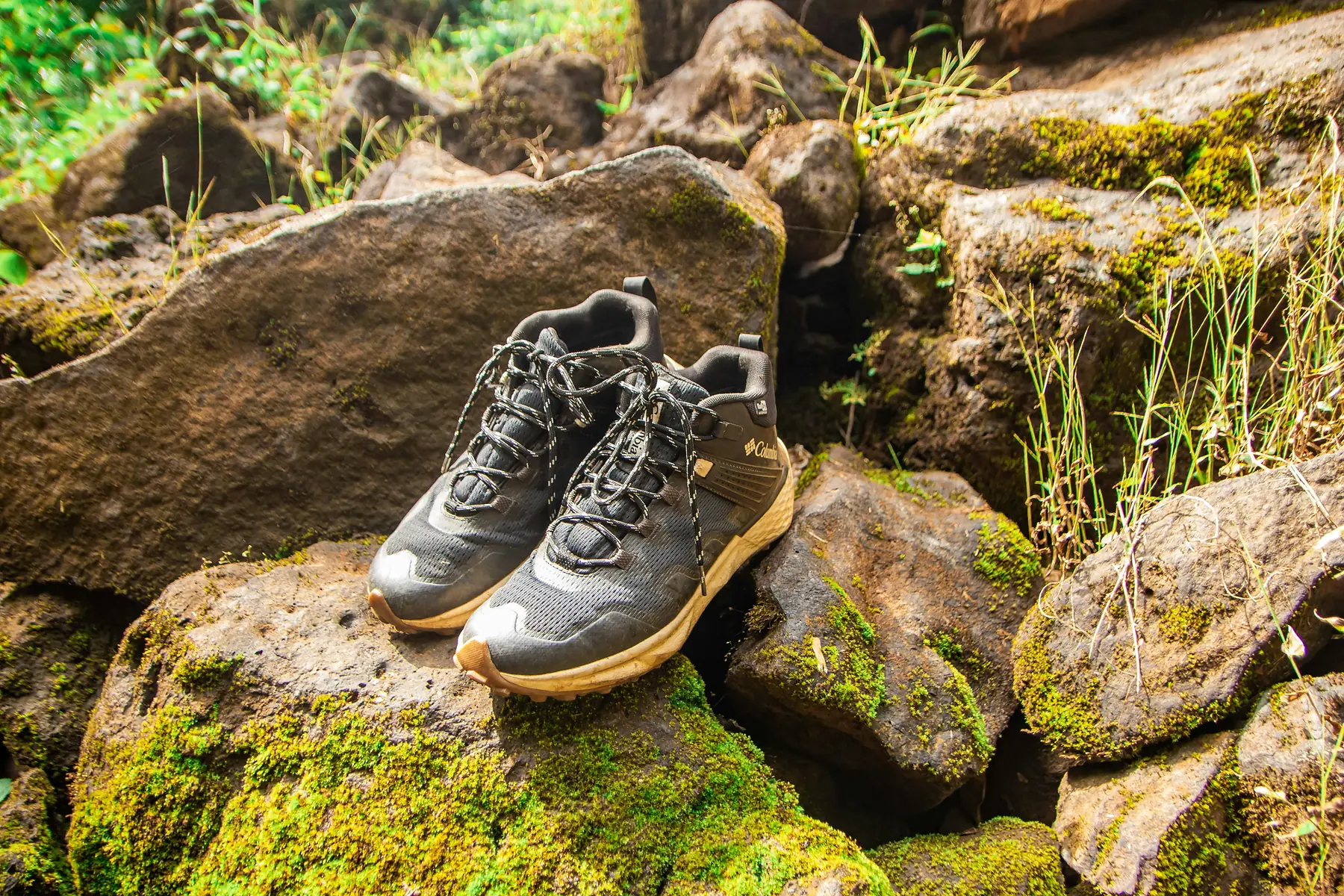
Your choice of footwear is the difference between a successful multi-day trek and a trip cut short by blisters or a rolled ankle. The terrain ranges from soft forest floors to unstable granite scree and muddy bogs, requiring boots that offer significant lateral stability and reliable waterproofing.
Check our full comparison of the best hiking boots for Patagonia.
Outerwear: Defeating the Wind
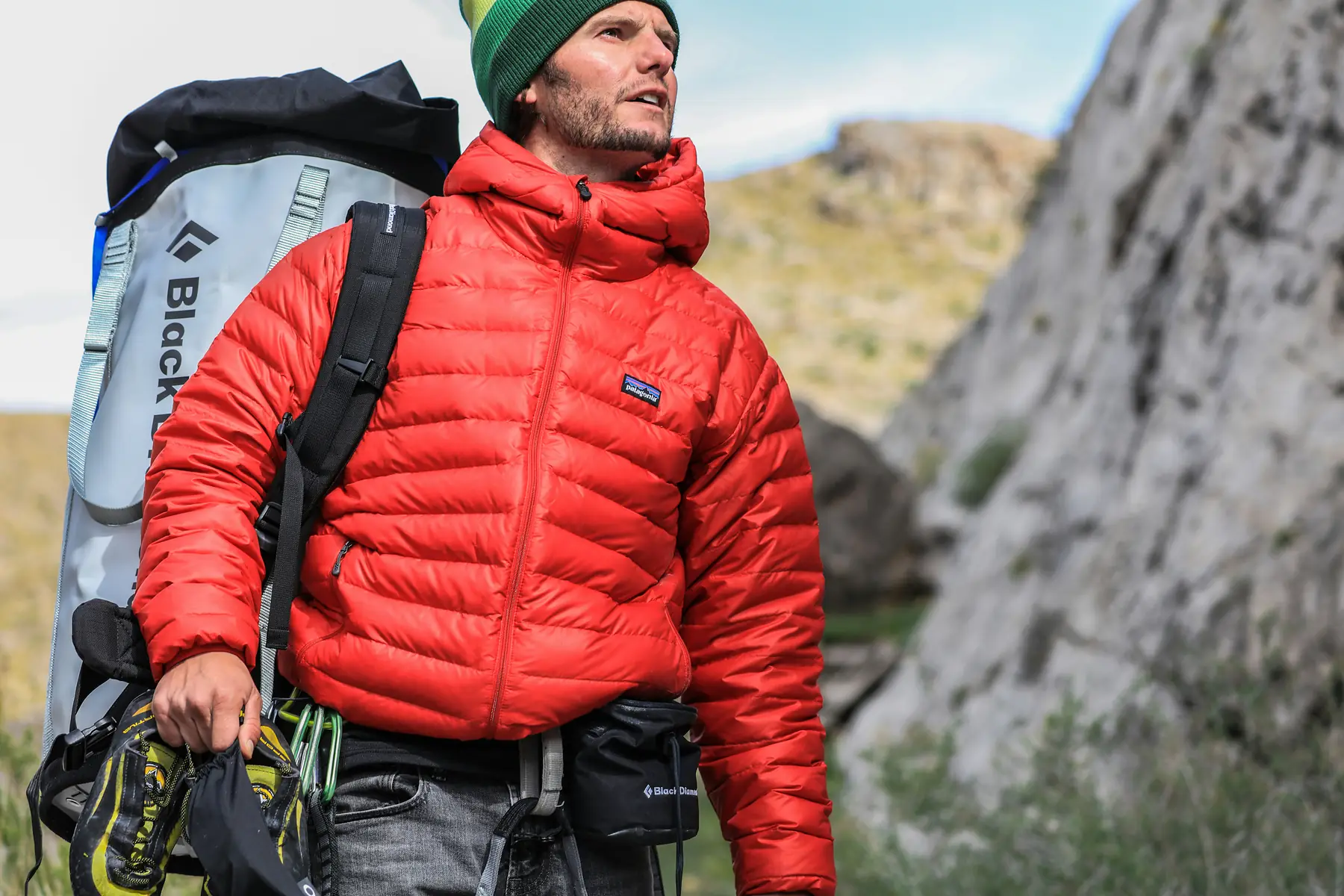
In the Magellanic region, wind is a more persistent challenge than rain. Your outerwear must be specifically designed to act as a total wind block while remaining breathable. Look for "pit-zips" that allow for mechanical venting during steep climbs.
Sleeping Systems: Recovery in the Wild
A sleeping bag with a comfort rating of at least 0°C (32°F) is the absolute minimum for camping. The choice between down and synthetic insulation is a trade-off between weight and wet-weather performance. Equally important is your sleeping pad, which prevents the cold ground from sapping body heat.
View our recommendations for tents and sleeping bags.
Backpacks and Luggage: Carrying the Load
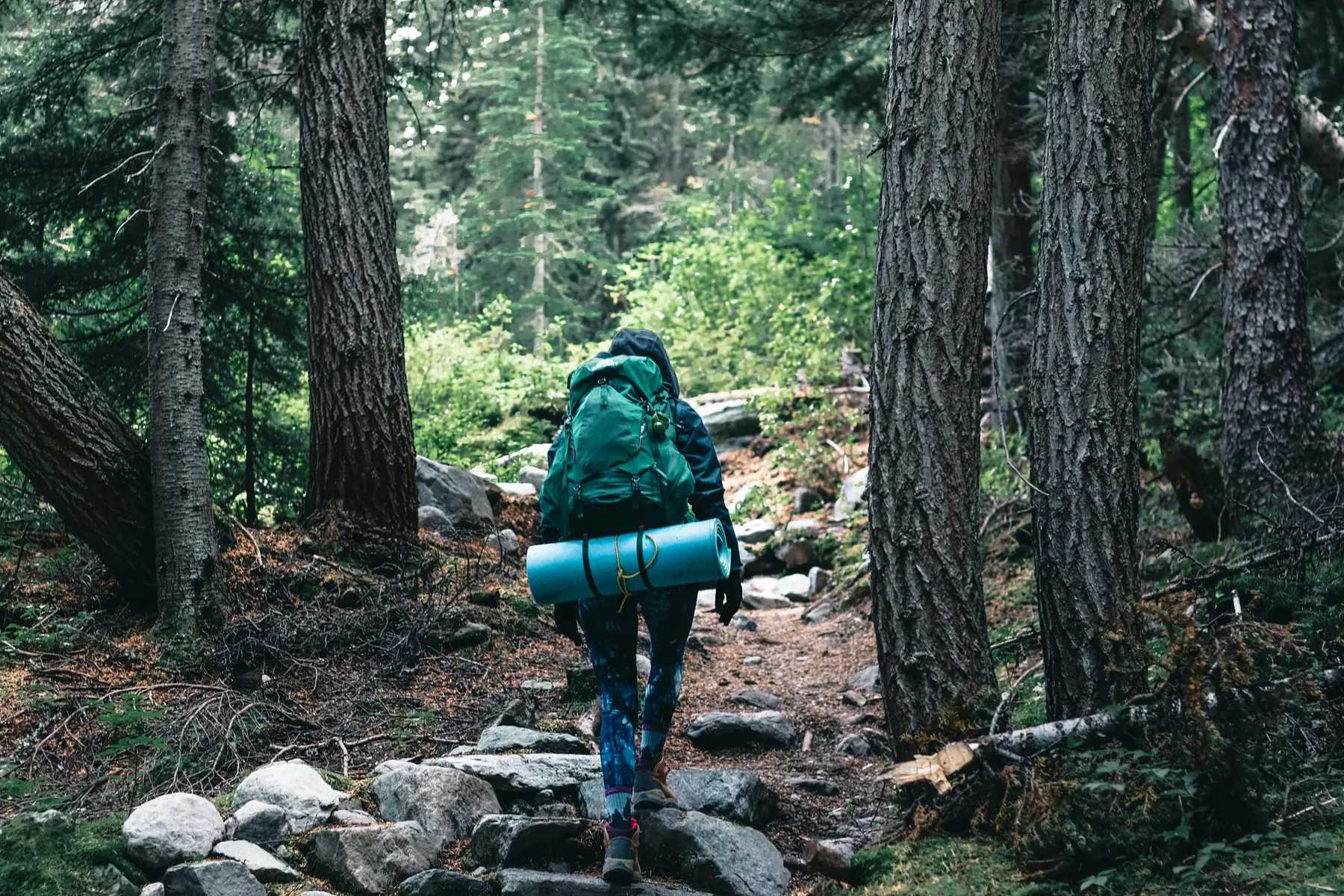
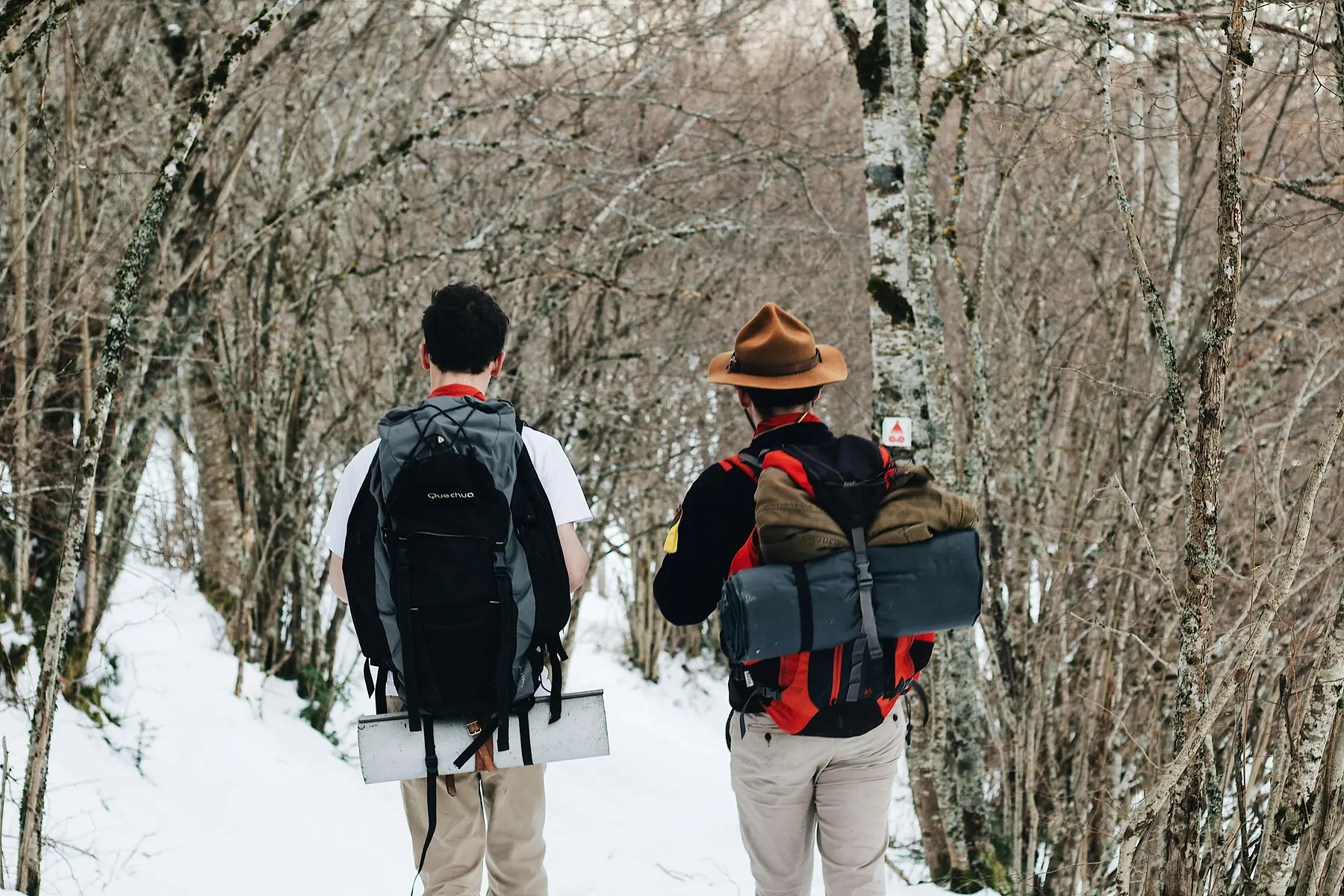
The right pack depends on your support level. If staying in refugios with meal plans, a 30–35L daypack is sufficient. If camping and carrying your own food, you'll need a technical 50–65L pack with a hip-belt harness system.
Regardless of the pack you choose, a waterproof rain cover and internal dry bags are non-negotiable for keeping spare clothes dry during horizontal rain. Find the right fit in our backpack guide.
Frequently Asked Questions
What is the most important gear for Patagonia hiking?
The most critical items are a high-quality windproof hardshell jacket and well-broken-in waterproof hiking boots with ankle support. These two items protect you from the region's most common hazards: extreme wind and unstable terrain.
Do I need a four-season tent for camping in Patagonia?
Yes, due to extreme wind speeds that can exceed 100km/h, a sturdy 4-season tent or a high-end 3-season tent with a low profile is essential.
Can I rent all my Patagonia trekking gear in Puerto Natales?
You can rent most technical equipment including tents, sleeping bags, and trekking poles, but you should always bring your own personal layers and hiking boots.
Is a water filter necessary for Patagonia streams?
Yes. CONAF officially recommends treating water in 2026/27 to avoid contamination in high-traffic areas. A lightweight filter or UV purifier is a simple precaution.
How do I choose the right backpack for my trip?
Your choice depends on your accommodation: stay in refugios with a 30L daypack, or choose a 50–65L technical pack if you are carrying camping equipment.
What kind of socks are best for Patagonia hiking?
Moisture-wicking merino wool or synthetic blend socks are best to prevent blisters and keep feet warm even when damp. Avoid 100% cotton socks.
Ready to Pack for Patagonia?
Download our field-tested packing checklist before you start shopping.