
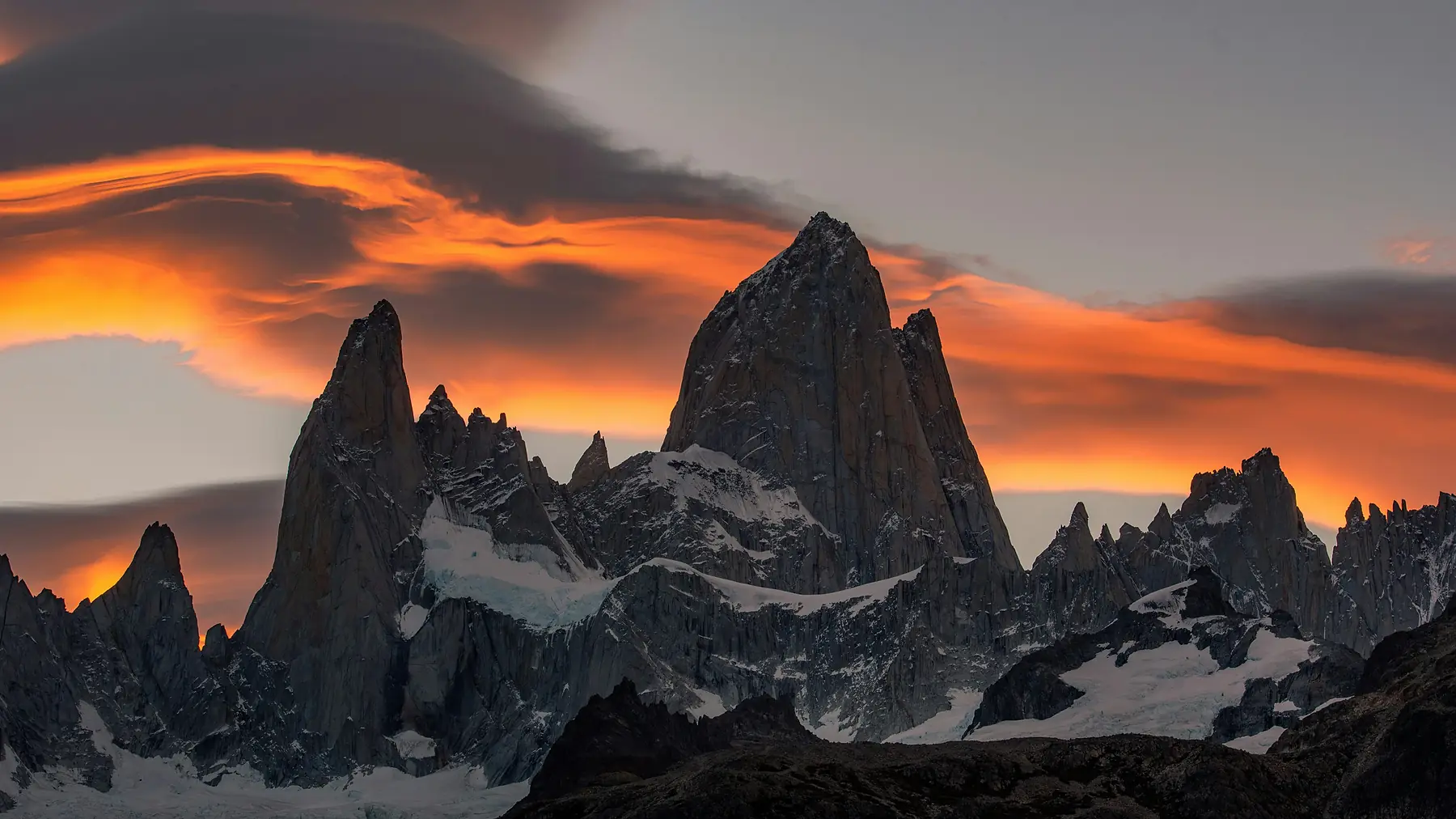
El Chaltén
Argentina's Trekking Capital — world-class trails to Fitz Roy and Cerro Torre from the edge of town.
El Chaltén Guide: Trekking Capital (2026)
El Chaltén is the undisputed trekking capital of Argentina and serves as the primary gateway to the northern sector of Los Glaciares National Park. Unlike many other Patagonia destinations, this small mountain village offers world-class hiking trails that begin directly at the edge of town, eliminating the need for expensive shuttles or complex logistics.
Whether you are here to stand at the base of the iconic Mount Fitz Roy or to tackle the technical challenges of the Huemul Circuit, El Chaltén provides a rare combination of rugged wilderness and accessible comfort. This guide serves as your central directory for planning a 2026 adventure.
El Chaltén At A Glance
- Location Santa Cruz Province, Argentina (Los Glaciares National Park)
- Primary Draw Self-guided day hiking with "doorstep" trail access
- Best Known For Mount Fitz Roy (Cerro Chaltén) and Cerro Torre
- Season October to April (Peak: December to February)
- Logistics 3-hour bus from El Calafate (FTE Airport)
- Cost Mid-range (Park entry fees apply as of 2024/25 season)
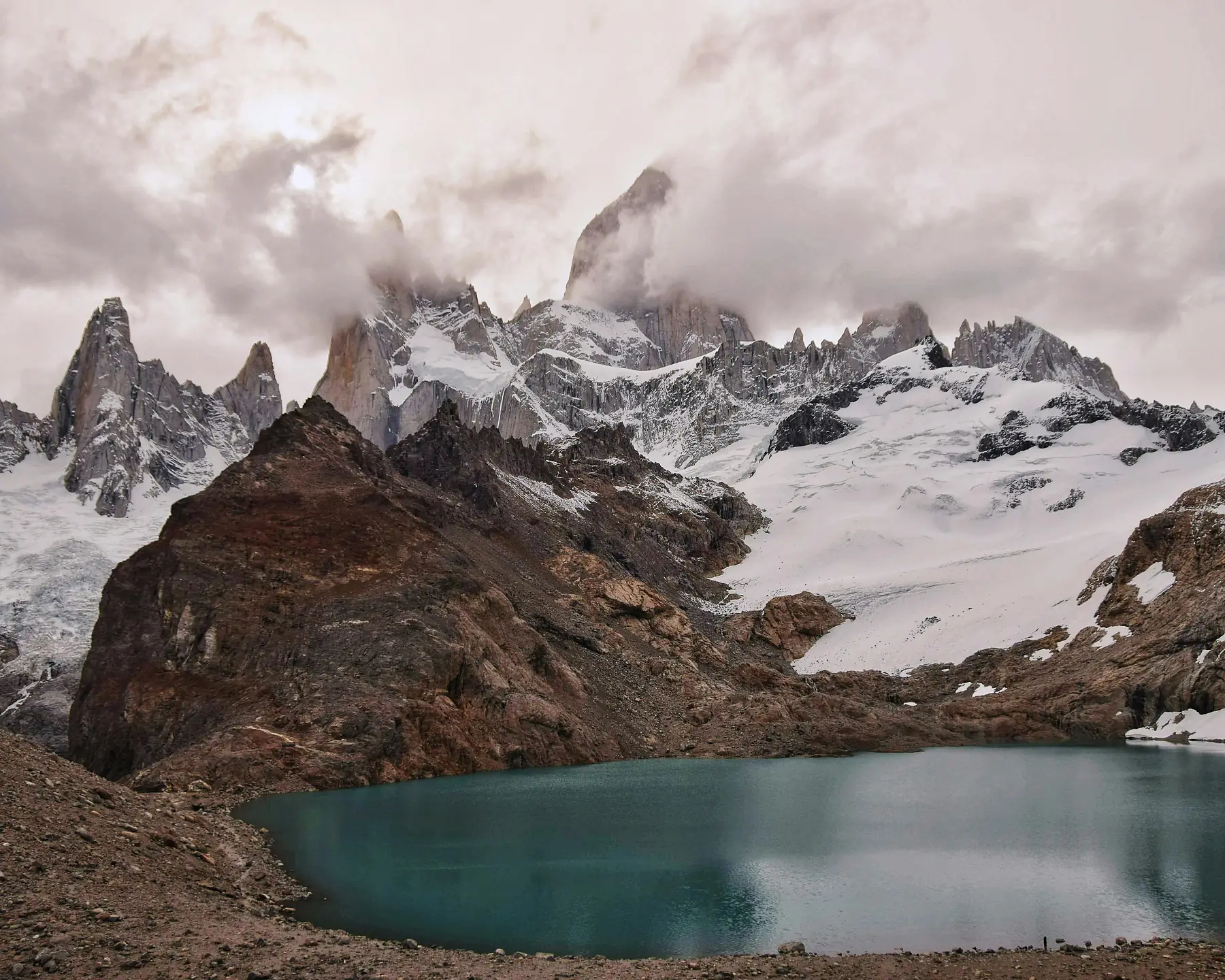
Fitz Roy Trek
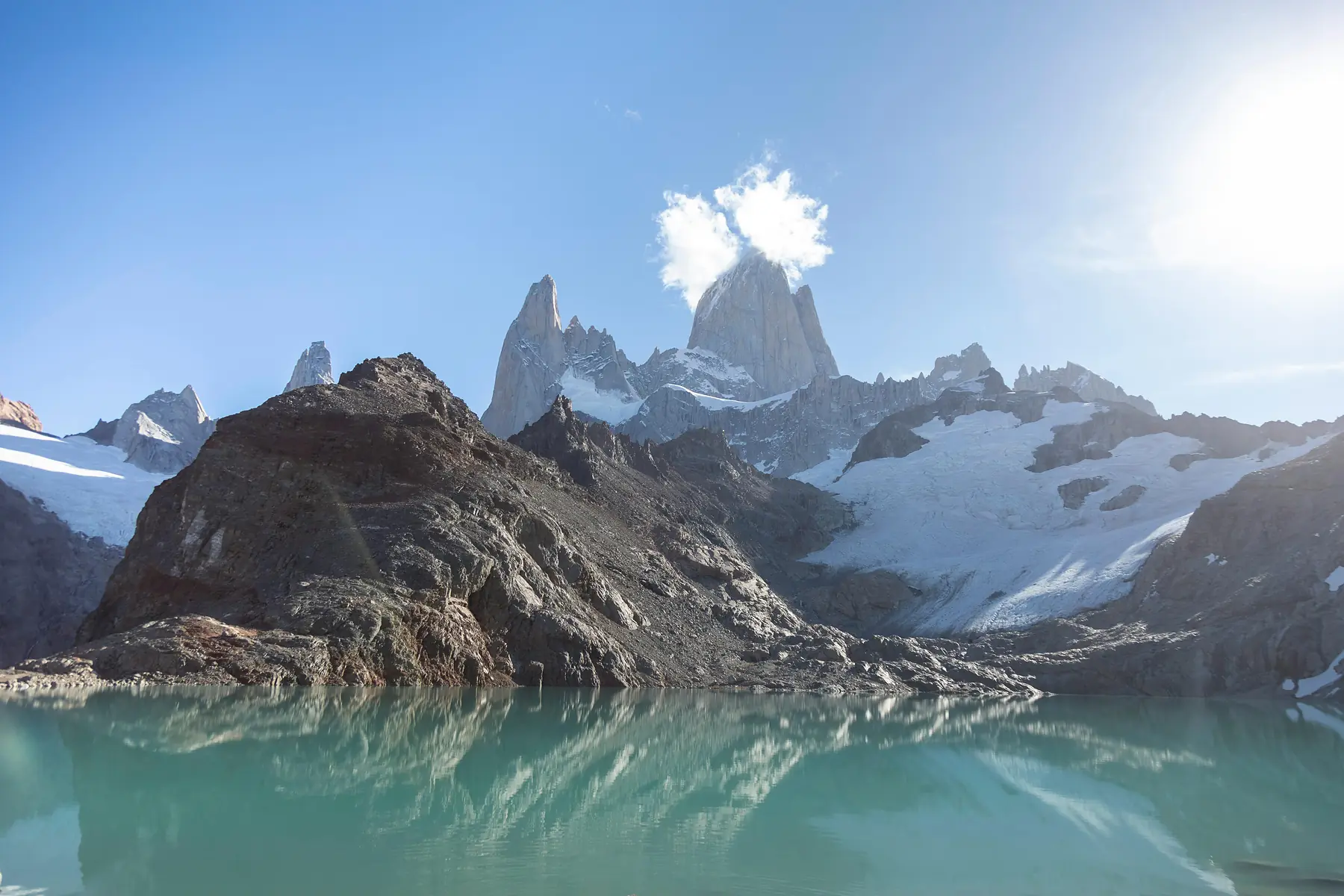
The iconic 21km round trip to Laguna de los Tres beneath Mount Fitz Roy.
Read Guide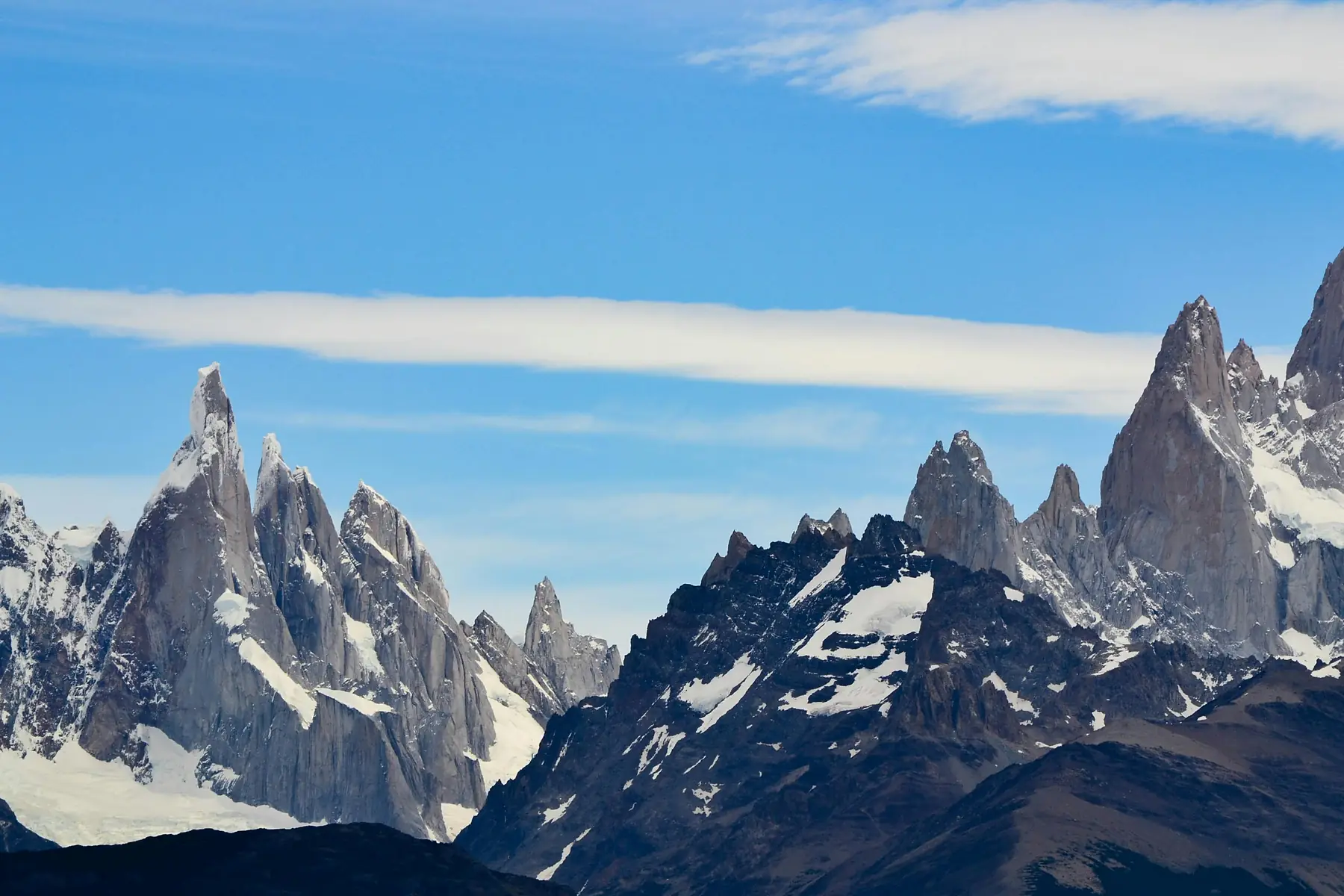
All Trails
Complete directory of trails from easy viewpoints to technical circuits.
Read Guide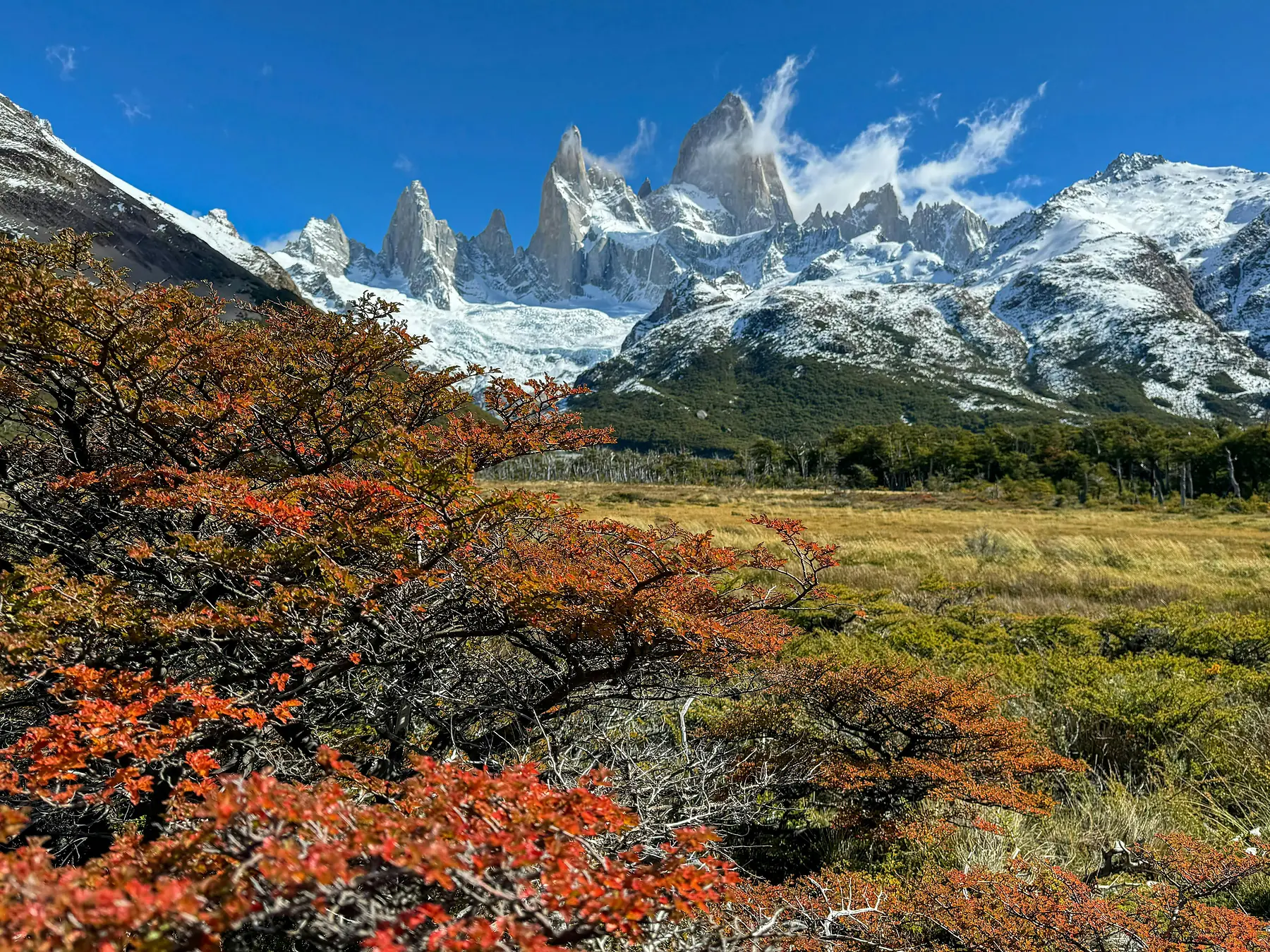
Where to Stay
Luxury domes, boutique hotels, and basecamp hostels.
Read Guide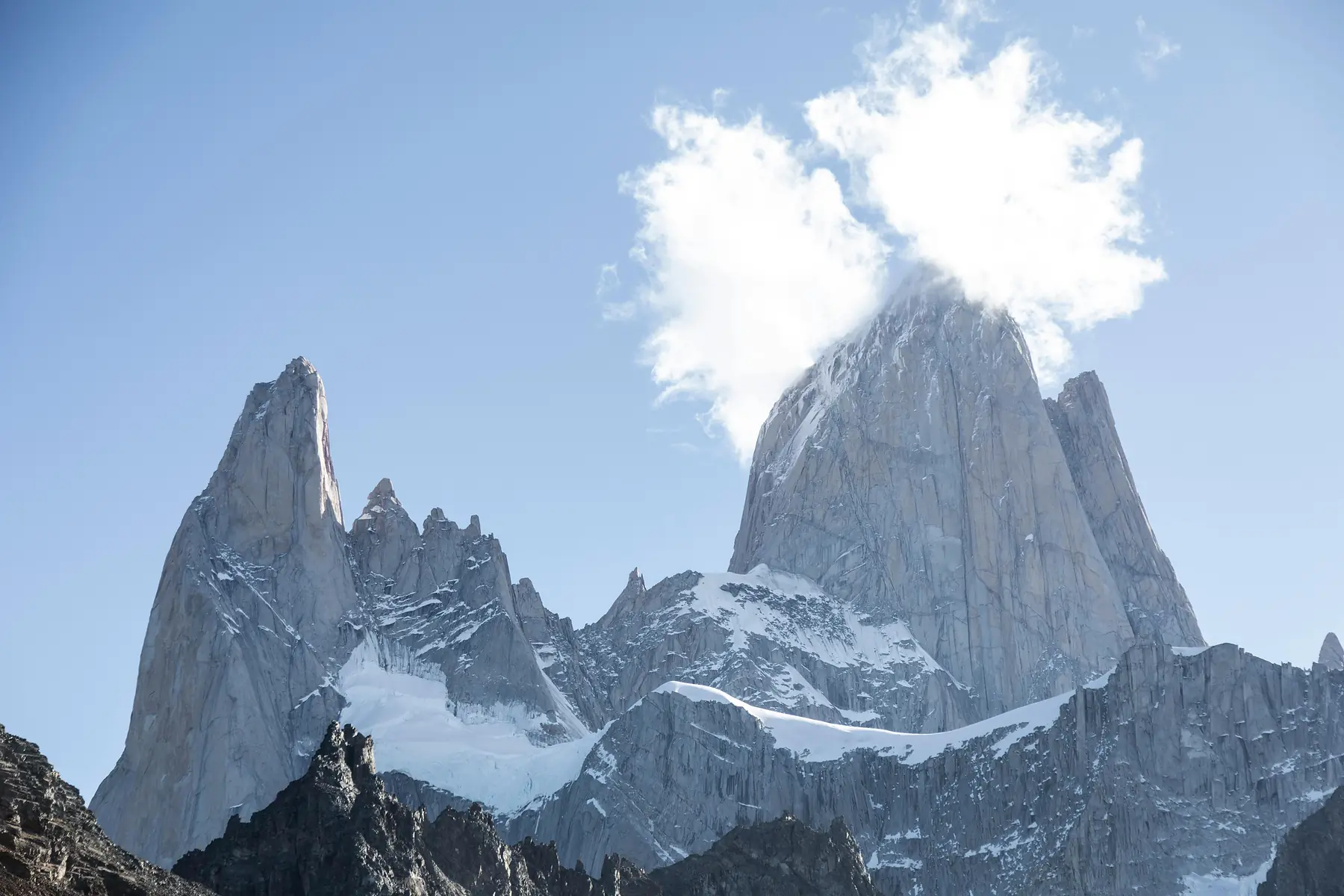
Dining & Beer
Patagonian lamb, craft breweries, and the après-hike scene.
Read Guide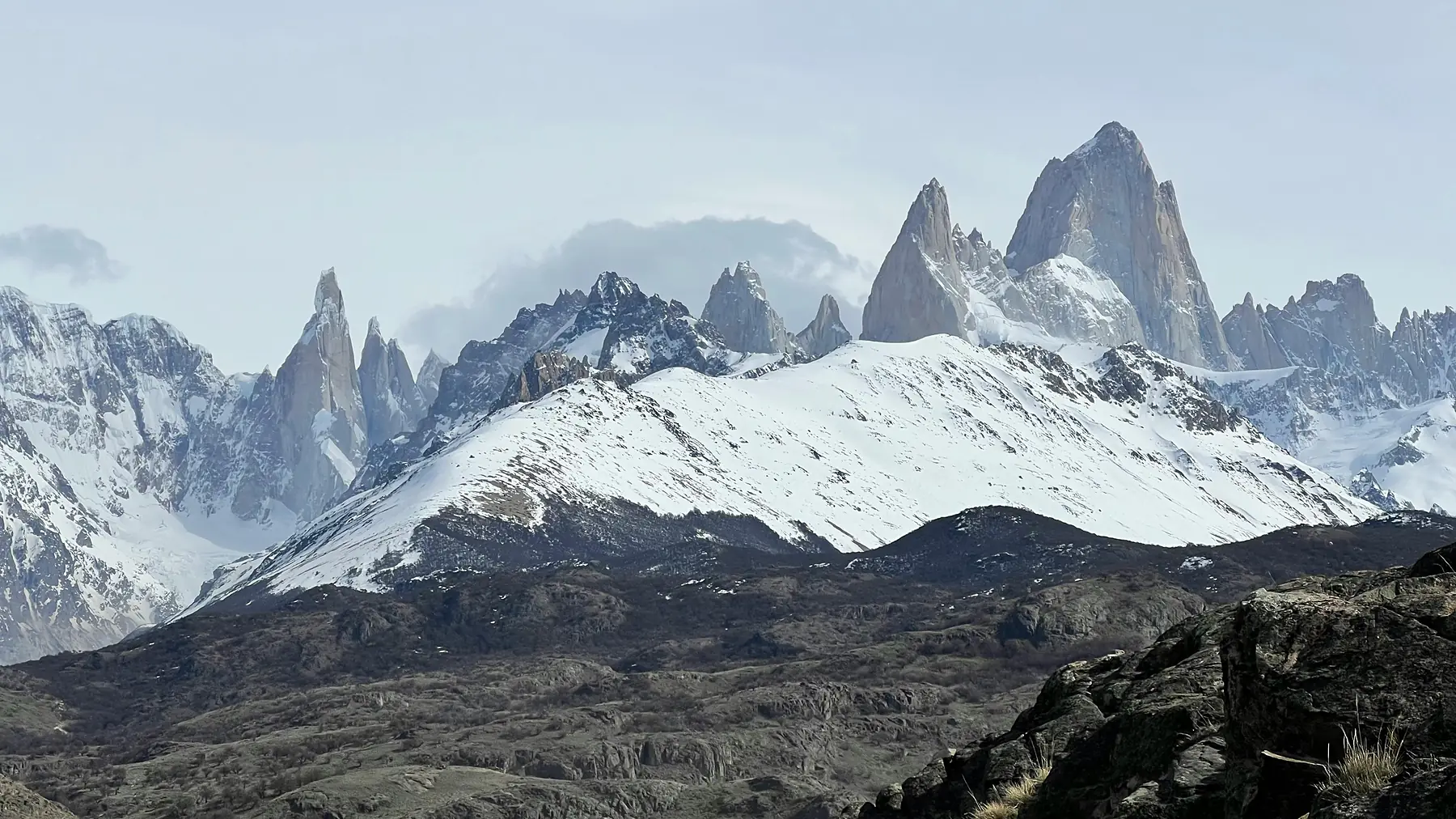
Weather & Seasons
Month-by-month wind speeds, temperatures, and trail conditions.
Read Guide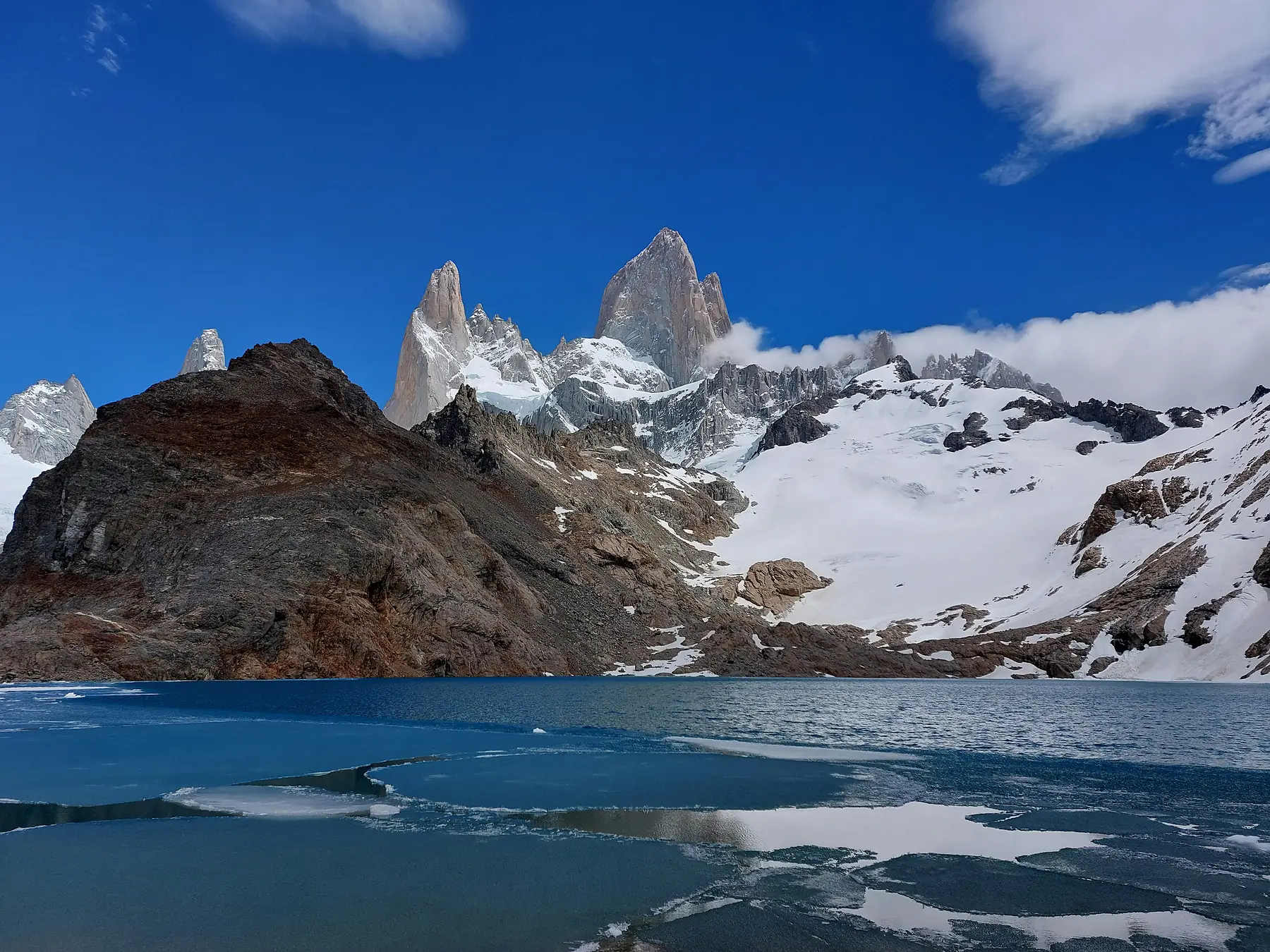
Beyond Hiking
Ice trekking, boat tours, and viewpoints without a 20km hike.
Read GuideWhy El Chaltén is Patagonia's Trekking Capital
El Chaltén earned its title because of its unique "walk-to-trail" geography. You simply walk to the northern or southern end of the main street and step onto a maintained trail into the heart of Los Glaciares National Park.
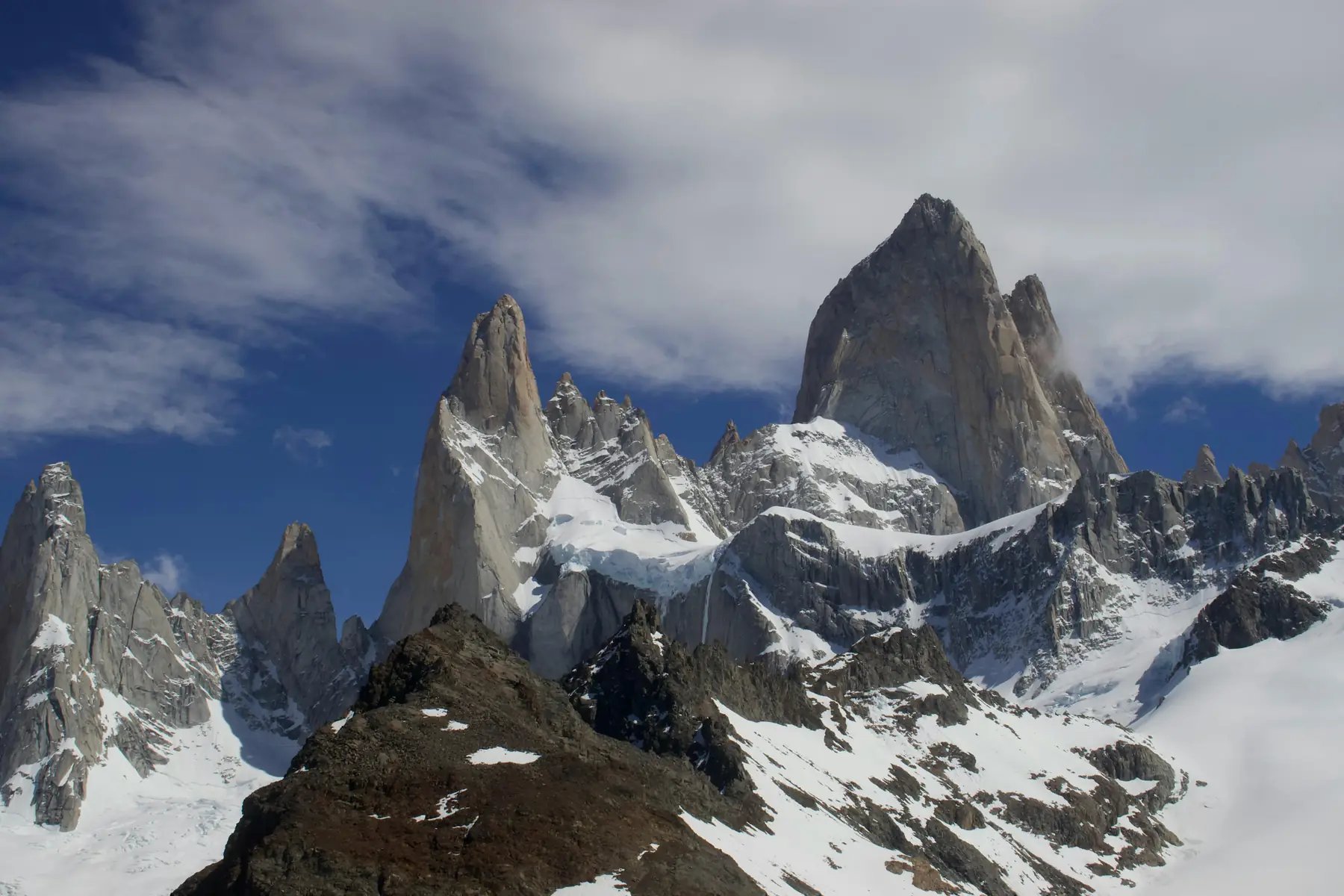
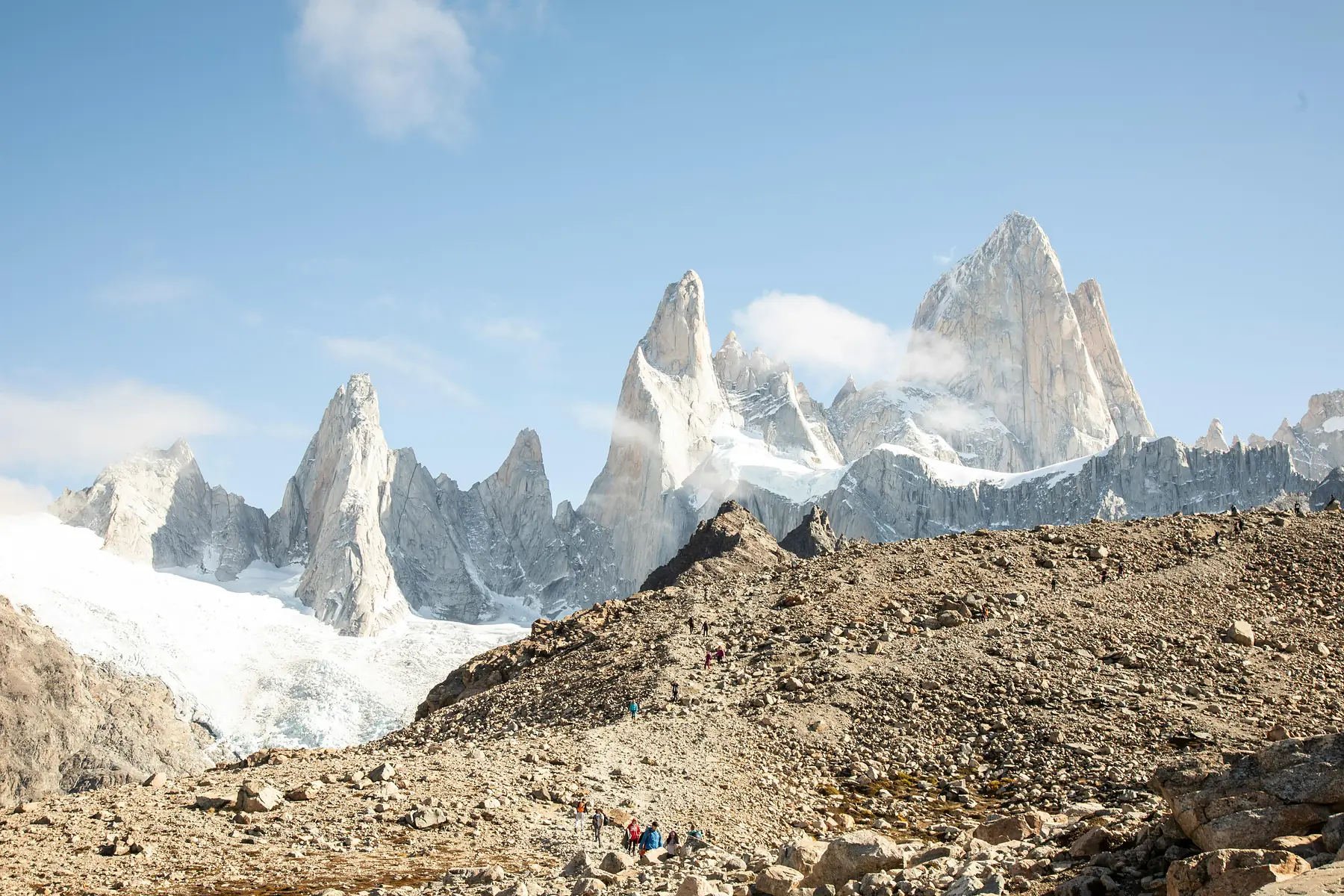
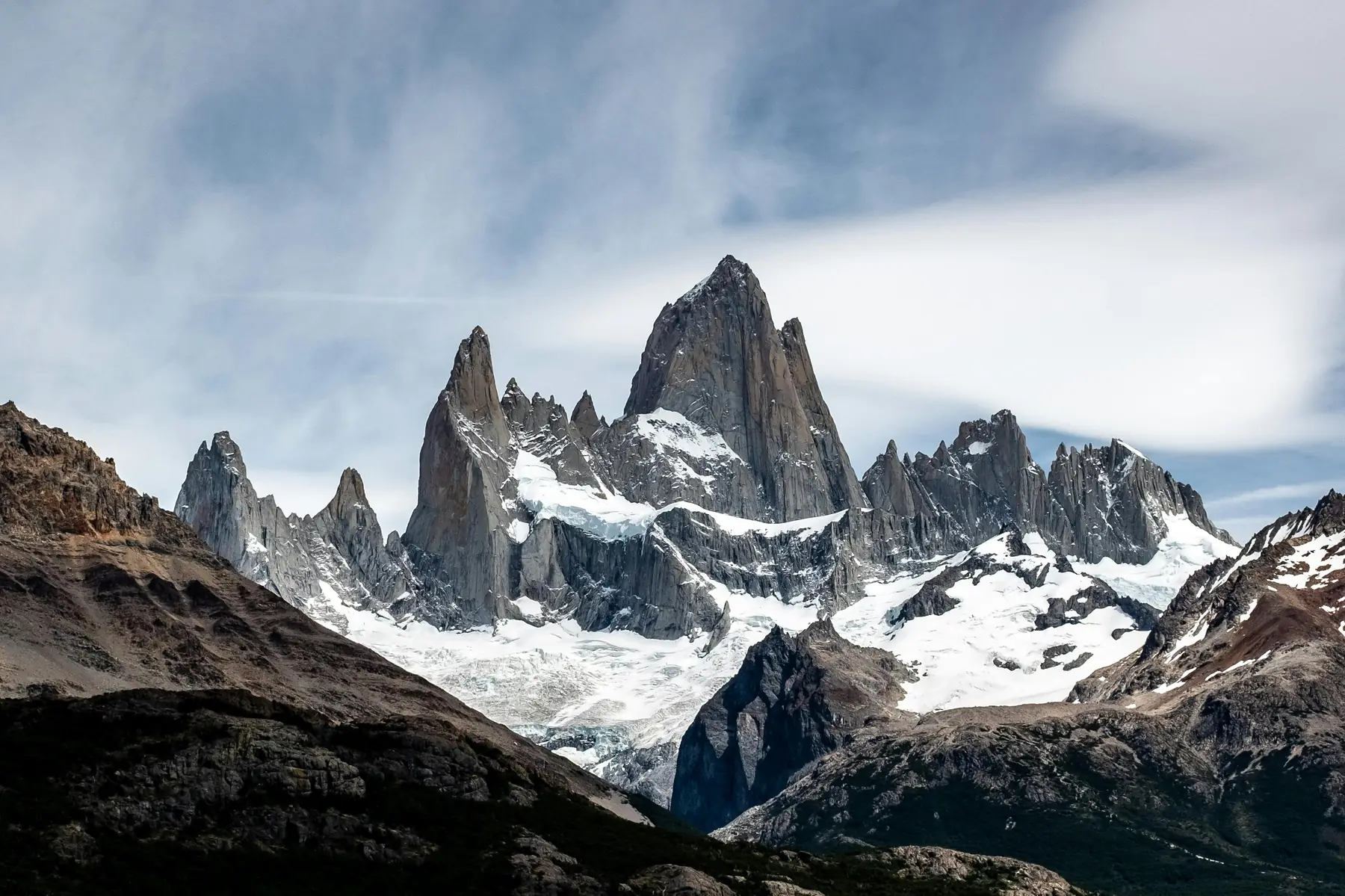
The town was founded as recently as 1985, primarily to secure the border with Chile, but has since evolved into a dedicated hiker's sanctuary. The skyline is dominated by the granite spires of the Fitz Roy massif. This proximity to the peaks creates an immersive mountain atmosphere that few other towns on Earth can match.
Is El Chaltén Worth Visiting?
For any traveler visiting southern Argentina, El Chaltén is an essential stop that offers a higher "reward-to-effort" ratio than almost anywhere else in the region. When choosing between Patagonia's two hiking giants, travelers often find El Chaltén more liberating than Torres del Paine. While park entrance fees were introduced for the northern sector in 2024, there is still no need to book day-hike permits months in advance.
It is the perfect companion to a trip that includes the glaciers of El Calafate.
How Many Days Should You Spend?
You should spend a minimum of three full days, but five days is the ideal window. Patagonia's climate is notoriously volatile, with sustained winds often exceeding 70 km/h. A three-day itinerary leaves you vulnerable to a total washout; five days almost guarantees at least one or two clear windows to see the granite spires.
Verdict
5 days is ideal — enough to see the major peaks and absorb at least one weather day.
If incorporating into a broader two-week Patagonia itinerary, don't cut your time here short.
The Best Hikes: From Fitz Roy to Hidden Lagoons
The "Big Three" hikes define the experience: Laguna de los Tres (21km, the mandatory Fitz Roy hike), Laguna Torre (18km, icebergs and Cerro Torre), and Loma del Pliegue Tumbado (the best 360-degree panorama of both massifs).
For trail details, see our complete El Chaltén trails guide or the deep-dive Fitz Roy trek guide.
The Huemul Circuit & Multi-Day Trekking
For experienced hikers, the four-day Huemul Circuit is the most demanding and rewarding multi-day circuit in Patagonia. It takes you over two high passes with unparalleled views of the Southern Patagonian Ice Field. You must be comfortable with Tyrolean traverses (harness and pulley) and steep, unmaintained scree slopes.
See our Huemul Circuit guide for full details.
Where to Stay: Hotels, Hostels, and Camping
The "North End" of town puts you at the trailhead for Fitz Roy; the "South End" is closer to the bus station and Laguna Torre. Styles range from luxury eco-lodges to basic hostels. Backcountry camping at sites like Campamento Poincenot is free and first-come, first-served.
Browse our accommodation guide and camping guide.
Logistics: Getting to El Chaltén
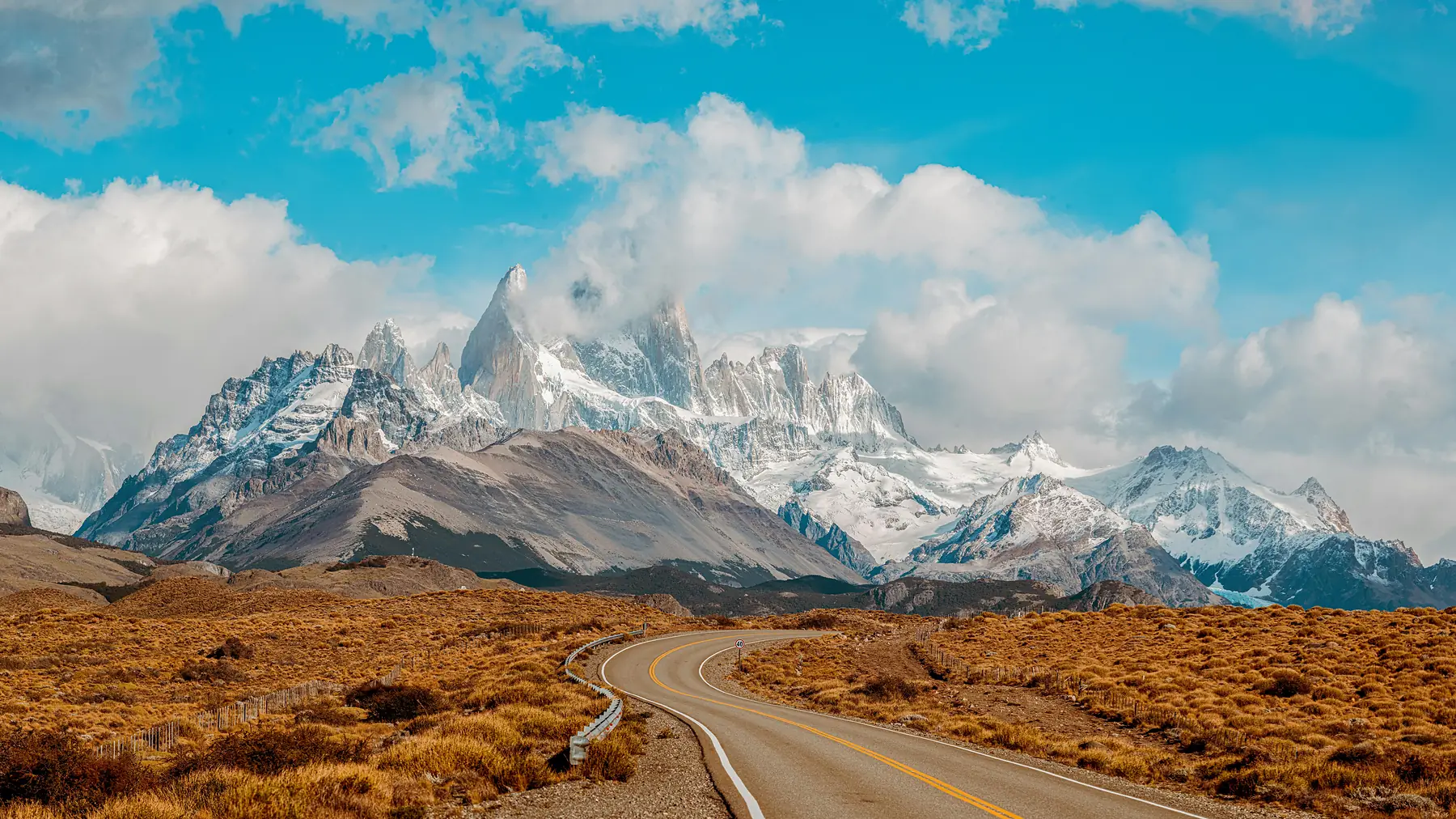
Most travelers reach El Chaltén via El Calafate. The three-hour bus ride across the Patagonian steppe along Route 40 is one of the most famous drives in the world, as the road appears to head directly into the base of Mount Fitz Roy.
For bus schedules and car rental tips, see our transport guide.
Frequently Asked Questions
How many days do I need in El Chaltén?
A minimum of three full days is recommended to see the major highlights like Fitz Roy and Cerro Torre, though five days allows for a weather buffer to ensure you actually see the peaks.
Is the tap water in El Chaltén safe to drink?
Yes, the tap water is safe and delicious. Water in mountain streams is generally pure, though it's recommended to use a filter near high-traffic campsites like Poincenot.
Do I need to pay an entrance fee for Los Glaciares National Park?
As of 2024/25, an entrance fee is required for the northern sector. Visitors must purchase a pass online or at the park entrance.
Are there ATMs in El Chaltén?
There are only two ATMs (Banco Santa Cruz and Banco Nación) and they frequently run out of cash. Bring ample Argentine Pesos from El Calafate or Buenos Aires.
Is El Chaltén safe for solo travelers?
El Chaltén is incredibly safe for solo travelers due to its small size, friendly community, and well-marked trails popular with other hikers.
When is the best time to see fall colors in El Chaltén?
The peak window for autumn foliage is typically during April, when the deciduous lenga forests turn vibrant shades of red and orange.
Ready to Hike El Chaltén?
Start building your itinerary with our step-by-step planning tools.