
Fitz Roy Hike: 2026 Guide to Laguna de los Tres
Hike to the most iconic viewpoint in Argentina. Learn about trail duration, elevation gains, trailhead details, and the best sunrise photography times.
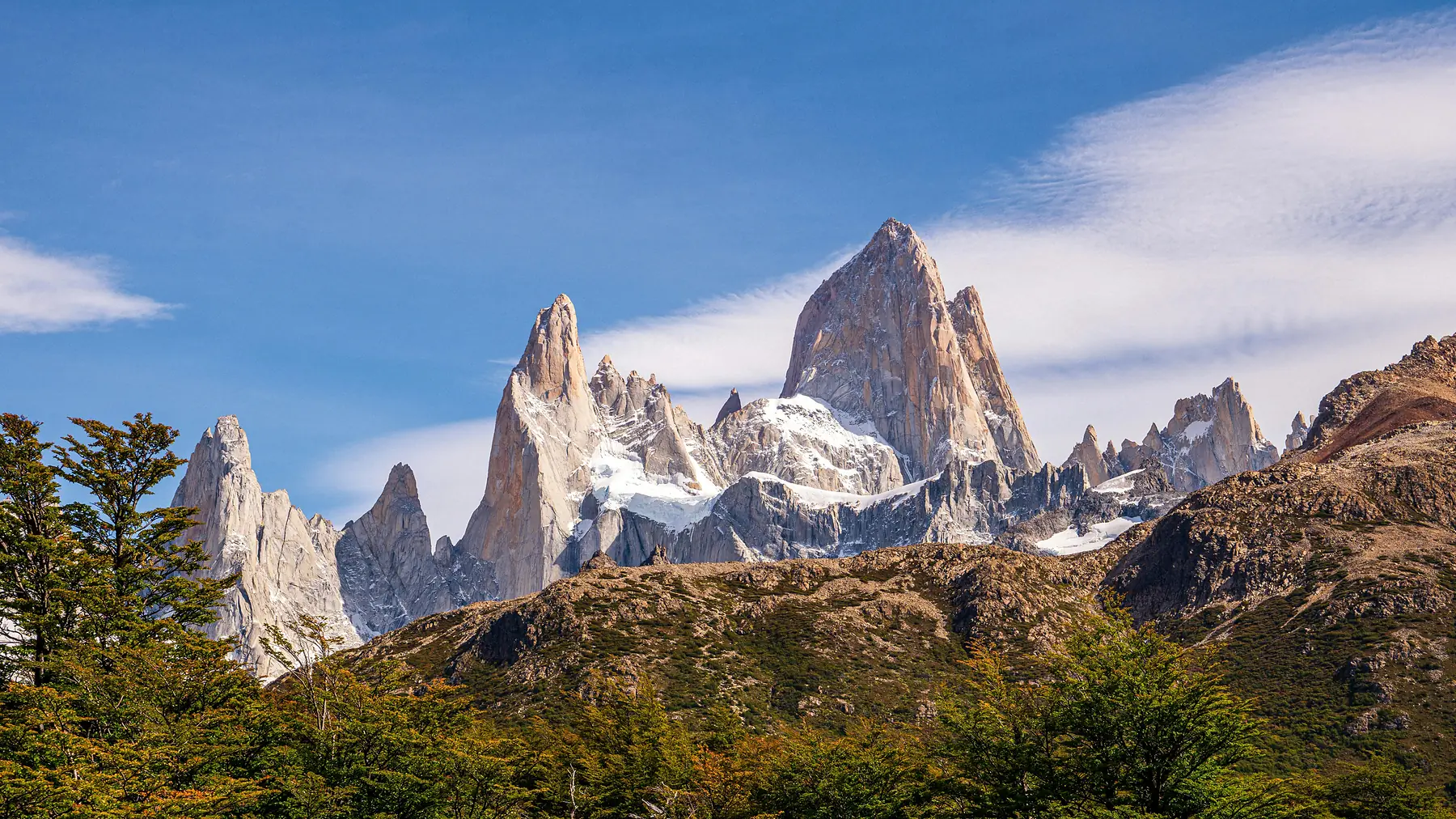
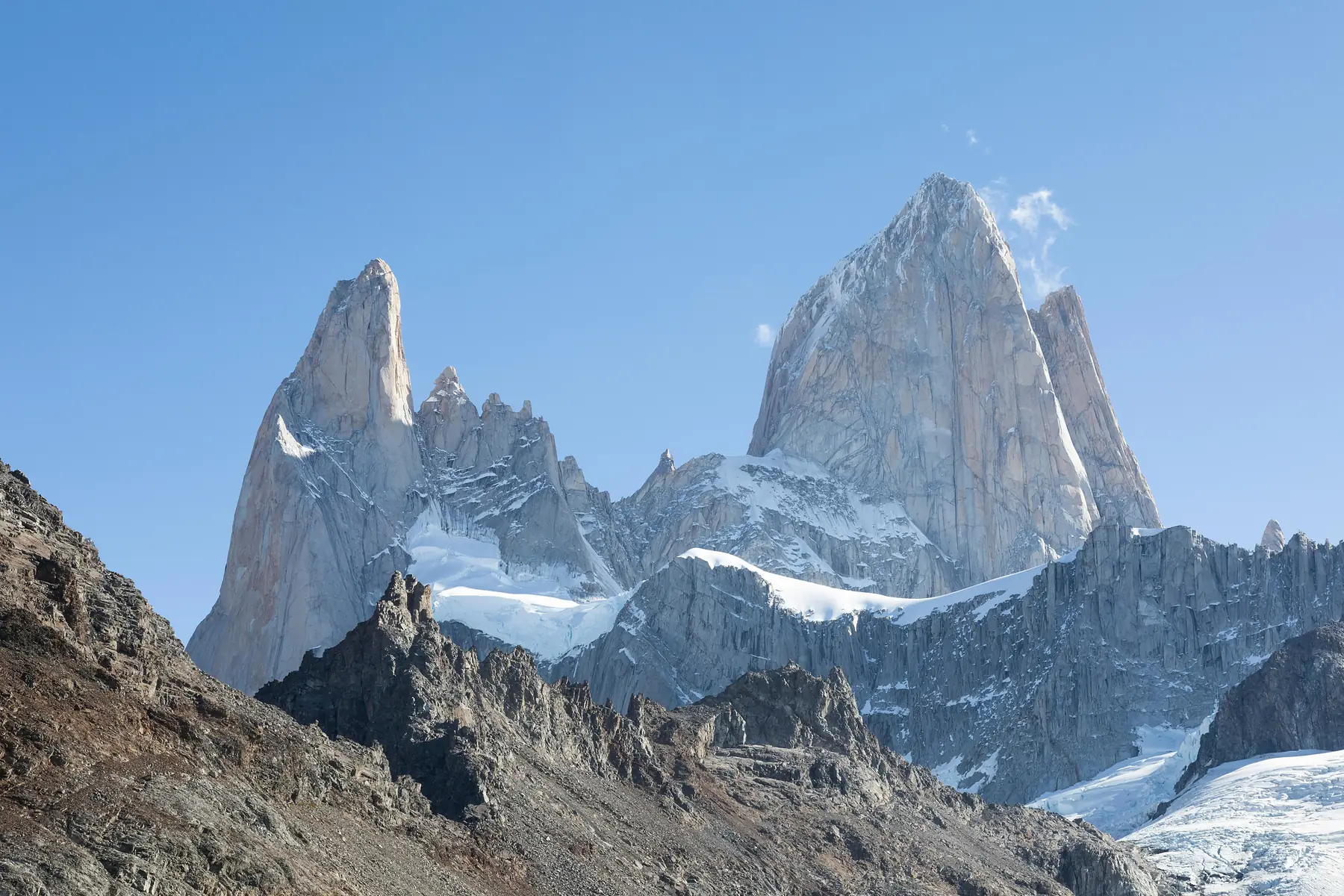
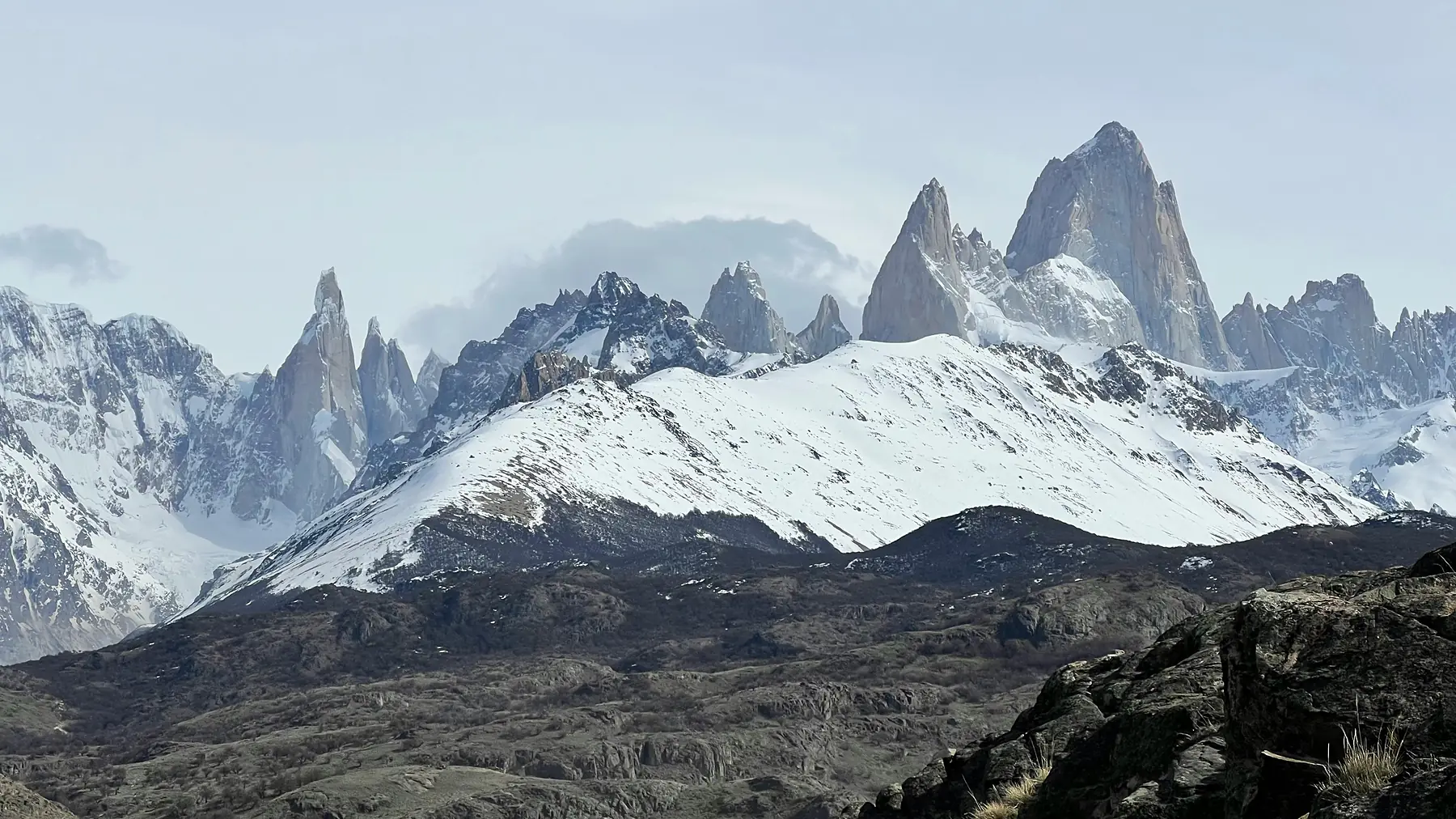
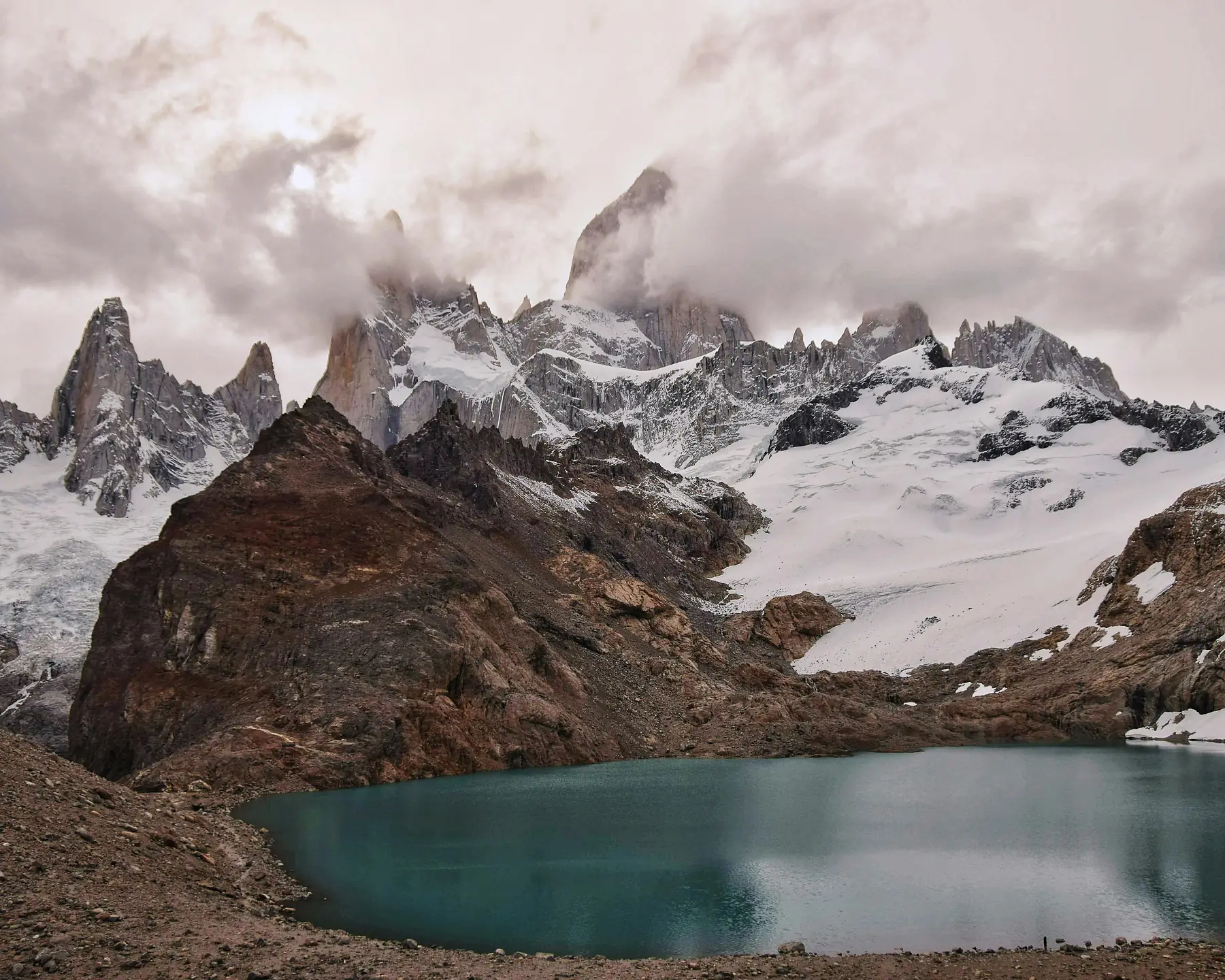
The Fitz Roy hike, known locally as the Sendero al Laguna de los Tres, is the definitive trekking experience in El Chaltén and the visual inspiration for the Patagonia clothing brand logo. This challenging day hike leads to the base of the 3,405-meter granite spires of Mount Fitz Roy, ending at a turquoise glacial lake that offers the most iconic view in the Southern Andes.
While the trail is demanding, it is achievable for any hiker with moderate fitness and the right preparation. For most visitors, this is the primary reason to visit El Chaltén, acting as the centerpiece of a Patagonia hiking itinerary. Whether you choose the standard out-and-back route or the more scenic loop from the north, reaching the lagoon requires navigating a mix of gentle beech forests and a final, grueling vertical ascent.
Fitz Roy Hike At-A-Glance
- Distance: 21km - 26km (route dependent)
- Time: 8 - 10 hours round trip
- Difficulty: Challenging
- Elevation Gain: 800m - 1,000m total
- Trailhead: Northern end of El Chaltén or Hostería El Pilar
- Best Time: November to March
The Anatomy of the Fitz Roy Hike
The Fitz Roy hike is defined by a “90/10” split: 90 percent of the trail consists of moderate, well-maintained paths through Lenga forests and glacial valleys, while the final 10 percent is a steep, rocky scramble that accounts for nearly half of the total elevation gain. Understanding this breakdown is essential for pacing yourself over an 8 to 10 hour day.
The trail is officially named the Sendero al Fitz Roy, but you will see it referred to interchangeably as the Laguna de los Tres trek. Regardless of the name, the destination is the same: the rocky ridge overlooking the lake. Most hikers cover approximately 21 kilometers if starting and ending in town, though route variations can extend this to 26 kilometers.
Choosing Your Route: Three Ways to the Laguna
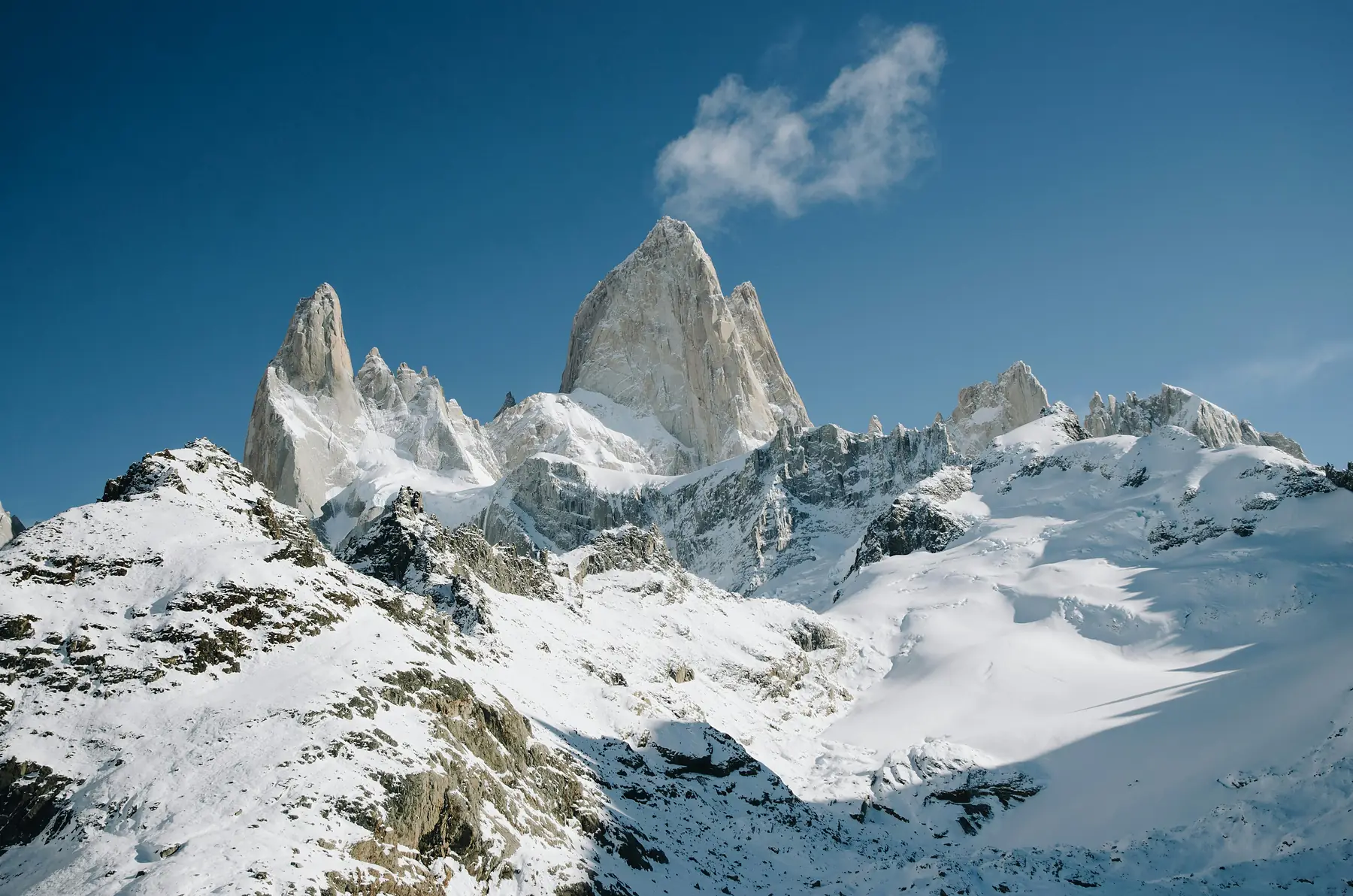
There are three primary ways to experience the Fitz Roy hike, and your choice depends on whether you prefer efficiency, variety, or a multi-day adventure. Most hikers default to the classic out-and-back route, but savvy trekkers often choose the loop starting from the Río Eléctrico valley to avoid repeating the same scenery.
Option 1: The Classic Out-and-Back (via Laguna Capri)
This is the most direct route, starting at the northern end of San Martín street in El Chaltén. It offers immediate rewards, reaching the Mirador Fitz Roy and Laguna Capri within the first 4 kilometers. It is the best choice if you are short on time or want to ensure you see the iconic peaks as early as possible in the day.
Option 2: The Río Eléctrico Loop
This “inbound” route requires taking a 20-minute shuttle or taxi from town to the trailhead near Hostería El Pilar. From there, you hike toward town, passing the Piedras Blancas glacier before joining the main trail at the Poincenot campsite. This route is arguably superior because it avoids a repetitive return journey and features a gentler initial gradient. For the 2026/27 season, expect to pay between $10 and $20 USD per person for a one-way shuttle or private taxi.
Option 3: The Connecting Trek
For those already on the trail, the Madre e Hija path connects the Fitz Roy trail with the Laguna Torre hike. This is a relatively flat 9-kilometer connector that allows multi-day campers to move between the two most famous valleys without returning to El Chaltén.
To help you decide which path fits your itinerary, consider how you prefer to manage your logistics and scenery.
- Distance: 21km total out-and-back from town. (Classic Out-and-Back)
- Distance: 22km total with a one-way shuttle to the trailhead. (Río Eléctrico Loop)
- Elevation Profile: Steep initial climb from town followed by undulating terrain. (Classic Out-and-Back)
- Elevation Profile: Gentler, steady incline through the Eléctrico valley. (Río Eléctrico Loop)
- Logistics: Walk directly from your hotel with no transport needed. (Classic Out-and-Back)
- Logistics: Requires a 20-minute shuttle or taxi to reach the start. (Río Eléctrico Loop)
- Scenery: Iconic early views of Laguna Capri and the Fitz Roy massif. (Classic Out-and-Back)
- Scenery: Views of Glacier Piedras Blancas and the Eléctrico valley. (Río Eléctrico Loop)
The Río Eléctrico Loop is the better experience for most hikers as it offers more diverse scenery and a visit to the Piedras Blancas glacier for the cost of a short shuttle ride.
The Final Ascent: Conquering “The Wall”
The character of the hike changes abruptly at the Río Blanco ranger station. From this point, you face a relentless 400-meter climb over just 1 kilometer of trail. Locally known as “The Wall,” this section is composed of loose scree, large granite steps, and exposed switchbacks that can be punishing on the lungs and the knees.
The key to navigating this segment is the “rest-step” - a rhythmic pace where you lock your trailing leg for a micro-second of rest with every step. The trail here is often crowded, so be prepared to yield to descending hikers on the narrowest sections. If you find this level of verticality daunting, consider the hike to Loma del Pliegue Tumbado instead, which offers panoramic views with a more consistent, less technical incline.
As of the 2026/27 season, the Río Blanco area remains strictly for day-use only; overnight camping is prohibited to protect the fragile environment, with all campers directed to the nearby Poincenot site.
Side Trips: Laguna Sucia and Piedras Blancas
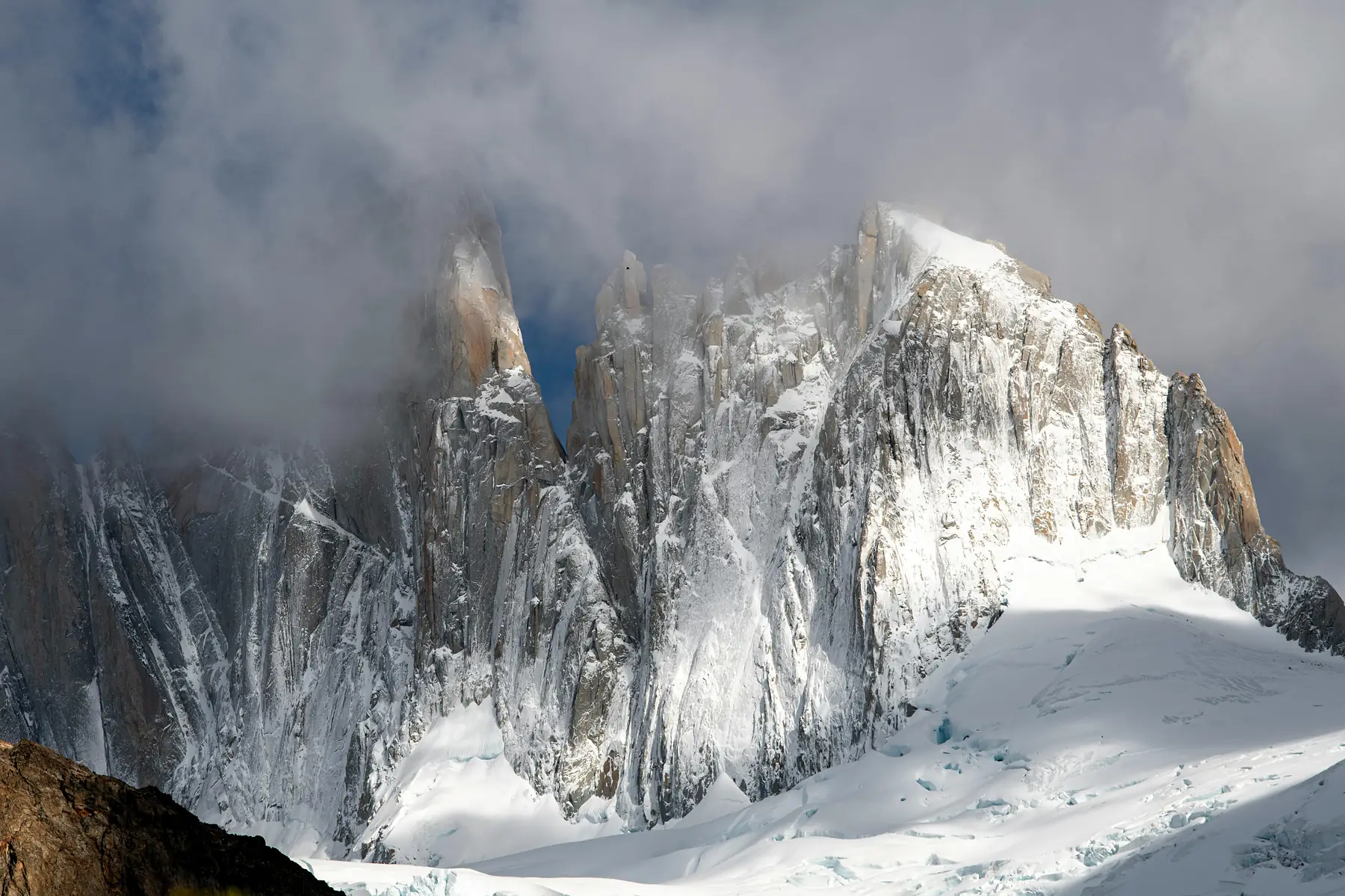
Many hikers reach the main viewpoint at Laguna de los Tres and stop, but two short detours offer views that are arguably just as spectacular with a fraction of the crowds.
Laguna Sucia Overlook To the left of the main Laguna de los Tres viewpoint, a faint trail leads over a rocky ridge to an overlook of Laguna Sucia. Despite the name (Dirty Lagoon), the water is often a more vibrant, deeper blue than its neighbor, fed by hanging glaciers that spill directly off the Fitz Roy massif. While the trail to the lake’s shore is often restricted for conservation, the ridge overlook remains accessible and provides a much-needed escape from the summit crowds.
Glacier Piedras Blancas If you choose the Río Eléctrico route, you will pass the Mirador Piedras Blancas. This is a classic “hanging glacier” where you can often hear the thunderous crack of ice calving into the lake below. It is one of the few places in the area where you can see the internal blue structure of the ice so clearly from a primary trail.
Preparing for the Elements: Weather and Water
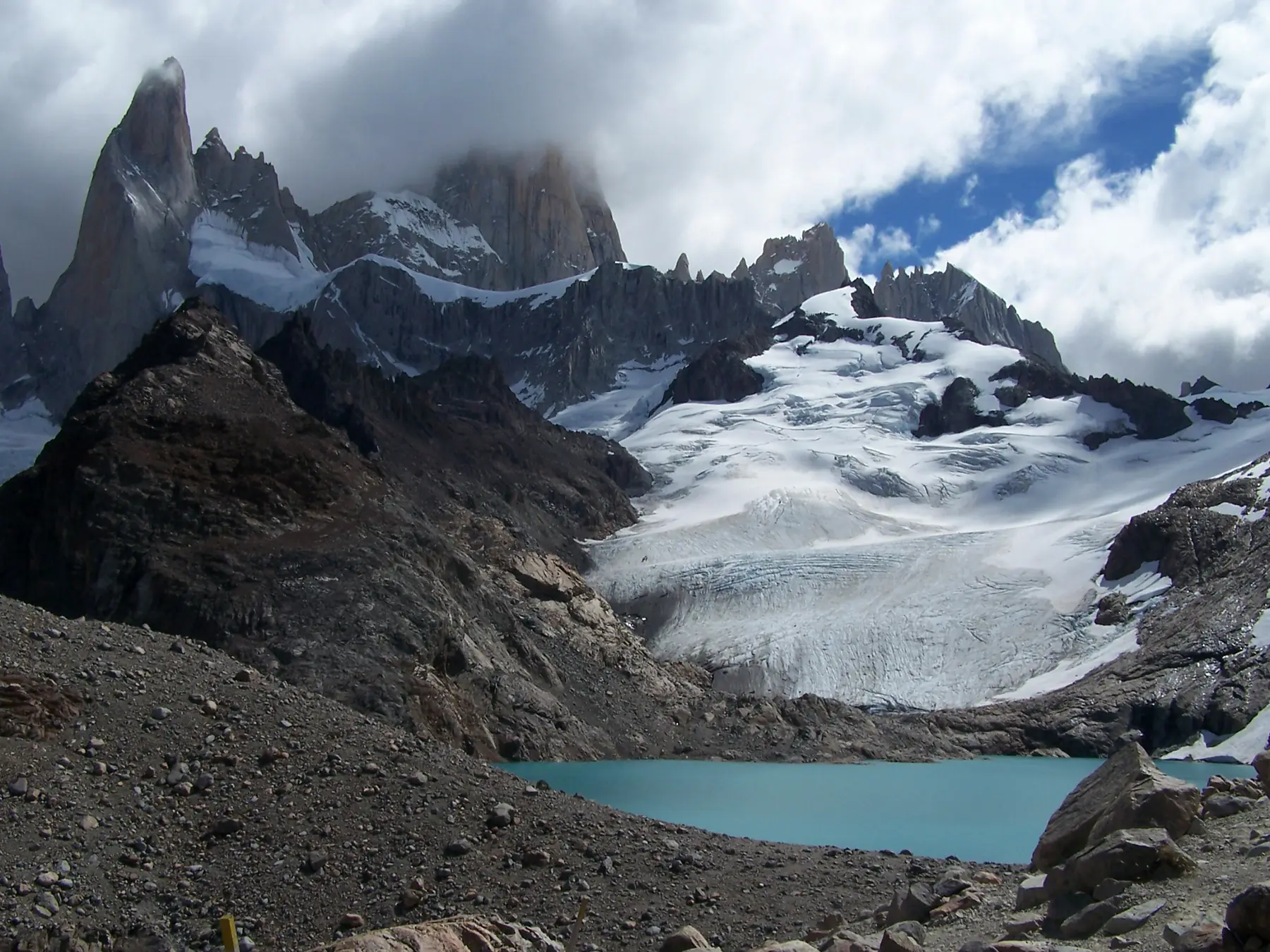
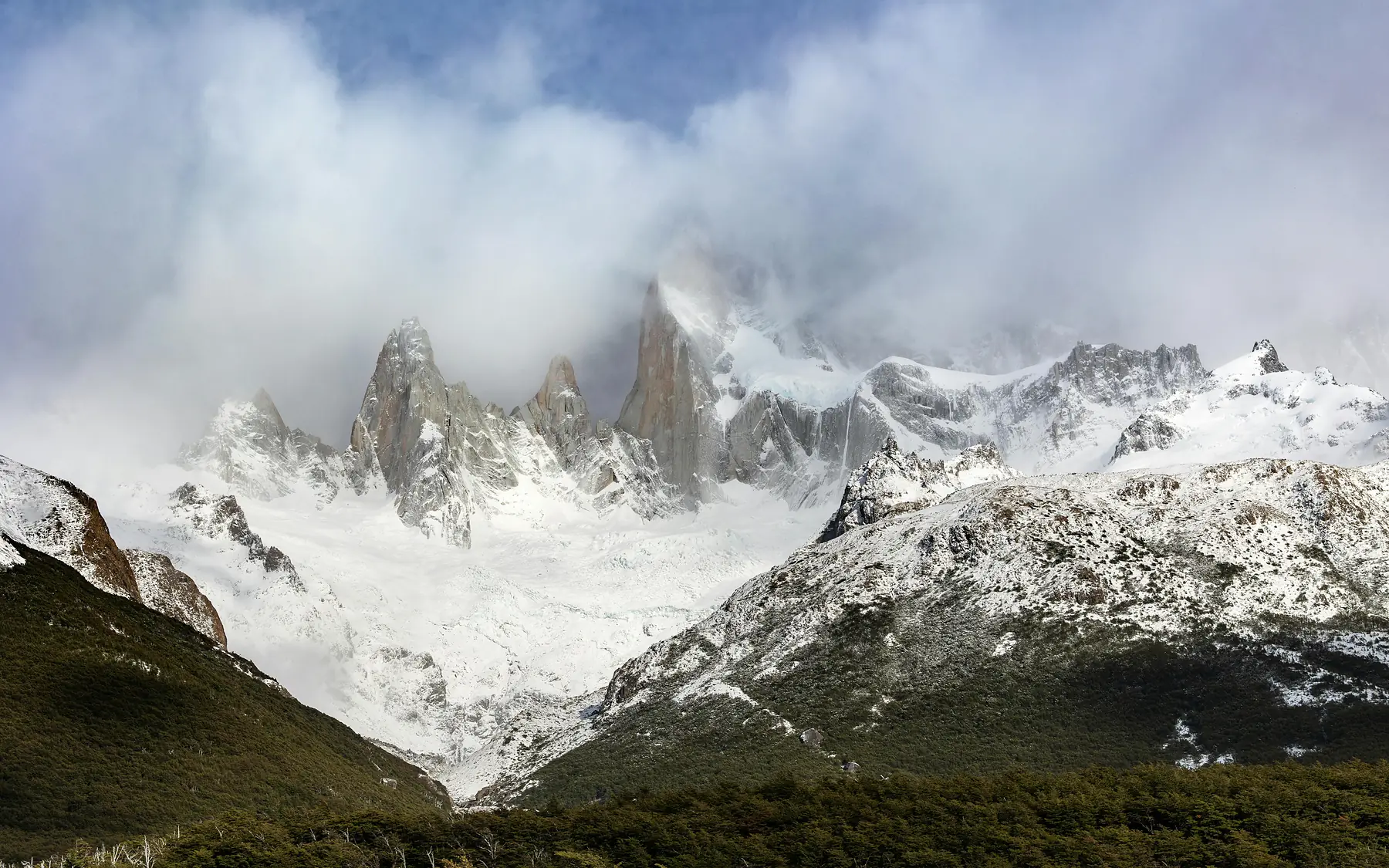
Weather in the El Chaltén sector is defined by its volatility. A clear sky at the trailhead is no guarantee of visibility at the summit, as Mount Fitz Roy famously creates its own microclimate, often snagging clouds even when the rest of the park is clear.
Before you set out, check the specific wind and visibility forecast for the peak. Sustained winds can make the final exposed kilometer of the climb dangerous. Temperature shifts are also dramatic; even in the height of summer, the wind chill at the lagoon can drop temperatures to near freezing.
Nutrition Strategy for an 8-Hour Trek
The most common mistake hikers make on the Fitz Roy trail is hitting the “hour 5 wall” - a state of total exhaustion that usually occurs just as the final climb begins. Because you are burning significantly more calories than a standard walk, your fueling strategy must be proactive rather than reactive.
- The High-Protein Start: Begin your day in town with complex carbohydrates and protein. Avoid a simple sugary breakfast that will leave you crashing by the time you reach the 10km mark.
- The 200-Calorie Rule: Aim to consume roughly 200 calories every hour. Small, frequent snacks like nuts, dried fruit, or energy bars keep your blood sugar stable.
- The Summit Reward: Save quick-burning sugars (like chocolate or fruit) for the top. You will need the immediate energy boost for the technical descent when your concentration is most likely to lapse.
For supplies, stop at the local bakeries and supermarkets in El Chaltén the night before, as most shops do not open early enough for a 7:00 AM departure.
Logistics: Timing, Fees, and Sunrise
Planning your timing is the difference between a peaceful mountain experience and a crowded trail. The Fitz Roy hike is the most popular trek in the region, and during peak season (January and February), the path can feel congested by mid-morning.
The Sunrise Hike To see the “Alpenglow” - where the granite peaks turn a fiery orange at first light - you must depart El Chaltén between 1:00 AM and 2:00 AM. This requires a high-quality headlamp and significant cold-weather layers, as you will be sitting still at the lagoon during the coldest hour of the day.
Park Fees and Access As of the 2026/27 season, entry fees are mandatory for the northern sector (El Chaltén) of Los Glaciares National Park. Foreign visitors should expect to pay approximately 45,000 ARS (~$45 USD) for a single-day pass, though multi-day “Flexipasses” are available for those planning several hikes. Tickets must be purchased online or at the park entrance portals. The trailhead itself is easily accessible on foot from any accommodation in town, making a rental car unnecessary.
Camping: Staying Overnight at Poincenot
If you want to witness the sunrise without a 2:00 AM start from town, Campamento Poincenot is your best option. This is a free, basic campsite located just before the final ascent. Staying here allows you to break the hike into two days, making the experience much more relaxed.
Facilities at Poincenot are limited to basic pit toilets. There is no treated water and no food service; you must carry in all your gear and carry out all your waste. For a complete guide on how to prepare for this, including current booking requirements, see our El Chaltén camping guide.
To see how Fitz Roy compares to other world-class treks in the region, explore our guide to the best day hikes in Patagonia.
QUESTION: How hard is the Fitz Roy hike for beginners?
ANSWER: The Fitz Roy hike is considered challenging due to its 21km+ length and the final 1km which ascends 400m over steep, rocky terrain. If you are concerned about the difficulty, consider checking our list of other El Chaltén trails for more moderate alternatives.
QUESTION: Is the water on the Fitz Roy trail safe to drink?
ANSWER: While the water from fast-flowing streams is generally safe, it is recommended to use a filter for the 2026/27 season, especially when collecting water near the Poincenot campsite.
QUESTION: Do I need a guide for the Fitz Roy hike in El Chaltén?
ANSWER: No, the Fitz Roy trail is exceptionally well-marked and heavily trafficked during the summer, making a guide unnecessary for any hiker with basic navigation skills.
QUESTION: What is the best time to start the Fitz Roy hike?
ANSWER: Most hikers should start by 8:00 AM to finish in daylight, though those seeking the “Alpenglow” sunrise on the peaks should depart El Chaltén by 2:00 AM.
QUESTION: Are there bathrooms on the Fitz Roy hike?
ANSWER: Basic pit toilets are available at the Poincenot campsite and near the Río Blanco ranger station, but there are no facilities on the rest of the trail.
QUESTION: Do I need trekking poles for the Fitz Roy hike?
ANSWER: While not mandatory, trekking poles are highly recommended for the Fitz Roy hike to provide stability on the loose scree of the final ascent and to protect your knees during the steep descent.