
Plan Your Trip
Your strategic launchpad — from initial research to a concrete, actionable itinerary.
Planning a Trip to Patagonia: 2026/27 Strategy Guide
Planning a trip to Patagonia is a logistical puzzle that requires at least six to nine months of lead time to secure the most iconic experiences. This vast region cannot be treated as a single destination: it is a collection of remote wilderness areas connected by long-distance buses and domestic flights.
This guide serves as your strategic launchpad, designed to move you from the initial research phase to a concrete, actionable itinerary by breaking down the complexities of the 2026/27 season into manageable pillars.
Patagonia Planning At A Glance
- Season October to April (Peak: December to February)
- Primary Hubs Punta Arenas, Puerto Natales, El Calafate, El Chaltén
- Lead Time 6–12 months for popular treks and boutique hotels
- Transport Domestic flights and long-distance buses; no regional rail
- Currency Chilean Peso (CLP) and Argentine Peso (ARS)
When to Book
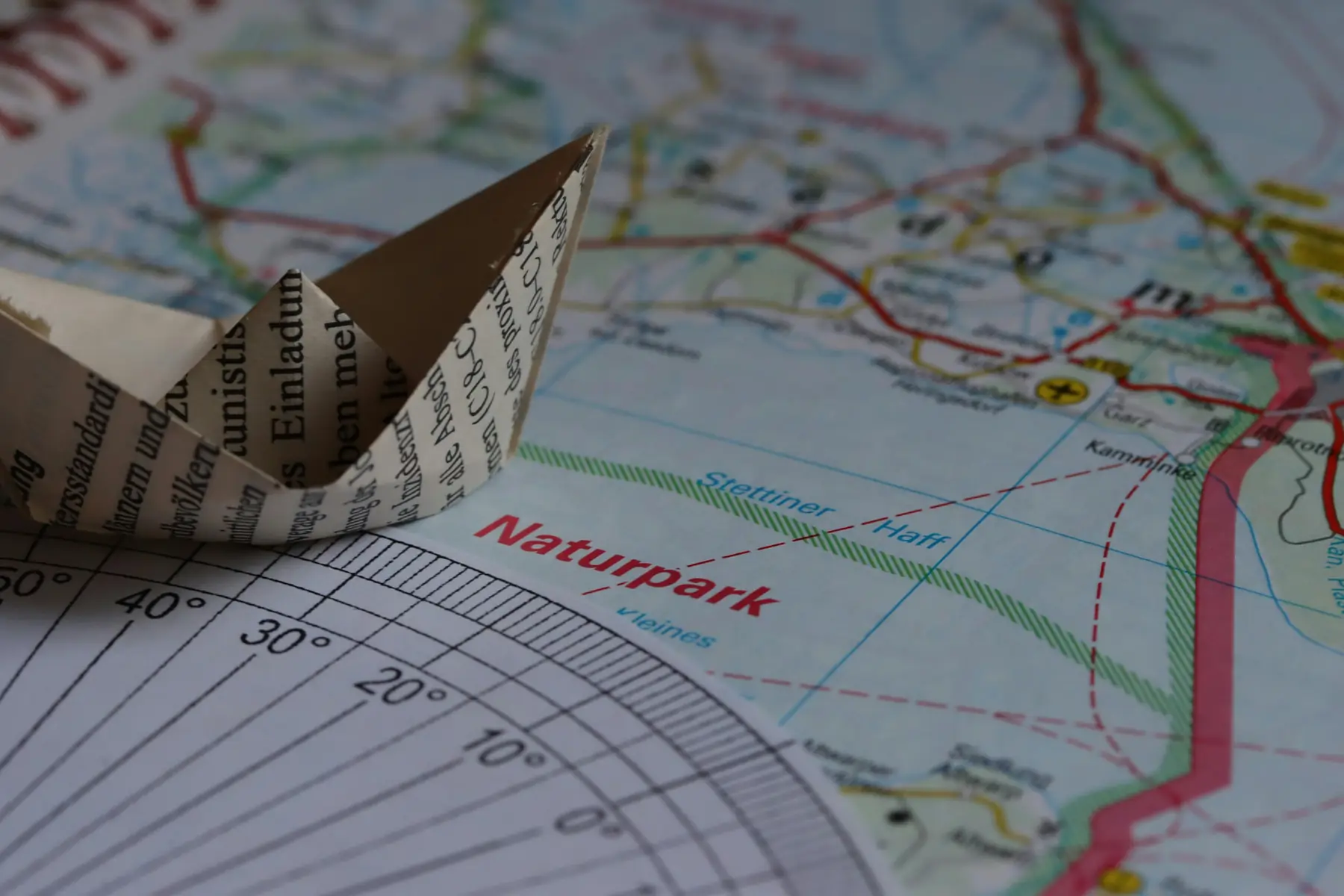
Month-by-month booking deadlines for flights, campsites, and permits.
Read Guide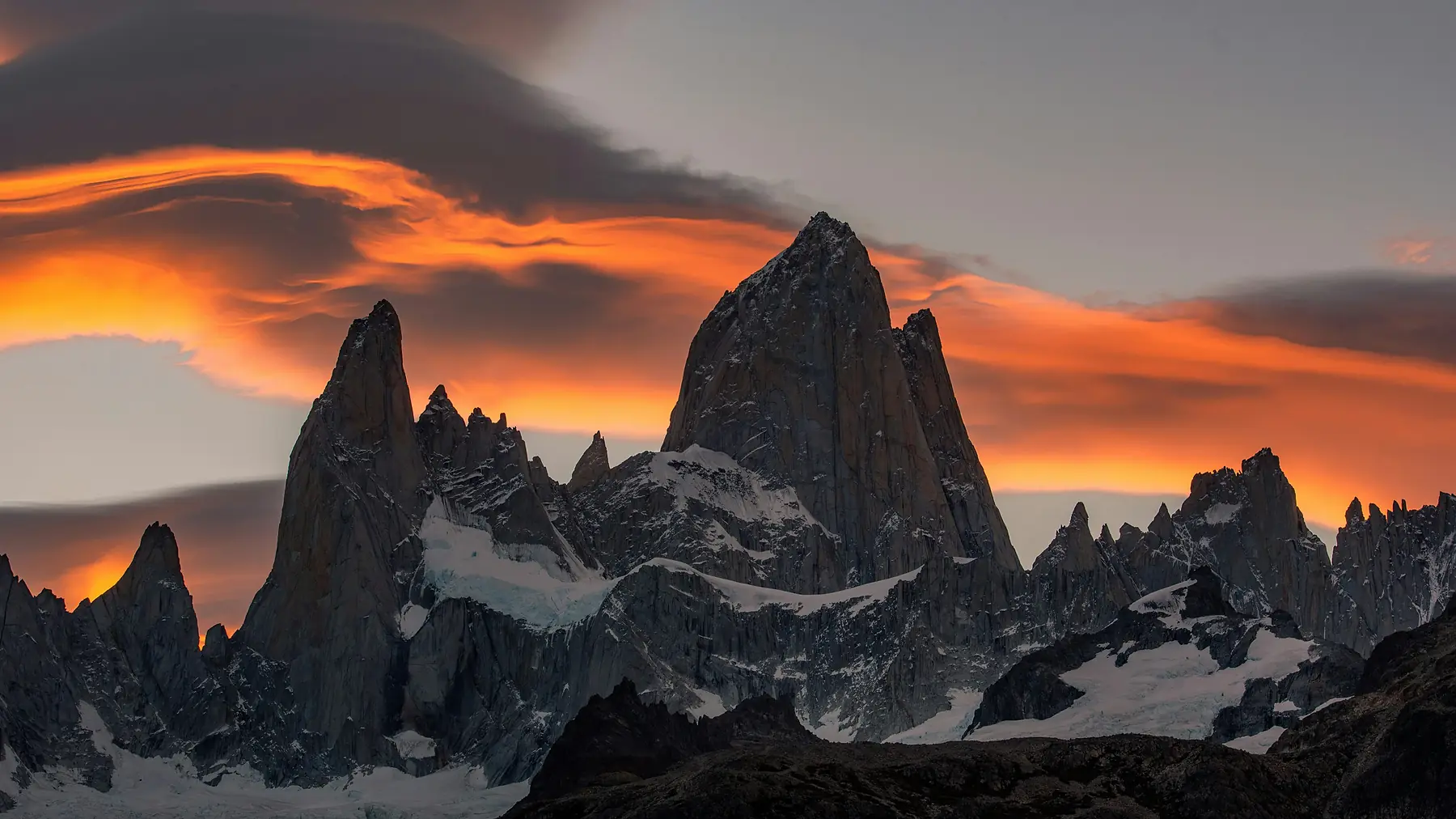
Chile vs Argentina
Side-by-side comparison of costs, landscapes, and ease of travel.
Read Guide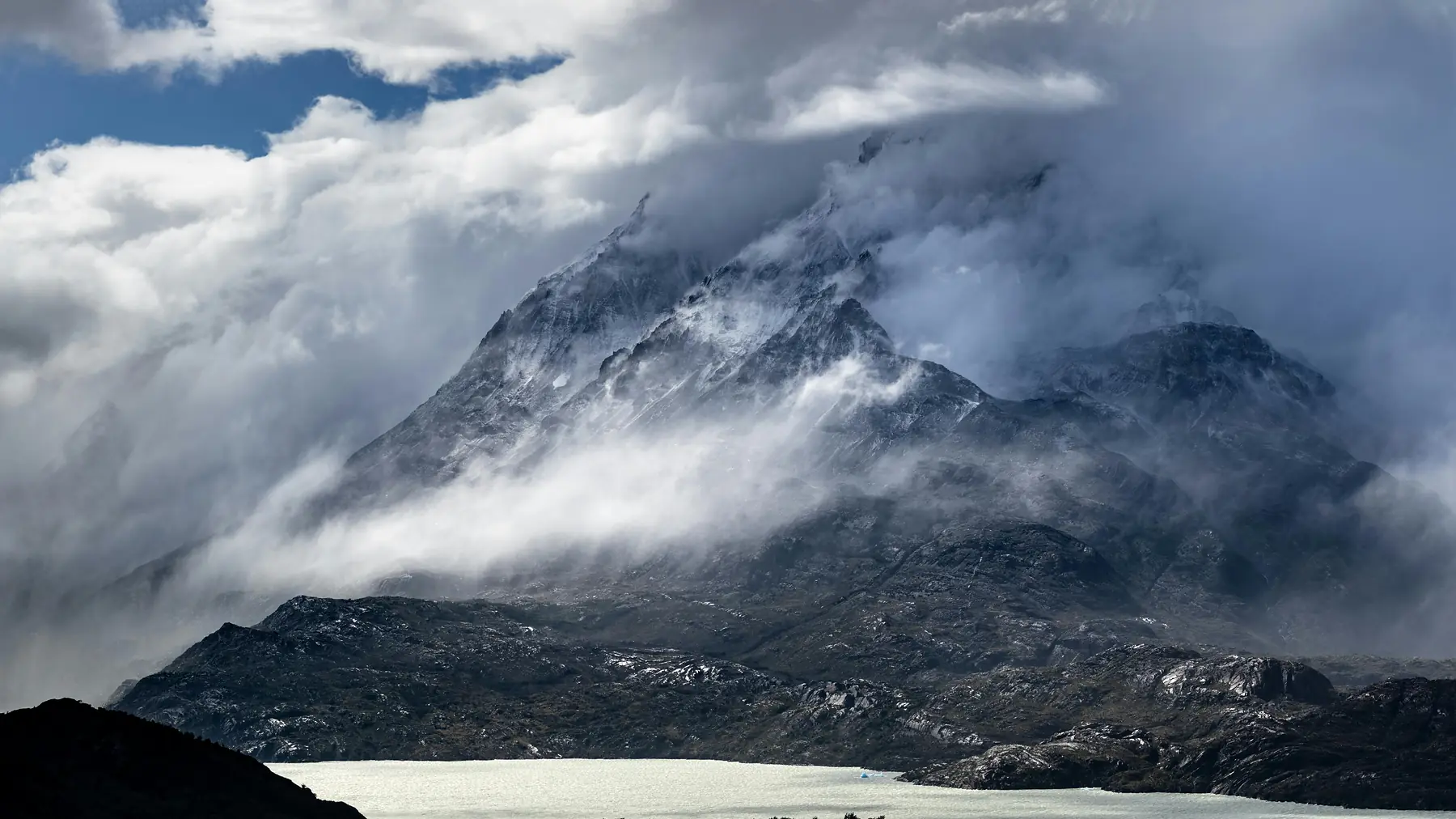
Best Time to Visit
Detailed climate charts and month-by-month conditions.
Read Guide
Budget & Costs
What it really costs — daily rates, park fees, and currency tips.
Read Guide
Getting There
Flights, buses, and the best entry points for your route.
Read Guide
What to Pack
The essential three-layer system and full packing checklist.
Read GuideThe Planning Timeline: When to Book
The single biggest mistake travellers make is waiting too long to book. For the 2026/27 season, high-demand spots like the refugios on the W Trek or boutique eco-lodges often sell out within weeks of their reservation platforms opening.
Establish your "Big Three" destinations first — these dictate your entire transport schedule. Visit our booking timeline for a month-by-month breakdown.
Chile vs. Argentina: Choosing Your Side
Verdict
With less than 10 days, focus on one country. With 2+ weeks, a cross-border itinerary reveals the full diversity of the Andes.
Best Time to Visit
The travel window runs from October through April. Peak summer (December–February) offers the most stable temperatures and up to 18 hours of daylight, but also the strongest winds. The shoulder seasons (October–November and March–April) are preferred by experienced travellers for calmer conditions.
Budgeting for the Wild
Patagonia is significantly more expensive than the rest of South America due to the high cost of importing goods to remote regions. A mid-range budget typically falls between $150 and $250 USD per day.
In Argentina, the MEP rate for credit card transactions provides rates close to the "blue" market. In Chile, foreign tourists are eligible for a 19% VAT exemption on hotel stays.
Getting There and Around
Getting to Patagonia typically involves a long-haul flight to Santiago (Chile) or Buenos Aires (Argentina) followed by a domestic flight to a regional hub. The primary gateways are Punta Arenas (PUQ), El Calafate (FTE), and Bariloche (BRC).
Once on the ground, the regional transport model relies on domestic flights and an extensive bus network. Because there is no passenger rail and one-way car rentals are prohibitively expensive, buses are the lifeline for most travellers.
Packing Strategy: The Three-Layer System
In Patagonia, gear is about safety, not fashion. The "Three-Layer System" is non-negotiable: moisture-wicking base layer, insulating mid-layer, and a waterproof windproof outer shell. Broken-in hiking boots and a reliable rain jacket are the two most important investments.
Rental shops are available in both Puerto Natales and El Chaltén for those who prefer not to fly with heavy gear.
Accommodation: Refugios to Estancias
The region offers a unique spectrum from backcountry refugios to historic working sheep ranches (estancias) and high-end design hotels. Refugios in Torres del Paine operate on a different reservation cycle than standard hotels and require booking months in advance.
View the different types of accommodation to decide which style fits your trip.
Daily Logistics
Pre-trip digital and financial setup you need for daily life in Patagonia.
Frequently Asked Questions
How far in advance should I plan a Patagonia trip for the 2026/27 season?
You should begin planning at least 6 to 9 months in advance. Bookings for the W and O treks opened in March/April 2026 and often sell out for peak dates within weeks.
What is the best month for planning a trip to Patagonia?
December through February offers the warmest weather and longest days, but March and April are ideal if you prefer fewer crowds and vibrant autumn colours.
Do I need a visa for Patagonia as an American?
As of 2026, US citizens do not need a visa for short-term tourism in Chile or Argentina, and reciprocity fees remain suspended. Ensure your passport is valid for at least six months beyond your stay.
How much should I budget for a Patagonia trip?
A mid-range budget typically falls between $150 and $250 USD per day, covering comfortable accommodation, meals, and local transport. Park fees and specialised tours are additional costs.
Is planning a solo trip to Patagonia safe for women?
Patagonia is considered one of the safest regions in South America for solo travellers, provided you follow standard safety protocols and are well-prepared for the changing weather conditions.
What are the must-have apps for planning a Patagonia trip?
Essential apps include offline navigation tools like Maps.me or Gaia GPS, WhatsApp for communicating with local tour operators, and Windy.com for real-time weather tracking.
Ready to Build Your Itinerary?
Browse our day-by-day routes to piece together the perfect Patagonia trip.