Start Here
Your orientation room — strip away the complexity and build your first Patagonian adventure with confidence.
Patagonia for Beginners: Your First Trip (2026)
Patagonia is not a single destination or a single country, but a vast wilderness region spanning the southern tip of both Chile and Argentina. Planning a first trip requires understanding three major hubs and two distinct styles of travel.
If you feel overwhelmed by the scale of the map or the jargon of "W Treks" and "Refugios," you are in the right place. While our comprehensive travel guide serves as a deep-dive instruction manual, this page is the confidence-builder you need to make your first major planning decisions.
Patagonia At A Glance
- Location Southern tip of South America (Chile & Argentina)
- Primary Hubs Puerto Natales, El Calafate, El Chaltén
- Best Time for Beginners November or March (shoulder season)
- Minimum Trip 10 to 14 days recommended
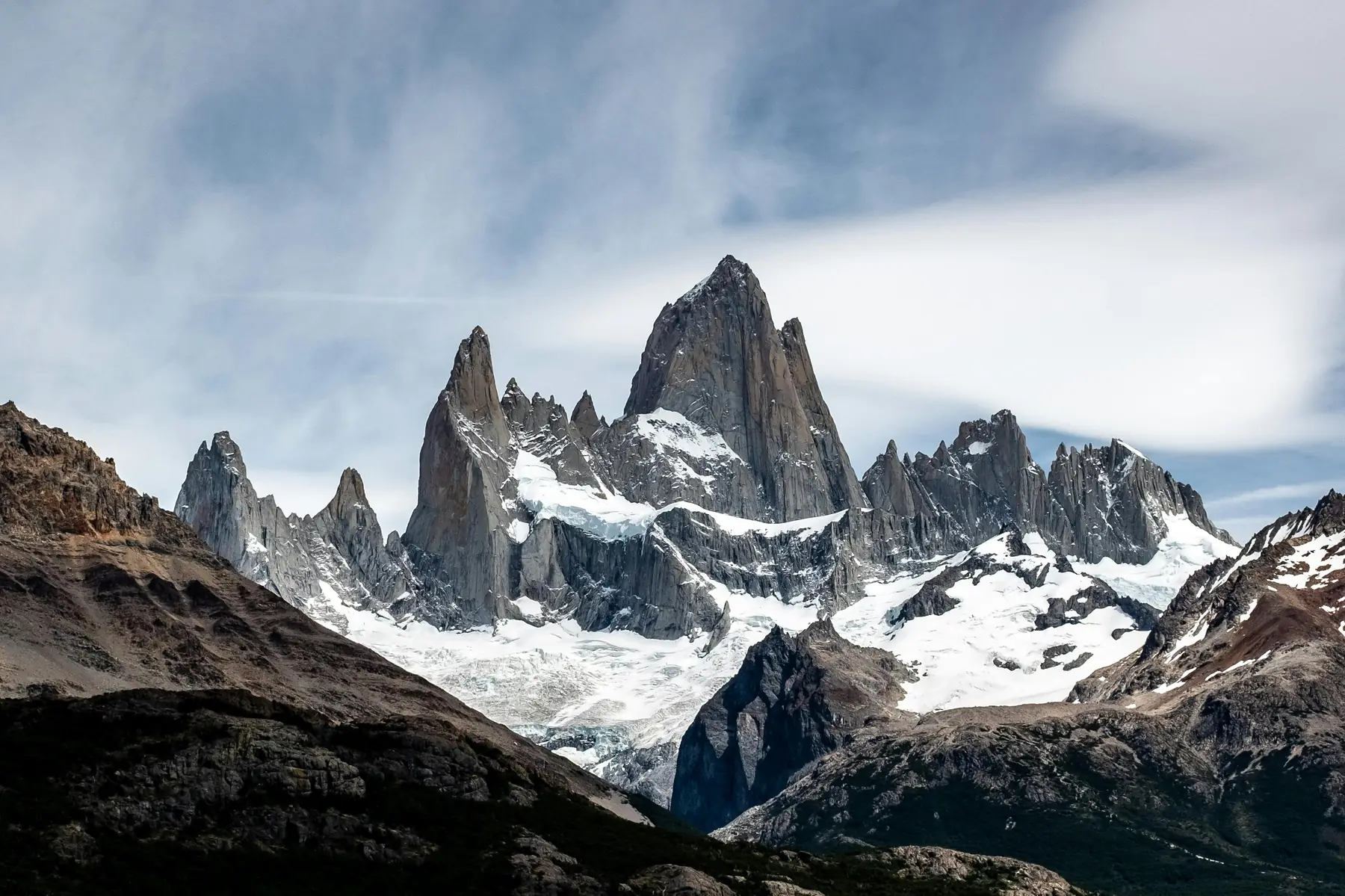
- Key Landscapes Glaciers, granite spires, and the Andean steppe
- Language Spanish (English widely spoken in tourist hubs)
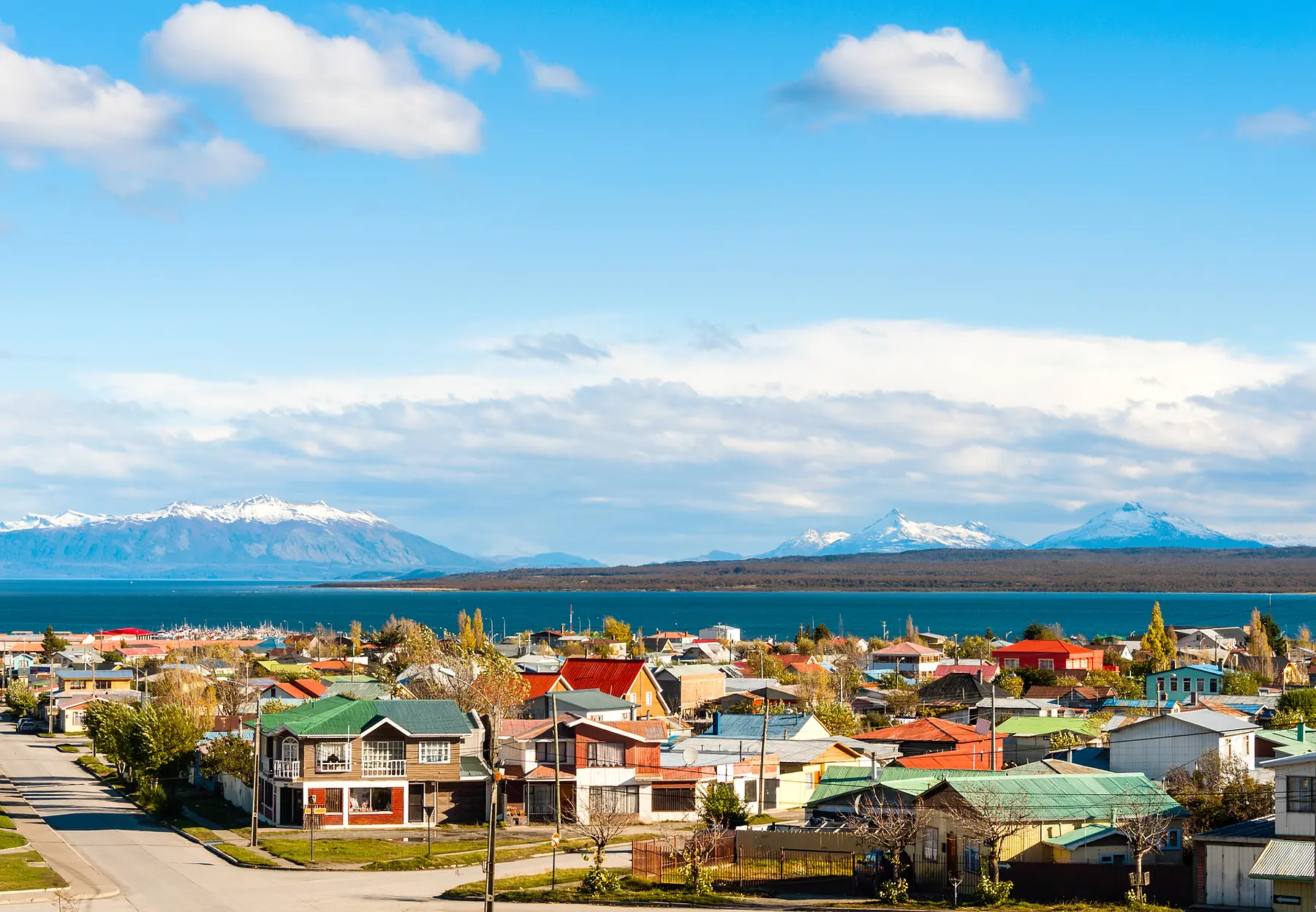
Puerto Natales
The essential basecamp for Torres del Paine — where to gear up and catch the park bus.
Read Guide
El Calafate
More than a gateway — the Perito Moreno Glacier is the one site you can't skip.
Read Guide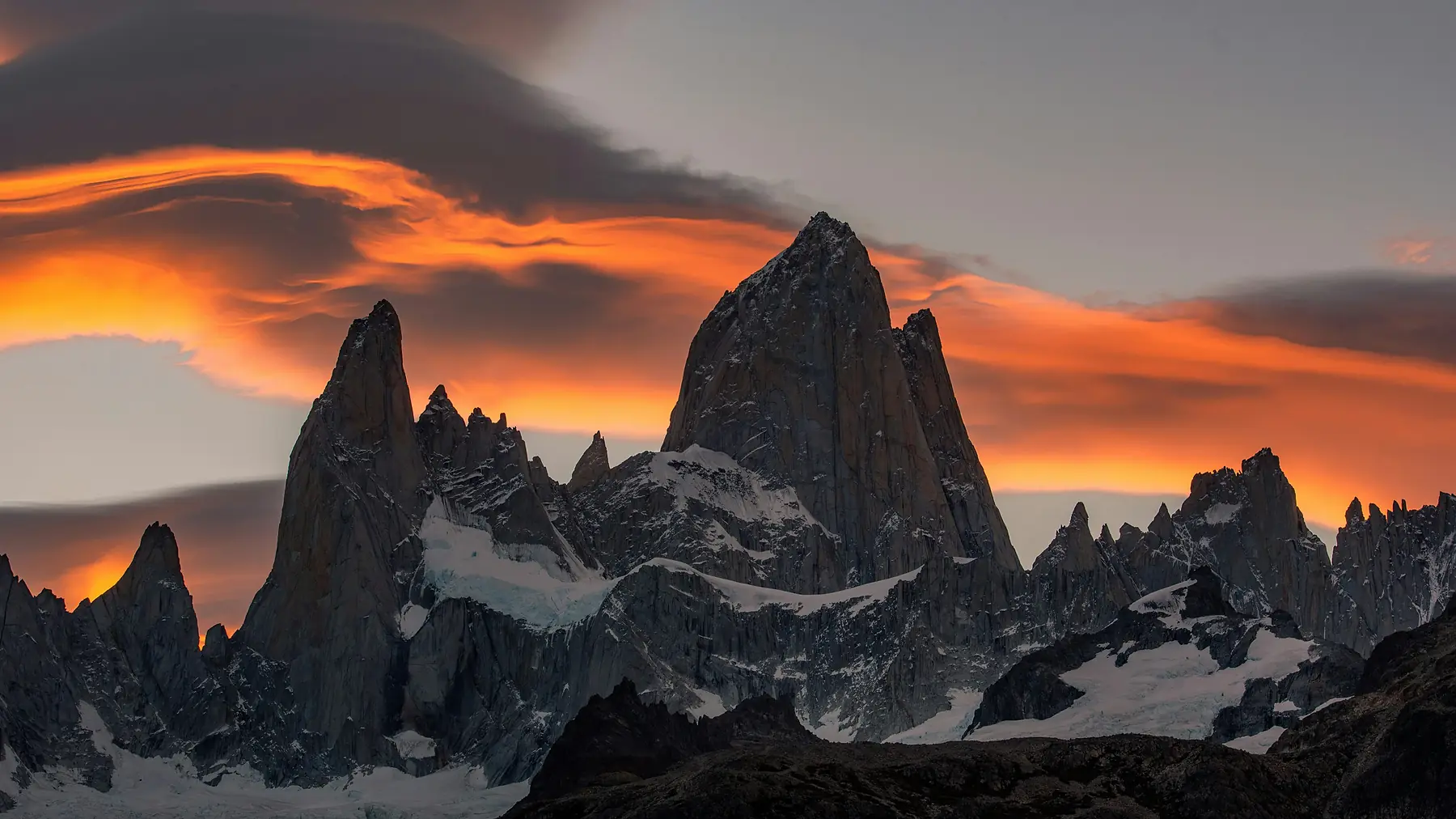
El Chaltén
The hiking capital where trails start at your doorstep. No permits, just mountains.
Read Guide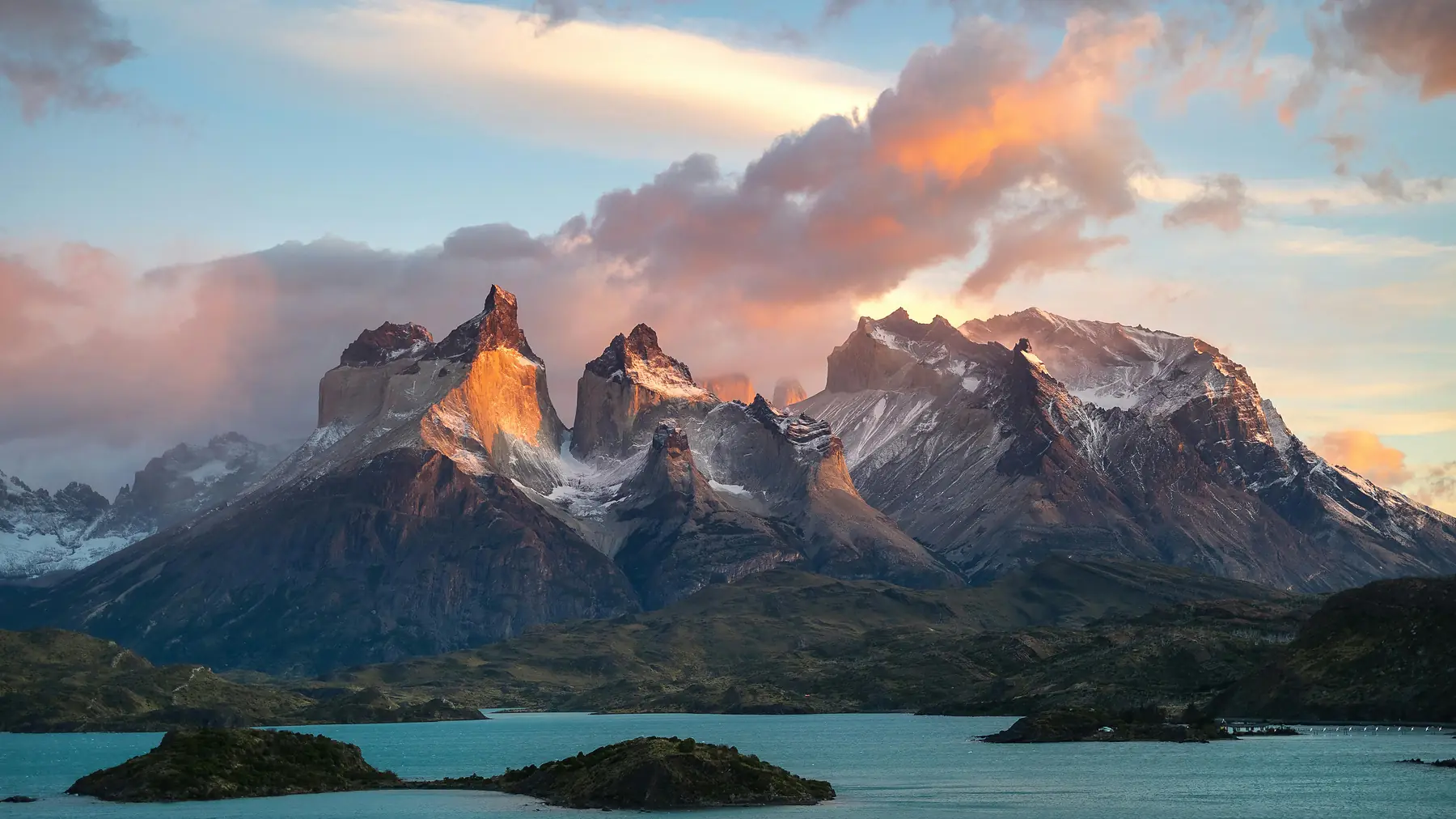
The W Trek
The quintessential 4–5 day route covering Torres del Paine's most iconic landmarks.
Read Guide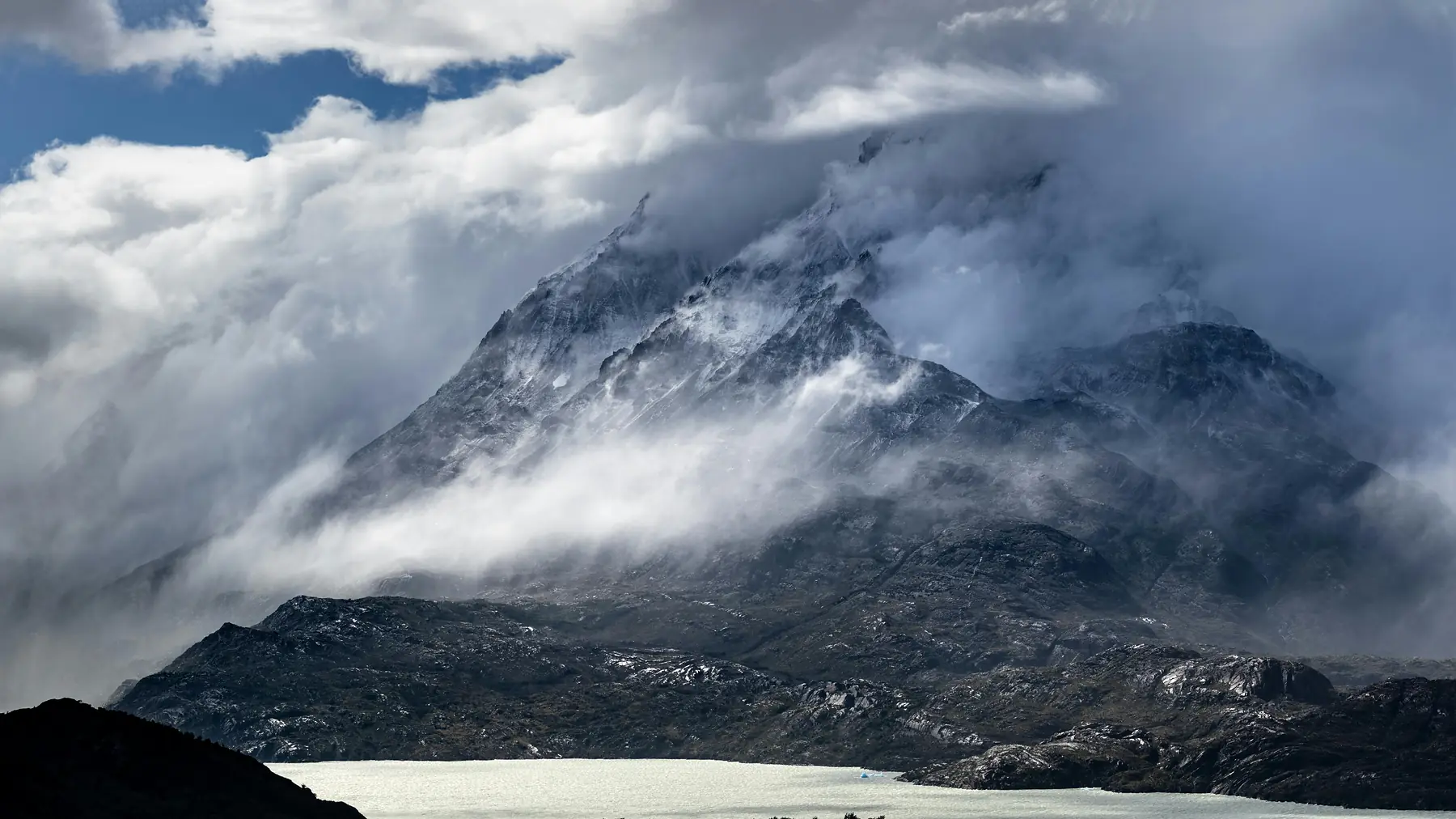
Best Time to Visit
Month-by-month weather, crowds, and wildlife events to time your window.
Read Guide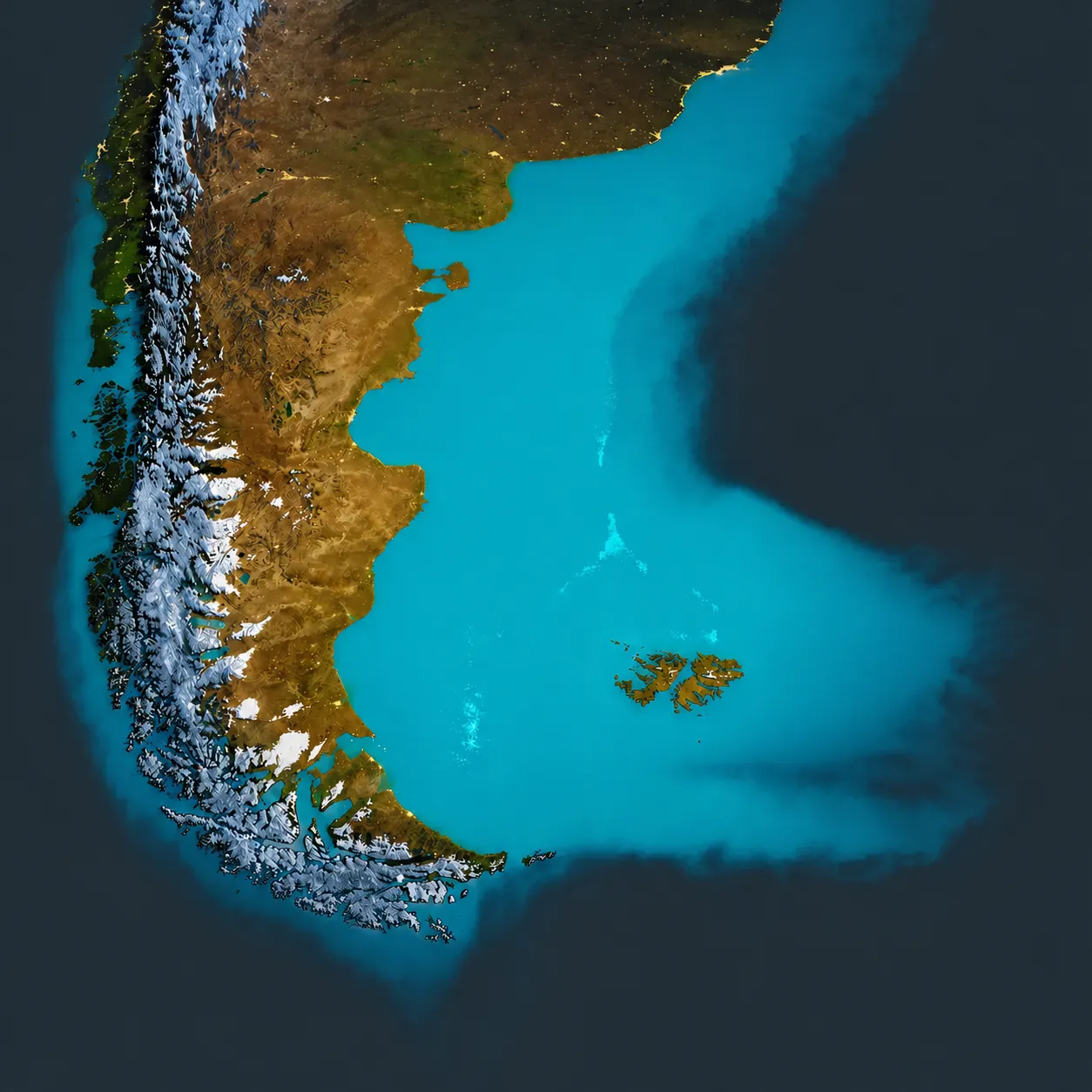
The Map
Visualize distances, regions, and transport routes before you start booking.
Read GuideWhat Exactly is Patagonia?
Patagonia is a massive geographical region, not a political one. It covers approximately 1.04 million square kilometers — roughly the size of France and Spain combined. Because it is so large, you cannot "see it all" in a single week.
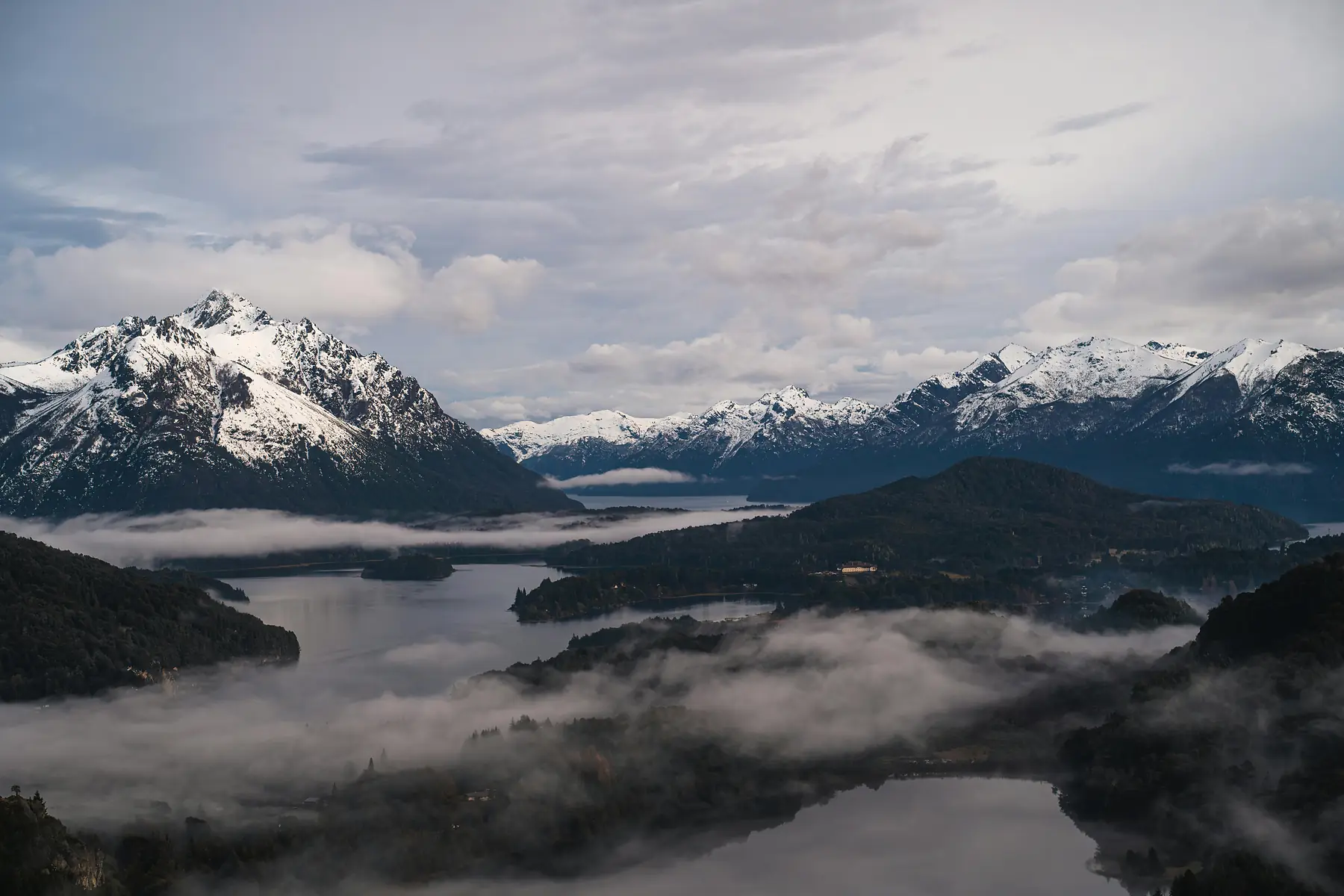
The Andes Mountains serve as the spine of the region. To the west, Chilean Patagonia is a labyrinth of lush fjords, temperate rainforests, and emerald lakes. To the east, Argentine Patagonia opens into the vast, dry Atlantic steppe and dramatic mountain massifs. To visualize how these regions connect, view our interactive Patagonia map.
Chile vs. Argentina: Which Side is Right for You?
The most important decision a beginner makes is which side of the border to prioritize. While you can visit both, most first-timers find that one "style" of travel suits them better.
Verdict
Choose Chile for iconic bucket-list scenery and structured trekking; choose Argentina for flexibility, lower costs, and the freedom to hike without permits.
Understanding the Treks: W, O, and Day Hikes
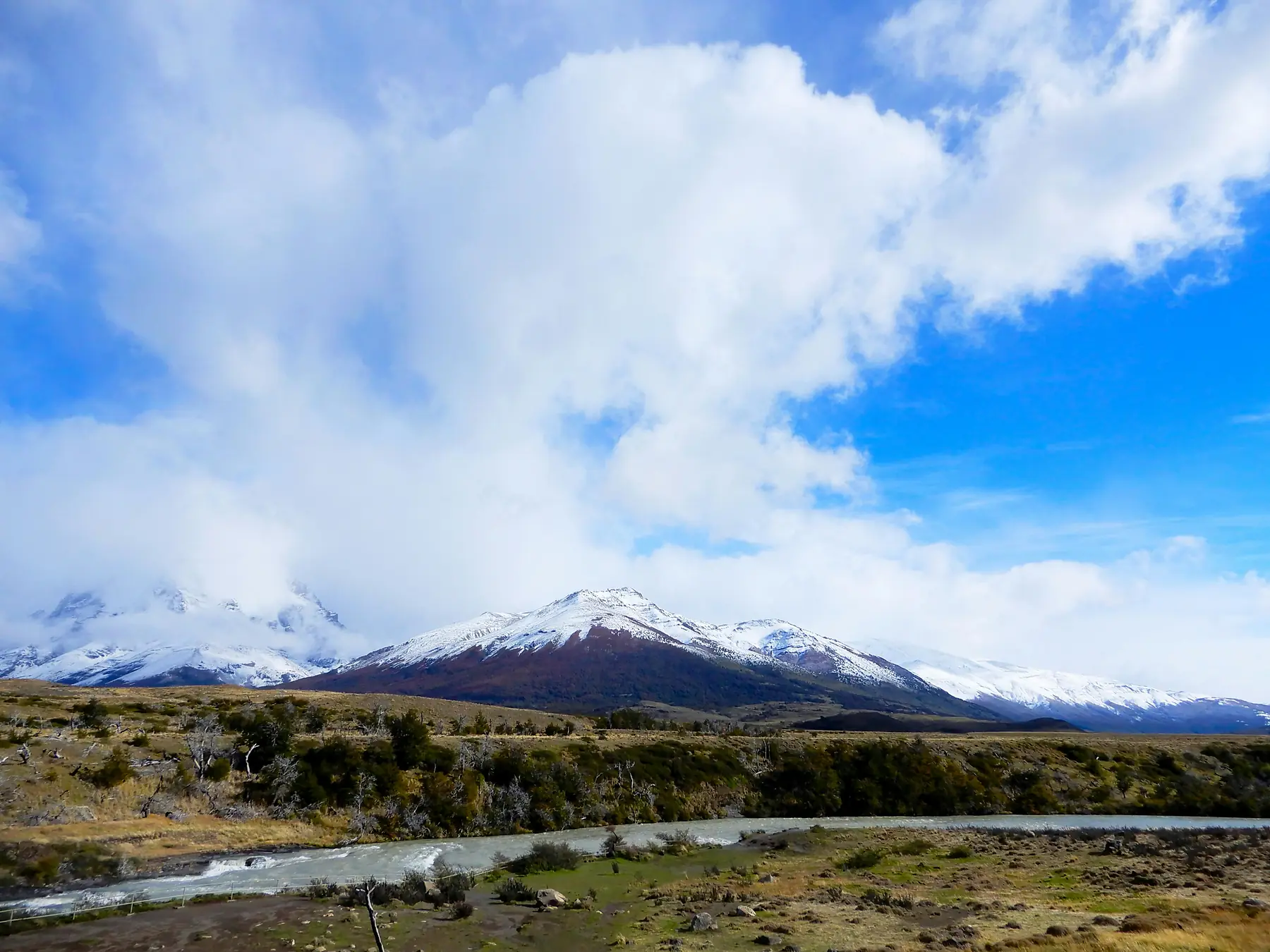
The W Trek is a 4–5 day route hitting Torres del Paine's three most famous landmarks: the Base of the Towers, the French Valley, and Grey Glacier. It is achievable for any fit beginner. The O Circuit is an 8–9 day loop for experienced backpackers.
You do not have to sleep in a tent or carry a 15kg pack. In El Chaltén, world-class trails start from the edge of town, allowing you to hike to a glacier and return to a warm hotel and a steak dinner by evening. Explore our hikes hub to compare routes.
Fitness and Skill: How Hard is Patagonia?
You do not need to be an elite athlete, but you should be comfortable walking 10–15 kilometres a day with significant elevation gain. The "Base of the Towers" hike involves roughly 800–900 metres of elevation gain. The challenge is rarely technical — it's the wind and rapidly changing weather.
Budgeting: Is Patagonia Expensive?
Patagonia is one of the most expensive regions in South America. For the 2026/27 season, expect $150–$250 USD per day for a mid-range experience including comfortable hotels, restaurant meals, and park entry fees. Currency exchange in Argentina requires specific planning.
We maintain a live breakdown of costs on our cost and budgeting page.
Frequently Asked Questions
Is Patagonia safe for solo female travelers?
Yes, Patagonia is considered one of the safest regions in South America for solo travelers, with low crime rates and a very helpful, hiking-focused community.
Do I need to speak Spanish to visit Patagonia?
While basic Spanish is helpful, most staff in the main tourist hubs of Puerto Natales, El Calafate, and El Chaltén speak English, and most trail signage is bilingual.
Can I see Patagonia in just 5 days?
A 5-day trip is very short and would limit you to just one location; 10 to 14 days is recommended for a first-time visit to see the highlights without rushing.
Is the water in Torres del Paine safe to drink?
Yes, the water in the streams and rivers within Torres del Paine is generally considered some of the cleanest in the world and is safe to drink, though many travelers use a filter.
How much does a trip to Patagonia cost for beginners?
A mid-range trip typically costs between $150 and $250 USD per day, including local transport, park fees, meals, and comfortable hotel accommodation.
Do I need a guide to hike in El Chaltén?
No, the trails in El Chaltén are exceptionally well-marked and start directly from the town, making it easy for beginners to hike independently.
Ready to Start Planning?
Follow our step-by-step guides to build your first Patagonia itinerary.