Food & Drink
From spit-roasted lamb to King Crab — navigate the flavors of the end of the world.
Food in Patagonia: Cuisine, Drinks & Dining
Patagonia's culinary identity is defined by two extremes: the smoke of the open-fire asado and the icy depths of the southern fjords. For most travelers, food in Patagonia is an unexpected highlight where rugged Gaucho traditions meet world-class seafood and a thriving modern craft beer scene.
This guide serves as your directory for navigating the flavors of the region, from the traditional spit-roasted lamb of the dry steppe to the king crab of Tierra del Fuego.
Patagonia Dining At A Glance
- Primary Staples Grass-fed lamb, King Crab, Malbec, and Calafate berries
- Dinner Hours Typically 8:00 PM to 11:00 PM; restaurants rarely open before 7:00 PM
- Service Charge Expect a small "Cubierto" (table fee) in Argentina
- Tipping 10% is the standard "propina" in both Chile and Argentina
- Water Tap water is safe and exceptionally pure in most mountain towns
Iconic Dishes
Cordero al Palo, empanadas, Calafate berries, and the stories behind the flavors.
Read Guide
What to Eat
A complete list of must-try meats, seafood, and vegetarian options.
Read Guide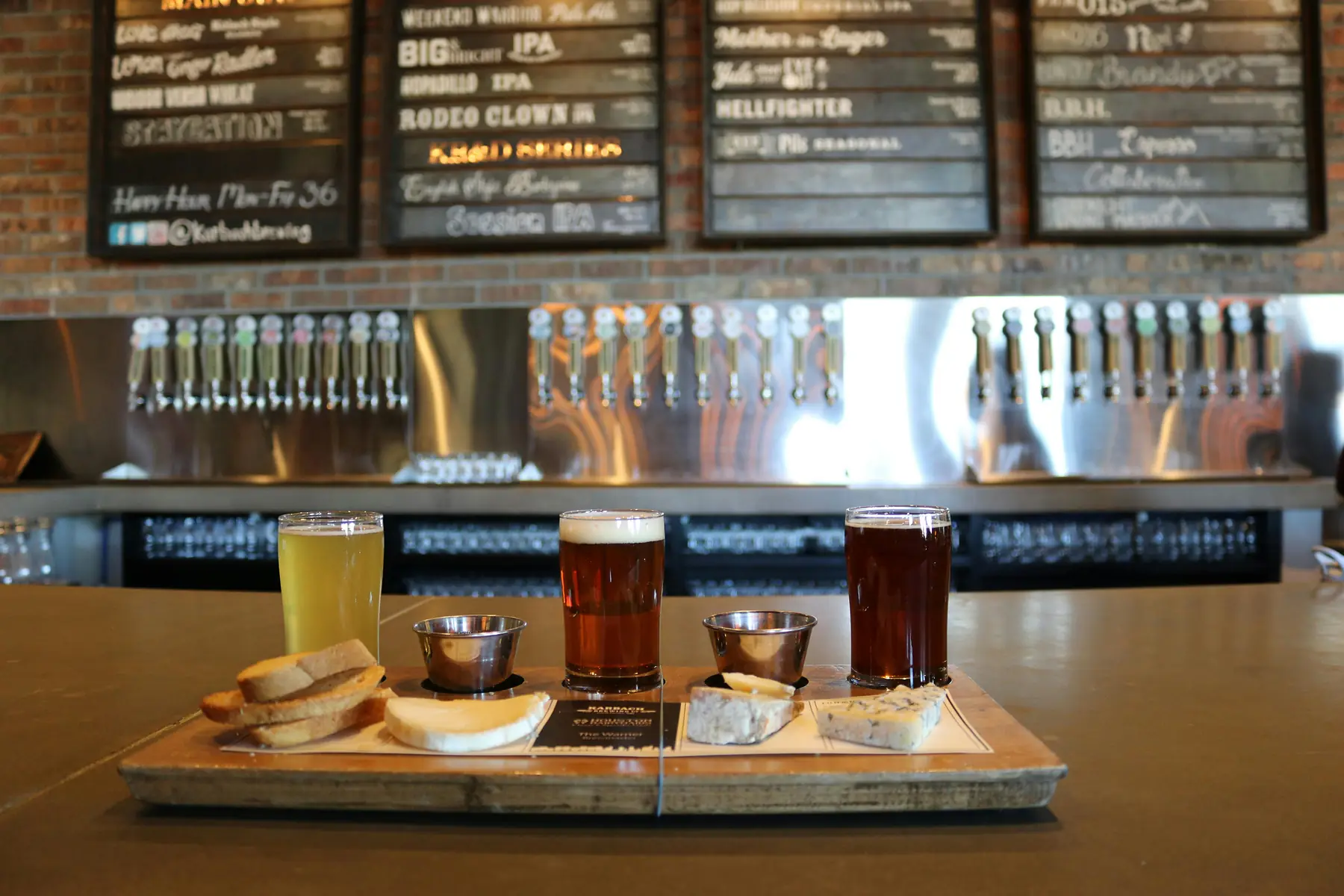
Wine & Beer
Malbec, Pinot Noir, and the craft beer scene from Bariloche to El Chaltén.
Read Guide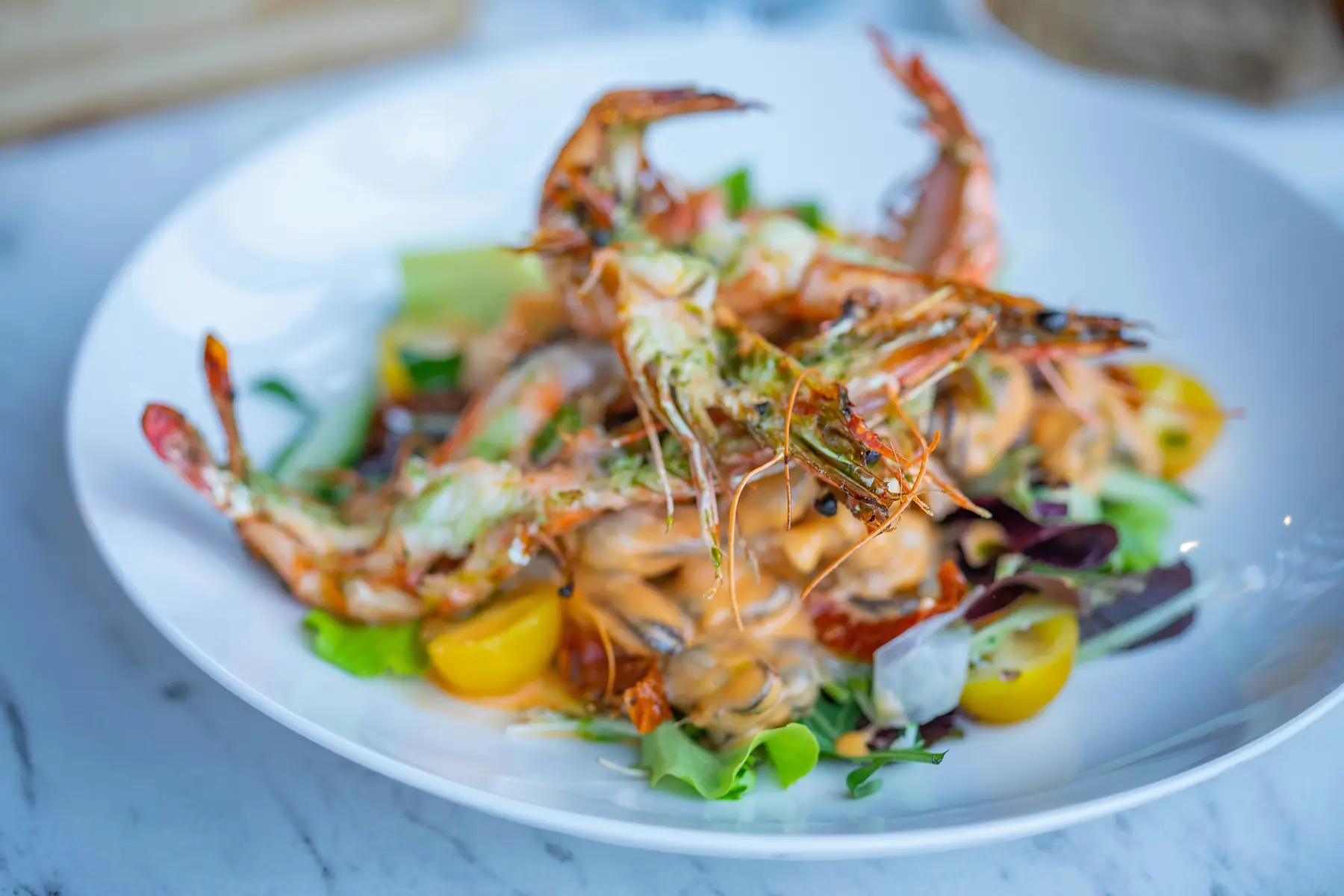
Food Costs
2026 prices, budget tips, and managing the Menú del Día.
Read Guide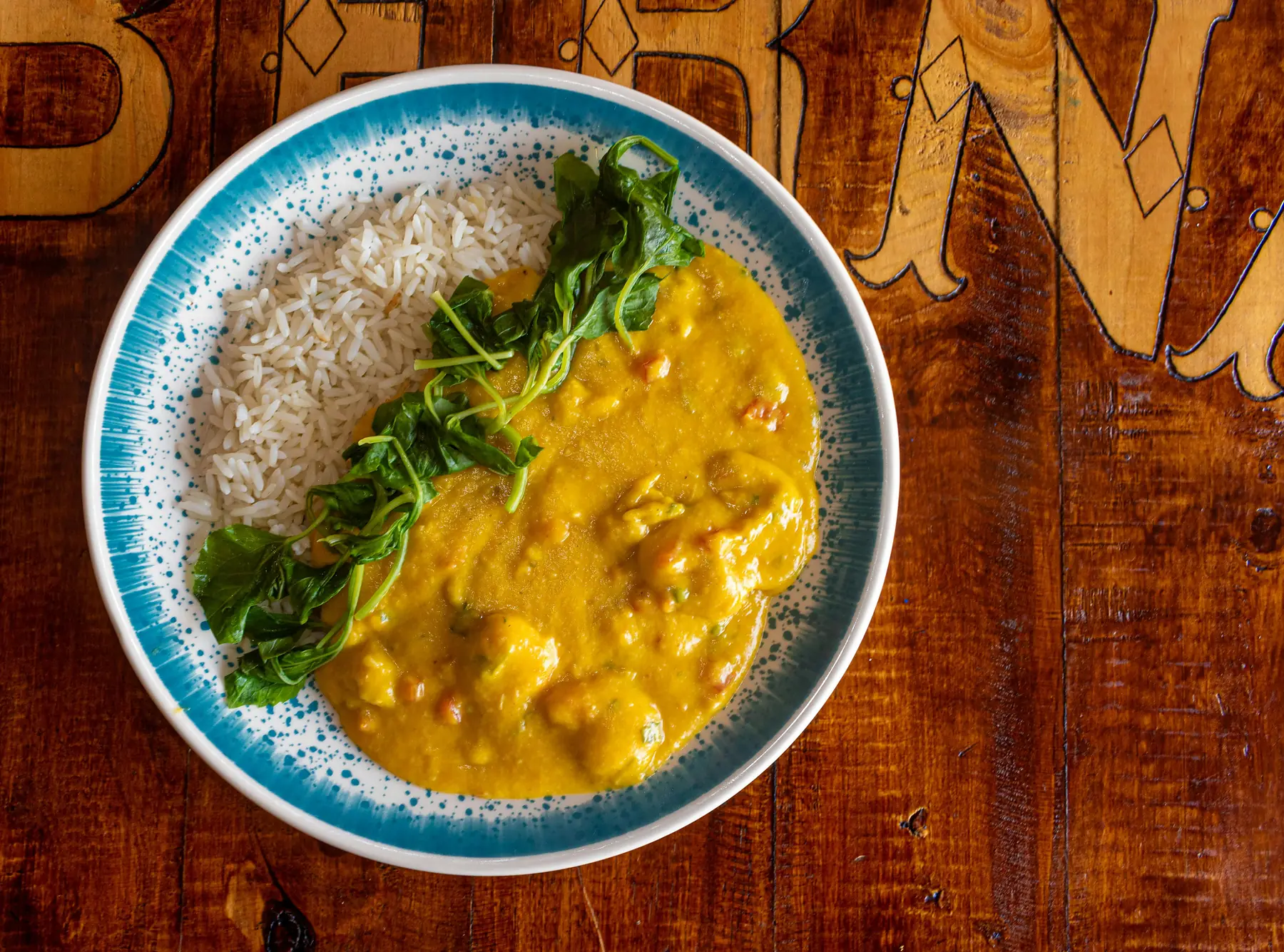
Vegetarian & Vegan
Plant-based dining options and tips for remote refugio meals.
Read Guide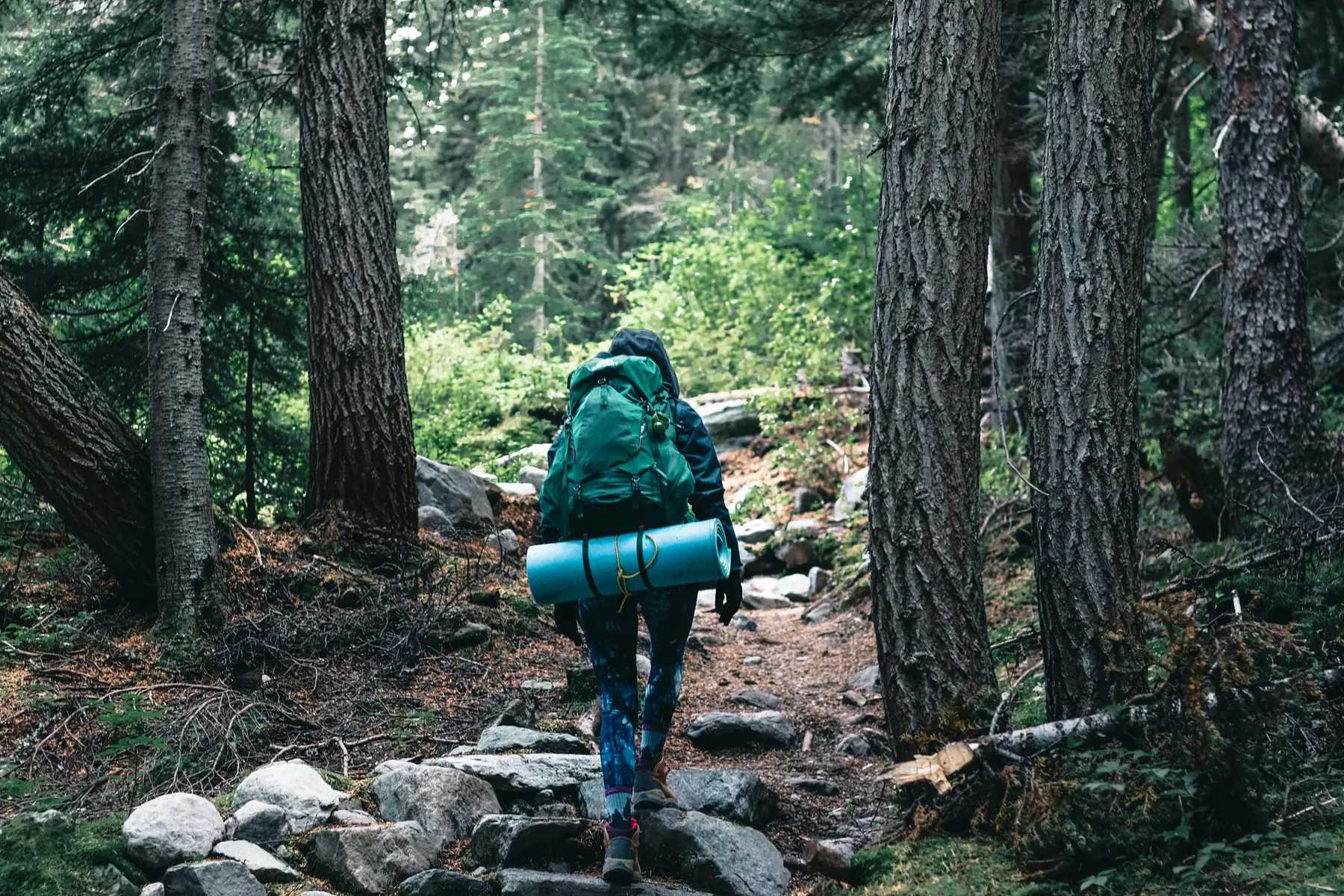
Backcountry Food
High-energy hiking snacks and food strategies for multi-day treks.
Read GuideIconic Meat Traditions: Cordero al Palo
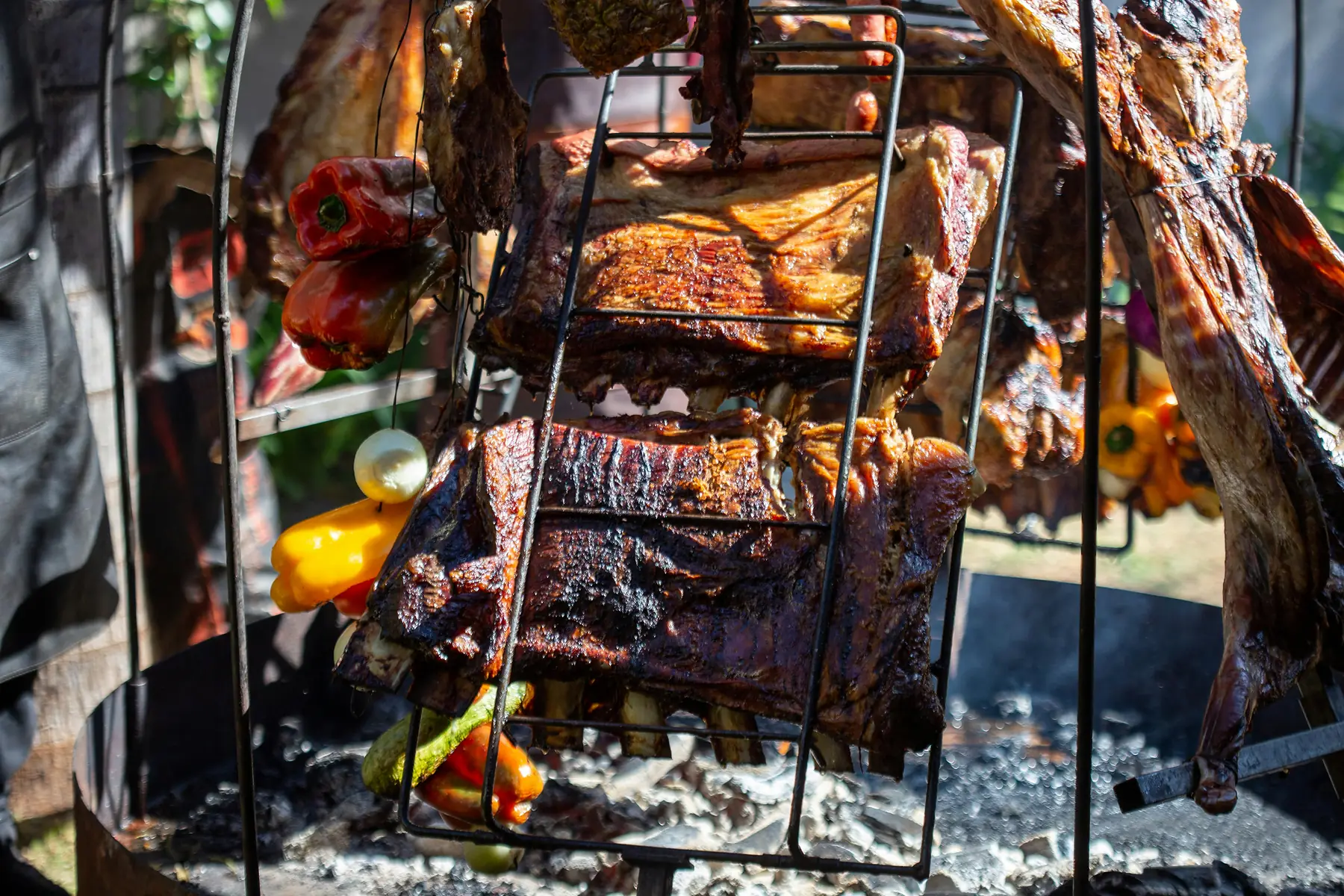
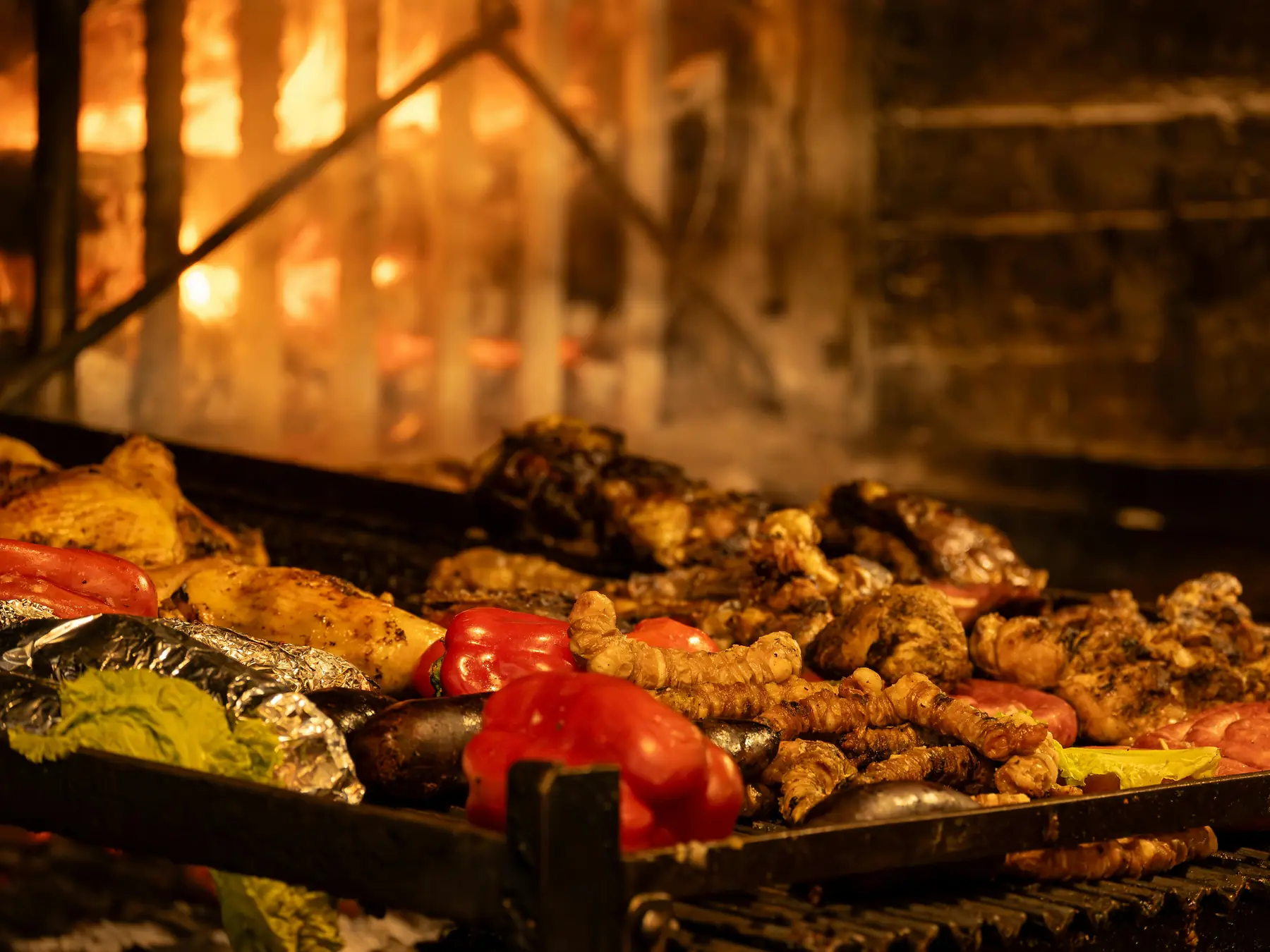
If there is one meal that defines the Patagonian experience, it is Cordero al Palo (spit-roasted lamb). A whole lamb is splayed across a metal cross and slow-cooked over an open wood fire for three to five hours, until the meat is tender and the skin is perfectly crisp.
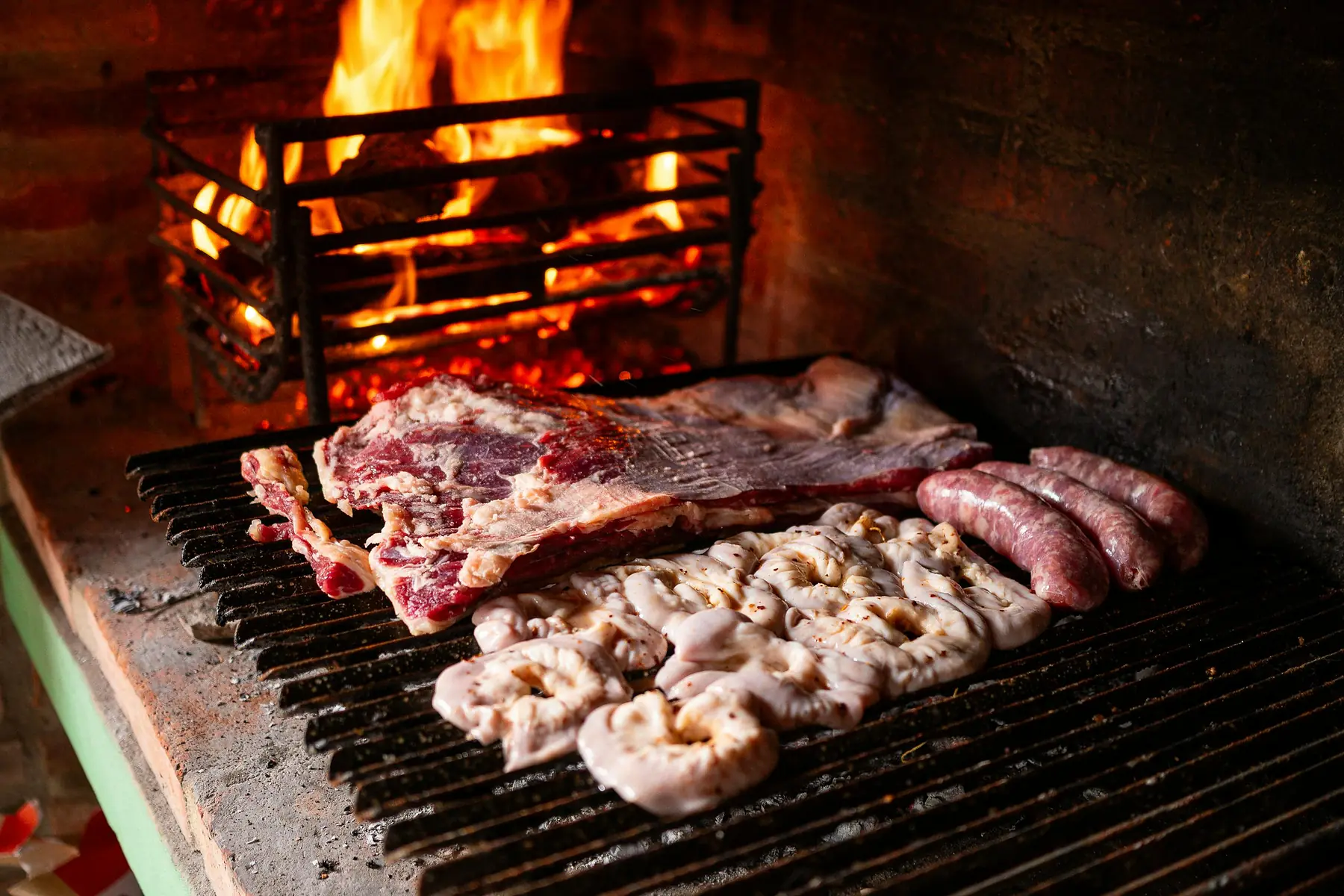
Beyond lamb, the asado culture includes staples like vacío (flank steak) and the ubiquitous choripán (chorizo sandwich), which serves as the region's favorite quick lunch. For a complete list of must-try meats, see our what to eat guide.
Seafood from the End of the World
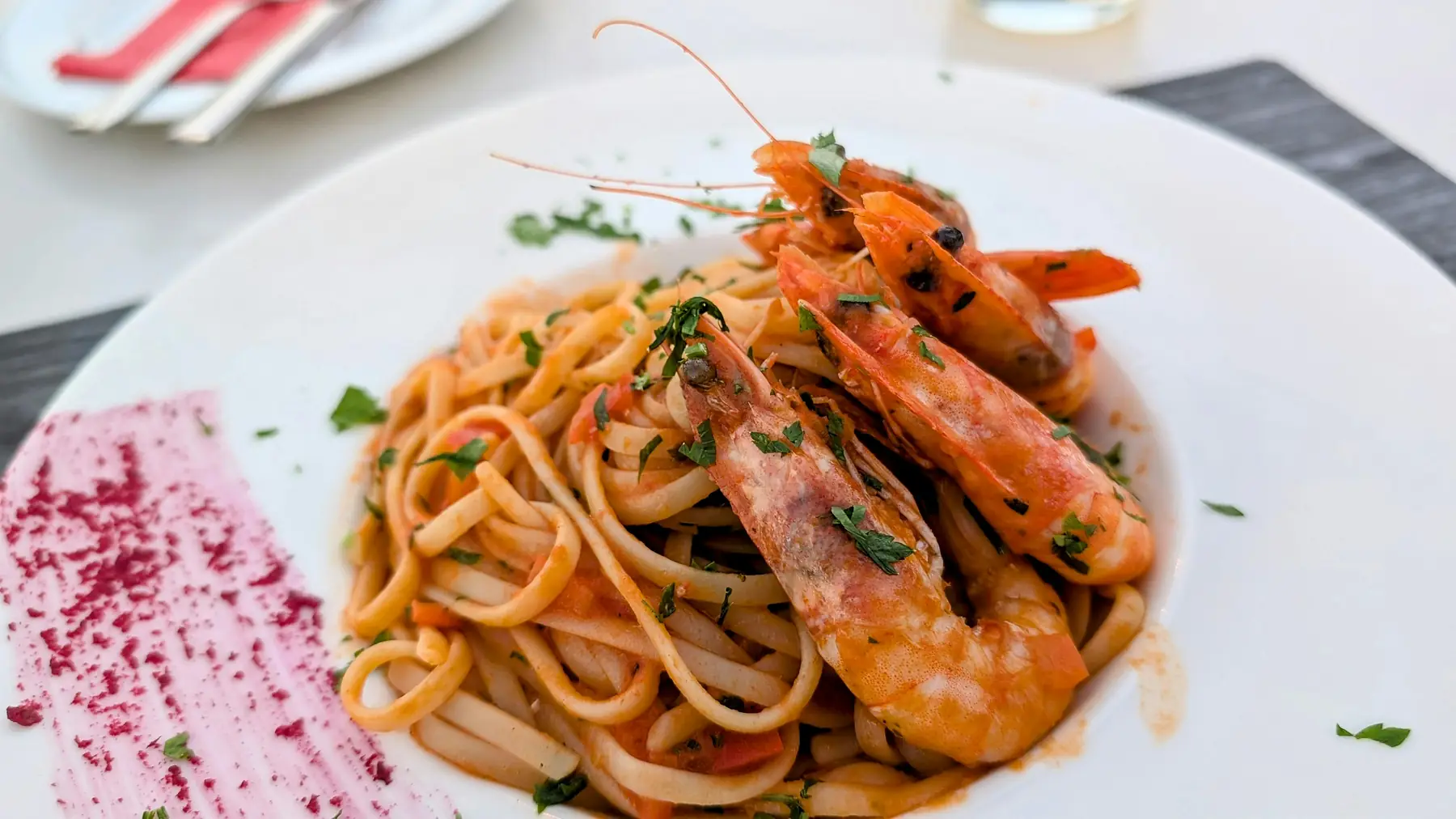
In the southern reaches of Chile and Argentina, Centolla (Southern King Crab) is the undisputed star of the region. These massive crabs are prized for their sweet, delicate meat and are often served simply — either "al natural" or in creamy chowders. Fresh Centolla is seasonal, with the primary harvest typically running from July through November.
The cold, nutrient-rich waters of the fjords also produce exceptional Pink Salmon, Austral Hake, and mussels. While the Argentine side offers diverse coastal catches, the Chilean fjords are world-renowned for their shellfish traditions.
Regional Sweets and Wild Berries
The most famous is the Calafate berry — local legend dictates that anyone who eats the berry is destined to return to Patagonia. You'll also encounter Rosehip (Rosa Mosqueta), used extensively in jellies and desserts, alongside the ever-present Dulce de Leche in Argentina and Manjar in Chile.
The Drink Ritual: From Mate to Malbec
Mate is the caffeinated herbal infusion shared among friends — understanding the etiquette of the Mate circle is key to connecting with local culture. For something stronger, the region produces world-class Malbec and increasingly sophisticated Pinot Noirs, alongside a thriving cerveza artesanal scene.
Dining Culture, Timing, and Costs
Dining in Patagonia requires a shift in your internal clock. Restaurants in major hubs rarely open for dinner before 7:00 PM, and it is common to see locals arriving as late as 10:00 PM. In Argentine restaurants, be prepared for the Cubierto, a small per-person cover charge that includes bread.
Verdict
For a 10-day trip, a mix of 70% self-catering and 30% dining out offers the best balance of budget and experience.
Gastronomic Hubs: Where to Eat
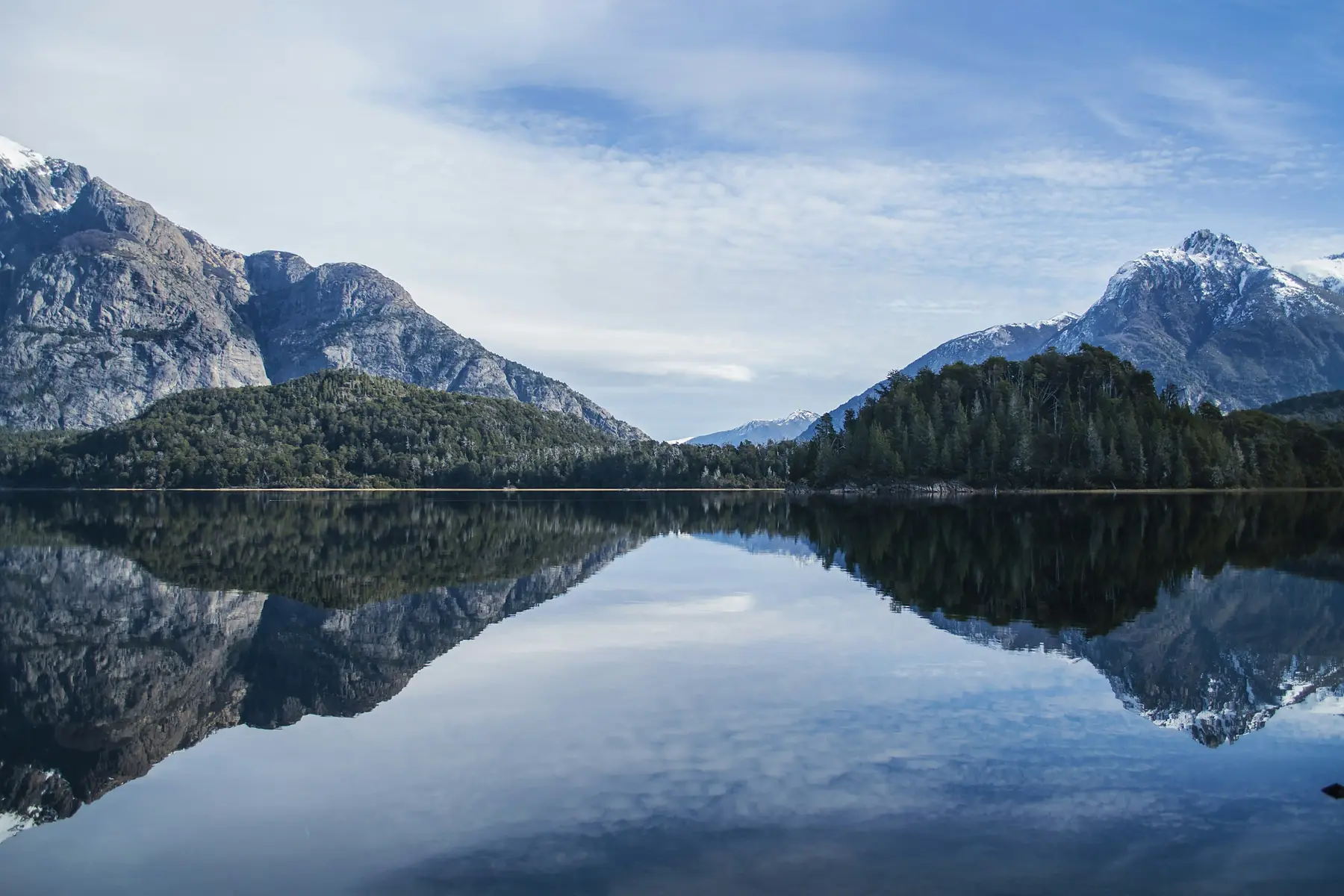
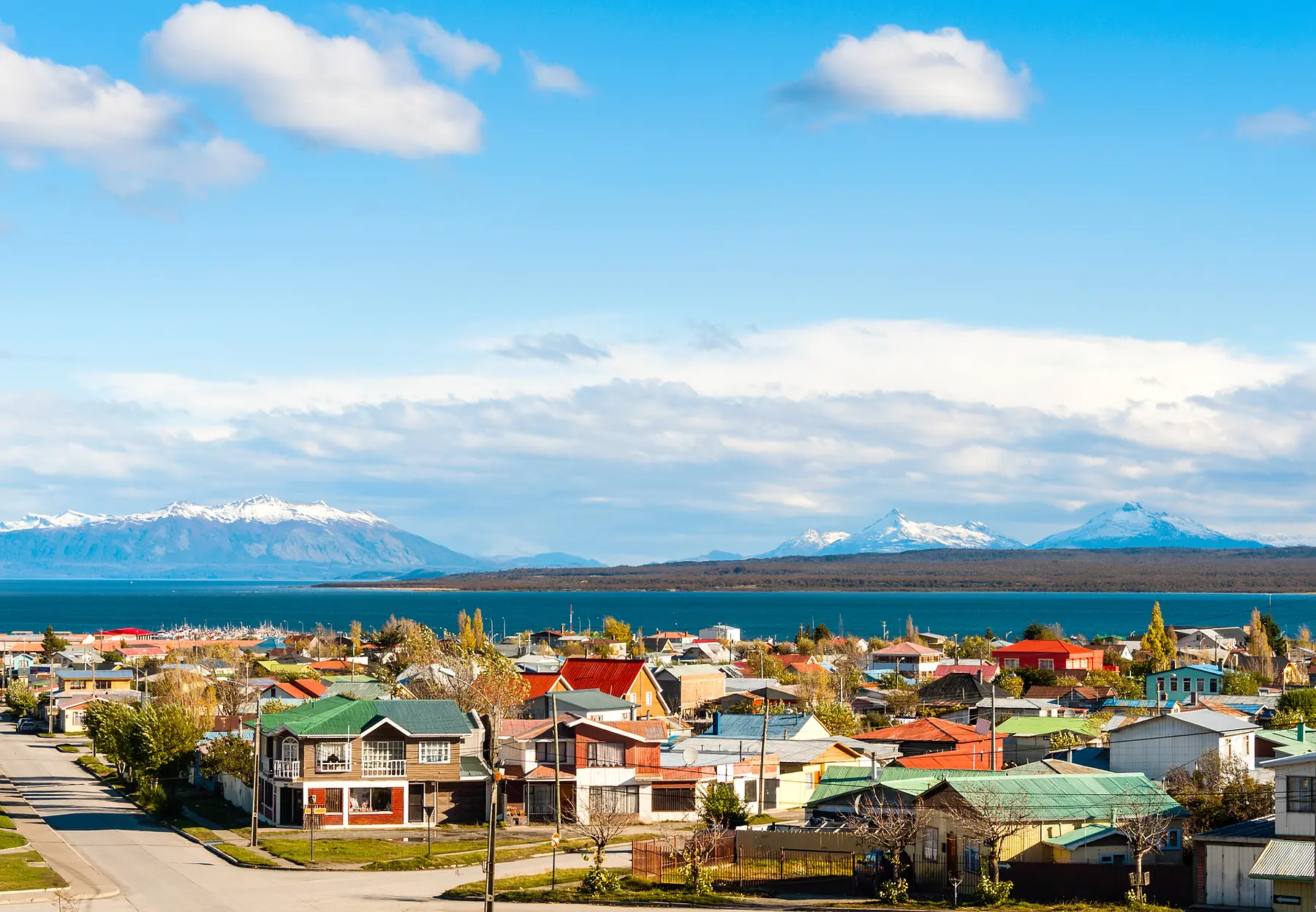
Five specific towns have developed into genuine gastronomic destinations. Each offers a different specialty based on its local environment and history.
Frequently Asked Questions
What is the most traditional food in Patagonia to try?
The most iconic dish is Cordero al Palo, a whole lamb slow-roasted over an open fire for three to five hours until the meat is tender and smoky. This dish is central to the asado tradition of the Patagonian steppe.
Is it expensive to eat food in Patagonia?
Food costs are generally higher than in northern Chile or Argentina due to the remote logistics of the south. For the 2026/27 season, expect to pay $40–$70 USD for a mid-range dinner including wine.
Can vegetarians find food in Patagonia easily?
Yes, while meat is a cultural staple, major hiking hubs like El Chaltén and Puerto Natales offer excellent vegetarian and vegan-specific restaurants. In remote refugios, plant-based meals are available but often require advance notice of at least 30 days.
Is the tap water in Patagonia safe to drink?
In most major towns and within National Parks like Torres del Paine and Los Glaciares, the tap water is safe and exceptionally pure.
What time do restaurants serve dinner in Patagonia?
Most restaurants open for dinner between 7:00 PM and 8:00 PM. Locals typically dine closer to 9:00 PM, and arriving before 7:00 PM will often find you standing in front of a closed door.
What is the best drink to pair with food in Patagonia?
A regional Malbec or a craft beer from Bariloche pairs perfectly with roasted meats. For seafood in Chile, a Pisco Sour is the classic accompaniment.
Ready to Eat Your Way Through Patagonia?
Start building your culinary itinerary alongside your hiking plans.