
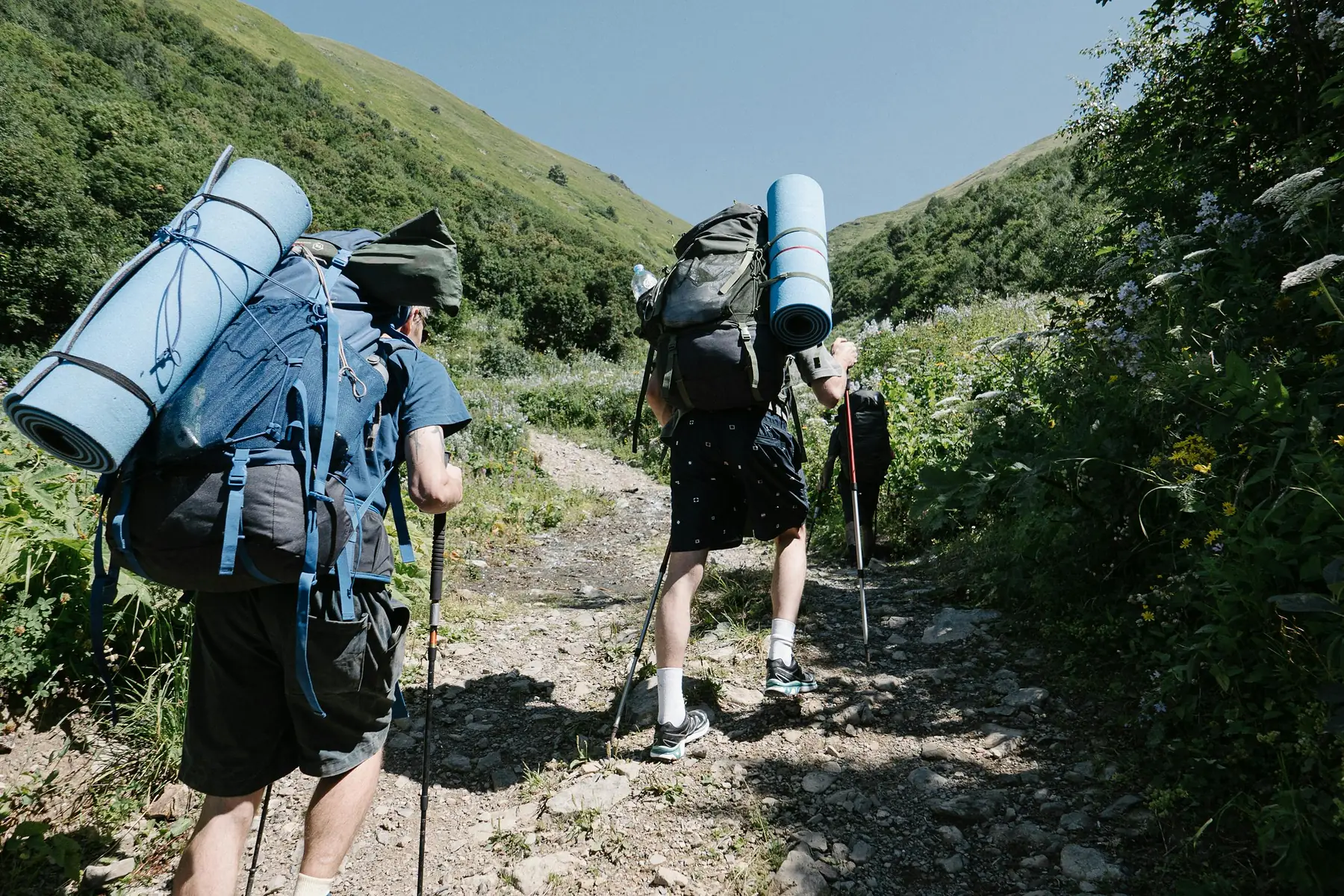
Day Hiking Packing List Patagonia: 2026 Essential Gear Guide
For a successful day hike in Patagonia, you need a 20-30L backpack containing a versatile three-layer clothing system, two liters of water, and reliable wind protection. While the landscape is dramatic, your packing list should be disciplined: focus on high-performance layers and safety essentials while leaving heavy camping equipment behind.
This guide is designed specifically for hikers staying in hotels, hostels, or mountain refugios who are embarking on out-and-back trails like the trek to Base de las Torres or Laguna de los Tres. If you are planning a multi-day trek with camping, you should instead refer to our W Trek packing list for information on tents, stoves, and sleeping systems. For a broader look at everything you need for your trip, including town wear and travel essentials, see our master Patagonia packing list.
The Core Philosophy: Lightweight and Layered
The defining characteristic of Patagonian weather is its volatility. You will likely experience intense sun, driving rain, and gale-force winds within a single eight-hour hike. To manage this, you must use a three-layer system: a wicking base layer, an insulating mid-layer, and a waterproof outer shell.
Cotton is your primary enemy in the backcountry. It absorbs moisture, dries slowly, and siphons heat away from your body, which creates a genuine hypothermia risk in Patagonia’s cold winds. Every item in your pack should be synthetic or wool. By keeping your gear focused on these essentials, you can maintain a comfortable pack weight that allows you to enjoy the scenery rather than enduring the trail.
To help you visualize how this weight is distributed, consider that your water and food will account for nearly half of your carry weight at the trailhead. As you eat and drink throughout the day, your pack will lighten, making those steep final descents easier on your joints.
Patagonia Day Hike Essentials
- Pack Size: 20L to 30L with a rain cover
- Clothing: No cotton; use Merino wool or synthetics
- Footwear: Sturdy hiking boots or high-traction trail shoes
- Hydration: 2 liters capacity (refillable at streams)
- Navigation: Offline maps (AllTrails or Maps.me)
- Safety: Basic first aid kit with blister care
Seasonal Adjustments: When You Are Hiking Matters
While the core gear remains the same, the intensity of your layers will shift depending on the month of your visit. Understanding Patagonia’s weather patterns is the first step in deciding which specific items to prioritize.
In the spring months of October and November, you should prepare for the highest wind speeds of the year and significant mud on the trails. This is the season where gaiters and heavy-duty waterproof shells are most valuable. During the peak summer of December through February, sun protection becomes the priority. While it is warmer, the wind remains a constant factor, and you will still need a “puffy” jacket for when you stop to eat at high-altitude viewpoints.
As of the 2026/27 season, average temperature ranges in Puerto Natales typically span 3–14°C (37–57°F) in October, 7–20°C (45–68°F) in January, and 3–13°C (37–55°F) in April.
The fall season in March and April offers the most stable weather and stunning red foliage, but the temperatures drop significantly as soon as the sun goes down. If you are hiking in late autumn, ensure your mid-layer is substantial enough for near-freezing temperatures. You can find a deeper breakdown of what to expect each month in our guide on the best time to visit Patagonia.
Choosing the Right Daypack (20L-30L)
A 20L to 30L pack is the “sweet spot” for Patagonia. It provides enough volume for your layers, lunch, and safety gear without the unnecessary bulk of a trekking pack. If you are looking for advice on choosing a larger pack for multi-day treks, we have a dedicated guide for that, but for day trips, simplicity is better.
Look for a pack with a robust hip belt to transfer weight to your pelvis and external mesh pockets for easy water access. A common mistake is relying solely on a backpack’s integrated rain cover. In Torres del Paine, average wind gusts frequently reach 60–100 km/h, which can easily blow a cover right off your pack or allow water to seep in through the back panel.
Line the inside of your backpack with a lightweight dry bag or even a heavy-duty trash bag. This “liner” method is far more effective than an external rain cover at keeping your spare layers and electronics dry during a Patagonian downpour.
The Layering System: Upper Body Essentials
Your upper body layers are your primary tool for thermoregulation. Because you will be moving between sheltered forests and exposed ridgelines, you need to be able to add or remove layers quickly.
The base layer should be a long-sleeve Merino wool or synthetic shirt. Long sleeves provide essential protection against both the intense UV rays and the abrasive wind. For your mid-layer, a lightweight “puffy” jacket (down or synthetic) is superior to a fleece because it offers a much higher warmth-to-weight ratio and compresses easily when not in use.
Finally, your outer shell is your most important piece of equipment. It must be a fully waterproof and windproof jacket with a cinchable hood and a stiff brim to keep rain out of your eyes. To find the right balance of breathability and protection, see our guide to finding the best Gore-Tex shell for high winds.
If you are sensitive to the itch of traditional wool, we recommend exploring the benefits of merino wool for temperature regulation, which stays warm even when damp and resists odors over multiple days of use.
Lower Body: Pants, Shorts, and Gaiters
While you may see photos of hikers in shorts, they are rarely the best choice for Patagonia. The weather changes too fast, and the wind can quickly turn a pleasant walk into a chilling experience. Furthermore, many trails in areas like El Chaltén involve walking through low brush that can scratch exposed legs.
Most hikers opt for quick-dry trekking pants. These offer wind protection and dry almost instantly after a light shower. For sustained rain or crossing high passes, a pair of lightweight rain pants that can be pulled on over your hiking trousers is essential.
- Wind Protection: High / Absolute
- Breathability: Excellent / Low
- Water Resistance: Water-resistant / Fully waterproof
- Comfort: High-stretch / Crinkly and stiff
Wear softshell pants for 90% of your hike; keep hardshell rain pants in your pack for storms.
If you are visiting in the shoulder seasons, you might encounter significant mud, particularly on the trails around El Chaltén. In spring (October/November), snowmelt often leaves trails saturated, while autumn can bring muddy bogs after rain. In these conditions, lightweight gaiters are a worthwhile addition to keep mud and small stones out of your boots. For a detailed look at specific models, check out our guide on comparing softshell vs. hardshell hiking pants.
Footwear: The Great Boot vs. Trail Shoe Debate
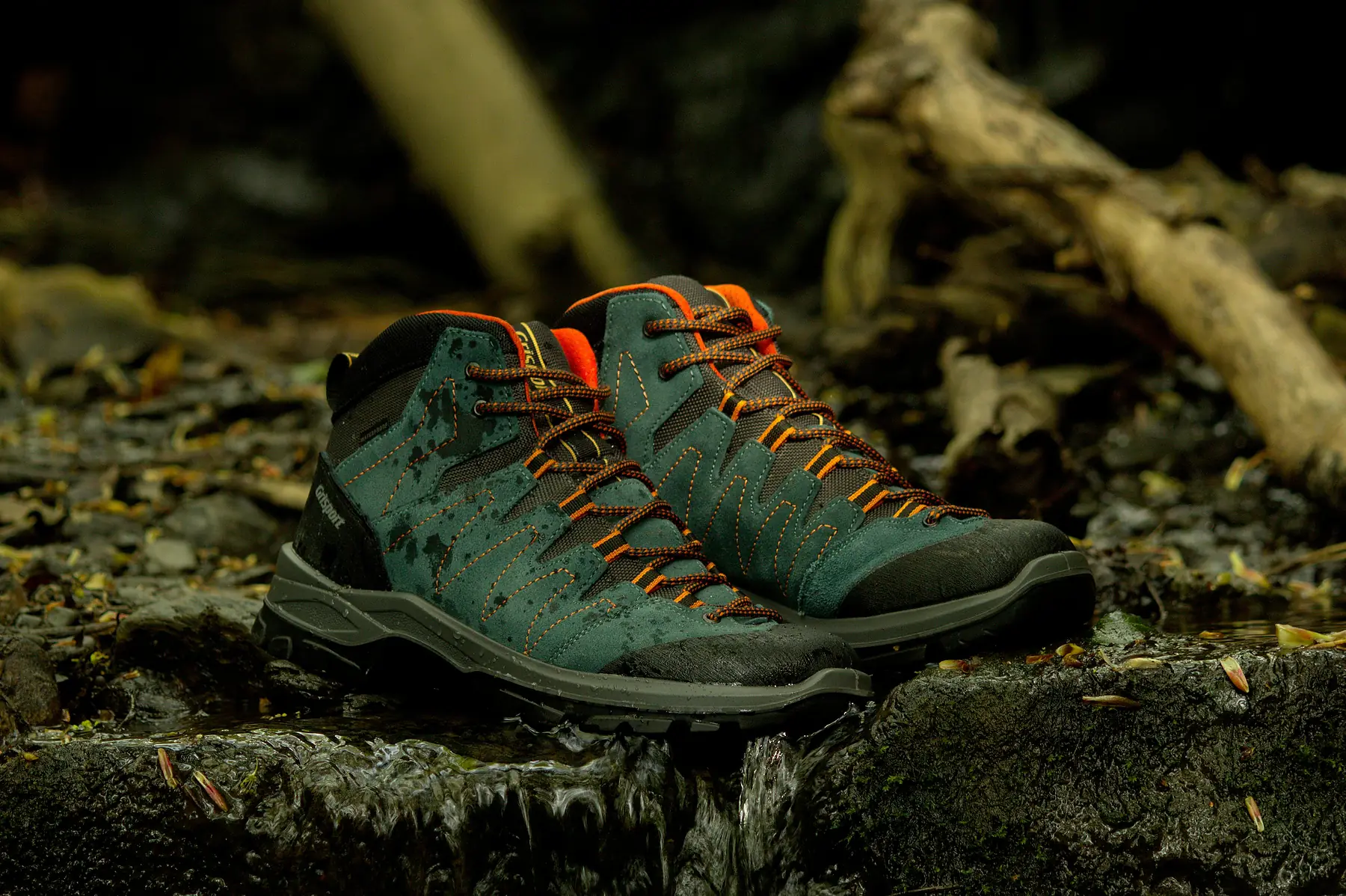
The terrain in Patagonia is unforgiving. You will encounter everything from deep mud and slick forest roots to unstable scree slopes, such as the final climb to the Base de las Torres. Your choice of footwear should prioritize traction and stability.
Hiking boots with ankle support are the traditional choice and remain the safest option for most travelers, especially when navigating rocky descents in high winds. However, experienced hikers with strong ankles often prefer the agility of trail runners. Regardless of the style, ensure your footwear is fully broken in before you arrive in South America to avoid trip-ruining blisters.
To see our current recommendations for different terrain types, browse our top-rated hiking boots and trail runners.
Use the “double sock” method: a thin synthetic liner sock under a thicker Merino wool hiking sock. This reduces friction against your skin and is one of the most effective ways to prevent blisters on long 20km day hikes.
The “Patagonia Essentials”: Accessories That Matter
It is often the smallest items that determine your comfort level. In Patagonia, “hat security” is a legitimate concern. A gust of wind can easily snatch a baseball cap and send it into a glacial lake. Use a beanie that fits snugly or a sun hat with a secure chin strap.
Sun protection is non-negotiable. Due to the proximity to the Antarctic ozone hole, the UV index in Southern Patagonia can reach “Very High” (8) or “Extreme” (11+) levels even on overcast days, particularly from October to February. Use SPF 50+ sunscreen and apply it more frequently than you think necessary.
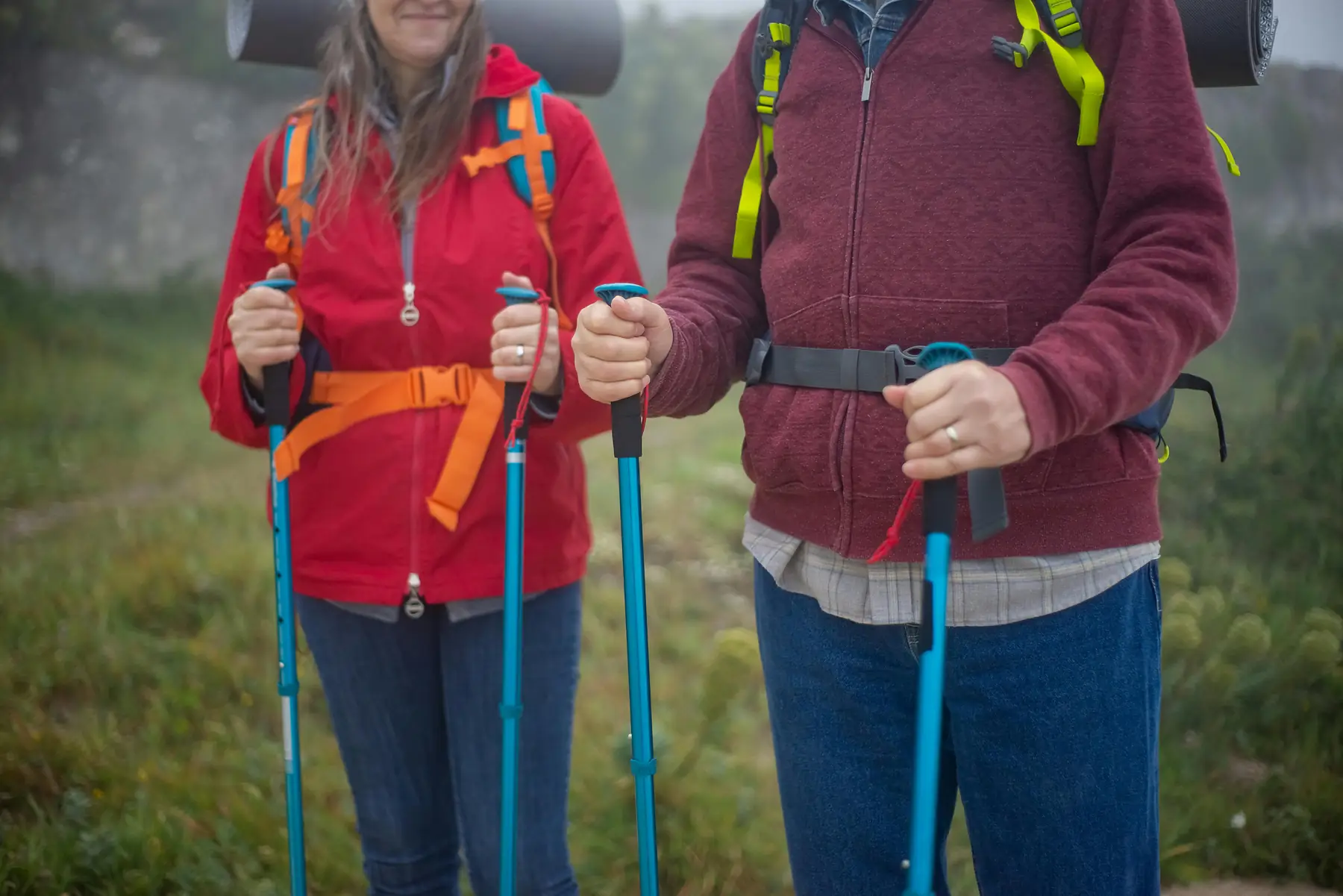
We also strongly recommend using trekking poles. The trails in Torres del Paine and El Chaltén feature significant elevation gain and loss, often over rocky “steps” that are punishing on the knees. Poles provide essential stability when a 70 km/h gust hits you on an exposed ridge. If you are unsure which style to buy, we have a guide on how to choose the right trekking poles.
Hydration and Nutrition on the Trail
One of the joys of hiking in Patagonia is the water. In most of the national parks, the water in fast-flowing glacial streams is generally pure and safe to drink. However, for the 2026/27 season, park authorities and local guides recommend collecting water only from secondary streams away from high-traffic areas, or using a lightweight filter/purification tablets as a backup to avoid pathogens like Giardia.
While stream water is generally safe, never collect water downstream from a large campsite, refugio, or high-traffic area. Use a wide-mouth Nalgene bottle for easy filling in shallow streams, as hydration bladders can be difficult to fill and are prone to leaking inside your pack.
For nutrition, focus on caloric density. A typical day hike like the Laguna de los Tres trek can take 8 to 10 hours and burn thousands of calories. Carry a mix of slow-release energy (nuts, granola bars) and quick sugars (dried fruit, chocolate) to maintain your energy levels during the steep final climbs.
Safety, Tech, and First Aid
Even on a day hike, you are entering a remote environment where staying safe in the backcountry requires preparation. Cell service is virtually non-existent once you leave the trailheads in Puerto Natales or El Chaltén. While some refugios like Paine Grande or Grey offer paid satellite Wi-Fi, you should expect zero connectivity for 90% of your time on the trail.
Download offline maps using AllTrails or Maps.me before you leave your accommodation. Cold temperatures can drain phone batteries rapidly, so carry a small power bank and keep your phone in an internal pocket close to your body heat. Your first aid kit doesn’t need to be extensive, but it must include high-quality blister care like Compeed, ibuprofen for inflammation, and a lightweight emergency space blanket.
Check the Forecast
Check the mountain-specific forecast (Windguru or Meteoblue) on the morning of your hike, but prepare for the worst-case scenario regardless of what the screen says.
Pack Your Layers
Place your “just in case” layers (rain pants and heavy shell) at the bottom of your pack, with your insulating puffy and snacks near the top for easy access.
Notify Someone
Always tell your hostel or hotel staff which trail you are hiking and what time you expect to return.
To ensure you haven’t missed any critical items for your specific trip, you can download our printable checklist below.
FAQ
QUESTION: Is the water in Torres del Paine safe to drink during a day hike? ANSWER: Yes, water from fast-flowing glacial streams in Torres del Paine is generally safe, though for the 2026/27 season it is recommended to collect water away from campsites or use a backup filter to ensure safety from pathogens.
QUESTION: Do I need a professional 60L rucksack for day hiking in Patagonia? ANSWER: No, a 20L to 30L daypack is sufficient for carrying your layers, water, and lunch; larger packs are only necessary for multi-day treks where you are carrying camping gear.
QUESTION: Are trekking poles necessary for day hikes in El Chaltén? ANSWER: While not mandatory, trekking poles are highly recommended for El Chaltén’s steep sections, such as the final climb to Laguna de los Tres, to provide stability in high winds and reduce impact on your knees.
QUESTION: What kind of hat is best for the wind in Patagonia? ANSWER: A snug-fitting beanie is best for warmth, but if using a sun hat, ensure it has a secure chin strap or can be cinched tight, as Patagonian wind gusts easily claim unsecured headwear.
QUESTION: Should I wear hiking boots or trail shoes for day walks in Patagonia? ANSWER: Hiking boots with ankle support are generally preferred for the uneven, rocky, and often muddy terrain found on most Patagonia trails, though experienced hikers may opt for sturdy trail runners on well-maintained paths.
QUESTION: Do I need to carry a rain jacket if the forecast for Torres del Paine is sunny? ANSWER: Yes, you must always carry a high-quality waterproof shell in Torres del Paine, as weather conditions change rapidly and clear blue skies can turn into a rainstorm within minutes.